
Search
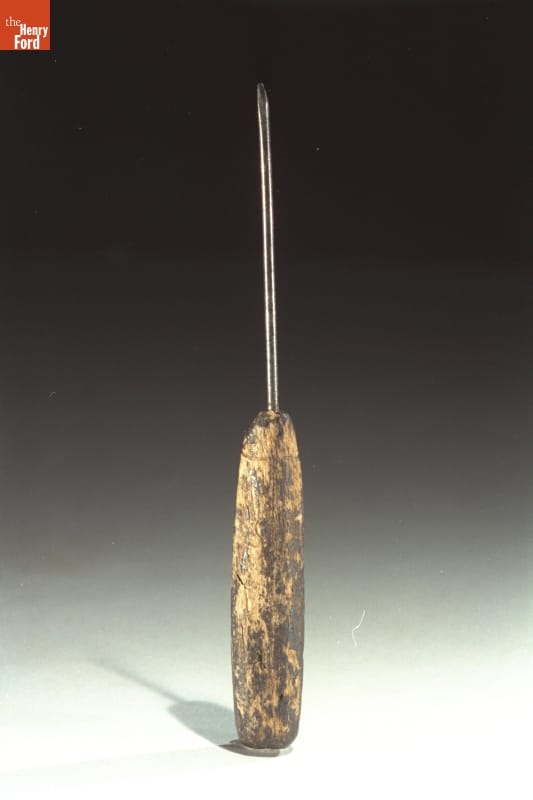
- Screwdriver, Used by Henry Ford for Watch Repair, 1876-1878 - Watches were some of the first machines to catch Henry Ford's interest. He received a pocket watch for his 13th birthday which he quickly took apart -- and then put back together in perfect working order. Young Ford often repaired watches for friends and neighbors. He never charged for his services; the experience he gained was reward enough.
- 1876-1878
- Collections - Artifact
Screwdriver, Used by Henry Ford for Watch Repair, 1876-1878
Watches were some of the first machines to catch Henry Ford's interest. He received a pocket watch for his 13th birthday which he quickly took apart -- and then put back together in perfect working order. Young Ford often repaired watches for friends and neighbors. He never charged for his services; the experience he gained was reward enough.
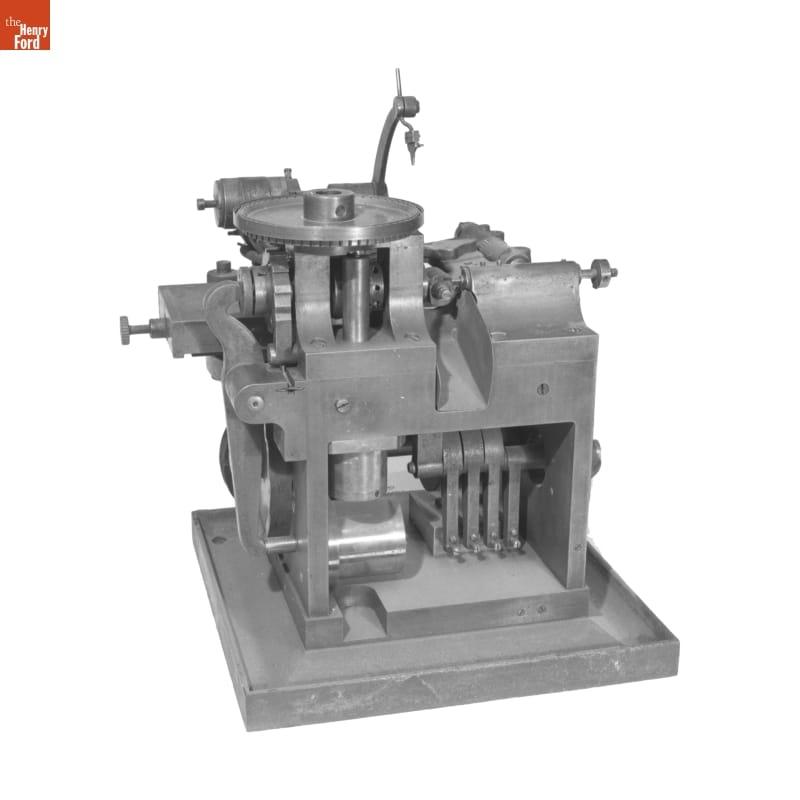
- Air-activated Gear Cutter, Used by the Waltham Watch Company, circa 1895 - The Waltham Watch Company was a world-famous example of a highly mechanized manufacturer of quality consumer goods. Specialized labor, new machines, and interchangeable parts combined to create the company's low-cost, high-grade watches. Duane Church, Waltham's superintendent of toolmakers, developed precision watchmaking machinery that produced interchangeable parts without the aid of gauges and templates. Church invented this gear cutter in the early 1890s.
- circa 1895
- Collections - Artifact
Air-activated Gear Cutter, Used by the Waltham Watch Company, circa 1895
The Waltham Watch Company was a world-famous example of a highly mechanized manufacturer of quality consumer goods. Specialized labor, new machines, and interchangeable parts combined to create the company's low-cost, high-grade watches. Duane Church, Waltham's superintendent of toolmakers, developed precision watchmaking machinery that produced interchangeable parts without the aid of gauges and templates. Church invented this gear cutter in the early 1890s.
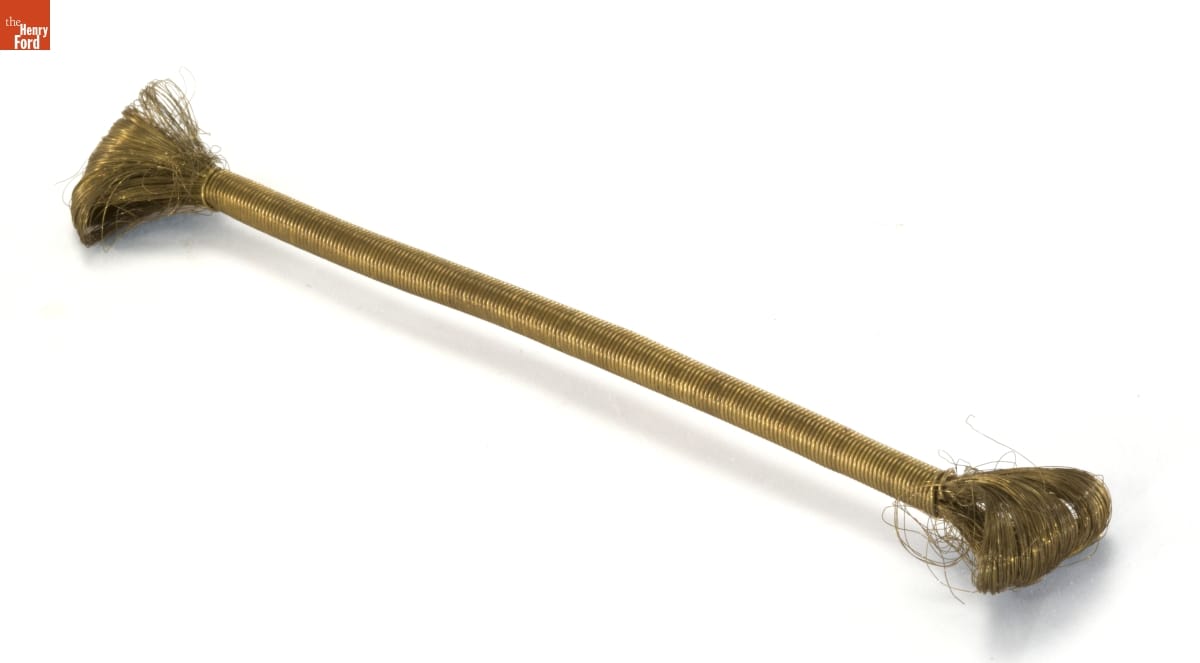
- Scratch Brush, 1900-1920 - A clock and watchmaker uses a range of tools to create or repair timepieces. Among this skilled craftsperson's many tools are files, saws, reamers, burnishers and scratch brushes, like this one. Brushes with brass wire bristles are dipped into a wet cleaning solution and used to polish and brighten areas that cannot be accessed by a burnisher.
- 1900-1920
- Collections - Artifact
Scratch Brush, 1900-1920
A clock and watchmaker uses a range of tools to create or repair timepieces. Among this skilled craftsperson's many tools are files, saws, reamers, burnishers and scratch brushes, like this one. Brushes with brass wire bristles are dipped into a wet cleaning solution and used to polish and brighten areas that cannot be accessed by a burnisher.
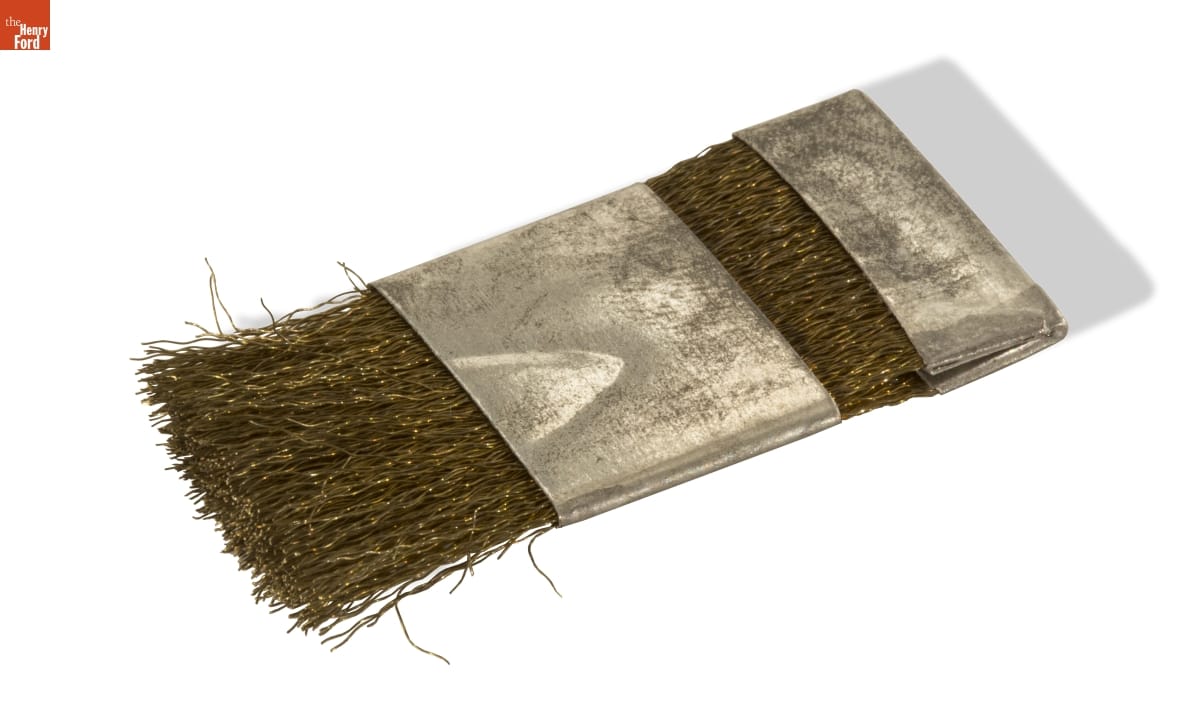
- Scratch Brush, 1900-1920 - A clock and watchmaker uses a range of tools to create or repair timepieces. Among this skilled craftsperson's many tools are files, saws, reamers, burnishers and scratch brushes, like this one. Brushes with brass wire bristles are dipped into a wet cleaning solution and used to polish and brighten areas that cannot be accessed by a burnisher.
- 1900-1920
- Collections - Artifact
Scratch Brush, 1900-1920
A clock and watchmaker uses a range of tools to create or repair timepieces. Among this skilled craftsperson's many tools are files, saws, reamers, burnishers and scratch brushes, like this one. Brushes with brass wire bristles are dipped into a wet cleaning solution and used to polish and brighten areas that cannot be accessed by a burnisher.
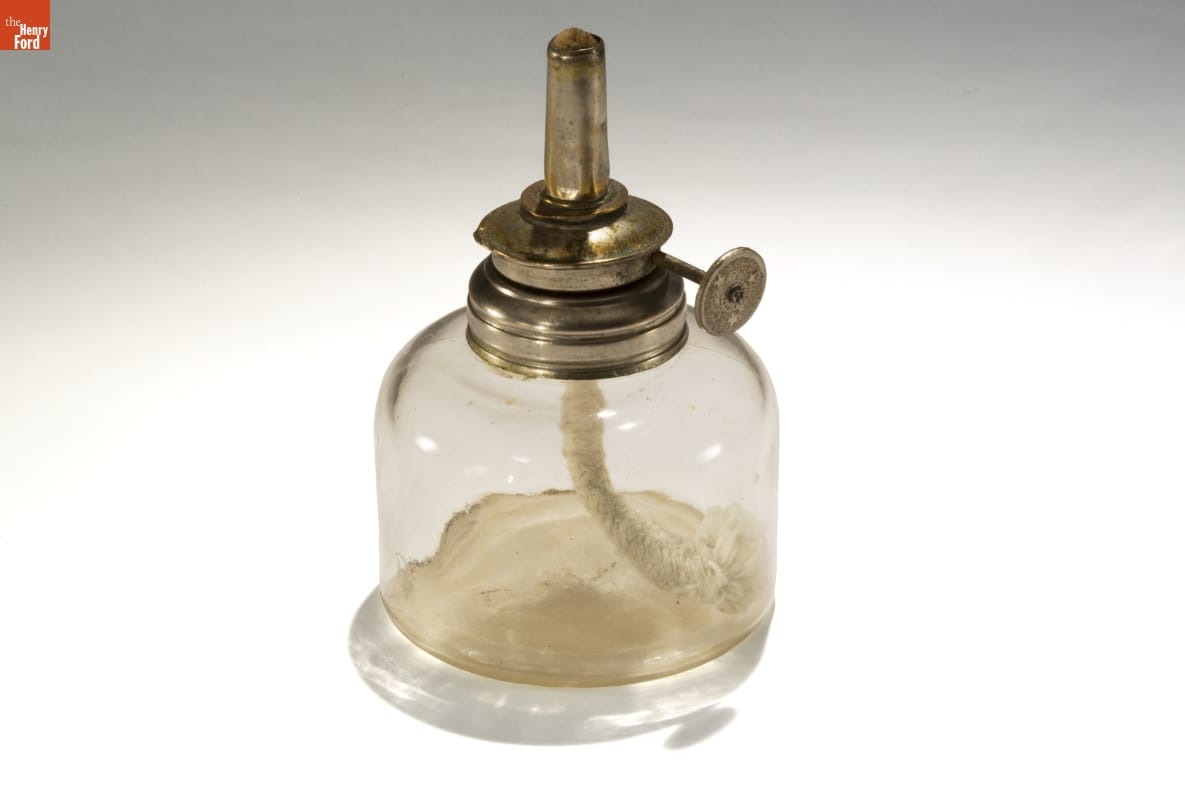
- Spirit Lamp, 1900-1920 - A clock and watchmaker uses a range of tools to create or repair timepieces. Among this skilled craftsperson's many tools are files, saws, reamers, burnishers and even a small lamp, like this one. A lamp serves many purposes. It is used to heat and temper metal, soften shellac and, coupled with a blow pipe, aids in soldering.
- 1900-1920
- Collections - Artifact
Spirit Lamp, 1900-1920
A clock and watchmaker uses a range of tools to create or repair timepieces. Among this skilled craftsperson's many tools are files, saws, reamers, burnishers and even a small lamp, like this one. A lamp serves many purposes. It is used to heat and temper metal, soften shellac and, coupled with a blow pipe, aids in soldering.
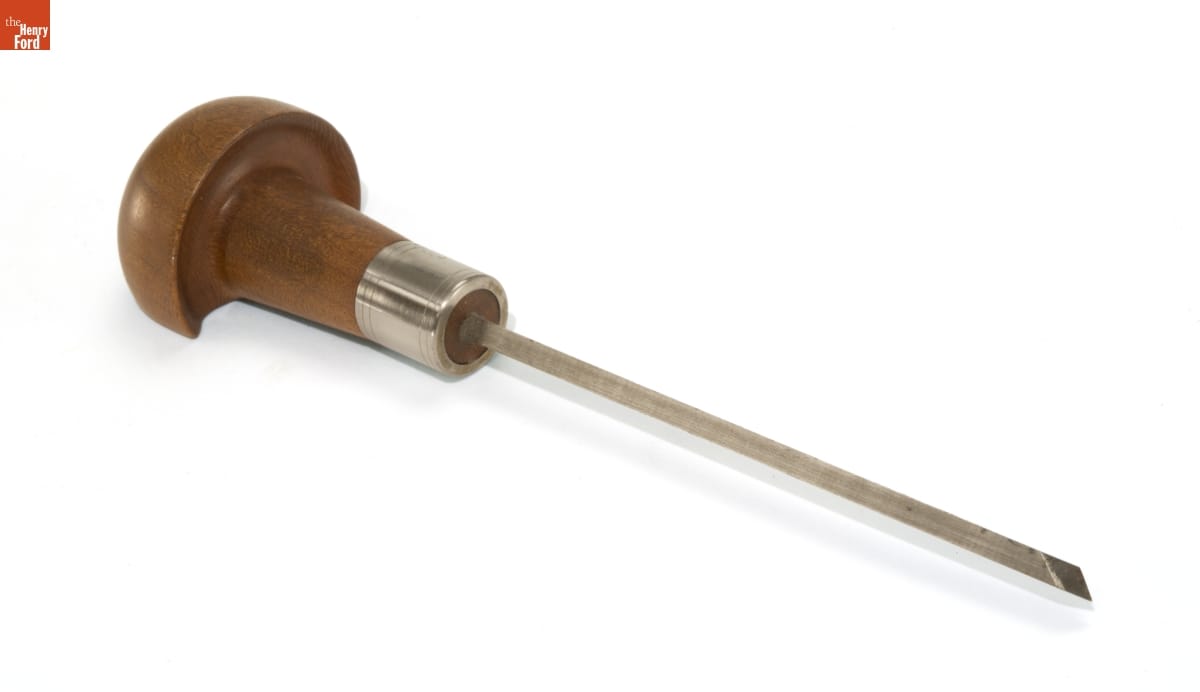
- Pivoting Graver, 1900-1920 - A clock and watchmaker uses a range of small hand tools to create or repair timepieces. Among this skilled craftsperson's many tools are files, saws, hammers, burnishers and gravers, like this one. A graver is generally used to shape metal components on a lathe. The graver's sharp edge cuts away unwanted material.
- 1900-1920
- Collections - Artifact
Pivoting Graver, 1900-1920
A clock and watchmaker uses a range of small hand tools to create or repair timepieces. Among this skilled craftsperson's many tools are files, saws, hammers, burnishers and gravers, like this one. A graver is generally used to shape metal components on a lathe. The graver's sharp edge cuts away unwanted material.
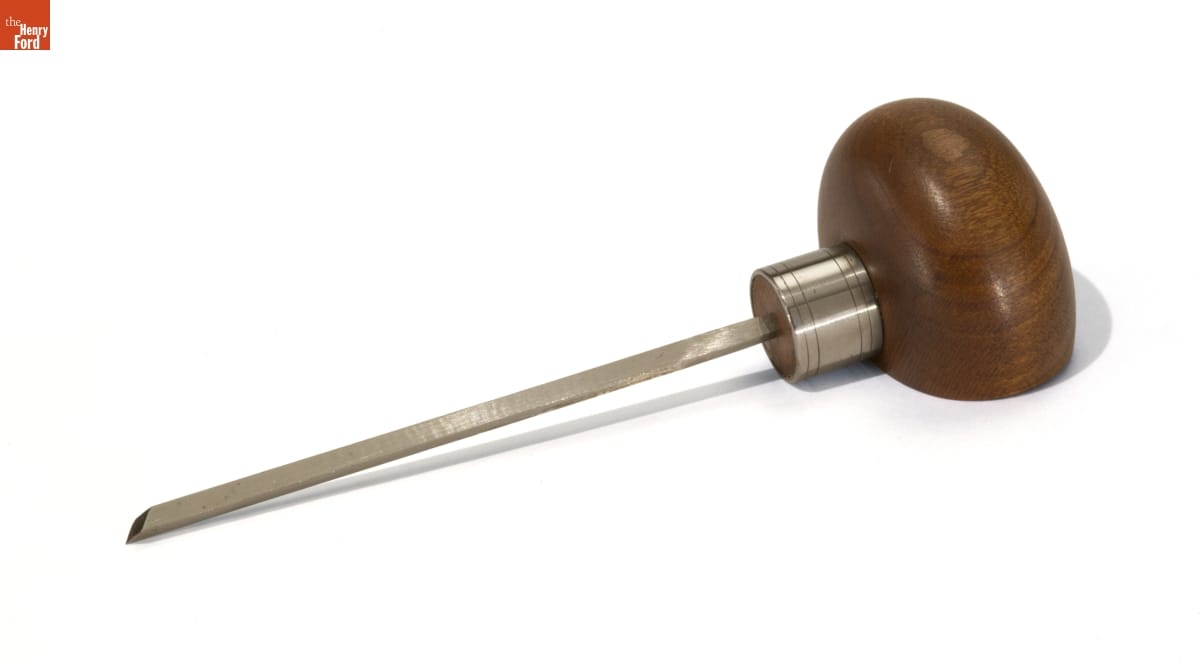
- Pivoting Graver, 1900-1920 - A clock and watchmaker uses a range of small hand tools to create or repair timepieces. Among this skilled craftsperson's many tools are files, saws, hammers, burnishers and gravers, like this one. A graver is generally used to shape metal components on a lathe. The graver's sharp edge cuts away unwanted material.
- 1900-1920
- Collections - Artifact
Pivoting Graver, 1900-1920
A clock and watchmaker uses a range of small hand tools to create or repair timepieces. Among this skilled craftsperson's many tools are files, saws, hammers, burnishers and gravers, like this one. A graver is generally used to shape metal components on a lathe. The graver's sharp edge cuts away unwanted material.
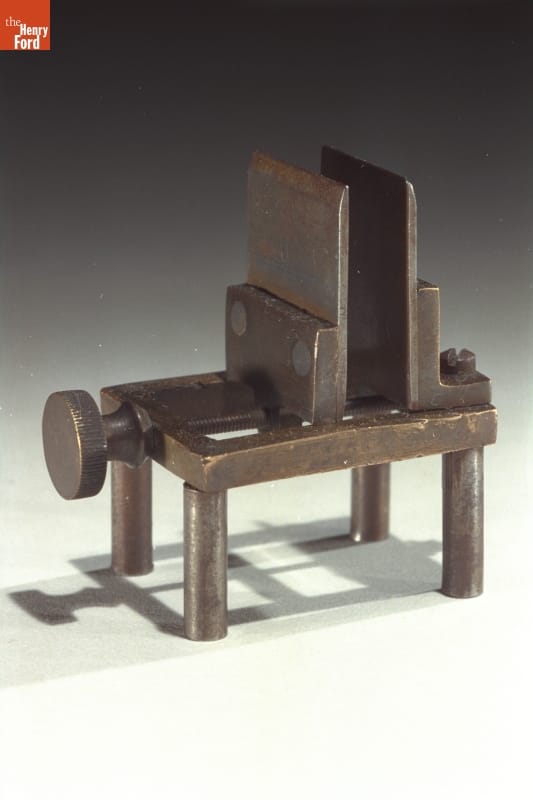
- Vise, Used by Henry Ford for Watch Repair, 1876-1878 - Watches were some of the first machines to catch Henry Ford's interest. He received a pocket watch for his 13th birthday which he quickly took apart -- and then put back together in perfect working order. Young Ford often repaired watches for friends and neighbors. He never charged for his services; the experience he gained was reward enough.
- 1876-1878
- Collections - Artifact
Vise, Used by Henry Ford for Watch Repair, 1876-1878
Watches were some of the first machines to catch Henry Ford's interest. He received a pocket watch for his 13th birthday which he quickly took apart -- and then put back together in perfect working order. Young Ford often repaired watches for friends and neighbors. He never charged for his services; the experience he gained was reward enough.
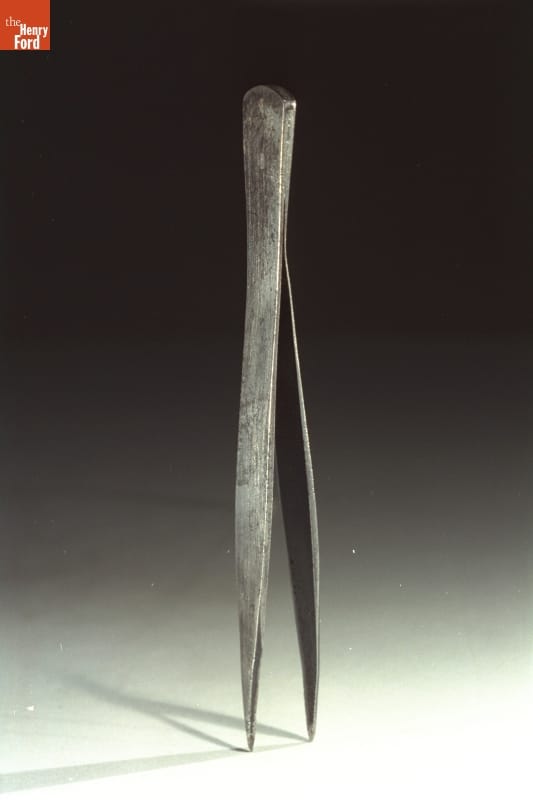
- Tweezers, Used by Henry Ford for Watch Repair, 1876-1878 - Watches were some of the first machines to catch Henry Ford's interest. He received a pocket watch for his 13th birthday which he quickly took apart -- and then put back together in perfect working order. Young Ford often repaired watches for friends and neighbors. He never charged for his services; the experience he gained was reward enough.
- 1876-1878
- Collections - Artifact
Tweezers, Used by Henry Ford for Watch Repair, 1876-1878
Watches were some of the first machines to catch Henry Ford's interest. He received a pocket watch for his 13th birthday which he quickly took apart -- and then put back together in perfect working order. Young Ford often repaired watches for friends and neighbors. He never charged for his services; the experience he gained was reward enough.
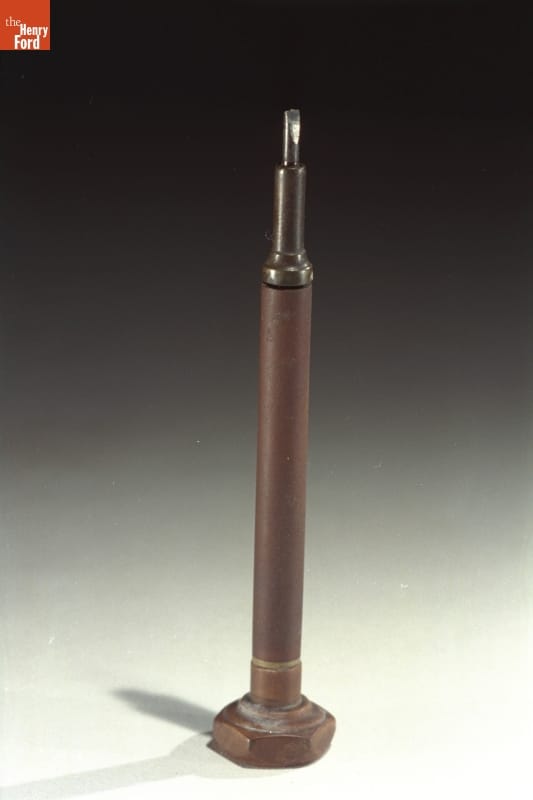
- Screwdriver, Used by Henry Ford for Watch Repair, 1876-1878 - Watches were some of the first machines to catch Henry Ford's interest. He received a pocket watch for his 13th birthday which he quickly took apart -- and then put back together in perfect working order. Young Ford often repaired watches for friends and neighbors. He never charged for his services; the experience he gained was reward enough.
- 1876-1878
- Collections - Artifact
Screwdriver, Used by Henry Ford for Watch Repair, 1876-1878
Watches were some of the first machines to catch Henry Ford's interest. He received a pocket watch for his 13th birthday which he quickly took apart -- and then put back together in perfect working order. Young Ford often repaired watches for friends and neighbors. He never charged for his services; the experience he gained was reward enough.