
Search
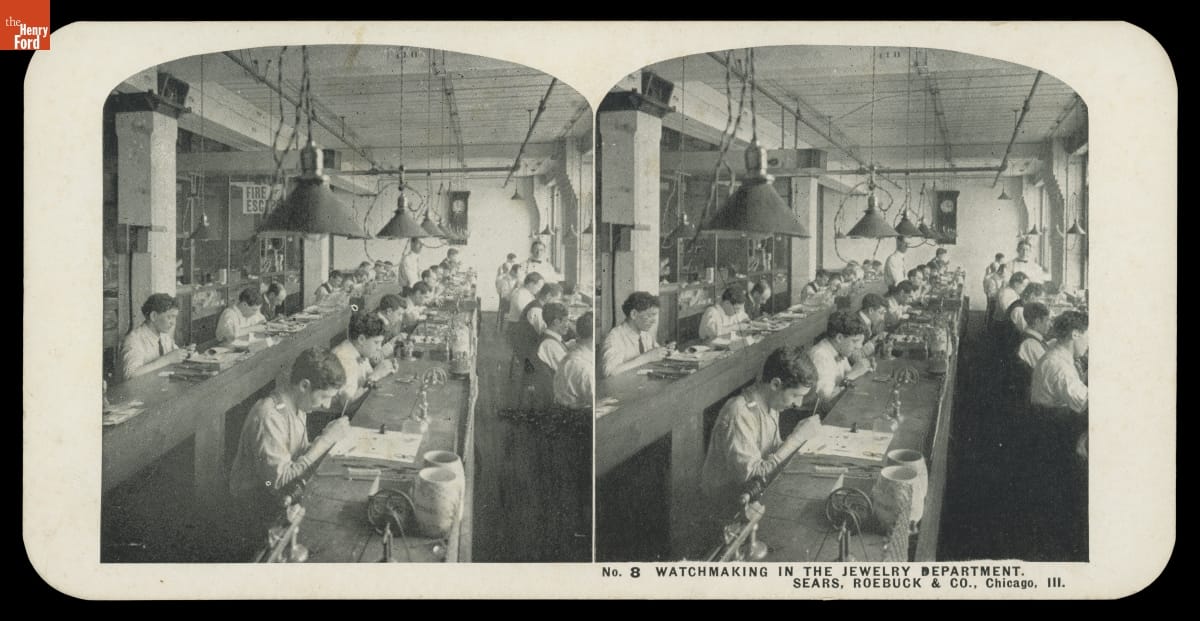
- "Watchmaking in the Jewelry Department. Sears, Roebuck & Co., Chicago, Ill.," 1906-1908 - Mail-order firm Sears, Roebuck, & Co. had become one of America's largest corporations by the early 1900s. Sears was particularly popular among rural Americans, as it offered better options, lower costs, and more efficient delivery methods than traditional general stores. This stereograph, one of a set of 50 sold through the Sears catalog beginning in 1908, offered a behind-the-scenes look at the company's operation.
- 1906-1908
- Collections - Artifact
"Watchmaking in the Jewelry Department. Sears, Roebuck & Co., Chicago, Ill.," 1906-1908
Mail-order firm Sears, Roebuck, & Co. had become one of America's largest corporations by the early 1900s. Sears was particularly popular among rural Americans, as it offered better options, lower costs, and more efficient delivery methods than traditional general stores. This stereograph, one of a set of 50 sold through the Sears catalog beginning in 1908, offered a behind-the-scenes look at the company's operation.
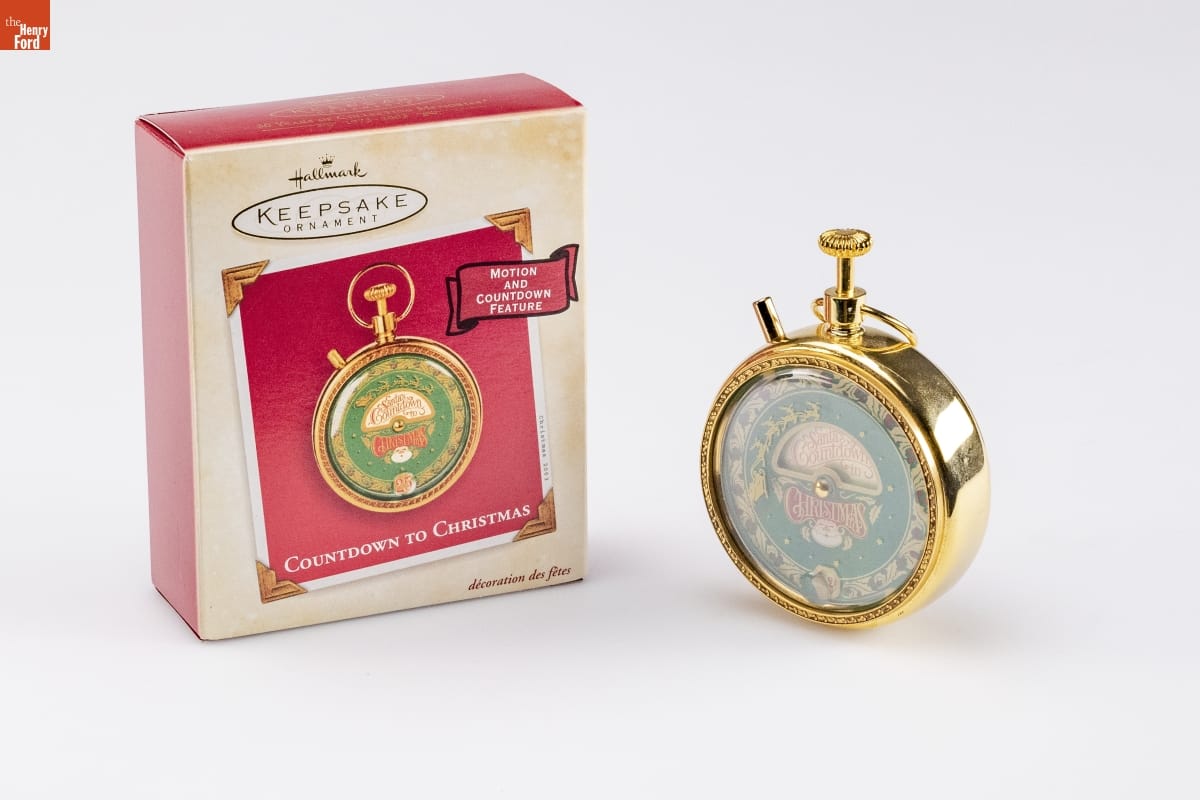
- Hallmark "Countdown to Christmas" Christmas Ornament, 2003 - Already known for greeting cards, Hallmark introduced a line of Christmas ornaments in 1973. The company's annual release of an increasing array of ornaments revolutionized Christmas decorating, appealing to customers' interest in marking memories and milestones as well as expressing one's personality and unique tastes.
- 2003
- Collections - Artifact
Hallmark "Countdown to Christmas" Christmas Ornament, 2003
Already known for greeting cards, Hallmark introduced a line of Christmas ornaments in 1973. The company's annual release of an increasing array of ornaments revolutionized Christmas decorating, appealing to customers' interest in marking memories and milestones as well as expressing one's personality and unique tastes.
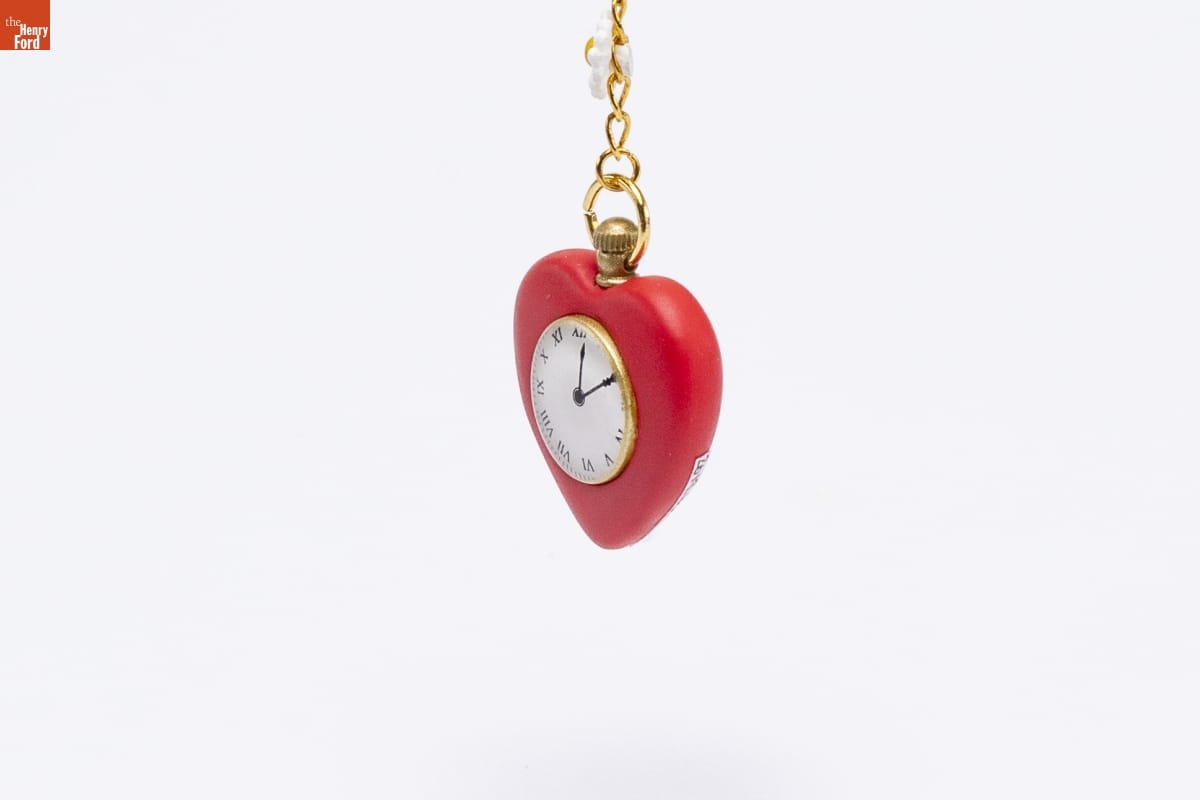
- Hallmark "The Wonders of Oz Series: The Tin Man's Heart" Miniature Christmas Ornament, 2000 - Already known for greeting cards, Hallmark introduced a line of Christmas ornaments in 1973. The company's annual release of an increasing array of ornaments revolutionized Christmas decorating, appealing to customers' interest in marking memories and milestones as well as expressing one's personality and unique tastes.
- 2000
- Collections - Artifact
Hallmark "The Wonders of Oz Series: The Tin Man's Heart" Miniature Christmas Ornament, 2000
Already known for greeting cards, Hallmark introduced a line of Christmas ornaments in 1973. The company's annual release of an increasing array of ornaments revolutionized Christmas decorating, appealing to customers' interest in marking memories and milestones as well as expressing one's personality and unique tastes.
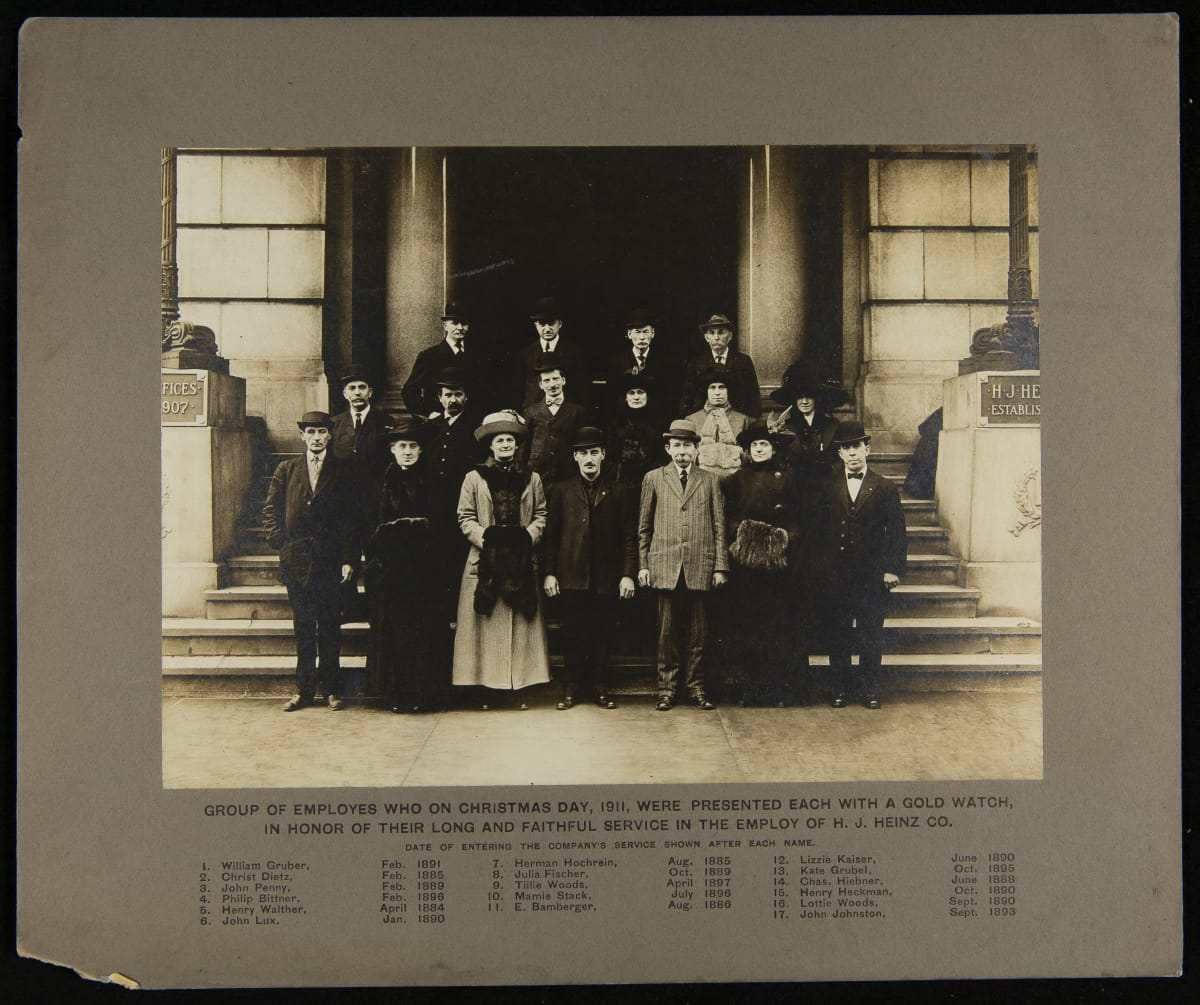
- Employees after Being Awarded Gold Watches for Service, H. J. Heinz Company, December 25, 1911 - Early on in his career, H.J. Heinz recognized that the success of his company relied on his employees. Heinz was at the forefront of the employee welfare movement, providing benefits and amenities to his workers, as well as special gifts to acknowledge their commitment. This photograph shows the employees who were awarded gold watches in 1911 "in honor of their long and faithful service."
- December 25, 1911
- Collections - Artifact
Employees after Being Awarded Gold Watches for Service, H. J. Heinz Company, December 25, 1911
Early on in his career, H.J. Heinz recognized that the success of his company relied on his employees. Heinz was at the forefront of the employee welfare movement, providing benefits and amenities to his workers, as well as special gifts to acknowledge their commitment. This photograph shows the employees who were awarded gold watches in 1911 "in honor of their long and faithful service."
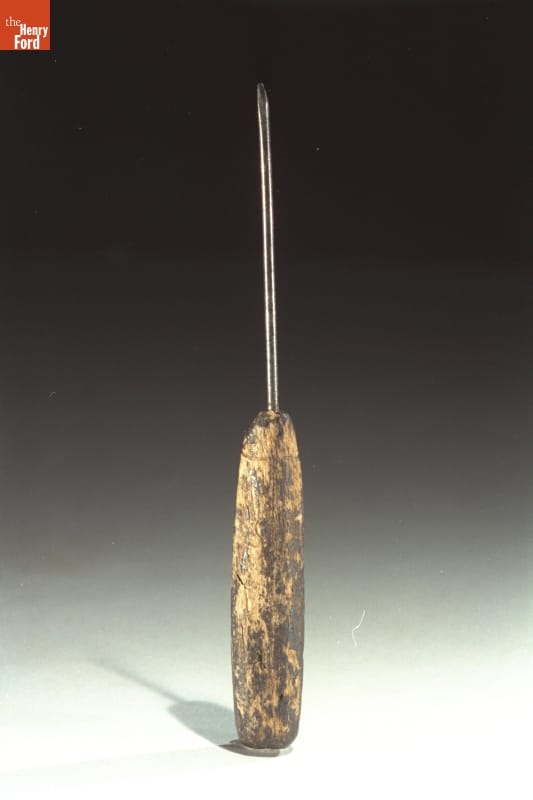
- Screwdriver, Used by Henry Ford for Watch Repair, 1876-1878 - Watches were some of the first machines to catch Henry Ford's interest. He received a pocket watch for his 13th birthday which he quickly took apart -- and then put back together in perfect working order. Young Ford often repaired watches for friends and neighbors. He never charged for his services; the experience he gained was reward enough.
- 1876-1878
- Collections - Artifact
Screwdriver, Used by Henry Ford for Watch Repair, 1876-1878
Watches were some of the first machines to catch Henry Ford's interest. He received a pocket watch for his 13th birthday which he quickly took apart -- and then put back together in perfect working order. Young Ford often repaired watches for friends and neighbors. He never charged for his services; the experience he gained was reward enough.
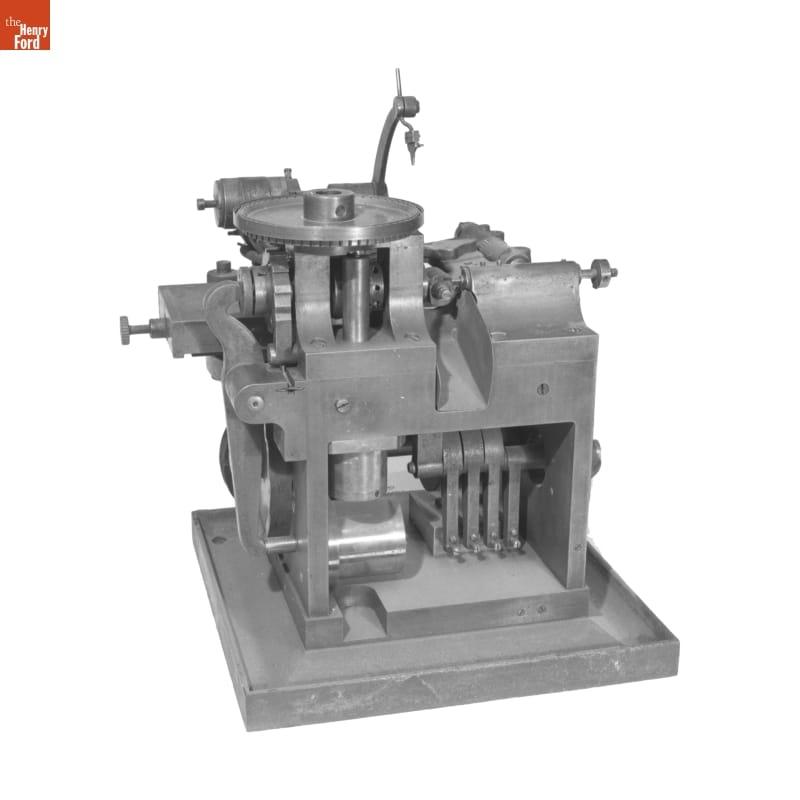
- Air-activated Gear Cutter, Used by the Waltham Watch Company, circa 1895 - The Waltham Watch Company was a world-famous example of a highly mechanized manufacturer of quality consumer goods. Specialized labor, new machines, and interchangeable parts combined to create the company's low-cost, high-grade watches. Duane Church, Waltham's superintendent of toolmakers, developed precision watchmaking machinery that produced interchangeable parts without the aid of gauges and templates. Church invented this gear cutter in the early 1890s.
- circa 1895
- Collections - Artifact
Air-activated Gear Cutter, Used by the Waltham Watch Company, circa 1895
The Waltham Watch Company was a world-famous example of a highly mechanized manufacturer of quality consumer goods. Specialized labor, new machines, and interchangeable parts combined to create the company's low-cost, high-grade watches. Duane Church, Waltham's superintendent of toolmakers, developed precision watchmaking machinery that produced interchangeable parts without the aid of gauges and templates. Church invented this gear cutter in the early 1890s.
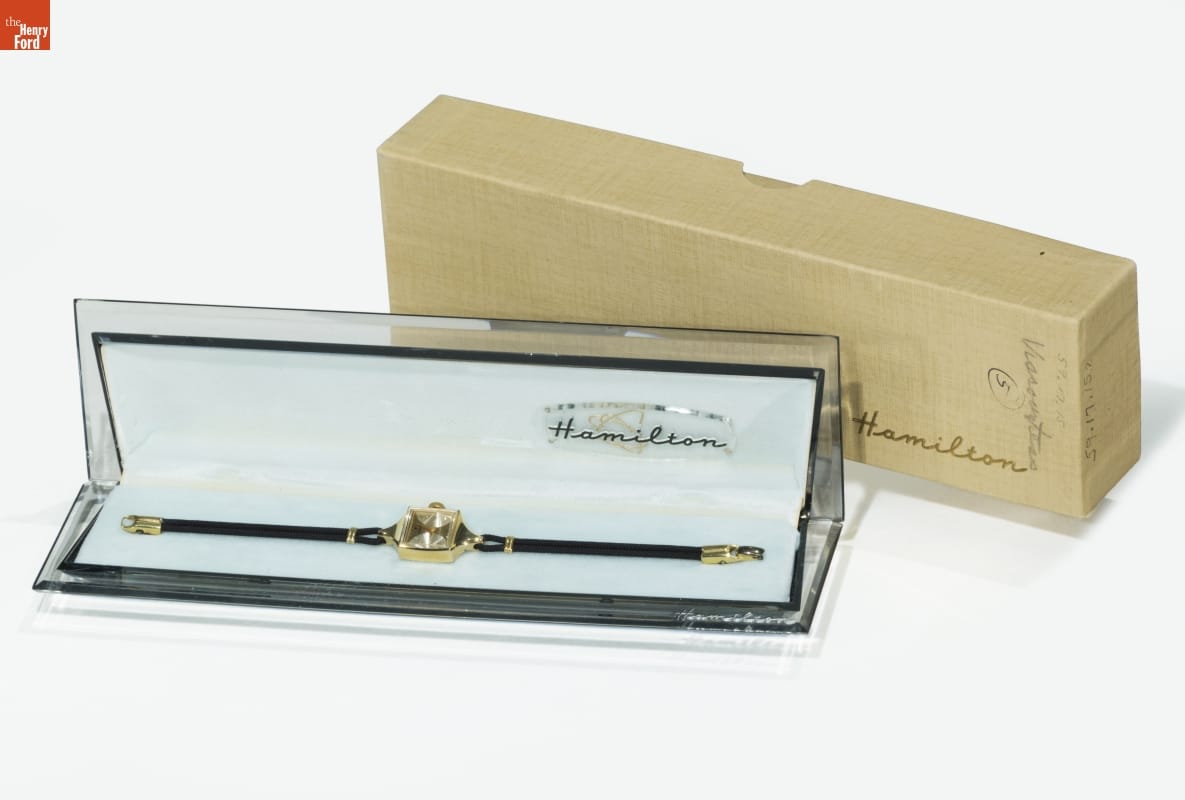
- Display Wrist Watch, 1950-1959 -
- 1950-1959
- Collections - Artifact
Display Wrist Watch, 1950-1959
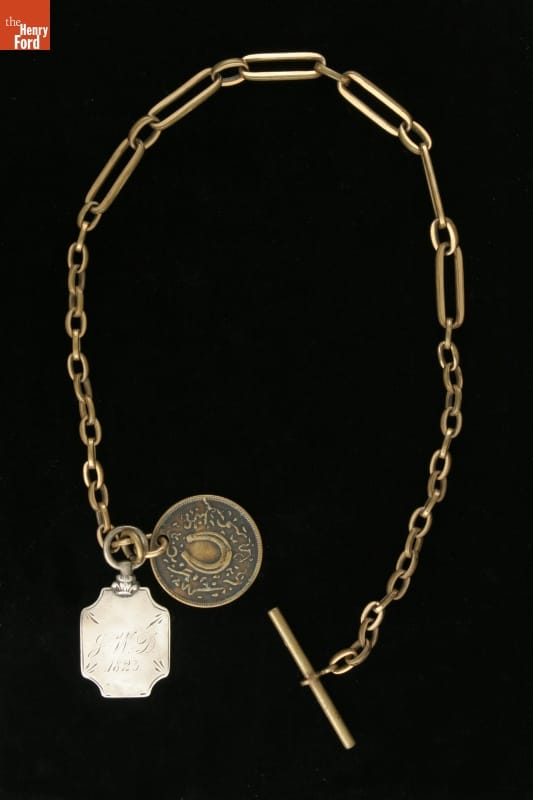
- Watch Chain with Fobs, circa 1900 - By the late 1800s, a fob generally referred to an ornament that hung from a watch chain. Fobs included small seals, jewels, medallions, pendants, or other charms. These adornments may have had special personal meaning to the wearer, signifying a person's character or identity.
- circa 1900
- Collections - Artifact
Watch Chain with Fobs, circa 1900
By the late 1800s, a fob generally referred to an ornament that hung from a watch chain. Fobs included small seals, jewels, medallions, pendants, or other charms. These adornments may have had special personal meaning to the wearer, signifying a person's character or identity.
- Pocket Watch Commemorating the Introduction of the Photochrom Process in the US, 1896 -
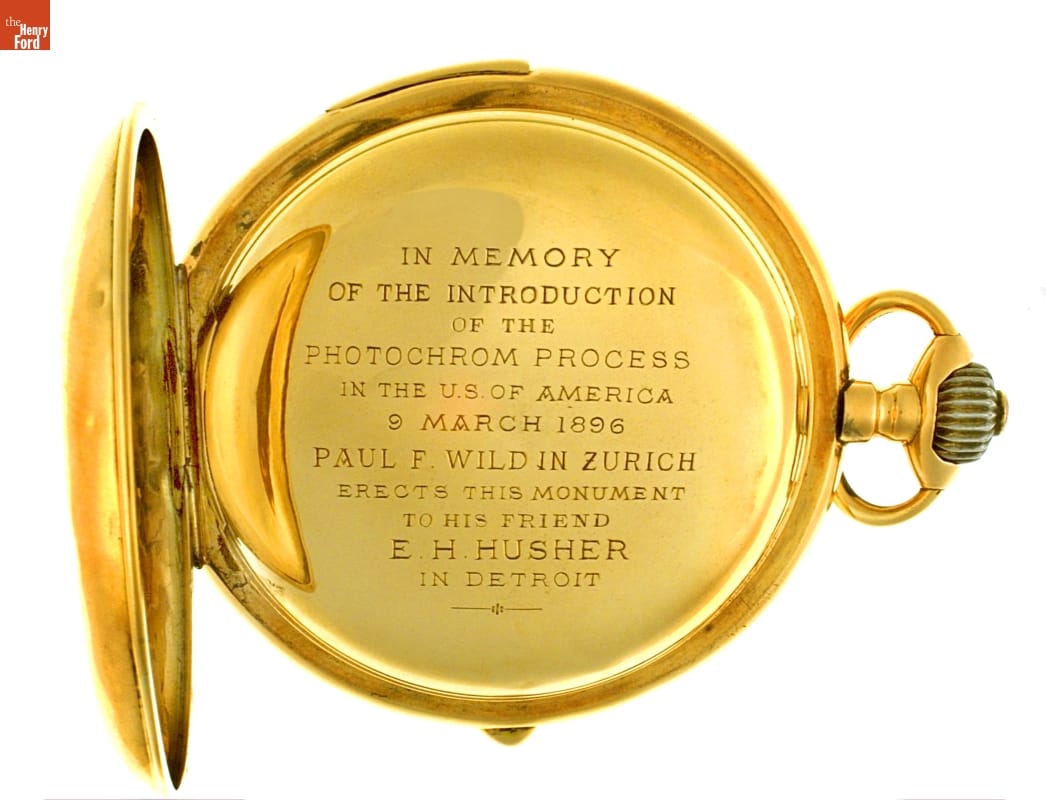
- March 09, 1896
- Collections - Artifact
Pocket Watch Commemorating the Introduction of the Photochrom Process in the US, 1896
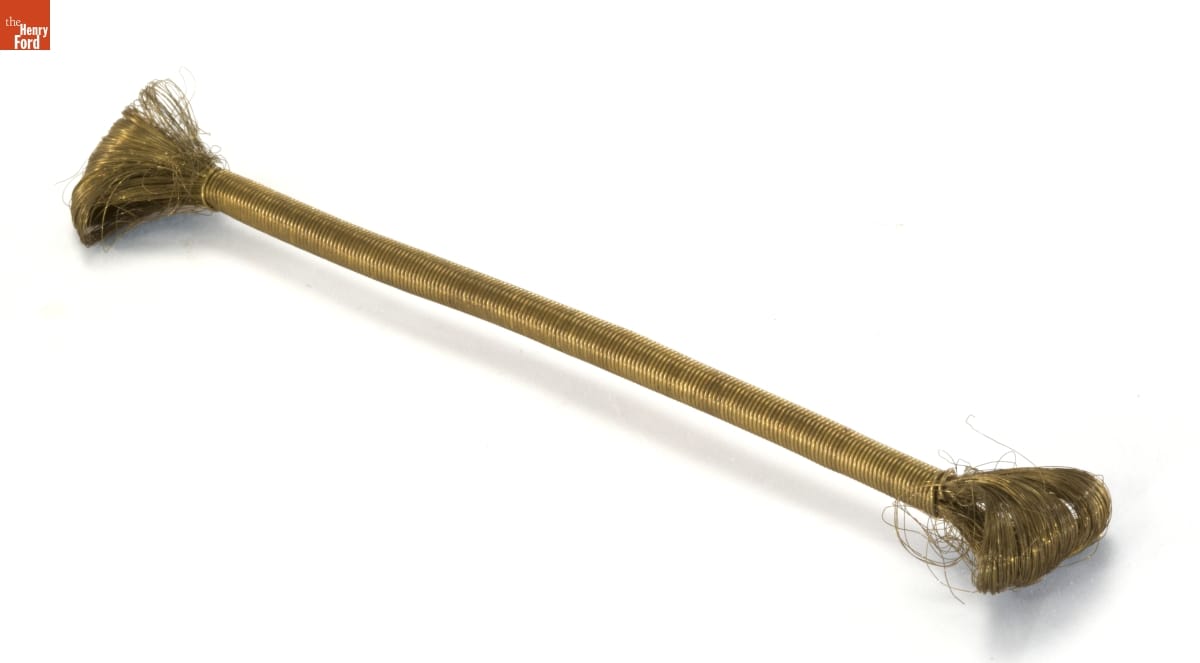
- Scratch Brush, 1900-1920 - A clock and watchmaker uses a range of tools to create or repair timepieces. Among this skilled craftsperson's many tools are files, saws, reamers, burnishers and scratch brushes, like this one. Brushes with brass wire bristles are dipped into a wet cleaning solution and used to polish and brighten areas that cannot be accessed by a burnisher.
- 1900-1920
- Collections - Artifact
Scratch Brush, 1900-1920
A clock and watchmaker uses a range of tools to create or repair timepieces. Among this skilled craftsperson's many tools are files, saws, reamers, burnishers and scratch brushes, like this one. Brushes with brass wire bristles are dipped into a wet cleaning solution and used to polish and brighten areas that cannot be accessed by a burnisher.