
Search
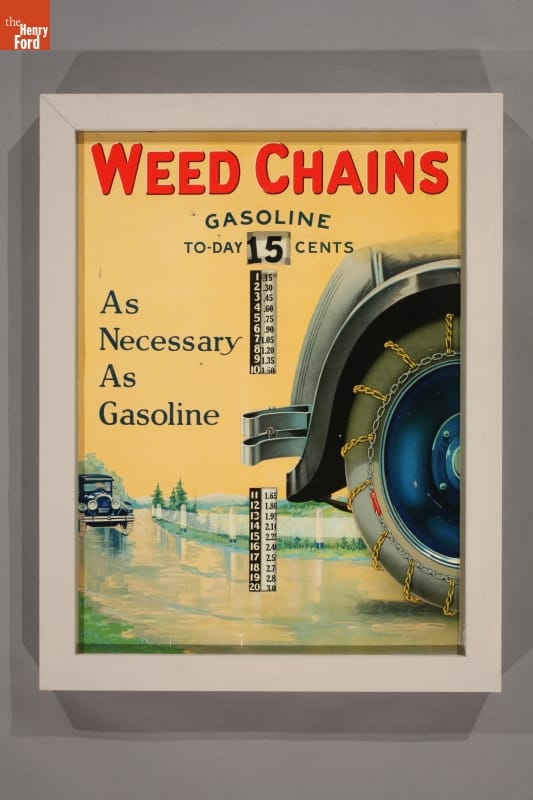
- Weed Tire Chains Sign, circa 1925 - This circa 1925 sign has a dual purpose -- to alert potential customers to the price of gas, and to advertise the necessity of "Weed Tire Chains." In 1904, Harry D. Weed was issued a patent for his "Grip-Tread for Pneumatic Tires," a non-skid tire chain used to increase traction on roads slick with mud, snow, or ice.
- circa 1925
- Collections - Artifact
Weed Tire Chains Sign, circa 1925
This circa 1925 sign has a dual purpose -- to alert potential customers to the price of gas, and to advertise the necessity of "Weed Tire Chains." In 1904, Harry D. Weed was issued a patent for his "Grip-Tread for Pneumatic Tires," a non-skid tire chain used to increase traction on roads slick with mud, snow, or ice.
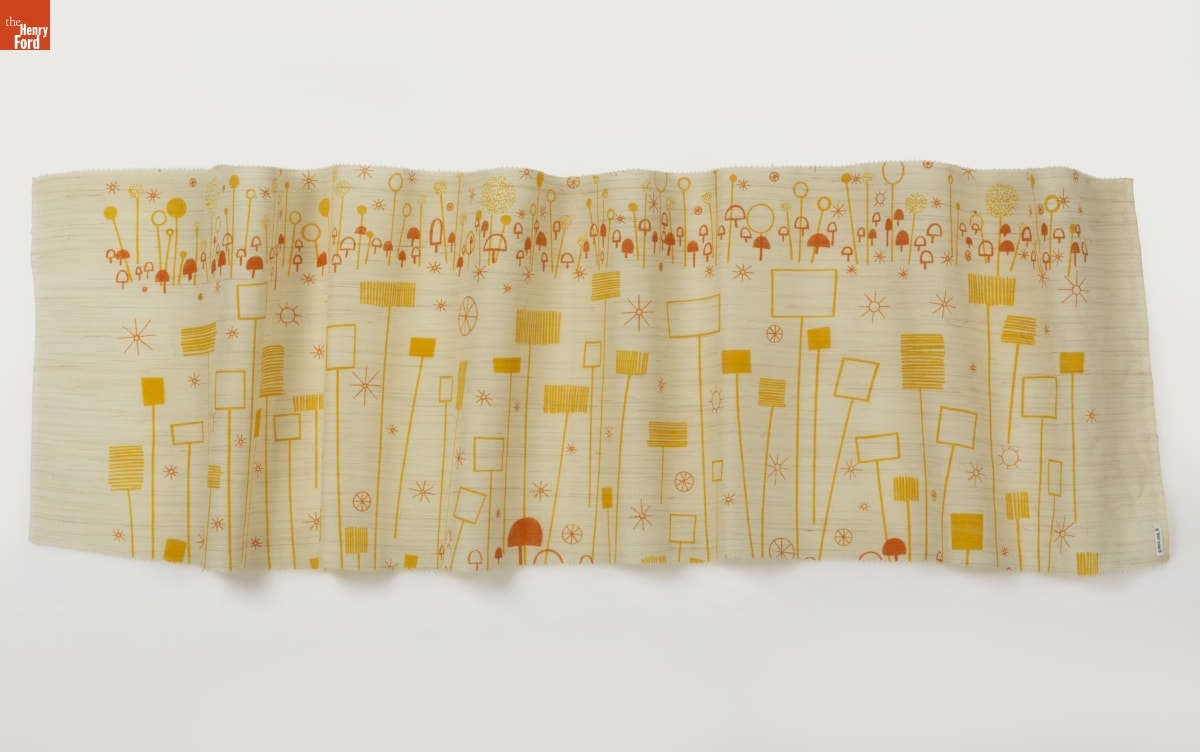
- "Seedy Weeds" Fabric Swatch Designed by Ruth Adler Schnee, 1953 - Pins strewn about her sewing table. Snowflakes under a microscope. A stack of firewood. Adler Schnee took inspiration from the world around her, both the fantastic and the mundane. She created strikingly modern abstract and often organic forms. For this design, aptly named "Seedy Weeds" by her husband Eddie, Adler Schnee was motivated by -- you guessed it -- her personal garden.
- 1953
- Collections - Artifact
"Seedy Weeds" Fabric Swatch Designed by Ruth Adler Schnee, 1953
Pins strewn about her sewing table. Snowflakes under a microscope. A stack of firewood. Adler Schnee took inspiration from the world around her, both the fantastic and the mundane. She created strikingly modern abstract and often organic forms. For this design, aptly named "Seedy Weeds" by her husband Eddie, Adler Schnee was motivated by -- you guessed it -- her personal garden.
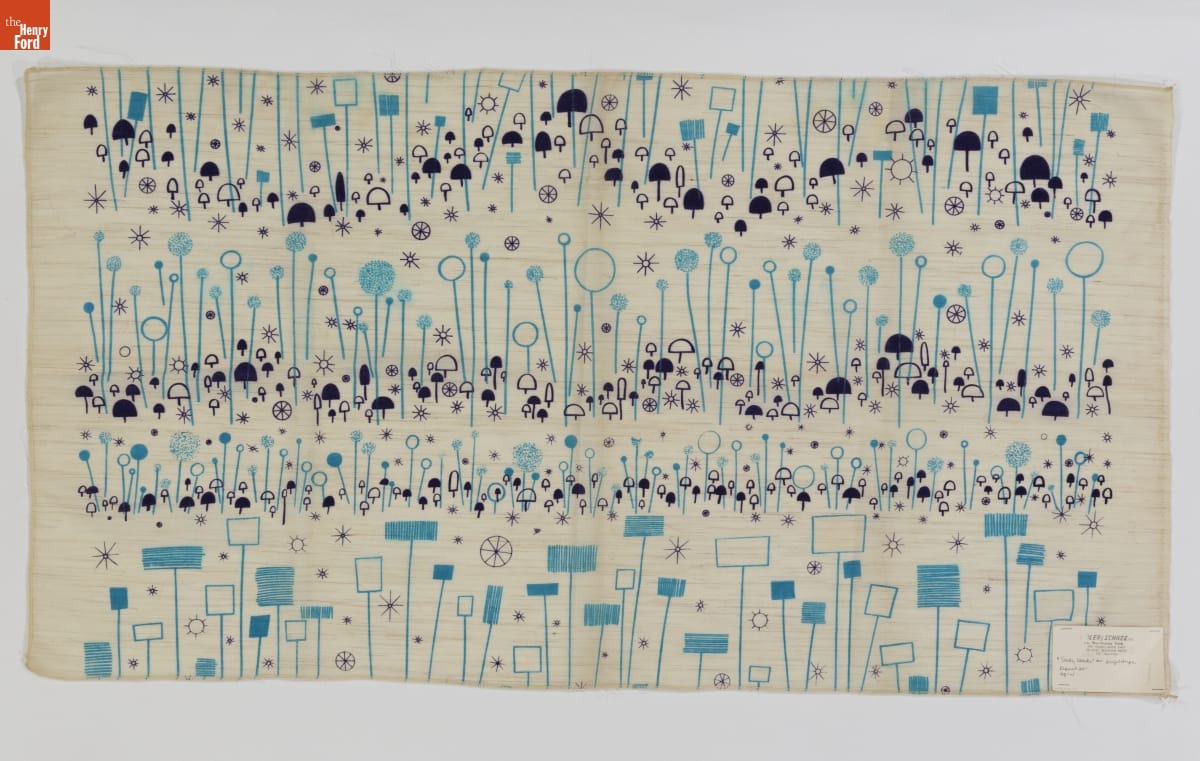
- "Seedy Weeds" Fabric Swatch Designed by Ruth Adler Schnee, 1953 - Pins strewn about her sewing table. Snowflakes under a microscope. A stack of firewood. Adler Schnee took inspiration from the world around her, both the fantastic and the mundane. She created strikingly modern abstract and often organic forms. For this design, aptly named "Seedy Weeds" by her husband Eddie, Adler Schnee was motivated by -- you guessed it -- her personal garden.
- 1953
- Collections - Artifact
"Seedy Weeds" Fabric Swatch Designed by Ruth Adler Schnee, 1953
Pins strewn about her sewing table. Snowflakes under a microscope. A stack of firewood. Adler Schnee took inspiration from the world around her, both the fantastic and the mundane. She created strikingly modern abstract and often organic forms. For this design, aptly named "Seedy Weeds" by her husband Eddie, Adler Schnee was motivated by -- you guessed it -- her personal garden.
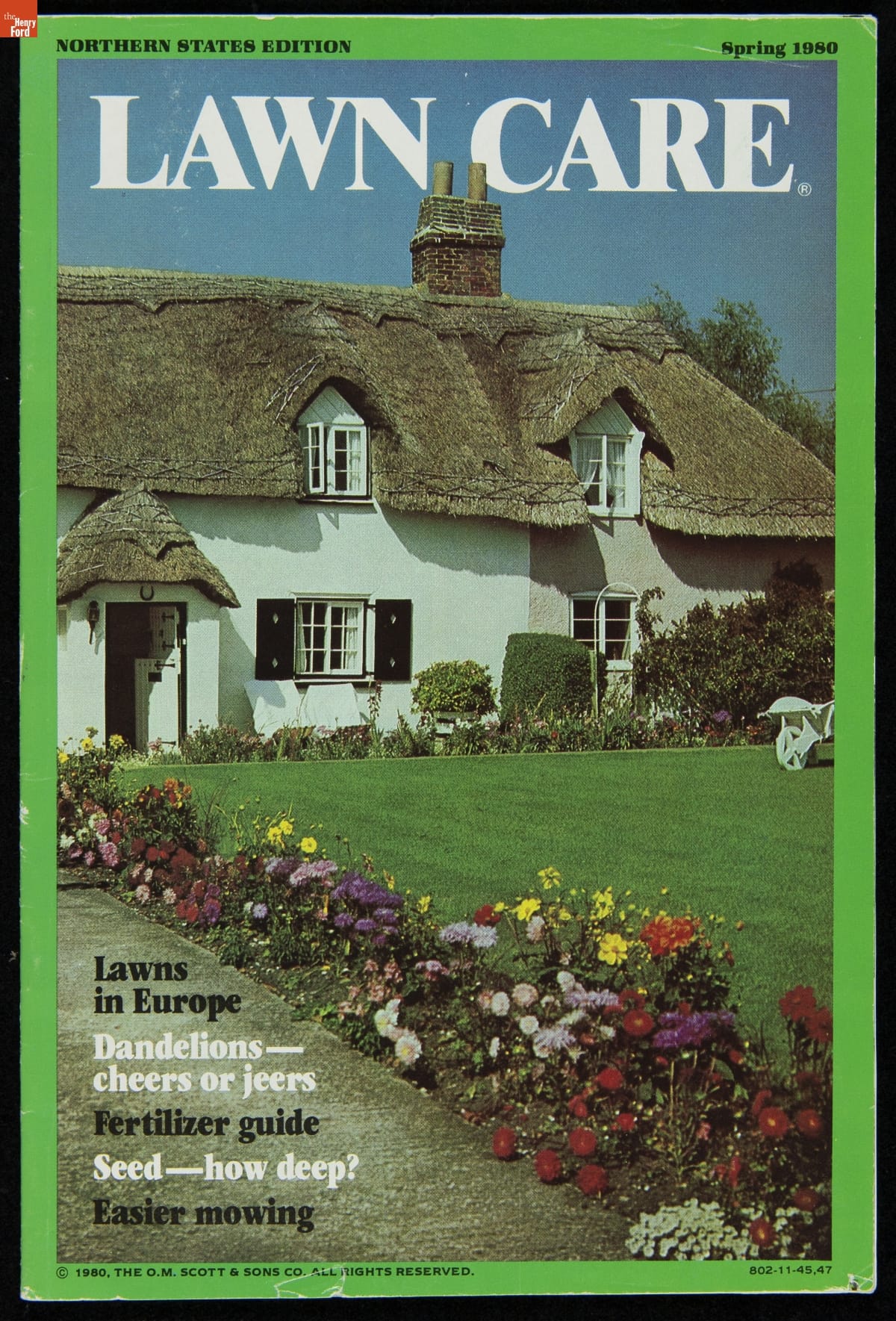
- Lawn Care, Northern States Edition, Spring 1980 - With the explosive growth of suburban neighborhoods during the 1920s, the quest to maintain a "perfect" weed-free lawn opened a lucrative market for lawn care products. O.M. Scott & Sons Co., a major fertilizer and herbicide manufacturer better known as Scotts, launched its promotional magazine, "Lawn Care," in 1928. This 1980 edition included consumer tips and recommended Scotts products.
- 1980
- Collections - Artifact
Lawn Care, Northern States Edition, Spring 1980
With the explosive growth of suburban neighborhoods during the 1920s, the quest to maintain a "perfect" weed-free lawn opened a lucrative market for lawn care products. O.M. Scott & Sons Co., a major fertilizer and herbicide manufacturer better known as Scotts, launched its promotional magazine, "Lawn Care," in 1928. This 1980 edition included consumer tips and recommended Scotts products.
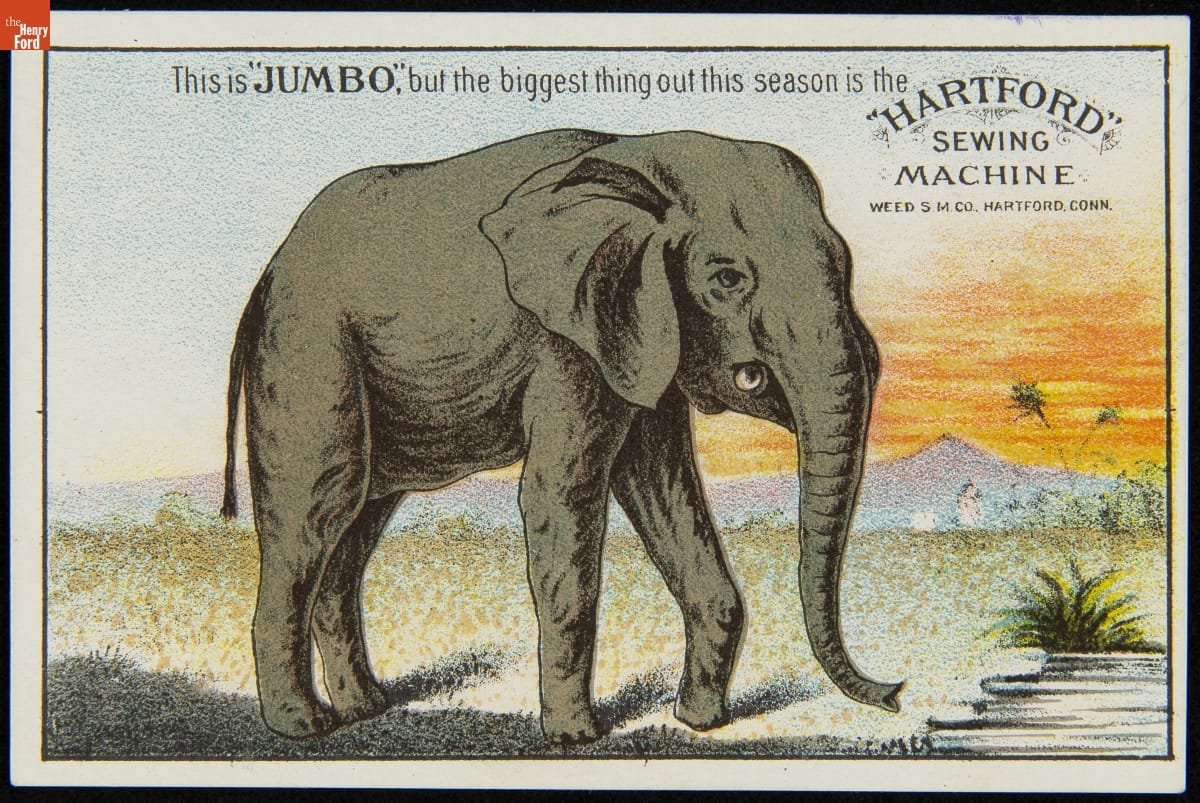
- Trade Card for the Hartford Sewing Machine, Weed Sewing Machine Co., 1882-1890 - Jumbo, an 11-foot, 6-ton African elephant, traveled with the Barnum and Bailey's circus after P.T. Barnum had purchased the giant pachyderm in 1882. Jumbo became a national sensation. American manufacturers capitalized on Jumbo's popularity by using the elephant's image in their advertising. This trade card from Weed Sewing Machine Company compared the company's Hartford sewing machine to the famous big elephant.
- 1882-1890
- Collections - Artifact
Trade Card for the Hartford Sewing Machine, Weed Sewing Machine Co., 1882-1890
Jumbo, an 11-foot, 6-ton African elephant, traveled with the Barnum and Bailey's circus after P.T. Barnum had purchased the giant pachyderm in 1882. Jumbo became a national sensation. American manufacturers capitalized on Jumbo's popularity by using the elephant's image in their advertising. This trade card from Weed Sewing Machine Company compared the company's Hartford sewing machine to the famous big elephant.
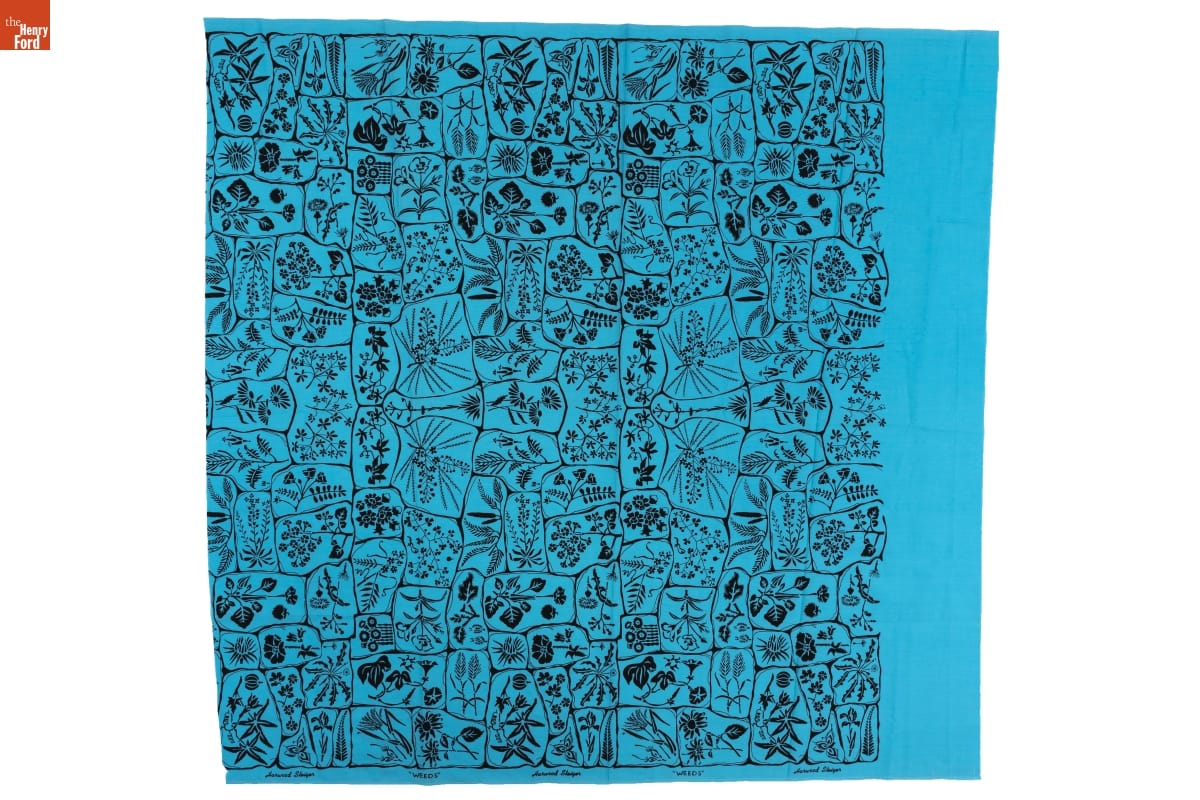
- Harwood Steiger Fabric, "Weeds" - The screen-printed fabrics produced by the studio of Harwood Steiger, Inc. are replete with motifs from the American Southwest. Although husband-and-wife proprietors Harwood and Sophie Steiger were born in the Northeast, the Sonoran Desert became their home. Its flora, fauna, and wildlife were a constant inspiration in their enduring partnership, which saw Harwood as the primary artist, and Sophie as the expert botanist and businesswoman.
- 1956-1980
- Collections - Artifact
Harwood Steiger Fabric, "Weeds"
The screen-printed fabrics produced by the studio of Harwood Steiger, Inc. are replete with motifs from the American Southwest. Although husband-and-wife proprietors Harwood and Sophie Steiger were born in the Northeast, the Sonoran Desert became their home. Its flora, fauna, and wildlife were a constant inspiration in their enduring partnership, which saw Harwood as the primary artist, and Sophie as the expert botanist and businesswoman.
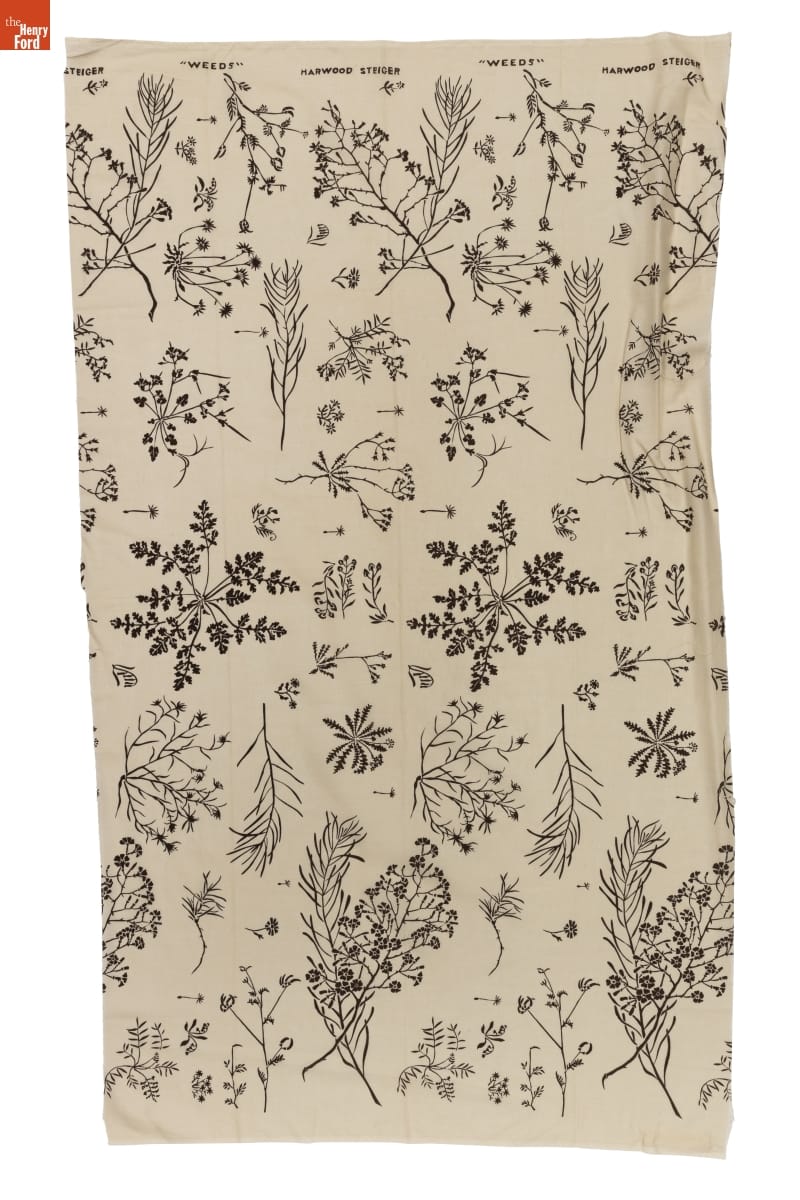
- Harwood Steiger Fabric, "Weeds" - The screen-printed fabrics produced by the studio of Harwood Steiger, Inc. are replete with motifs from the American Southwest. Although husband-and-wife proprietors Harwood and Sophie Steiger were born in the Northeast, the Sonoran Desert became their home. Its flora, fauna, and wildlife were a constant inspiration in their enduring partnership, which saw Harwood as the primary artist, and Sophie as the expert botanist and businesswoman.
- 1956-1980
- Collections - Artifact
Harwood Steiger Fabric, "Weeds"
The screen-printed fabrics produced by the studio of Harwood Steiger, Inc. are replete with motifs from the American Southwest. Although husband-and-wife proprietors Harwood and Sophie Steiger were born in the Northeast, the Sonoran Desert became their home. Its flora, fauna, and wildlife were a constant inspiration in their enduring partnership, which saw Harwood as the primary artist, and Sophie as the expert botanist and businesswoman.
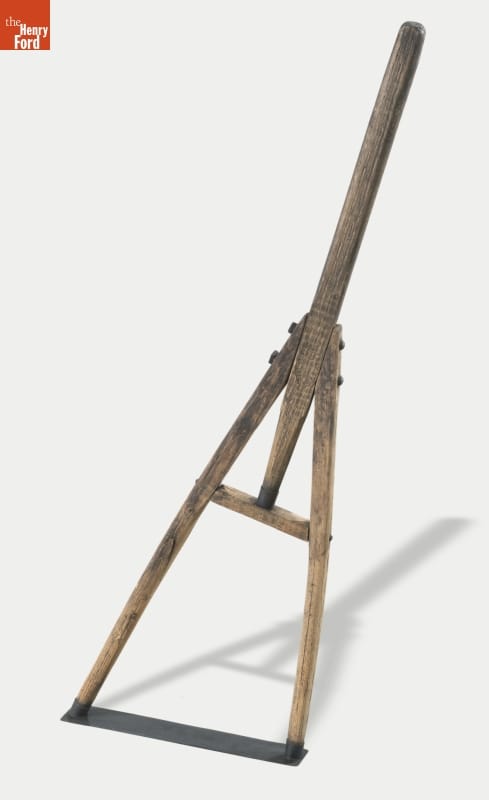
- Lively Lad Manufacturing Company Weed Cutter, 1926-1948 -
- 1926-1948
- Collections - Artifact
Lively Lad Manufacturing Company Weed Cutter, 1926-1948
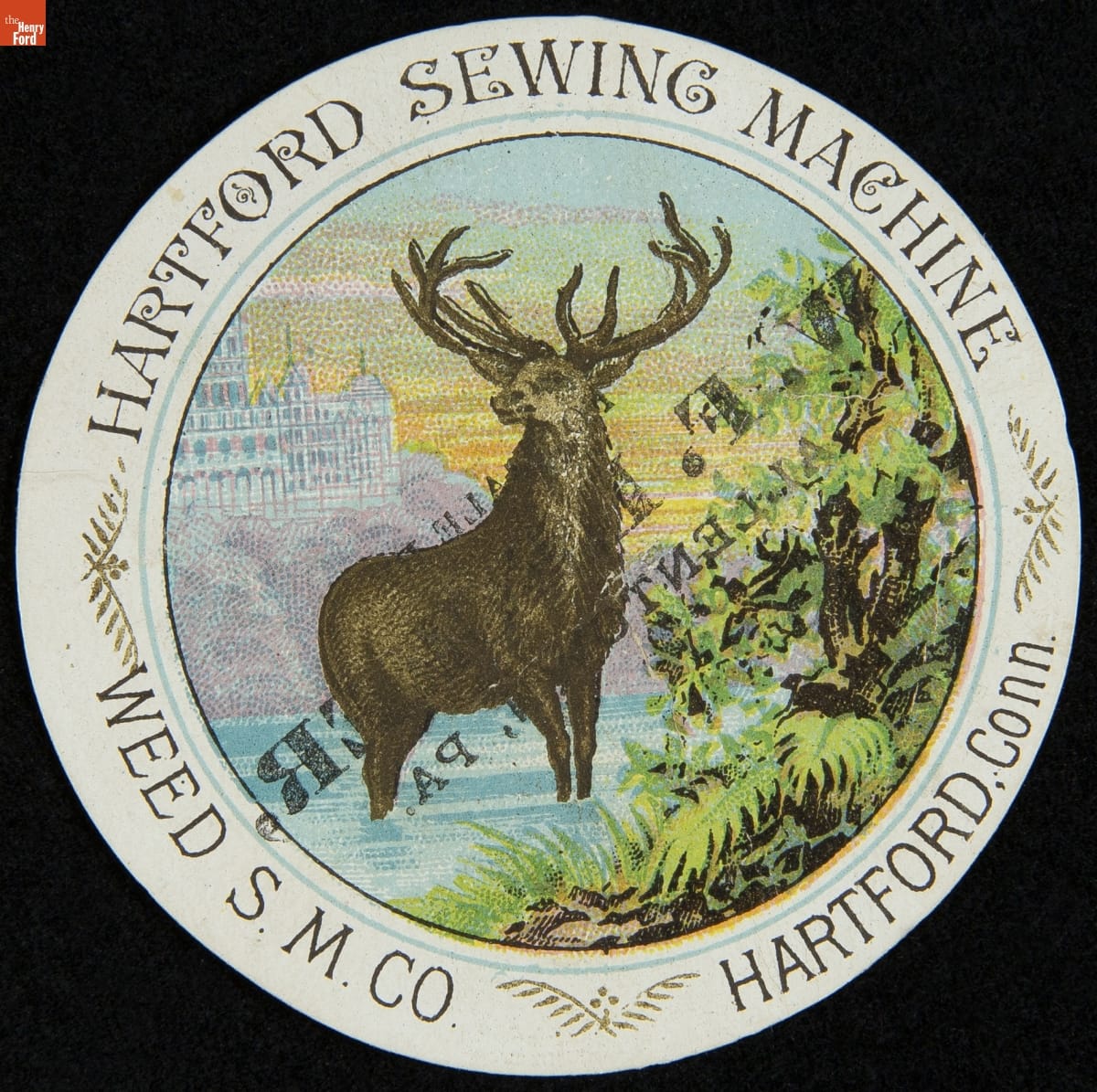
- Trade Card for the Hartford Sewing Machine, Weed Sewing Machine Co., 1880-1891 - In the last third of the nineteenth century, an unprecedented variety of consumer goods and services flooded the American market. Advertisers, armed with new methods of color printing, bombarded potential customers with trade cards. Americans enjoyed and often saved the vibrant little advertisements found in product packages or distributed by local merchants. Many survive as historical records of commercialism in the United States.
- 1880-1891
- Collections - Artifact
Trade Card for the Hartford Sewing Machine, Weed Sewing Machine Co., 1880-1891
In the last third of the nineteenth century, an unprecedented variety of consumer goods and services flooded the American market. Advertisers, armed with new methods of color printing, bombarded potential customers with trade cards. Americans enjoyed and often saved the vibrant little advertisements found in product packages or distributed by local merchants. Many survive as historical records of commercialism in the United States.