
Search
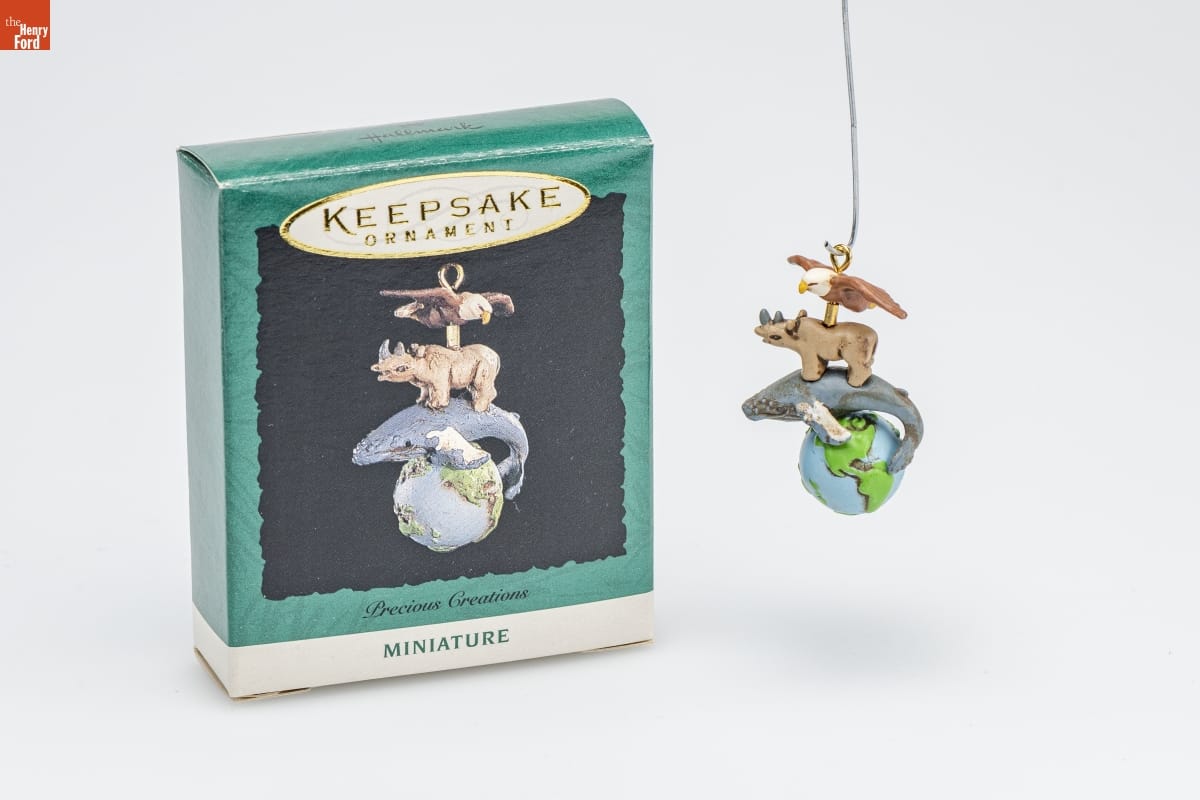
- Hallmark "Precious Creations" Miniature Christmas Ornament, 1995 - Already known for greeting cards, Hallmark introduced a line of Christmas ornaments in 1973. The company's annual release of an increasing array of ornaments revolutionized Christmas decorating, appealing to customers' interest in marking memories and milestones as well as expressing one's personality and unique tastes.
- 1995
- Collections - Artifact
Hallmark "Precious Creations" Miniature Christmas Ornament, 1995
Already known for greeting cards, Hallmark introduced a line of Christmas ornaments in 1973. The company's annual release of an increasing array of ornaments revolutionized Christmas decorating, appealing to customers' interest in marking memories and milestones as well as expressing one's personality and unique tastes.
- Whale Oil Lamp, 1813-1830 -
- 1813-1830
- Collections - Artifact
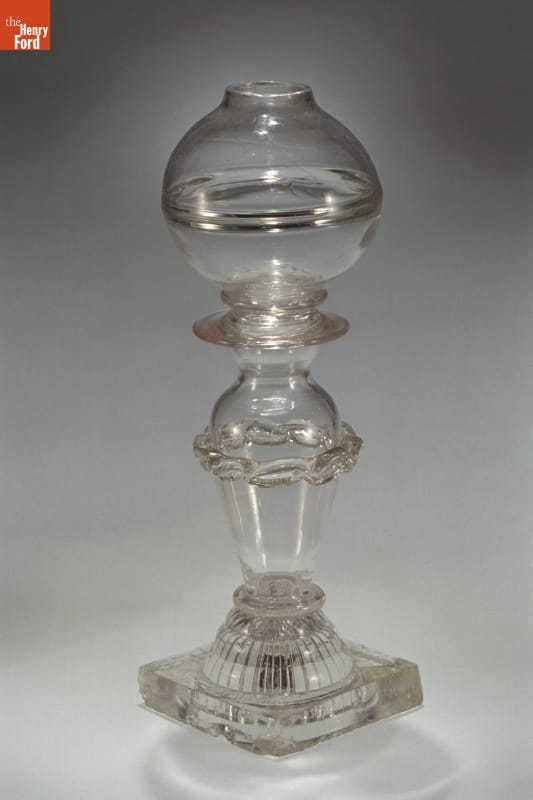
Whale Oil Lamp, 1813-1830
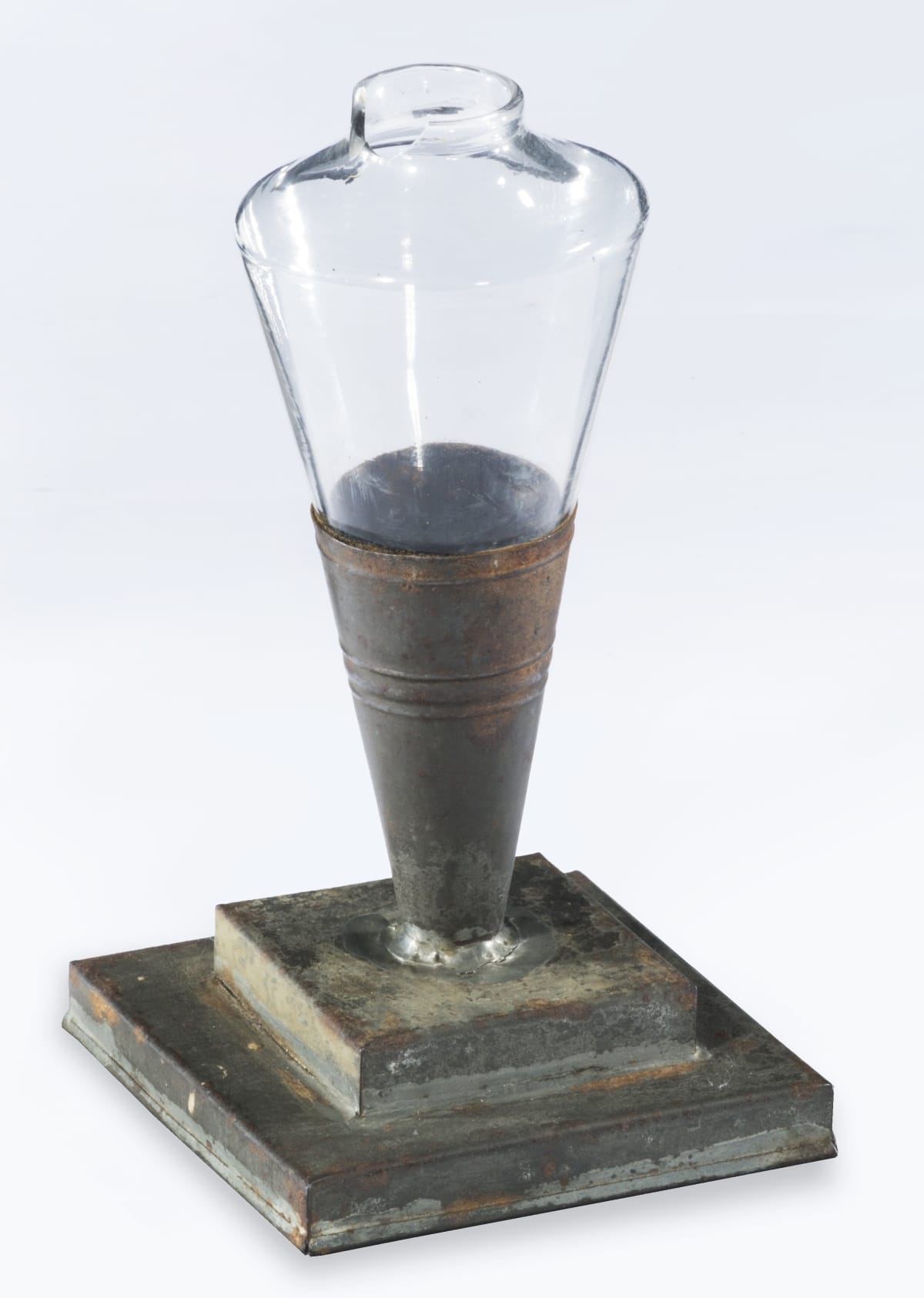
- Whale Oil Lamp, circa 1850 - Traditional make-dos are useful and precious objects that broke during their working lives. Their owners felt compelled to restore or repurpose these objects in a variety of ways. The glass base of this lamp broke and it was given a new base made of tin.
- circa 1850
- Collections - Artifact
Whale Oil Lamp, circa 1850
Traditional make-dos are useful and precious objects that broke during their working lives. Their owners felt compelled to restore or repurpose these objects in a variety of ways. The glass base of this lamp broke and it was given a new base made of tin.
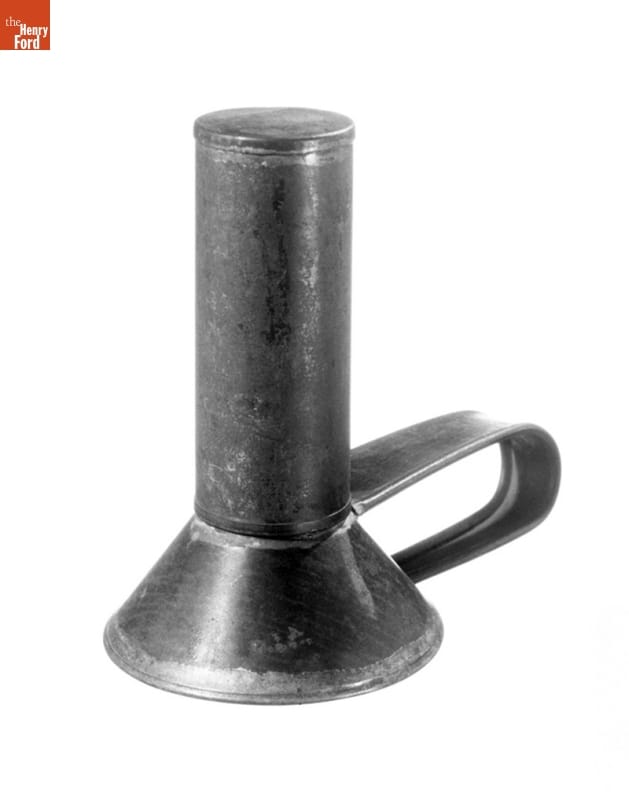
- Hand Lamp, circa 1830 - The United Society of Believers in Christ's Second Appearing, commonly known as the Shakers, is a religious sect begun in the late 1700s. Members banded together into small, mostly self-sufficient, communal enclaves scattered from Maine to Kentucky. Shaker craftsmen fashioned household furnishings with plain lines, little ornamentation, and painted or stained in a uniform color. Their craftsmanship expressed honesty, simplicity, and utility--in keeping with the guiding principles of the Shaker faith.
- circa 1830
- Collections - Artifact
Hand Lamp, circa 1830
The United Society of Believers in Christ's Second Appearing, commonly known as the Shakers, is a religious sect begun in the late 1700s. Members banded together into small, mostly self-sufficient, communal enclaves scattered from Maine to Kentucky. Shaker craftsmen fashioned household furnishings with plain lines, little ornamentation, and painted or stained in a uniform color. Their craftsmanship expressed honesty, simplicity, and utility--in keeping with the guiding principles of the Shaker faith.
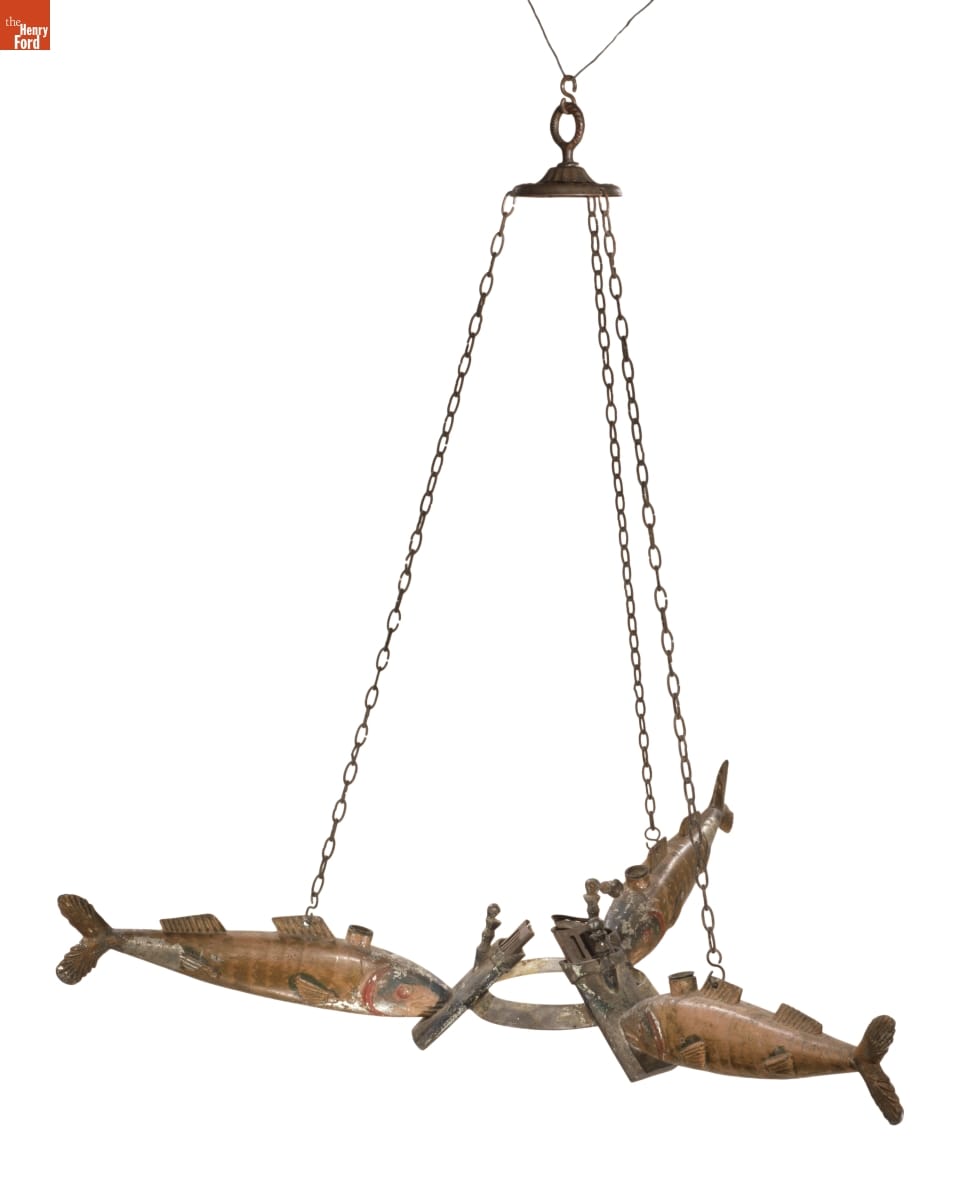
- Fish Oil Chandelier, Patented 1836 - Alonzo Platt patented the "Union Lamp" in 1836. It received its name from the "union" of the three oil fonts at the mouth of each fish. The even spacing between reservoirs and their peculiar shape produce a vivid, even and unobstructed light. A rare example, it was likely hung in a parlor or dining room.
- 1836
- Collections - Artifact
Fish Oil Chandelier, Patented 1836
Alonzo Platt patented the "Union Lamp" in 1836. It received its name from the "union" of the three oil fonts at the mouth of each fish. The even spacing between reservoirs and their peculiar shape produce a vivid, even and unobstructed light. A rare example, it was likely hung in a parlor or dining room.
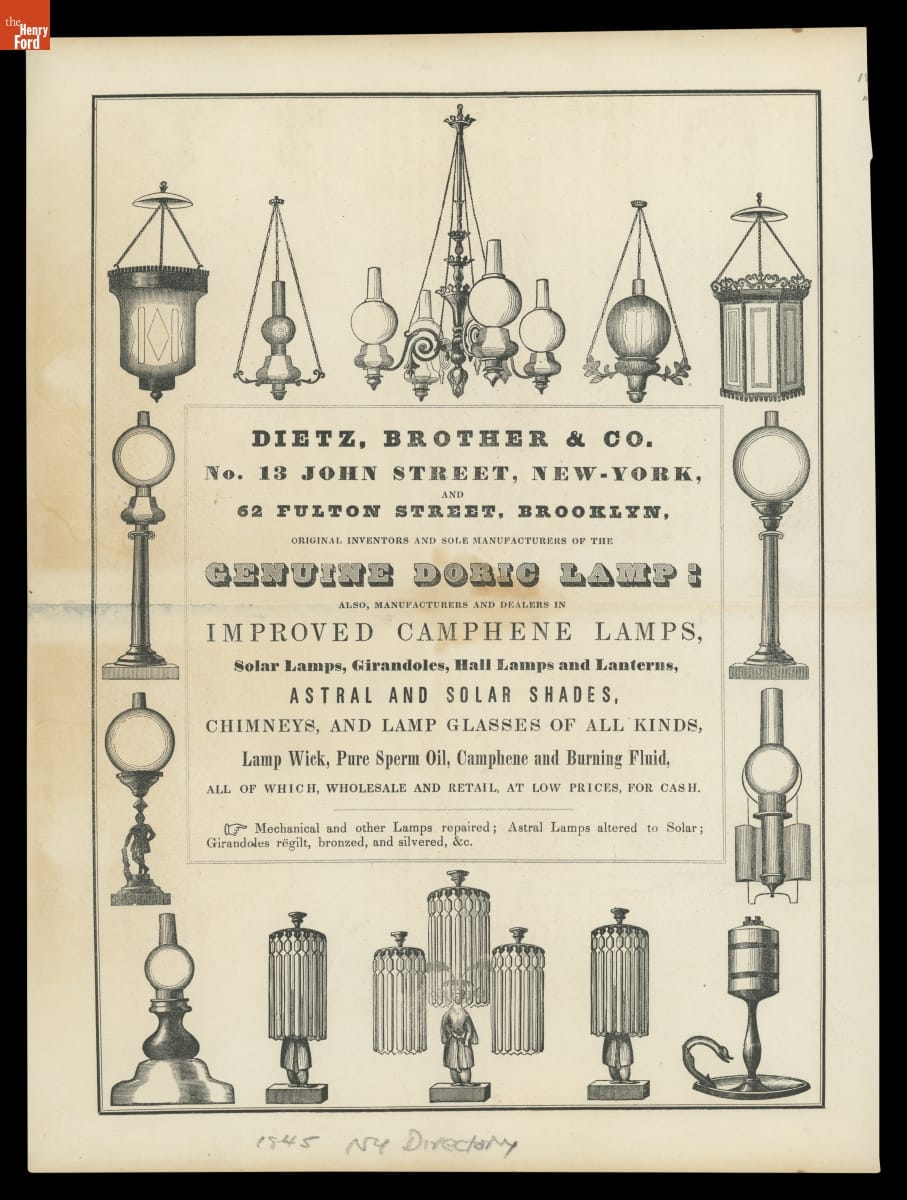
- Advertisement for Dietz, Brother & Co. Genuine Doric Lamp, 1845 -
- 1845
- Collections - Artifact
Advertisement for Dietz, Brother & Co. Genuine Doric Lamp, 1845
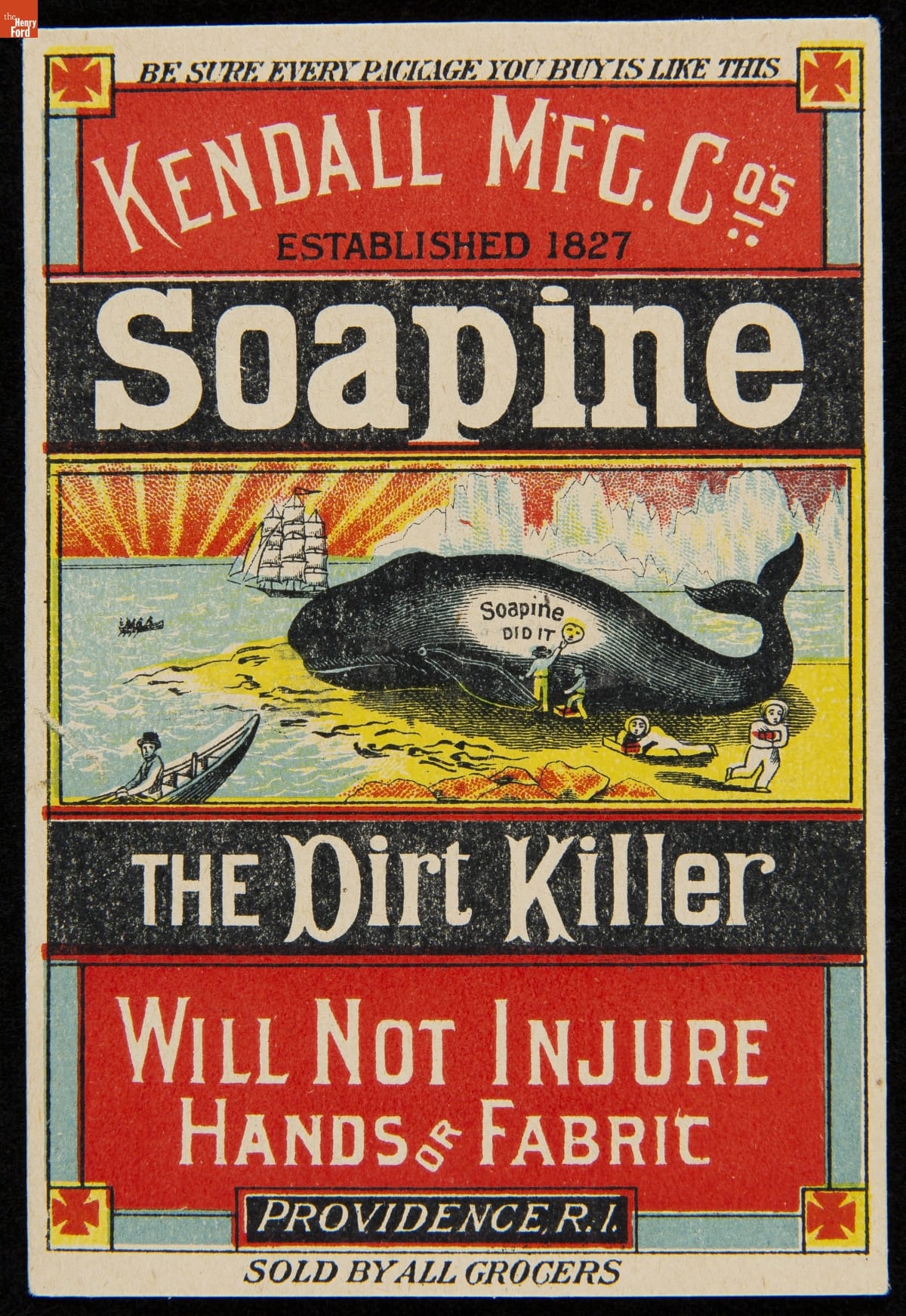
- Trade Card for Soapine, Kendall Mfg. Co., "The Dirt Killer," 1880-1900 - In the last third of the nineteenth century, an unprecedented variety of consumer goods and services flooded the American market. Advertisers, armed with new methods of color printing, bombarded potential customers with trade cards. Americans enjoyed and often saved the vibrant little advertisements found in product packages or distributed by local merchants. Many survive as historical records of commercialism in the United States.
- 1880-1900
- Collections - Artifact
Trade Card for Soapine, Kendall Mfg. Co., "The Dirt Killer," 1880-1900
In the last third of the nineteenth century, an unprecedented variety of consumer goods and services flooded the American market. Advertisers, armed with new methods of color printing, bombarded potential customers with trade cards. Americans enjoyed and often saved the vibrant little advertisements found in product packages or distributed by local merchants. Many survive as historical records of commercialism in the United States.
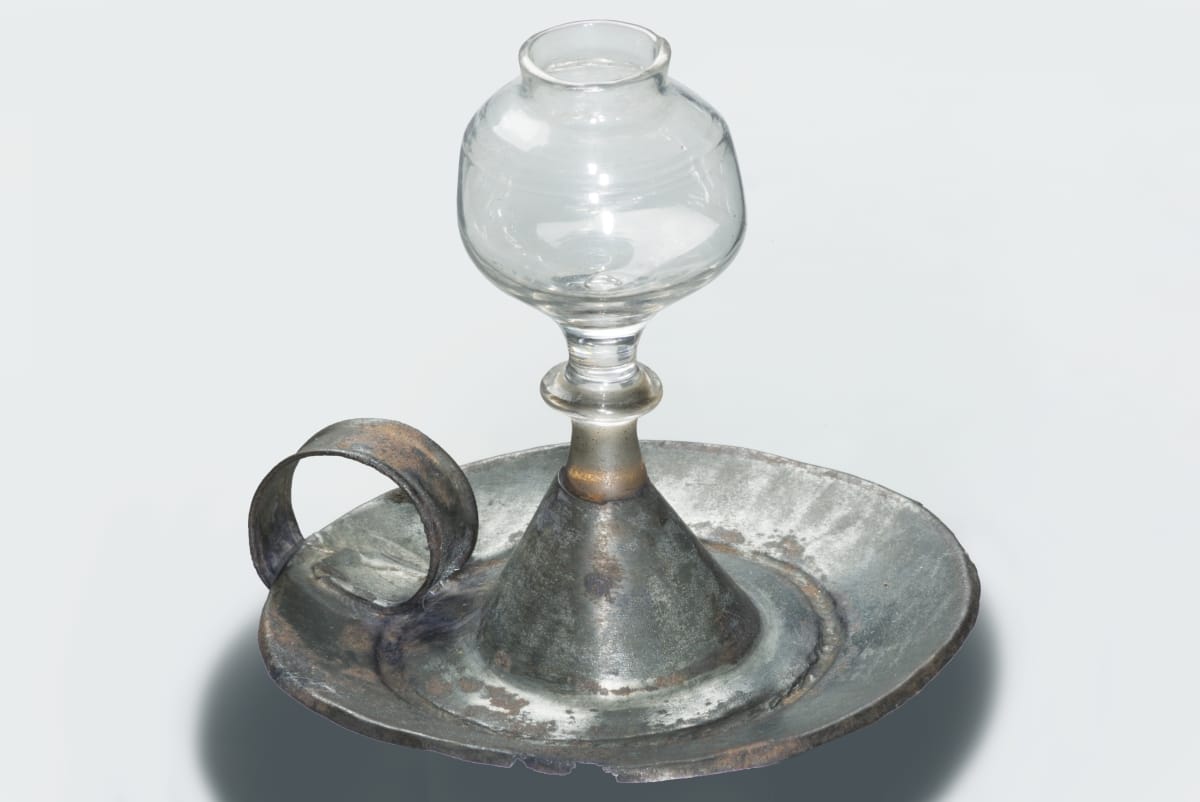
- Whale Oil Lamp, circa 1825 - Traditional make-dos are useful and precious objects that broke during their working lives. Their owners felt compelled to restore or repurpose these objects in a variety of ways. The glass base of this lamp broke and it was given a new base made of tin.
- circa 1825
- Collections - Artifact
Whale Oil Lamp, circa 1825
Traditional make-dos are useful and precious objects that broke during their working lives. Their owners felt compelled to restore or repurpose these objects in a variety of ways. The glass base of this lamp broke and it was given a new base made of tin.
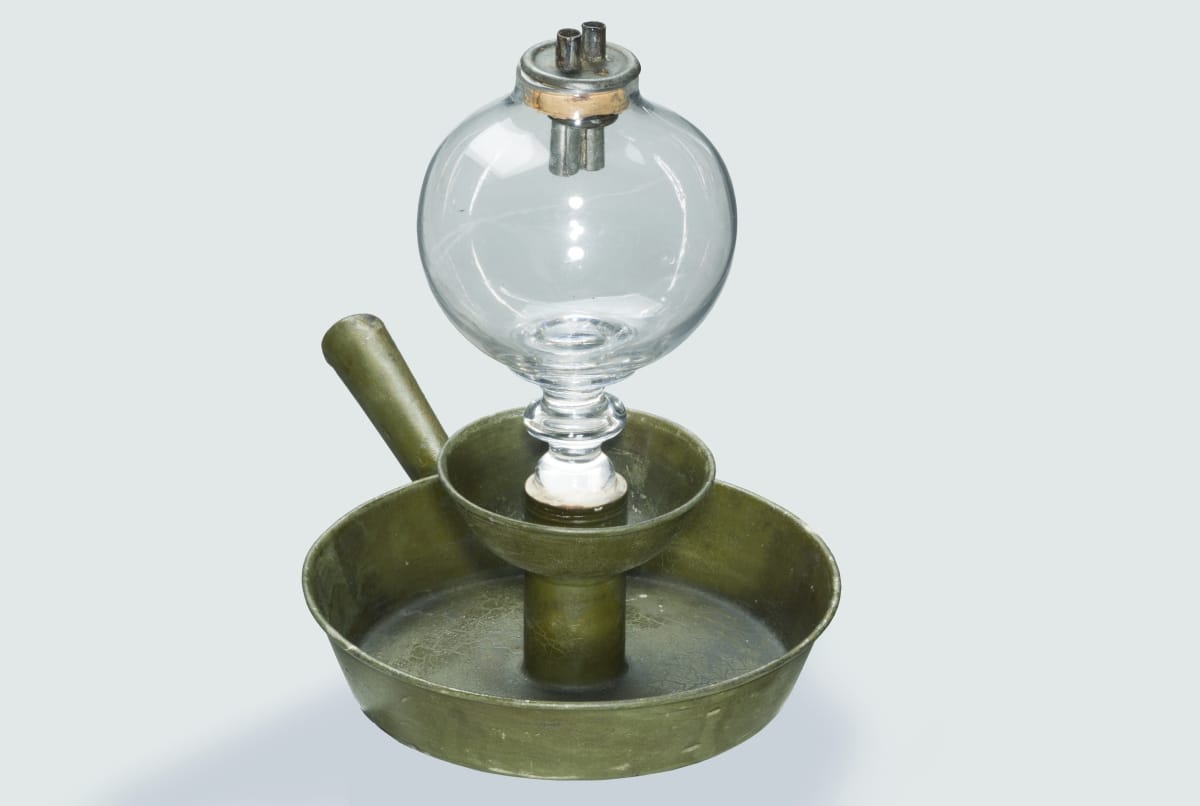
- Make-Do Whale Oil Lamp, 1850-1883 - Traditional make-dos are useful and precious objects that broke during their working lives. Their owners felt compelled to restore or repurpose these objects in a variety of ways. The glass base of this lamp broke and it was given a new base made of tin.
- 1850-1883
- Collections - Artifact
Make-Do Whale Oil Lamp, 1850-1883
Traditional make-dos are useful and precious objects that broke during their working lives. Their owners felt compelled to restore or repurpose these objects in a variety of ways. The glass base of this lamp broke and it was given a new base made of tin.
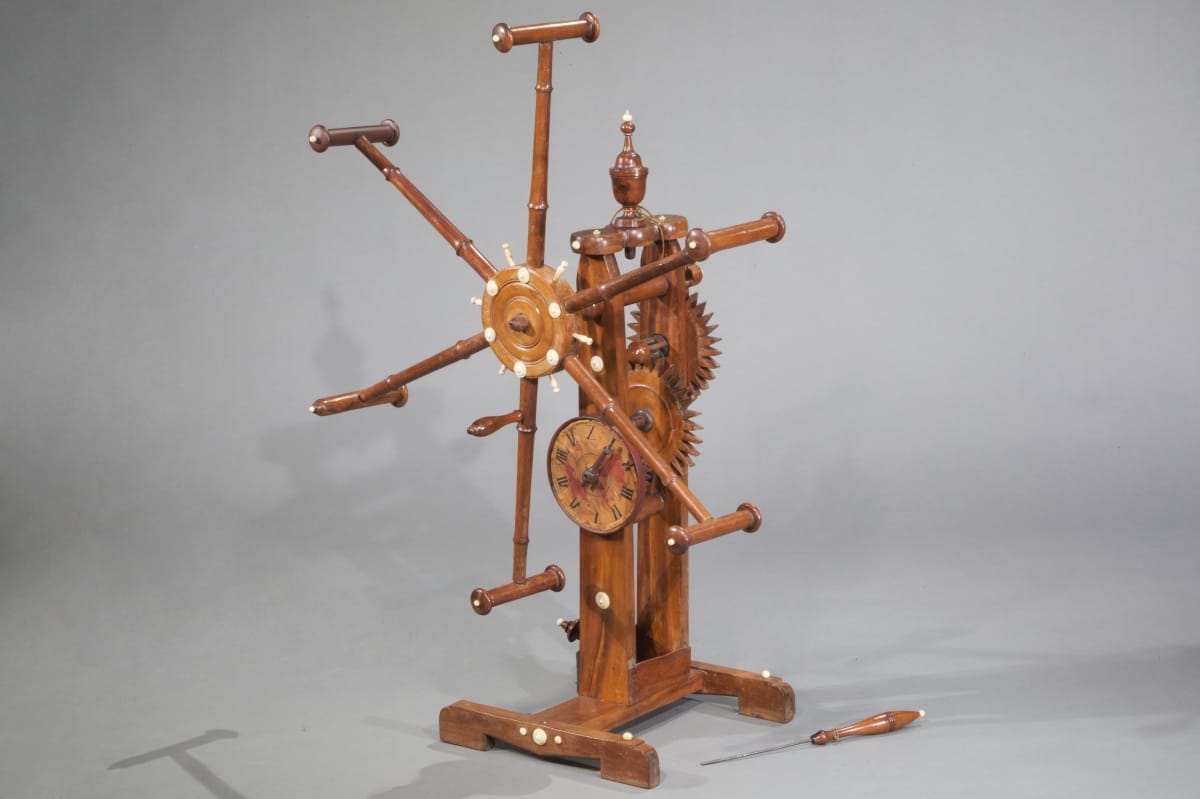
- Clock Reel, 1800-1840 - A clock reel is a device used to wind spun yarn into measured skeins. The mechanism is similar to a mechanical clock. The dial's hand is attached to gears that count off the number of times the reel revolves. The dial kept track automatically, making it easy to know how many yards had been spun--without having to keep track in one's head.
- 1800-1840
- Collections - Artifact
Clock Reel, 1800-1840
A clock reel is a device used to wind spun yarn into measured skeins. The mechanism is similar to a mechanical clock. The dial's hand is attached to gears that count off the number of times the reel revolves. The dial kept track automatically, making it easy to know how many yards had been spun--without having to keep track in one's head.