
Search
- Whetstones -
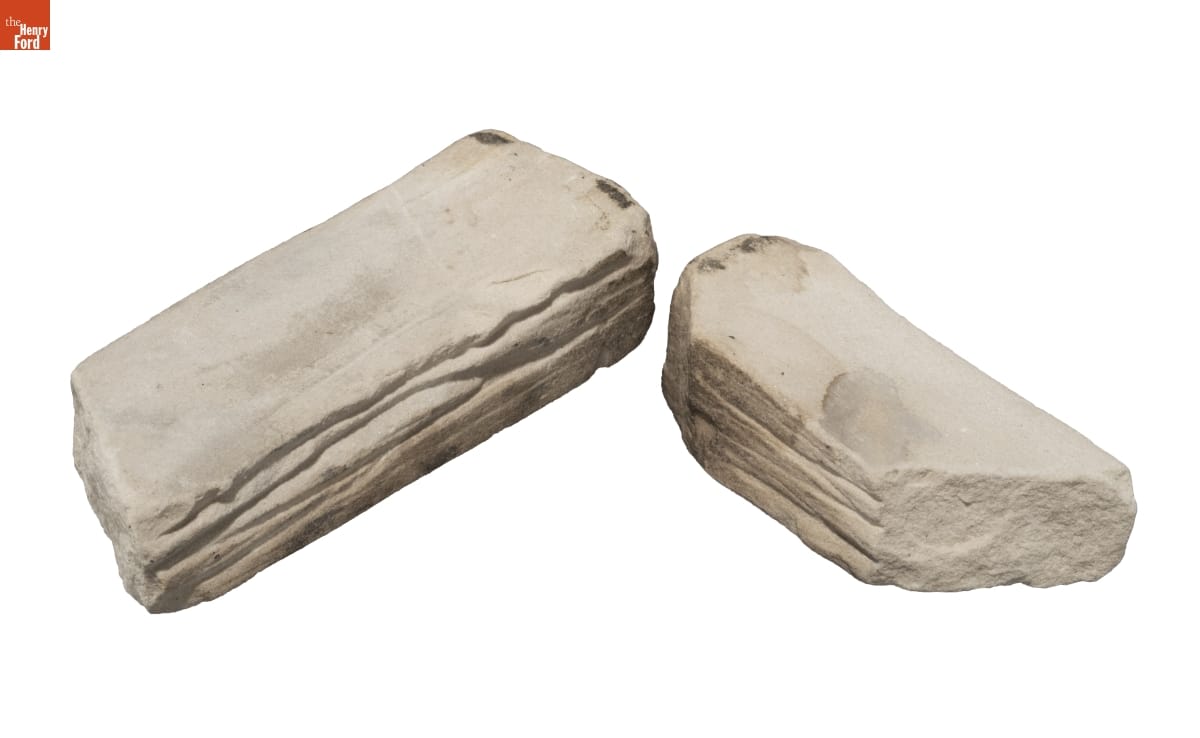
- Collections - Artifact
Whetstones
- Whetstone Holder -
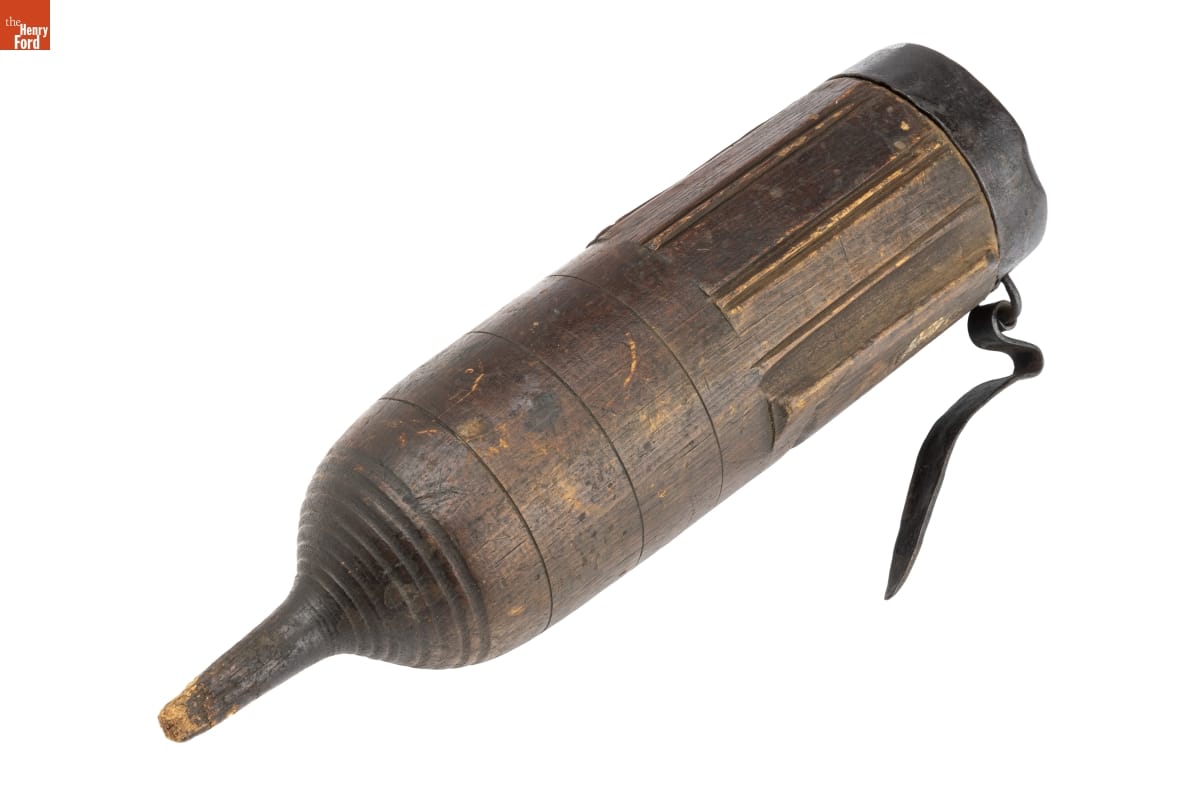
- Collections - Artifact
Whetstone Holder
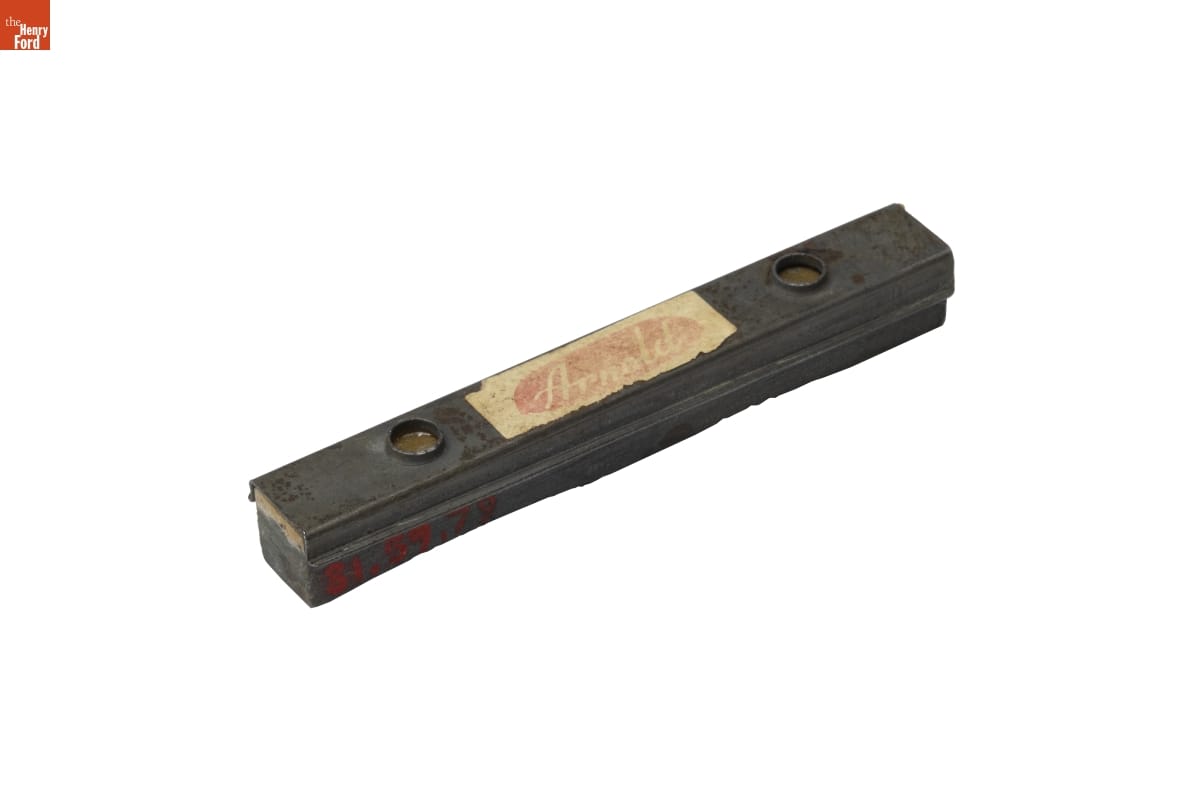
- Whetstone - A whetstone helps sharpen knives. Traditional whetstones are made of natural materials and sometimes soaked in water or oil before use. "Whet" comes from the Old English meaning "to sharpen." Veterinarian F. Eugene Eads used this whetstone to keep his tools and instruments sharp.
- Collections - Artifact
Whetstone
A whetstone helps sharpen knives. Traditional whetstones are made of natural materials and sometimes soaked in water or oil before use. "Whet" comes from the Old English meaning "to sharpen." Veterinarian F. Eugene Eads used this whetstone to keep his tools and instruments sharp.
- Whetstone Holder -
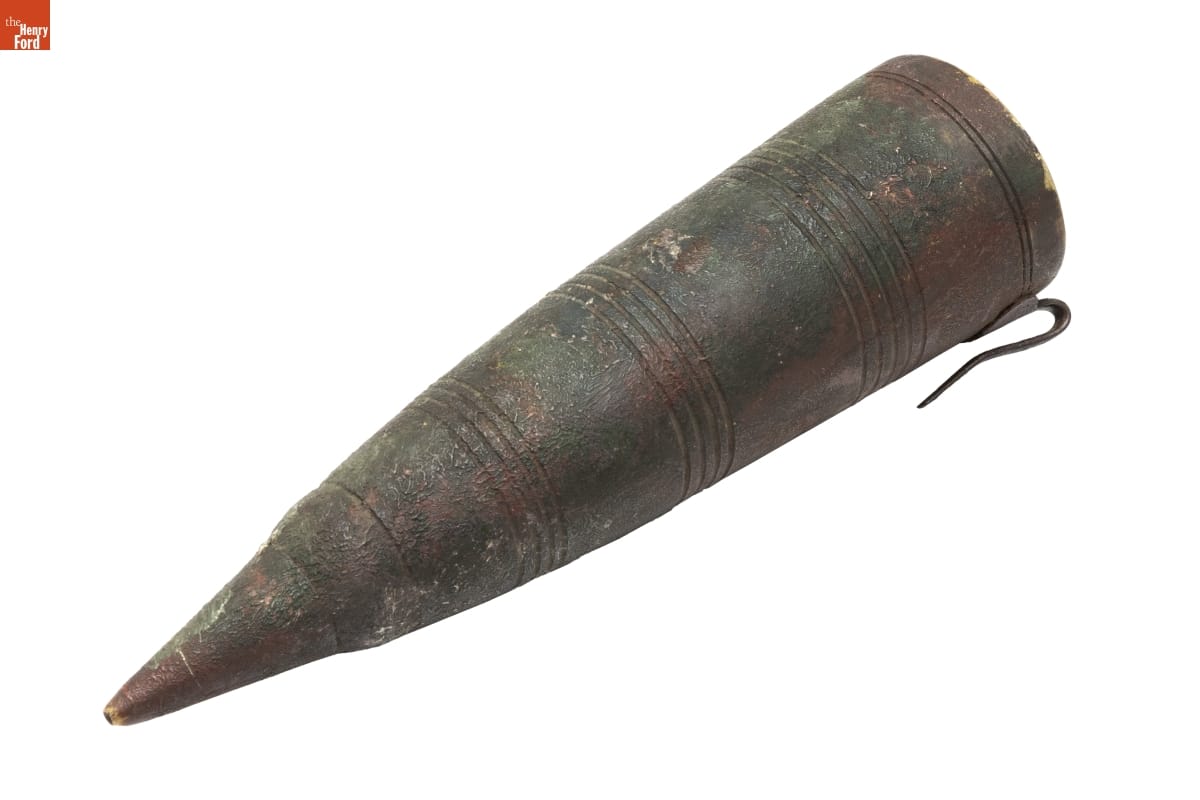
- Collections - Artifact
Whetstone Holder
- Whetstone Holder, 1840 -
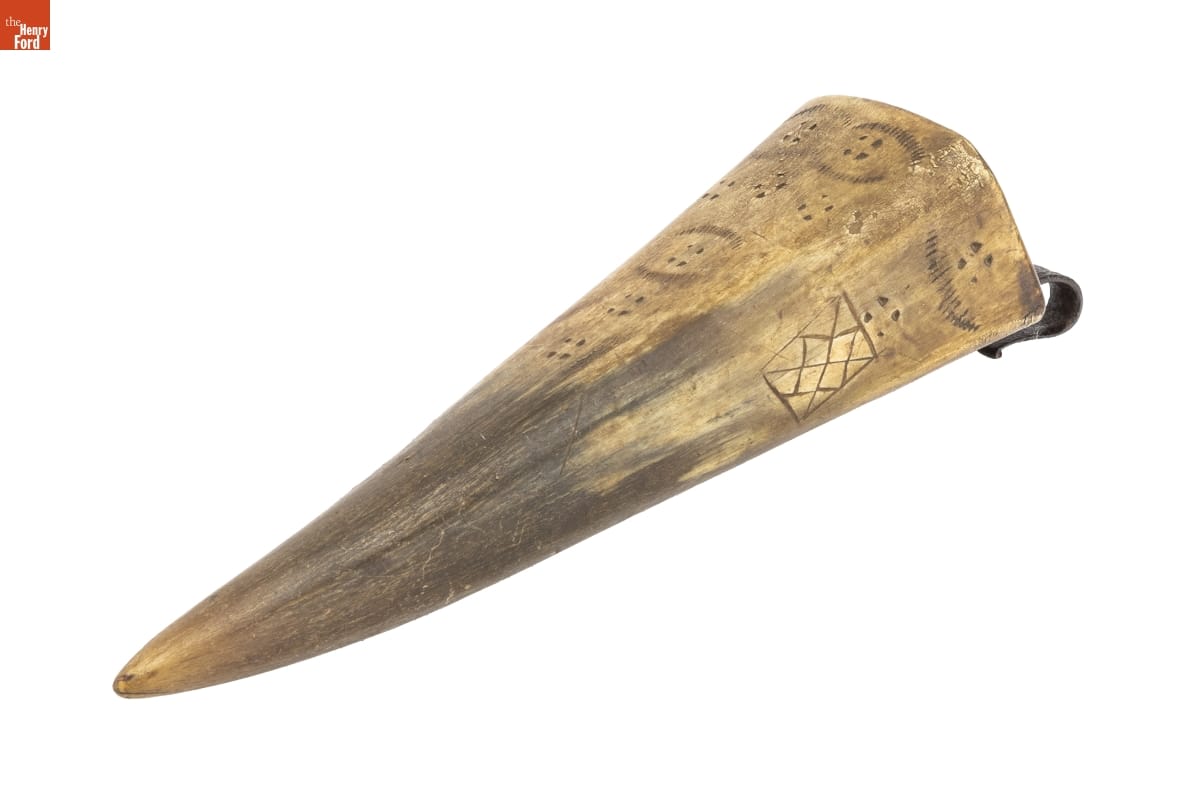
- 1840
- Collections - Artifact
Whetstone Holder, 1840
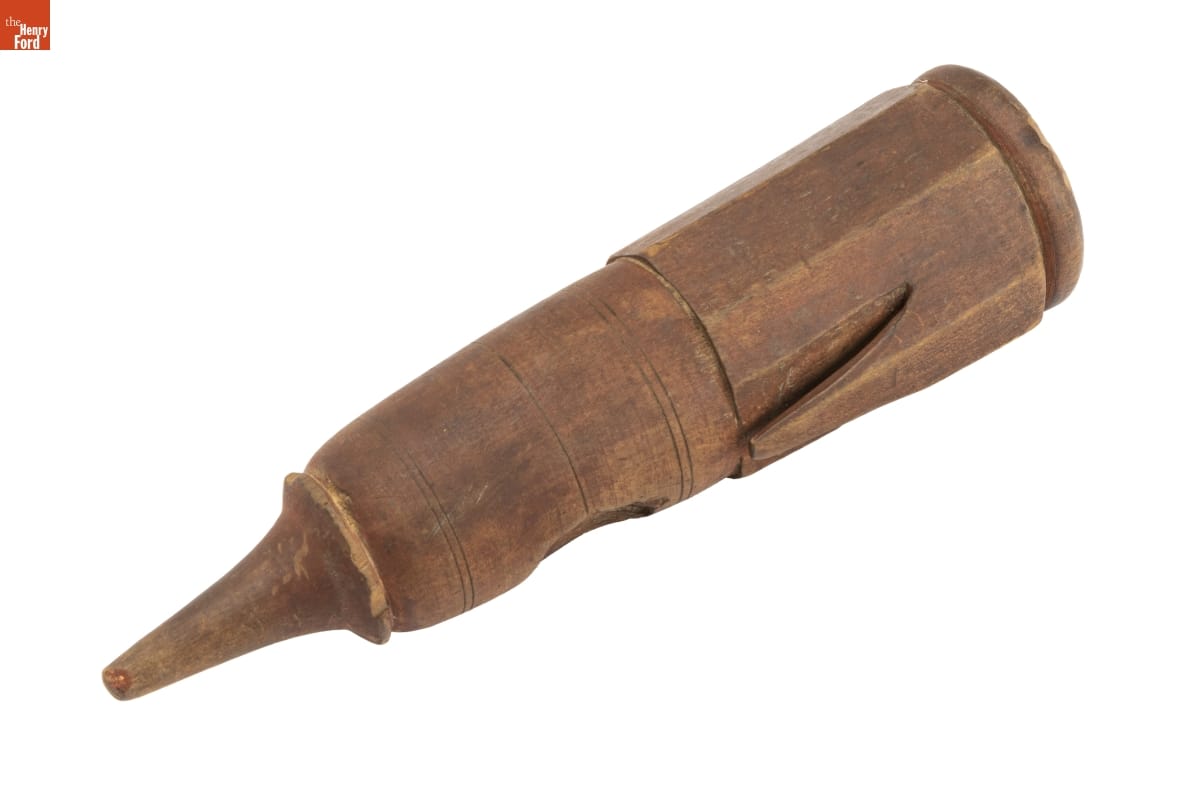
- Whetstone Holder -
- Collections - Artifact
Whetstone Holder
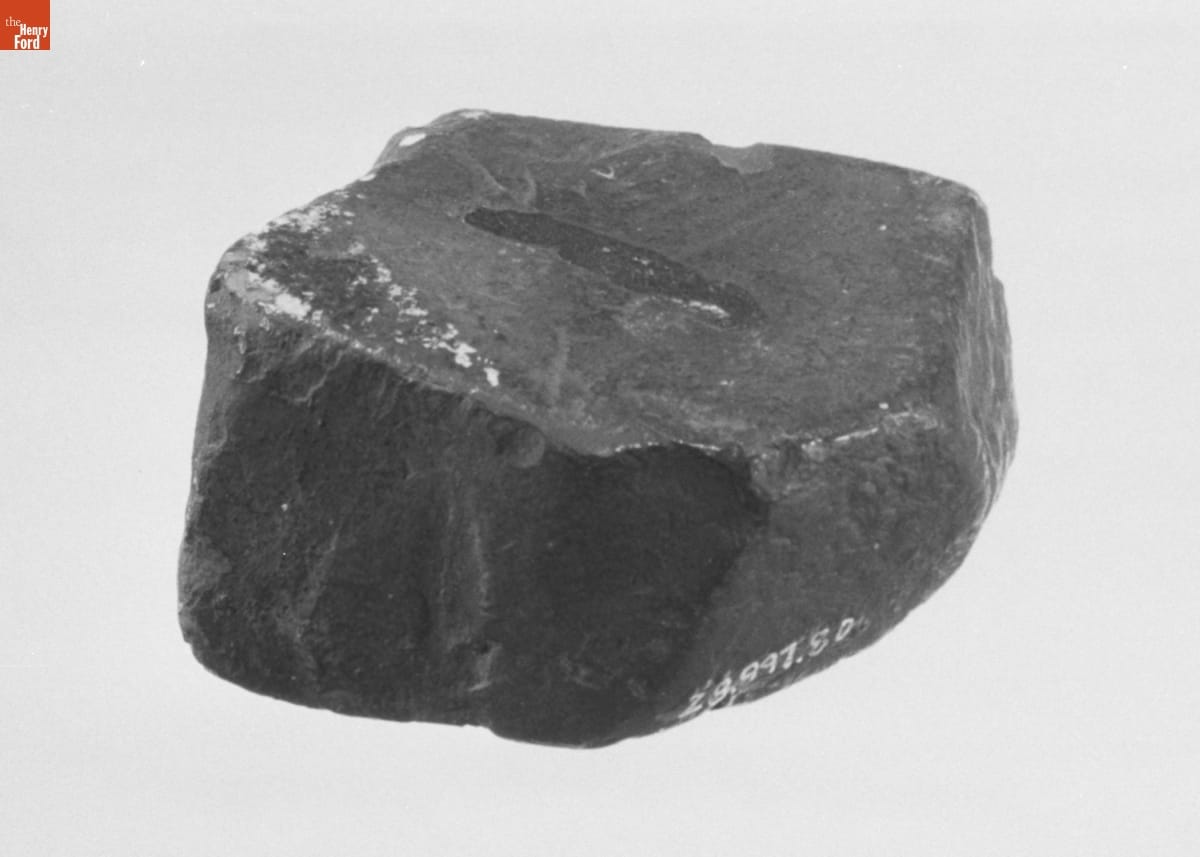
- Whetstone Used for Sharpening Shoe Knives, 1880-1920 - Late-nineteenth and early-twentieth-century shoemakers turned pieces of leather into footwear. These craftspeople used a wide range of specialized tools to measure, cut, shape, stitch, trim, finish, and decorate their handiwork. Their tools included a variety of knives, hammers, punches, clamps, awls, and polishers and burnishers. Though these tools seem highly specialized, shoemakers were always adapting, using whatever tools were at hand to make shoes.
- 1880-1920
- Collections - Artifact
Whetstone Used for Sharpening Shoe Knives, 1880-1920
Late-nineteenth and early-twentieth-century shoemakers turned pieces of leather into footwear. These craftspeople used a wide range of specialized tools to measure, cut, shape, stitch, trim, finish, and decorate their handiwork. Their tools included a variety of knives, hammers, punches, clamps, awls, and polishers and burnishers. Though these tools seem highly specialized, shoemakers were always adapting, using whatever tools were at hand to make shoes.
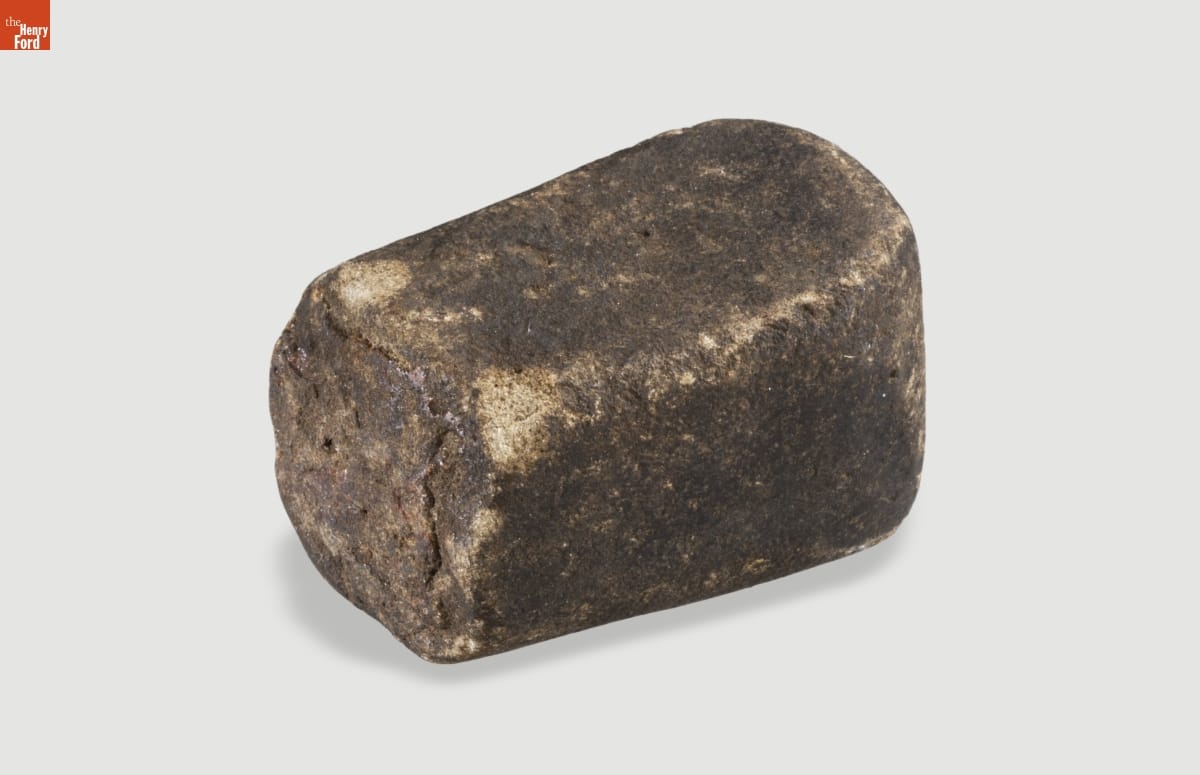
- Whetstone, 1880-1920 - Late-nineteenth and early-twentieth-century shoemakers turned pieces of leather into footwear. These craftspeople used a wide range of specialized tools to measure, cut, shape, stitch, trim, finish, and decorate their handiwork. Their tools included a variety of knives, hammers, punches, clamps, awls, and polishers and burnishers. Though these tools seem highly specialized, shoemakers were always adapting, using whatever tools were at hand to make shoes.
- 1880-1920
- Collections - Artifact
Whetstone, 1880-1920
Late-nineteenth and early-twentieth-century shoemakers turned pieces of leather into footwear. These craftspeople used a wide range of specialized tools to measure, cut, shape, stitch, trim, finish, and decorate their handiwork. Their tools included a variety of knives, hammers, punches, clamps, awls, and polishers and burnishers. Though these tools seem highly specialized, shoemakers were always adapting, using whatever tools were at hand to make shoes.