
Search
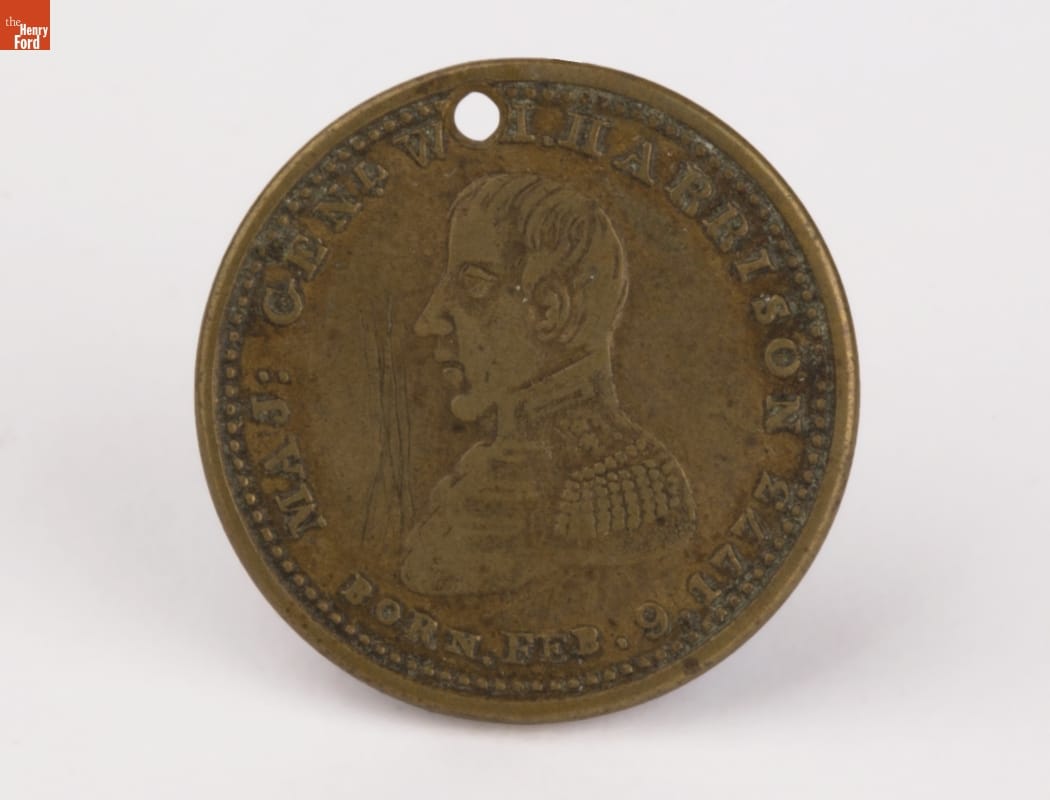
- William Henry Harrison Campaign Medal, 1840 - William Henry Harrison gained national fame in 1811 when he defeated a band of Native Americans at Tippecanoe near present-day Lafayette, Indiana. Though Harrison retired from the army in 1814, most Americans remembered his military service. When he ran for president in 1840, campaign slogans, songs and materials, such as this coin, constantly referred to Harrison as Tippecanoe.
- 1840
- Collections - Artifact
William Henry Harrison Campaign Medal, 1840
William Henry Harrison gained national fame in 1811 when he defeated a band of Native Americans at Tippecanoe near present-day Lafayette, Indiana. Though Harrison retired from the army in 1814, most Americans remembered his military service. When he ran for president in 1840, campaign slogans, songs and materials, such as this coin, constantly referred to Harrison as Tippecanoe.
- Music Sheet Cover, "Arouse Ye, Patriot Whigs!," 1840 -

- 1840
- Collections - Artifact
Music Sheet Cover, "Arouse Ye, Patriot Whigs!," 1840
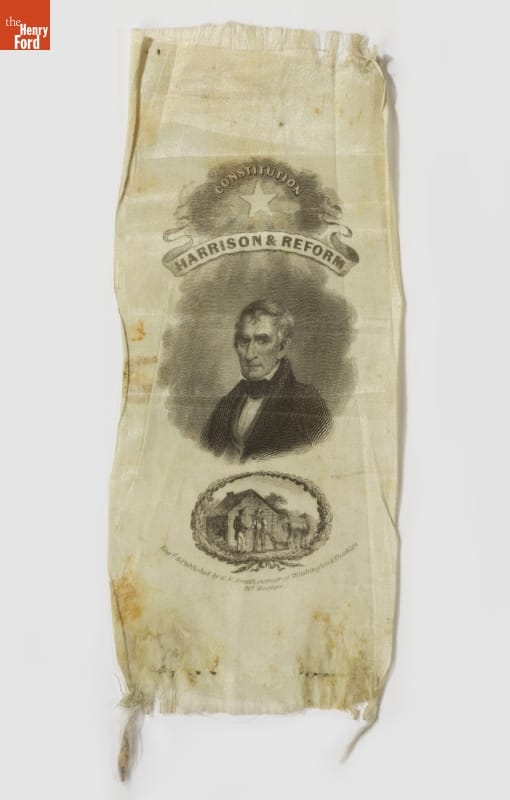
- William Henry Harrison Campaign Ribbon, 1836-1840 - Sixty-seven-year-old retired military general William Henry Harrison took advantage of a wildly popular campaign staged by Whig Party leaders, who capitalized on the false perception that Harrison was a common frontier farmer living in a log cabin. Cheering crowds lined Pennsylvania Avenue for his inauguration on March 4, 1841. He performed nominal duties before falling ill and dying of pneumonia a month into his presidency.
- 1836-1840
- Collections - Artifact
William Henry Harrison Campaign Ribbon, 1836-1840
Sixty-seven-year-old retired military general William Henry Harrison took advantage of a wildly popular campaign staged by Whig Party leaders, who capitalized on the false perception that Harrison was a common frontier farmer living in a log cabin. Cheering crowds lined Pennsylvania Avenue for his inauguration on March 4, 1841. He performed nominal duties before falling ill and dying of pneumonia a month into his presidency.
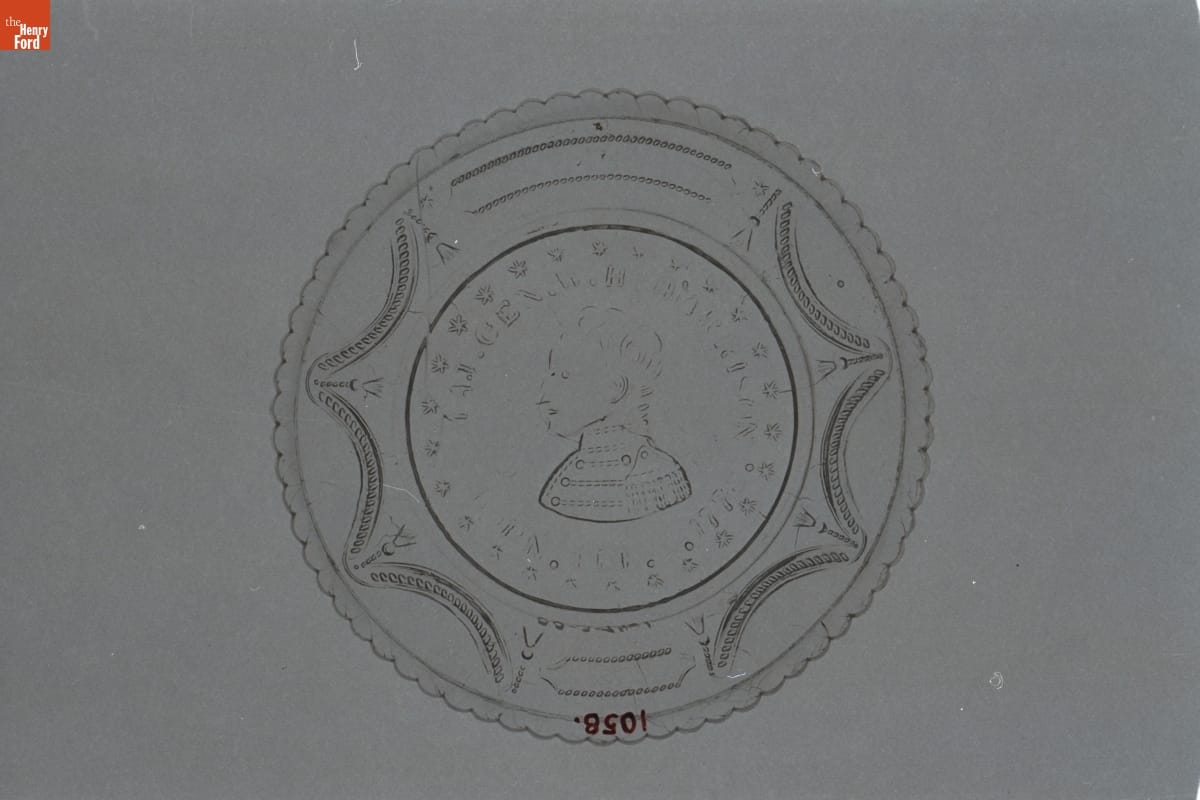
- Cup Plate, 1840-1841 - Americans in the early 19th century poured hot tea into their saucers to cool -- leaving the staining liquid around the teacup's base. Hostesses would provide guests with cup plates to prevent damage to tablecloths and wood. Pressed glass cup plates were popular from the 1820s to the 1860s. Pressed designs varied from purely decorative to images of famous men, places and events.
- 1840-1841
- Collections - Artifact
Cup Plate, 1840-1841
Americans in the early 19th century poured hot tea into their saucers to cool -- leaving the staining liquid around the teacup's base. Hostesses would provide guests with cup plates to prevent damage to tablecloths and wood. Pressed glass cup plates were popular from the 1820s to the 1860s. Pressed designs varied from purely decorative to images of famous men, places and events.
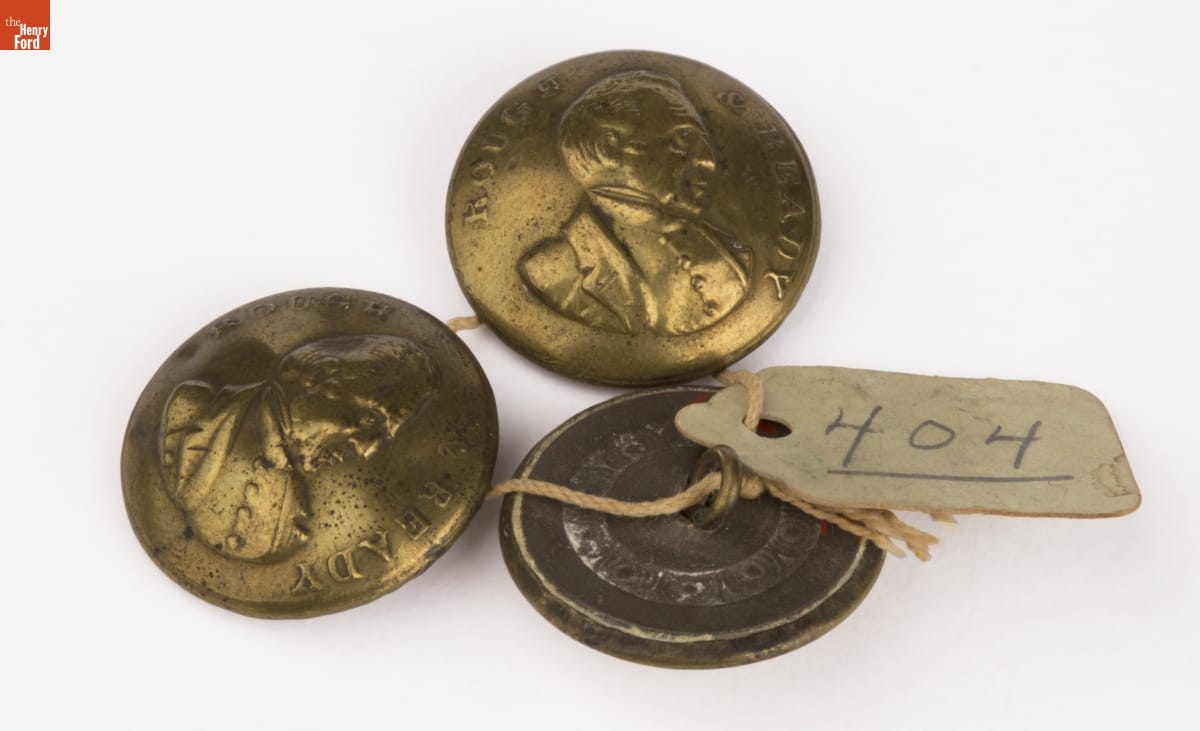
- Zachary Taylor Campaign Buttons, 1848 - Zachary Taylor served in the military most of his life and earned the nickname "Old Rough and Ready" from his men for his willingness to share in the hardships of field duty. The moniker became widespread after his victories during the Mexican-America War. In 1848, when Taylor ran for President, backers donned buttons such as these to show their support.
- 1848
- Collections - Artifact
Zachary Taylor Campaign Buttons, 1848
Zachary Taylor served in the military most of his life and earned the nickname "Old Rough and Ready" from his men for his willingness to share in the hardships of field duty. The moniker became widespread after his victories during the Mexican-America War. In 1848, when Taylor ran for President, backers donned buttons such as these to show their support.
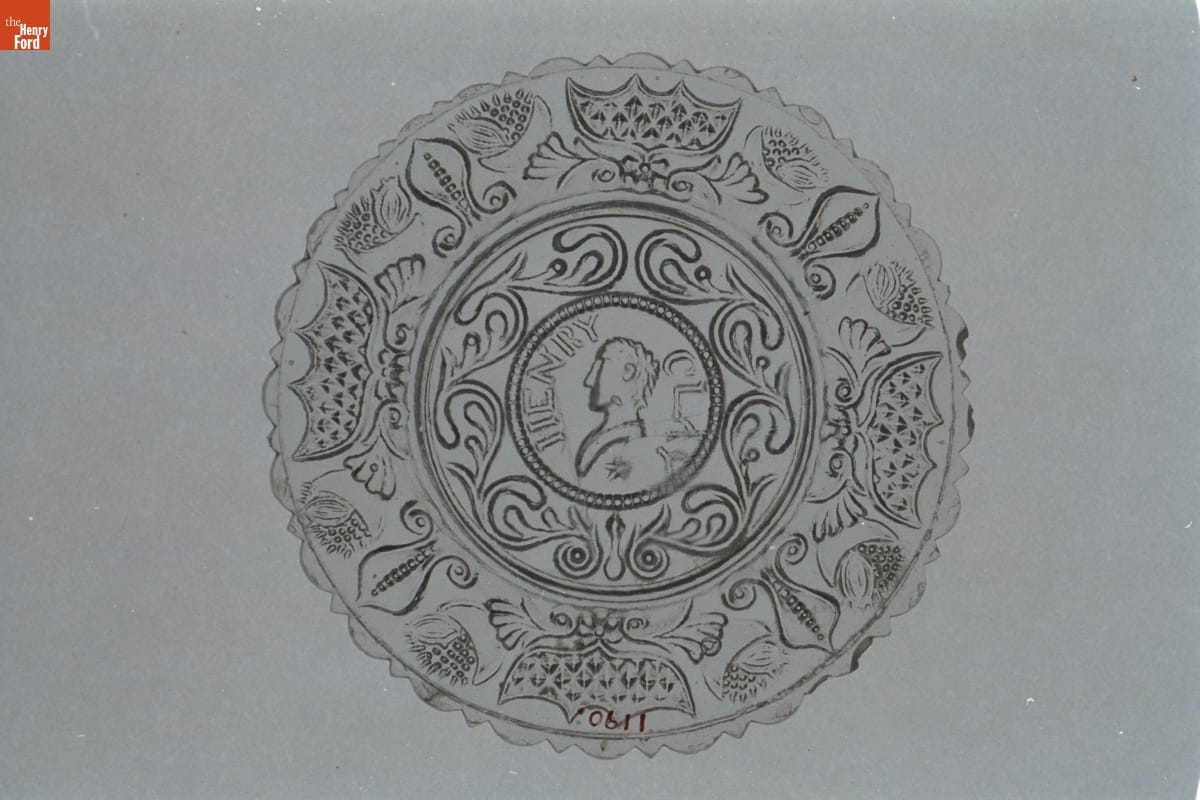
- Cup Plate, 1832-1852 - Americans in the early 19th century poured hot tea into their saucers to cool -- leaving the staining liquid around the teacup's base. Hostesses would provide guests with cup plates to prevent damage to tablecloths and wood. Pressed glass cup plates were popular from the 1820s to the 1860s. Pressed designs varied from purely decorative to images of famous men, places and events.
- 1832-1852
- Collections - Artifact
Cup Plate, 1832-1852
Americans in the early 19th century poured hot tea into their saucers to cool -- leaving the staining liquid around the teacup's base. Hostesses would provide guests with cup plates to prevent damage to tablecloths and wood. Pressed glass cup plates were popular from the 1820s to the 1860s. Pressed designs varied from purely decorative to images of famous men, places and events.
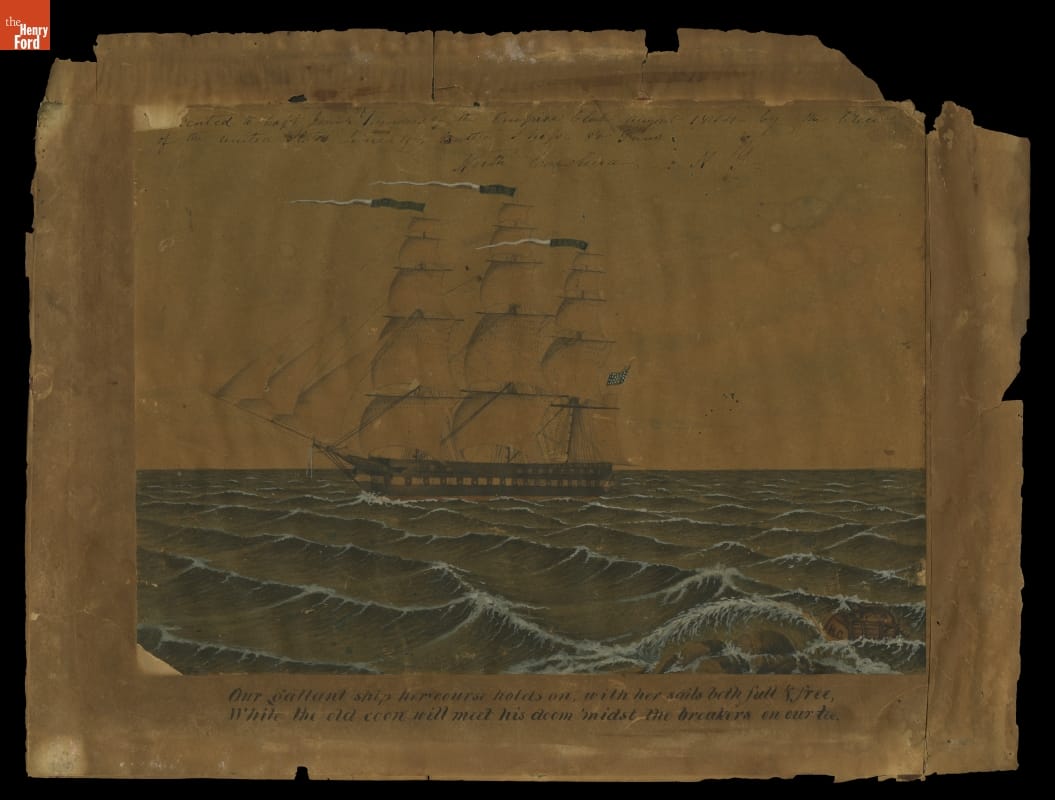
- Political Cartoon Presented to Isaiah Rynders, 1844 -
- 1844
- Collections - Artifact
Political Cartoon Presented to Isaiah Rynders, 1844
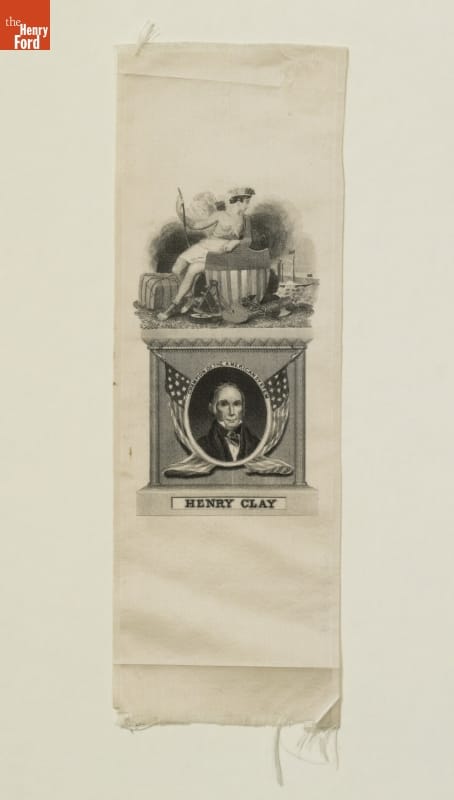
- Henry Clay Campaign Ribbon, 1844 -
- 1844
- Collections - Artifact
Henry Clay Campaign Ribbon, 1844
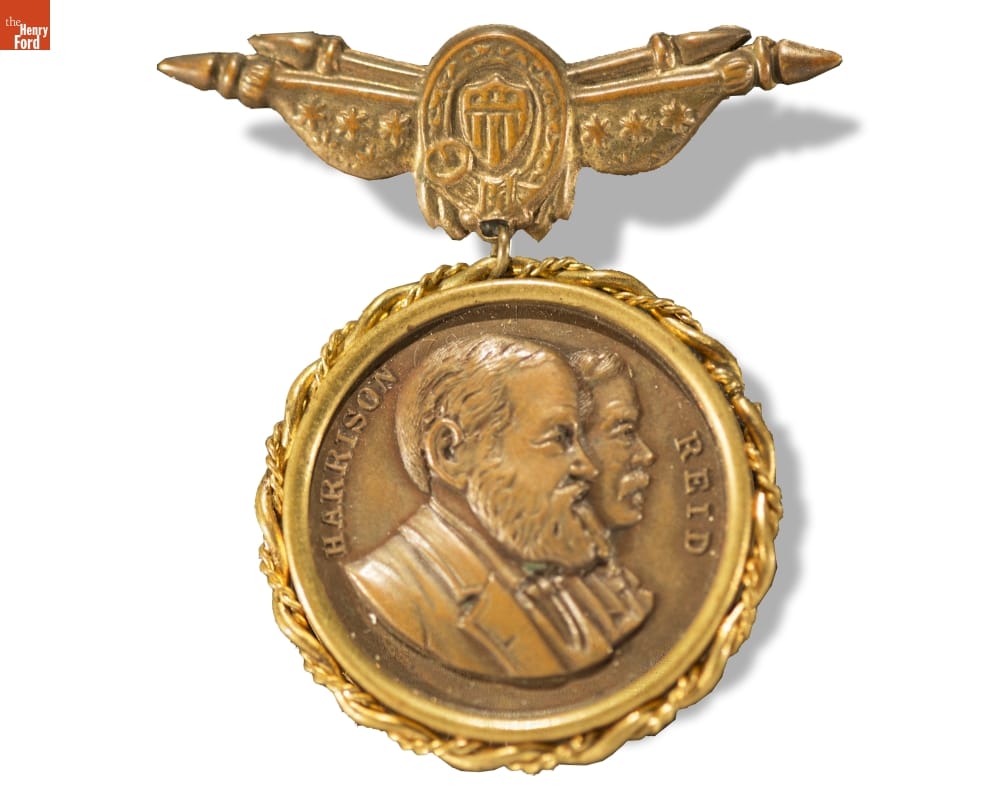
- Harrison-Reid Campaign Badge, 1892 - The Republican Party selected Benjamin Harrison to run for president in 1888 and 1892. Harrison was a proponent of strong protective tariffs, sound money and pensions for Civil War veterans. He was also the grandson of a William Henry Harrison, the ninth President of the United States. Touting "protection" and his family's political lineage, Benjamin won in 1888, but lost in 1892.
- 1892
- Collections - Artifact
Harrison-Reid Campaign Badge, 1892
The Republican Party selected Benjamin Harrison to run for president in 1888 and 1892. Harrison was a proponent of strong protective tariffs, sound money and pensions for Civil War veterans. He was also the grandson of a William Henry Harrison, the ninth President of the United States. Touting "protection" and his family's political lineage, Benjamin won in 1888, but lost in 1892.
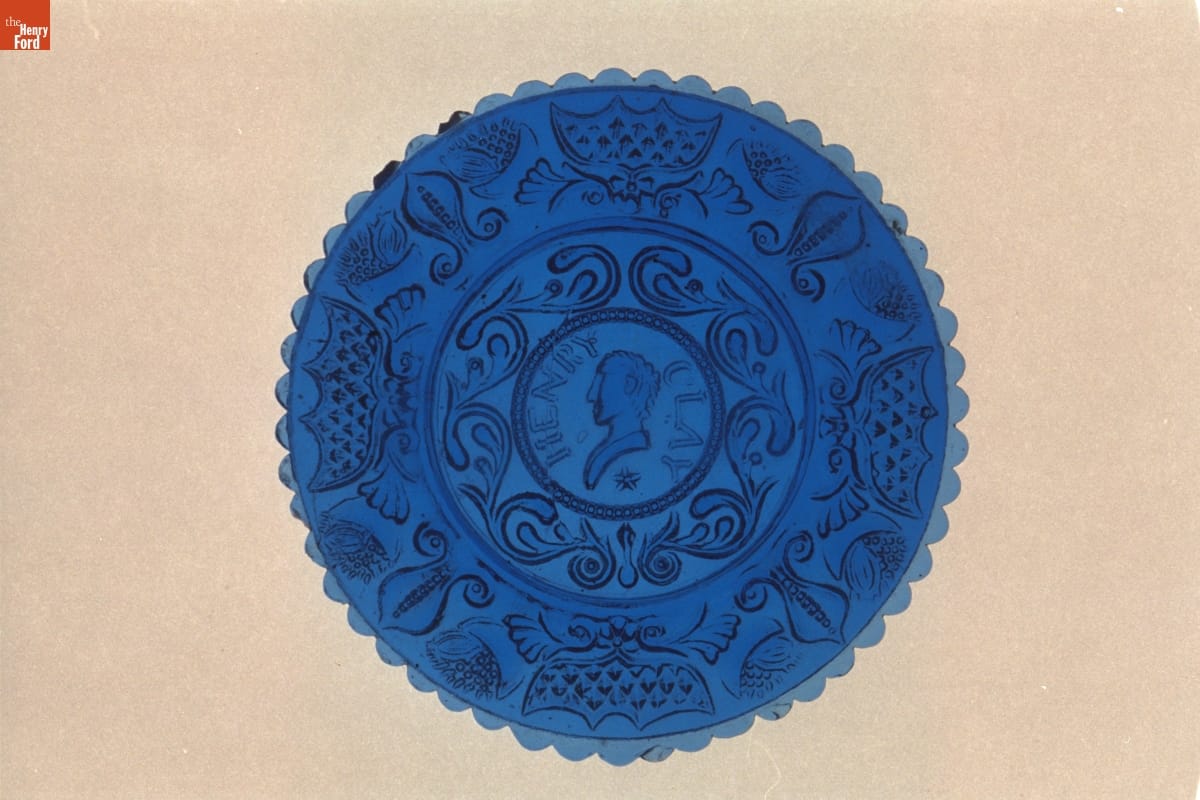
- Cup Plate, 1832-1852 - Americans in the early 19th century poured hot tea into their saucers to cool -- leaving the staining liquid around the teacup's base. Hostesses would provide guests with cup plates to prevent damage to tablecloths and wood. Pressed glass cup plates were popular from the 1820s to the 1860s. Pressed designs varied from purely decorative to images of famous men, places and events.
- 1832-1852
- Collections - Artifact
Cup Plate, 1832-1852
Americans in the early 19th century poured hot tea into their saucers to cool -- leaving the staining liquid around the teacup's base. Hostesses would provide guests with cup plates to prevent damage to tablecloths and wood. Pressed glass cup plates were popular from the 1820s to the 1860s. Pressed designs varied from purely decorative to images of famous men, places and events.