
Search
- Peachblow Pear Whimsey, 1880-1890 - Art Glass is ornamental and decorative glass dating from the mid-to-late 19th century through the early 20th century. Makers of Art Glass employed newly developed technologies for producing vibrant colors and surface textures. This is most famously seen in the iridescent surfaces of Louis Comfort Tiffany and his contemporaries, although Art Glass took many shapes and forms.
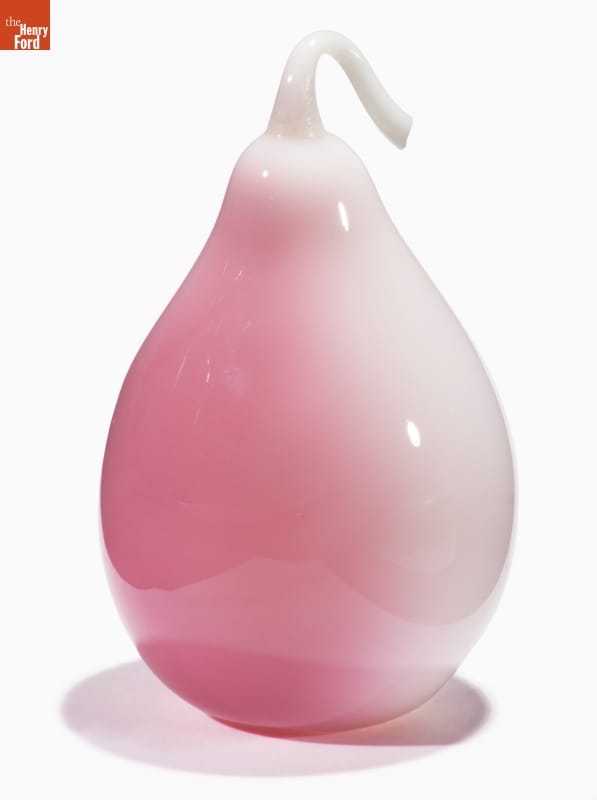
- 1880-1890
- Collections - Artifact
Peachblow Pear Whimsey, 1880-1890
Art Glass is ornamental and decorative glass dating from the mid-to-late 19th century through the early 20th century. Makers of Art Glass employed newly developed technologies for producing vibrant colors and surface textures. This is most famously seen in the iridescent surfaces of Louis Comfort Tiffany and his contemporaries, although Art Glass took many shapes and forms.
- Hat-Shaped Whimsey, 1855-1870 - Glassworkers of the 19th and early 20th centuries created fanciful or humorous objects called whimsies to show off their skill and creativity. These pieces were usually made during breaks or at the end of a long day working in a hot factory. Various forms of whimsies include animals, canes, pipes, chains, rolling pins, or curiosities like this hat -- whatever struck a worker's fancy.
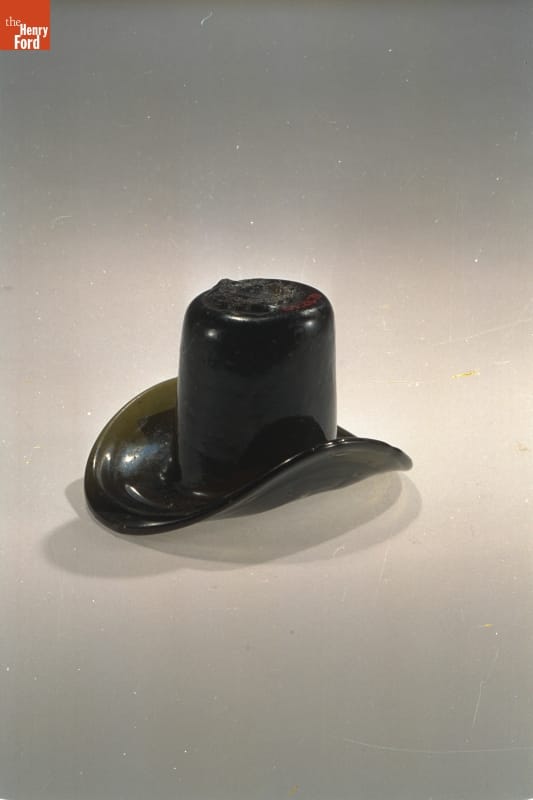
- 1855-1870
- Collections - Artifact
Hat-Shaped Whimsey, 1855-1870
Glassworkers of the 19th and early 20th centuries created fanciful or humorous objects called whimsies to show off their skill and creativity. These pieces were usually made during breaks or at the end of a long day working in a hot factory. Various forms of whimsies include animals, canes, pipes, chains, rolling pins, or curiosities like this hat -- whatever struck a worker's fancy.
- Carved Wooden Whimsy, Gift to Henry Ford, 1936 - Acknowledging Henry Ford's innovative spirit, individuals employing their own original and imaginative efforts bestowed hundreds of handmade gifts upon him. This intricate and elaborate carving is covered with images of objects and places significant in the life of Henry Ford, representing his past and present, his industrial world as well as his creation of Greenfield Village.
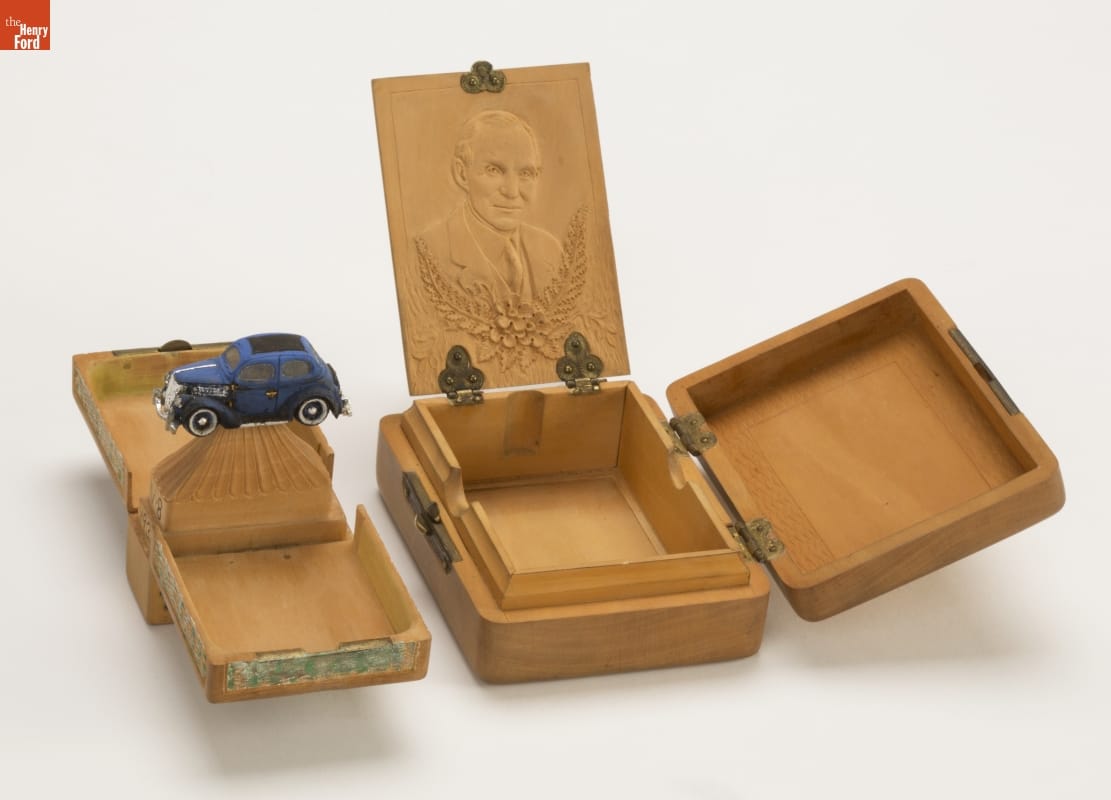
- 1936
- Collections - Artifact
Carved Wooden Whimsy, Gift to Henry Ford, 1936
Acknowledging Henry Ford's innovative spirit, individuals employing their own original and imaginative efforts bestowed hundreds of handmade gifts upon him. This intricate and elaborate carving is covered with images of objects and places significant in the life of Henry Ford, representing his past and present, his industrial world as well as his creation of Greenfield Village.
- Hat-Shaped Whimsey, 1815-1850 - Glassworkers of the 19th and early 20th centuries created fanciful or humorous objects called whimsies to show off their skill and creativity. These pieces were usually made during breaks or at the end of a long day working in a hot factory. Various forms of whimsies include animals, canes, pipes, chains, rolling pins, or curiosities like this hat -- whatever struck a worker's fancy.
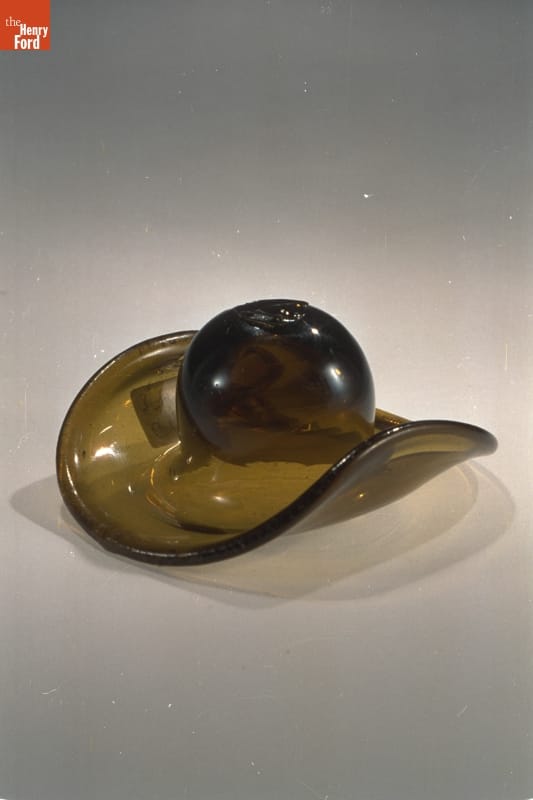
- 1815-1850
- Collections - Artifact
Hat-Shaped Whimsey, 1815-1850
Glassworkers of the 19th and early 20th centuries created fanciful or humorous objects called whimsies to show off their skill and creativity. These pieces were usually made during breaks or at the end of a long day working in a hot factory. Various forms of whimsies include animals, canes, pipes, chains, rolling pins, or curiosities like this hat -- whatever struck a worker's fancy.
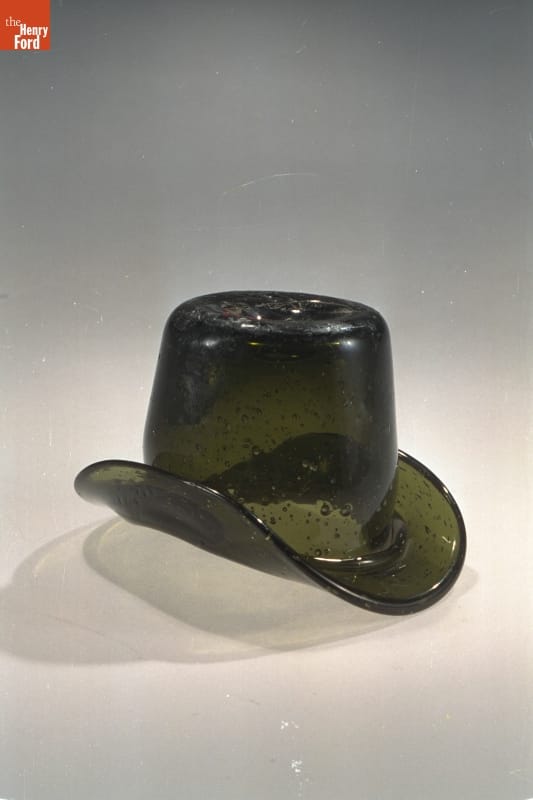
- Hat-Shaped Whimsey, 1800-1825 - Glassworkers of the 19th and early 20th centuries created fanciful or humorous objects called whimsies to show off their skill and creativity. These pieces were usually made during breaks or at the end of a long day working in a hot factory. Various forms of whimsies include animals, canes, pipes, chains, rolling pins, or curiosities like this hat -- whatever struck a worker's fancy.
- 1800-1825
- Collections - Artifact
Hat-Shaped Whimsey, 1800-1825
Glassworkers of the 19th and early 20th centuries created fanciful or humorous objects called whimsies to show off their skill and creativity. These pieces were usually made during breaks or at the end of a long day working in a hot factory. Various forms of whimsies include animals, canes, pipes, chains, rolling pins, or curiosities like this hat -- whatever struck a worker's fancy.
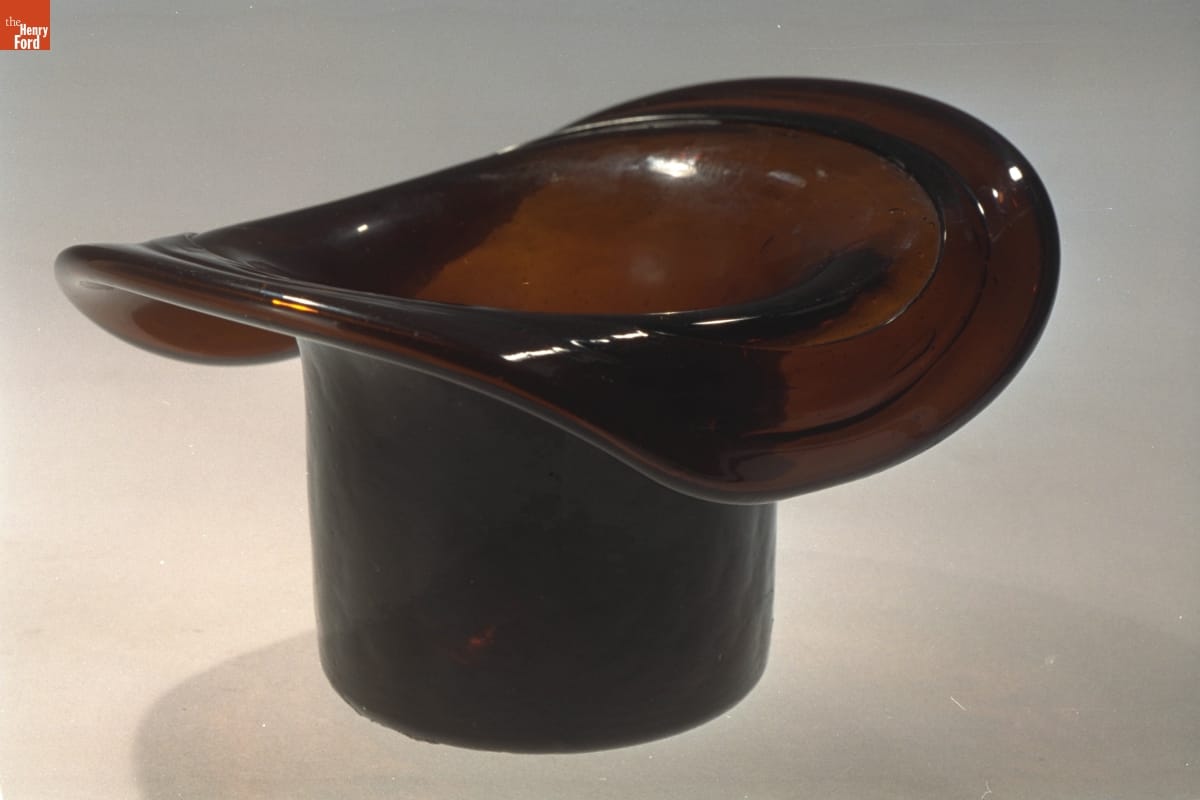
- Whimsey, 1881-1886 - Glassworkers of the 19th and early 20th centuries created fanciful or humorous objects called whimsies to show off their skill and creativity. These pieces were usually made during breaks or at the end of a long day working in a hot factory. Various forms of whimsies include animals, canes, pipes, chains, rolling pins, or curiosities like this hat -- whatever struck a worker's fancy.
- 1881-1886
- Collections - Artifact
Whimsey, 1881-1886
Glassworkers of the 19th and early 20th centuries created fanciful or humorous objects called whimsies to show off their skill and creativity. These pieces were usually made during breaks or at the end of a long day working in a hot factory. Various forms of whimsies include animals, canes, pipes, chains, rolling pins, or curiosities like this hat -- whatever struck a worker's fancy.
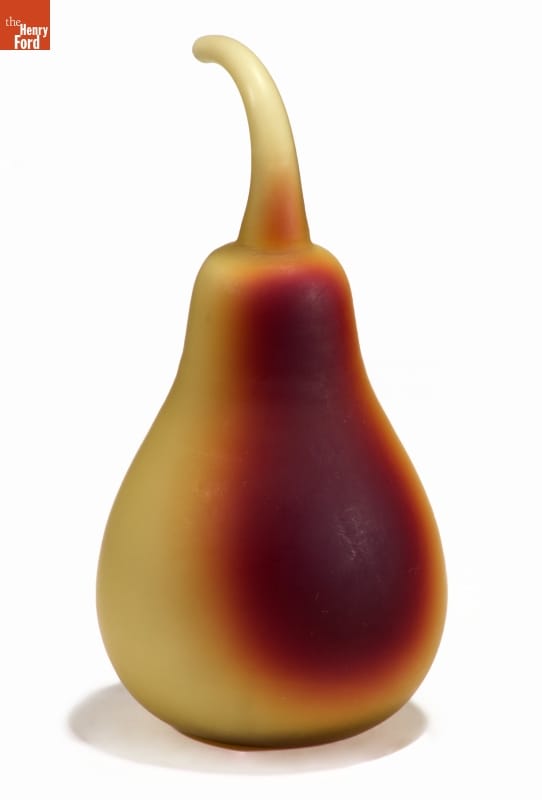
- Peachblow Pear Whimsey, circa 1886 - Art Glass is ornamental and decorative glass dating from the mid-to-late 19th century through the early 20th century. Makers of Art Glass employed newly developed technologies for producing vibrant colors and surface textures. This is most famously seen in the iridescent surfaces of Louis Comfort Tiffany and his contemporaries, although Art Glass took many shapes and forms.
- circa 1886
- Collections - Artifact
Peachblow Pear Whimsey, circa 1886
Art Glass is ornamental and decorative glass dating from the mid-to-late 19th century through the early 20th century. Makers of Art Glass employed newly developed technologies for producing vibrant colors and surface textures. This is most famously seen in the iridescent surfaces of Louis Comfort Tiffany and his contemporaries, although Art Glass took many shapes and forms.
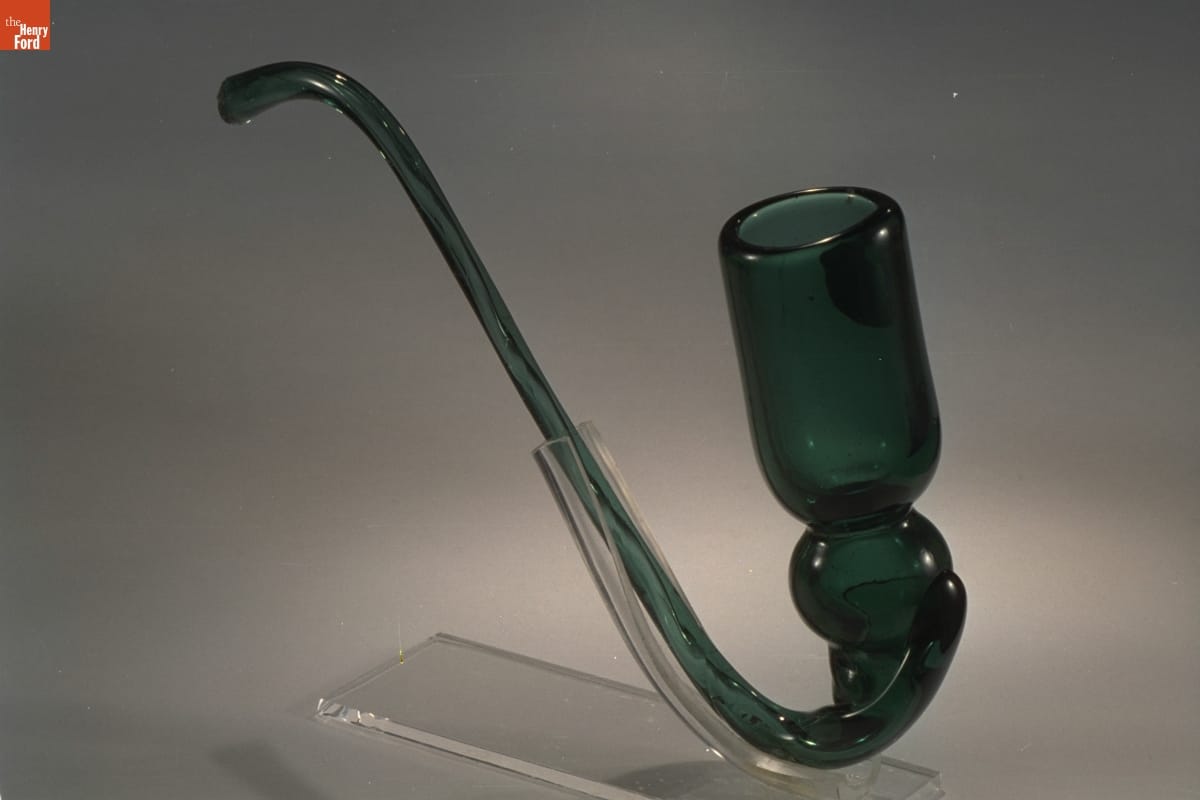
- Whimsey in the Shape of a Tobacco Pipe, 1860-1870 - Glassworkers of the 19th and early 20th centuries created fanciful or humorous objects called whimsies to show off their skill and creativity. These pieces were usually made during breaks or at the end of a long day working in a hot factory. Various forms of whimsies include animals, canes, pipes, chains, rolling pins, or curiosities like this pipe -- whatever struck a worker's fancy.
- 1860-1870
- Collections - Artifact
Whimsey in the Shape of a Tobacco Pipe, 1860-1870
Glassworkers of the 19th and early 20th centuries created fanciful or humorous objects called whimsies to show off their skill and creativity. These pieces were usually made during breaks or at the end of a long day working in a hot factory. Various forms of whimsies include animals, canes, pipes, chains, rolling pins, or curiosities like this pipe -- whatever struck a worker's fancy.
- Hat-Shaped Whimsey, 1825-1840 - Glassworkers of the 19th and early 20th centuries created fanciful or humorous objects called whimsies to show off their skill and creativity. These pieces were usually made during breaks or at the end of a long day working in a hot factory. Various forms of whimsies include animals, canes, pipes, chains, rolling pins, or curiosities like this hat -- whatever struck a worker's fancy.
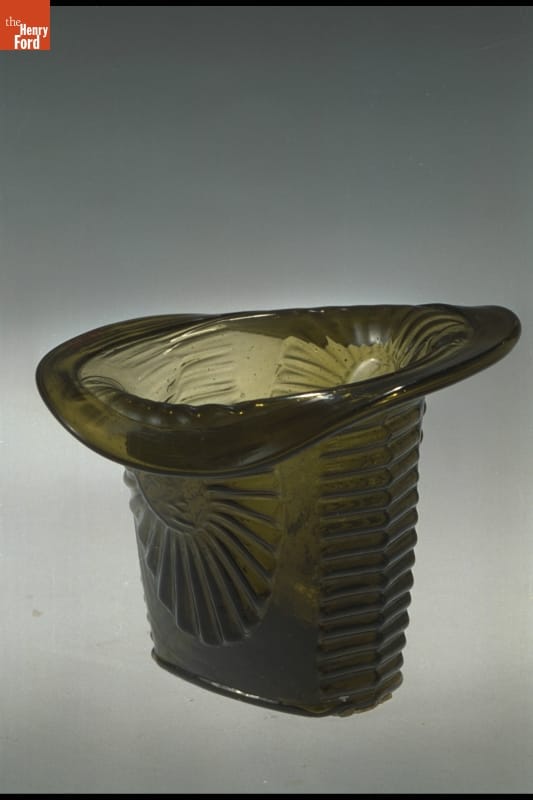
- 1825-1840
- Collections - Artifact
Hat-Shaped Whimsey, 1825-1840
Glassworkers of the 19th and early 20th centuries created fanciful or humorous objects called whimsies to show off their skill and creativity. These pieces were usually made during breaks or at the end of a long day working in a hot factory. Various forms of whimsies include animals, canes, pipes, chains, rolling pins, or curiosities like this hat -- whatever struck a worker's fancy.
- Hat-Shaped Whimsey, 1870-1875 - Glassworkers of the 19th and early 20th centuries created fanciful or humorous objects called whimsies to show off their skill and creativity. These pieces were usually made during breaks or at the end of a long day working in a hot factory. Various forms of whimsies include animals, canes, pipes, chains, rolling pins, or curiosities like this hat -- whatever struck a worker's fancy.
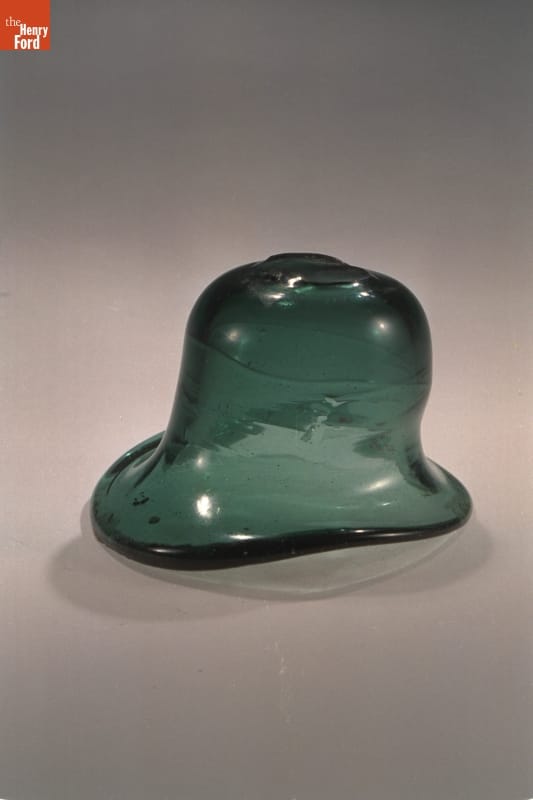
- circa 1870-1875
- Collections - Artifact
Hat-Shaped Whimsey, 1870-1875
Glassworkers of the 19th and early 20th centuries created fanciful or humorous objects called whimsies to show off their skill and creativity. These pieces were usually made during breaks or at the end of a long day working in a hot factory. Various forms of whimsies include animals, canes, pipes, chains, rolling pins, or curiosities like this hat -- whatever struck a worker's fancy.