
Search
- Reddi-wip Whipped Cream Can, circa 1949 -
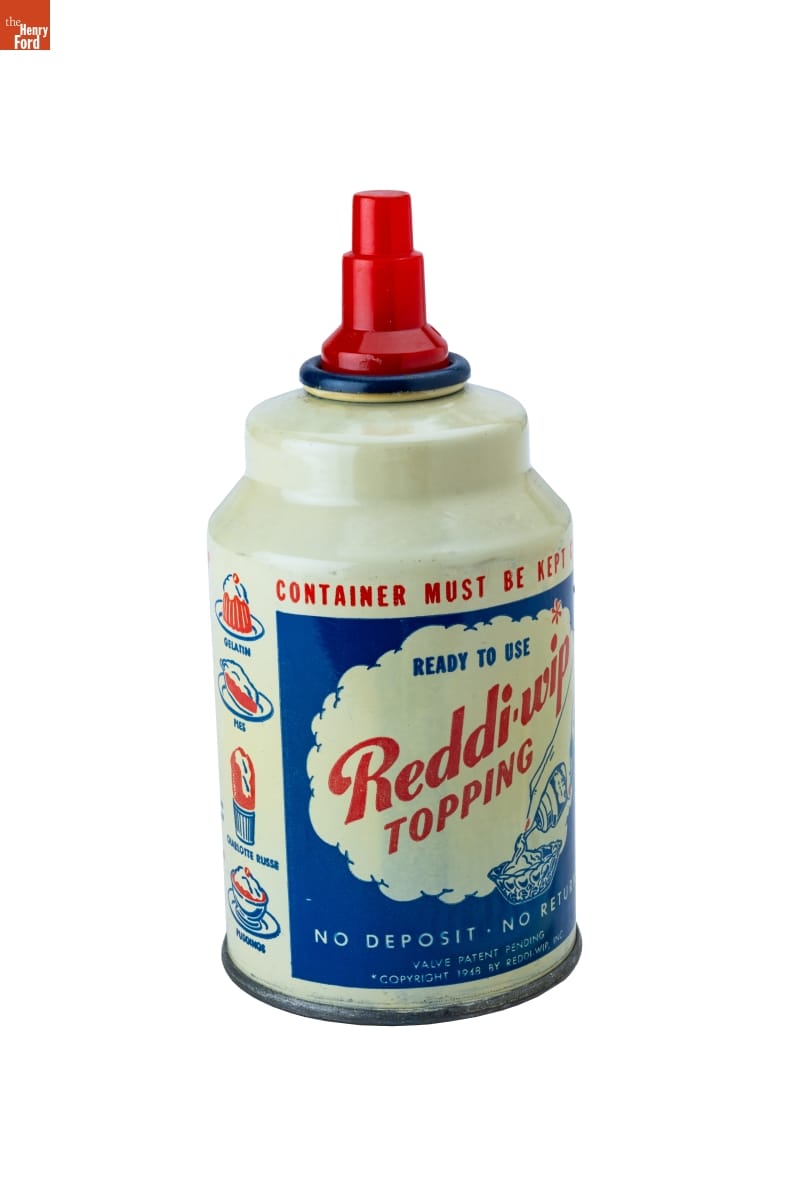
- Circa 1949
- Collections - Artifact
Reddi-wip Whipped Cream Can, circa 1949
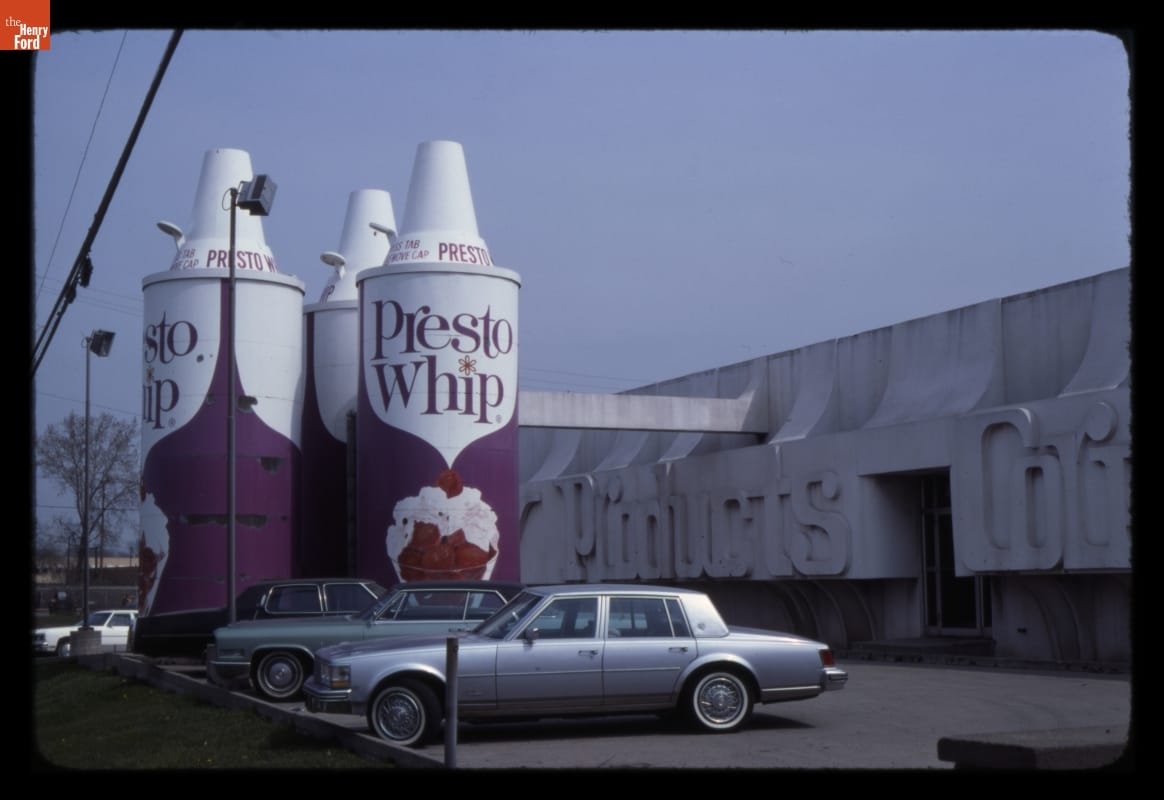
- Presto Whip Building, Dearborn, Michigan, 1976 - Roadside photographer John Margolies documented the Presto Whip silos in front of the Delsoy Products (Whitehouse Products Incorporated) factory in Dearborn, Michigan. The silos held soybean oil and sugar -- ingredients in Presto Whip, a soy-based, non-dairy whipped topping. The company fashioned these eye-catching advertisements around ordinary storage tanks. The silos came down in the 1980s, but residents fondly remember the recognizable landmarks.
- 1976
- Collections - Artifact
Presto Whip Building, Dearborn, Michigan, 1976
Roadside photographer John Margolies documented the Presto Whip silos in front of the Delsoy Products (Whitehouse Products Incorporated) factory in Dearborn, Michigan. The silos held soybean oil and sugar -- ingredients in Presto Whip, a soy-based, non-dairy whipped topping. The company fashioned these eye-catching advertisements around ordinary storage tanks. The silos came down in the 1980s, but residents fondly remember the recognizable landmarks.
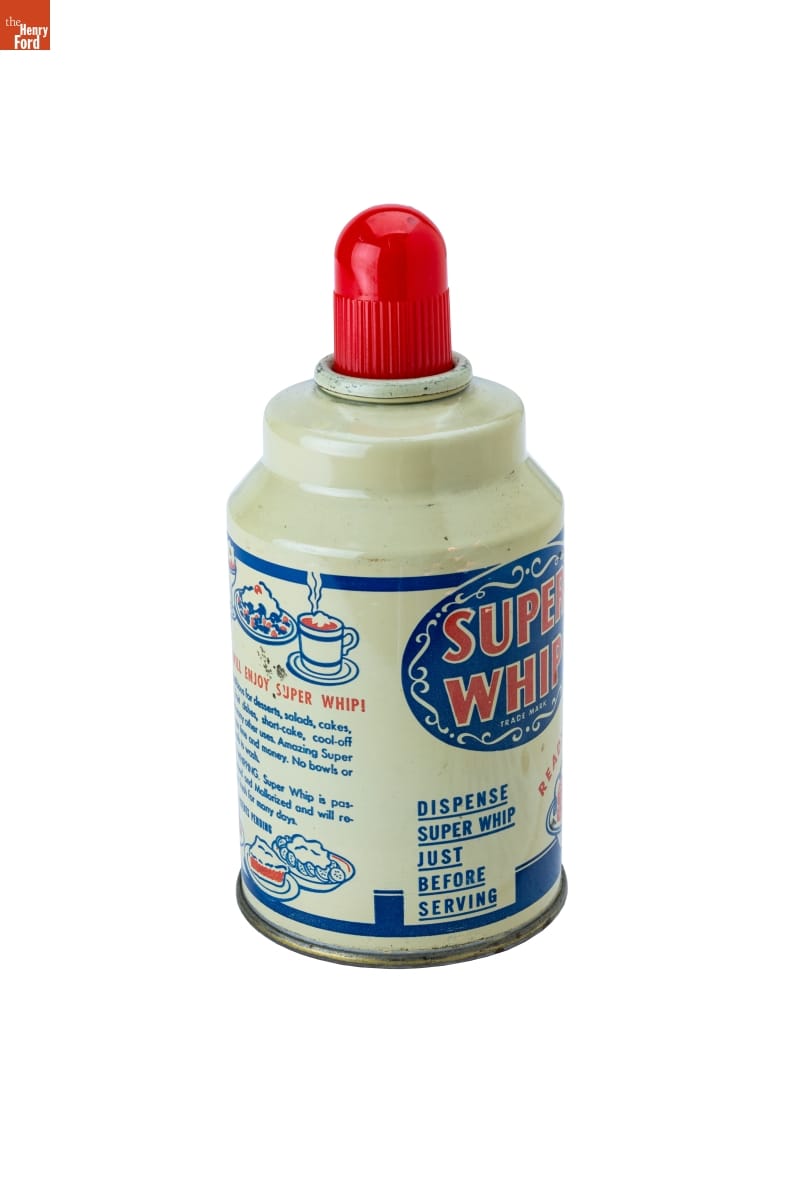
- Super Whip Whipped Cream Can -
- Collections - Artifact
Super Whip Whipped Cream Can
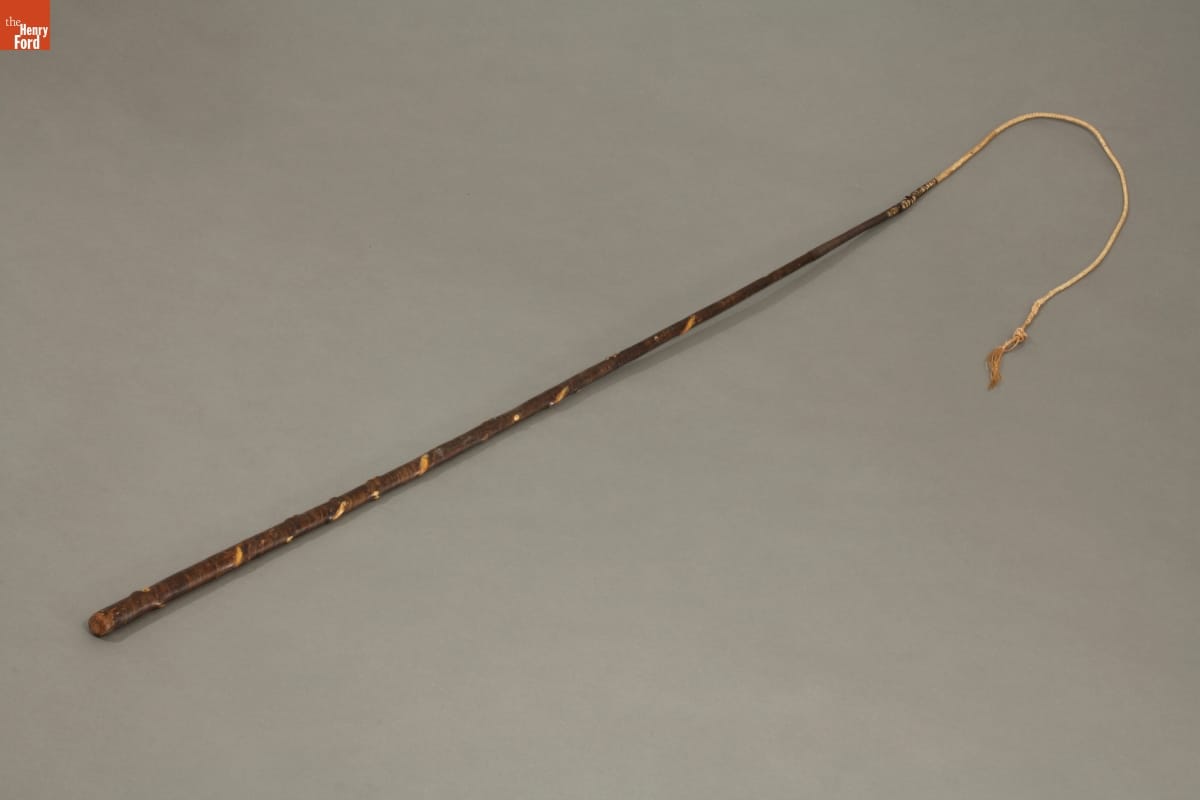
- Buggy Whip, 1900-1920 - The driver of a horse-drawn vehicle used a buggy whip to communicate with the horse pulling the vehicle. Touching the animal with the whip told the animal to set a certain pace. Other harness and tack directed and controlled the horse and vehicle.
- 1900-1920
- Collections - Artifact
Buggy Whip, 1900-1920
The driver of a horse-drawn vehicle used a buggy whip to communicate with the horse pulling the vehicle. Touching the animal with the whip told the animal to set a certain pace. Other harness and tack directed and controlled the horse and vehicle.
- Wingenfelds Whipped Cream Carton -
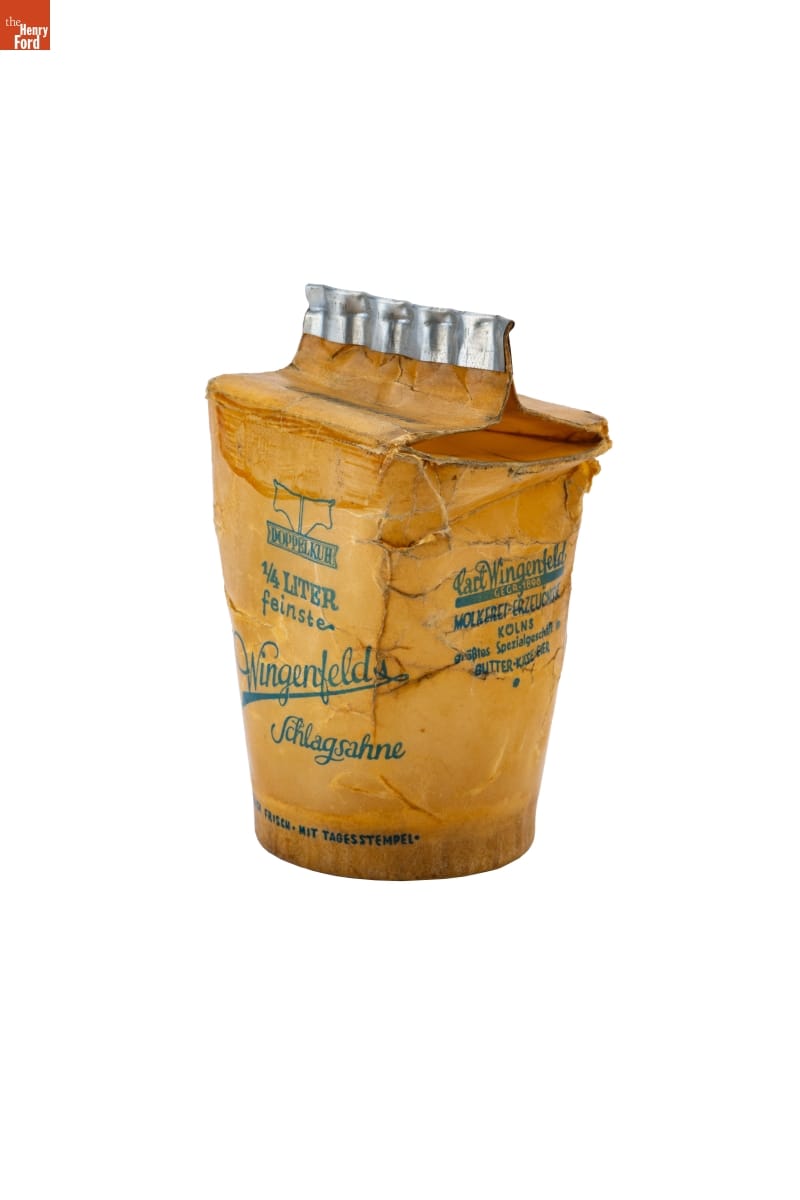
- Collections - Artifact
Wingenfelds Whipped Cream Carton
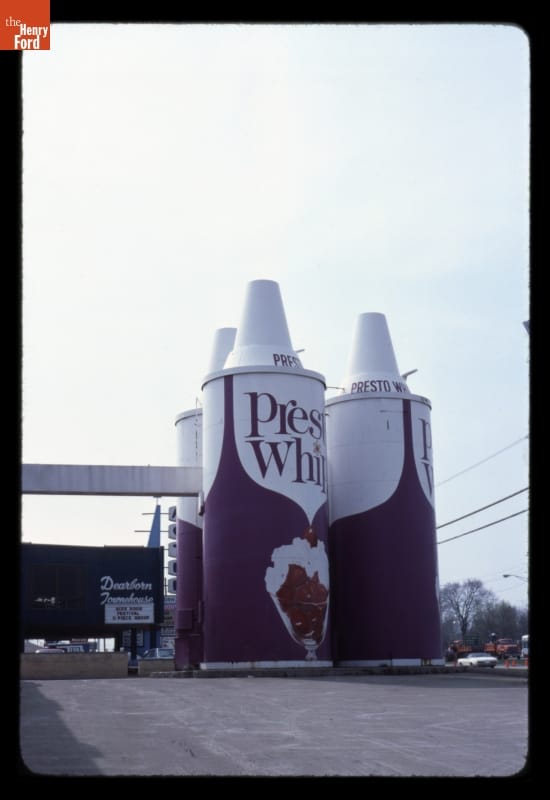
- Presto Whip Building, Dearborn, Michigan, 1976 - Roadside photographer John Margolies documented the Presto Whip silos in front of the Delsoy Products (Whitehouse Products Incorporated) factory in Dearborn, Michigan. The silos held soybean oil and sugar -- ingredients in Presto Whip, a soy-based, non-dairy whipped topping. The company fashioned these eye-catching advertisements around ordinary storage tanks. The silos came down in the 1980s, but residents fondly remember the recognizable landmarks.
- 1976
- Collections - Artifact
Presto Whip Building, Dearborn, Michigan, 1976
Roadside photographer John Margolies documented the Presto Whip silos in front of the Delsoy Products (Whitehouse Products Incorporated) factory in Dearborn, Michigan. The silos held soybean oil and sugar -- ingredients in Presto Whip, a soy-based, non-dairy whipped topping. The company fashioned these eye-catching advertisements around ordinary storage tanks. The silos came down in the 1980s, but residents fondly remember the recognizable landmarks.
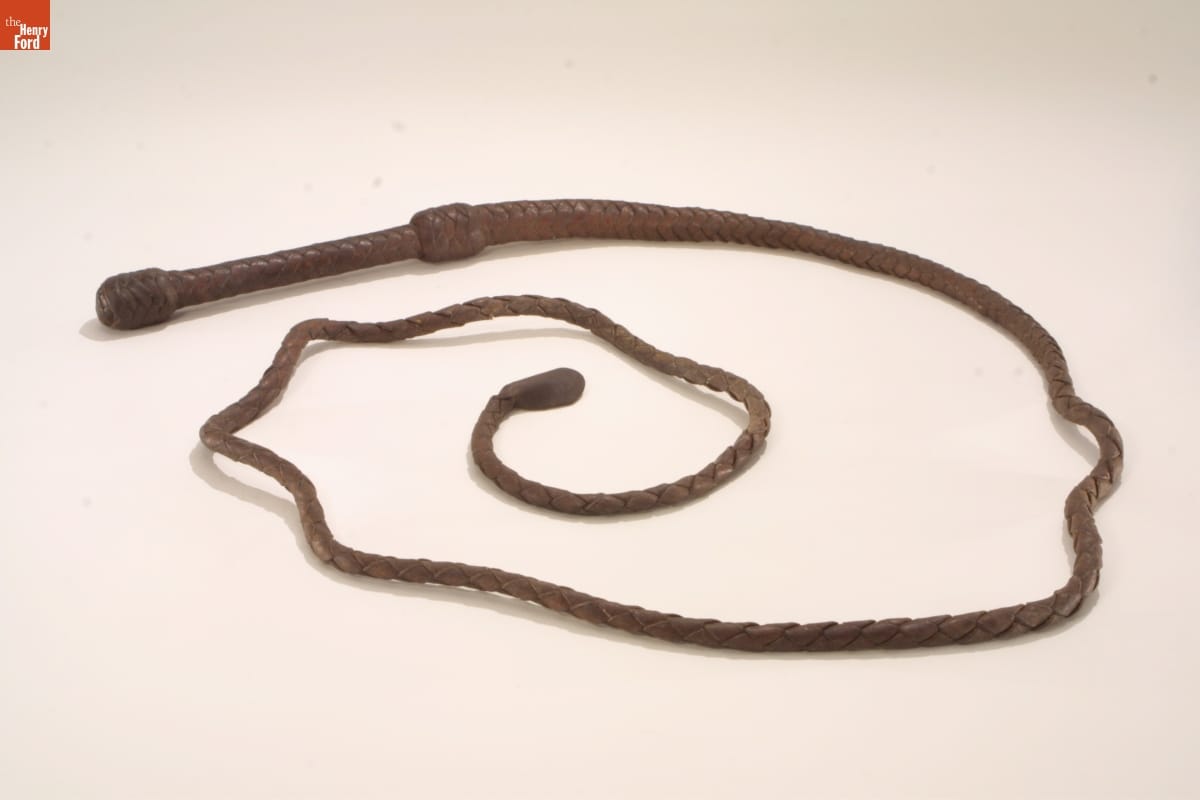
- Bullwhip, circa 1860 - The wealth and power of Southern plantation owners depended upon a large labor force of enslaved people. They justified their actions by considering enslaved people to be mere pieces of property. This bullwhip was originally intended for cattle or stock, but also attests to the brutal treatment of enslaved African Americans.
- circa 1860
- Collections - Artifact
Bullwhip, circa 1860
The wealth and power of Southern plantation owners depended upon a large labor force of enslaved people. They justified their actions by considering enslaved people to be mere pieces of property. This bullwhip was originally intended for cattle or stock, but also attests to the brutal treatment of enslaved African Americans.
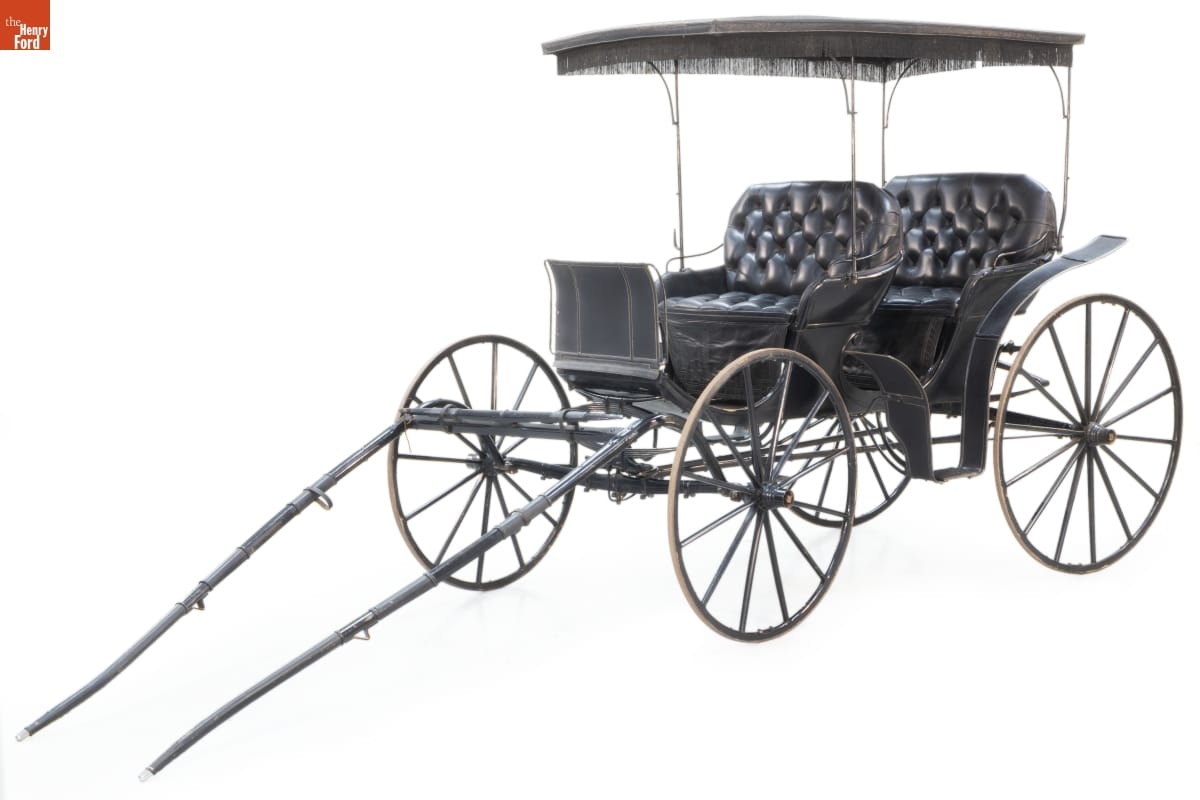
- Surrey, 1890-1910 - Clinton Firestone co-founded Columbus Buggy Company in 1875. His cousin, Harvey Firestone, worked there before establishing his own Firestone Tire and Rubber Company. Like other carriage manufacturers, Columbus Buggy struggled once the automobile arrived. Efforts to manufacture its own line of cars failed and the company went bankrupt in 1913.
- 1890-1910
- Collections - Artifact
Surrey, 1890-1910
Clinton Firestone co-founded Columbus Buggy Company in 1875. His cousin, Harvey Firestone, worked there before establishing his own Firestone Tire and Rubber Company. Like other carriage manufacturers, Columbus Buggy struggled once the automobile arrived. Efforts to manufacture its own line of cars failed and the company went bankrupt in 1913.
- Horse Whip Hanger, 1700-1800 -
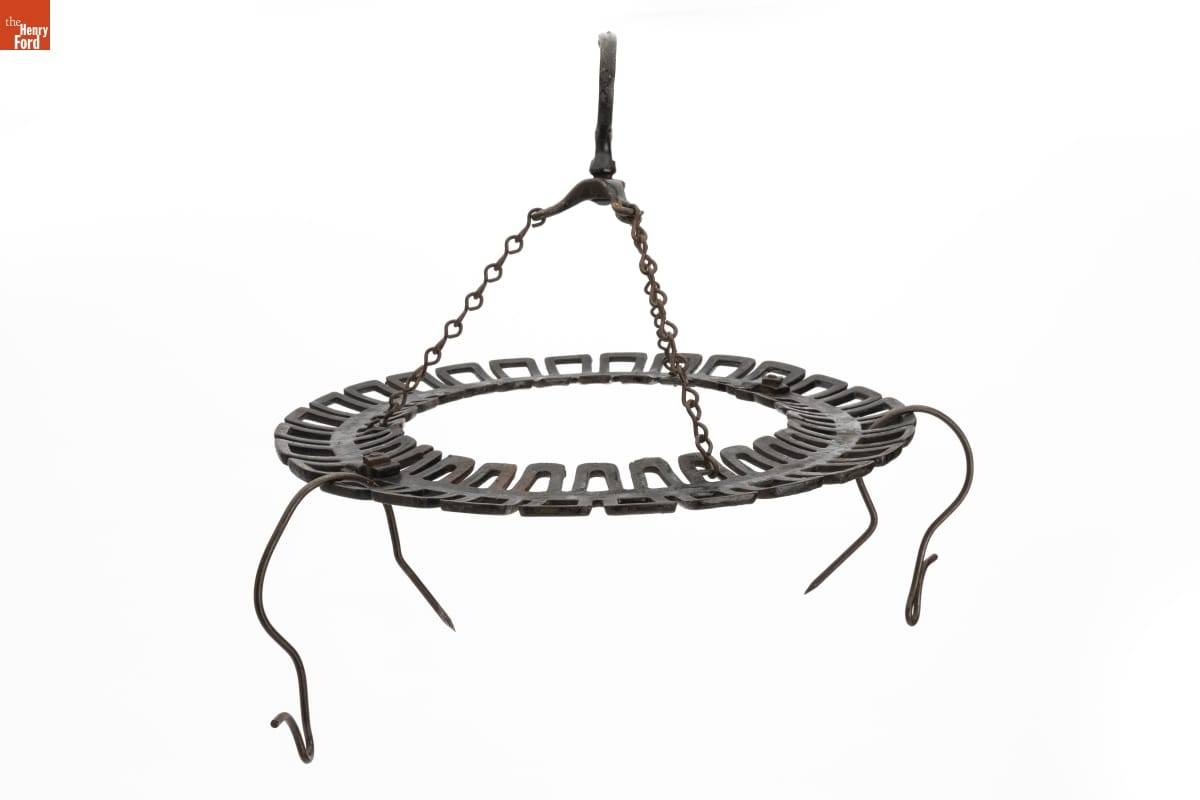
- 1700-1800
- Collections - Artifact
Horse Whip Hanger, 1700-1800