
Search
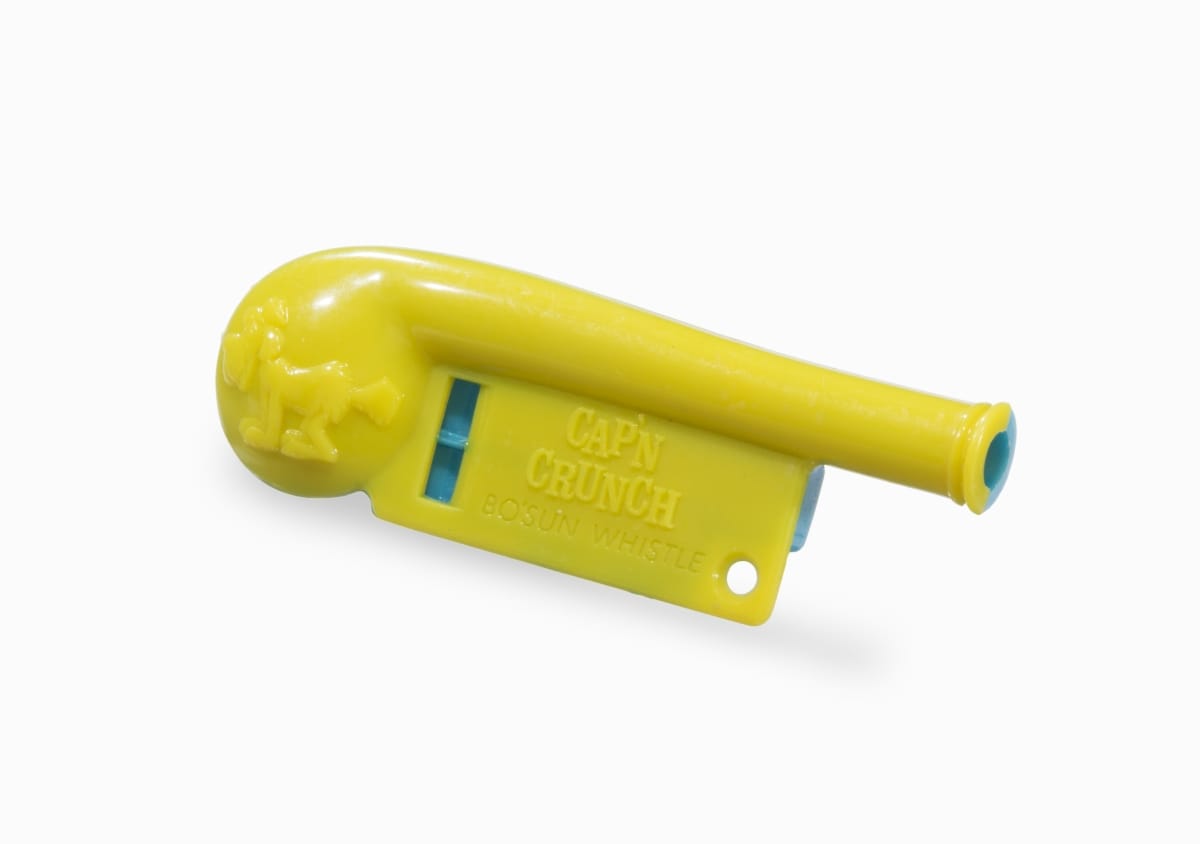
- Cap'n Crunch Bo'sun Whistle, circa 1965 - The Bo'sun Whistle was a prize included in Cap'n Crunch cereal boxes in the late-1960s. The cereal company didn't realize the whistles emitted a 2600hz tone--a sound that could trick telephone routing equipment into giving people free long-distance telephone calls. "Phone phreakers"--a group of pranksters that repurposed technology to infiltrate and test telephone system limits--prized these whistles.
- circa 1965
- Collections - Artifact
Cap'n Crunch Bo'sun Whistle, circa 1965
The Bo'sun Whistle was a prize included in Cap'n Crunch cereal boxes in the late-1960s. The cereal company didn't realize the whistles emitted a 2600hz tone--a sound that could trick telephone routing equipment into giving people free long-distance telephone calls. "Phone phreakers"--a group of pranksters that repurposed technology to infiltrate and test telephone system limits--prized these whistles.
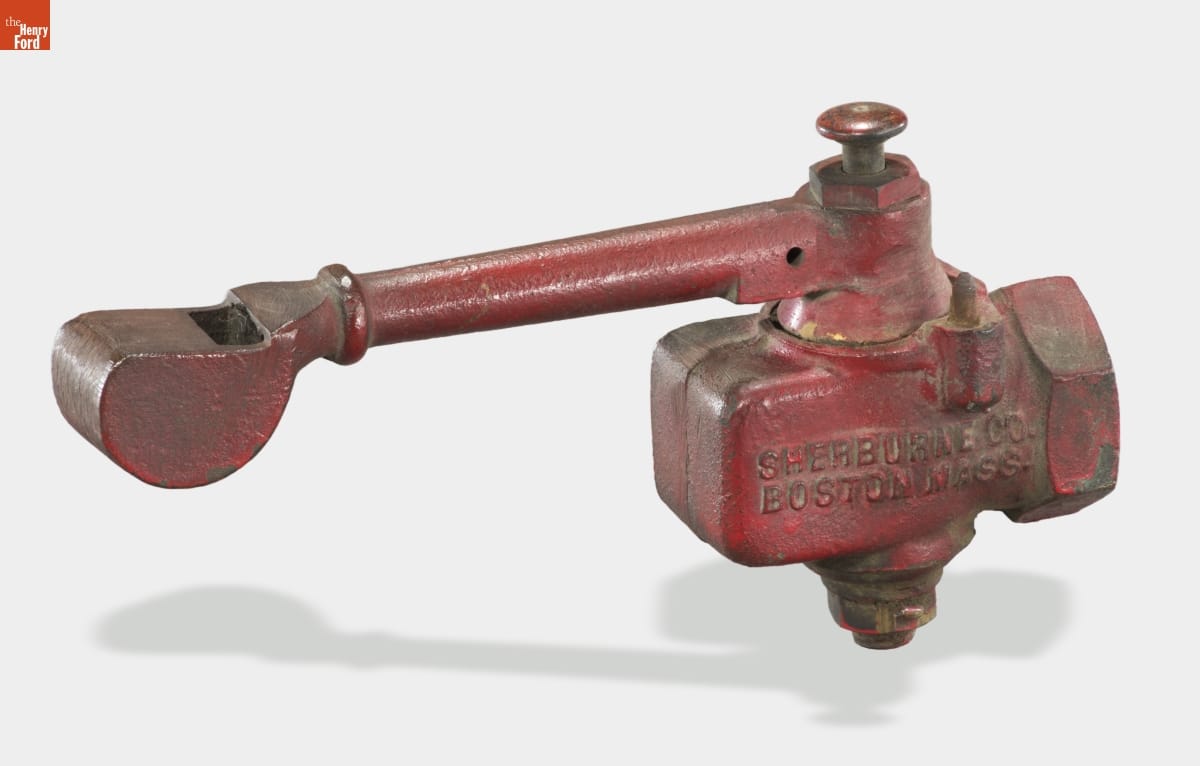
- Sherburne Company Caboose Whistle, 1932-1940 - Usually the caboose was at the rear of a freight train, where it served as a workspace for the conductor and crew. But when a train ran in reverse, the caboose became the front. The crew used a whistle like this to signal a warning when approaching railroad crossings. Air pressure from the train's brake line produced the whistle's sound.
- 1932-1940
- Collections - Artifact
Sherburne Company Caboose Whistle, 1932-1940
Usually the caboose was at the rear of a freight train, where it served as a workspace for the conductor and crew. But when a train ran in reverse, the caboose became the front. The crew used a whistle like this to signal a warning when approaching railroad crossings. Air pressure from the train's brake line produced the whistle's sound.
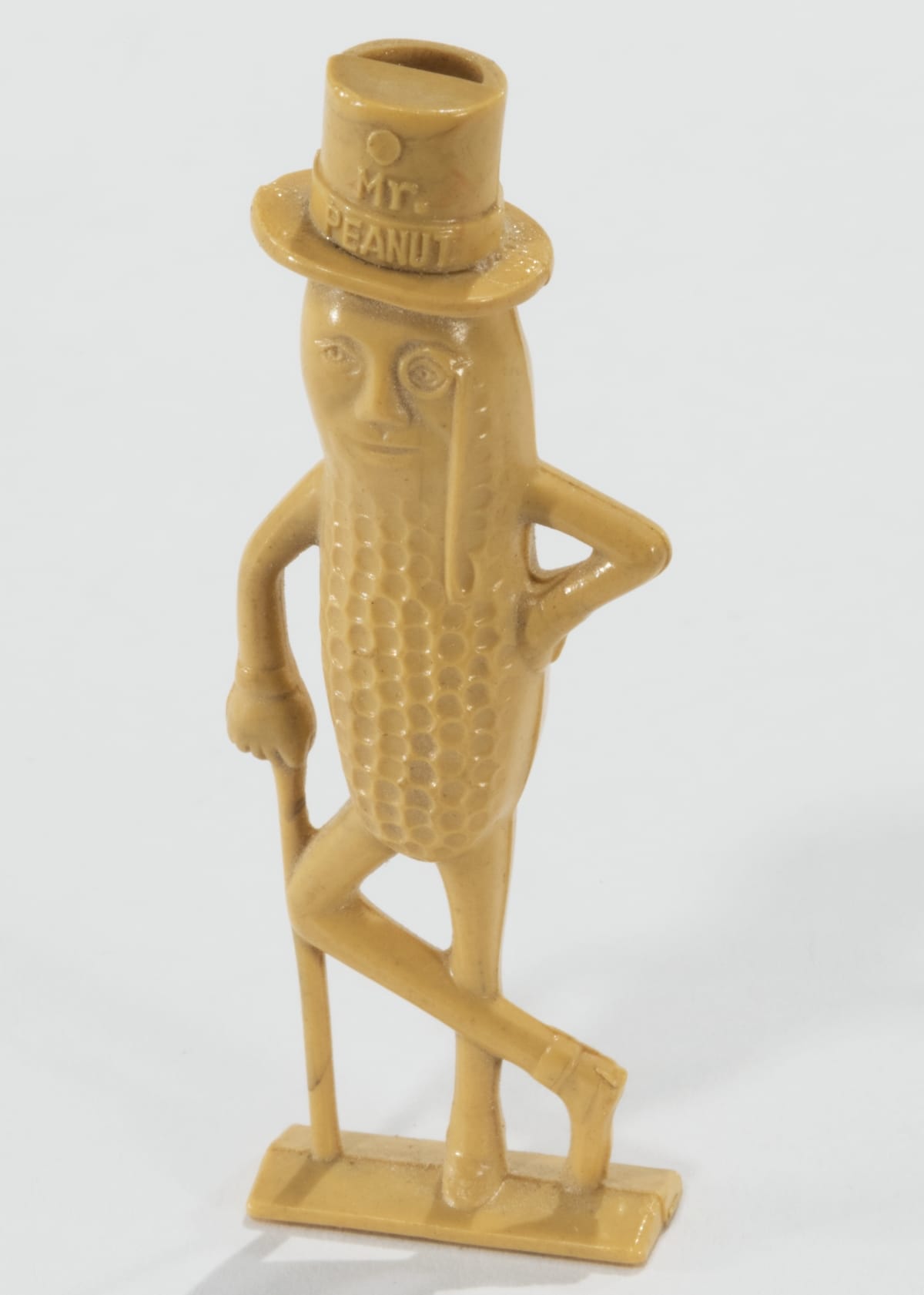
- "Mr. Peanut" Whistle, 1940-1960 - Planters Peanuts created its "spokesperson," Mr. Peanut, in 1916. A commercial artist started with a schoolboy's sketch -- submitted as part of a contest -- and added gentlemanly accessories, including a cane, monocle, top hat, gloves, and spats. The iconic illustrated character, depicted in this whistle figurine, has changed little over more than 100 years.
- 1940-1960
- Collections - Artifact
"Mr. Peanut" Whistle, 1940-1960
Planters Peanuts created its "spokesperson," Mr. Peanut, in 1916. A commercial artist started with a schoolboy's sketch -- submitted as part of a contest -- and added gentlemanly accessories, including a cane, monocle, top hat, gloves, and spats. The iconic illustrated character, depicted in this whistle figurine, has changed little over more than 100 years.
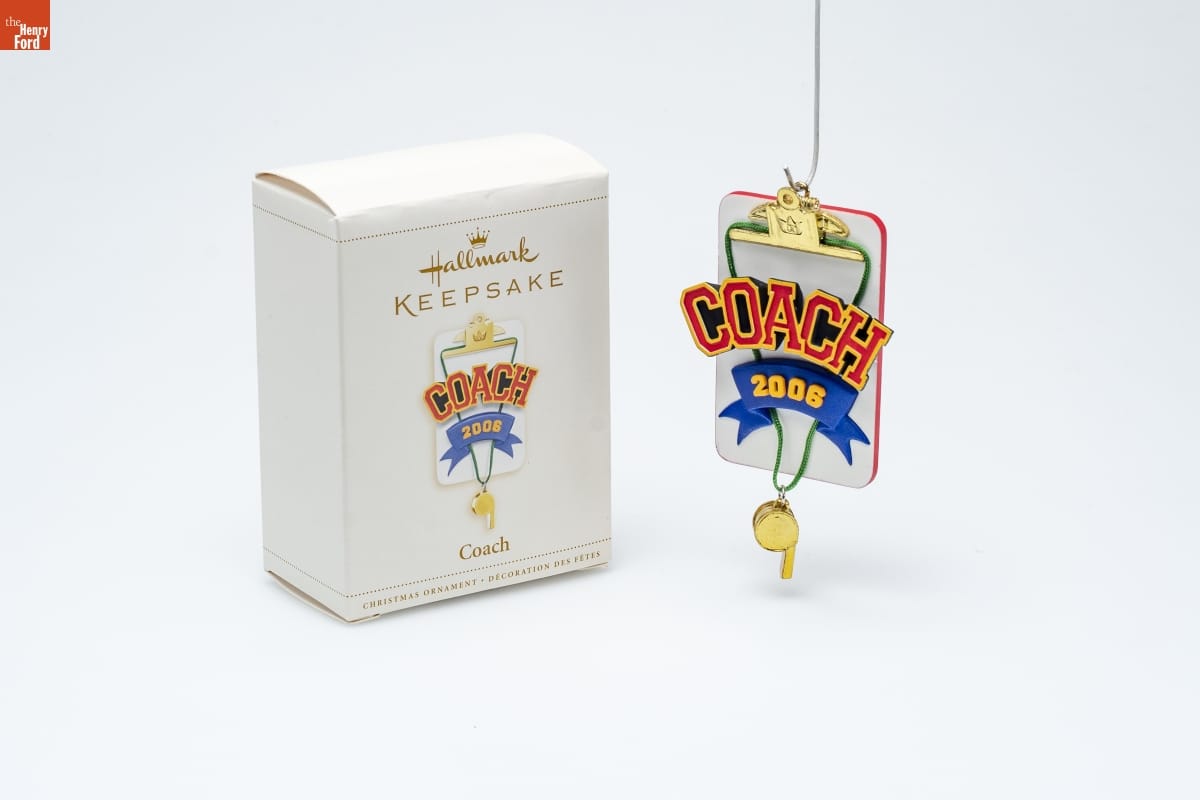
- Hallmark "Coach" Christmas Ornament, 2006 - Already known for greeting cards, Hallmark introduced a line of Christmas ornaments in 1973. The company's annual release of an increasing array of ornaments revolutionized Christmas decorating, appealing to customers' interest in marking memories and milestones as well as expressing one's personality and unique tastes.
- 2006
- Collections - Artifact
Hallmark "Coach" Christmas Ornament, 2006
Already known for greeting cards, Hallmark introduced a line of Christmas ornaments in 1973. The company's annual release of an increasing array of ornaments revolutionized Christmas decorating, appealing to customers' interest in marking memories and milestones as well as expressing one's personality and unique tastes.
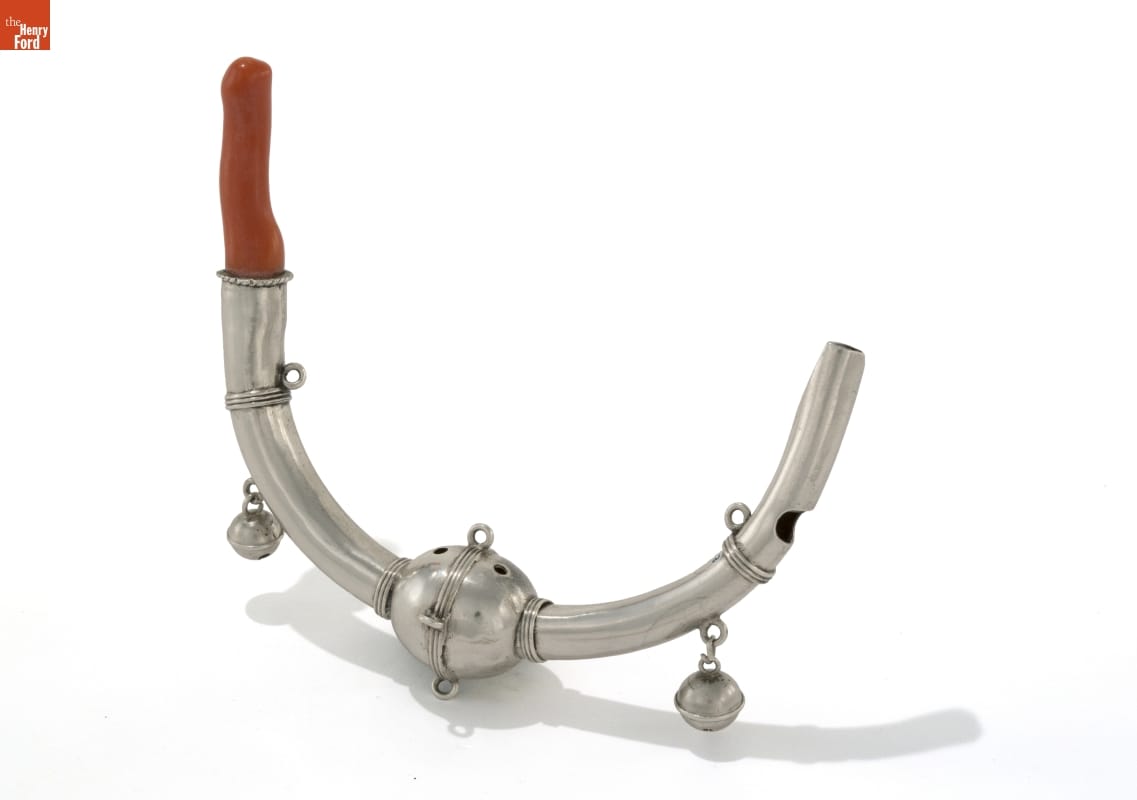
- Baby Rattle, 1720-1730 - Eighteenth-century parents viewed teething as a potentially dangerous time for their baby -- difficulties in cutting teeth, many believed, could lead to disease or even death. Coral and bells proved a useful toy to ease parent's fears. The whistle and bells provided noisy entertainment, while the hard coral teething surface eased the child's pain and helped ward off perceived dangers.
- 1720-1730
- Collections - Artifact
Baby Rattle, 1720-1730
Eighteenth-century parents viewed teething as a potentially dangerous time for their baby -- difficulties in cutting teeth, many believed, could lead to disease or even death. Coral and bells proved a useful toy to ease parent's fears. The whistle and bells provided noisy entertainment, while the hard coral teething surface eased the child's pain and helped ward off perceived dangers.
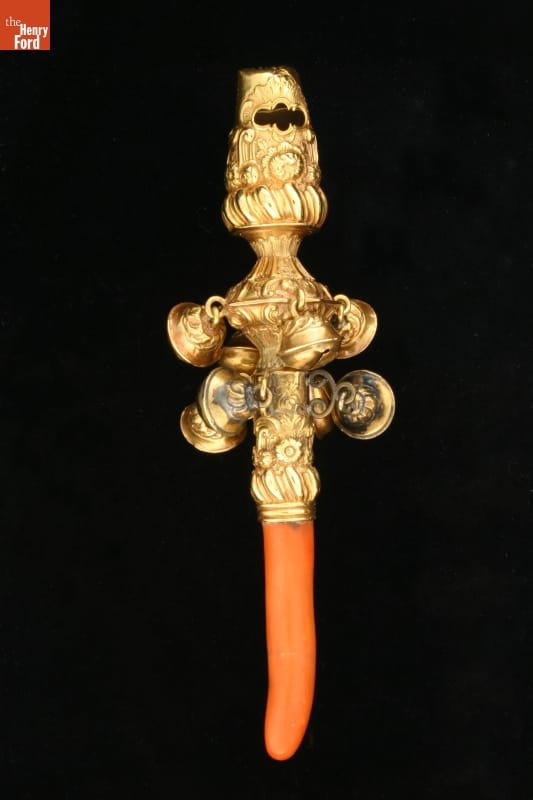
- Baby Rattle, 1760-1780 - Eighteenth-century parents viewed teething as a potentially dangerous time for their baby -- difficulties in cutting teeth, many believed, could lead to disease or even death. Coral and bells proved a useful toy to ease parent's fears. The whistle and bells provided noisy entertainment, while the hard coral teething surface eased the child's pain and helped ward off perceived dangers.
- 1760-1780
- Collections - Artifact
Baby Rattle, 1760-1780
Eighteenth-century parents viewed teething as a potentially dangerous time for their baby -- difficulties in cutting teeth, many believed, could lead to disease or even death. Coral and bells proved a useful toy to ease parent's fears. The whistle and bells provided noisy entertainment, while the hard coral teething surface eased the child's pain and helped ward off perceived dangers.
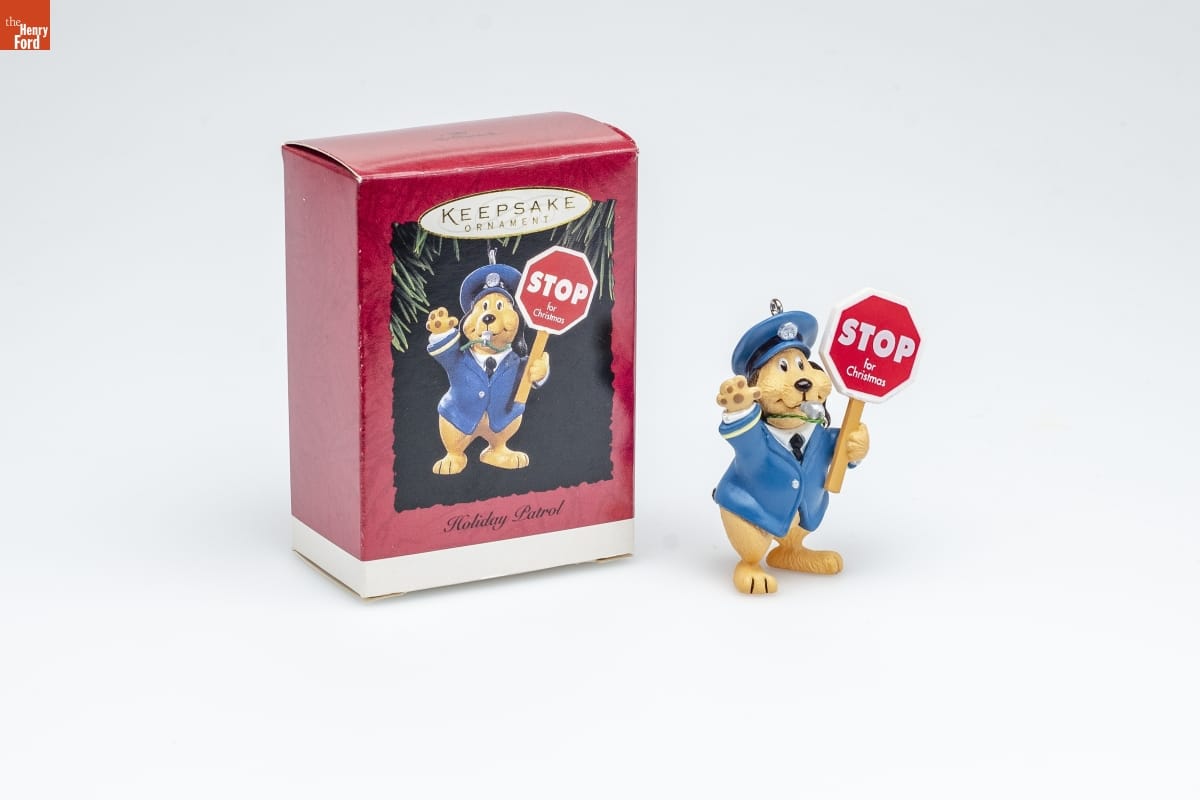
- Hallmark "Holiday Patrol" Christmas Ornament, 1994 - Already known for greeting cards, Hallmark introduced a line of Christmas ornaments in 1973. The company's annual release of an increasing array of ornaments revolutionized Christmas decorating, appealing to customers' interest in marking memories and milestones as well as expressing one's personality and unique tastes.
- 1994
- Collections - Artifact
Hallmark "Holiday Patrol" Christmas Ornament, 1994
Already known for greeting cards, Hallmark introduced a line of Christmas ornaments in 1973. The company's annual release of an increasing array of ornaments revolutionized Christmas decorating, appealing to customers' interest in marking memories and milestones as well as expressing one's personality and unique tastes.
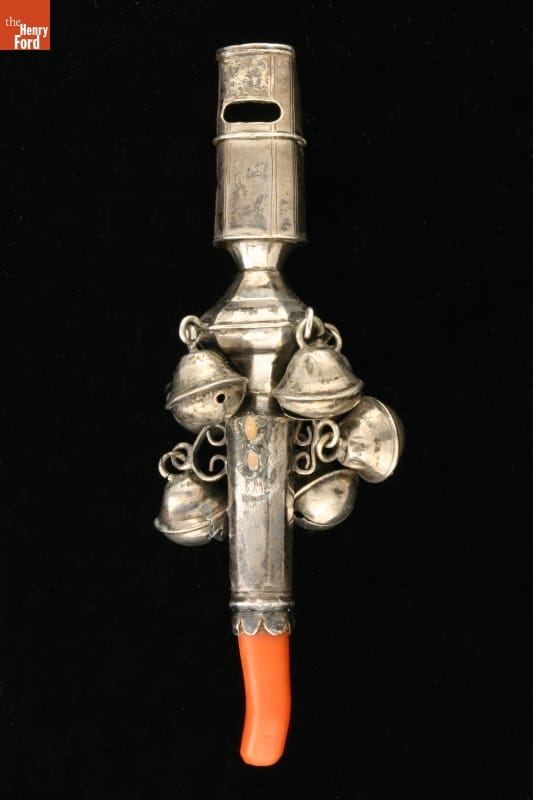
- Baby Rattle, circa 1785 - Eighteenth-century parents viewed teething as a potentially dangerous time for their baby -- difficulties in cutting teeth, many believed, could lead to disease or even death. Coral and bells proved a useful toy to ease parent's fears. The whistle and bells provided noisy entertainment, while the hard coral teething surface eased the child's pain and helped ward off perceived dangers.
- circa 1785
- Collections - Artifact
Baby Rattle, circa 1785
Eighteenth-century parents viewed teething as a potentially dangerous time for their baby -- difficulties in cutting teeth, many believed, could lead to disease or even death. Coral and bells proved a useful toy to ease parent's fears. The whistle and bells provided noisy entertainment, while the hard coral teething surface eased the child's pain and helped ward off perceived dangers.
- Toy Whistle, circa 1840 -
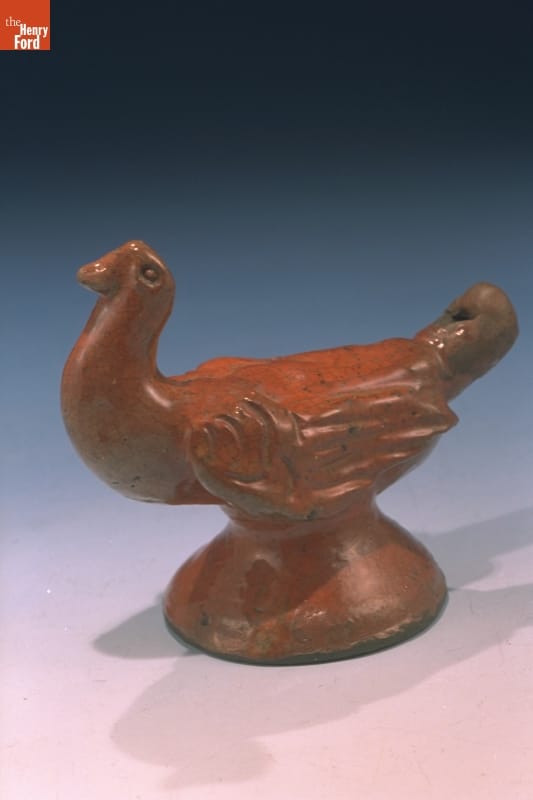
- circa 1840
- Collections - Artifact
Toy Whistle, circa 1840
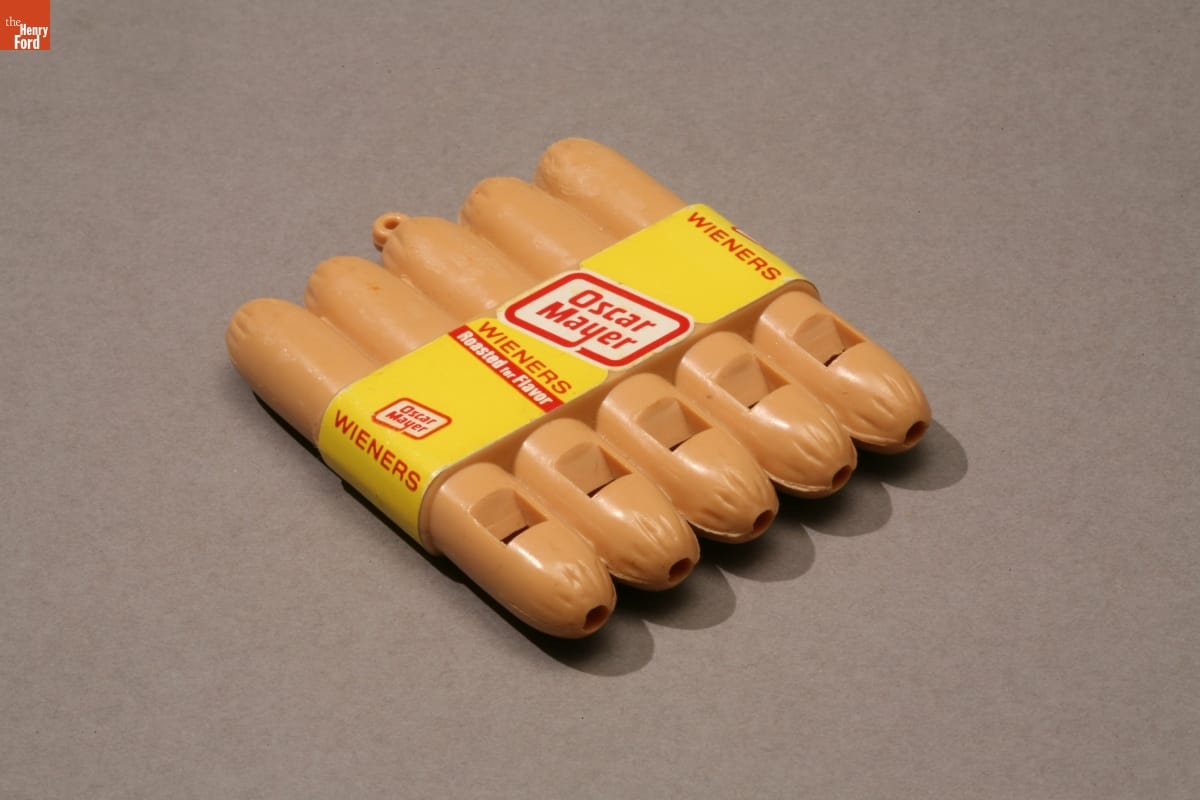
- Oscar Mayer Wiener Whistle, 1988 - In 1936, Oscar Mayer & Co. sent its first Wienermobile out on the road as a publicity stunt, along with its first "Little Oscar," the "World's Smallest Chef." From 1951 to 1987, "Little Oscar" George Molchan traveled the Midwest, making public appearances and handing out wiener-shaped whistles. This whistle comes from his personal collection. Molchan was the last "Little Oscar."
- 1988
- Collections - Artifact
Oscar Mayer Wiener Whistle, 1988
In 1936, Oscar Mayer & Co. sent its first Wienermobile out on the road as a publicity stunt, along with its first "Little Oscar," the "World's Smallest Chef." From 1951 to 1987, "Little Oscar" George Molchan traveled the Midwest, making public appearances and handing out wiener-shaped whistles. This whistle comes from his personal collection. Molchan was the last "Little Oscar."