
Search
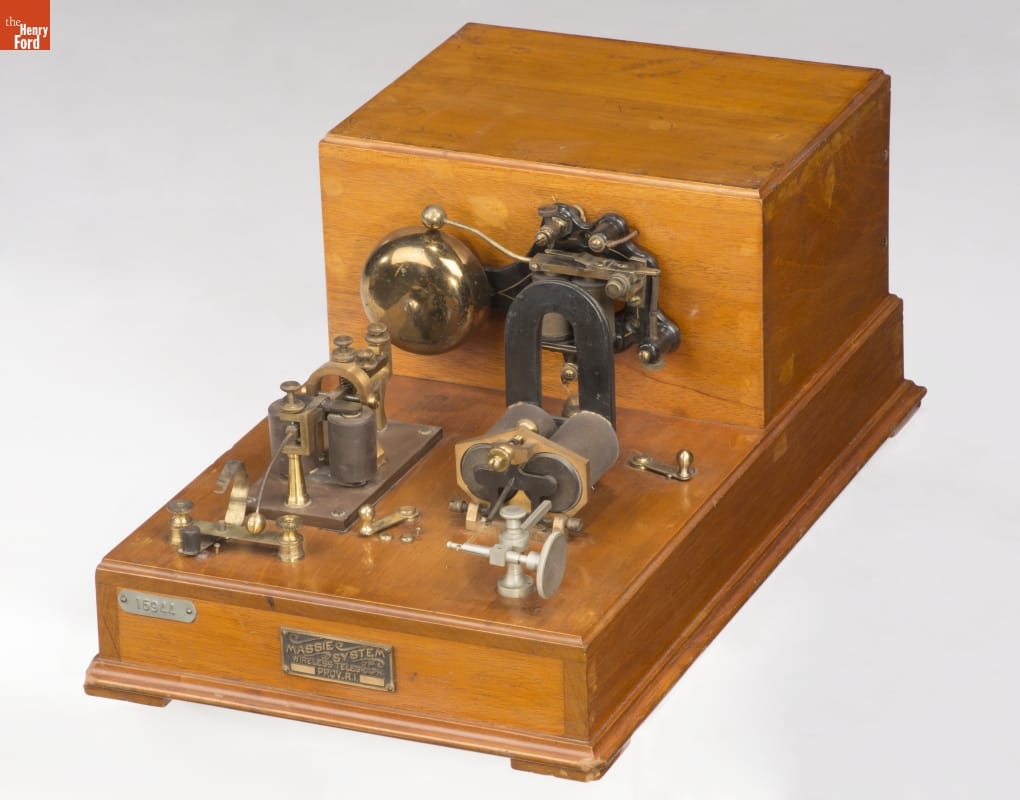
- Bell Alarm Used with Massie Radio Receiver, 1903-1912 -
- 1903-1912
- Collections - Artifact
Bell Alarm Used with Massie Radio Receiver, 1903-1912
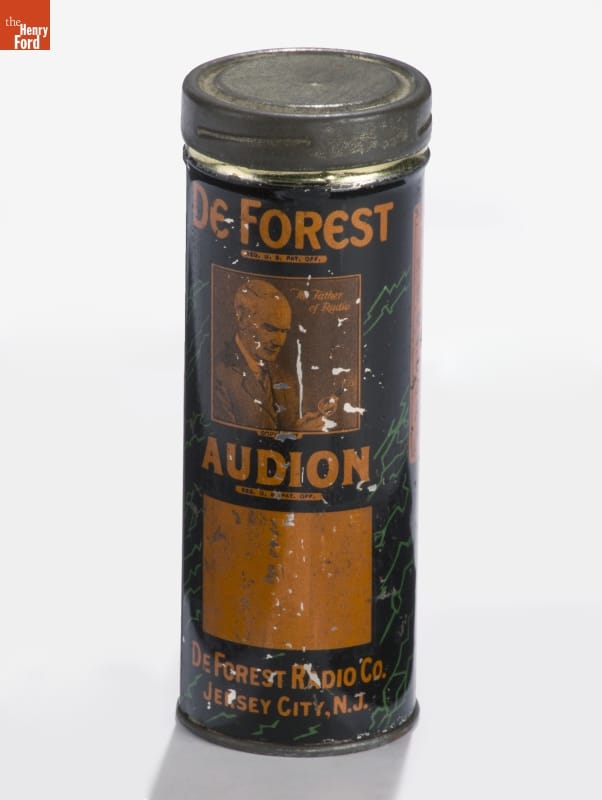
- DeForest Audion Tube, Type D-01A, circa 1924 - Dr. Lee De Forest was an inventor, engineer, and the self-styled "Father of Radio." In 1906, De Forest invented the Audion tube, allowing the detection and amplification of weak radio signals. As the first triode vacuum tube, the Audion revolutionized radio broadcasting--and made it more practical. By the late 1920s, vacuum tube radios were the widespread in people's homes.
- circa 1924
- Collections - Artifact
DeForest Audion Tube, Type D-01A, circa 1924
Dr. Lee De Forest was an inventor, engineer, and the self-styled "Father of Radio." In 1906, De Forest invented the Audion tube, allowing the detection and amplification of weak radio signals. As the first triode vacuum tube, the Audion revolutionized radio broadcasting--and made it more practical. By the late 1920s, vacuum tube radios were the widespread in people's homes.
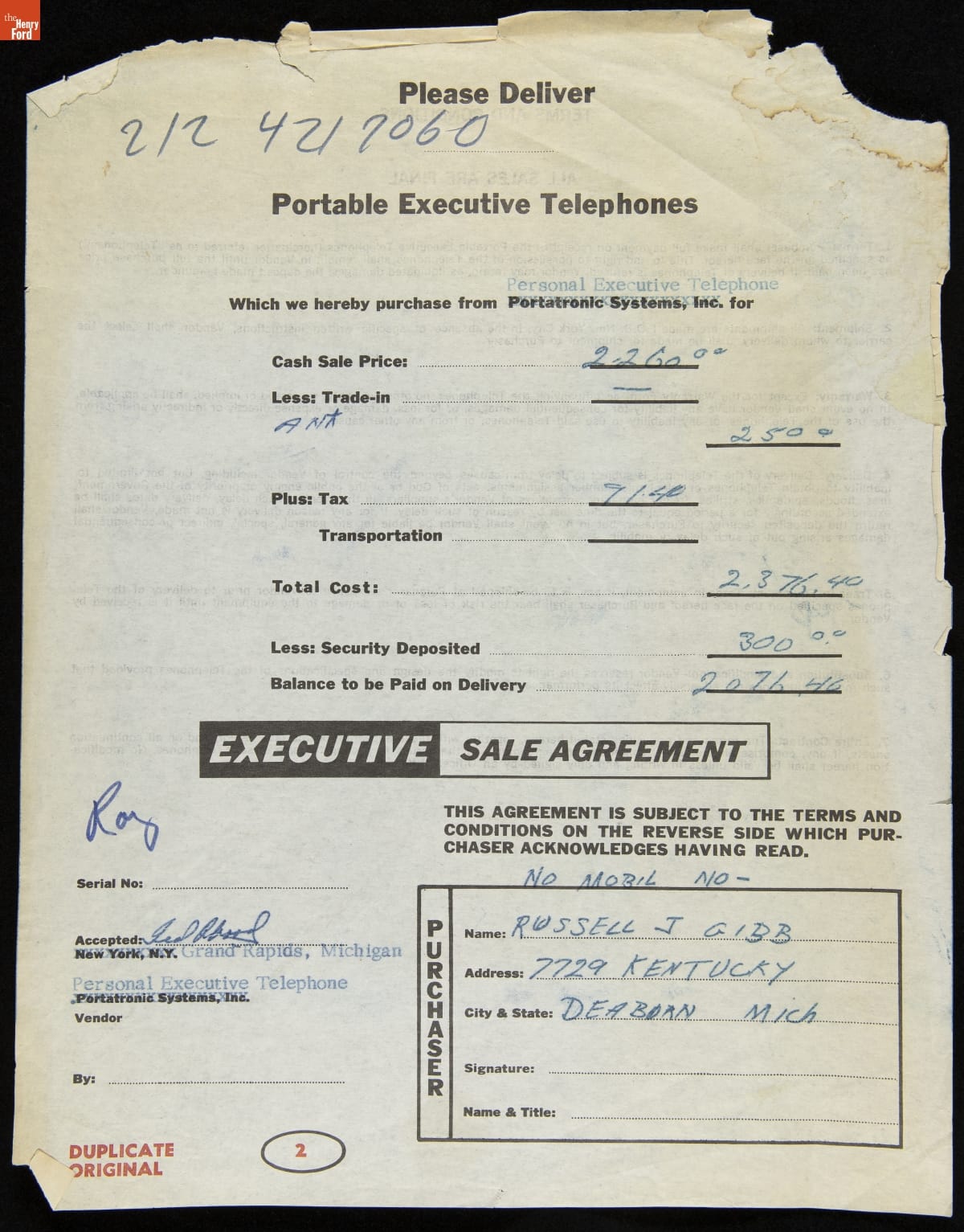
- Receipt for the Purchase of a Portable Executive Telephone by Russ Gibb, circa 1968 -
- circa 1968
- Collections - Artifact
Receipt for the Purchase of a Portable Executive Telephone by Russ Gibb, circa 1968
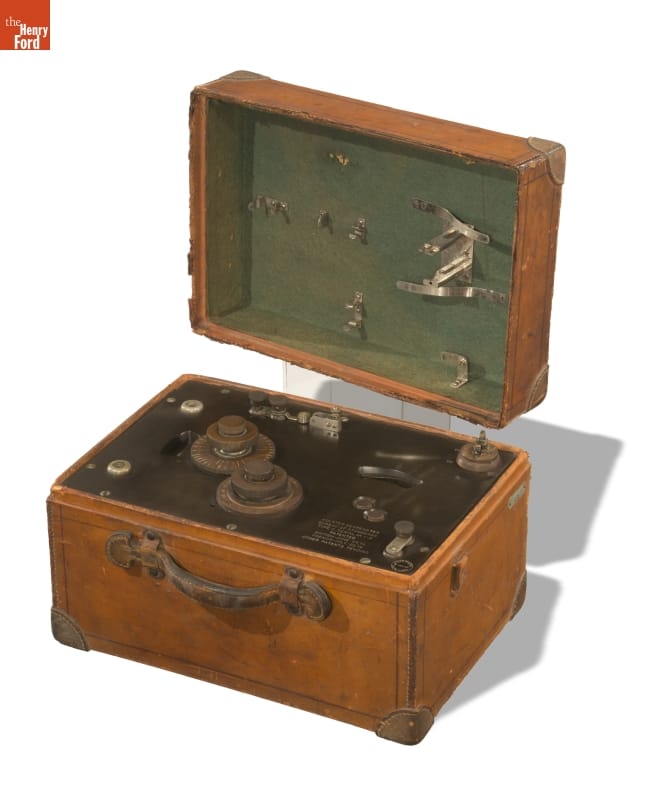
- Kolster Decremeter, Model C, 1912-1920 -
- 1912-1920
- Collections - Artifact
Kolster Decremeter, Model C, 1912-1920
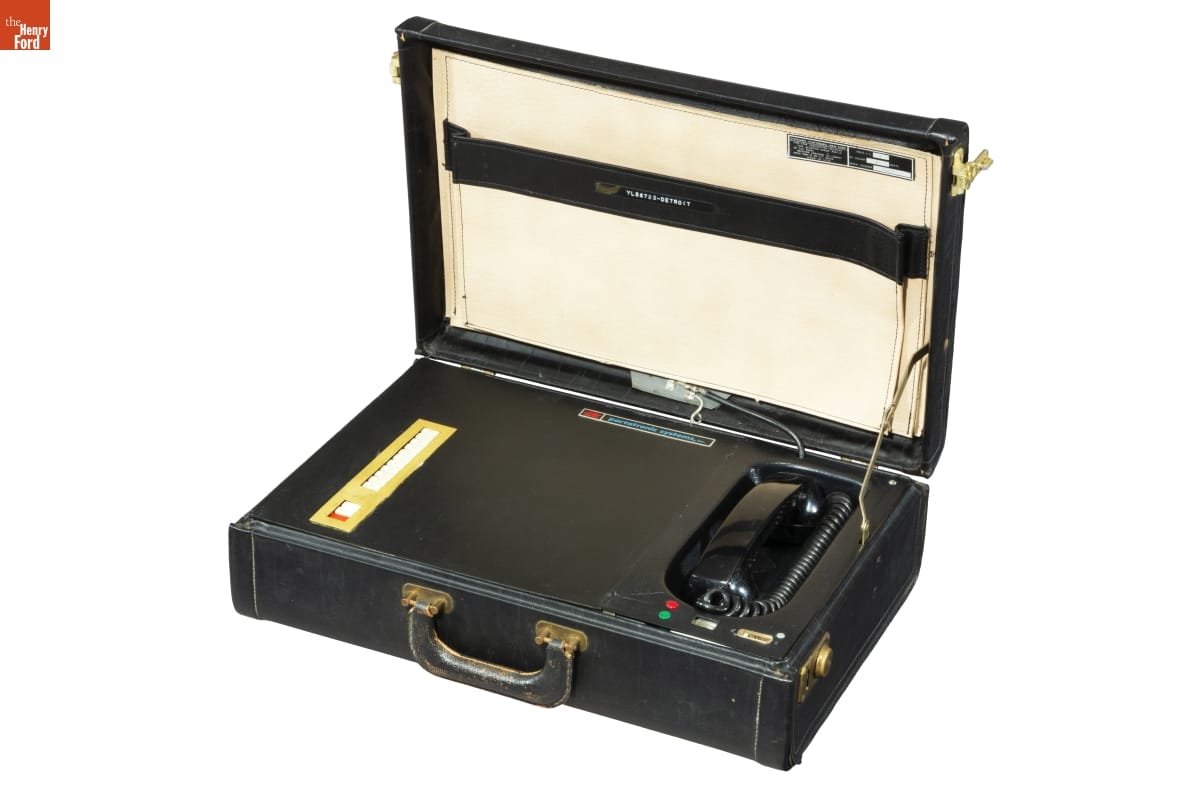
- Portable Executive Telephone, Used by Russ Gibb, circa 1968 -
- circa 1968
- Collections - Artifact
Portable Executive Telephone, Used by Russ Gibb, circa 1968
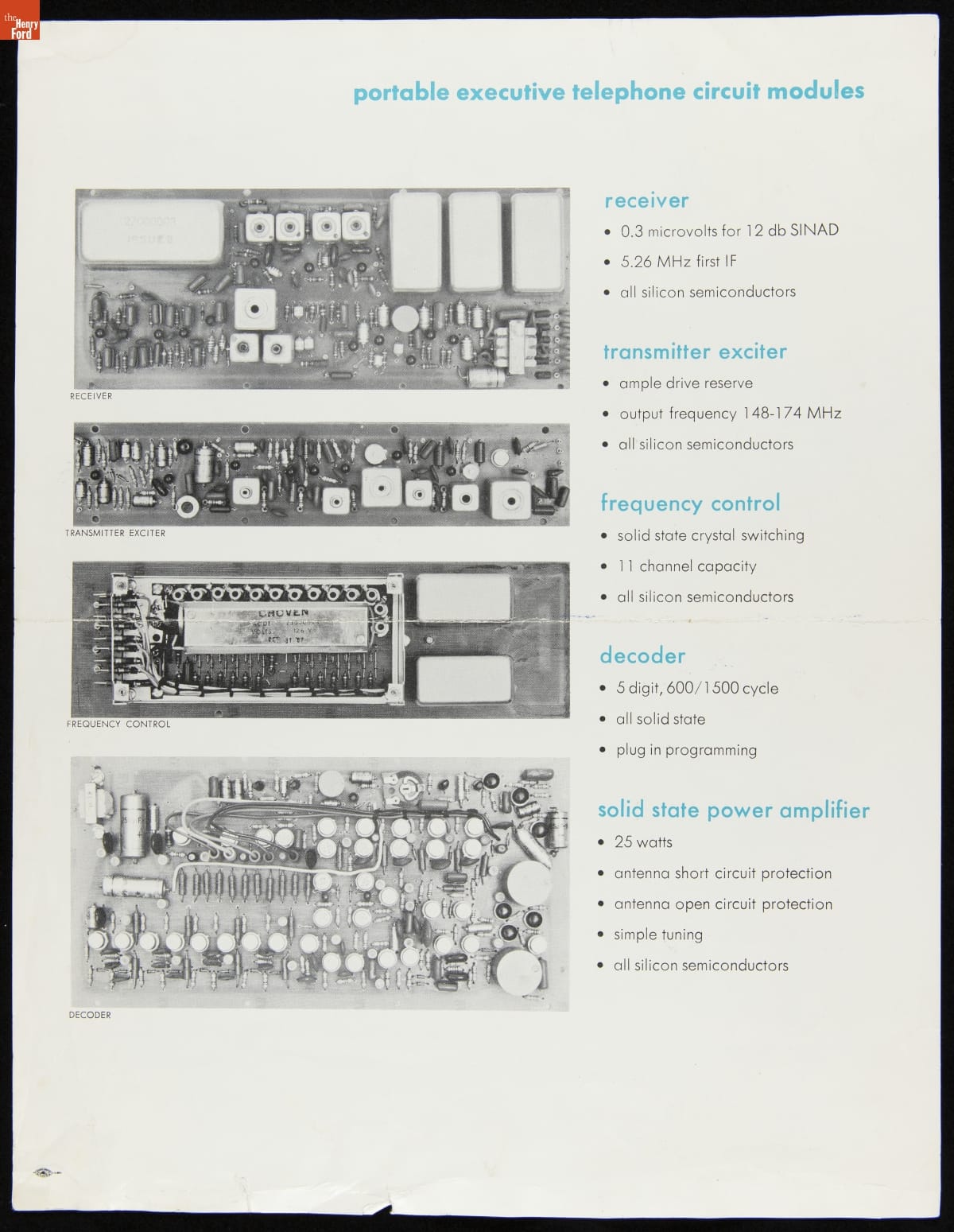
- Portatronic Systems, Inc. Brochure, "P.E.T. - Portable Executive Telephone," circa 1968 -
- circa 1968
- Collections - Artifact
Portatronic Systems, Inc. Brochure, "P.E.T. - Portable Executive Telephone," circa 1968
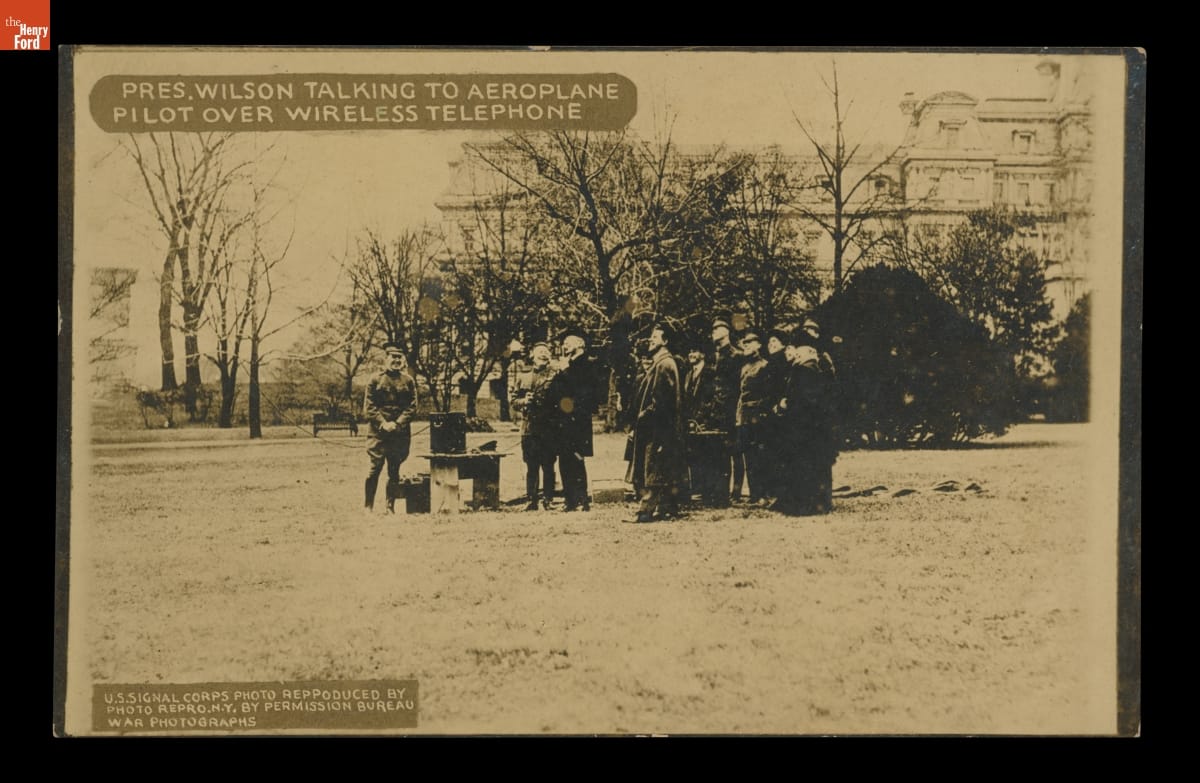
- "Pres. Wilson Talking to Aeroplane Pilot over Wireless Telephone," 1919 - Andrew Purnell Jr. (1898-1975) was born in Selma, Alabama. He joined the all-Black 303rd Stevedore Regiment (with later unit designations) in December 1917. Private Purnell was stationed in Bordeaux, France. He returned to the U.S. in 1919, married, and worked as a railroad freight handler. Like many service members, Purnell kept cards, letters, photographs, and souvenirs from his time in the military.
- 1919
- Collections - Artifact
"Pres. Wilson Talking to Aeroplane Pilot over Wireless Telephone," 1919
Andrew Purnell Jr. (1898-1975) was born in Selma, Alabama. He joined the all-Black 303rd Stevedore Regiment (with later unit designations) in December 1917. Private Purnell was stationed in Bordeaux, France. He returned to the U.S. in 1919, married, and worked as a railroad freight handler. Like many service members, Purnell kept cards, letters, photographs, and souvenirs from his time in the military.
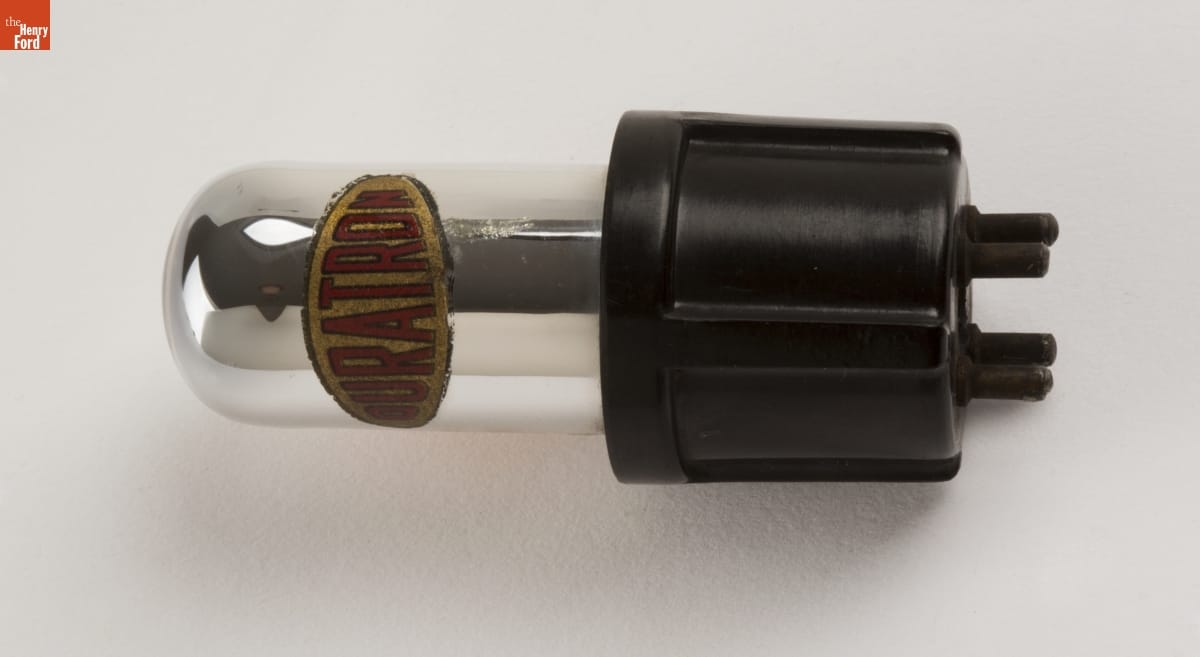
- Duratron Vacuum Tube, Model 199, circa 1925 - Vacuum tubes appear in older radios, televisions, amplifiers, computers, and other electronic devices. Their function: to amplify and strengthen weak electronic signals. Typical tubes are sealed glass bulbs evacuated of gas, allowing electron flow to be influenced by an interior cathode, plate and grid. Perfected in 1906 by Lee De Forest, the vacuum tube was the genesis of a communications revolution.
- circa 1925
- Collections - Artifact
Duratron Vacuum Tube, Model 199, circa 1925
Vacuum tubes appear in older radios, televisions, amplifiers, computers, and other electronic devices. Their function: to amplify and strengthen weak electronic signals. Typical tubes are sealed glass bulbs evacuated of gas, allowing electron flow to be influenced by an interior cathode, plate and grid. Perfected in 1906 by Lee De Forest, the vacuum tube was the genesis of a communications revolution.
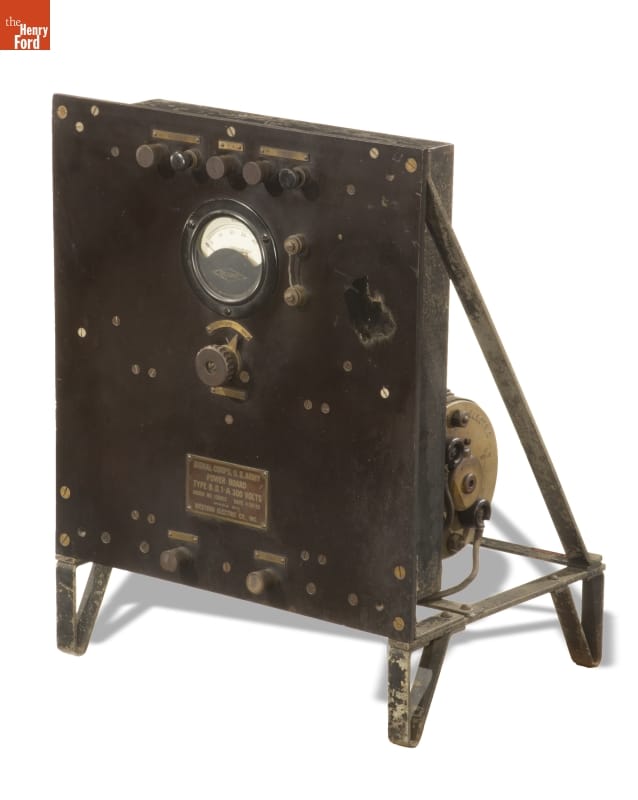
- Western Electric Power Board, Type BD-1-A, 1920 -
- 1920
- Collections - Artifact
Western Electric Power Board, Type BD-1-A, 1920
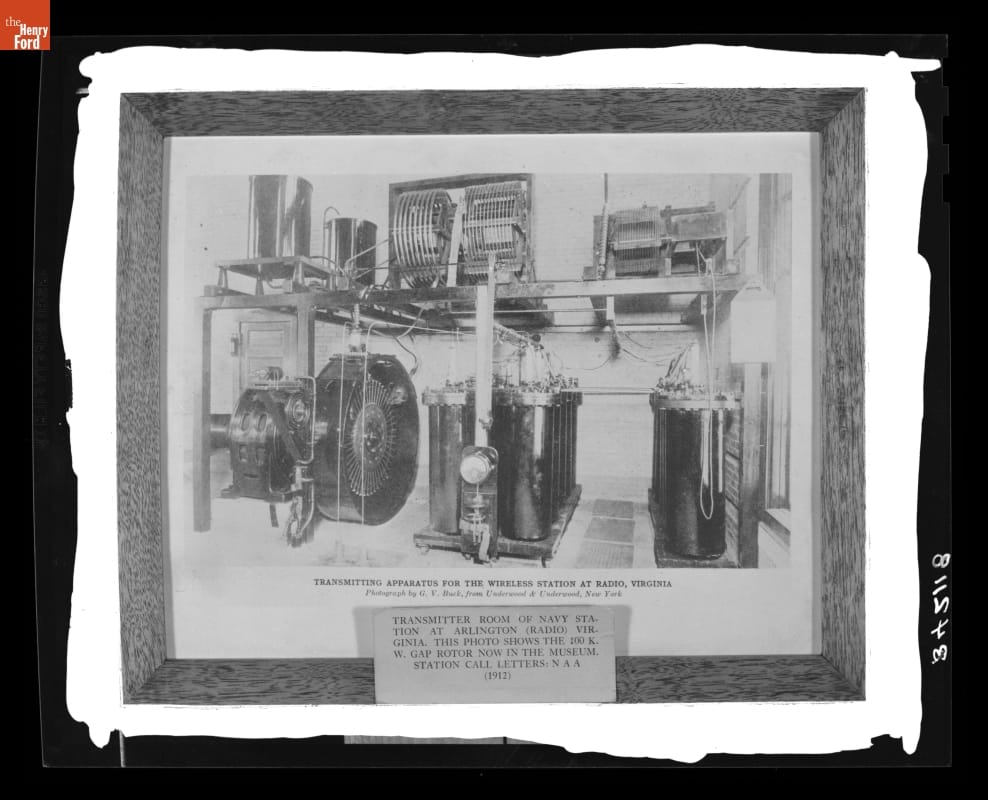
- Transmitter Room of the Naval Wireless Station NAA, Arlington, Virginia, 1912 -
- 1912
- Collections - Artifact
Transmitter Room of the Naval Wireless Station NAA, Arlington, Virginia, 1912