
Search
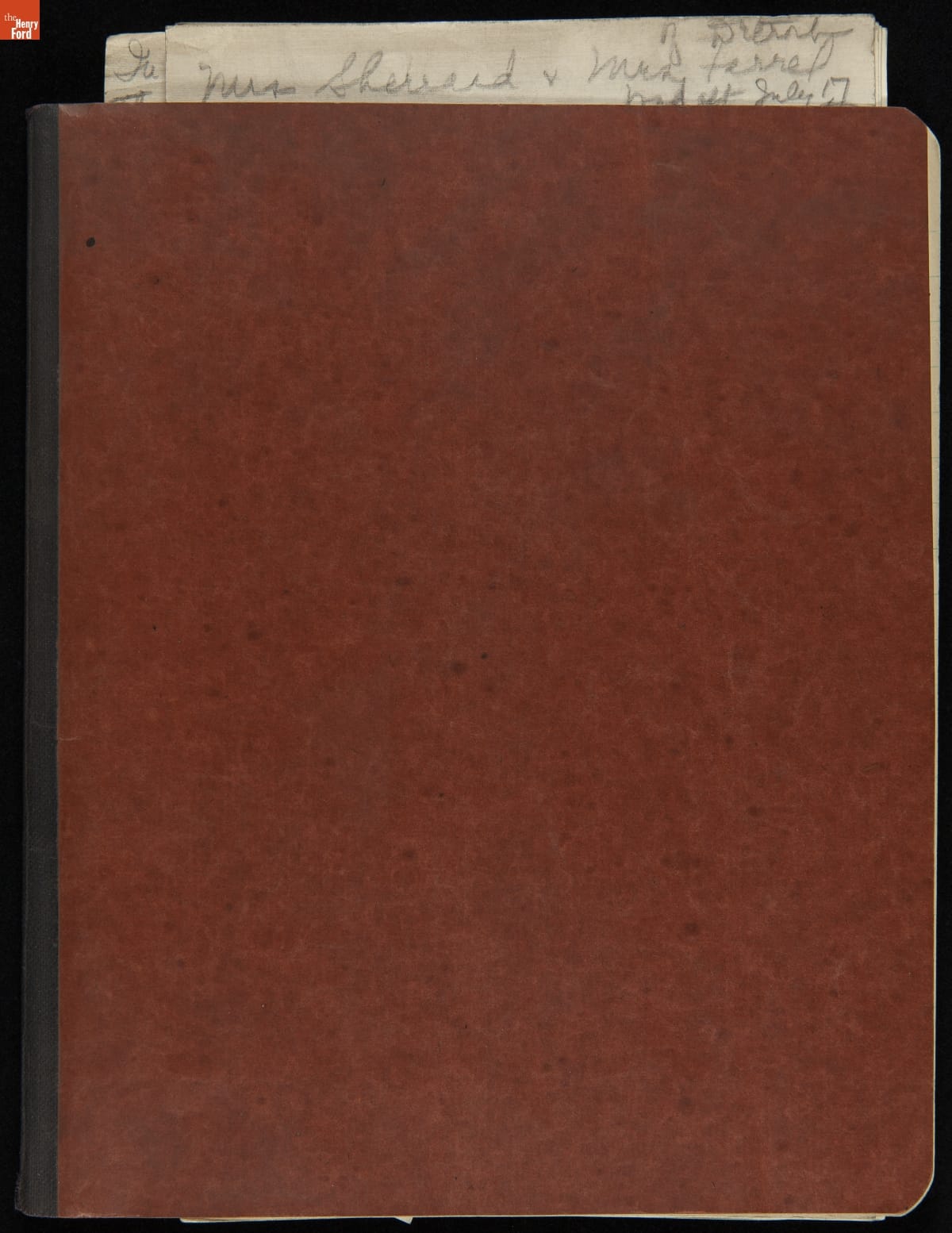
- Meeting Minutes from the Dearborn Township Branch of the Equal Suffrage League of Wayne County, July 11, 1918 - Suffragists in the early 20th century joined local suffrage leagues and associations to advocate for women's right to vote. In July 1918, the Dearborn (Michigan) chapter of the Equal Suffrage League of Wayne County met to learn about organizing efforts and elect officials. Michigan suffragists worked tirelessly over the next few months to pass a state suffrage amendment.
- July 11, 1918
- Collections - Artifact
Meeting Minutes from the Dearborn Township Branch of the Equal Suffrage League of Wayne County, July 11, 1918
Suffragists in the early 20th century joined local suffrage leagues and associations to advocate for women's right to vote. In July 1918, the Dearborn (Michigan) chapter of the Equal Suffrage League of Wayne County met to learn about organizing efforts and elect officials. Michigan suffragists worked tirelessly over the next few months to pass a state suffrage amendment.
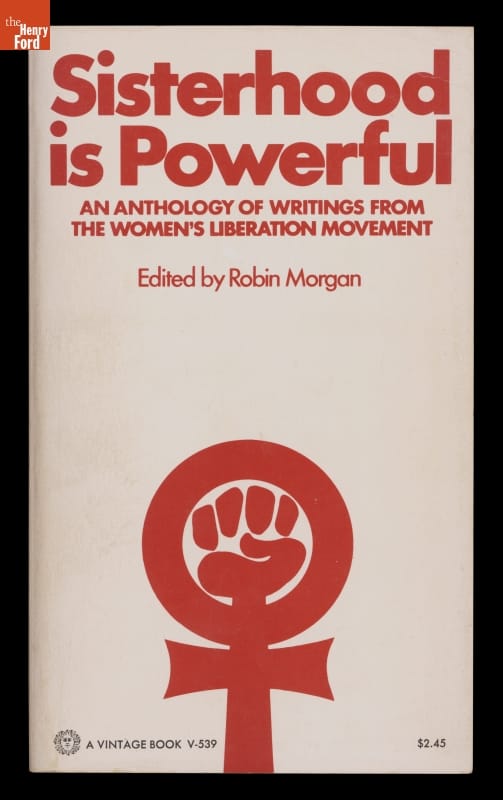
- "Sisterhood is Powerful. An Anthology of Writings From the Women's Liberation Movement," 1970 - Robin Morgan, writer, poet, and activist, edited this anthology of feminist writing in 1970. It was an influential book at the start of the modern Women's Movement in the United States. The anthology contains historical documents and works by well-known feminists of the time.
- 1970
- Collections - Artifact
"Sisterhood is Powerful. An Anthology of Writings From the Women's Liberation Movement," 1970
Robin Morgan, writer, poet, and activist, edited this anthology of feminist writing in 1970. It was an influential book at the start of the modern Women's Movement in the United States. The anthology contains historical documents and works by well-known feminists of the time.
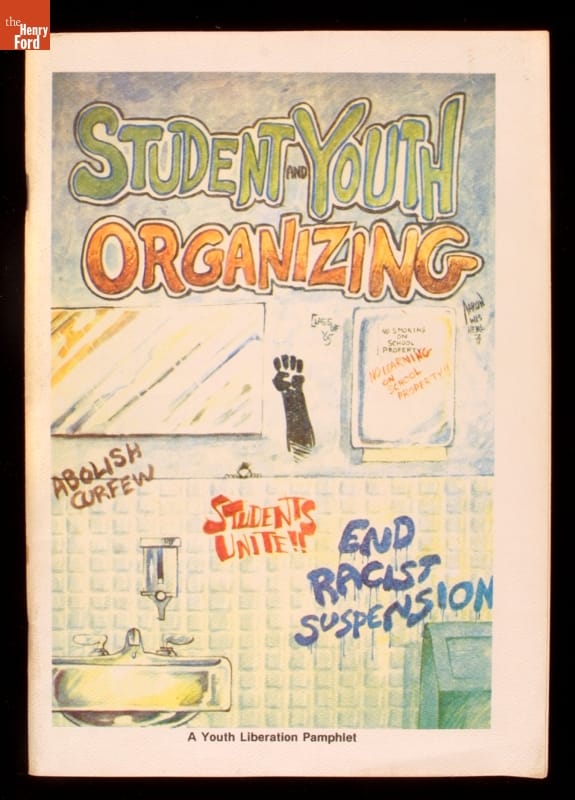
- "Student and Youth Organizing" 1977 - The Civil Rights movement of the 1960s inspired other groups of people to demand their equal rights. This pamphlet from 1977 helped inexperienced high school and college students effectively organize and respond to unfair policies.
- 1977
- Collections - Artifact
"Student and Youth Organizing" 1977
The Civil Rights movement of the 1960s inspired other groups of people to demand their equal rights. This pamphlet from 1977 helped inexperienced high school and college students effectively organize and respond to unfair policies.
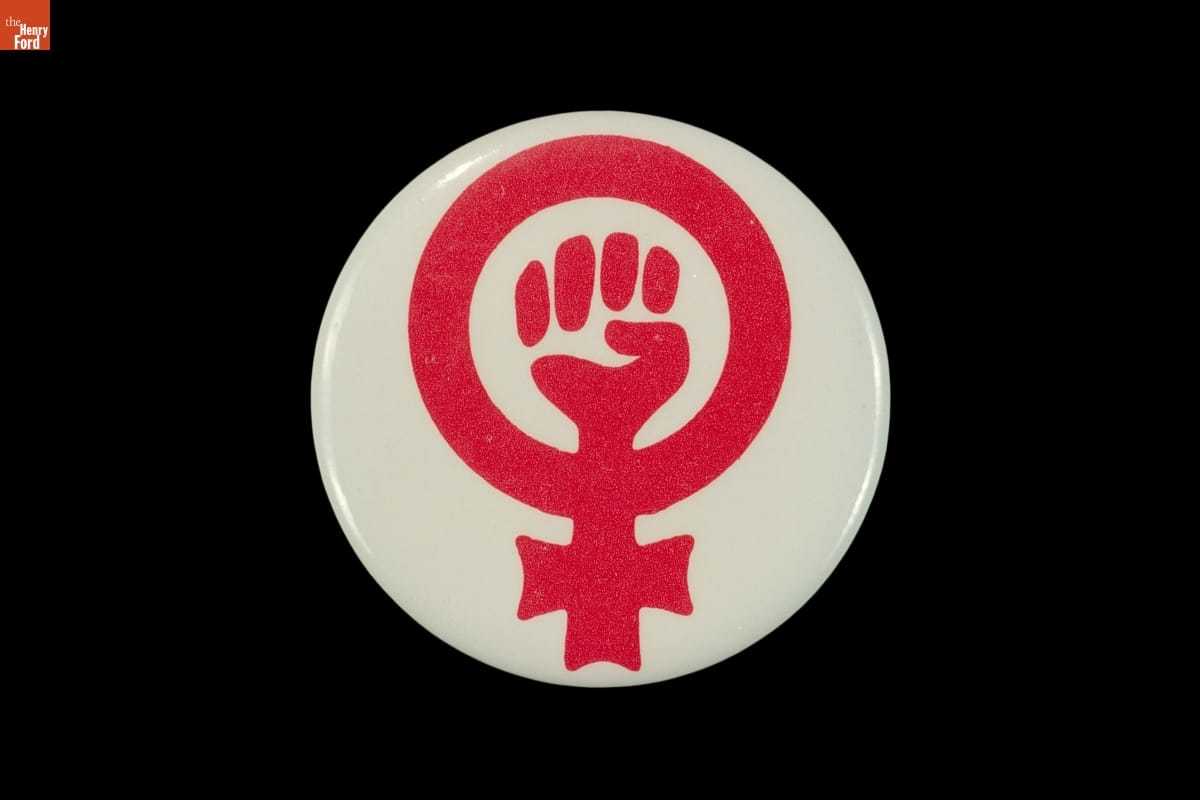
- Button, Women's Liberation Movement, circa 1970 - The Civil Rights movement of the 1960s inspired other groups of people to demand their equal rights. American women renewed their call for equality during this period. This button depicts a raised fist -- a symbol of solidarity, defiance and revolution -- inside the biological female symbol. Together these images convey women's frustration with inequality.
- circa 1970
- Collections - Artifact
Button, Women's Liberation Movement, circa 1970
The Civil Rights movement of the 1960s inspired other groups of people to demand their equal rights. American women renewed their call for equality during this period. This button depicts a raised fist -- a symbol of solidarity, defiance and revolution -- inside the biological female symbol. Together these images convey women's frustration with inequality.
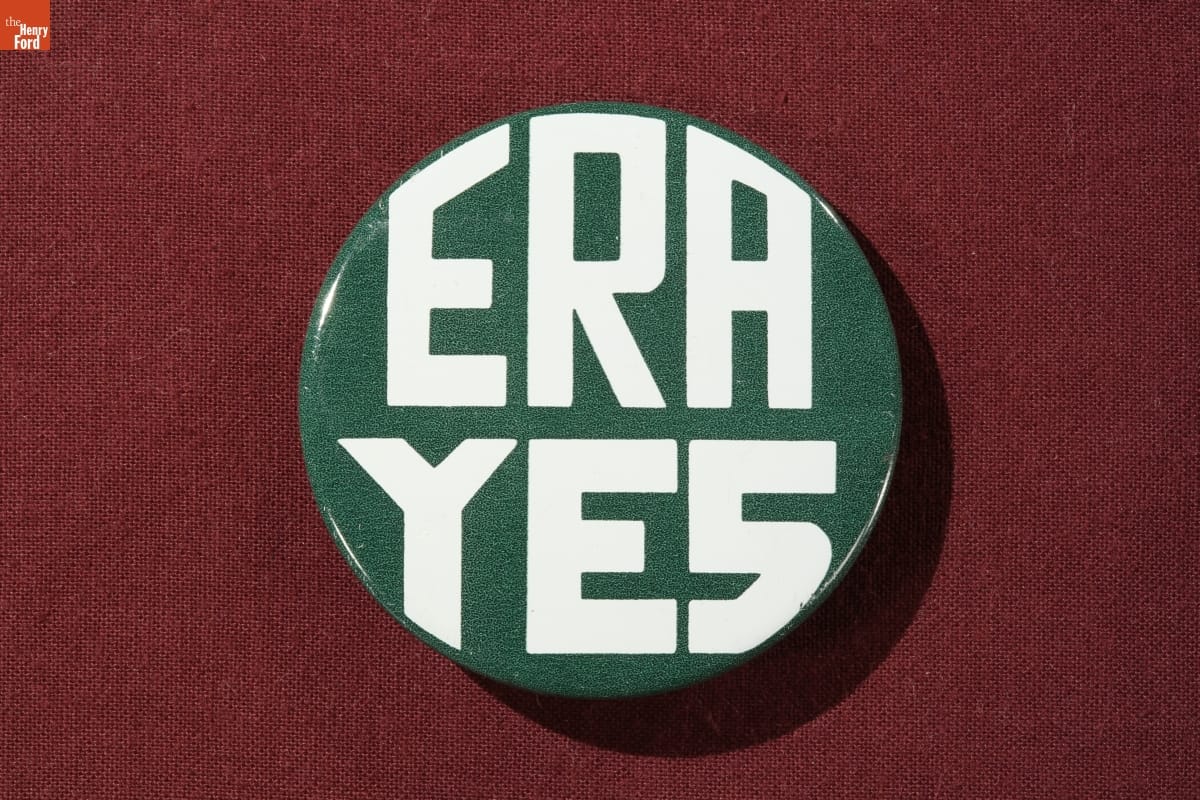
- Button, "ERA: Yes," circa 1972 - In the 1970s, women's rights activists rallied in support of the proposed Equal Rights Amendment (ERA), which would guarantee women equal rights with men as part of the United States Constitution. The ERA, first put forward in 1923, finally passed both houses of Congress in 1972 -- but it was not ratified in enough state legislatures for approval.
- circa 1972
- Collections - Artifact
Button, "ERA: Yes," circa 1972
In the 1970s, women's rights activists rallied in support of the proposed Equal Rights Amendment (ERA), which would guarantee women equal rights with men as part of the United States Constitution. The ERA, first put forward in 1923, finally passed both houses of Congress in 1972 -- but it was not ratified in enough state legislatures for approval.
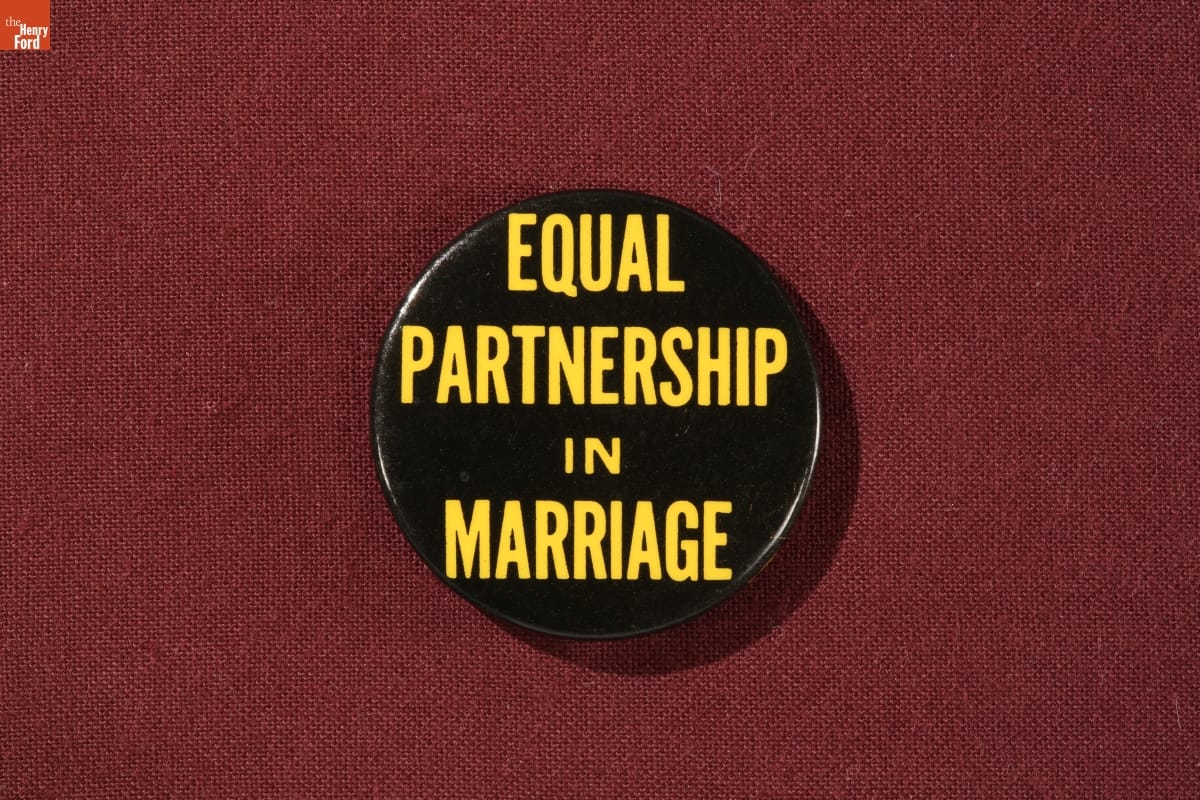
- Button, "Equal Partnership in Marriage," 1974 - In the 1970s, women's rights activists rallied against legal inequalities in the workplace, divorce and property rights, and many other areas. Supporters of a constitutional amendment that would guarantee women equal rights with men championed numerous individual causes. This button promoted equality in marriage law.
- 1974
- Collections - Artifact
Button, "Equal Partnership in Marriage," 1974
In the 1970s, women's rights activists rallied against legal inequalities in the workplace, divorce and property rights, and many other areas. Supporters of a constitutional amendment that would guarantee women equal rights with men championed numerous individual causes. This button promoted equality in marriage law.
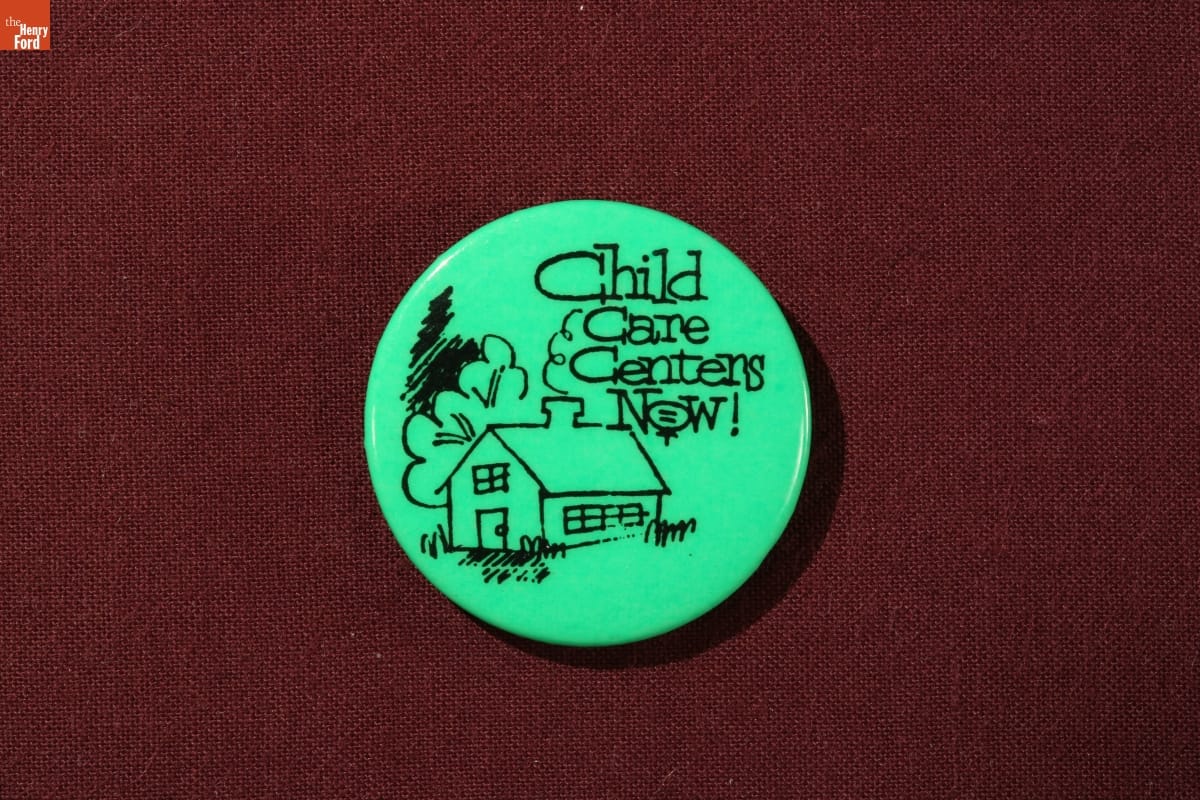
- Button, "Child Care Centers Now," 1974 - In the 1970s, women's rights activists rallied against legal inequalities in the workplace, divorce and property rights, and many other areas. Supporters of a constitutional amendment that would guarantee women equal rights with men championed numerous individual causes. This button promoted affordable child care, which would allow women with children to pursue rewarding careers.
- 1974
- Collections - Artifact
Button, "Child Care Centers Now," 1974
In the 1970s, women's rights activists rallied against legal inequalities in the workplace, divorce and property rights, and many other areas. Supporters of a constitutional amendment that would guarantee women equal rights with men championed numerous individual causes. This button promoted affordable child care, which would allow women with children to pursue rewarding careers.
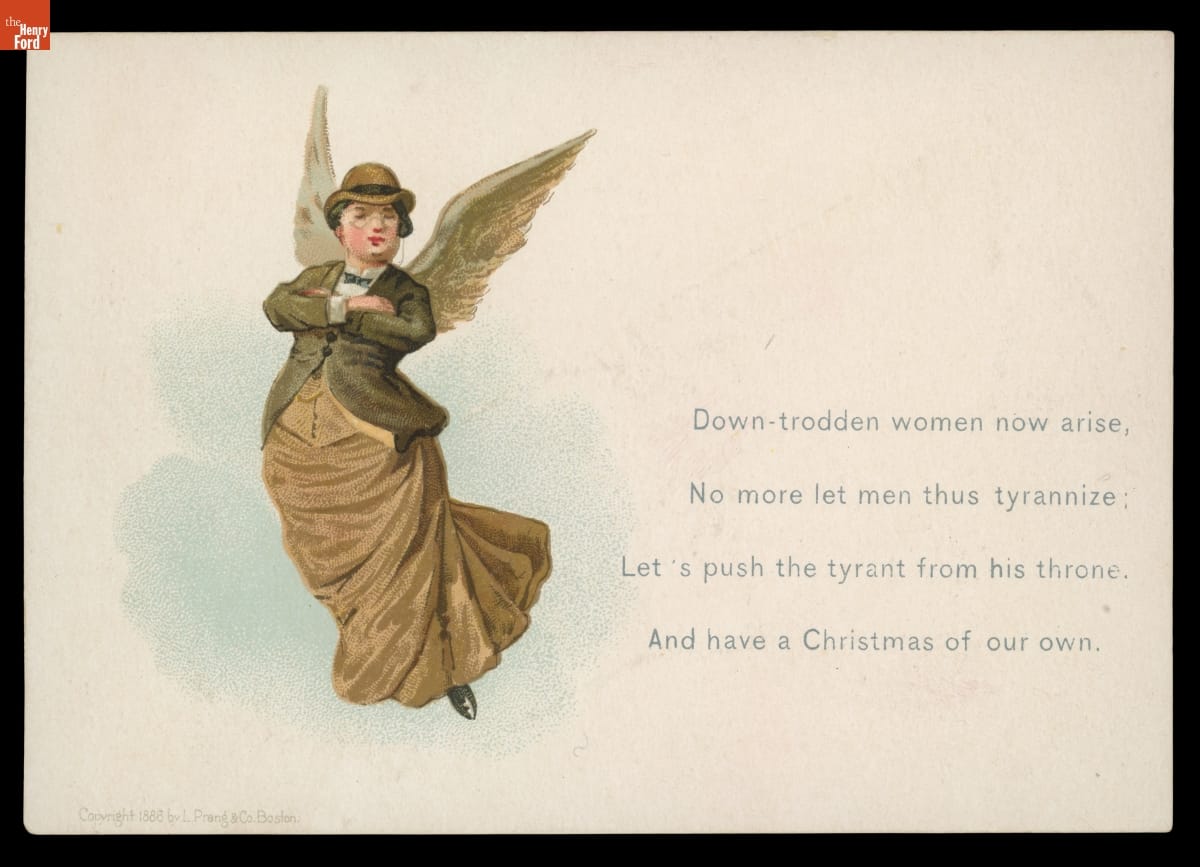
- "...Have a Christmas of Our Own," 1886 - In the mid-1800s, Americans began mailing commercially designed European greeting cards wishing friends, family, or neighbors a merry Christmas. Domestically published holiday cards became available after 1874, when German immigrant Louis Prang - through the L. Prang and Company in Boston - began printing and selling Christmas cards in the United States. This is one of his designs from 1886.
- 1886
- Collections - Artifact
"...Have a Christmas of Our Own," 1886
In the mid-1800s, Americans began mailing commercially designed European greeting cards wishing friends, family, or neighbors a merry Christmas. Domestically published holiday cards became available after 1874, when German immigrant Louis Prang - through the L. Prang and Company in Boston - began printing and selling Christmas cards in the United States. This is one of his designs from 1886.
- "For All Woman-Kind," 2016 -
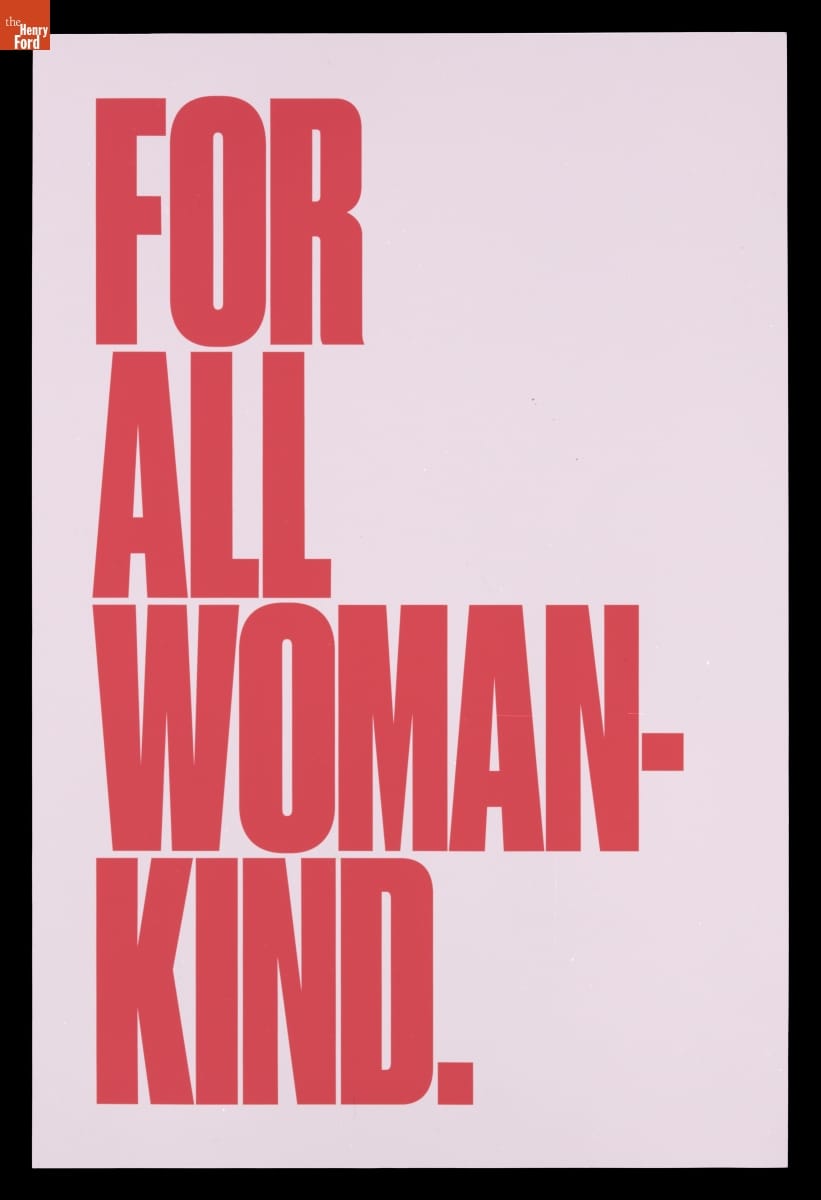
- 2016
- Collections - Artifact
"For All Woman-Kind," 2016
- "Femme Fists," 2016 -
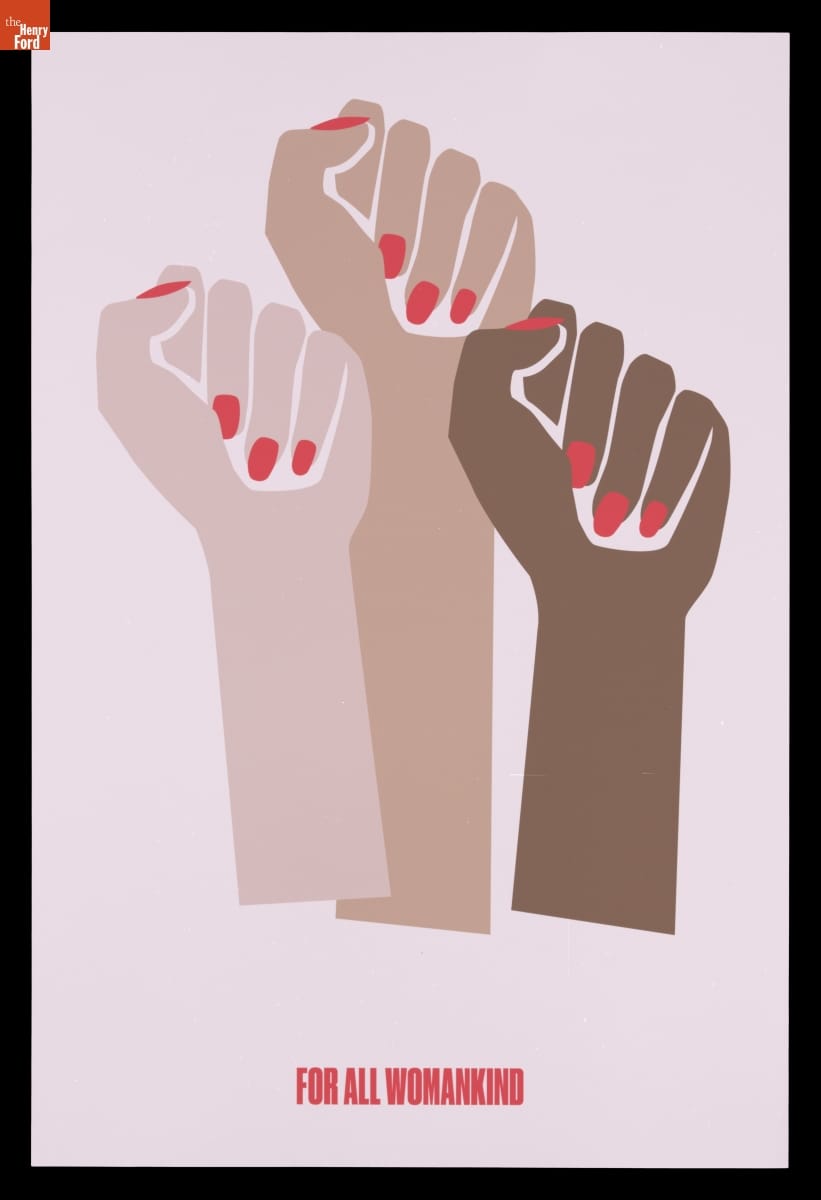
- 2016
- Collections - Artifact
"Femme Fists," 2016