
Search
- Ladies' Shoes, 1885 -
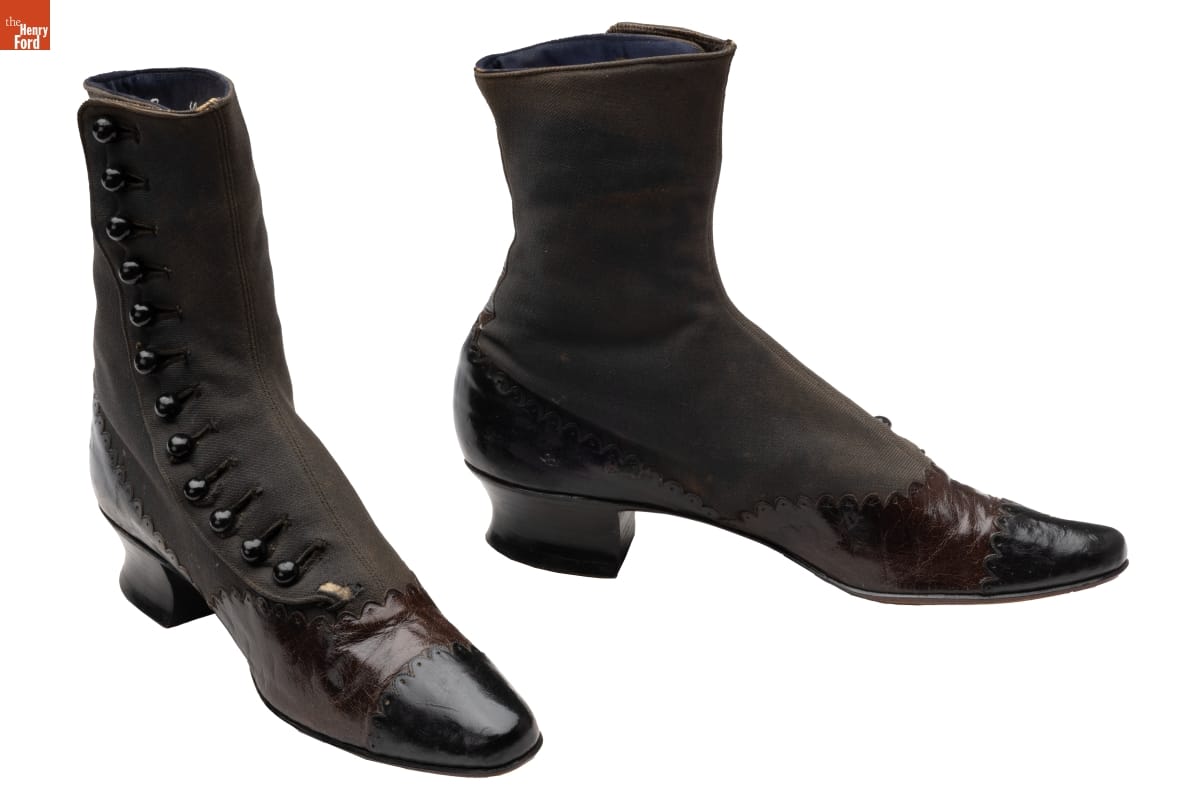
- 1885
- Collections - Artifact
Ladies' Shoes, 1885
- Larkin Company Catalog, "Stylish Wearing Apparel Given as Premiums with the Larkin Products," Spring/Summer 1908 - John D. Larkin established a soap manufacturing company in 1875. He hired his brother-in-law, Elbert Hubbard, as a salesman. Hubbard developed "The Larkin Idea," a plan that sold goods directly to consumers through mail-order catalogs and offered incentivizing giveaways. It was a success. By the early 1900s, Larkin's catalogs contained pages of products and even more pages of premiums from which customers could choose.
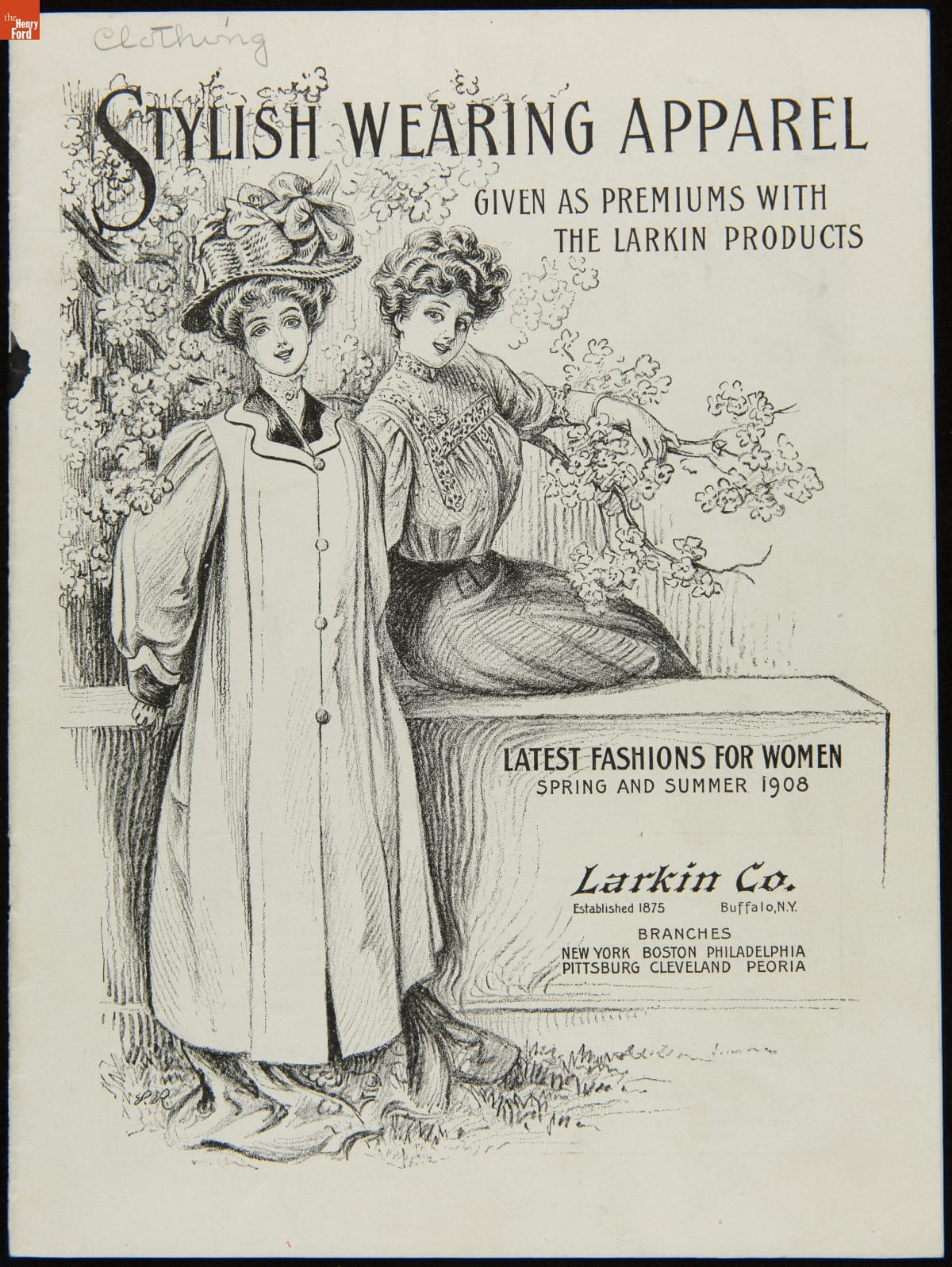
- 1908
- Collections - Artifact
Larkin Company Catalog, "Stylish Wearing Apparel Given as Premiums with the Larkin Products," Spring/Summer 1908
John D. Larkin established a soap manufacturing company in 1875. He hired his brother-in-law, Elbert Hubbard, as a salesman. Hubbard developed "The Larkin Idea," a plan that sold goods directly to consumers through mail-order catalogs and offered incentivizing giveaways. It was a success. By the early 1900s, Larkin's catalogs contained pages of products and even more pages of premiums from which customers could choose.
- Women's Oxfords, 1900-1922 - Low-cut shoes that lace up the front became fashionable in the United States in the late 1800s. These easy-to-put-on shoes were a comfortable alternative to boots and button-fastened shoes. The style has remained popular ever since -- especially with men, but women wear them too. This pair belonged to the mother of Ann Davis who lived in Louisville, Kentucky.
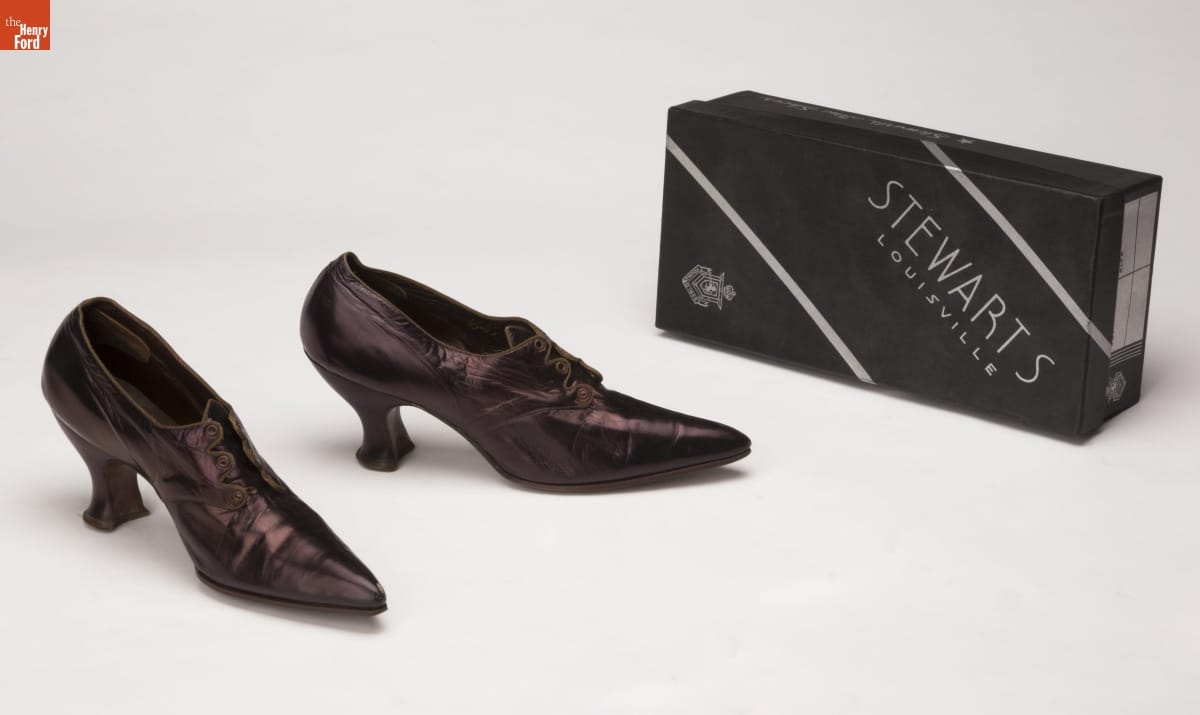
- 1900-1922
- Collections - Artifact
Women's Oxfords, 1900-1922
Low-cut shoes that lace up the front became fashionable in the United States in the late 1800s. These easy-to-put-on shoes were a comfortable alternative to boots and button-fastened shoes. The style has remained popular ever since -- especially with men, but women wear them too. This pair belonged to the mother of Ann Davis who lived in Louisville, Kentucky.
- Women's Boots, circa 1910 -
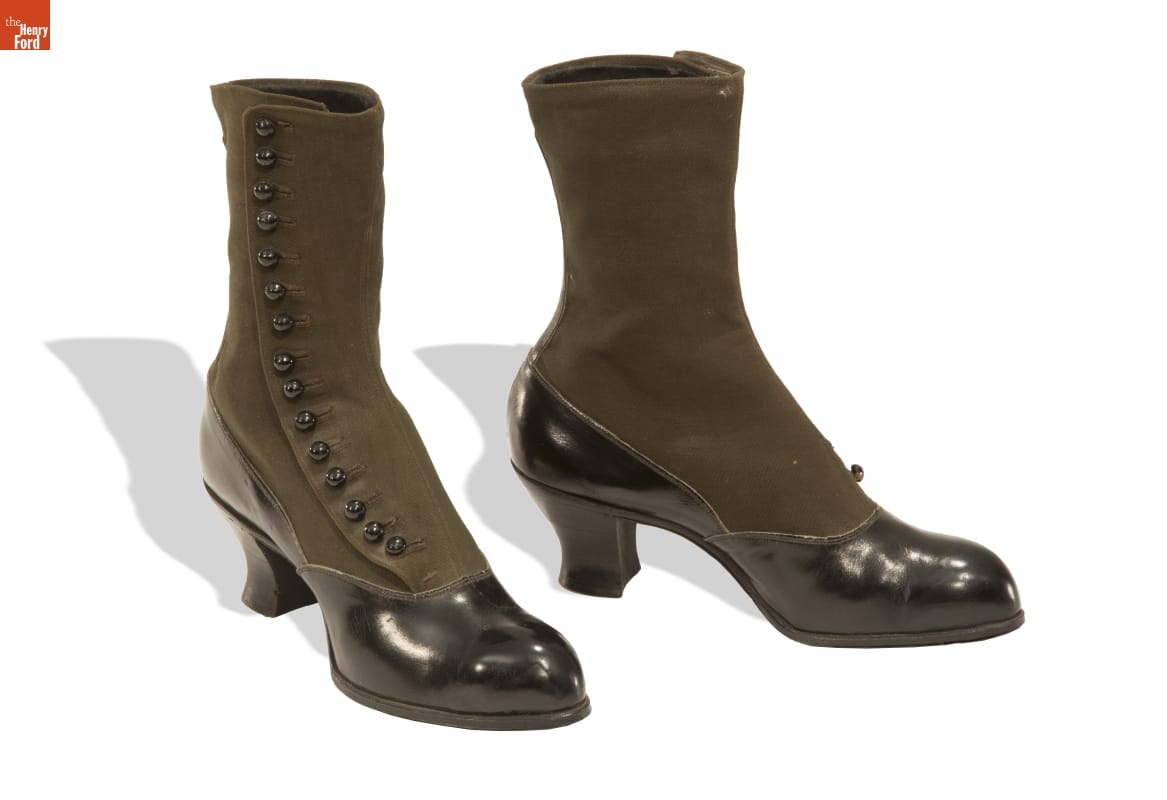
- circa 1910
- Collections - Artifact
Women's Boots, circa 1910
- Ladies' Shoes -
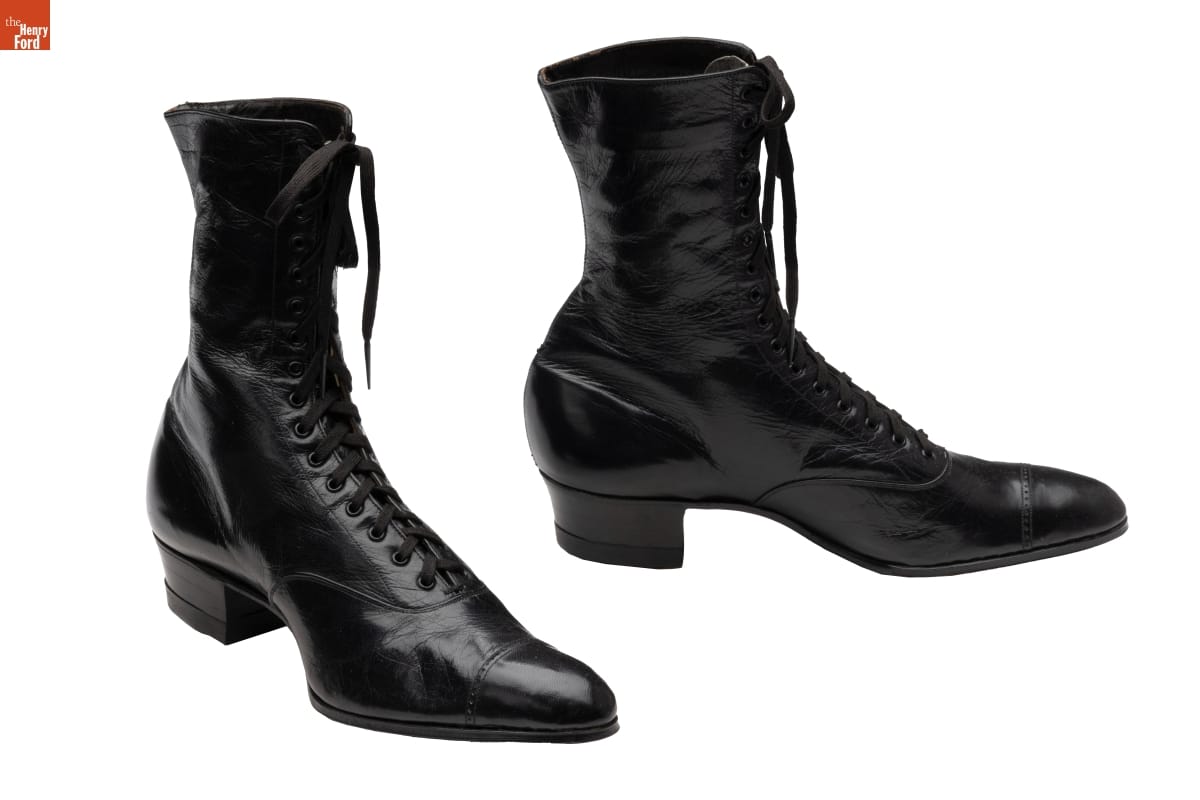
- Collections - Artifact
Ladies' Shoes
- Women's Carriage Boots, Used by Mrs. William Oliver Craig, circa 1910 -
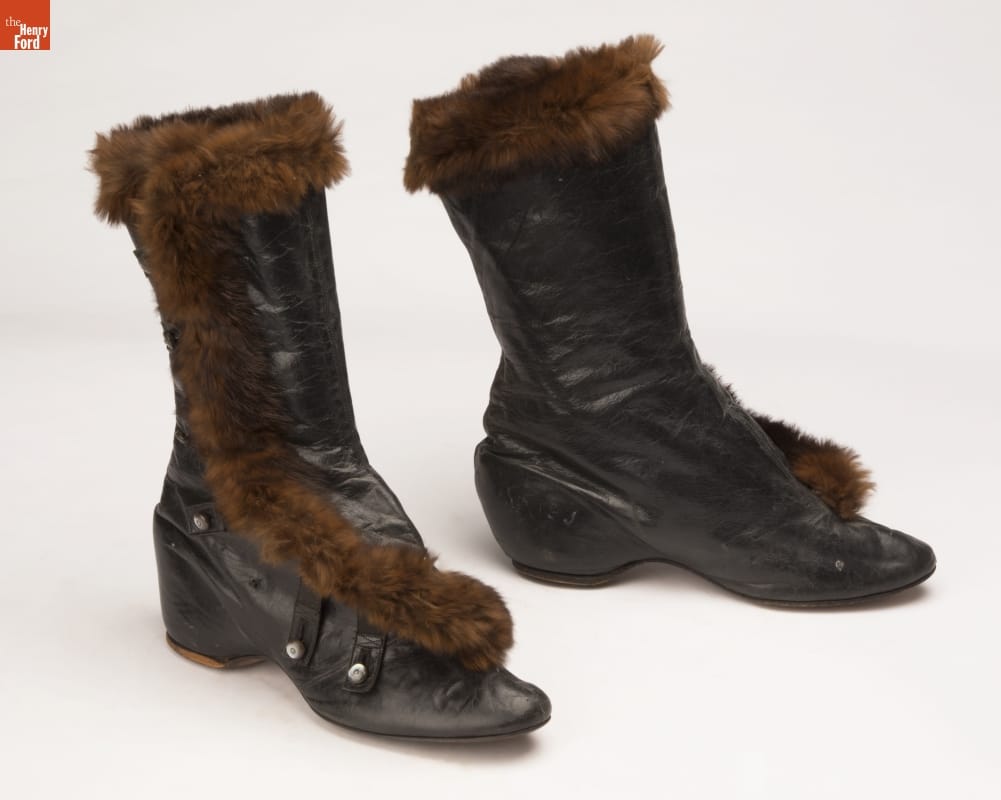
- circa 1910
- Collections - Artifact
Women's Carriage Boots, Used by Mrs. William Oliver Craig, circa 1910
- Woven Leather Pumps, 1924-1930 -
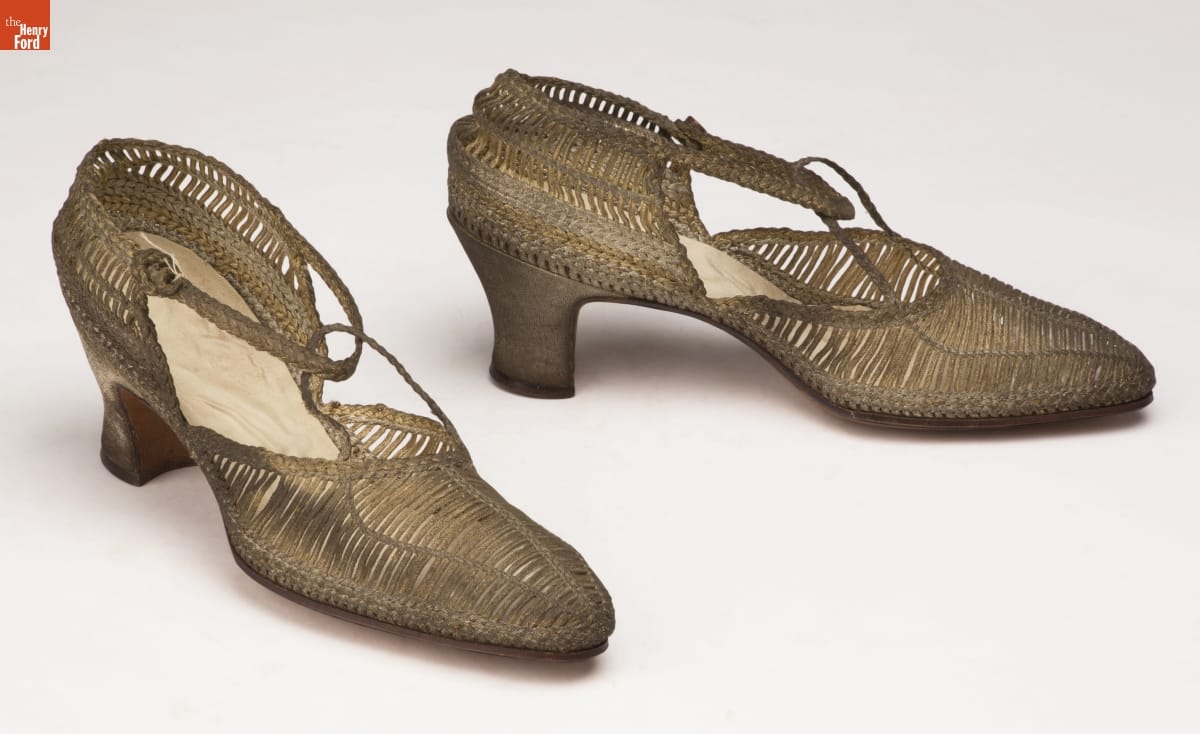
- 1924-1930
- Collections - Artifact
Woven Leather Pumps, 1924-1930
- Women's Slippers, circa 1840 - Ladies in early-nineteenth-century America wore delicate slippers with their stylish dresses. While fashionable, these types of shoes were notoriously unhealthy: they quickly became damp and soiled, provided no foot support, and were occasionally purchased a size or two too small so that the wearer's foot appeared dainty. These slippers were all about looking great -- not being comfortable.
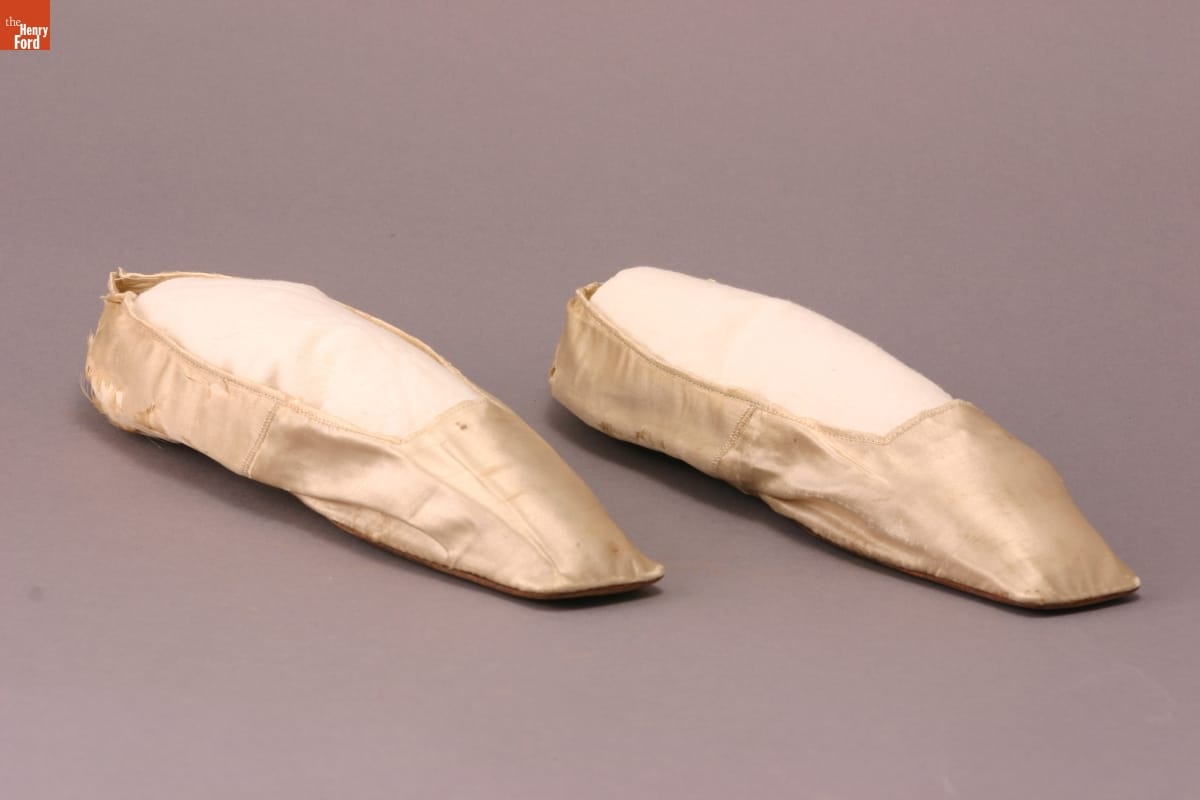
- circa 1840
- Collections - Artifact
Women's Slippers, circa 1840
Ladies in early-nineteenth-century America wore delicate slippers with their stylish dresses. While fashionable, these types of shoes were notoriously unhealthy: they quickly became damp and soiled, provided no foot support, and were occasionally purchased a size or two too small so that the wearer's foot appeared dainty. These slippers were all about looking great -- not being comfortable.
- Women's Slippers, 1840-1850 - Ladies in early-nineteenth-century America wore delicate slippers with their stylish dresses. While fashionable, these types of shoes were notoriously unhealthy: they quickly became damp and soiled, provided no foot support, and were occasionally purchased a size or two too small so that the wearer's foot appeared dainty. These slippers were all about looking great -- not being comfortable.
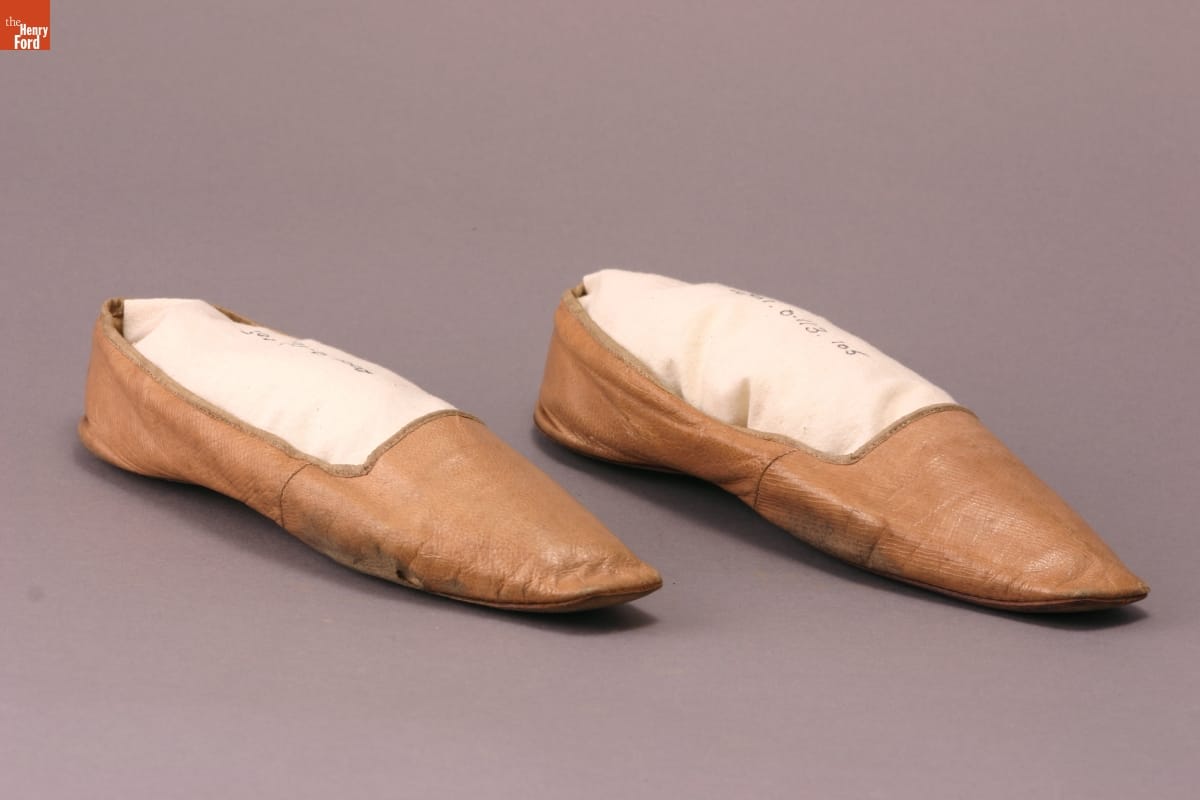
- 1840-1850
- Collections - Artifact
Women's Slippers, 1840-1850
Ladies in early-nineteenth-century America wore delicate slippers with their stylish dresses. While fashionable, these types of shoes were notoriously unhealthy: they quickly became damp and soiled, provided no foot support, and were occasionally purchased a size or two too small so that the wearer's foot appeared dainty. These slippers were all about looking great -- not being comfortable.
- Women's Slippers, 1790-1805 -
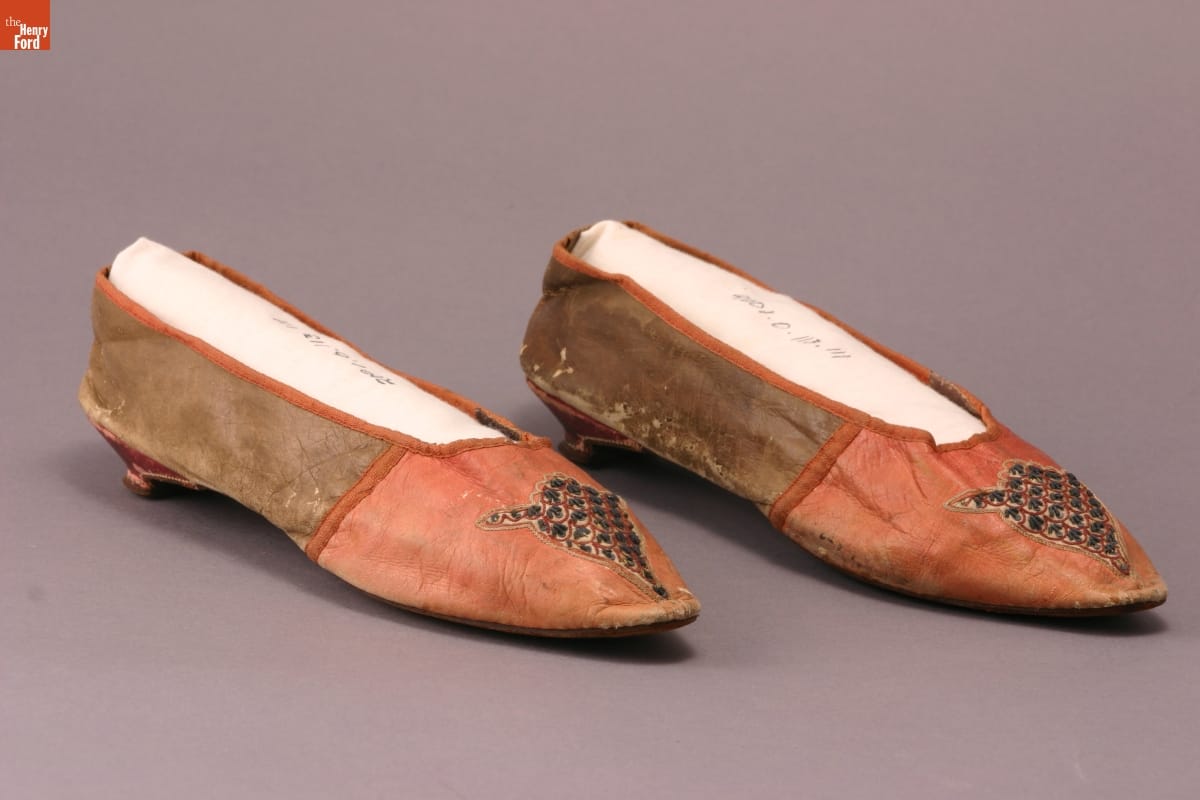
- 1790-1805
- Collections - Artifact
Women's Slippers, 1790-1805