
Search
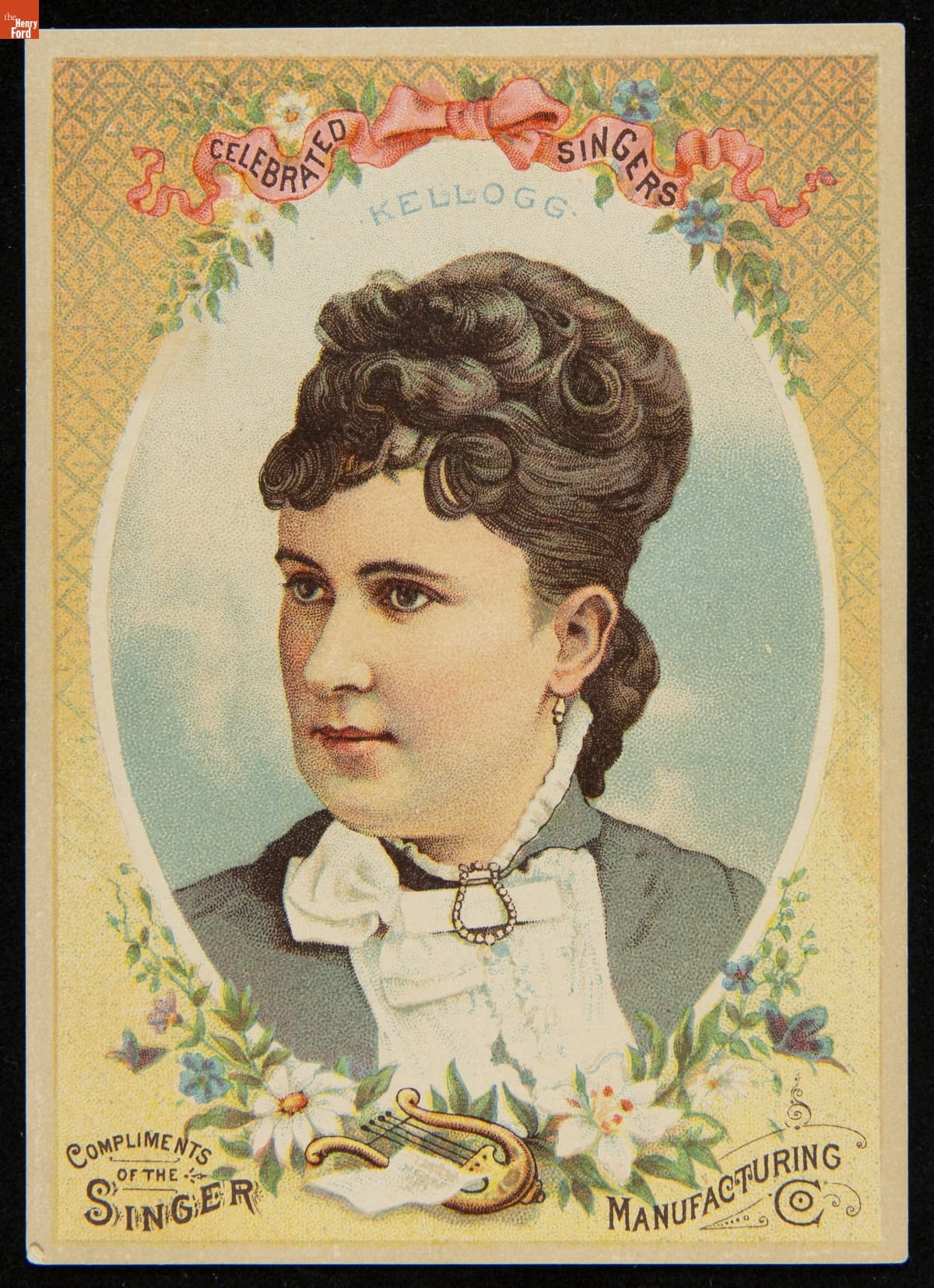
- Trade Card for Singer Sewing Machines, Featuring Opera Singer Clara Louise Kellogg, 1880-1900 - Clara Louise Kellogg (1842-1916), America's preeminent soprano from the 1860s through the 1880s, made her operatic debut in New York in 1861. Six years later, she made her European debut, gaining international recognition. In 1873, Kellogg formed an opera company to perform in English to familiarize American audiences with European opera. After retiring, she taught promising students and authored her autobiography.
- 1880-1900
- Collections - Artifact
Trade Card for Singer Sewing Machines, Featuring Opera Singer Clara Louise Kellogg, 1880-1900
Clara Louise Kellogg (1842-1916), America's preeminent soprano from the 1860s through the 1880s, made her operatic debut in New York in 1861. Six years later, she made her European debut, gaining international recognition. In 1873, Kellogg formed an opera company to perform in English to familiarize American audiences with European opera. After retiring, she taught promising students and authored her autobiography.
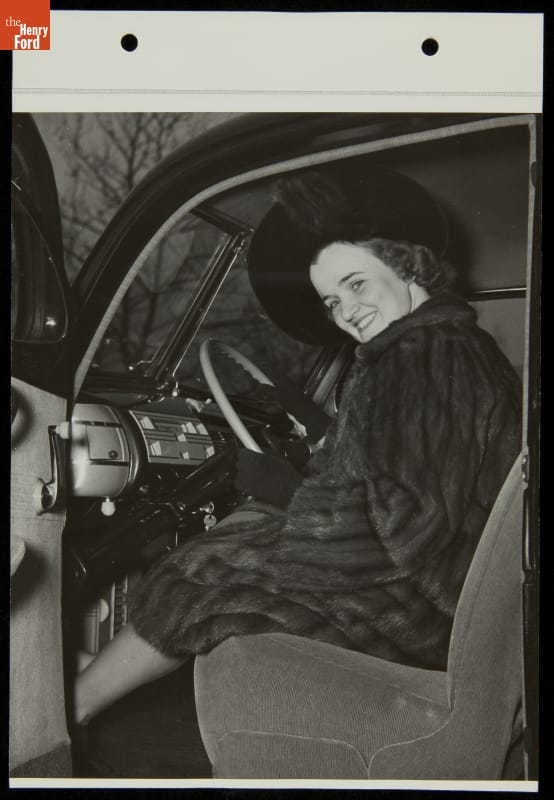
- Opera Singer Josephine Antoine, Ford Exposition, New York World's Fair, 1940 - Ford Motor Company poured resources into the 1939-40 New York World's Fair, spending more than $5 million to construct and maintain its elaborate and well-attended exhibition space. Numerous celebrities joined Ford's 15 million reported exposition guests. This photograph shows opera singer Josephine Antoine during a visit to the Ford exposition in November 1940.
- January 11, 1940
- Collections - Artifact
Opera Singer Josephine Antoine, Ford Exposition, New York World's Fair, 1940
Ford Motor Company poured resources into the 1939-40 New York World's Fair, spending more than $5 million to construct and maintain its elaborate and well-attended exhibition space. Numerous celebrities joined Ford's 15 million reported exposition guests. This photograph shows opera singer Josephine Antoine during a visit to the Ford exposition in November 1940.
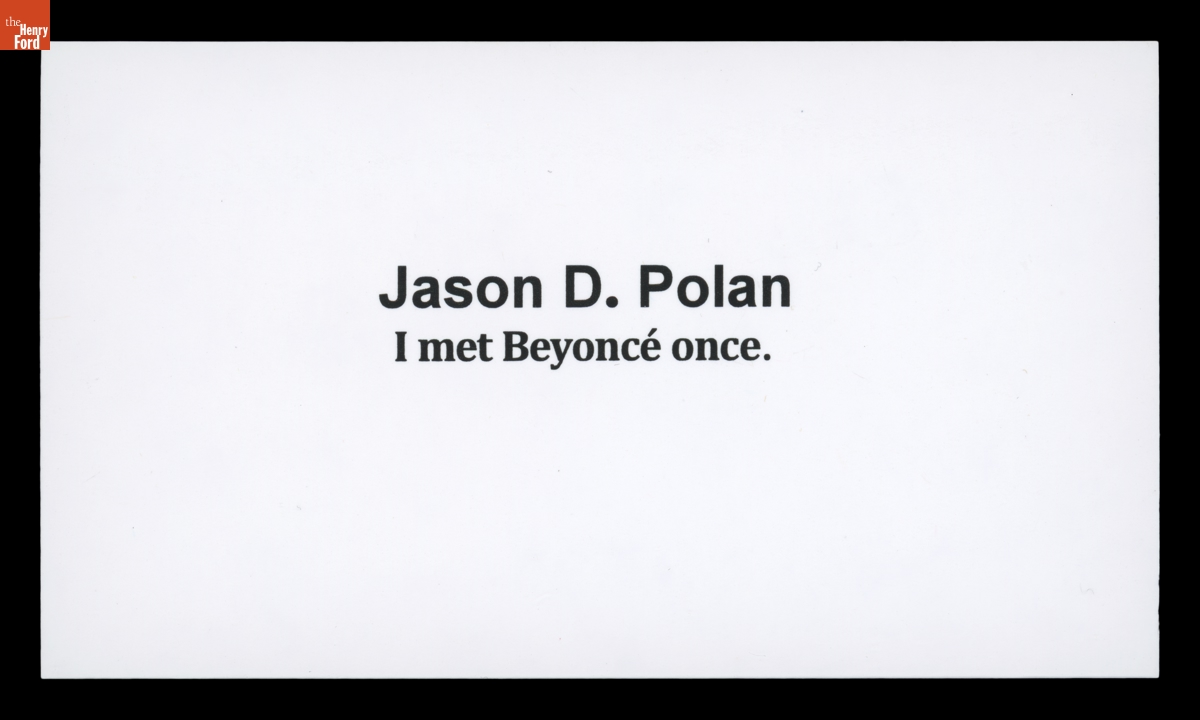
- "Jason Polan , I met Beyonce once" Business Card, circa 2016 - Jason Polan was a Michigan-born, New York-based illustrator whose visual storytelling sought to elevate the everyday—with humor and care. This collection documents Polan's life and prolific art practice, spanning childhood to adulthood; he was also a convener of creative communities. Inspiration, ideation, and completed projects are represented in preparatory material, printed matter, publications, product design, artwork, and personal collecting.
- circa 2016
- Collections - Artifact
"Jason Polan , I met Beyonce once" Business Card, circa 2016
Jason Polan was a Michigan-born, New York-based illustrator whose visual storytelling sought to elevate the everyday—with humor and care. This collection documents Polan's life and prolific art practice, spanning childhood to adulthood; he was also a convener of creative communities. Inspiration, ideation, and completed projects are represented in preparatory material, printed matter, publications, product design, artwork, and personal collecting.
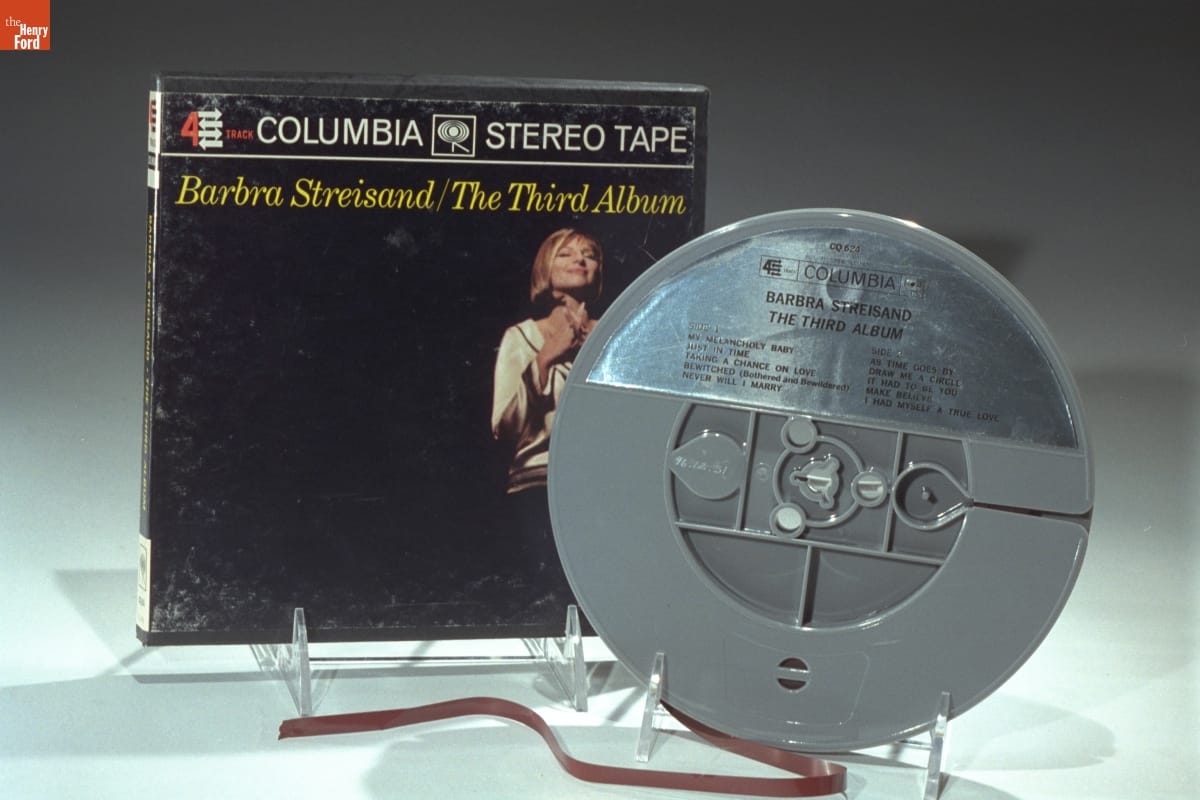
- Reel to Reel Audiotape, "The Third Album," by Barbra Streisand, 1964 - The transformative effects of magnetic tape upon sound, broadcast, and computing history cannot be overstated. In 1930, German companies AEG and BASF revised wire recording technology by using a new material: plastic tape coated with magnetic iron pigment. Its proposed applications were varied, idealistic and practical: recording music and radio, factory automation, data storage, media lending libraries, and many others.
- 1964
- Collections - Artifact
Reel to Reel Audiotape, "The Third Album," by Barbra Streisand, 1964
The transformative effects of magnetic tape upon sound, broadcast, and computing history cannot be overstated. In 1930, German companies AEG and BASF revised wire recording technology by using a new material: plastic tape coated with magnetic iron pigment. Its proposed applications were varied, idealistic and practical: recording music and radio, factory automation, data storage, media lending libraries, and many others.
- Herman Miller Mixed Chorus Contralto Vocalist Choir Robe, 1953-1960 -
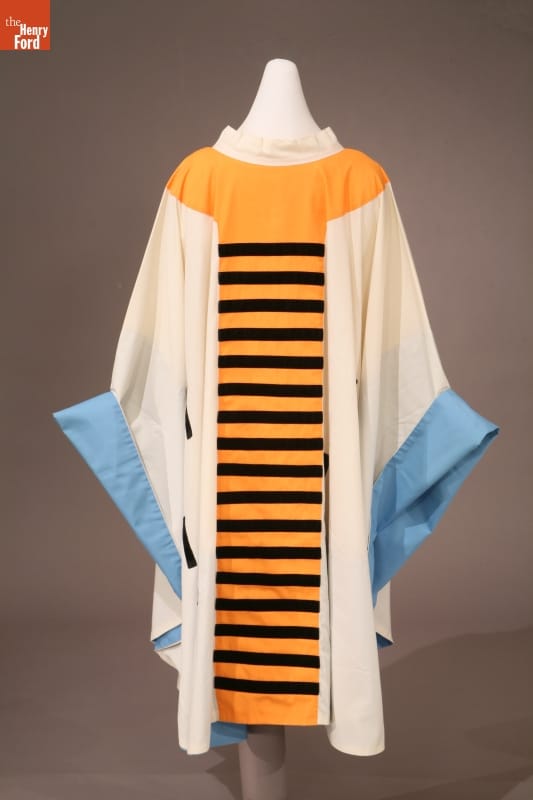
- 1953-1960
- Collections - Artifact
Herman Miller Mixed Chorus Contralto Vocalist Choir Robe, 1953-1960
- Herman Miller Mixed Chorus Soprano Vocalist Choir Robe, 1953-1960 -
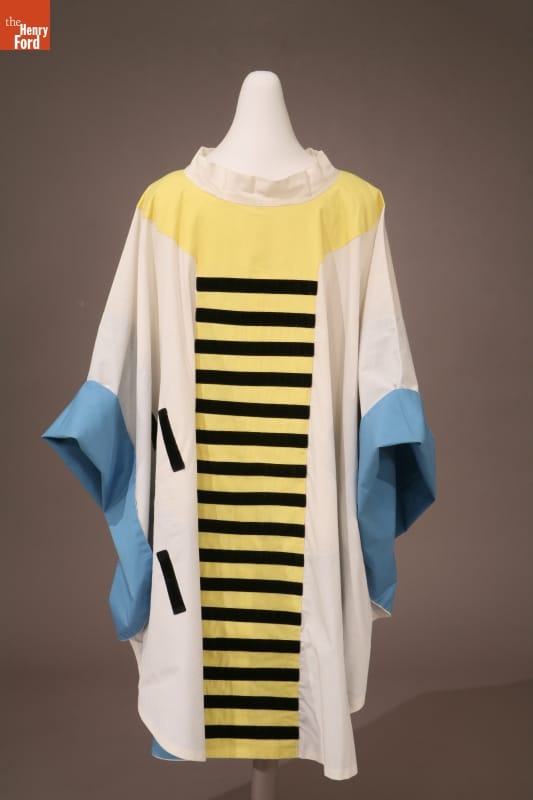
- 1953-1960
- Collections - Artifact
Herman Miller Mixed Chorus Soprano Vocalist Choir Robe, 1953-1960
- Program, "Grand Opera Season 1915-1916," Metropolitan Opera House, New York City -
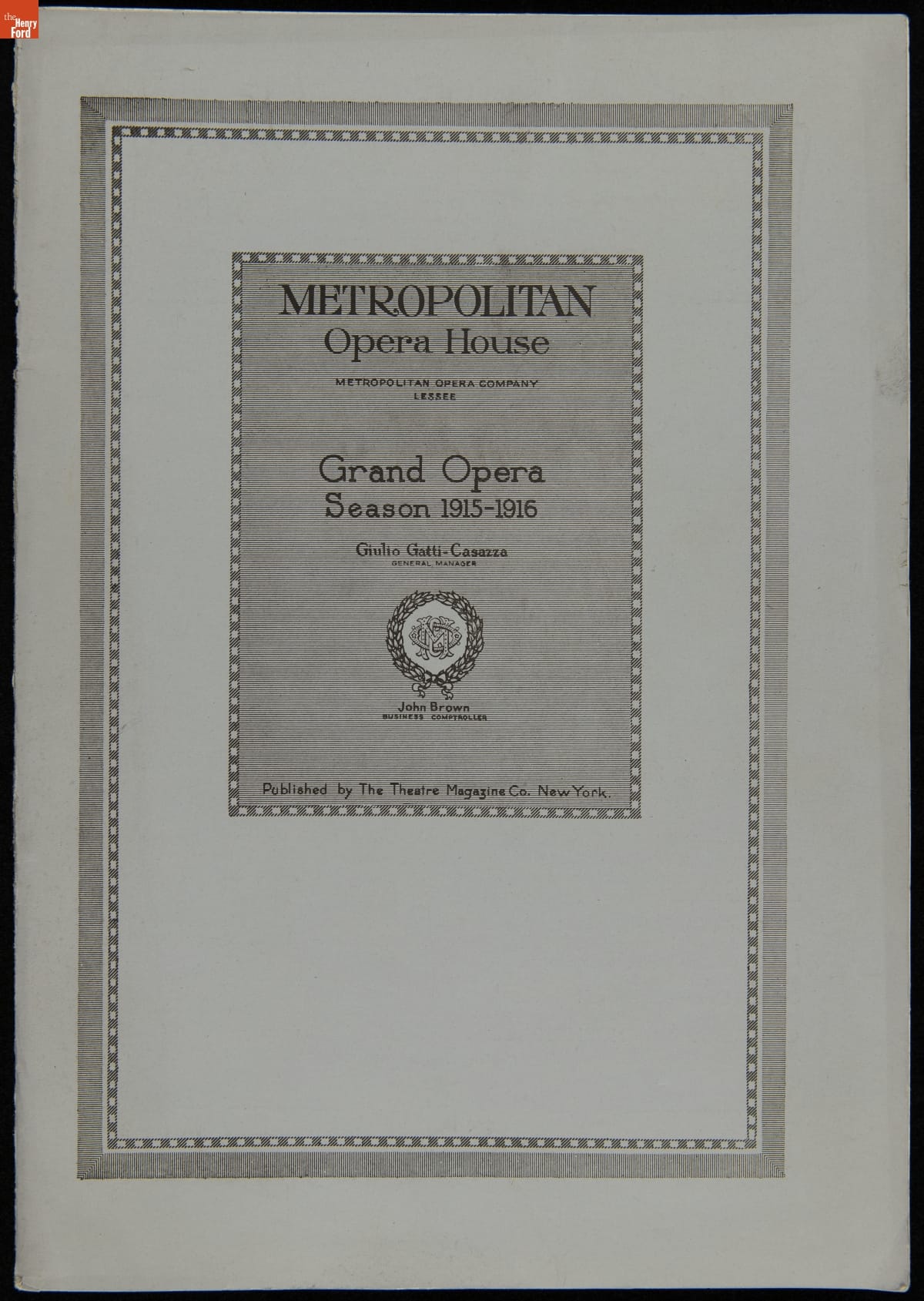
- 1915-1916
- Collections - Artifact
Program, "Grand Opera Season 1915-1916," Metropolitan Opera House, New York City
- "Crazy Blues," 1920 - African-American vaudeville artist Mamie Smith recorded "Crazy Blues" on Okeh records in August 1920. An instant success that sold more than 70,000 copies in the first month, Mamie Smith's "Crazy Blues" compelled other companies to record African-American blues performers. Although initially produced for the African-American market, these recordings soon became popular among white mainstream audiences.
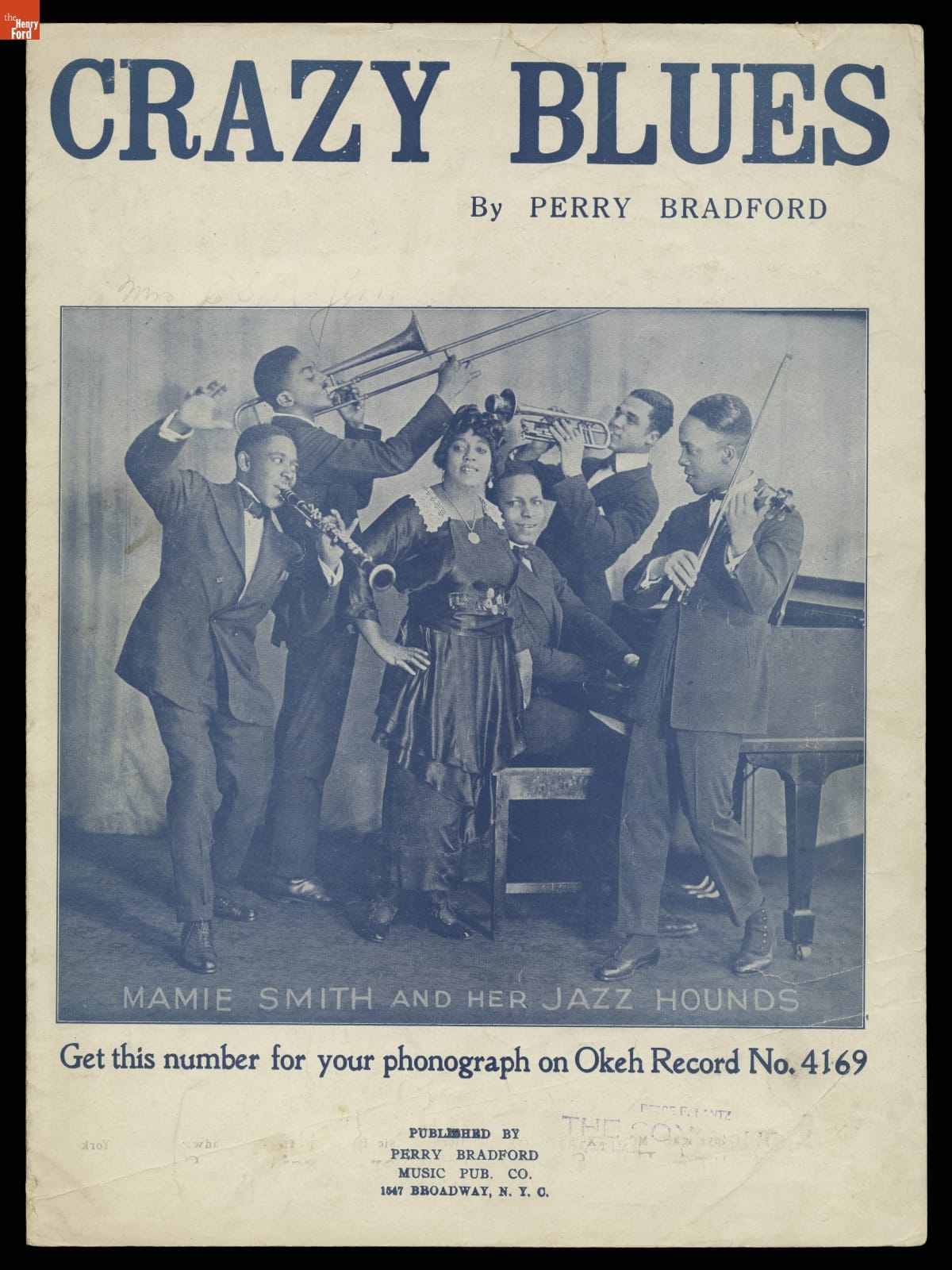
- 1920
- Collections - Artifact
"Crazy Blues," 1920
African-American vaudeville artist Mamie Smith recorded "Crazy Blues" on Okeh records in August 1920. An instant success that sold more than 70,000 copies in the first month, Mamie Smith's "Crazy Blues" compelled other companies to record African-American blues performers. Although initially produced for the African-American market, these recordings soon became popular among white mainstream audiences.