
Search
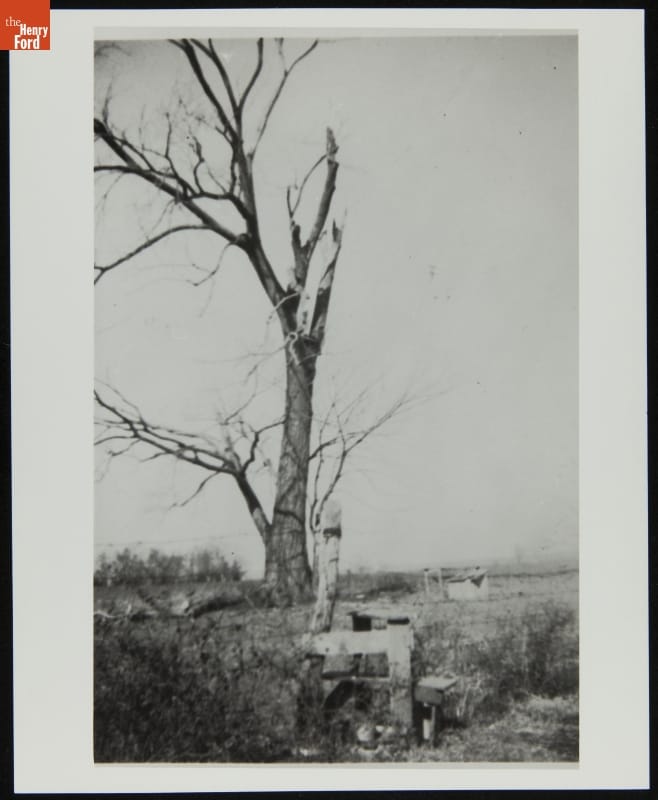
- Fence outside Susquehanna House at Its Original Site, St. Mary's County, Maryland, 1930-1939 -
- 1930-1939
- Collections - Artifact
Fence outside Susquehanna House at Its Original Site, St. Mary's County, Maryland, 1930-1939
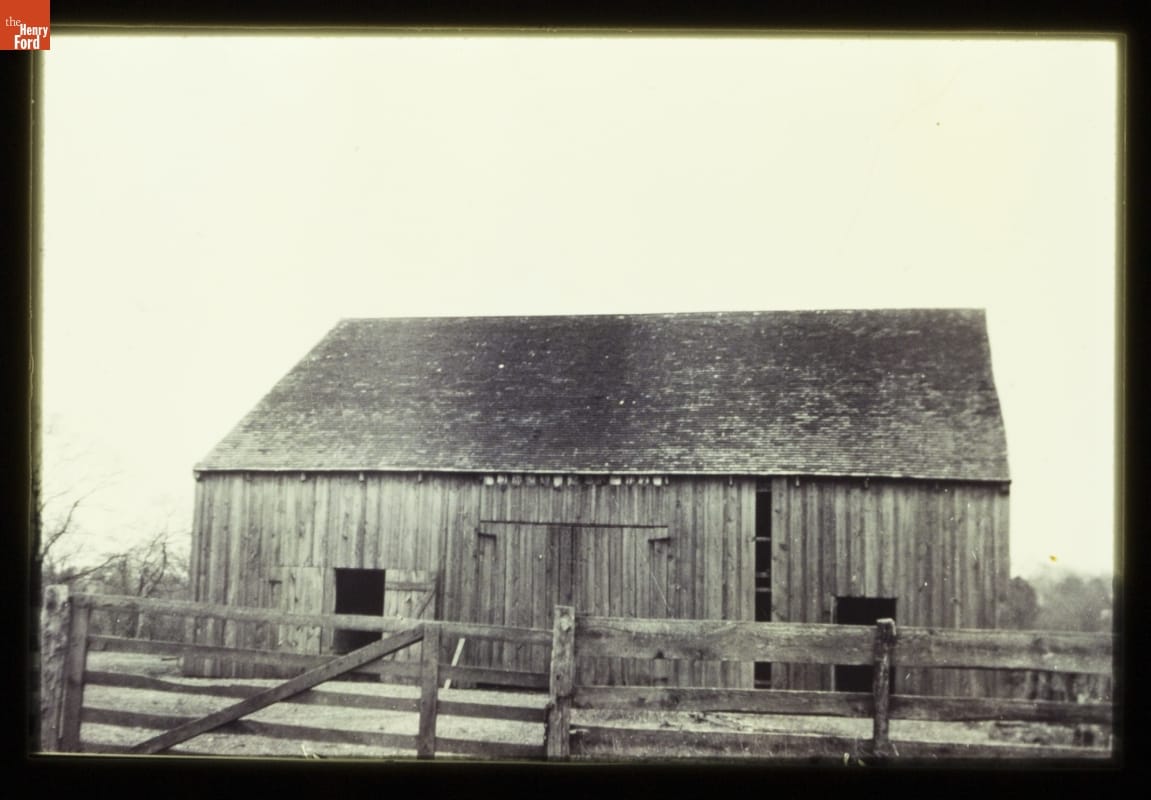
- Susquehanna Plantation Original Site, St. Mary's County, Maryland, 1942 -
- 1942
- Collections - Artifact
Susquehanna Plantation Original Site, St. Mary's County, Maryland, 1942
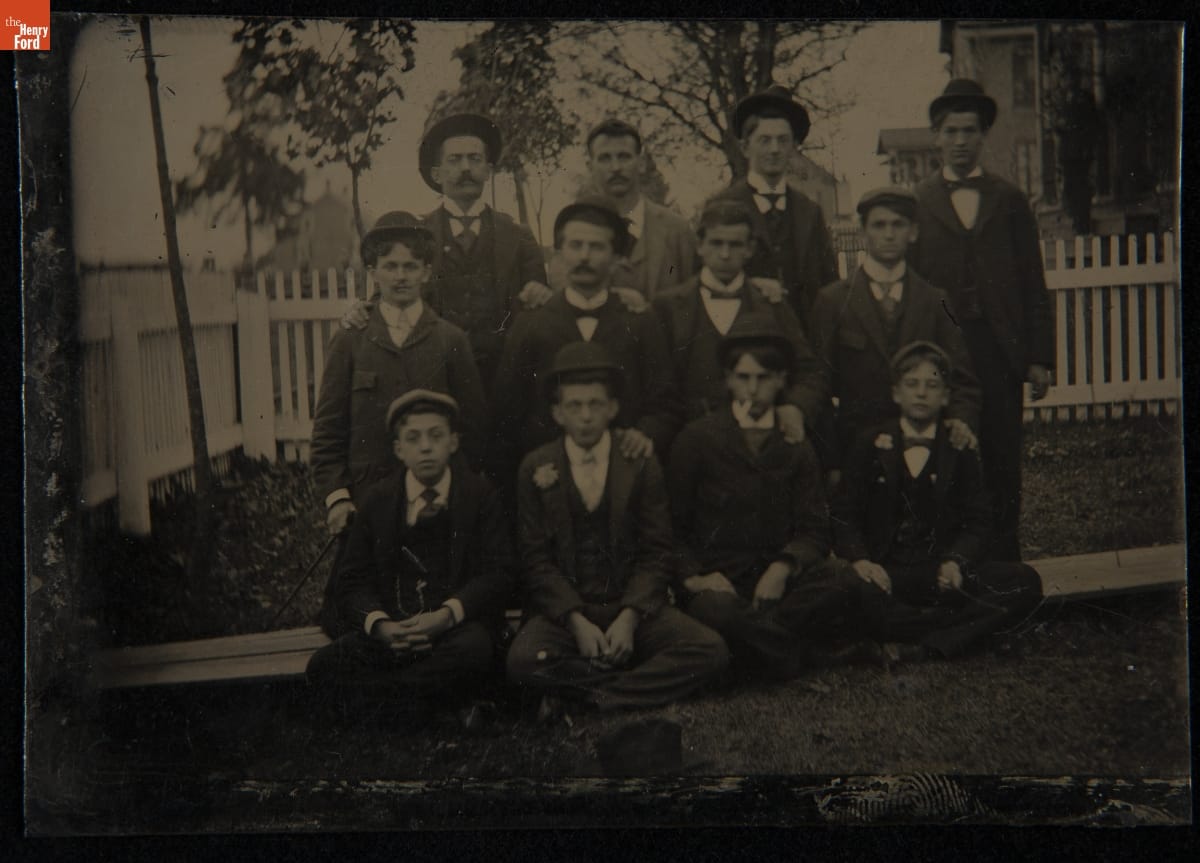
- Group of Men and Boys in Front of a Picket Fence, circa 1895 - Tintypes, the popular "instant photographs" of the 19th century, could be produced in a matter of minutes at a price most people could afford. At first, outdoor tintypes were rare. But after a new, more convenient process for making tintypes was introduced in the 1880s, photographs of outdoor scenes became more common.
- circa 1895
- Collections - Artifact
Group of Men and Boys in Front of a Picket Fence, circa 1895
Tintypes, the popular "instant photographs" of the 19th century, could be produced in a matter of minutes at a price most people could afford. At first, outdoor tintypes were rare. But after a new, more convenient process for making tintypes was introduced in the 1880s, photographs of outdoor scenes became more common.
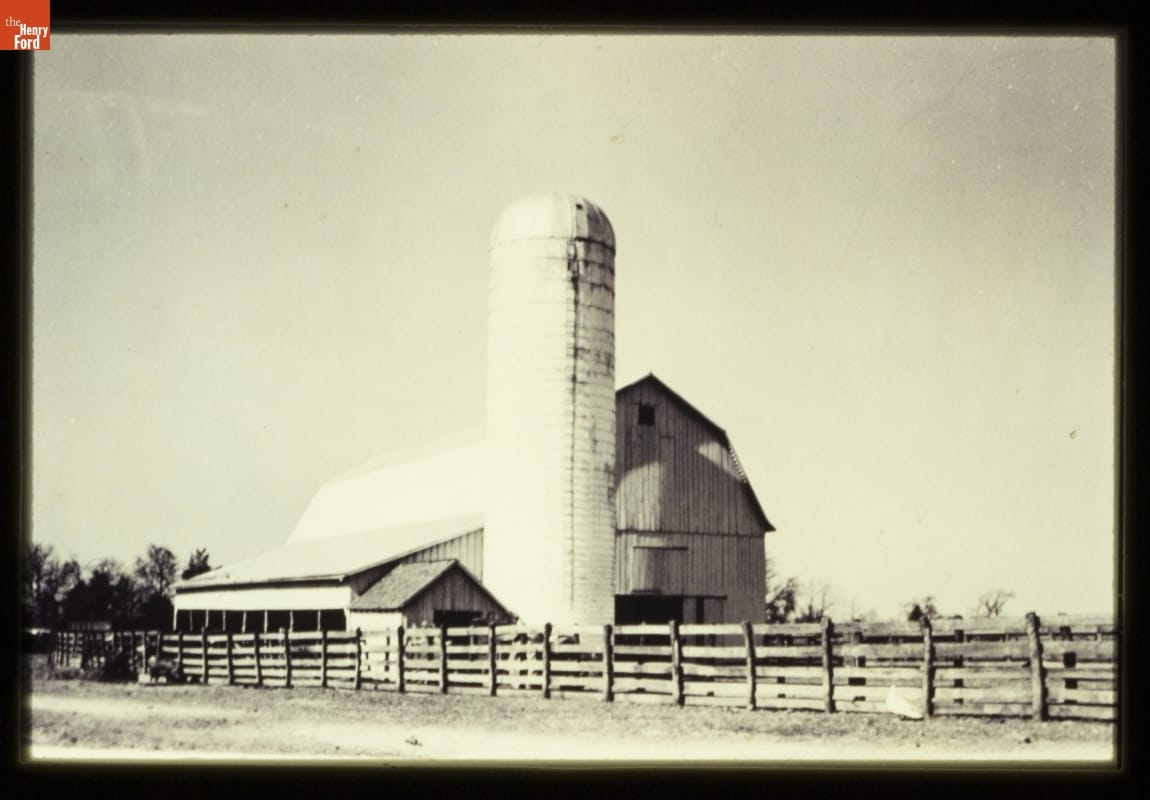
- Susquehanna Plantation Original Site, St. Mary's County, Maryland, 1942 -
- 1942
- Collections - Artifact
Susquehanna Plantation Original Site, St. Mary's County, Maryland, 1942
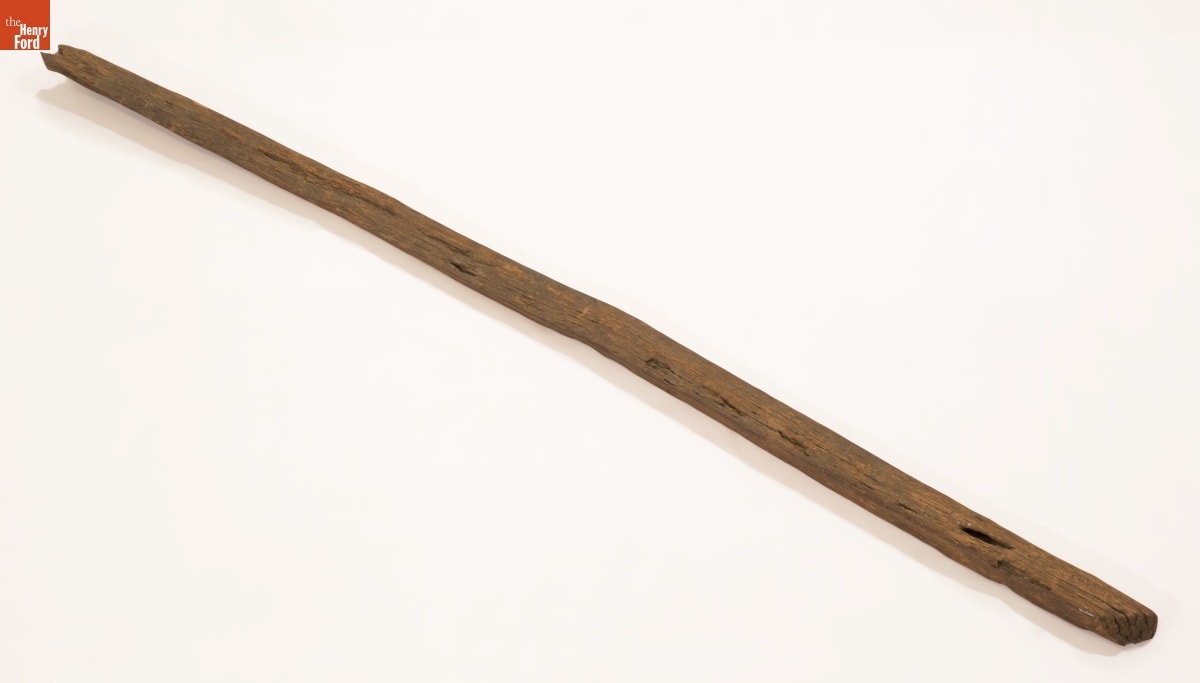
- Split Rail, Said to Be Split by Abraham Lincoln - Henry Ford admired Lincoln's down-to-earth, frontier character. The image of Lincoln as the "rail splitter" is central to that theme - it emerged during the 1860 Illinois Republican nominating convention when Lincoln's cousin emerged with a banner constructed of rails split by Lincoln and the audience went wild. Henry Ford acquired a group of rails said to have been split by Abraham Lincoln.
- circa 1827
- Collections - Artifact
Split Rail, Said to Be Split by Abraham Lincoln
Henry Ford admired Lincoln's down-to-earth, frontier character. The image of Lincoln as the "rail splitter" is central to that theme - it emerged during the 1860 Illinois Republican nominating convention when Lincoln's cousin emerged with a banner constructed of rails split by Lincoln and the audience went wild. Henry Ford acquired a group of rails said to have been split by Abraham Lincoln.
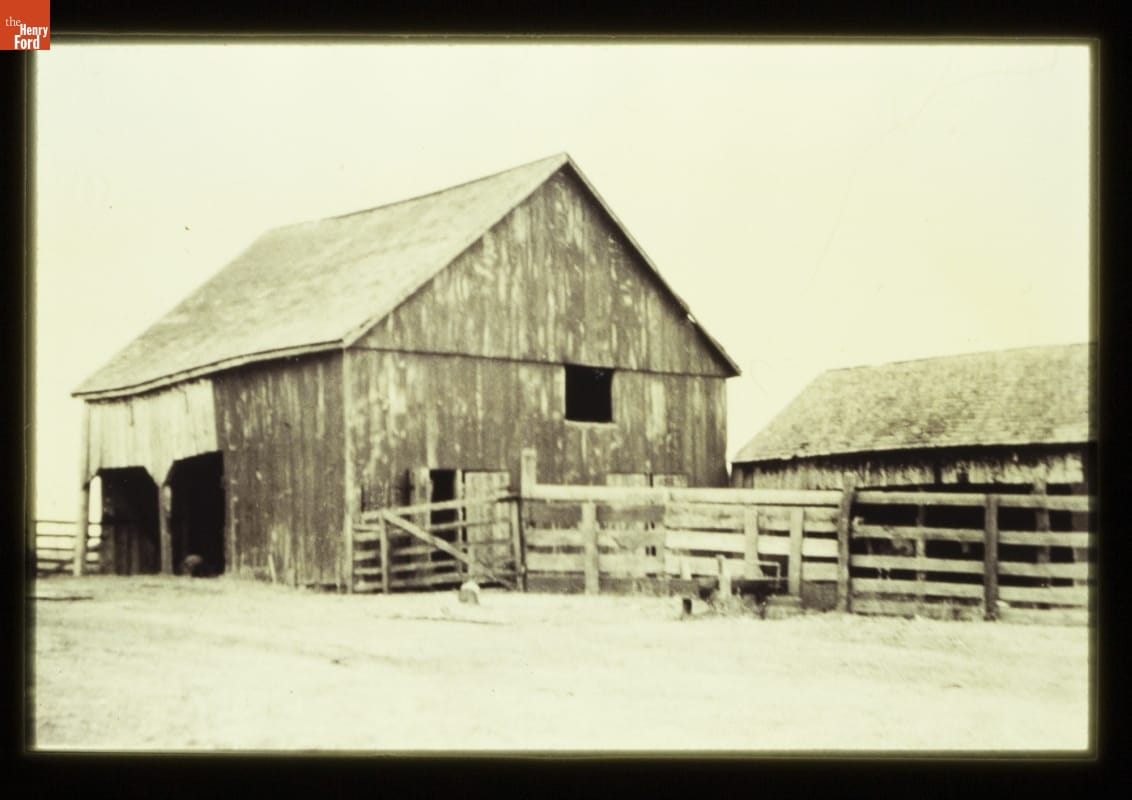
- Susquehanna Plantation Original Site, St. Mary's County, Maryland, 1942 -
- 1942
- Collections - Artifact
Susquehanna Plantation Original Site, St. Mary's County, Maryland, 1942
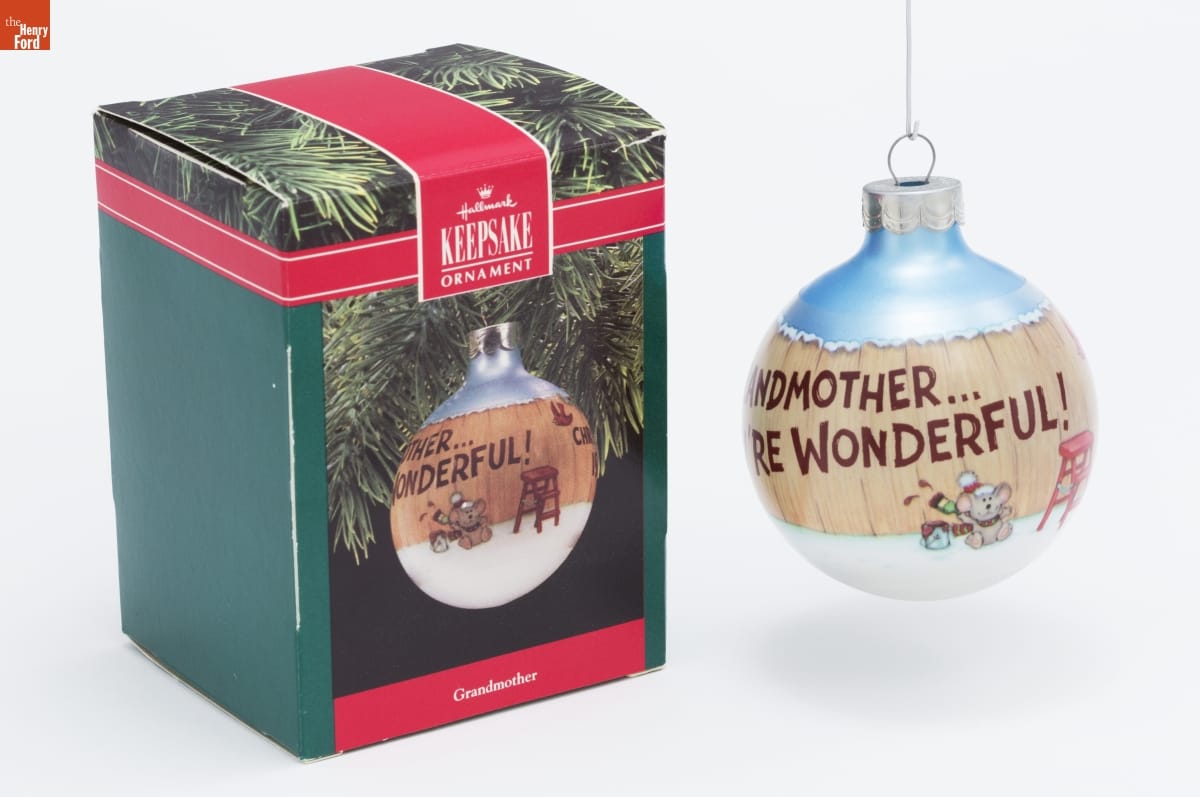
- Hallmark "Grandmother" Christmas Ornament, 1990 - Already known for greeting cards, Hallmark introduced a line of Christmas ornaments in 1973. The company's annual release of an increasing array of ornaments revolutionized Christmas decorating, appealing to customers' interest in marking memories and milestones as well as expressing one's personality and unique tastes.
- 1990
- Collections - Artifact
Hallmark "Grandmother" Christmas Ornament, 1990
Already known for greeting cards, Hallmark introduced a line of Christmas ornaments in 1973. The company's annual release of an increasing array of ornaments revolutionized Christmas decorating, appealing to customers' interest in marking memories and milestones as well as expressing one's personality and unique tastes.
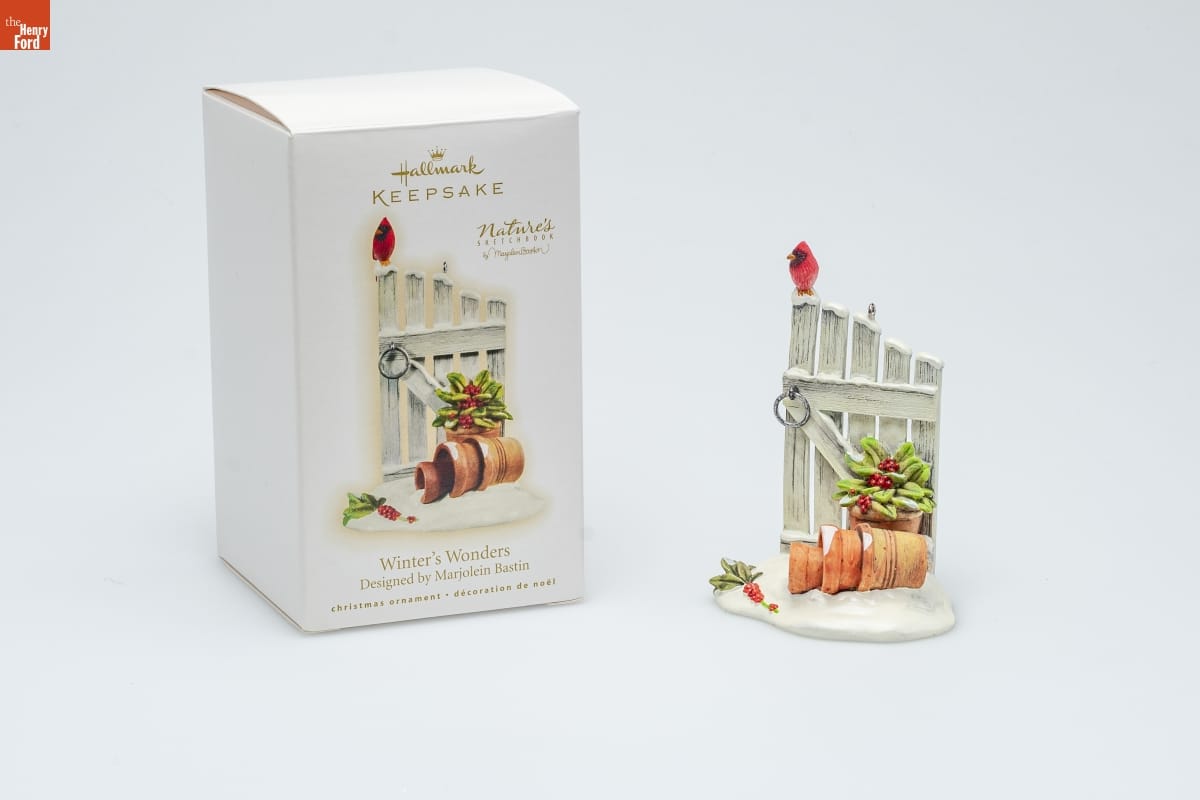
- Hallmark "Winter's Wonders" Christmas Ornament, 2009 - Already known for greeting cards, Hallmark introduced a line of Christmas ornaments in 1973. The company's annual release of an increasing array of ornaments revolutionized Christmas decorating, appealing to customers' interest in marking memories and milestones as well as expressing one's personality and unique tastes.
- 2009
- Collections - Artifact
Hallmark "Winter's Wonders" Christmas Ornament, 2009
Already known for greeting cards, Hallmark introduced a line of Christmas ornaments in 1973. The company's annual release of an increasing array of ornaments revolutionized Christmas decorating, appealing to customers' interest in marking memories and milestones as well as expressing one's personality and unique tastes.
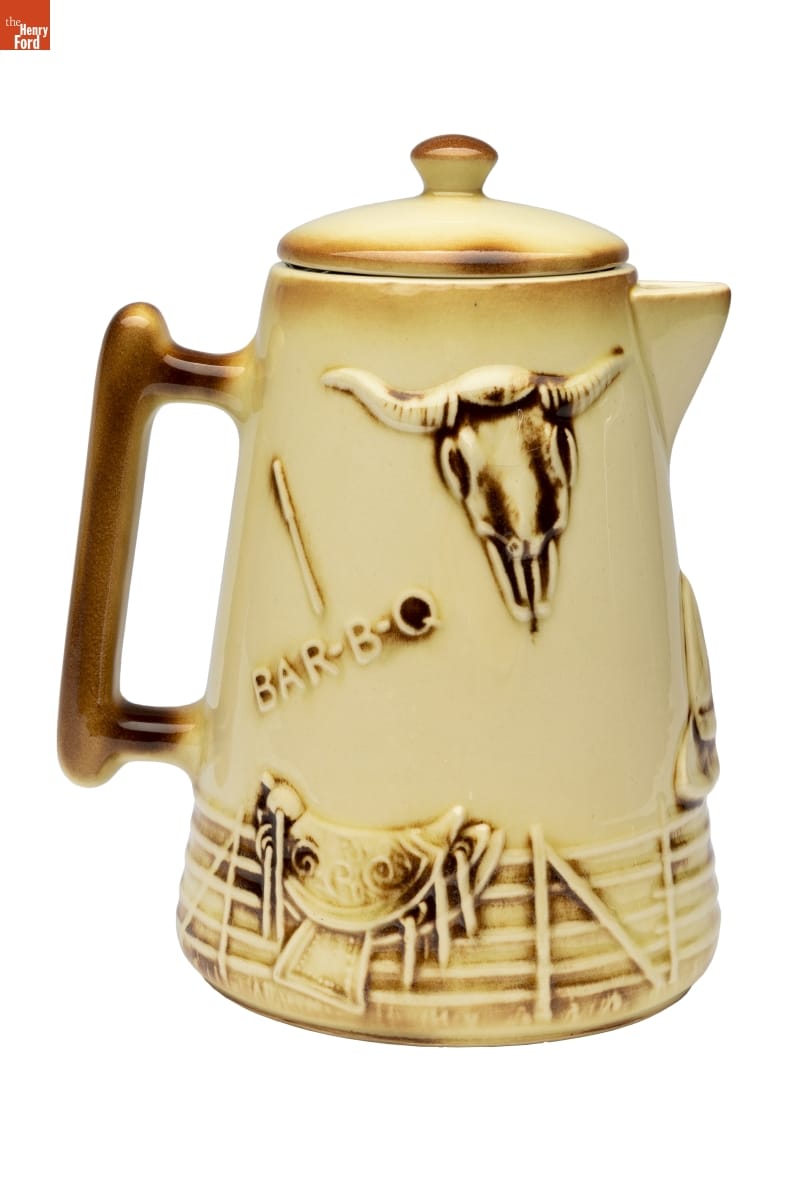
- Coffee Pot, 1960 - The Nelson McCoy Pottery Company, established in 1910 in Roseville, Ohio, began producing earthenware specialties and artware in the mid-1920s along with its stoneware lines. Its pottery appealed to a middle-class audience seeking the broadest popular taste. In 1960, McCoy introduced its El Rancho Bar-B-Q line. The line consisted of western-themed, large service pieces and tapped into the romanticism of the American West.
- 1960
- Collections - Artifact
Coffee Pot, 1960
The Nelson McCoy Pottery Company, established in 1910 in Roseville, Ohio, began producing earthenware specialties and artware in the mid-1920s along with its stoneware lines. Its pottery appealed to a middle-class audience seeking the broadest popular taste. In 1960, McCoy introduced its El Rancho Bar-B-Q line. The line consisted of western-themed, large service pieces and tapped into the romanticism of the American West.
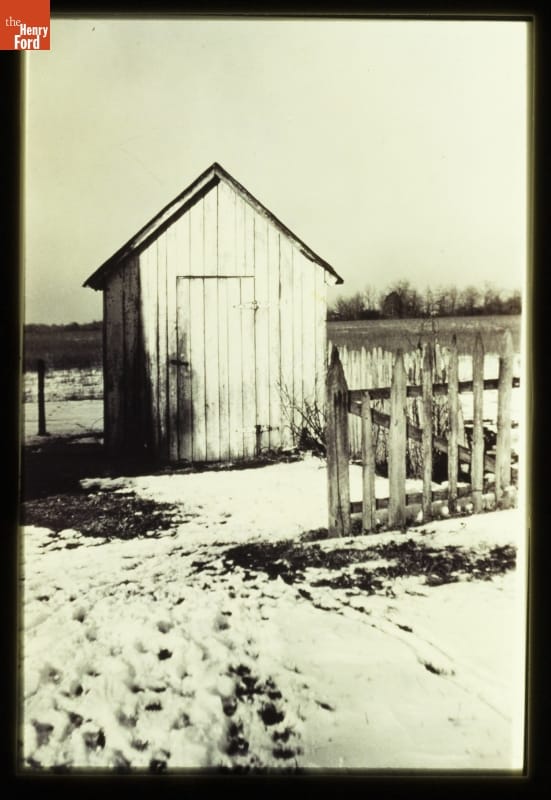
- Susquehanna Plantation Original Site, St. Mary's County, Maryland, 1942 -
- 1942
- Collections - Artifact
Susquehanna Plantation Original Site, St. Mary's County, Maryland, 1942