
Search
- Fife, 1830-1850 - Samuel Graves Jr. began manufacturing musical instruments in New England in the 1820s. Factory workers used lathes to shape the wood, metal, and ivory components of the woodwind instruments that were his company's mainstay in its early years. Instruments such as fifes, flutes, piccolos, and clarinets were the foundation of military and local bands before newly invented key and valve brass instrument became popular.
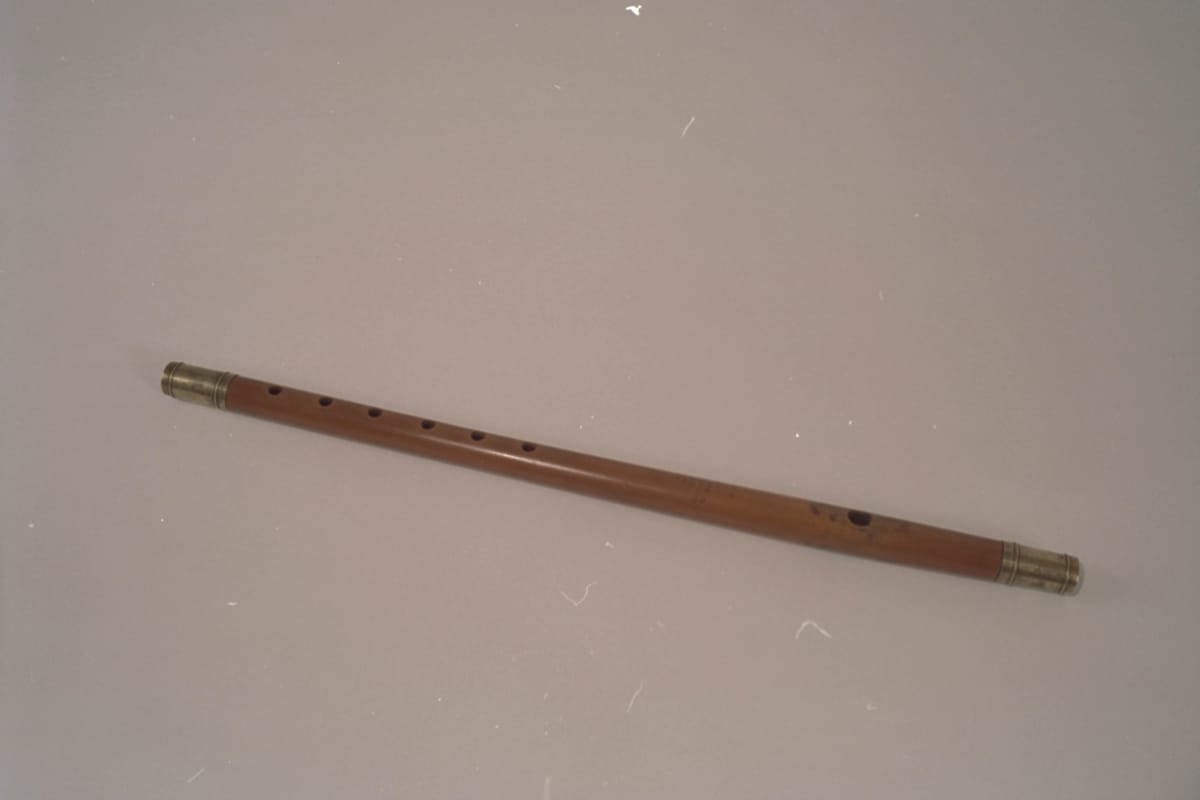
- 1830-1850
- Collections - Artifact
Fife, 1830-1850
Samuel Graves Jr. began manufacturing musical instruments in New England in the 1820s. Factory workers used lathes to shape the wood, metal, and ivory components of the woodwind instruments that were his company's mainstay in its early years. Instruments such as fifes, flutes, piccolos, and clarinets were the foundation of military and local bands before newly invented key and valve brass instrument became popular.
- Clarinet, circa 1840 - Samuel Graves Jr. began manufacturing musical instruments in New England in the 1820s. Factory workers used lathes to shape the wood, metal, and ivory components of the woodwind instruments that were his company's mainstay in its early years. Instruments such as fifes, flutes, piccolos, and clarinets were the foundation of military and local bands before newly invented key and valve brass instrument became popular.
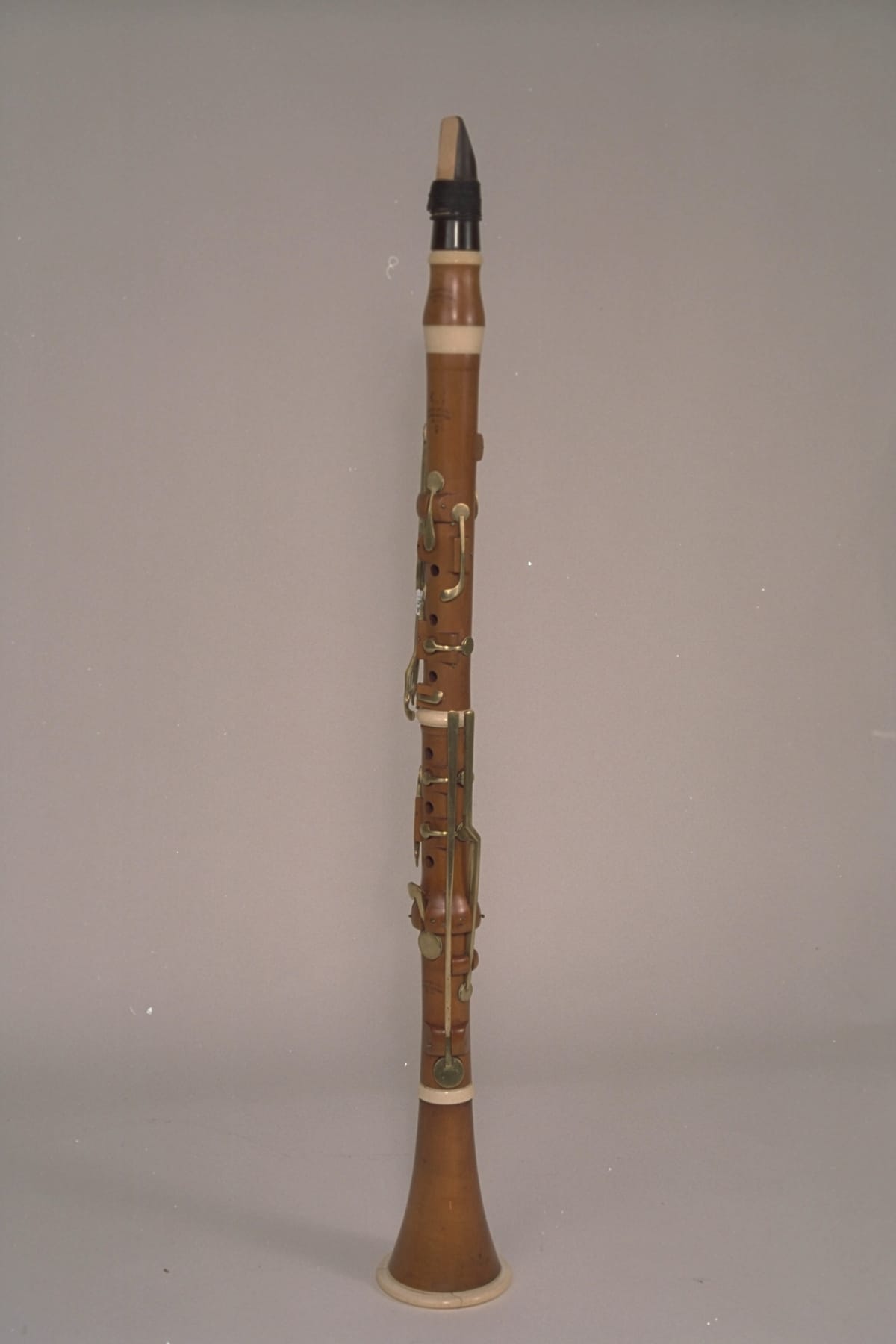
- circa 1840
- Collections - Artifact
Clarinet, circa 1840
Samuel Graves Jr. began manufacturing musical instruments in New England in the 1820s. Factory workers used lathes to shape the wood, metal, and ivory components of the woodwind instruments that were his company's mainstay in its early years. Instruments such as fifes, flutes, piccolos, and clarinets were the foundation of military and local bands before newly invented key and valve brass instrument became popular.
- Bassoon, circa 1790 - Bassoons were commonly used in village bands of the late 18th and early 19th century, along with other wind instruments. Some early American churches might use a bassoon to provide a bass line to keep the congregation on pitch when singing hymns, when an organ was beyond their means. This N. Curtiss bassoon may be the earliest surviving American-made bassoon.
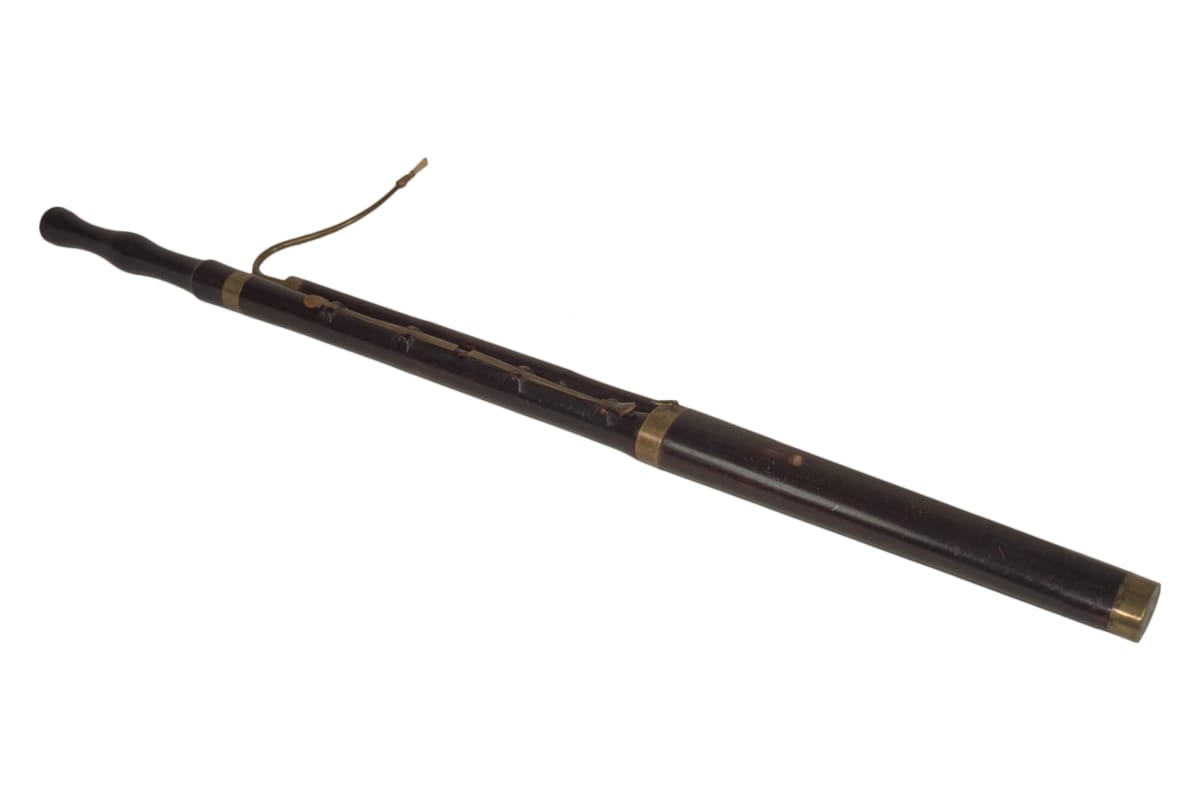
- circa 1790
- Collections - Artifact
Bassoon, circa 1790
Bassoons were commonly used in village bands of the late 18th and early 19th century, along with other wind instruments. Some early American churches might use a bassoon to provide a bass line to keep the congregation on pitch when singing hymns, when an organ was beyond their means. This N. Curtiss bassoon may be the earliest surviving American-made bassoon.
- Flute, 1837-1840 -
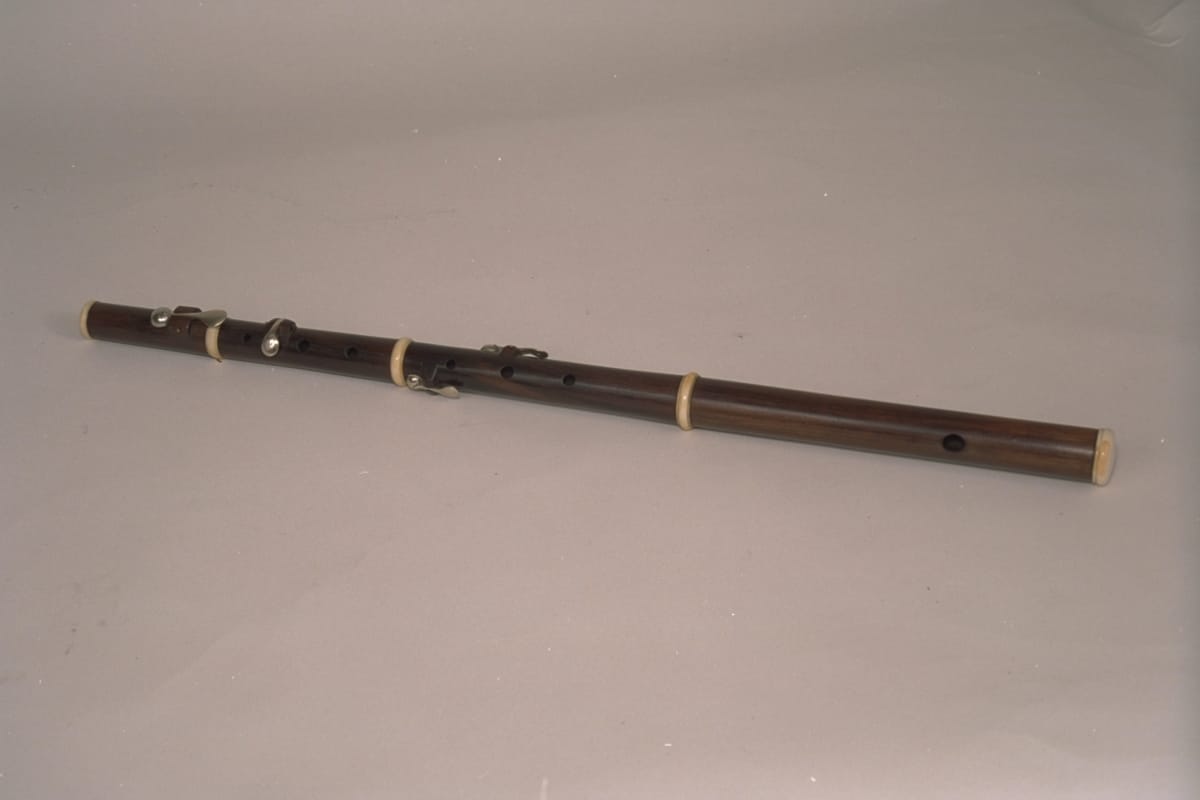
- 1837-1840
- Collections - Artifact
Flute, 1837-1840
- Flageolet, 1839-1853 -
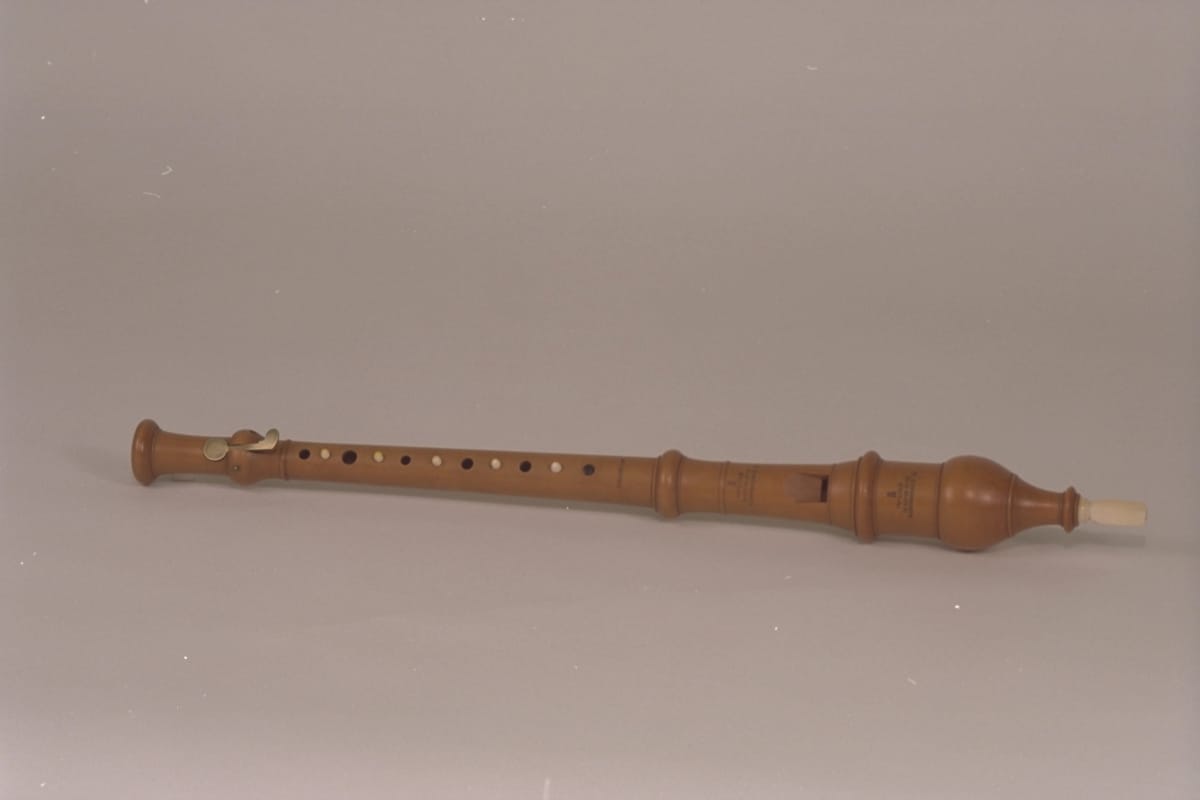
- 1839-1853
- Collections - Artifact
Flageolet, 1839-1853
- Oboe, circa 1812 -
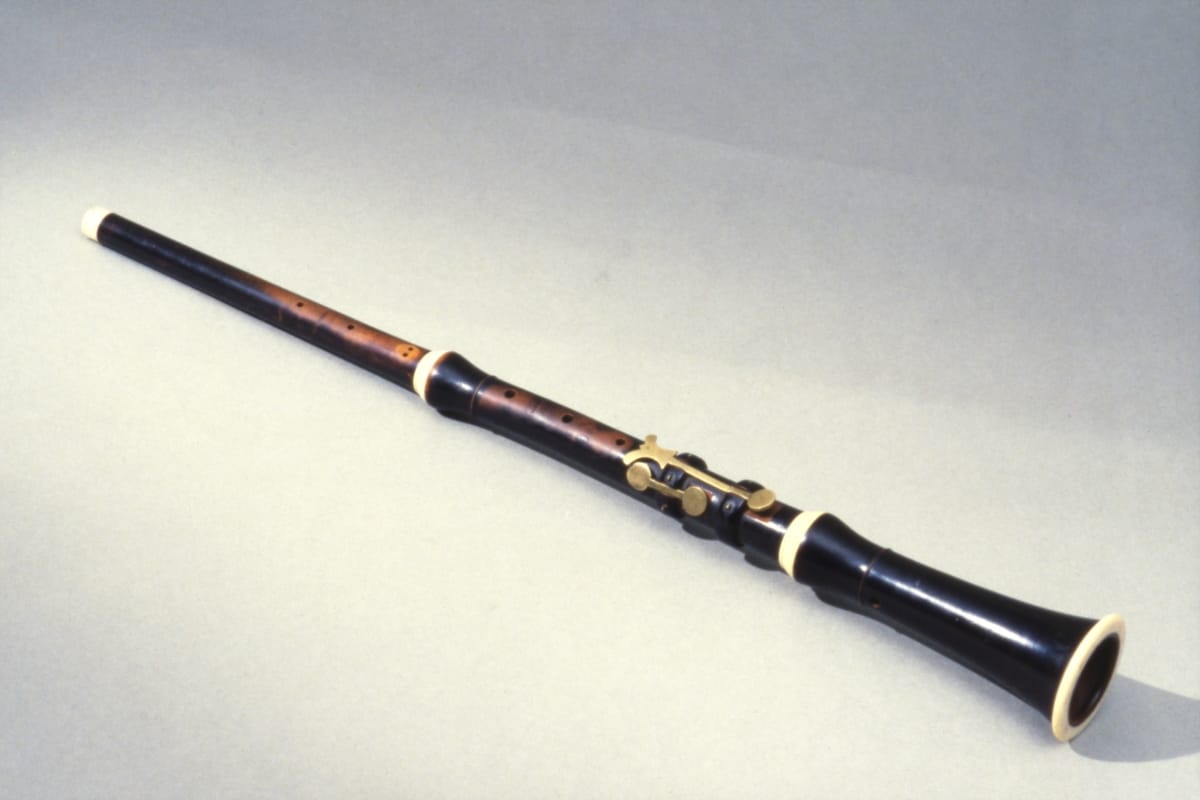
- circa 1812
- Collections - Artifact
Oboe, circa 1812
- Keyed Serpent, circa 1840 - This unusual woodwind instrument, called a keyed serpent, was used as a bass "voice" in some American military bands during the early 19th century. Its curved design allowed it to be portable. If straightened, a serpent would have been eight feet long.
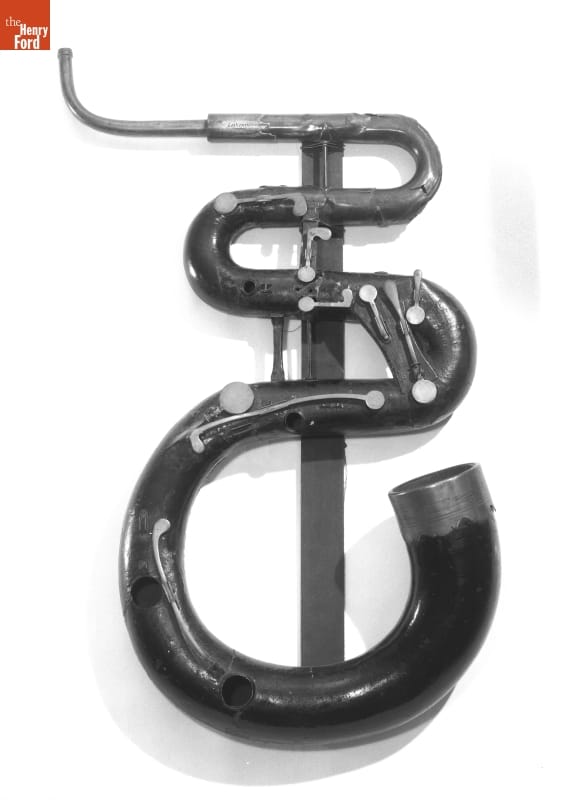
- circa 1840
- Collections - Artifact
Keyed Serpent, circa 1840
This unusual woodwind instrument, called a keyed serpent, was used as a bass "voice" in some American military bands during the early 19th century. Its curved design allowed it to be portable. If straightened, a serpent would have been eight feet long.
- Flute, 1886-1890 -
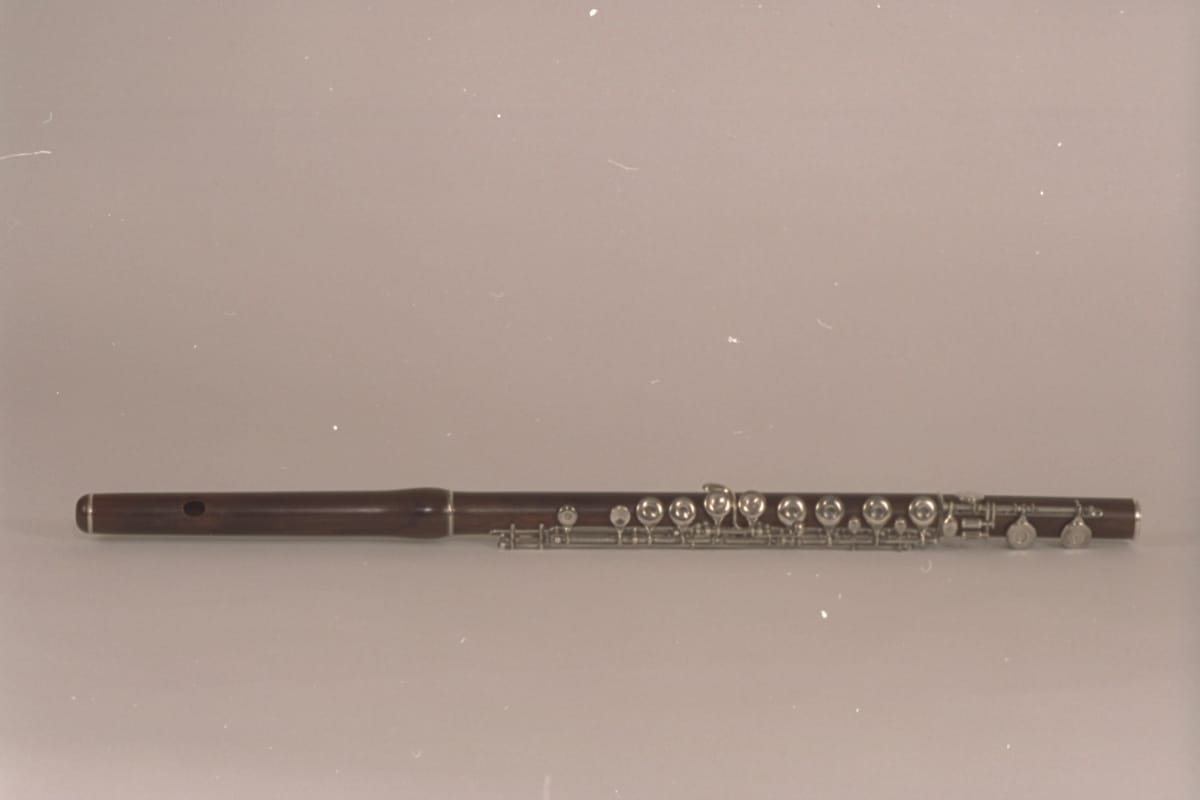
- 1886-1890
- Collections - Artifact
Flute, 1886-1890
- Flute, 1812 -
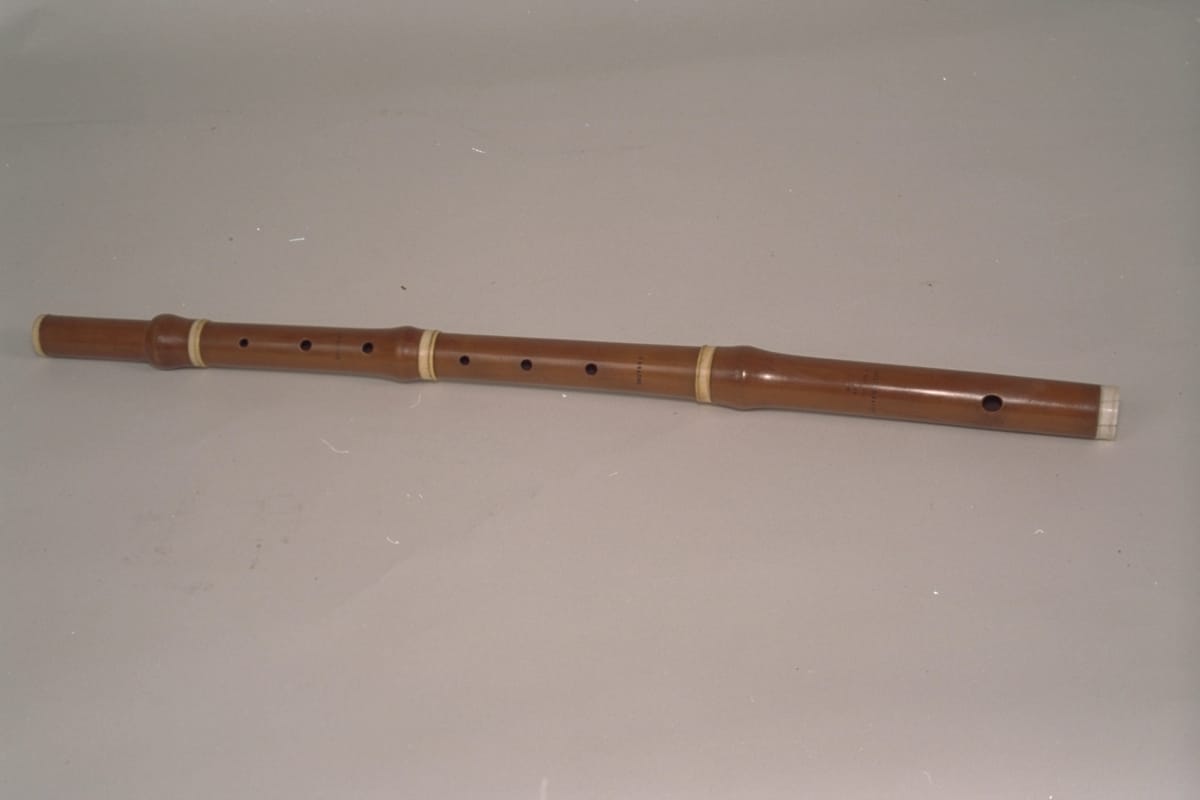
- 1812
- Collections - Artifact
Flute, 1812
- English Style Serpent, circa 1800 -
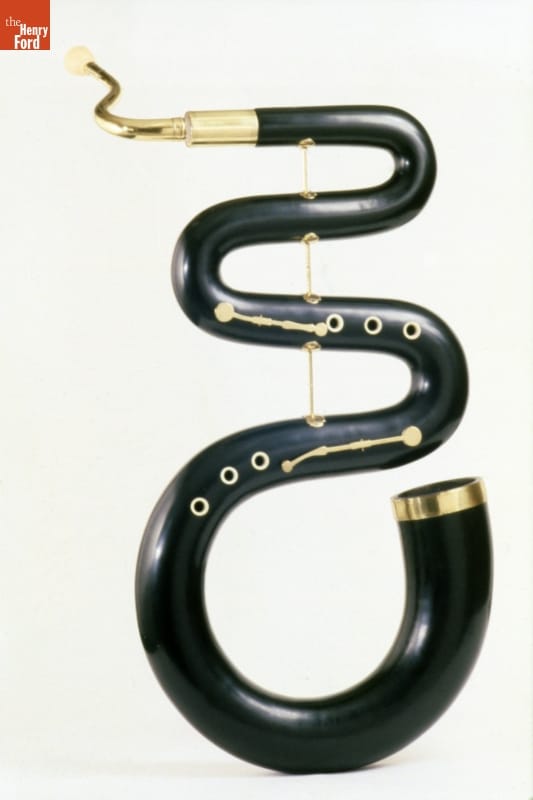
- circa 1800
- Collections - Artifact
English Style Serpent, circa 1800