
Search
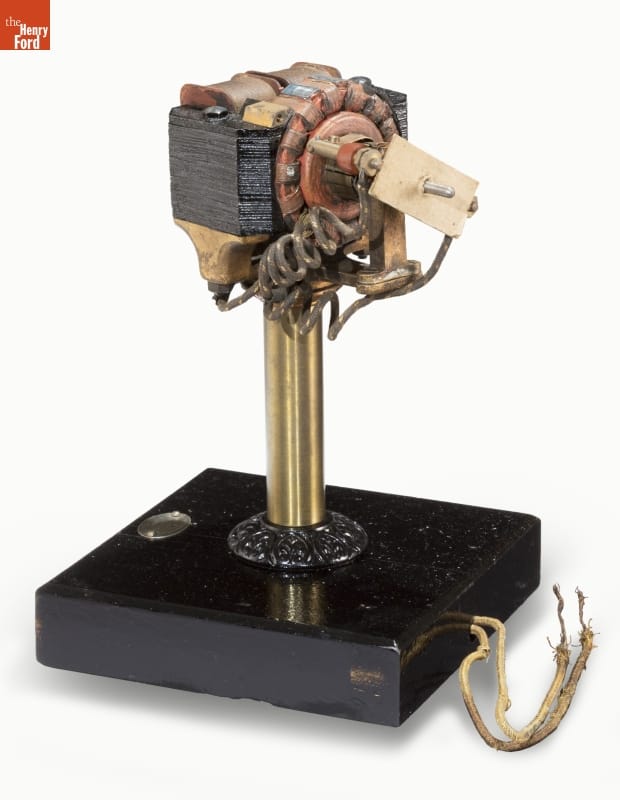
- Westinghouse Electric Fan Motor, circa 1890 - Companies began producing small electric motors in the late 1800s to power household appliances like electric fans. The first fans, driven by direct current motors, were bulky and potentially dangerous due to exposed electrical components and blades. Advancements in motor technology--specifically the reliable, compact alternating current motor--and inexpensive electrical power made fans available to a growing number of Americans.
- circa 1890
- Collections - Artifact
Westinghouse Electric Fan Motor, circa 1890
Companies began producing small electric motors in the late 1800s to power household appliances like electric fans. The first fans, driven by direct current motors, were bulky and potentially dangerous due to exposed electrical components and blades. Advancements in motor technology--specifically the reliable, compact alternating current motor--and inexpensive electrical power made fans available to a growing number of Americans.
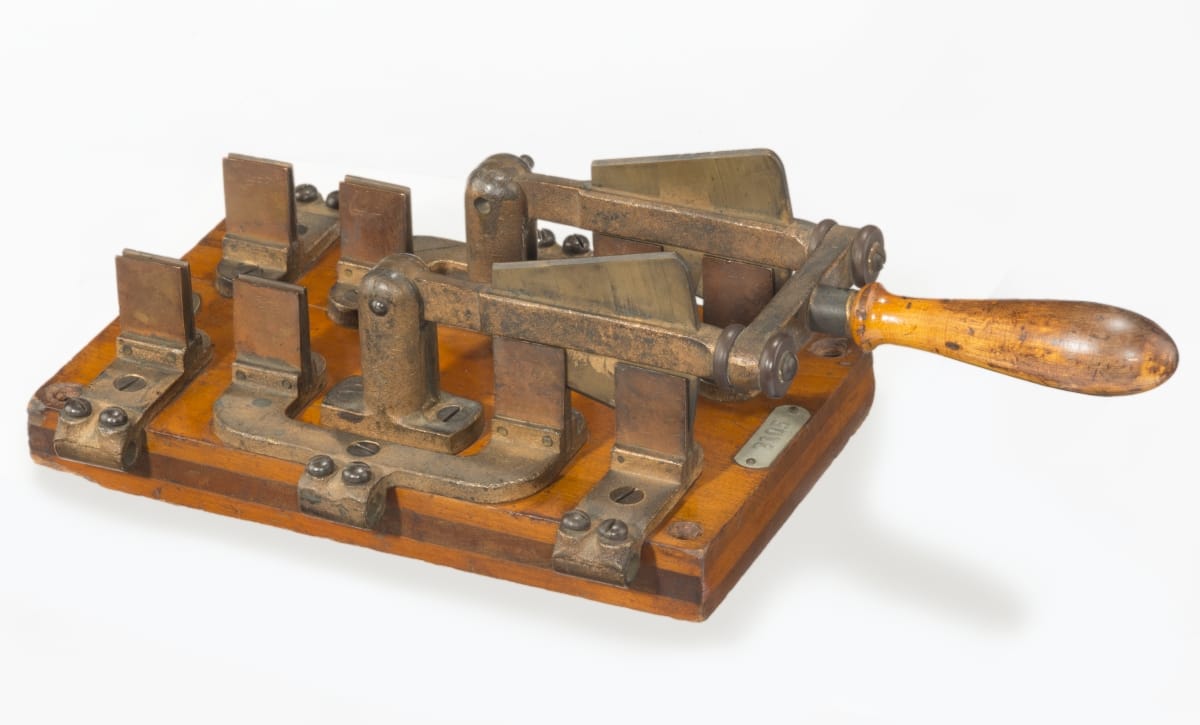
- Westinghouse Knife Switch, 1920-1930 - Switches open or close an electrical circuit to turn things off or on. In the late 1800s and early 1900s, knife switches were commonly found in engine or generating rooms, connected to factory motors, or mounted on a building's power and lighting switchboard. Operators pushed the hinged, metal blades into the switch's jaws to send electricity to where it was needed.
- 1920-1930
- Collections - Artifact
Westinghouse Knife Switch, 1920-1930
Switches open or close an electrical circuit to turn things off or on. In the late 1800s and early 1900s, knife switches were commonly found in engine or generating rooms, connected to factory motors, or mounted on a building's power and lighting switchboard. Operators pushed the hinged, metal blades into the switch's jaws to send electricity to where it was needed.
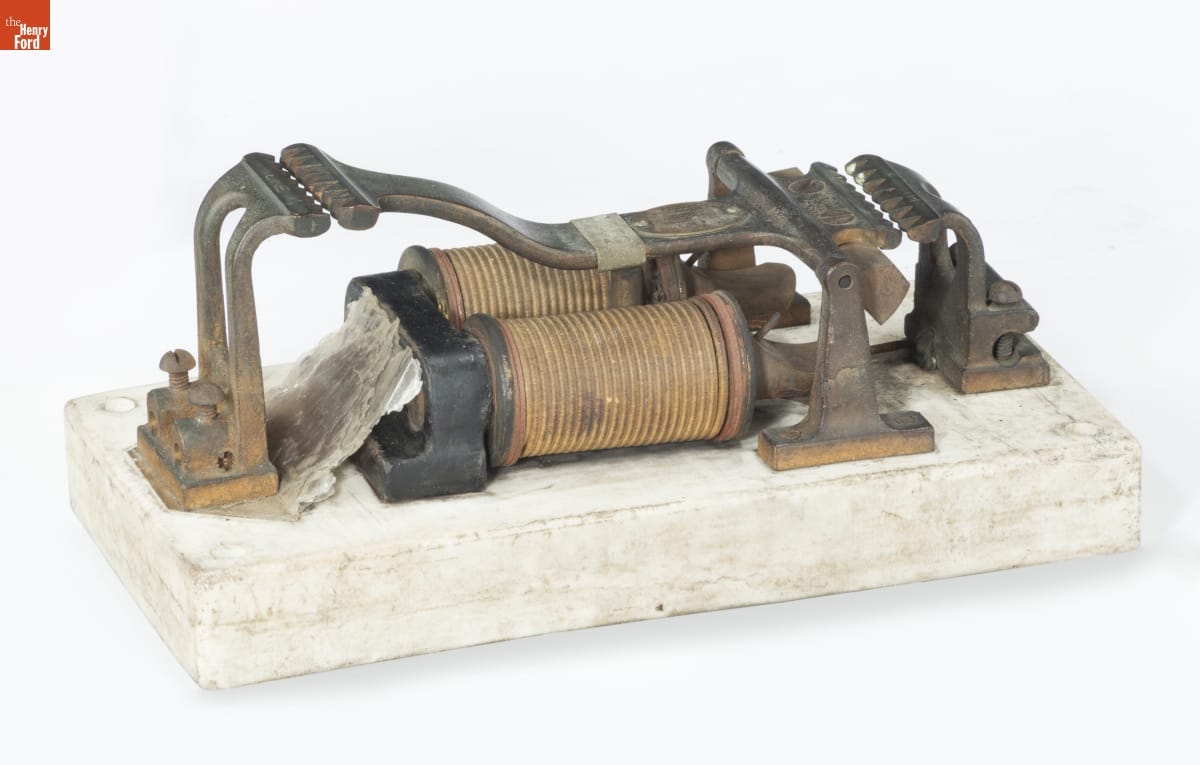
- Lightning Arrester - In the late 1800s, companies began producing electricity to light cities, run streetcars, and power factories, homes and offices. A potential danger to this power system and its apparatus was lightning and other large discharges of electricity. A lightning arrester diverts the surges and protects valuable equipment from damage.
- Collections - Artifact
Lightning Arrester
In the late 1800s, companies began producing electricity to light cities, run streetcars, and power factories, homes and offices. A potential danger to this power system and its apparatus was lightning and other large discharges of electricity. A lightning arrester diverts the surges and protects valuable equipment from damage.
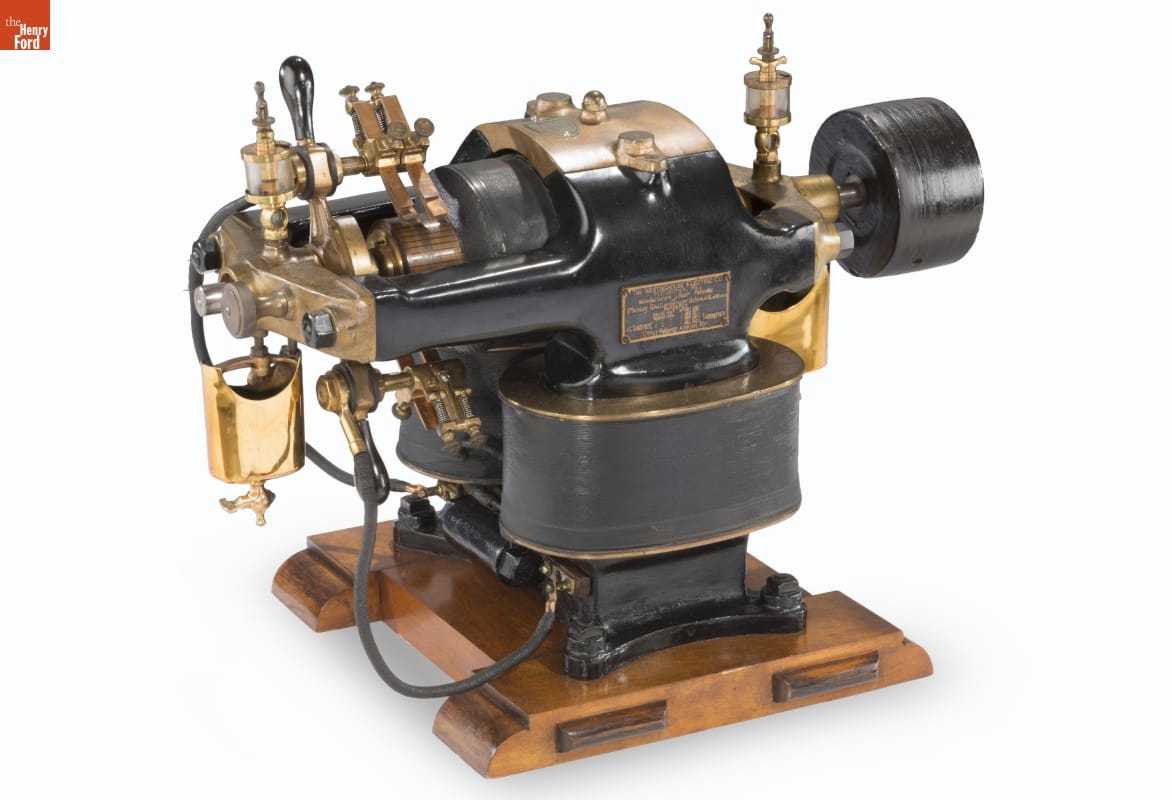
- Westinghouse Exciter, circa 1888 -
- circa 1888
- Collections - Artifact
Westinghouse Exciter, circa 1888
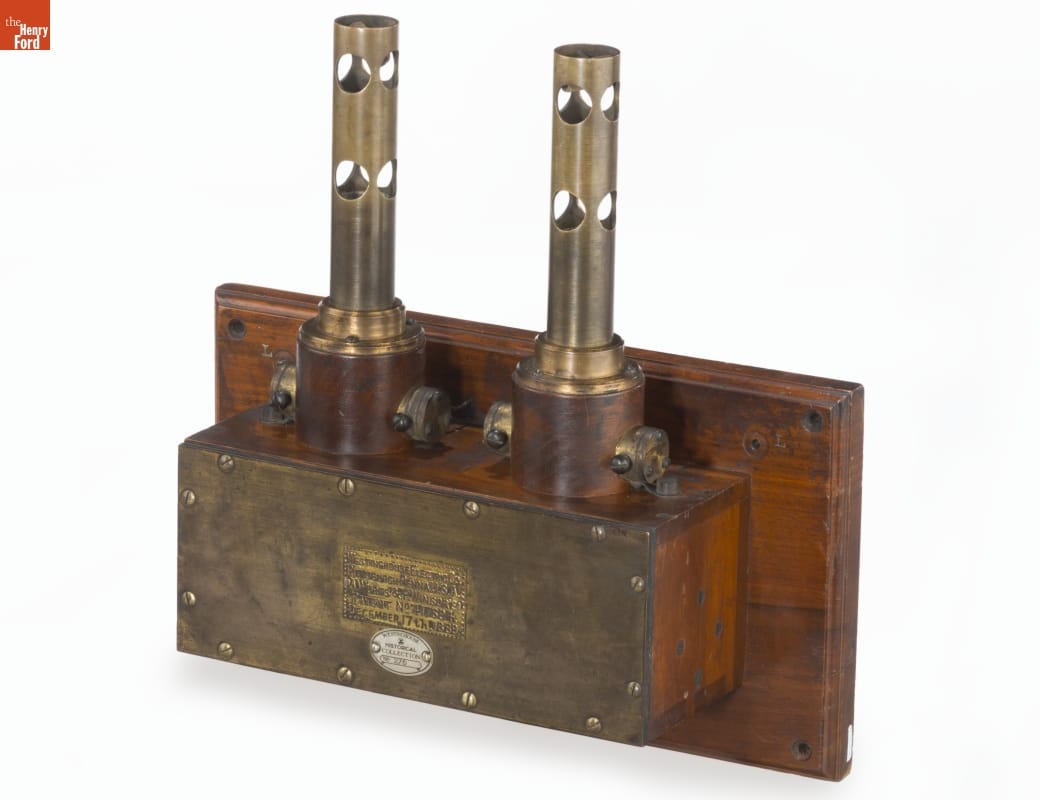
- Westinghouse Lightning Arrester, 1889-1891 - Lightning and other large surges of electricity can damage power systems and electrical apparatus. A lightning arrester diverts these surges and protects equipment. This lightning arrester made by Westinghouse Electric Company was patterned after one patented by Paul Winsor and Alexander Wurts in 1889. Wurts was one of the leaders in lightning arrester development.
- 1889-1891
- Collections - Artifact
Westinghouse Lightning Arrester, 1889-1891
Lightning and other large surges of electricity can damage power systems and electrical apparatus. A lightning arrester diverts these surges and protects equipment. This lightning arrester made by Westinghouse Electric Company was patterned after one patented by Paul Winsor and Alexander Wurts in 1889. Wurts was one of the leaders in lightning arrester development.
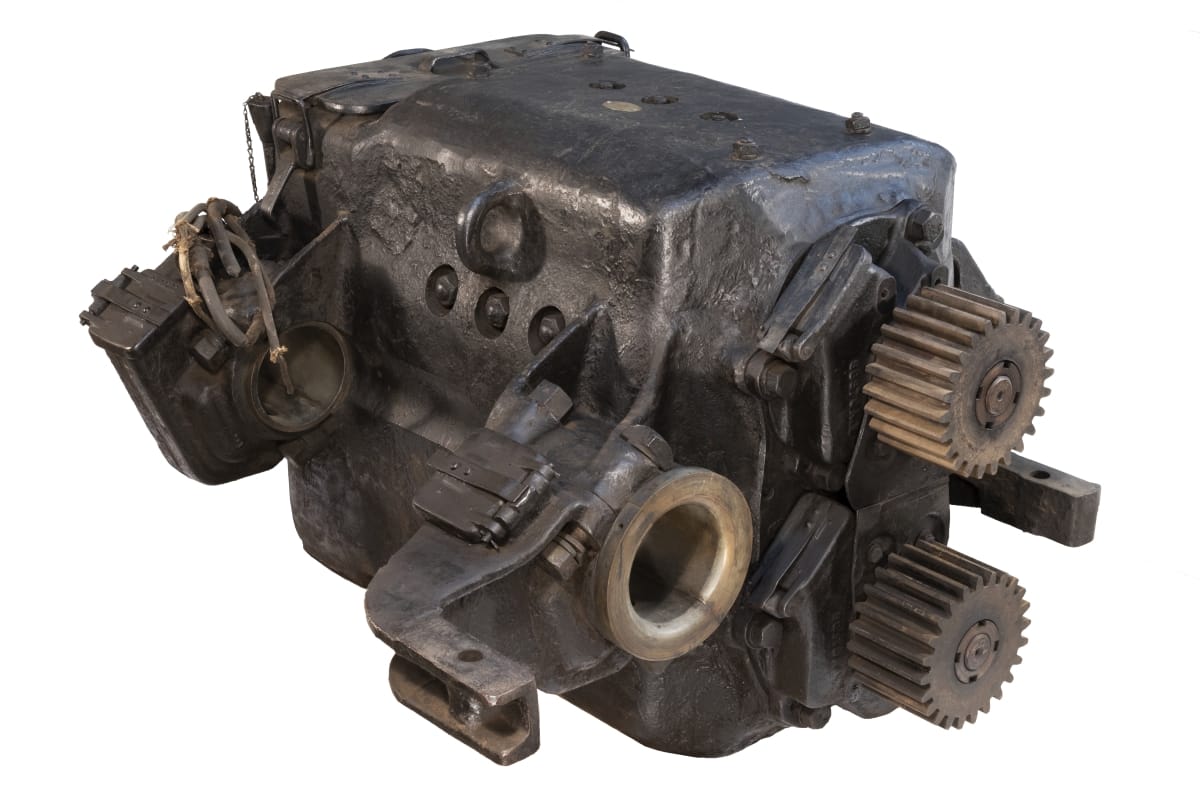
- Westinghouse Railway Motor, 1912 - From about 1900 to 1925, interurban railways connected large cities and small towns with self-propelled railcars running on frequent schedules. Most operated using direct-current electric motors that drew power from overhead lines. Westinghouse built this DC motor to test high-voltage systems on a segment of the Michigan United Railways between Jackson and Grass Lake.
- 1912
- Collections - Artifact
Westinghouse Railway Motor, 1912
From about 1900 to 1925, interurban railways connected large cities and small towns with self-propelled railcars running on frequent schedules. Most operated using direct-current electric motors that drew power from overhead lines. Westinghouse built this DC motor to test high-voltage systems on a segment of the Michigan United Railways between Jackson and Grass Lake.