
Search
- Wright Home and Cycle Shop in Greenfield Village, 1944 - Henry Ford acquired the Wright brothers' home and cycle shop in 1936. He then relocated the buildings from Dayton, Ohio, to his Dearborn, Michigan, museum complex. Ford placed the structures right next to each other in Greenfield Village. In Dayton, the buildings had been located a few blocks apart.
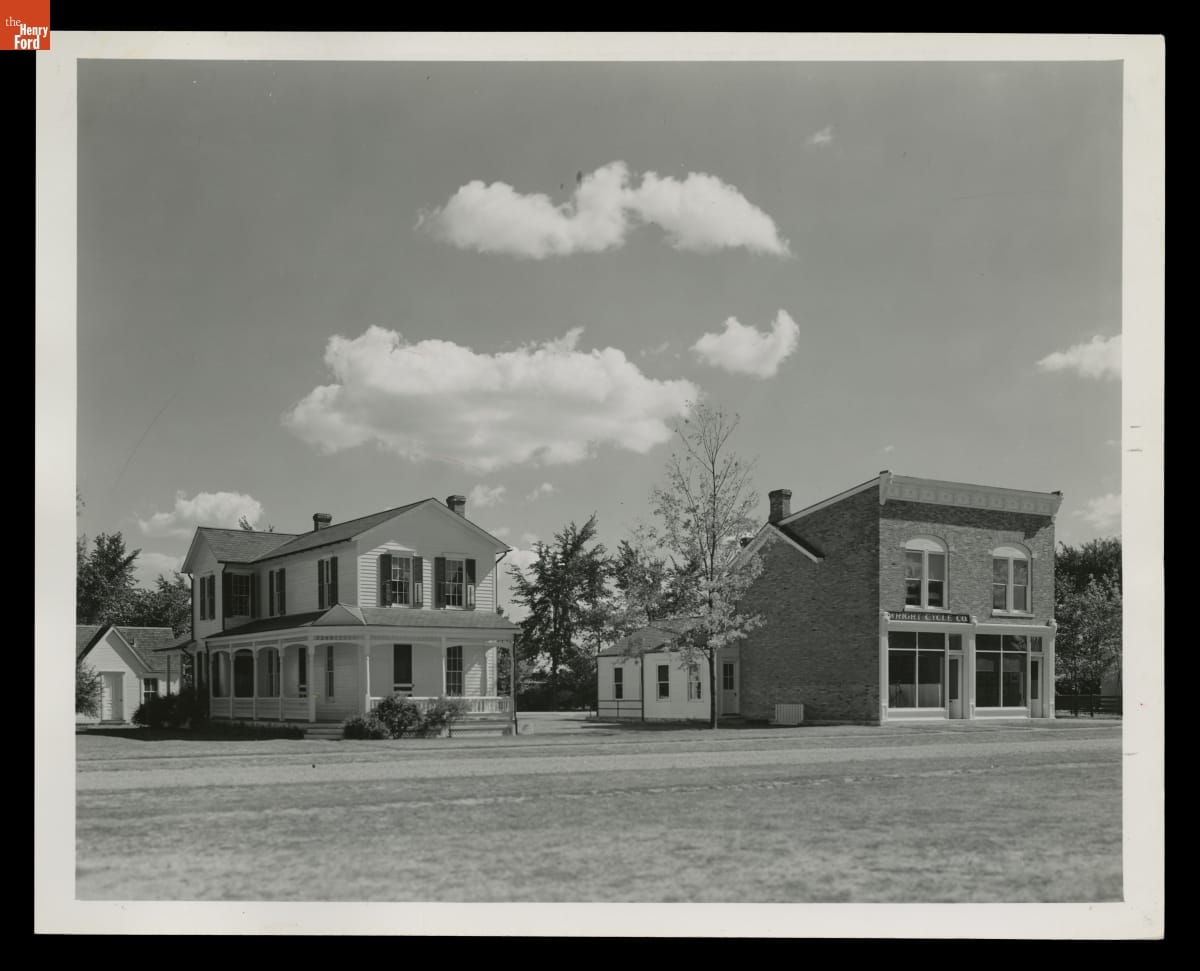
- August 24, 1944
- Collections - Artifact
Wright Home and Cycle Shop in Greenfield Village, 1944
Henry Ford acquired the Wright brothers' home and cycle shop in 1936. He then relocated the buildings from Dayton, Ohio, to his Dearborn, Michigan, museum complex. Ford placed the structures right next to each other in Greenfield Village. In Dayton, the buildings had been located a few blocks apart.
- Band Saw, Used by the Wright Brothers, circa 1899 - The Wright brothers' bicycle shop contained several large power tools primarily used for making and repairing bikes. Some were also used to build their early gliders and airplanes. The shop building did not have electricity, so the Putnam lathe, Crescent band saw and Barnes drill press were powered by overhead belts and shafts connected to a single-cylinder gas engine.
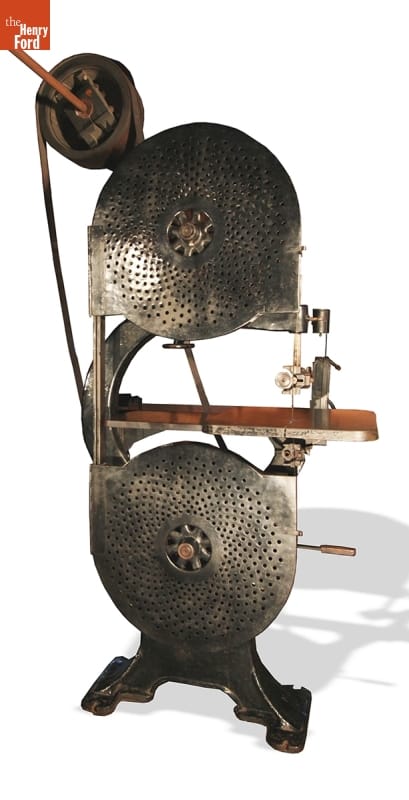
- circa 1899
- Collections - Artifact
Band Saw, Used by the Wright Brothers, circa 1899
The Wright brothers' bicycle shop contained several large power tools primarily used for making and repairing bikes. Some were also used to build their early gliders and airplanes. The shop building did not have electricity, so the Putnam lathe, Crescent band saw and Barnes drill press were powered by overhead belts and shafts connected to a single-cylinder gas engine.
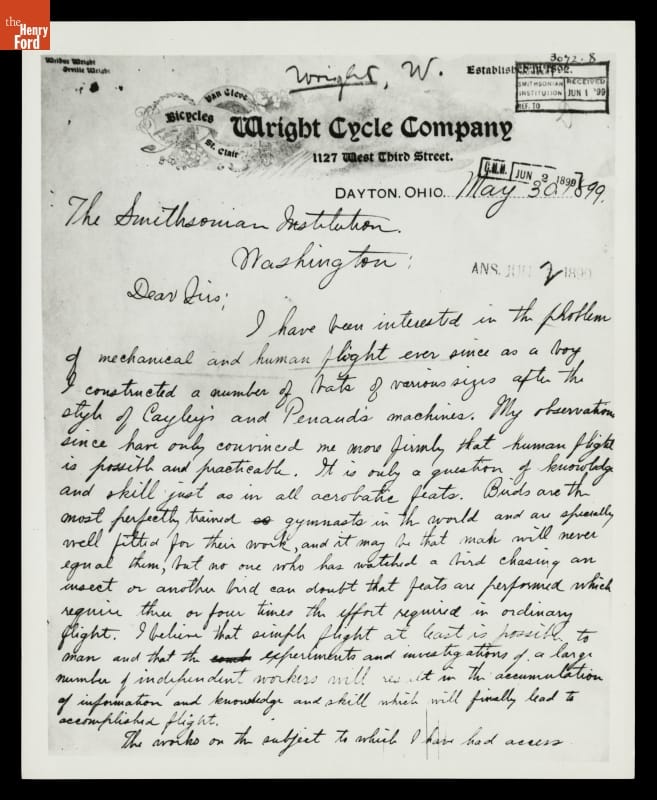
- First Page of a Letter From Wilbur Wright to the Smithsonian Institution, May 30, 1899 - On May 30, 1899, Wilbur Wright wrote to the Smithsonian Institution for recommended readings on the problem of human flight. Wright noted that he was "not a crank" but genuinely interested. That simple letter, and the response he received, set Wilbur and his brother Orville on an inventive journey that led to their first flight at Kill Devil Hills in 1903.
- May 30, 1899
- Collections - Artifact
First Page of a Letter From Wilbur Wright to the Smithsonian Institution, May 30, 1899
On May 30, 1899, Wilbur Wright wrote to the Smithsonian Institution for recommended readings on the problem of human flight. Wright noted that he was "not a crank" but genuinely interested. That simple letter, and the response he received, set Wilbur and his brother Orville on an inventive journey that led to their first flight at Kill Devil Hills in 1903.
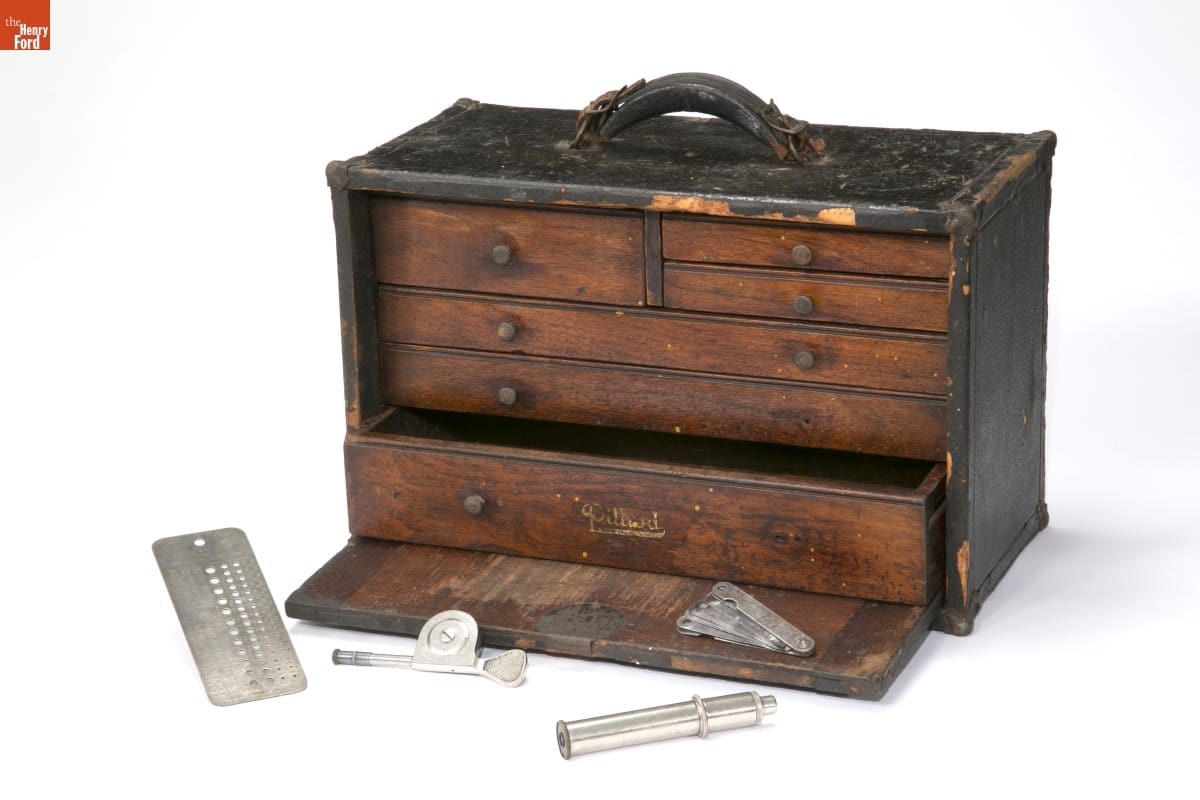
- Tool Chest Belonging to Charles E. Taylor, 1900-1930 - In 1901, as aviation experiments consumed more of their time and attention, Wilbur and Orville Wright hired mechanic Charles Taylor to manage their bicycle shop. Two years later, Taylor built the four-cylinder engine that powered the 1903 Wright Flyer on its pioneering flight at Kill Devil Hills.
- 1900-1930
- Collections - Artifact
Tool Chest Belonging to Charles E. Taylor, 1900-1930
In 1901, as aviation experiments consumed more of their time and attention, Wilbur and Orville Wright hired mechanic Charles Taylor to manage their bicycle shop. Two years later, Taylor built the four-cylinder engine that powered the 1903 Wright Flyer on its pioneering flight at Kill Devil Hills.
- Wright Cycle Shop, Dayton, Ohio, 1910-1911 - Wilbur and Orville Wright operated their bicycle business in this building, at 1127 West Third Street in Dayton, Ohio, from 1897 to 1908. They formed the Wright Company to manufacture airplanes in 1909 and settled into a new factory. But the Wrights continued to lease the West Third shop until 1916, using it for office space and experimental work.
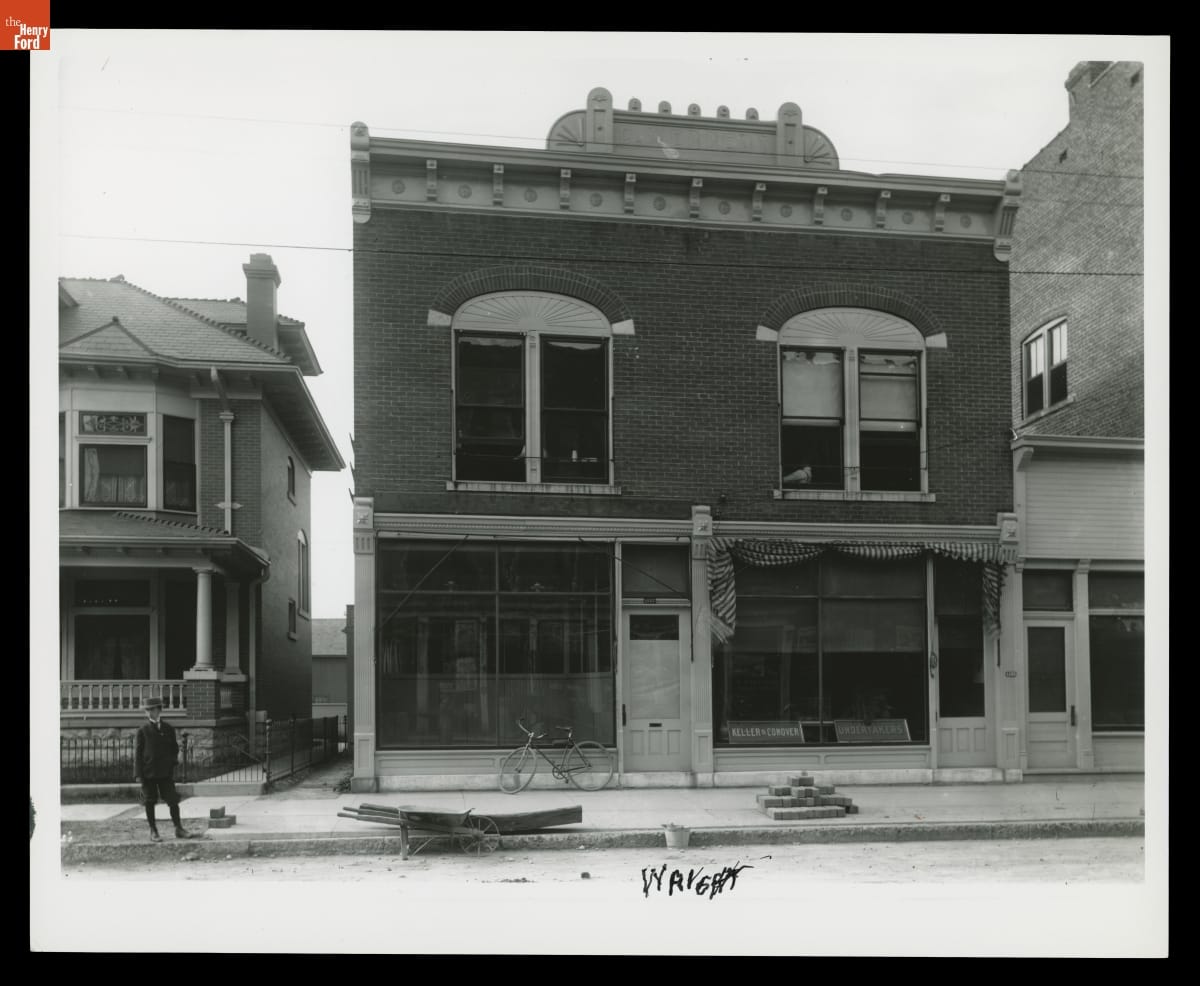
- 1910-1911
- Collections - Artifact
Wright Cycle Shop, Dayton, Ohio, 1910-1911
Wilbur and Orville Wright operated their bicycle business in this building, at 1127 West Third Street in Dayton, Ohio, from 1897 to 1908. They formed the Wright Company to manufacture airplanes in 1909 and settled into a new factory. But the Wrights continued to lease the West Third shop until 1916, using it for office space and experimental work.
- Wright Cycle Shop in Greenfield Village, October 1985 -
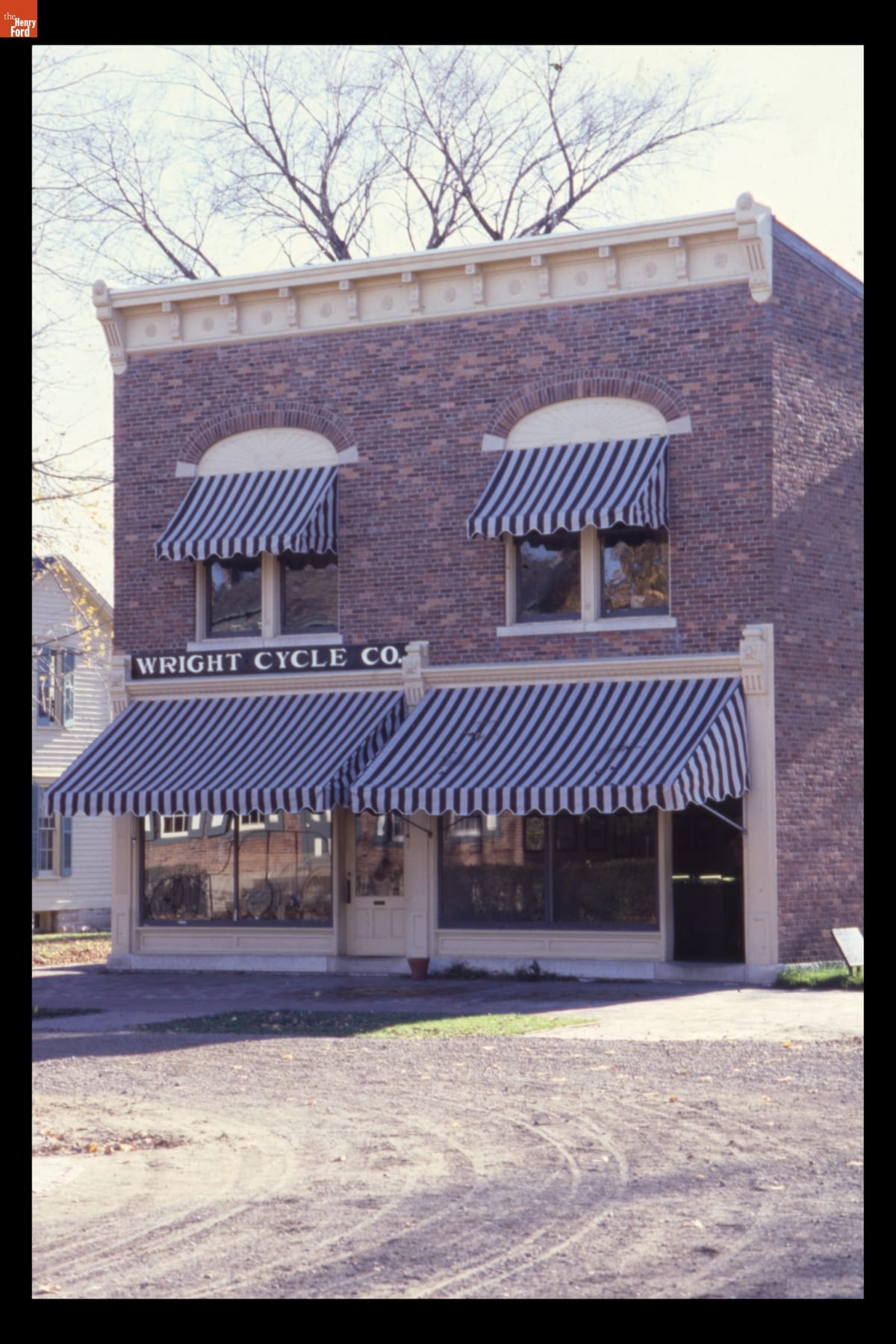
- October 01, 1985
- Collections - Artifact
Wright Cycle Shop in Greenfield Village, October 1985
- Wright Cycle Shop in Dayton, Ohio, circa 1910 - Before moving the Wright Cycle Shop from Dayton, Ohio, to Greenfield Village in November 1936, Henry Ford's agents collected old images and took detailed photographs of the building. These photos helped the team reassemble the structure in Dearborn, Michigan. Orville Wright and Charlie Taylor, the mechanic who built the engine for the 1903 Flyer, also assisted to ensure the reconstruction's accuracy.
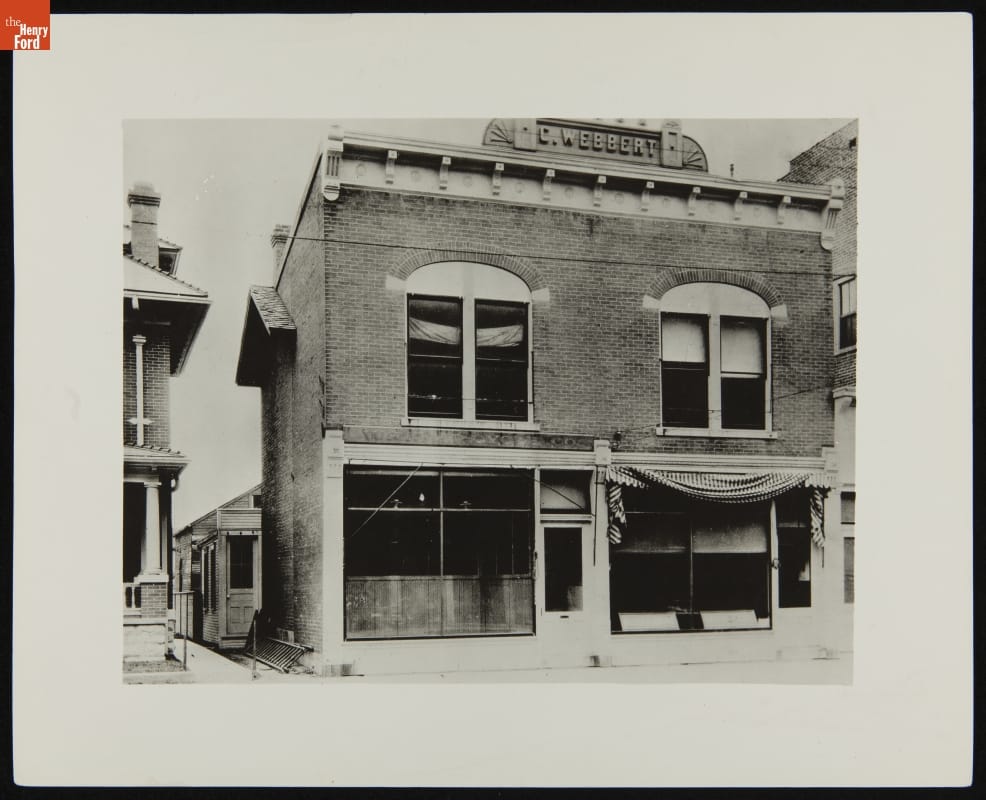
- circa 1910
- Collections - Artifact
Wright Cycle Shop in Dayton, Ohio, circa 1910
Before moving the Wright Cycle Shop from Dayton, Ohio, to Greenfield Village in November 1936, Henry Ford's agents collected old images and took detailed photographs of the building. These photos helped the team reassemble the structure in Dearborn, Michigan. Orville Wright and Charlie Taylor, the mechanic who built the engine for the 1903 Flyer, also assisted to ensure the reconstruction's accuracy.
- Lathe, Used by the Wright Brothers, circa 1895 - The Wright brothers' bicycle shop contained several large power tools primarily used for making and repairing bikes. Some were also used to build their early gliders and airplanes. The shop building did not have electricity, so the Putnam lathe, Crescent band saw and Barnes drill press were powered by overhead belts and shafts connected to a single-cylinder gas engine.
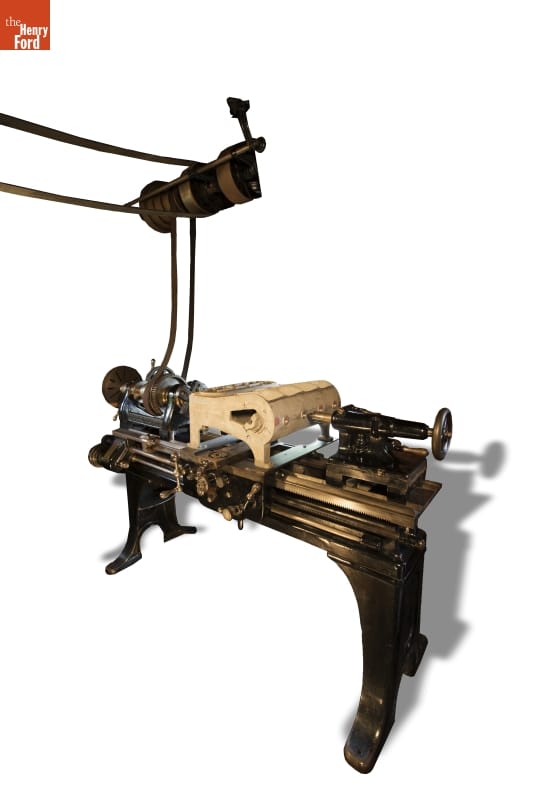
- circa 1895
- Collections - Artifact
Lathe, Used by the Wright Brothers, circa 1895
The Wright brothers' bicycle shop contained several large power tools primarily used for making and repairing bikes. Some were also used to build their early gliders and airplanes. The shop building did not have electricity, so the Putnam lathe, Crescent band saw and Barnes drill press were powered by overhead belts and shafts connected to a single-cylinder gas engine.
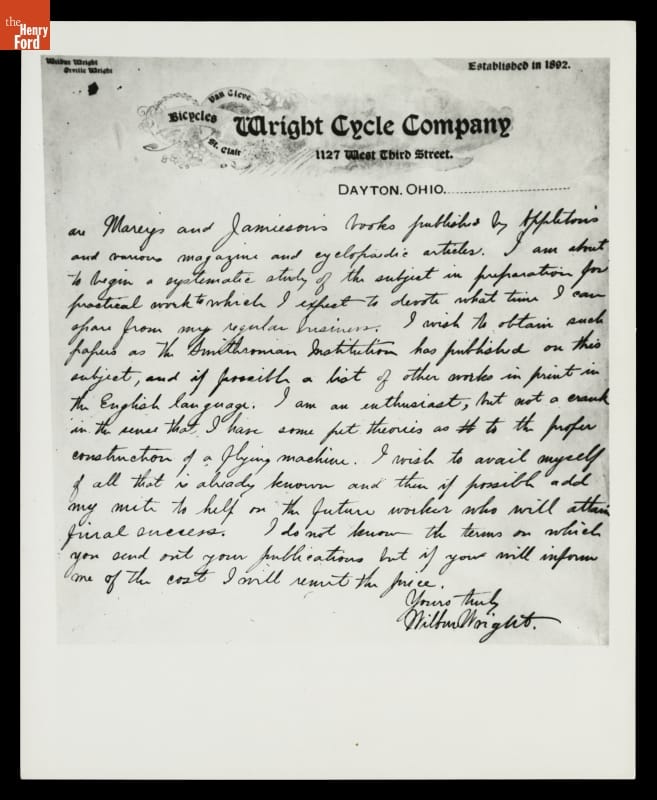
- Second Page of a Letter From Wilbur Wright to the Smithsonian Institution, May 30, 1899 - On May 30, 1899, Wilbur Wright wrote to the Smithsonian Institution for recommended readings on the problem of human flight. Wright noted that he was "not a crank" but genuinely interested. That simple letter, and the response he received, set Wilbur and his brother Orville on an inventive journey that led to their first flight at Kill Devil Hills in 1903.
- May 30, 1899
- Collections - Artifact
Second Page of a Letter From Wilbur Wright to the Smithsonian Institution, May 30, 1899
On May 30, 1899, Wilbur Wright wrote to the Smithsonian Institution for recommended readings on the problem of human flight. Wright noted that he was "not a crank" but genuinely interested. That simple letter, and the response he received, set Wilbur and his brother Orville on an inventive journey that led to their first flight at Kill Devil Hills in 1903.
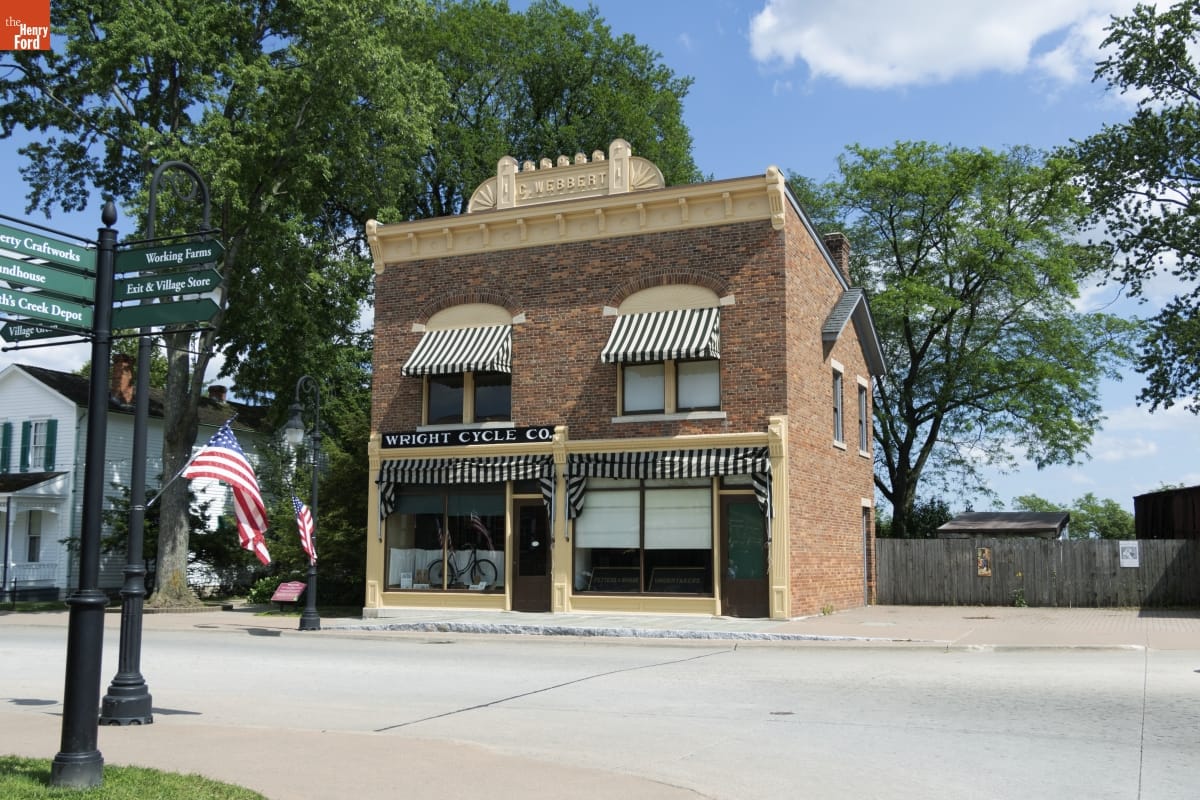
- Wright Cycle Shop - Wilbur and Orville Wright operated their bicycle business in this building from 1897 to 1908 in Dayton, Ohio. The brothers sold and repaired bikes, and they even produced models under their own brands. It was also in this shop that the Wright brothers built their earliest flying machines, including the 1903 Flyer that became the first successful heavier-than-air, powered, controlled aircraft.
- circa 1903
- Collections - Artifact
Wright Cycle Shop
Wilbur and Orville Wright operated their bicycle business in this building from 1897 to 1908 in Dayton, Ohio. The brothers sold and repaired bikes, and they even produced models under their own brands. It was also in this shop that the Wright brothers built their earliest flying machines, including the 1903 Flyer that became the first successful heavier-than-air, powered, controlled aircraft.