
Search
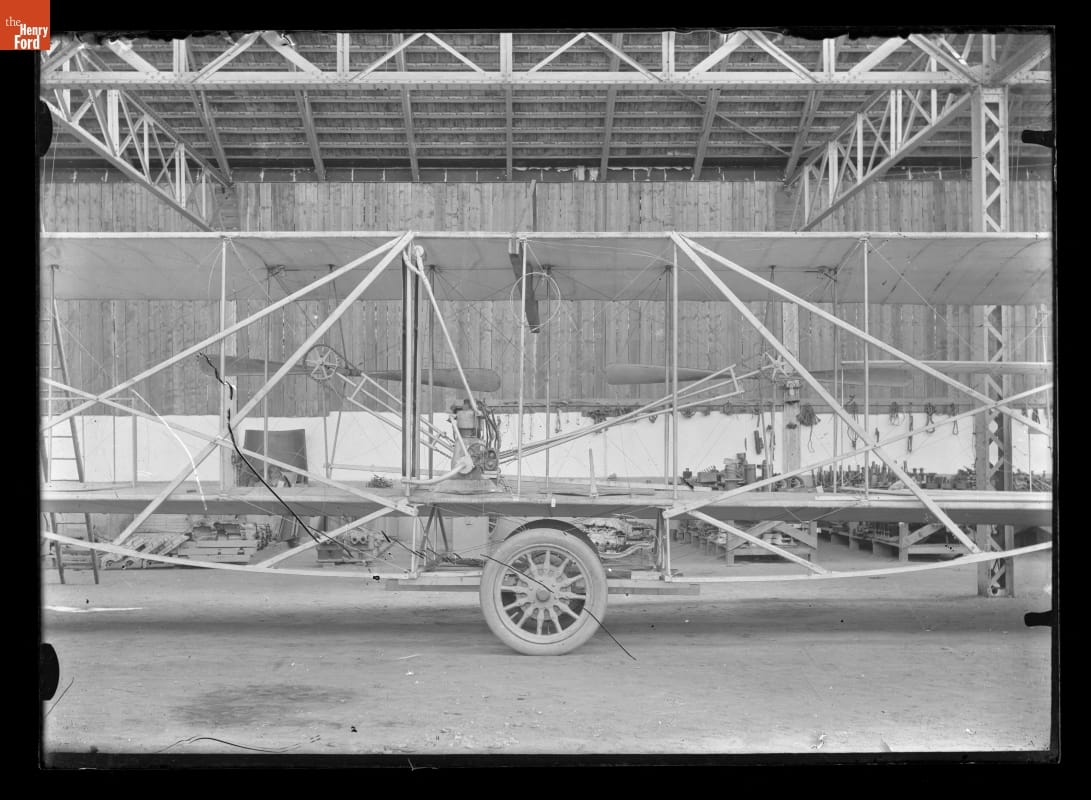
- Wright Flyer on Carrier inside Bollee Automobile Factory, Le Mans, France, 1908 - Leon Bollee, a French automobile manufacturer, became one of the Wright brothers' most important friends in 1908 when he offered workspace and a crew of mechanics to Wilbur Wright during Wright's successful demonstration flights at Le Mans, France. The language barrier meant that Wright did most of the mechanical work on the airplane himself, but Bollee's assistance was much appreciated.
- August 01, 1908
- Collections - Artifact
Wright Flyer on Carrier inside Bollee Automobile Factory, Le Mans, France, 1908
Leon Bollee, a French automobile manufacturer, became one of the Wright brothers' most important friends in 1908 when he offered workspace and a crew of mechanics to Wilbur Wright during Wright's successful demonstration flights at Le Mans, France. The language barrier meant that Wright did most of the mechanical work on the airplane himself, but Bollee's assistance was much appreciated.
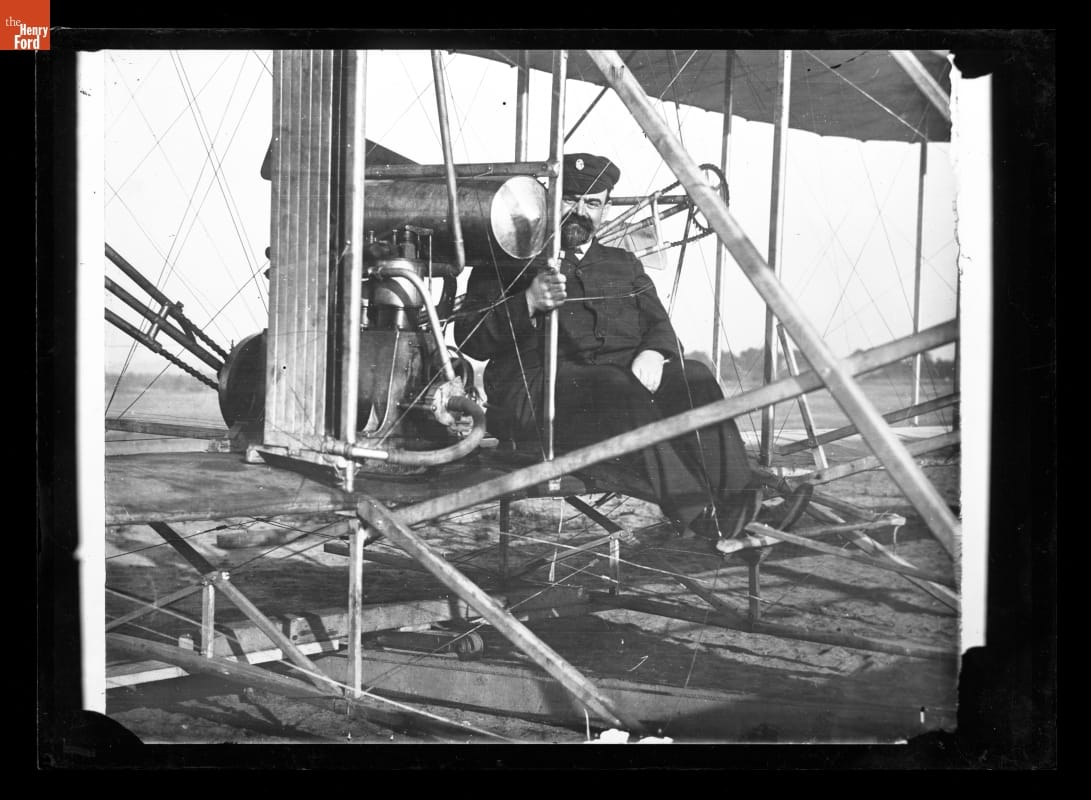
- Leon Bollee Sitting at the Controls of the Wright Flyer at Camp d'Auvours, near Le Mans, France, 1908-1909 - Leon Bollee was a close and important friend to Wilbur Wright during Wright's airplane demonstrations in France in 1908. Bollee offered Wright workspace and a crew of mechanics in his Le Mans automobile factory, and he asked for nothing in return. Nevertheless, Wright repaid the favor by taking Bollee up for a flight.
- 1908-1909
- Collections - Artifact
Leon Bollee Sitting at the Controls of the Wright Flyer at Camp d'Auvours, near Le Mans, France, 1908-1909
Leon Bollee was a close and important friend to Wilbur Wright during Wright's airplane demonstrations in France in 1908. Bollee offered Wright workspace and a crew of mechanics in his Le Mans automobile factory, and he asked for nothing in return. Nevertheless, Wright repaid the favor by taking Bollee up for a flight.
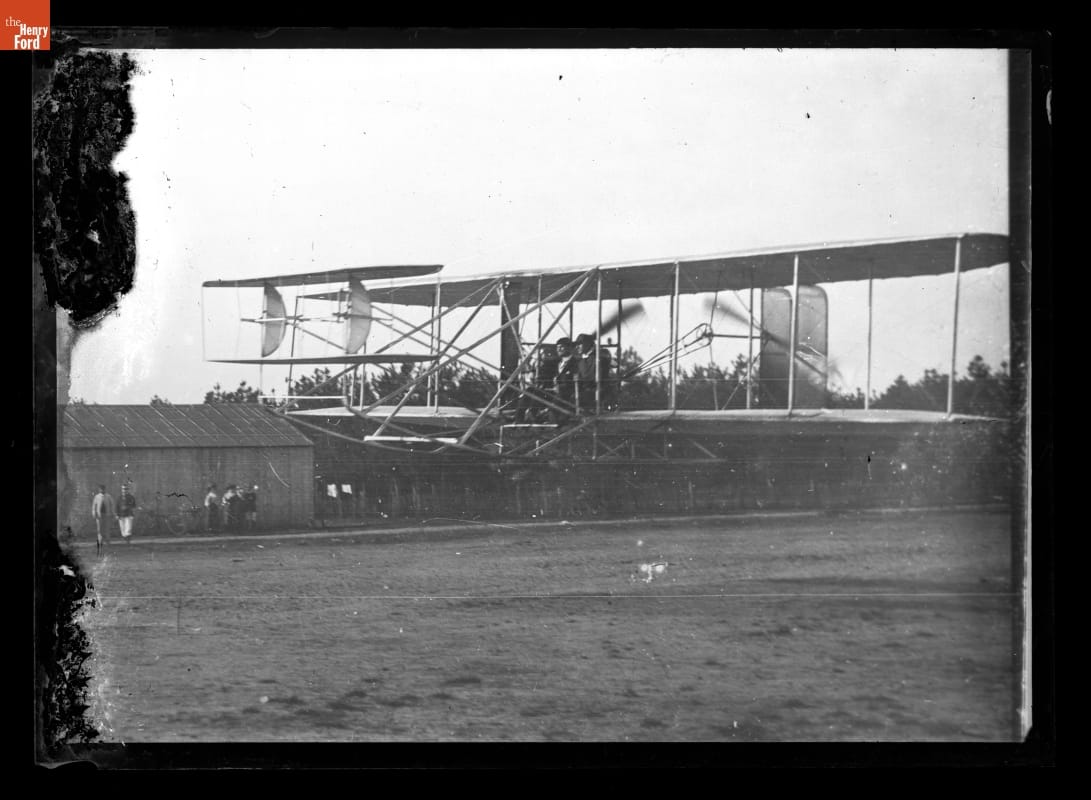
- Wilbur Wright and Passenger during a Flight over Camp D'Avours, near Le Mans, France, 1908-1909 - The Wright brothers are famous for their first flight in a powered, heavier-than-air craft on December 17, 1903. It was not until August 8, 1908 that they made their first official public demonstration of their unique controllable flyer. This shows Wilbur Wright flying near the ground while taking off at Les Hunandières horse racing track near Le Mans, France.
- 1908-1909
- Collections - Artifact
Wilbur Wright and Passenger during a Flight over Camp D'Avours, near Le Mans, France, 1908-1909
The Wright brothers are famous for their first flight in a powered, heavier-than-air craft on December 17, 1903. It was not until August 8, 1908 that they made their first official public demonstration of their unique controllable flyer. This shows Wilbur Wright flying near the ground while taking off at Les Hunandières horse racing track near Le Mans, France.
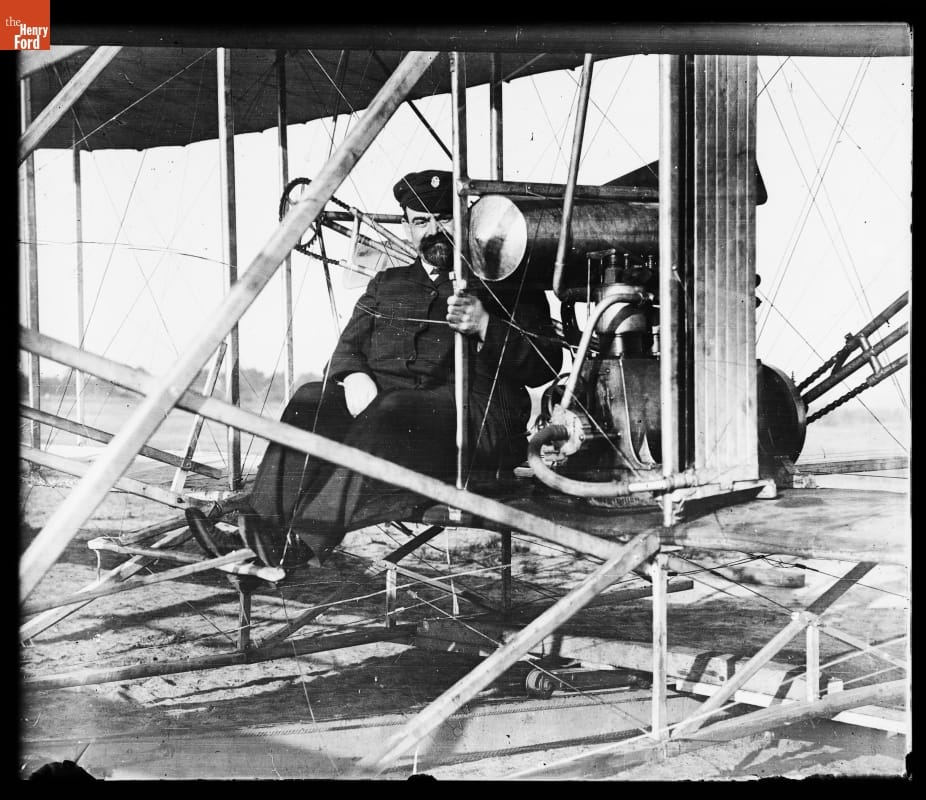
- Leon Bollee in the Wright Flyer, Camp d'Auvours, near Le Mans, France, 1908-1909 - Leon Bollee was a close and important friend to Wilbur Wright during Wright's airplane demonstrations in France in 1908. Bollee offered Wright workspace and a crew of mechanics in his Le Mans automobile factory, and he asked for nothing in return. Nevertheless, Wright repaid the favor by taking Bollee up for a flight.
- August 1908-02 January 1909
- Collections - Artifact
Leon Bollee in the Wright Flyer, Camp d'Auvours, near Le Mans, France, 1908-1909
Leon Bollee was a close and important friend to Wilbur Wright during Wright's airplane demonstrations in France in 1908. Bollee offered Wright workspace and a crew of mechanics in his Le Mans automobile factory, and he asked for nothing in return. Nevertheless, Wright repaid the favor by taking Bollee up for a flight.
- Replica of the 1903 Wright Flyer on Exhibit in Henry Ford Museum, September 2007 - This replica of the 1903 Wright Flyer was built in 2003 to celebrate the centennial of the Wright brothers' first flight at Kill Devil Hills, North Carolina. The replica Flyer became the heart of the <em>Heroes of the Sky</em> exhibit in Henry Ford Museum of American Innovation, sitting in the central hub that connected each of the exhibit's sections.
- September 01, 2007
- Collections - Artifact
Replica of the 1903 Wright Flyer on Exhibit in Henry Ford Museum, September 2007
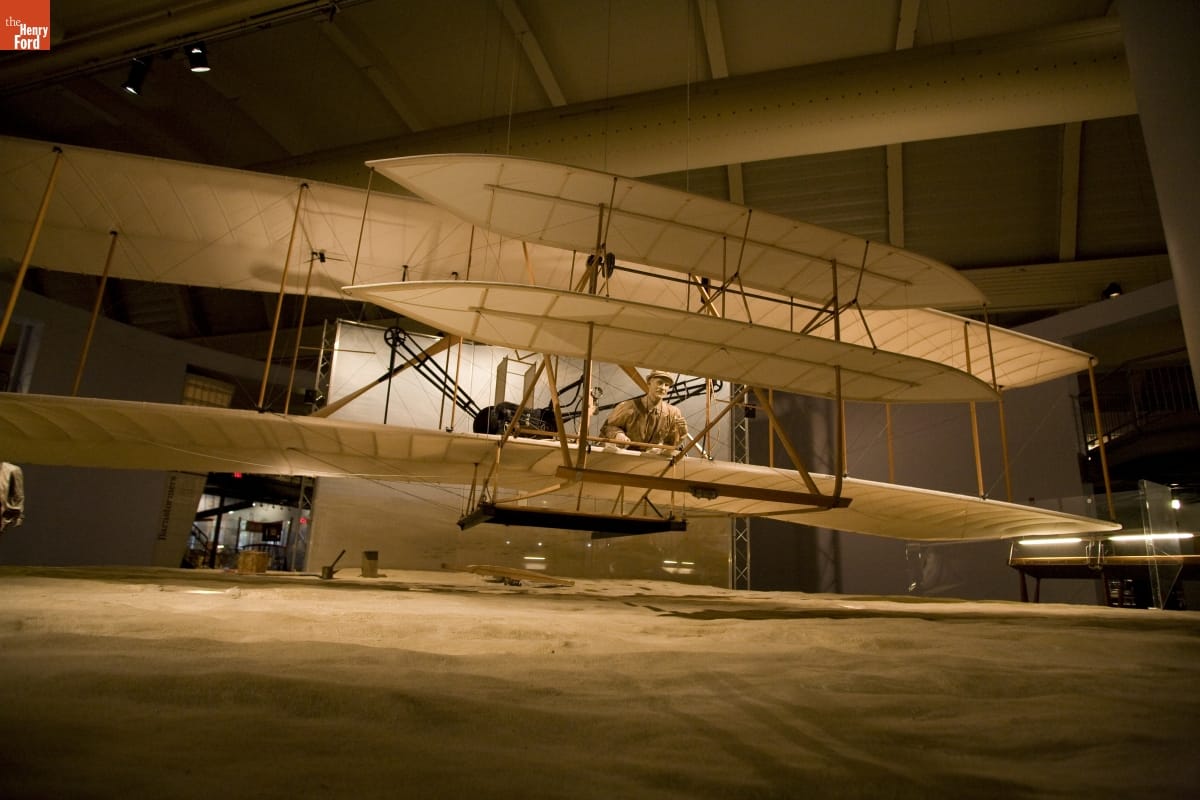
This replica of the 1903 Wright Flyer was built in 2003 to celebrate the centennial of the Wright brothers' first flight at Kill Devil Hills, North Carolina. The replica Flyer became the heart of the Heroes of the Sky exhibit in Henry Ford Museum of American Innovation, sitting in the central hub that connected each of the exhibit's sections.
- Replica of the 1903 Wright Flyer on Exhibit in Henry Ford Museum, September 2007 - This replica of the 1903 Wright Flyer was built in 2003 to celebrate the centennial of the Wright brothers' first flight at Kill Devil Hills, North Carolina. The replica Flyer became the heart of the <em>Heroes of the Sky</em> exhibit in Henry Ford Museum of American Innovation, sitting in the central hub that connected each of the exhibit's sections.
- September 01, 2007
- Collections - Artifact
Replica of the 1903 Wright Flyer on Exhibit in Henry Ford Museum, September 2007
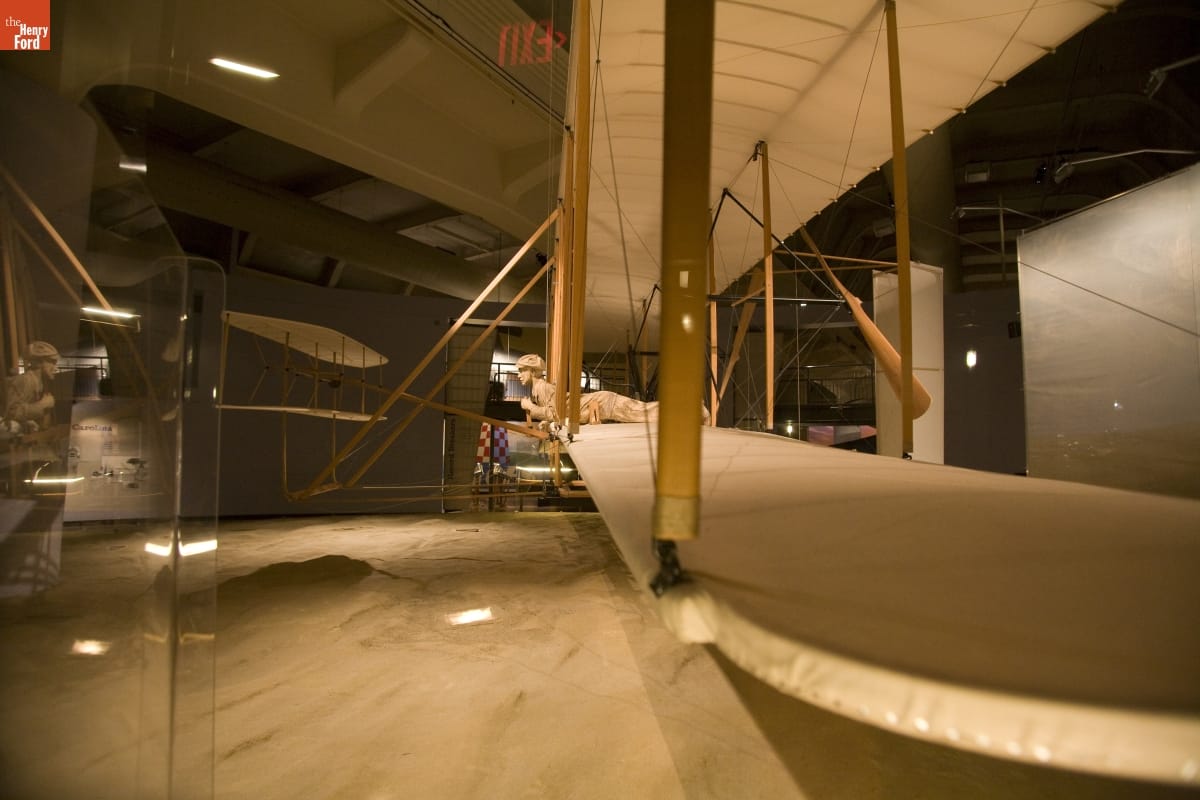
This replica of the 1903 Wright Flyer was built in 2003 to celebrate the centennial of the Wright brothers' first flight at Kill Devil Hills, North Carolina. The replica Flyer became the heart of the Heroes of the Sky exhibit in Henry Ford Museum of American Innovation, sitting in the central hub that connected each of the exhibit's sections.
- Replica of the 1903 Wright Flyer on Exhibit in Henry Ford Museum, September 2007 - This replica of the 1903 Wright Flyer was built in 2003 to celebrate the centennial of the Wright brothers' first flight at Kill Devil Hills, North Carolina. The replica Flyer became the heart of the <em>Heroes of the Sky</em> exhibit in Henry Ford Museum of American Innovation, sitting in the central hub that connected each of the exhibit's sections.
- September 01, 2007
- Collections - Artifact
Replica of the 1903 Wright Flyer on Exhibit in Henry Ford Museum, September 2007
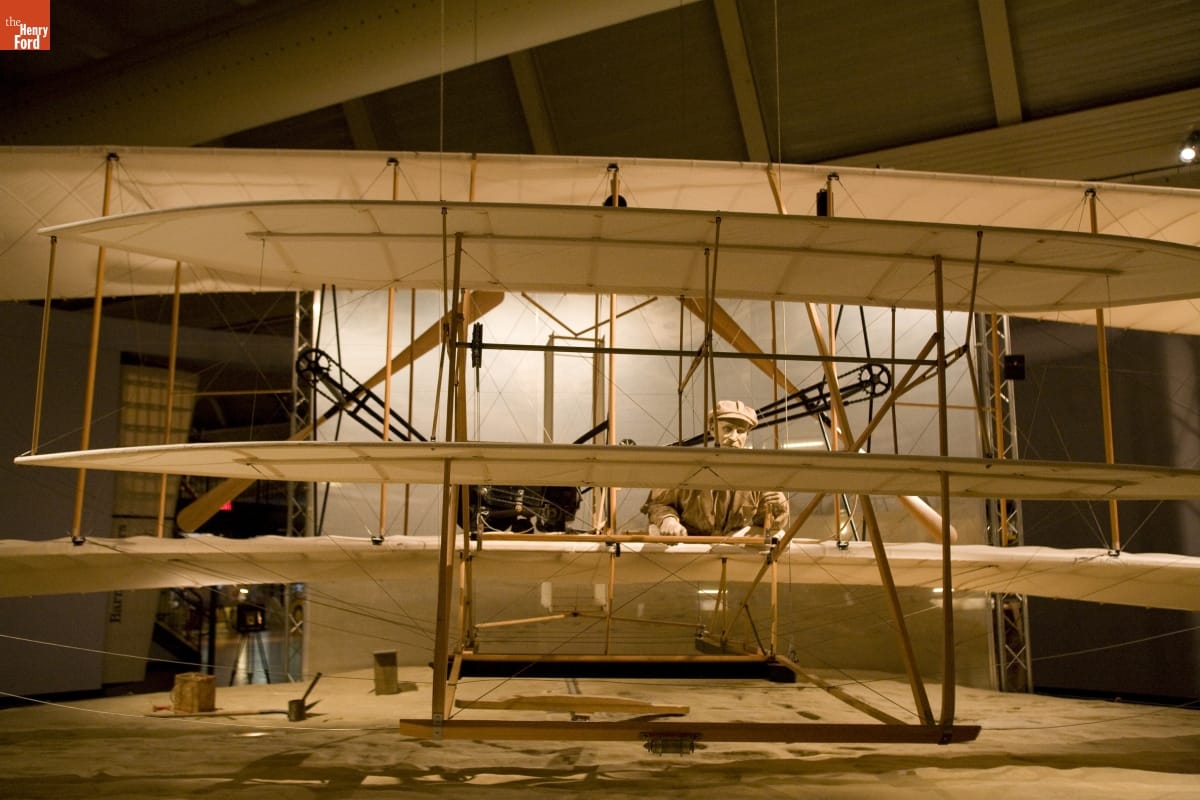
This replica of the 1903 Wright Flyer was built in 2003 to celebrate the centennial of the Wright brothers' first flight at Kill Devil Hills, North Carolina. The replica Flyer became the heart of the Heroes of the Sky exhibit in Henry Ford Museum of American Innovation, sitting in the central hub that connected each of the exhibit's sections.
- Replica of the 1903 Wright Flyer on Exhibit in Henry Ford Museum, September 2007 - This replica of the 1903 Wright Flyer was built in 2003 to celebrate the centennial of the Wright brothers' first flight at Kill Devil Hills, North Carolina. The replica Flyer became the heart of the <em>Heroes of the Sky</em> exhibit in Henry Ford Museum of American Innovation, sitting in the central hub that connected each of the exhibit's sections.
- September 01, 2007
- Collections - Artifact
Replica of the 1903 Wright Flyer on Exhibit in Henry Ford Museum, September 2007
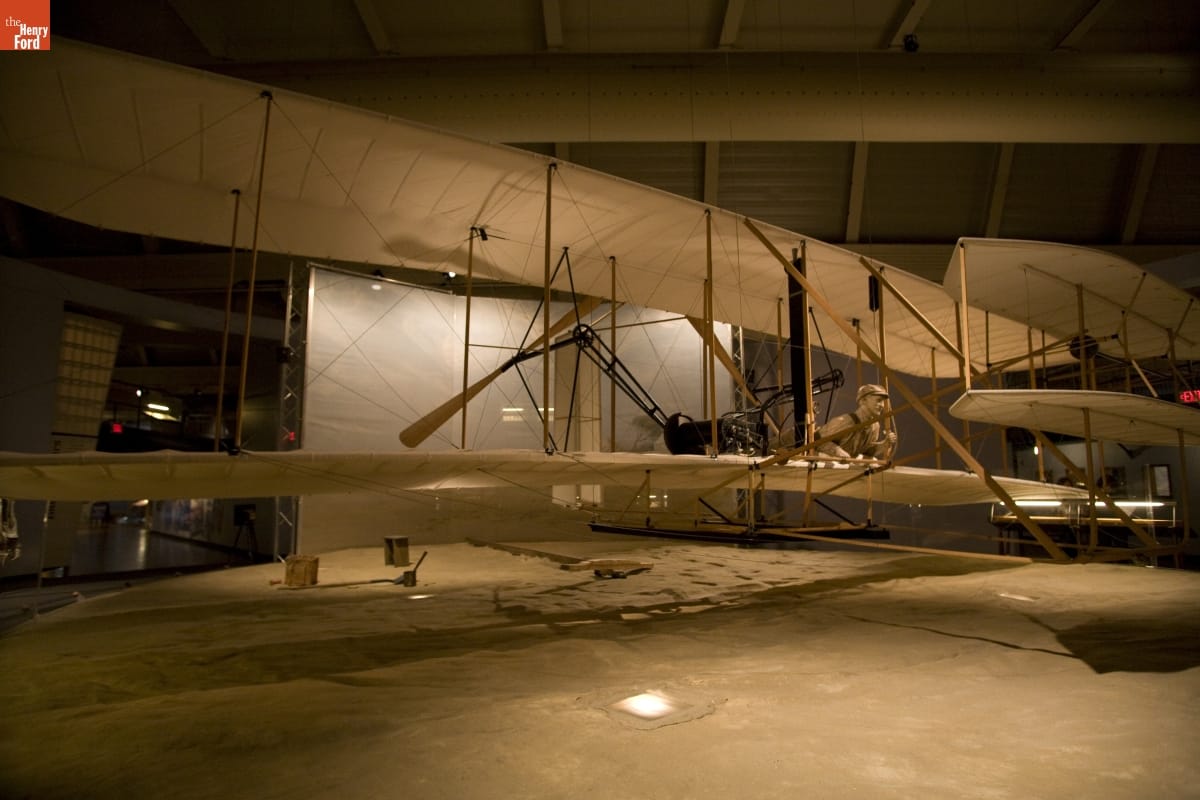
This replica of the 1903 Wright Flyer was built in 2003 to celebrate the centennial of the Wright brothers' first flight at Kill Devil Hills, North Carolina. The replica Flyer became the heart of the Heroes of the Sky exhibit in Henry Ford Museum of American Innovation, sitting in the central hub that connected each of the exhibit's sections.
- Replica of the 1903 Wright Flyer on Exhibit in Henry Ford Museum, September 2007 - This replica of the 1903 Wright Flyer was built in 2003 to celebrate the centennial of the Wright brothers' first flight at Kill Devil Hills, North Carolina. The replica Flyer became the heart of the <em>Heroes of the Sky</em> exhibit in Henry Ford Museum of American Innovation, sitting in the central hub that connected each of the exhibit's sections.
- September 01, 2007
- Collections - Artifact
Replica of the 1903 Wright Flyer on Exhibit in Henry Ford Museum, September 2007
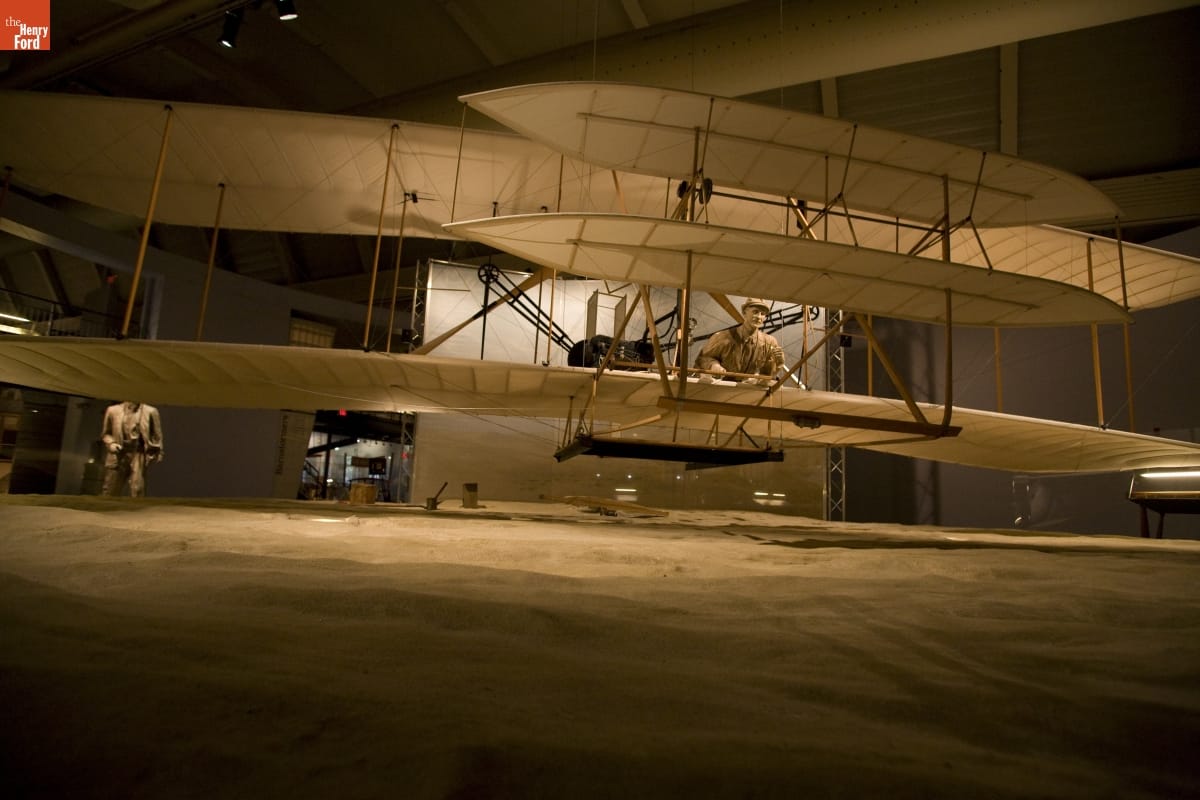
This replica of the 1903 Wright Flyer was built in 2003 to celebrate the centennial of the Wright brothers' first flight at Kill Devil Hills, North Carolina. The replica Flyer became the heart of the Heroes of the Sky exhibit in Henry Ford Museum of American Innovation, sitting in the central hub that connected each of the exhibit's sections.
- Replica of the 1903 Wright Flyer on Exhibit in Henry Ford Museum, September 2007 - This replica of the 1903 Wright Flyer was built in 2003 to celebrate the centennial of the Wright brothers' first flight at Kill Devil Hills, North Carolina. The replica Flyer became the heart of the <em>Heroes of the Sky</em> exhibit in Henry Ford Museum of American Innovation, sitting in the central hub that connected each of the exhibit's sections.
- September 01, 2007
- Collections - Artifact
Replica of the 1903 Wright Flyer on Exhibit in Henry Ford Museum, September 2007
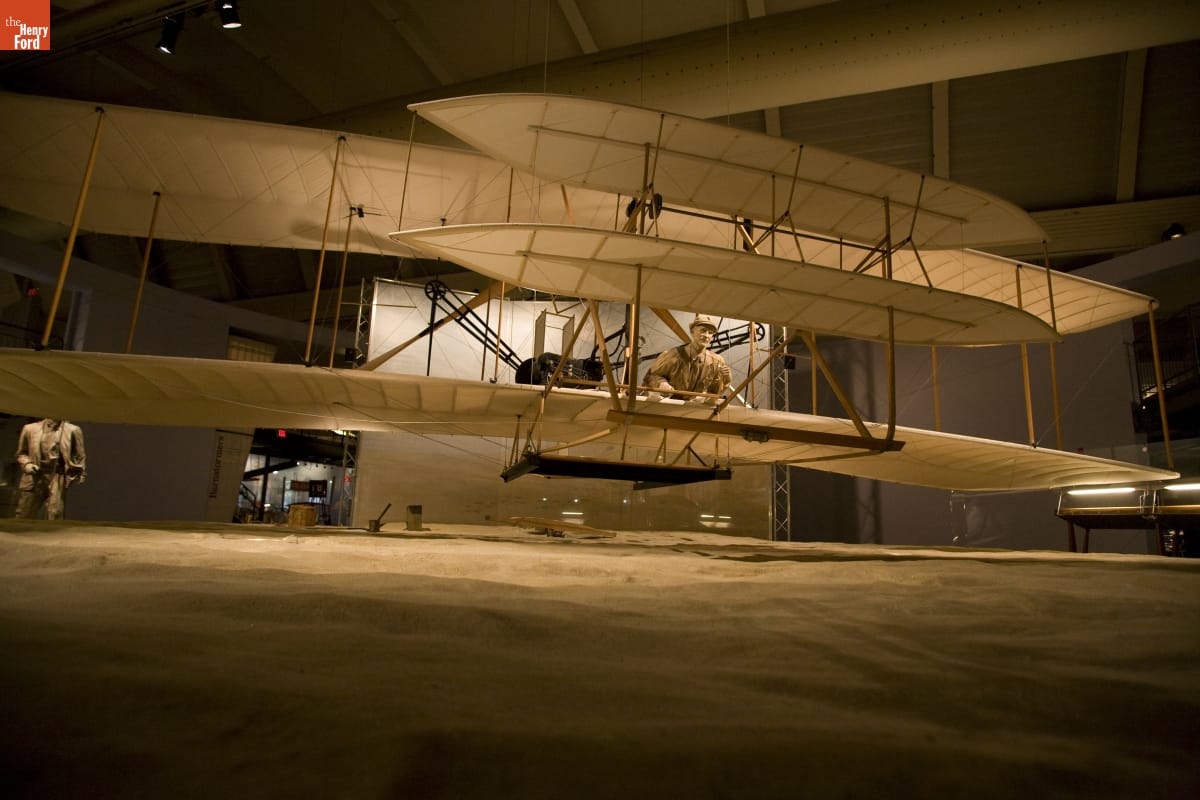
This replica of the 1903 Wright Flyer was built in 2003 to celebrate the centennial of the Wright brothers' first flight at Kill Devil Hills, North Carolina. The replica Flyer became the heart of the Heroes of the Sky exhibit in Henry Ford Museum of American Innovation, sitting in the central hub that connected each of the exhibit's sections.