
Search
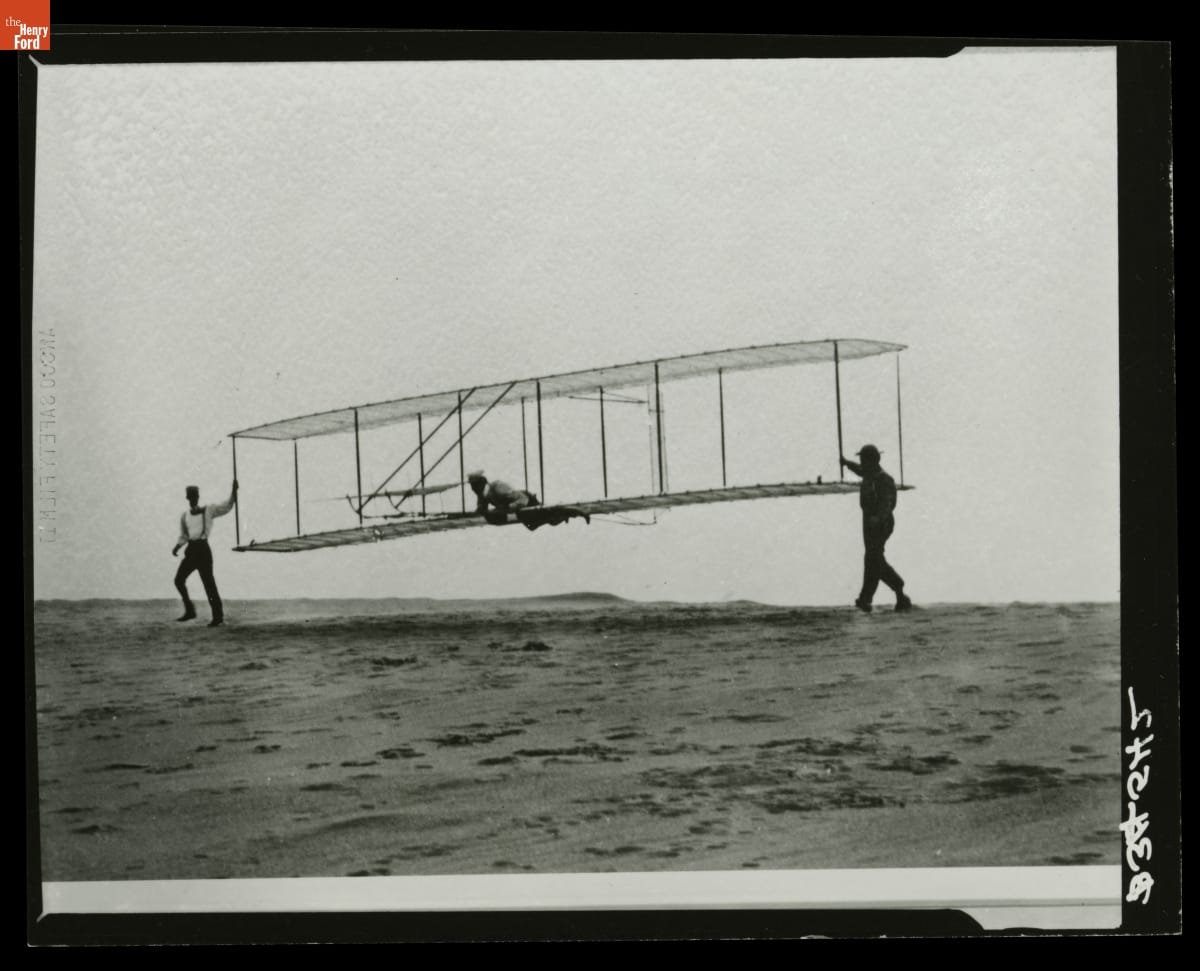
- Launching the 1902 Glider with Orville Wright Piloting, Kill Devil Hills, North Carolina - The Wright brothers' 1902 glider was their third aircraft tested at Kill Devil Hills in as many years. It was also the first built with aerodynamic calculations based on the Wrights' own wind tunnel tests. The improvements in performance were stunning. The brothers made more than 700 glides in 1902. Many were over 500 feet long, and some exceeded 600 feet.
- October 01, 1902
- Collections - Artifact
Launching the 1902 Glider with Orville Wright Piloting, Kill Devil Hills, North Carolina
The Wright brothers' 1902 glider was their third aircraft tested at Kill Devil Hills in as many years. It was also the first built with aerodynamic calculations based on the Wrights' own wind tunnel tests. The improvements in performance were stunning. The brothers made more than 700 glides in 1902. Many were over 500 feet long, and some exceeded 600 feet.
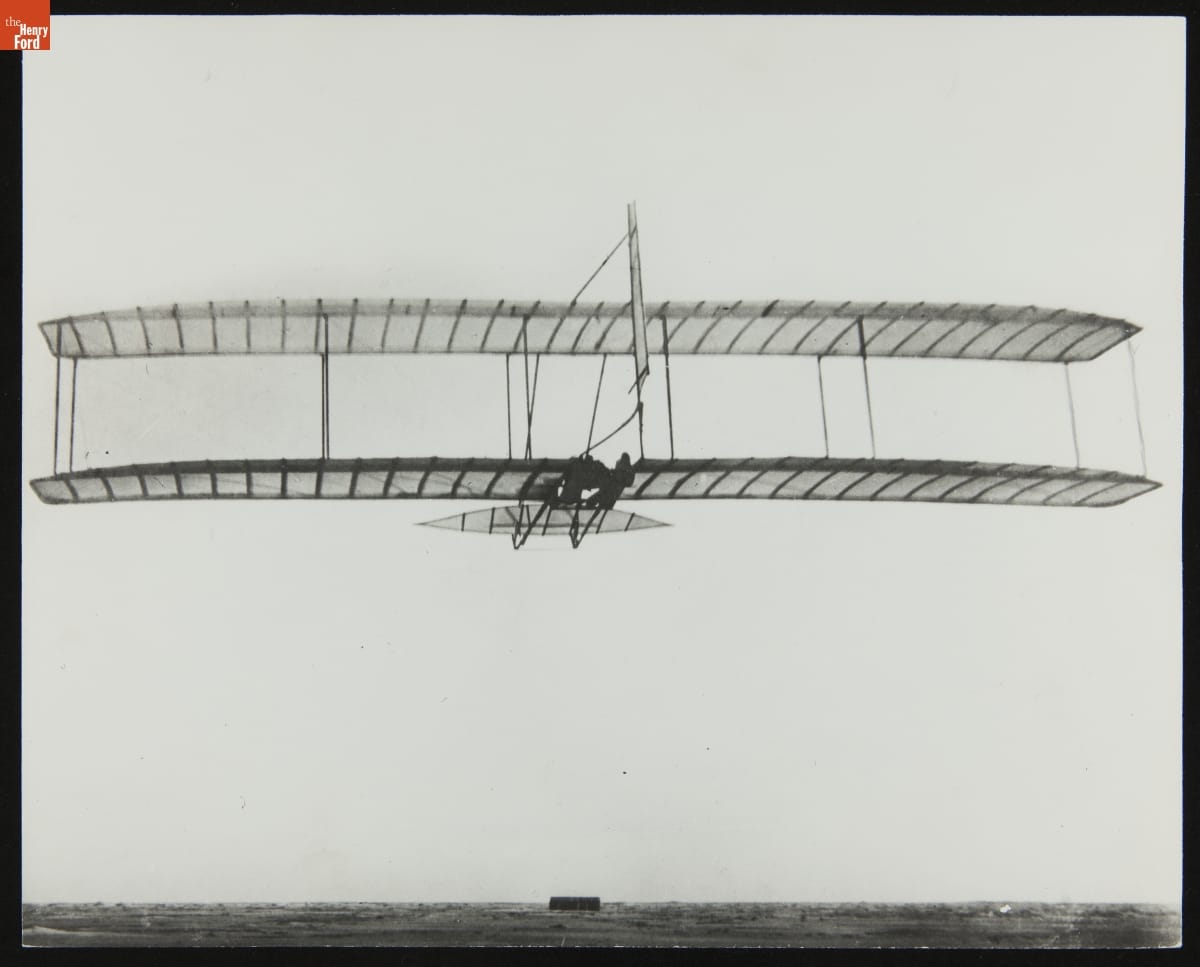
- Wright Brothers Testing the 1902 Glider at Kill Devil Hills - The Wright brothers' 1902 glider was their third aircraft tested at Kill Devil Hills in as many years. It was also the first built with aerodynamic calculations based on the Wrights' own wind tunnel tests. The improvements in performance were stunning. The brothers made more than 700 glides in 1902. Many were over 500 feet long, and some exceeded 600 feet.
- October 01, 1902
- Collections - Artifact
Wright Brothers Testing the 1902 Glider at Kill Devil Hills
The Wright brothers' 1902 glider was their third aircraft tested at Kill Devil Hills in as many years. It was also the first built with aerodynamic calculations based on the Wrights' own wind tunnel tests. The improvements in performance were stunning. The brothers made more than 700 glides in 1902. Many were over 500 feet long, and some exceeded 600 feet.
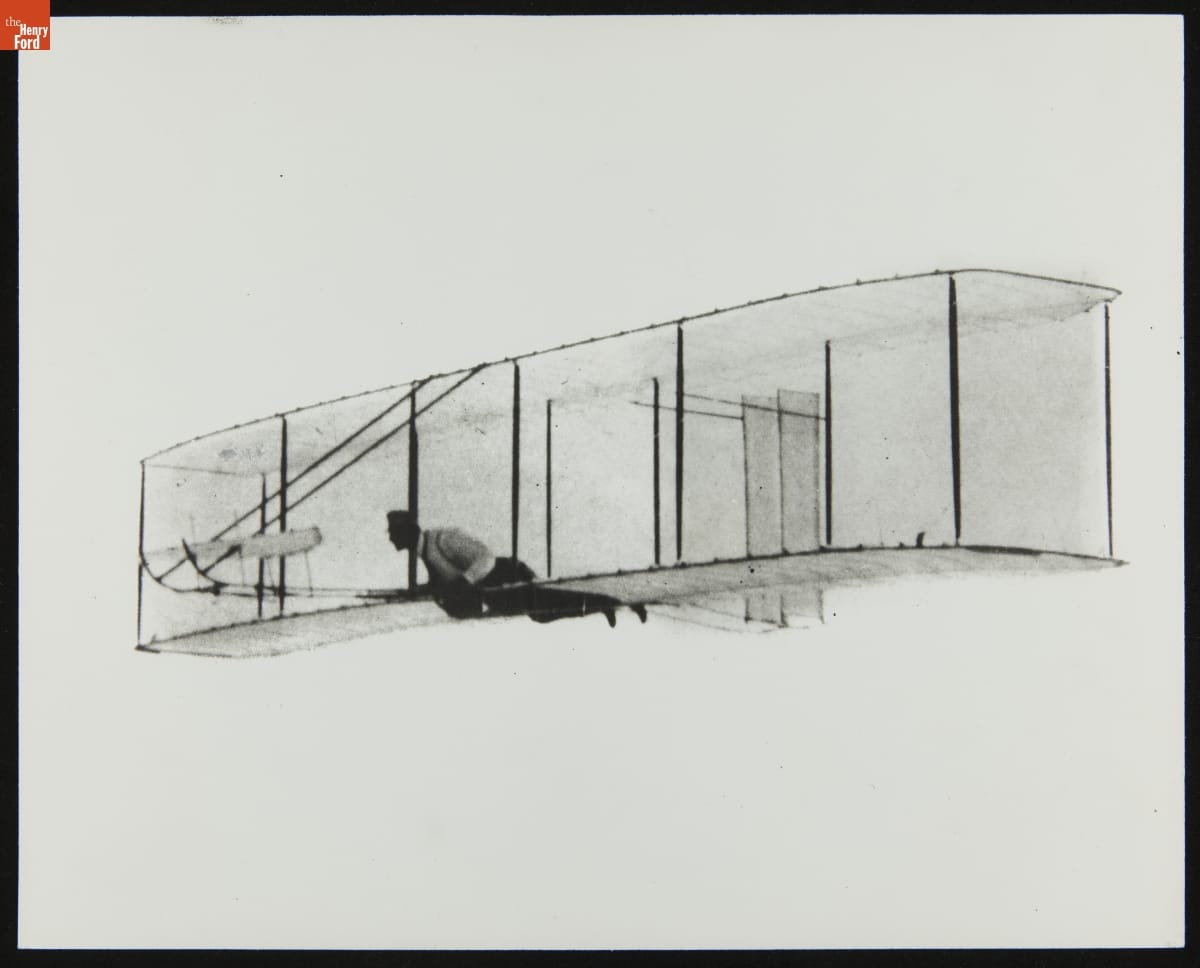
- Wright Brothers Testing the 1902 Glider at Kill Devil Hills - The Wright brothers' 1902 glider was their third aircraft tested at Kill Devil Hills in as many years. It was also the first built with aerodynamic calculations based on the Wrights' own wind tunnel tests. The improvements in performance were stunning. The brothers made more than 700 glides in 1902. Many were over 500 feet long, and some exceeded 600 feet.
- October 02, 1902
- Collections - Artifact
Wright Brothers Testing the 1902 Glider at Kill Devil Hills
The Wright brothers' 1902 glider was their third aircraft tested at Kill Devil Hills in as many years. It was also the first built with aerodynamic calculations based on the Wrights' own wind tunnel tests. The improvements in performance were stunning. The brothers made more than 700 glides in 1902. Many were over 500 feet long, and some exceeded 600 feet.
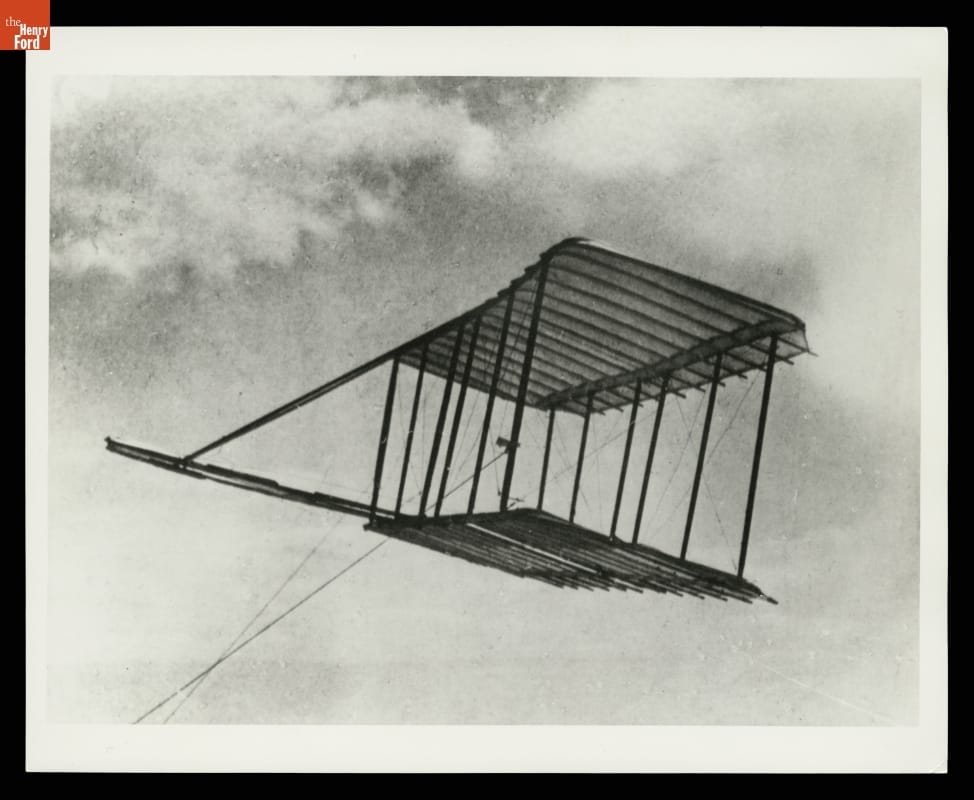
- Experimental Wright Glider Flying, 1900 - Before the Wright brothers' famous first flight in a powered, heavier-than-air craft, they experimented with piloted gliders. This image of their first design in flight-testing as a kite is one of only three existing photographs of the 1900 glider. Kiting the glider provided valuable performance information that could be incorporated into redesign and helped the brothers prepare for piloted flight.
- 1900
- Collections - Artifact
Experimental Wright Glider Flying, 1900
Before the Wright brothers' famous first flight in a powered, heavier-than-air craft, they experimented with piloted gliders. This image of their first design in flight-testing as a kite is one of only three existing photographs of the 1900 glider. Kiting the glider provided valuable performance information that could be incorporated into redesign and helped the brothers prepare for piloted flight.
- Orville Wright Making Glider Tests at Kill Devil Hills, North Carolina, October 1911 - Orville Wright experimented with an automatic stability system to keep an airplane flying straight and level without any input from the pilot. Wright tested the apparatus in a glider at Kill Devil Hills in October 1911. On October 24, he set a record with a glide lasting 9 minutes, 45 seconds. Wright's stabilizer worked, but it was not a commercial success.
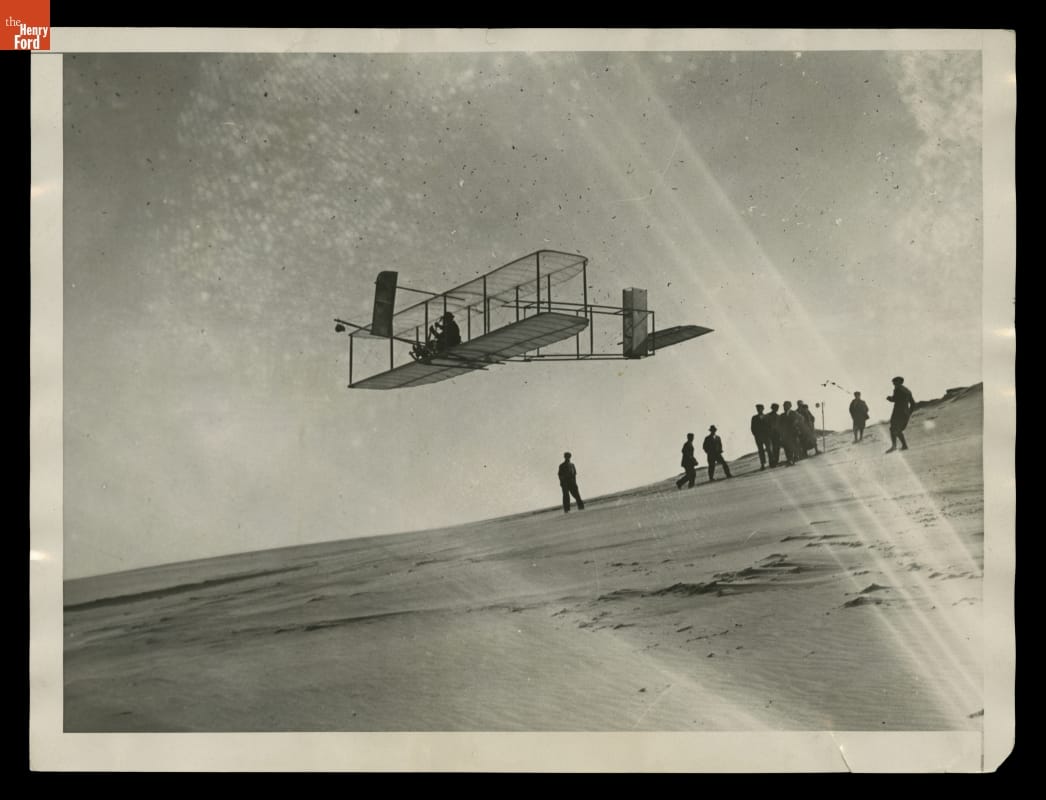
- October 01, 1911
- Collections - Artifact
Orville Wright Making Glider Tests at Kill Devil Hills, North Carolina, October 1911
Orville Wright experimented with an automatic stability system to keep an airplane flying straight and level without any input from the pilot. Wright tested the apparatus in a glider at Kill Devil Hills in October 1911. On October 24, he set a record with a glide lasting 9 minutes, 45 seconds. Wright's stabilizer worked, but it was not a commercial success.
- Wilbur Wright Piloting the 1902 Glider, Kill Devil Hills, North Carolina, October 10, 1902 - Before the Wright brothers' famous first flight in a powered, heavier-than-air craft, they experimented with piloted gliders. Combining previous designs with data from wind tunnel and model wing testing, the Wrights built their third glider in 1902. Here, Wilbur Wright pilots the craft at Kitty Hawk, North Carolina. The brothers had created the world's first fully controllable aircraft.
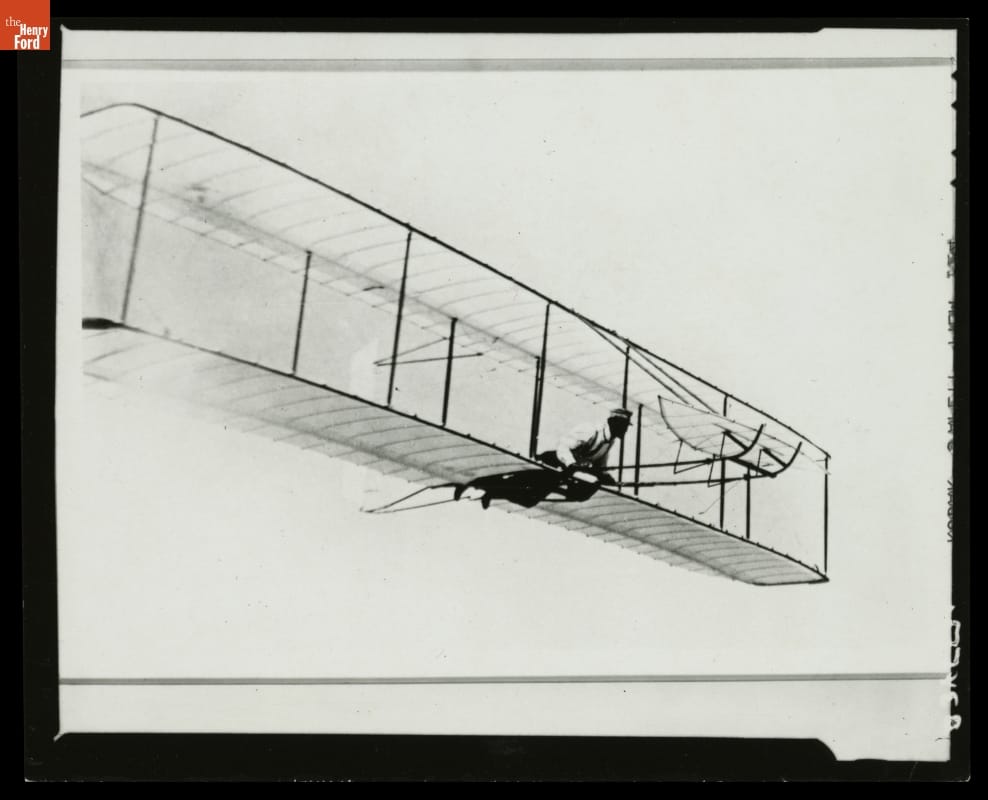
- October 10, 1902
- Collections - Artifact
Wilbur Wright Piloting the 1902 Glider, Kill Devil Hills, North Carolina, October 10, 1902
Before the Wright brothers' famous first flight in a powered, heavier-than-air craft, they experimented with piloted gliders. Combining previous designs with data from wind tunnel and model wing testing, the Wrights built their third glider in 1902. Here, Wilbur Wright pilots the craft at Kitty Hawk, North Carolina. The brothers had created the world's first fully controllable aircraft.
- Orville Wright Making Glider Tests at Kill Devil Hills, North Carolina, October 1911 - Orville Wright experimented with an automatic stability system to keep an airplane flying straight and level without any input from the pilot. Wright tested the apparatus in a glider at Kill Devil Hills in October 1911. On October 24, he set a record with a glide lasting 9 minutes, 45 seconds. Wright's stabilizer worked, but it was not a commercial success.
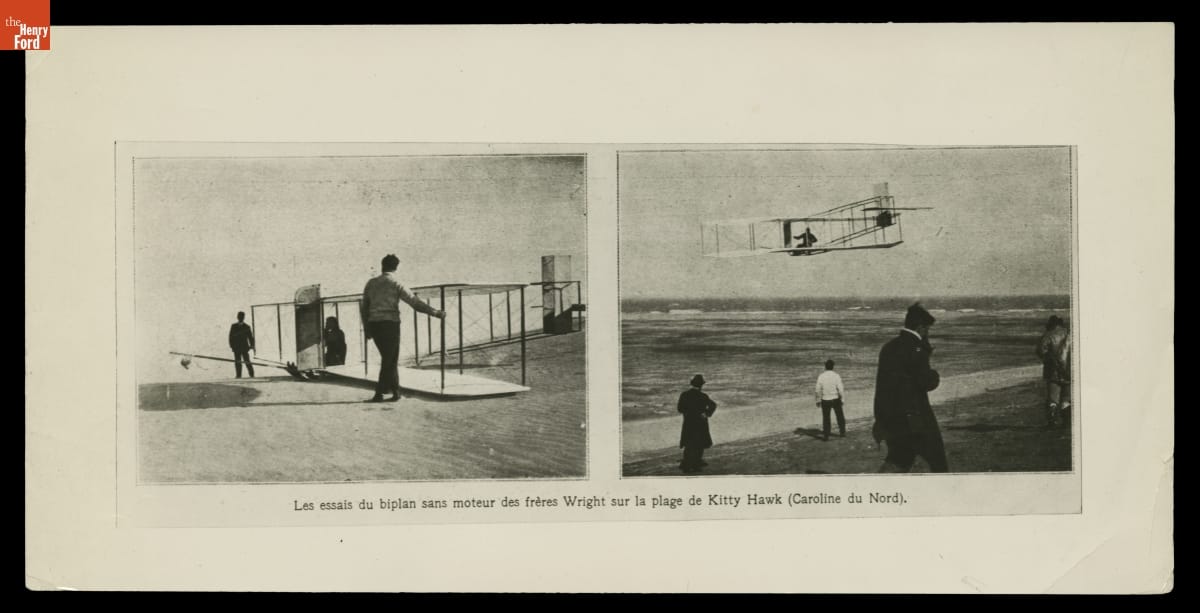
- October 01, 1911
- Collections - Artifact
Orville Wright Making Glider Tests at Kill Devil Hills, North Carolina, October 1911
Orville Wright experimented with an automatic stability system to keep an airplane flying straight and level without any input from the pilot. Wright tested the apparatus in a glider at Kill Devil Hills in October 1911. On October 24, he set a record with a glide lasting 9 minutes, 45 seconds. Wright's stabilizer worked, but it was not a commercial success.
- Clipping Book, "The Wright Brothers 1903" - This scrapbook contains text and photos from the article "How We Made the First Flight Ten Years Ago." Written by Orville Wright, the piece was published in the December 1913 issue of <em>Flying</em>. Following his brother Wilbur's death in 1912, Orville spent the remainder of his life safeguarding their legacy as the inventors of the airplane.
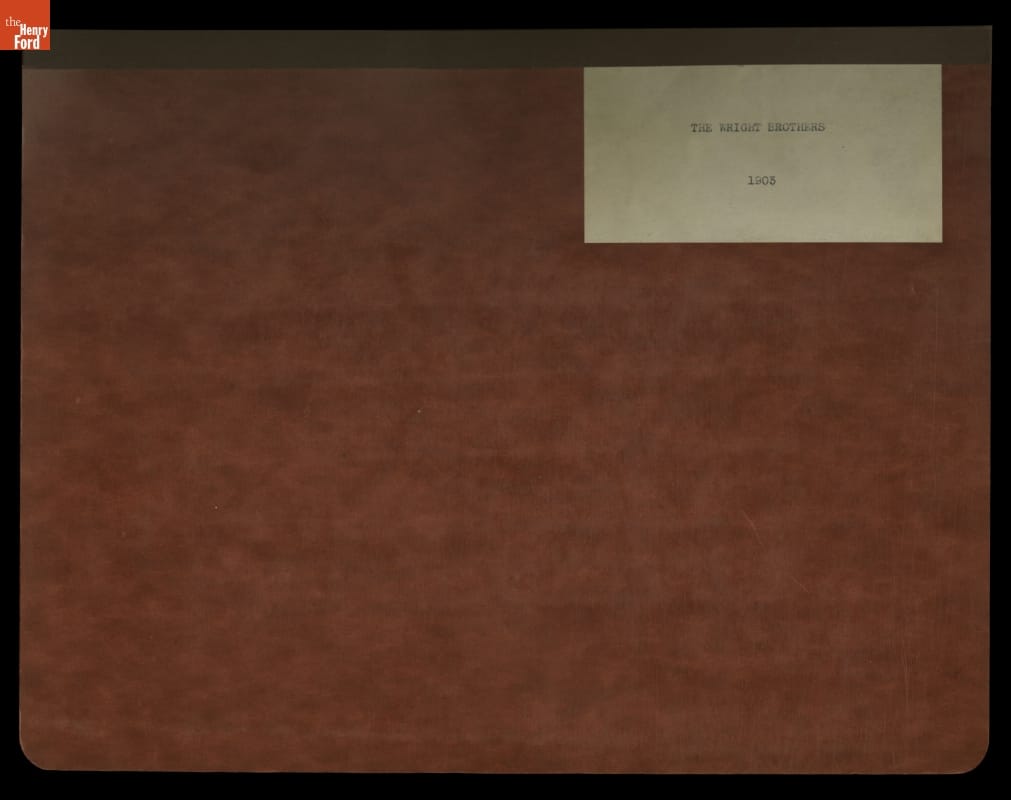
- 1903-1923
- Collections - Artifact
Clipping Book, "The Wright Brothers 1903"
This scrapbook contains text and photos from the article "How We Made the First Flight Ten Years Ago." Written by Orville Wright, the piece was published in the December 1913 issue of Flying. Following his brother Wilbur's death in 1912, Orville spent the remainder of his life safeguarding their legacy as the inventors of the airplane.
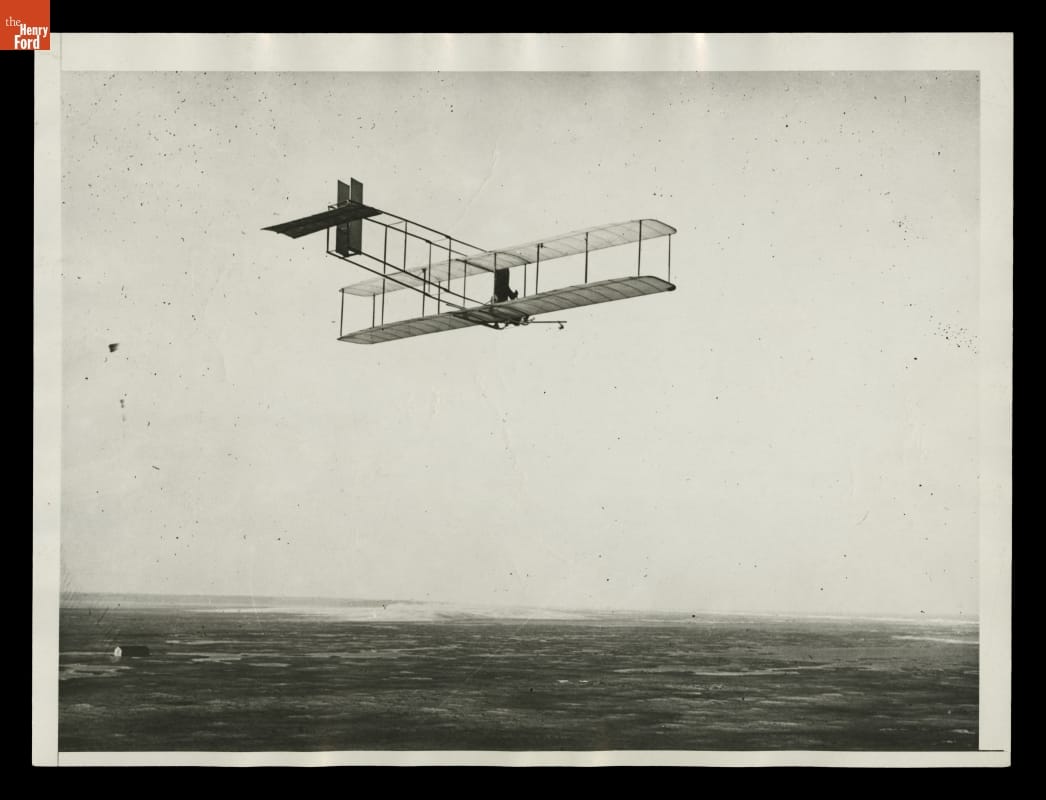
- Orville Wright Making Glider Tests at Kill Devil Hills, North Carolina, October 1911 - Orville Wright experimented with an automatic stability system to keep an airplane flying straight and level without any input from the pilot. Wright tested the apparatus in a glider at Kill Devil Hills in October 1911. On October 24, he set a record with a glide lasting 9 minutes, 45 seconds. Wright's stabilizer worked, but it was not a commercial success.
- October 01, 1911
- Collections - Artifact
Orville Wright Making Glider Tests at Kill Devil Hills, North Carolina, October 1911
Orville Wright experimented with an automatic stability system to keep an airplane flying straight and level without any input from the pilot. Wright tested the apparatus in a glider at Kill Devil Hills in October 1911. On October 24, he set a record with a glide lasting 9 minutes, 45 seconds. Wright's stabilizer worked, but it was not a commercial success.