
Search
- Composition Paper from a School Desk, 1940-1960 -
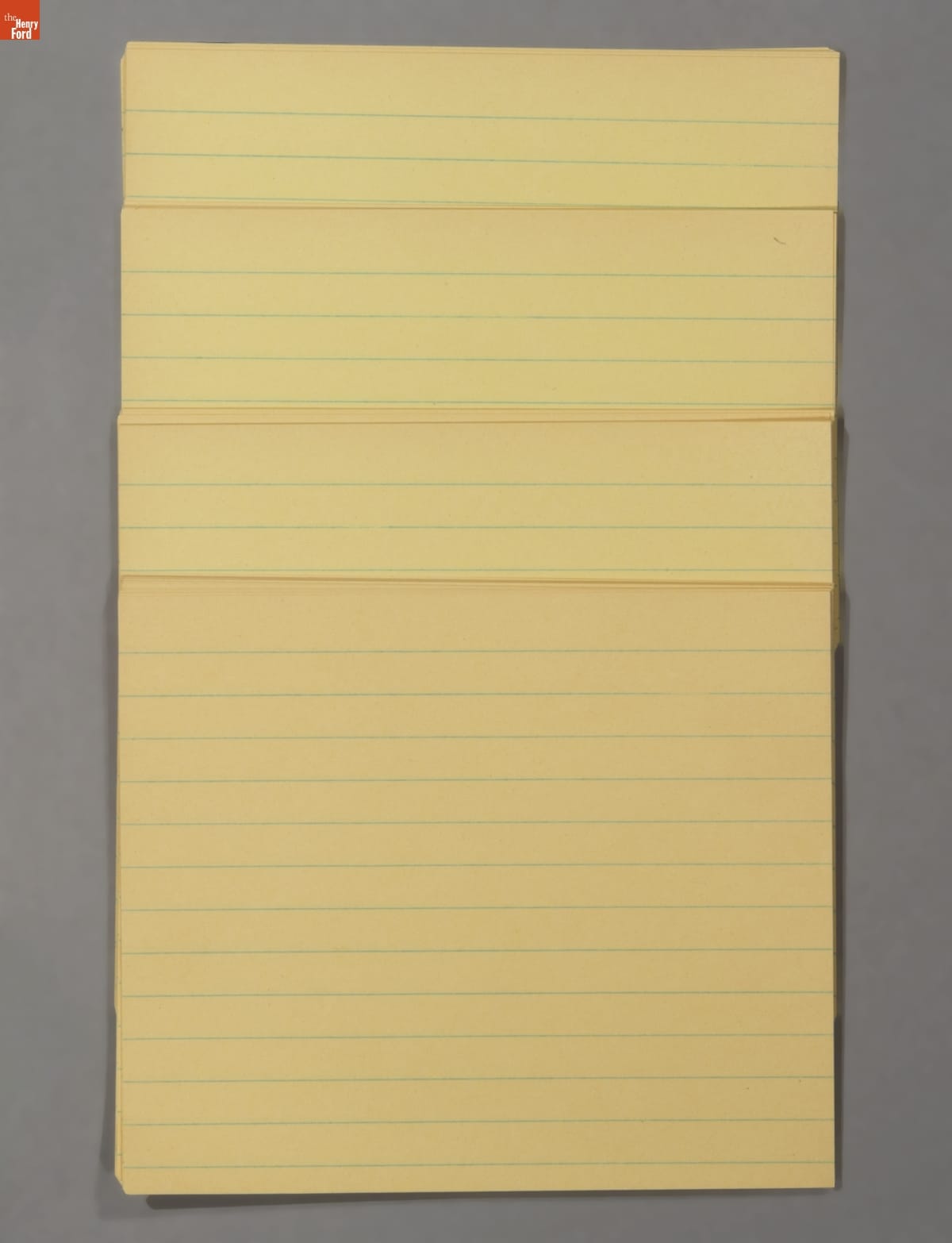
- 1940-1960
- Collections - Artifact
Composition Paper from a School Desk, 1940-1960
- 1935 Stagecoach Travel Trailer, Used by Charles Lindbergh and Family - Henry Ford gave this trailer to his friend Charles Lindbergh in 1942. Charles and his wife Anne used it as a home on the road and as a spare room and a study at home. Anne wrote <EM>The Steep Ascent</EM> here, and Charles wrote portions of his Pulitzer Prize-winning book <EM>The Spirit of St. Louis</EM>.
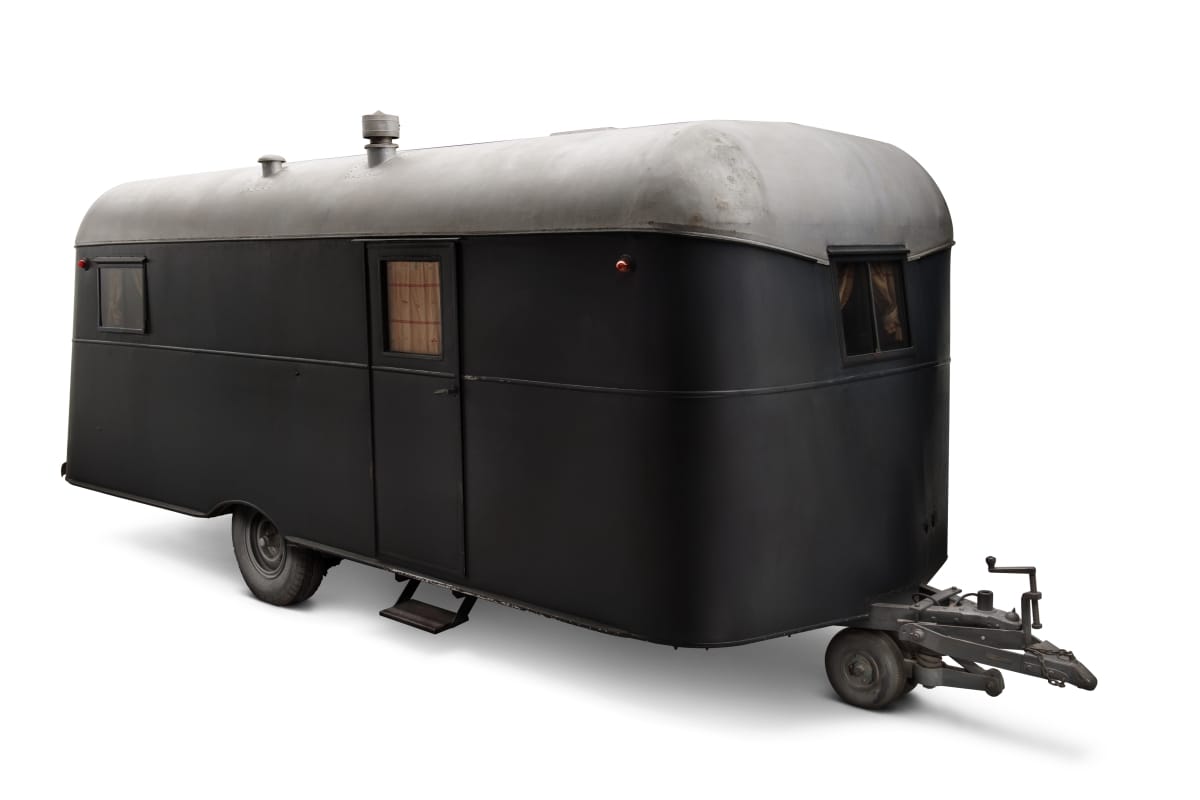
- 1935
- Collections - Artifact
1935 Stagecoach Travel Trailer, Used by Charles Lindbergh and Family
Henry Ford gave this trailer to his friend Charles Lindbergh in 1942. Charles and his wife Anne used it as a home on the road and as a spare room and a study at home. Anne wrote The Steep Ascent here, and Charles wrote portions of his Pulitzer Prize-winning book The Spirit of St. Louis.
- Engraving, "Mr. Carver's Writing Position," circa 1800 -
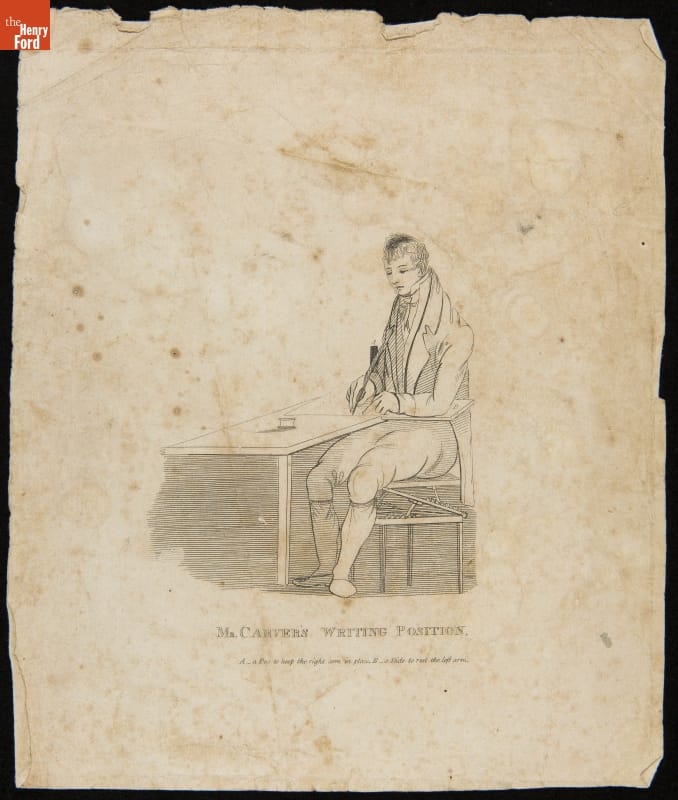
- circa 1800
- Collections - Artifact
Engraving, "Mr. Carver's Writing Position," circa 1800
- Wax Seal Stamp -
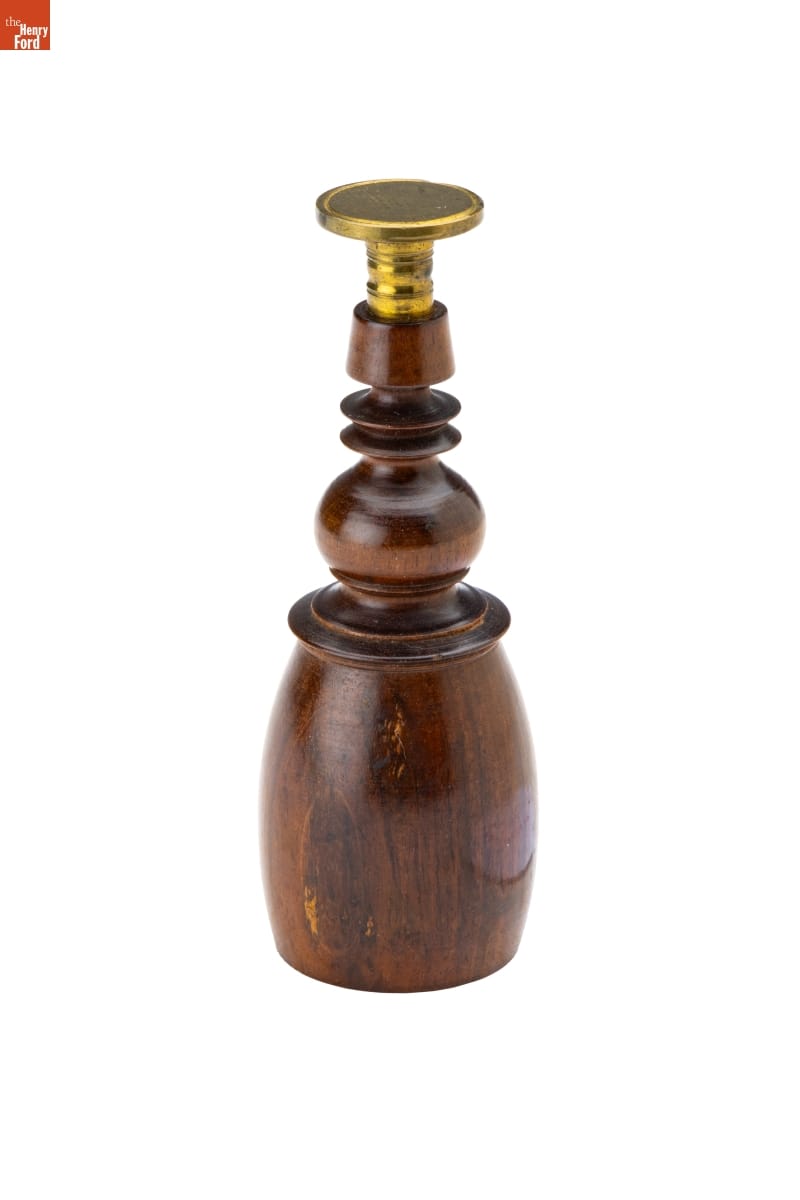
- Collections - Artifact
Wax Seal Stamp
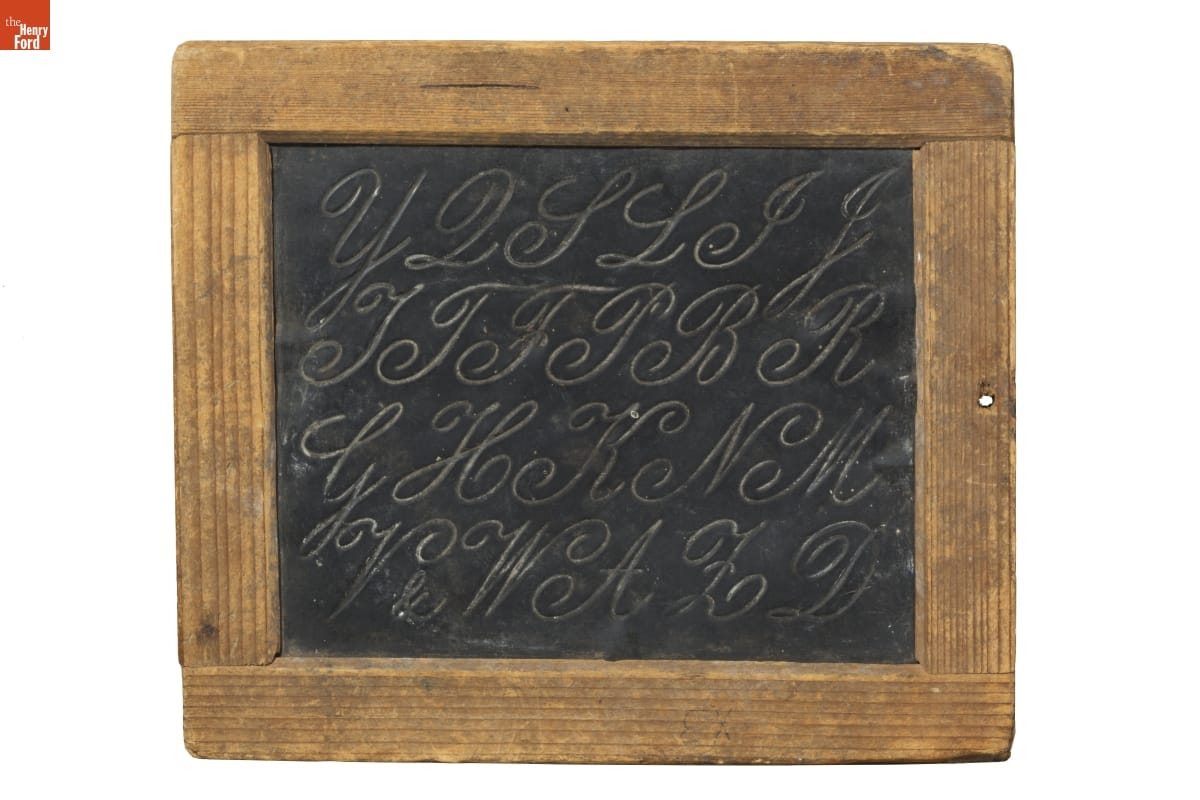
- Writing Slate - In the nineteenth century, schoolchildren's access to paper was limited. Slates were used to practice handwriting and arithmetic without wasting precious paper. After a teacher's approval, the students were allowed to copy their best slate work into a paper copybook, as a record of accomplishment. Students also memorized concepts, rules and even long literary passages, thus conserving paper.
- Collections - Artifact
Writing Slate
In the nineteenth century, schoolchildren's access to paper was limited. Slates were used to practice handwriting and arithmetic without wasting precious paper. After a teacher's approval, the students were allowed to copy their best slate work into a paper copybook, as a record of accomplishment. Students also memorized concepts, rules and even long literary passages, thus conserving paper.
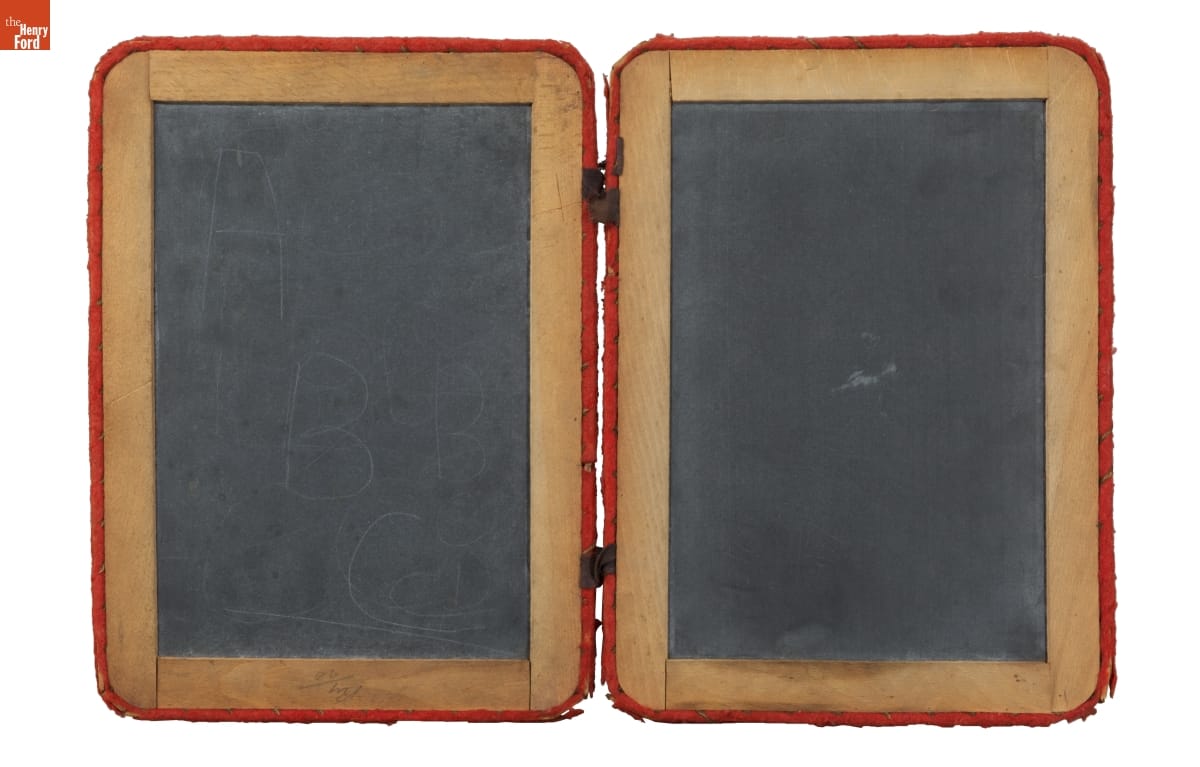
- Double Slate - In the nineteenth century, schoolchildren's access to paper was limited. Slates were used to practice handwriting and arithmetic without wasting precious paper. After a teacher's approval, the students were allowed to copy their best slate work into a paper copybook, as a record of accomplishment. Students also memorized concepts, rules and even long literary passages, thus conserving paper.
- Collections - Artifact
Double Slate
In the nineteenth century, schoolchildren's access to paper was limited. Slates were used to practice handwriting and arithmetic without wasting precious paper. After a teacher's approval, the students were allowed to copy their best slate work into a paper copybook, as a record of accomplishment. Students also memorized concepts, rules and even long literary passages, thus conserving paper.
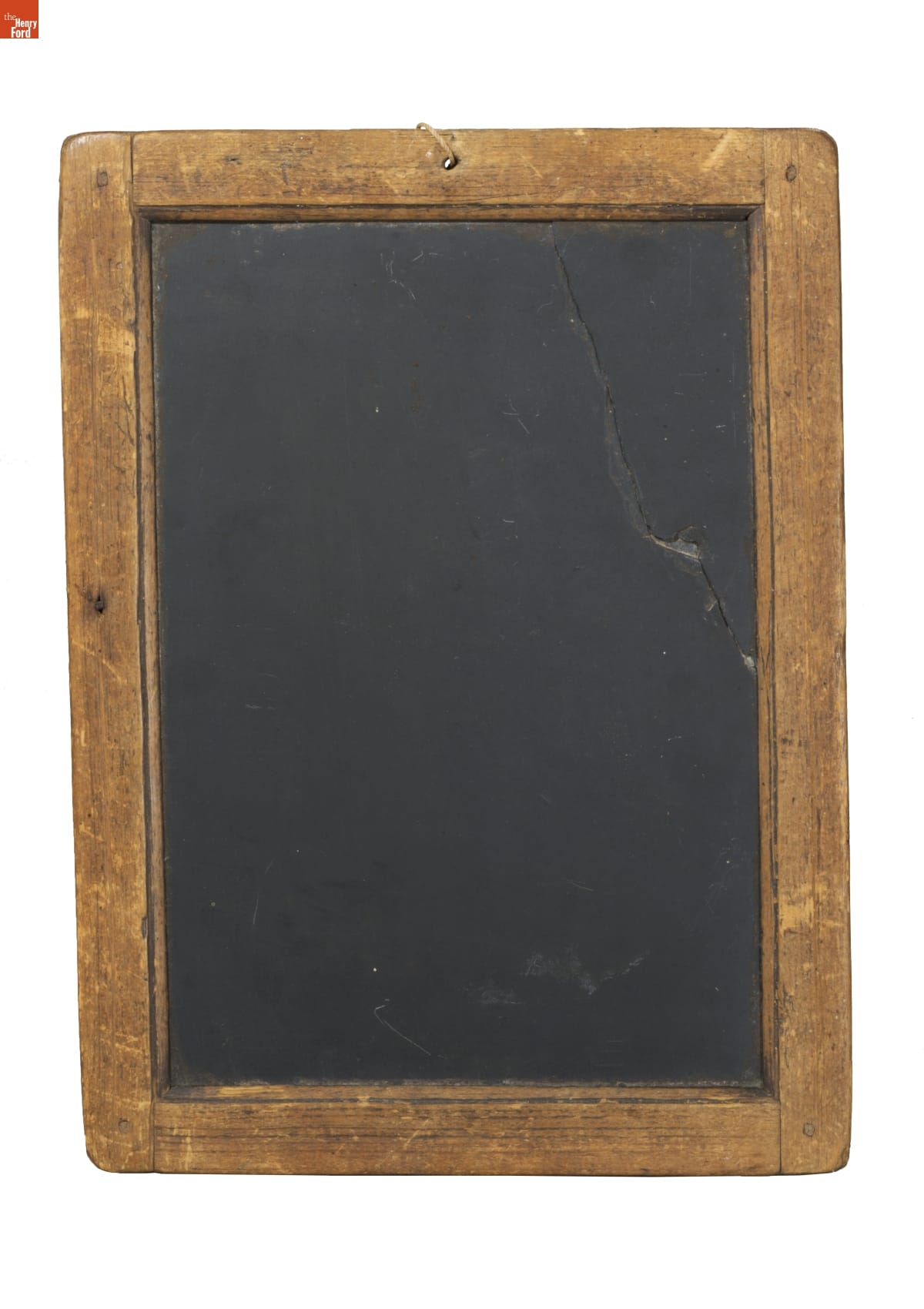
- Writing Slate - In the nineteenth century, schoolchildren's access to paper was limited. Slates were used to practice handwriting and arithmetic without wasting precious paper. After a teacher's approval, the students were allowed to copy their best slate work into a paper copybook, as a record of accomplishment. Students also memorized concepts, rules and even long literary passages, thus conserving paper.
- Collections - Artifact
Writing Slate
In the nineteenth century, schoolchildren's access to paper was limited. Slates were used to practice handwriting and arithmetic without wasting precious paper. After a teacher's approval, the students were allowed to copy their best slate work into a paper copybook, as a record of accomplishment. Students also memorized concepts, rules and even long literary passages, thus conserving paper.
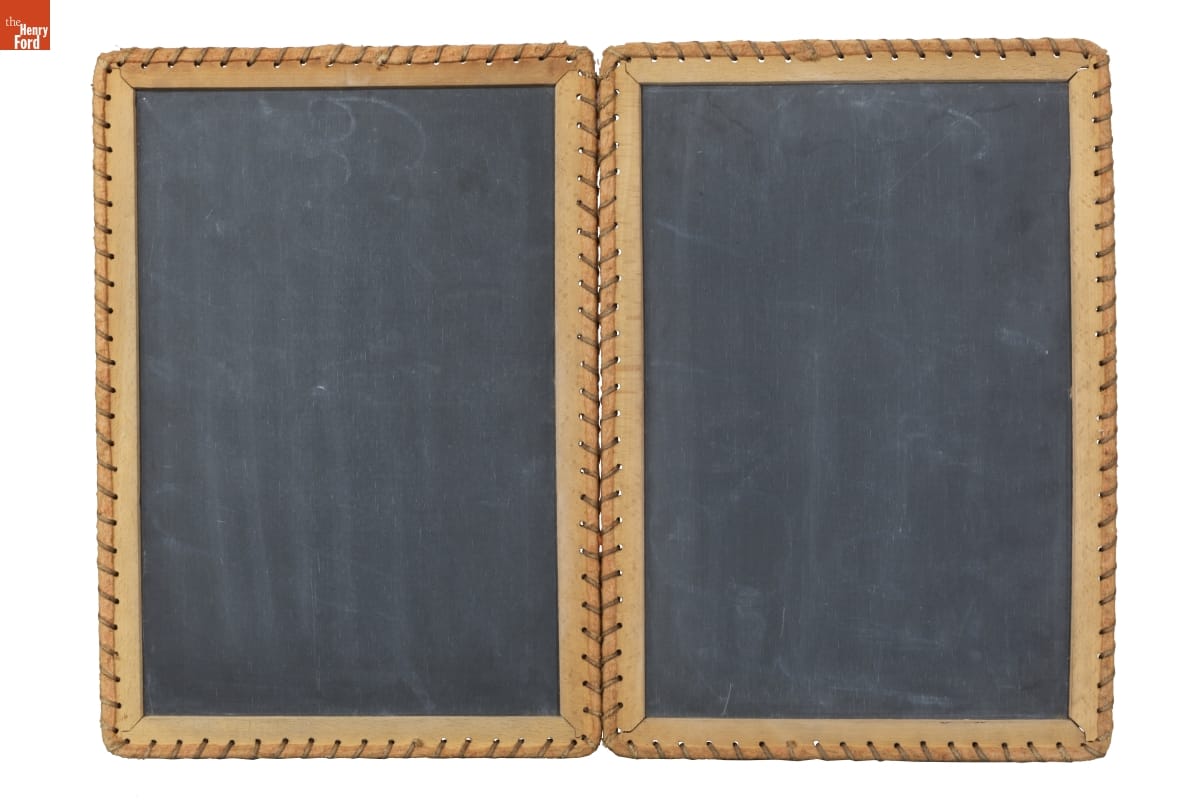
- Double Slate - In the nineteenth century, schoolchildren's access to paper was limited. Slates were used to practice handwriting and arithmetic without wasting precious paper. After a teacher's approval, the students were allowed to copy their best slate work into a paper copybook, as a record of accomplishment. Students also memorized concepts, rules and even long literary passages, thus conserving paper.
- Collections - Artifact
Double Slate
In the nineteenth century, schoolchildren's access to paper was limited. Slates were used to practice handwriting and arithmetic without wasting precious paper. After a teacher's approval, the students were allowed to copy their best slate work into a paper copybook, as a record of accomplishment. Students also memorized concepts, rules and even long literary passages, thus conserving paper.
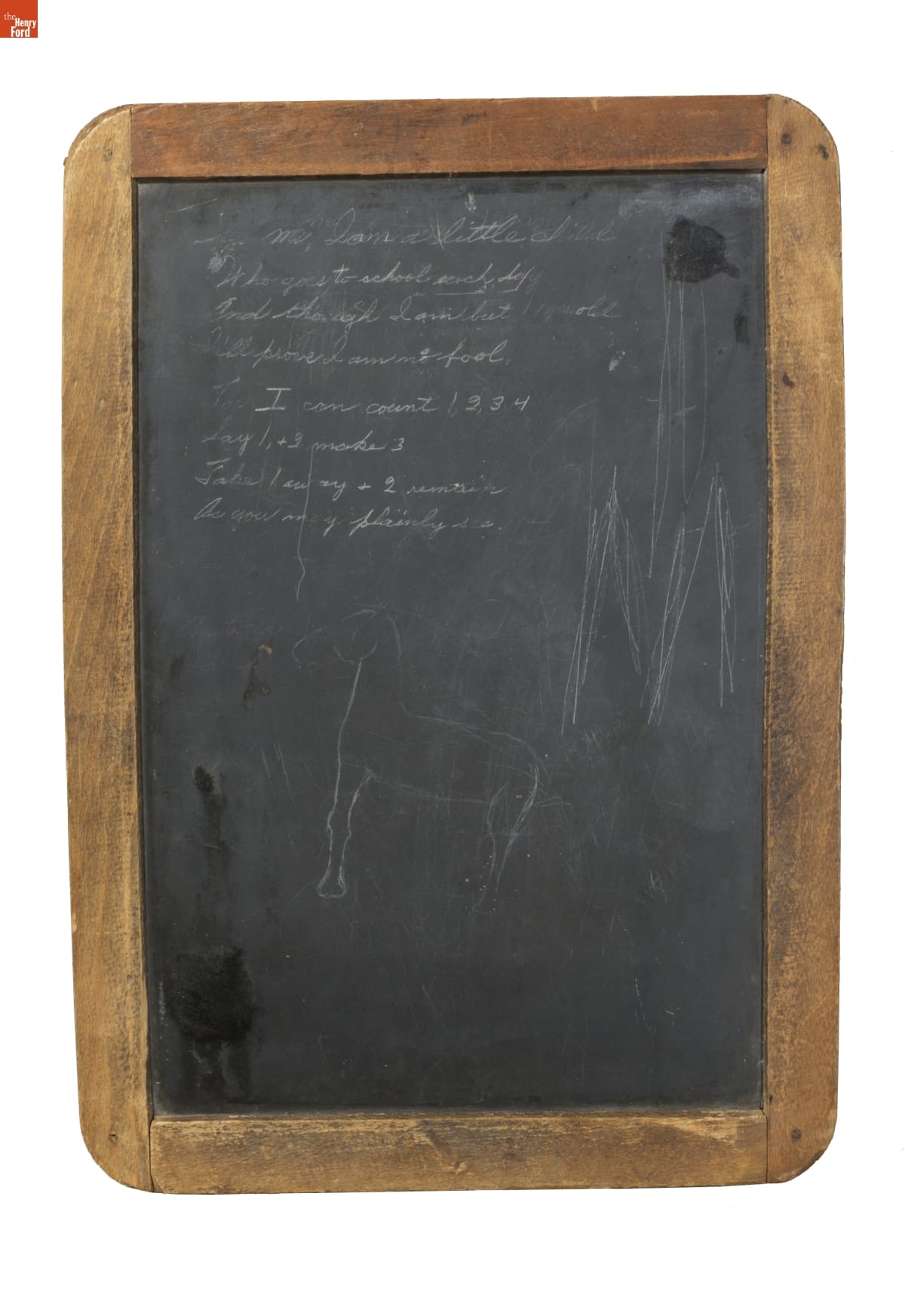
- Writing Slate - In the nineteenth century, schoolchildren's access to paper was limited. Slates were used to practice handwriting and arithmetic without wasting precious paper. After a teacher's approval, the students were allowed to copy their best slate work into a paper copybook, as a record of accomplishment. Students also memorized concepts, rules and even long literary passages, thus conserving paper.
- Collections - Artifact
Writing Slate
In the nineteenth century, schoolchildren's access to paper was limited. Slates were used to practice handwriting and arithmetic without wasting precious paper. After a teacher's approval, the students were allowed to copy their best slate work into a paper copybook, as a record of accomplishment. Students also memorized concepts, rules and even long literary passages, thus conserving paper.
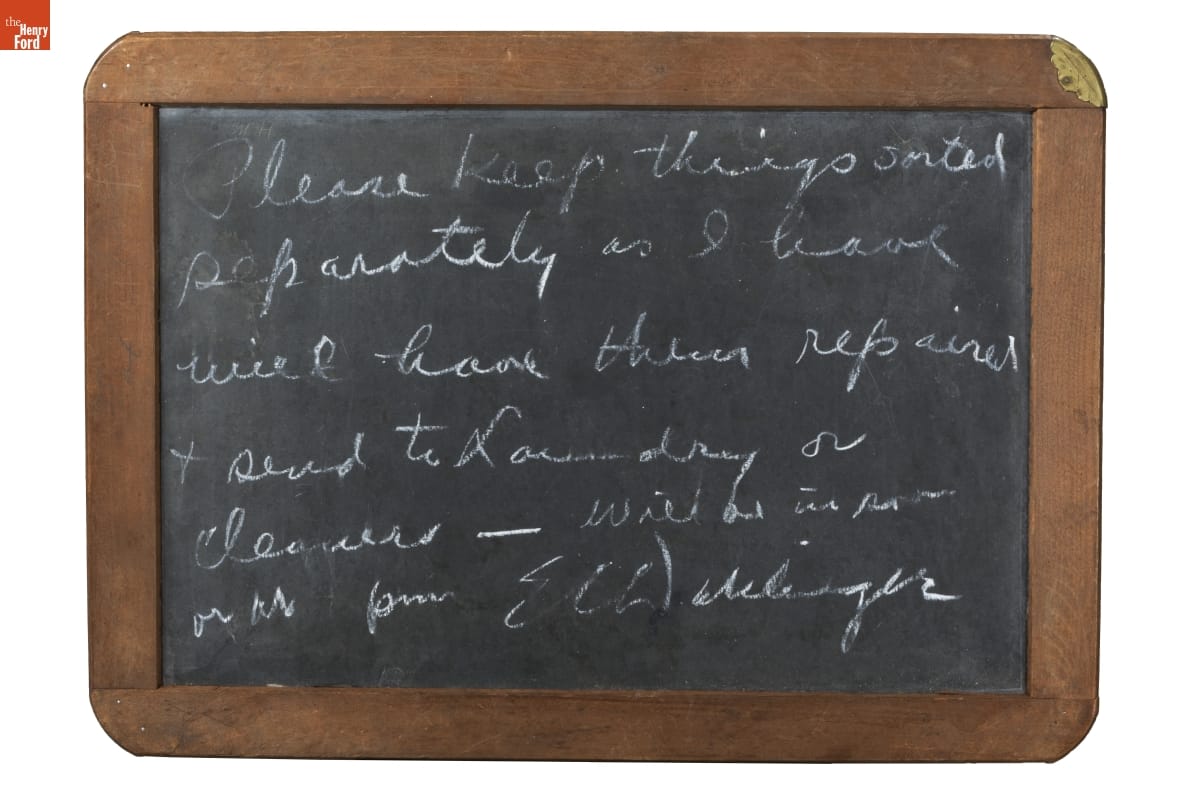
- Writing Slate - In the nineteenth century, schoolchildren's access to paper was limited. Slates were used to practice handwriting and arithmetic without wasting precious paper. After a teacher's approval, the students were allowed to copy their best slate work into a paper copybook, as a record of accomplishment. Students also memorized concepts, rules and even long literary passages, thus conserving paper.
- Collections - Artifact
Writing Slate
In the nineteenth century, schoolchildren's access to paper was limited. Slates were used to practice handwriting and arithmetic without wasting precious paper. After a teacher's approval, the students were allowed to copy their best slate work into a paper copybook, as a record of accomplishment. Students also memorized concepts, rules and even long literary passages, thus conserving paper.