
Search
- Writing Slate - In the nineteenth century, schoolchildren's access to paper was limited. Slates were used to practice handwriting and arithmetic without wasting precious paper. After a teacher's approval, the students were allowed to copy their best slate work into a paper copybook, as a record of accomplishment. Students also memorized concepts, rules and even long literary passages, thus conserving paper.
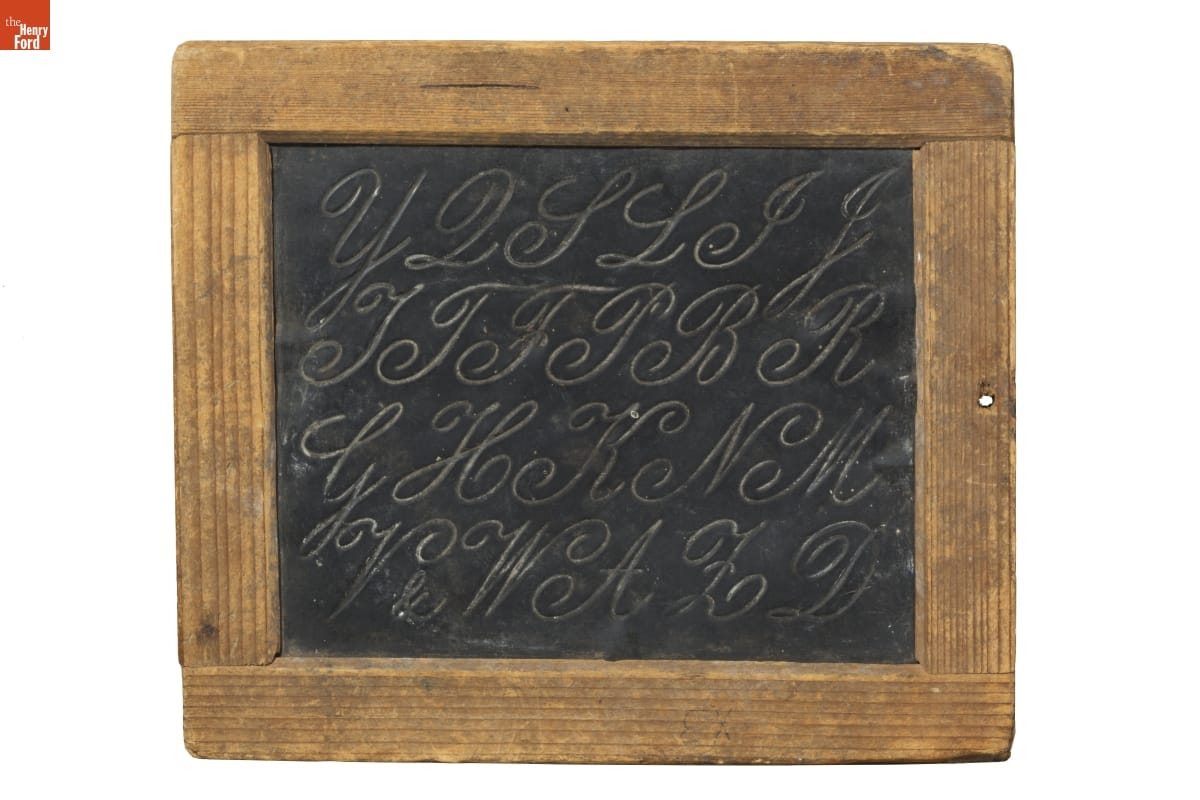
- Collections - Artifact
Writing Slate
In the nineteenth century, schoolchildren's access to paper was limited. Slates were used to practice handwriting and arithmetic without wasting precious paper. After a teacher's approval, the students were allowed to copy their best slate work into a paper copybook, as a record of accomplishment. Students also memorized concepts, rules and even long literary passages, thus conserving paper.
- Double Slate - In the nineteenth century, schoolchildren's access to paper was limited. Slates were used to practice handwriting and arithmetic without wasting precious paper. After a teacher's approval, the students were allowed to copy their best slate work into a paper copybook, as a record of accomplishment. Students also memorized concepts, rules and even long literary passages, thus conserving paper.
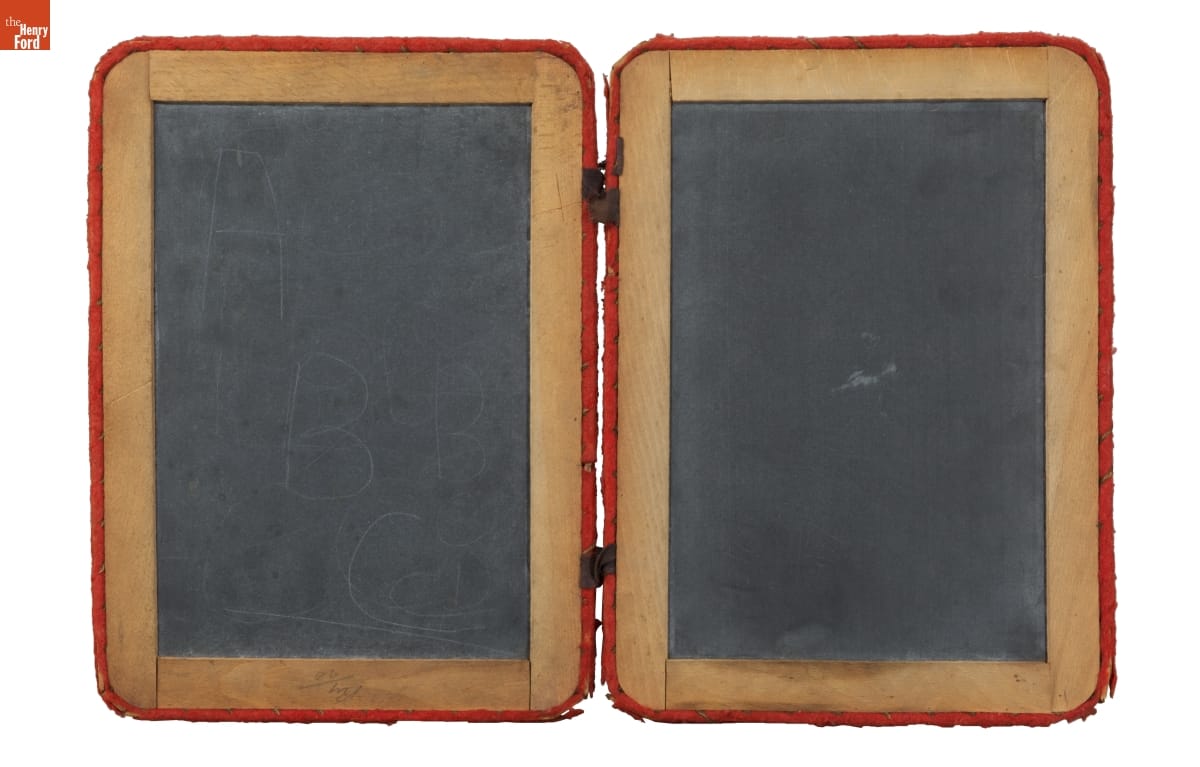
- Collections - Artifact
Double Slate
In the nineteenth century, schoolchildren's access to paper was limited. Slates were used to practice handwriting and arithmetic without wasting precious paper. After a teacher's approval, the students were allowed to copy their best slate work into a paper copybook, as a record of accomplishment. Students also memorized concepts, rules and even long literary passages, thus conserving paper.
- Writing Slate - In the nineteenth century, schoolchildren's access to paper was limited. Slates were used to practice handwriting and arithmetic without wasting precious paper. After a teacher's approval, the students were allowed to copy their best slate work into a paper copybook, as a record of accomplishment. Students also memorized concepts, rules and even long literary passages, thus conserving paper.
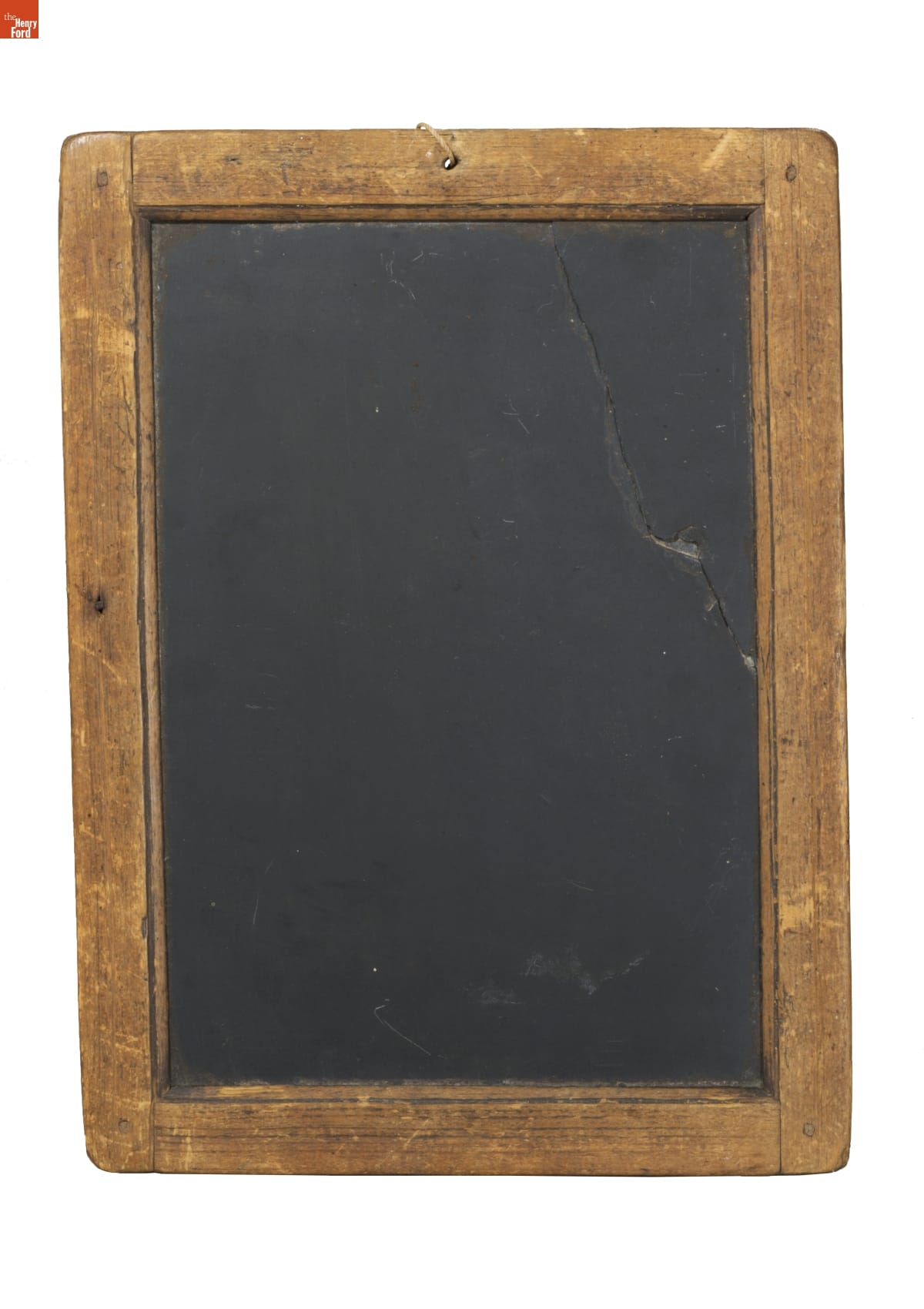
- Collections - Artifact
Writing Slate
In the nineteenth century, schoolchildren's access to paper was limited. Slates were used to practice handwriting and arithmetic without wasting precious paper. After a teacher's approval, the students were allowed to copy their best slate work into a paper copybook, as a record of accomplishment. Students also memorized concepts, rules and even long literary passages, thus conserving paper.
- Double Slate - In the nineteenth century, schoolchildren's access to paper was limited. Slates were used to practice handwriting and arithmetic without wasting precious paper. After a teacher's approval, the students were allowed to copy their best slate work into a paper copybook, as a record of accomplishment. Students also memorized concepts, rules and even long literary passages, thus conserving paper.
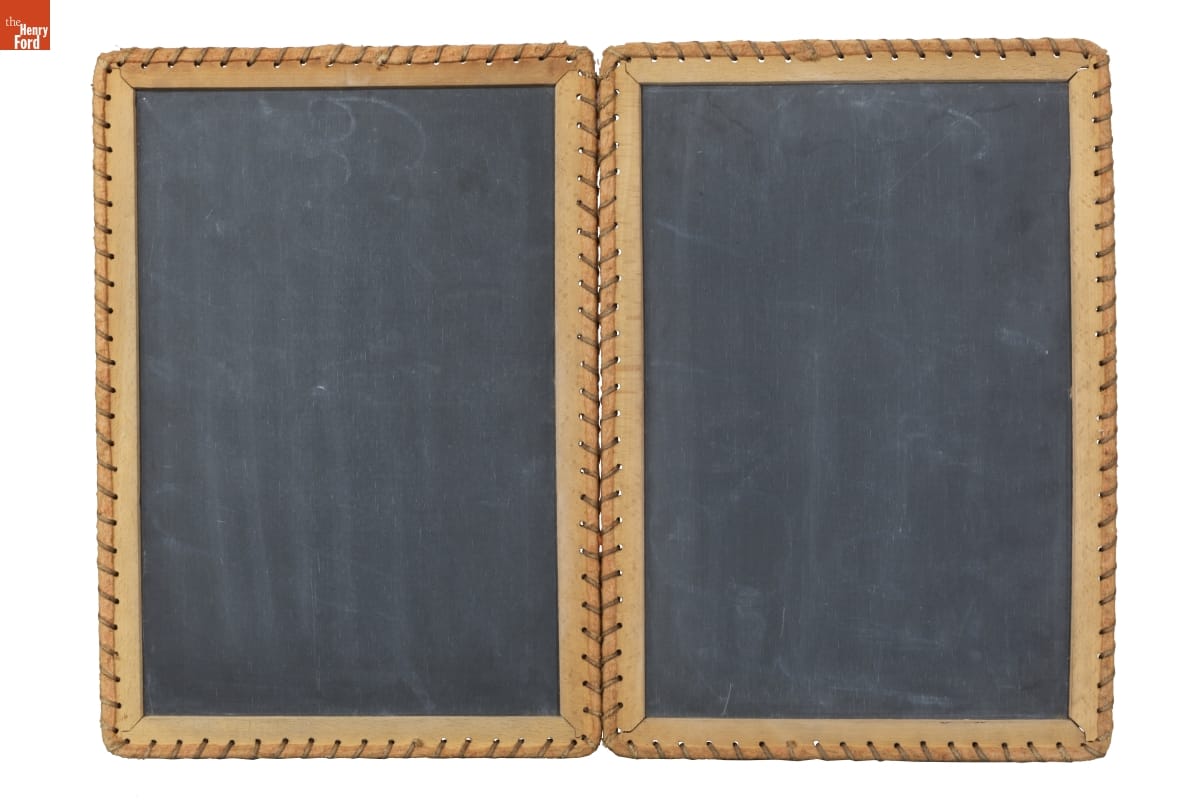
- Collections - Artifact
Double Slate
In the nineteenth century, schoolchildren's access to paper was limited. Slates were used to practice handwriting and arithmetic without wasting precious paper. After a teacher's approval, the students were allowed to copy their best slate work into a paper copybook, as a record of accomplishment. Students also memorized concepts, rules and even long literary passages, thus conserving paper.
- Writing Slate - In the nineteenth century, schoolchildren's access to paper was limited. Slates were used to practice handwriting and arithmetic without wasting precious paper. After a teacher's approval, the students were allowed to copy their best slate work into a paper copybook, as a record of accomplishment. Students also memorized concepts, rules and even long literary passages, thus conserving paper.
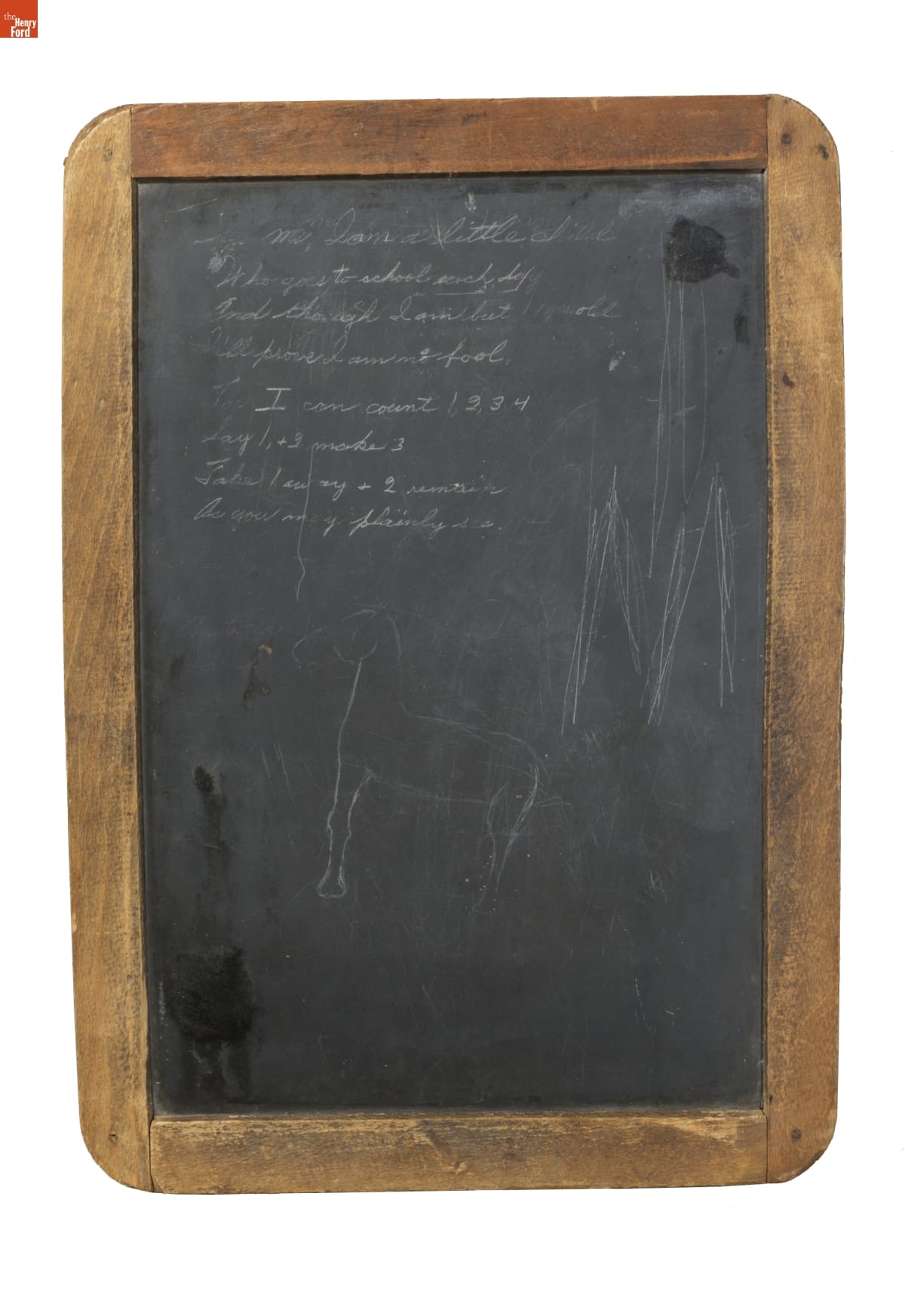
- Collections - Artifact
Writing Slate
In the nineteenth century, schoolchildren's access to paper was limited. Slates were used to practice handwriting and arithmetic without wasting precious paper. After a teacher's approval, the students were allowed to copy their best slate work into a paper copybook, as a record of accomplishment. Students also memorized concepts, rules and even long literary passages, thus conserving paper.
- Writing Slate - In the nineteenth century, schoolchildren's access to paper was limited. Slates were used to practice handwriting and arithmetic without wasting precious paper. After a teacher's approval, the students were allowed to copy their best slate work into a paper copybook, as a record of accomplishment. Students also memorized concepts, rules and even long literary passages, thus conserving paper.
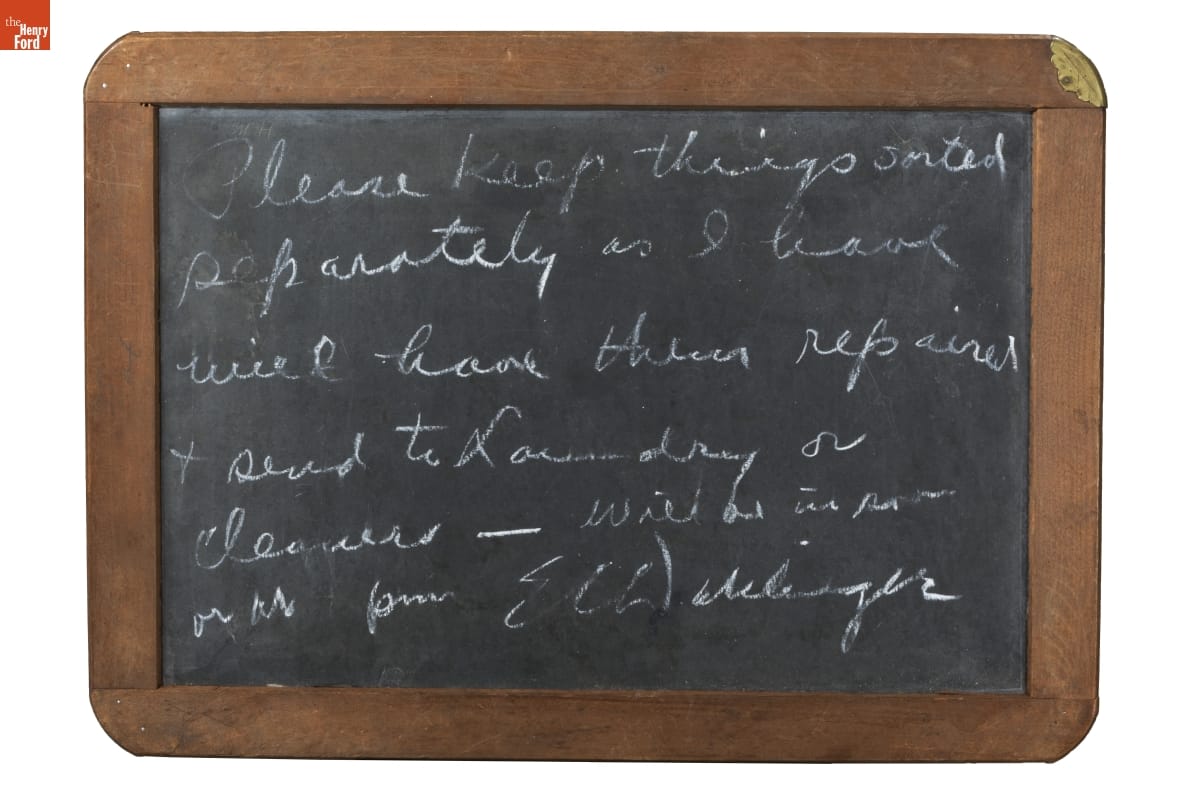
- Collections - Artifact
Writing Slate
In the nineteenth century, schoolchildren's access to paper was limited. Slates were used to practice handwriting and arithmetic without wasting precious paper. After a teacher's approval, the students were allowed to copy their best slate work into a paper copybook, as a record of accomplishment. Students also memorized concepts, rules and even long literary passages, thus conserving paper.
- Writing Slate - In the nineteenth century, schoolchildren's access to paper was limited. Slates were used to practice handwriting and arithmetic without wasting precious paper. After a teacher's approval, the students were allowed to copy their best slate work into a paper copybook, as a record of accomplishment. Students also memorized concepts, rules and even long literary passages, thus conserving paper.
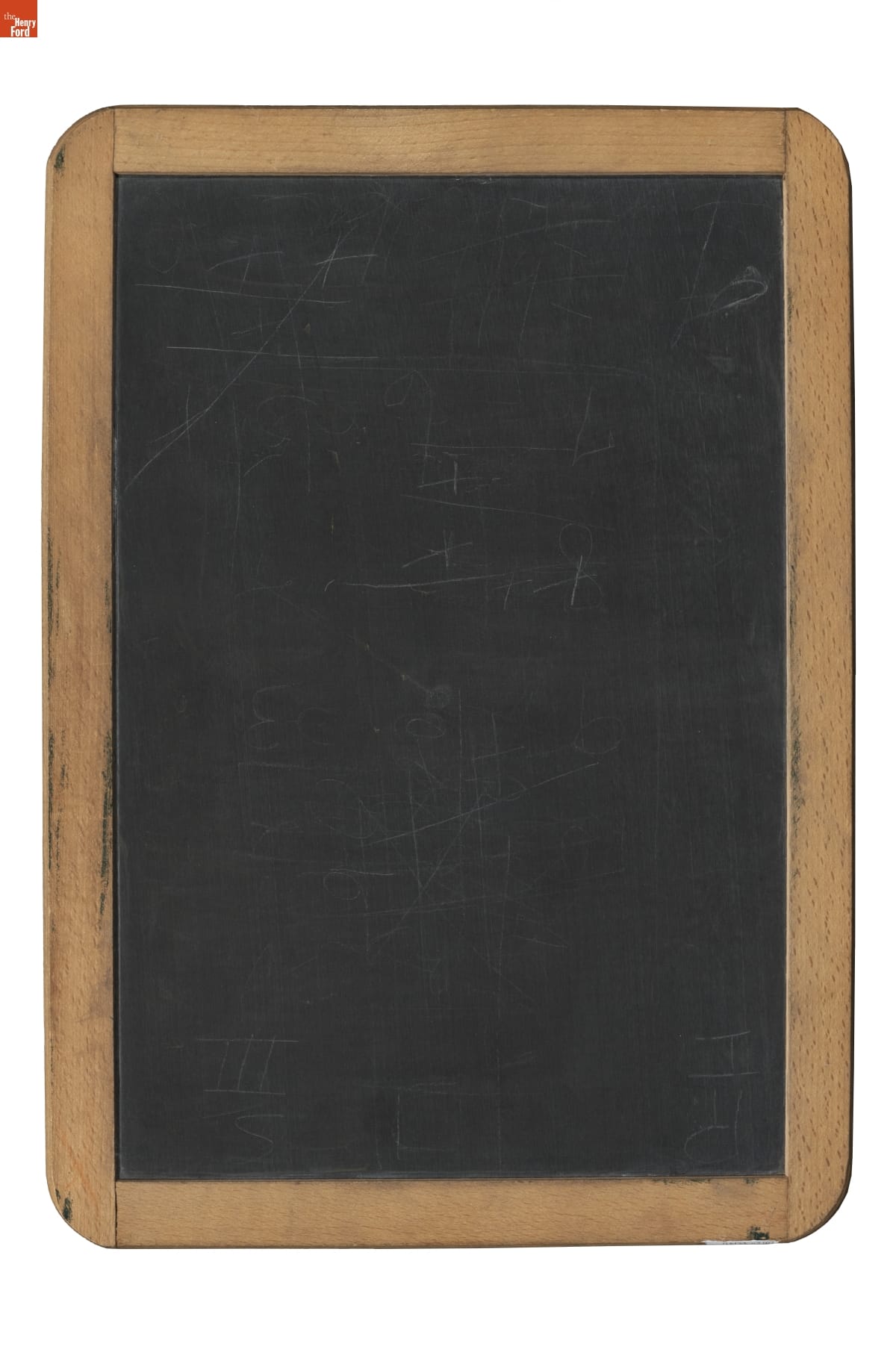
- Collections - Artifact
Writing Slate
In the nineteenth century, schoolchildren's access to paper was limited. Slates were used to practice handwriting and arithmetic without wasting precious paper. After a teacher's approval, the students were allowed to copy their best slate work into a paper copybook, as a record of accomplishment. Students also memorized concepts, rules and even long literary passages, thus conserving paper.
- Double Slate - In the nineteenth century, schoolchildren's access to paper was limited. Slates were used to practice handwriting and arithmetic without wasting precious paper. After a teacher's approval, the students were allowed to copy their best slate work into a paper copybook, as a record of accomplishment. Students also memorized concepts, rules and even long literary passages, thus conserving paper.
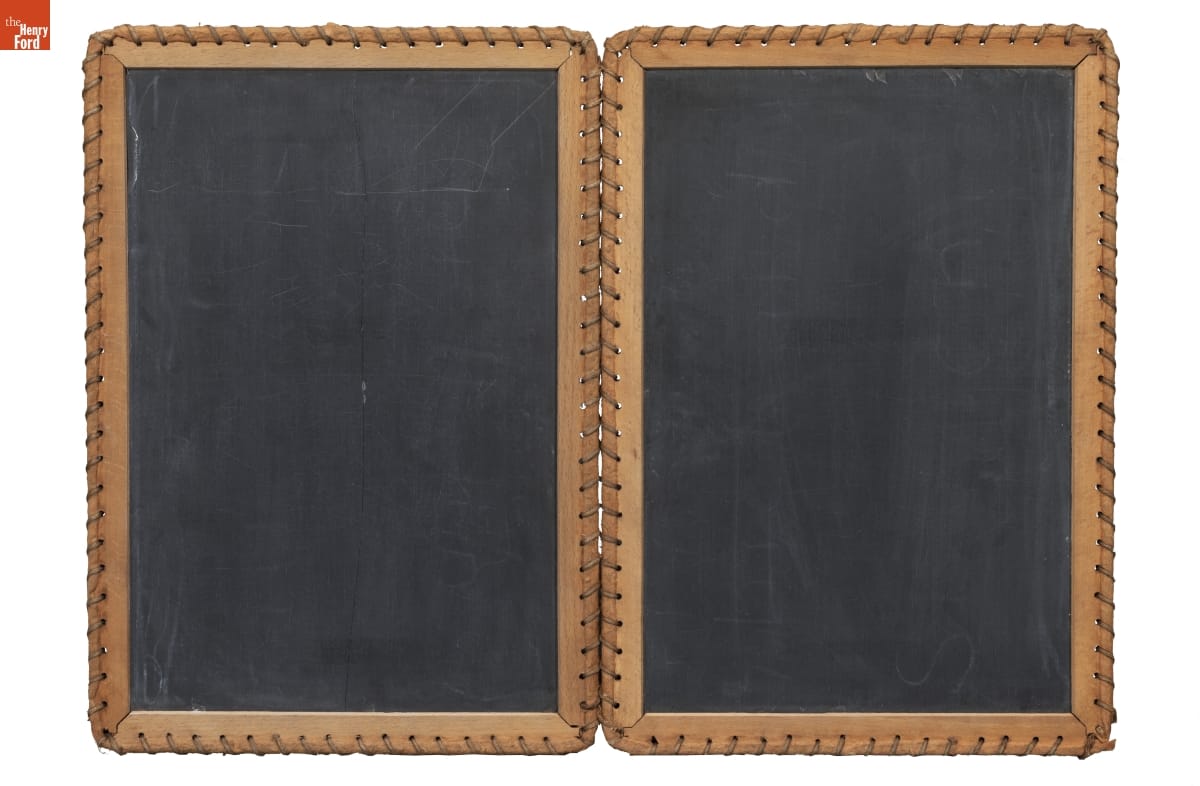
- Collections - Artifact
Double Slate
In the nineteenth century, schoolchildren's access to paper was limited. Slates were used to practice handwriting and arithmetic without wasting precious paper. After a teacher's approval, the students were allowed to copy their best slate work into a paper copybook, as a record of accomplishment. Students also memorized concepts, rules and even long literary passages, thus conserving paper.
- Blackboard Slate with Case, 1840-1880 - In the nineteenth century, schoolchildren's access to paper was limited. Slates were used to practice handwriting and arithmetic without wasting precious paper. After a teacher's approval, the students were allowed to copy their best slate work into a paper copybook, as a record of accomplishment. Students also memorized concepts, rules and even long literary passages, thus conserving paper.
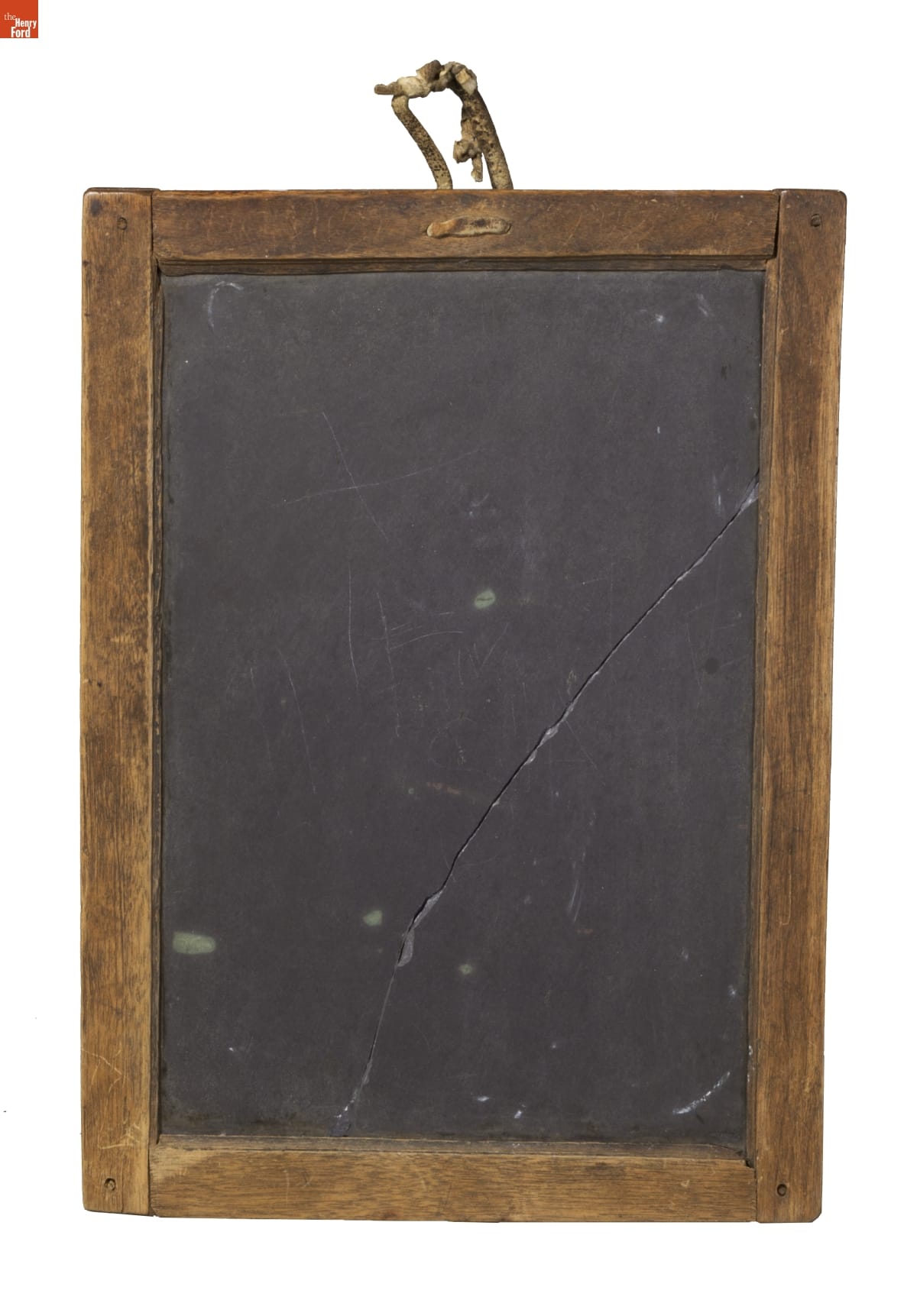
- 1840-1880
- Collections - Artifact
Blackboard Slate with Case, 1840-1880
In the nineteenth century, schoolchildren's access to paper was limited. Slates were used to practice handwriting and arithmetic without wasting precious paper. After a teacher's approval, the students were allowed to copy their best slate work into a paper copybook, as a record of accomplishment. Students also memorized concepts, rules and even long literary passages, thus conserving paper.
- Writing Slate, 1880-1910 - In the nineteenth century, schoolchildren's access to paper was limited. Slates were used to practice handwriting and arithmetic without wasting precious paper. After a teacher's approval, the students were allowed to copy their best slate work into a paper copybook, as a record of accomplishment. Students also memorized concepts, rules and even long literary passages, thus conserving paper.
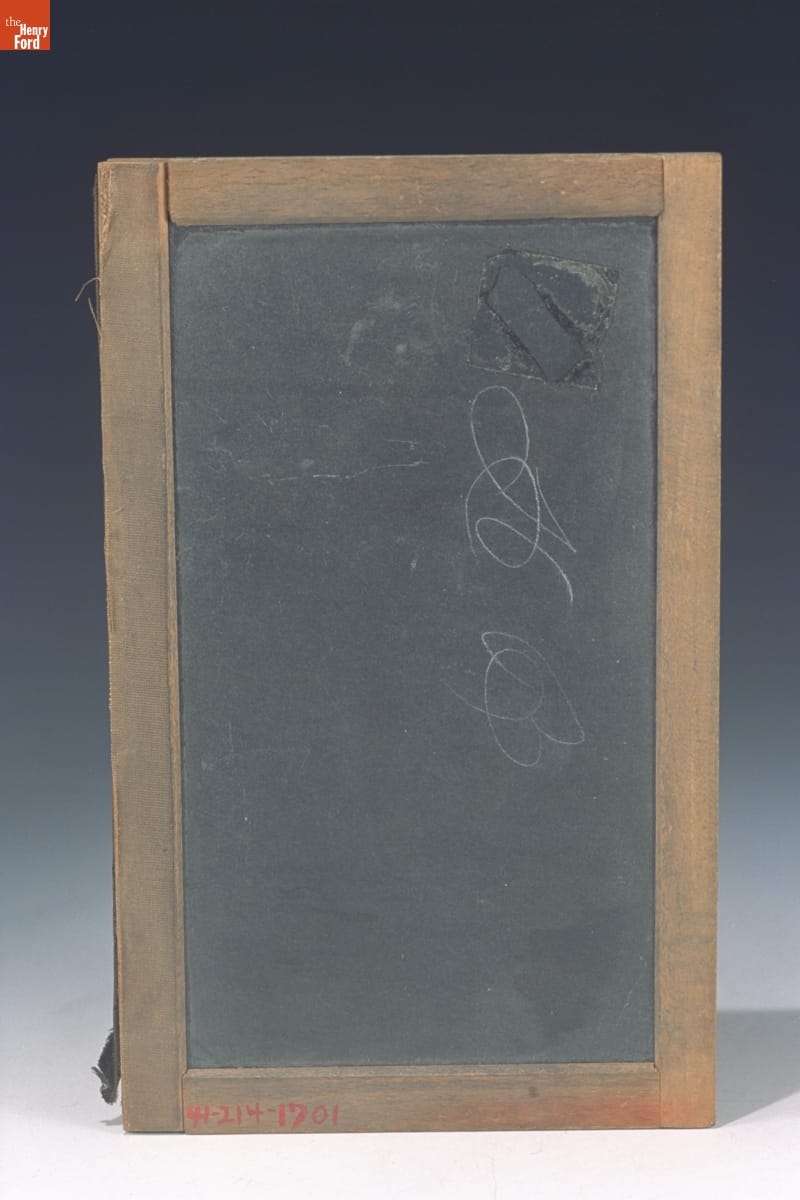
- 1880-1910
- Collections - Artifact
Writing Slate, 1880-1910
In the nineteenth century, schoolchildren's access to paper was limited. Slates were used to practice handwriting and arithmetic without wasting precious paper. After a teacher's approval, the students were allowed to copy their best slate work into a paper copybook, as a record of accomplishment. Students also memorized concepts, rules and even long literary passages, thus conserving paper.