
Search
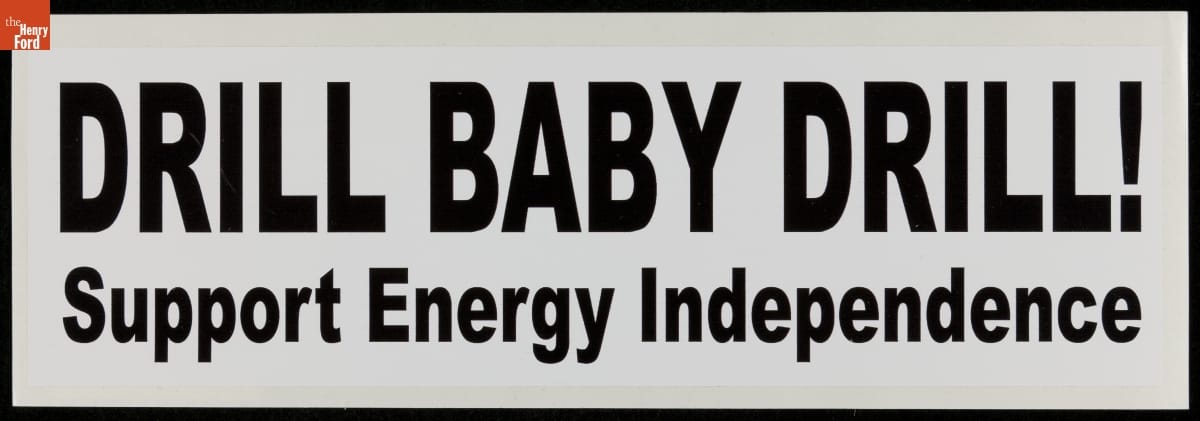
- "Drill Baby Drill! Support Energy Independence" Bumper Sticker, 2011 - Critics of America's dependence on foreign oil suggested we drive less, develop alternative fuels, or drill in protected domestic wilderness areas, as this bumper sticker suggests.
- 2011
- Collections - Artifact
"Drill Baby Drill! Support Energy Independence" Bumper Sticker, 2011
Critics of America's dependence on foreign oil suggested we drive less, develop alternative fuels, or drill in protected domestic wilderness areas, as this bumper sticker suggests.
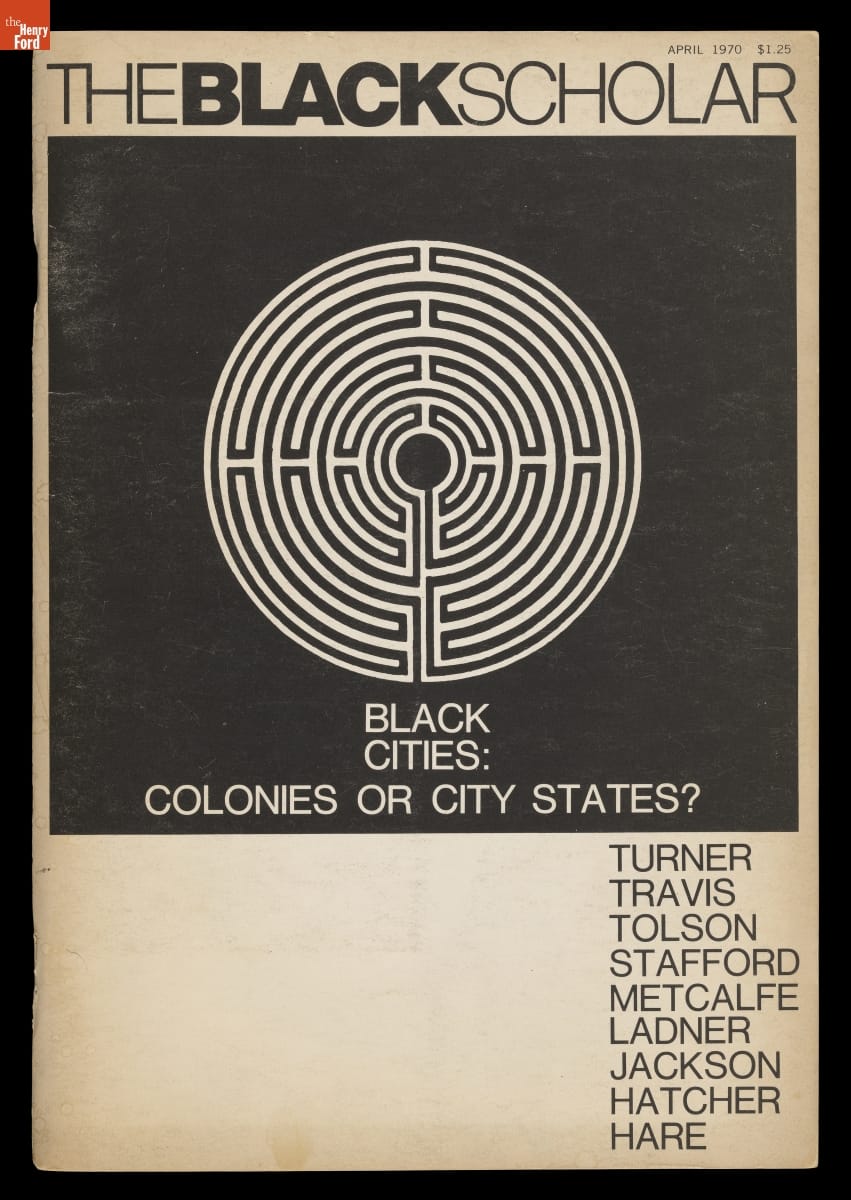
- "The Black Scholar," April 1970 Issue, "Colonies or City States?" - In 1969, in the wake of a growing interest in Black American history and culture, Robert Christman and Nathan Hare -- former professors from San Francisco State College -- started <i>The Black Scholar</i>. It was the first scholastic journal that focused on Black, Africana, and Diaspora studies. <i>The Black Scholar</i> has published papers and other works by famous academics, political thinkers, and authors.
- April 01, 1970
- Collections - Artifact
"The Black Scholar," April 1970 Issue, "Colonies or City States?"
In 1969, in the wake of a growing interest in Black American history and culture, Robert Christman and Nathan Hare -- former professors from San Francisco State College -- started The Black Scholar. It was the first scholastic journal that focused on Black, Africana, and Diaspora studies. The Black Scholar has published papers and other works by famous academics, political thinkers, and authors.
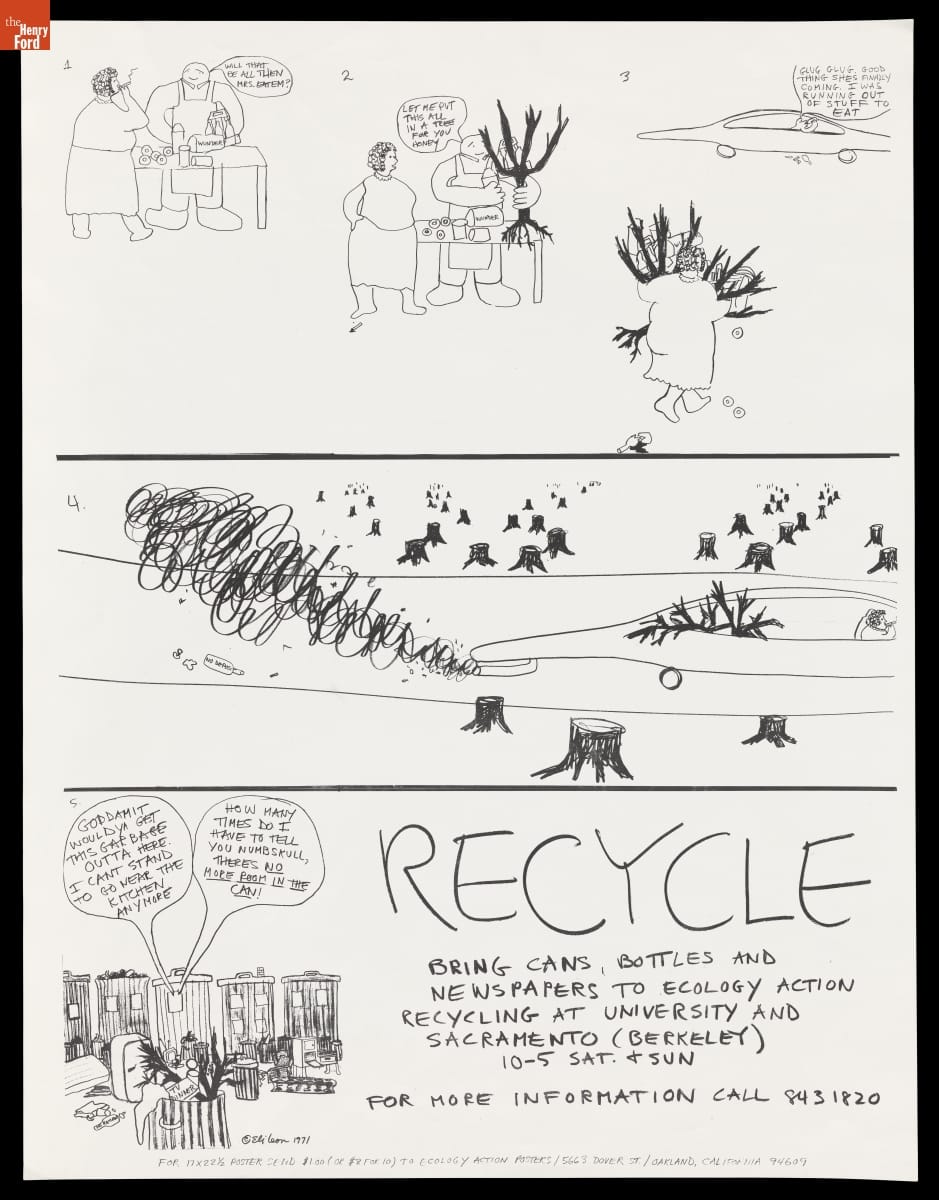
- Poster by Eli Leon for Ecology Action, "Recycle," 1971 - Recycling emerged as a natural outgrowth of Earth Day activities, but mobilizing recycling programs required proactive measures. Environmentalists used various print media to encourage action. In this poster, Eli Leon alerted Berkeley, California, residents to the profound positive effect recycling used bottles and cans at pre-determined locations could have on the environment.
- 1971
- Collections - Artifact
Poster by Eli Leon for Ecology Action, "Recycle," 1971
Recycling emerged as a natural outgrowth of Earth Day activities, but mobilizing recycling programs required proactive measures. Environmentalists used various print media to encourage action. In this poster, Eli Leon alerted Berkeley, California, residents to the profound positive effect recycling used bottles and cans at pre-determined locations could have on the environment.
- "A Golden Guide: Ecology," 1973 -
- 1973
- Collections - Artifact
"A Golden Guide: Ecology," 1973
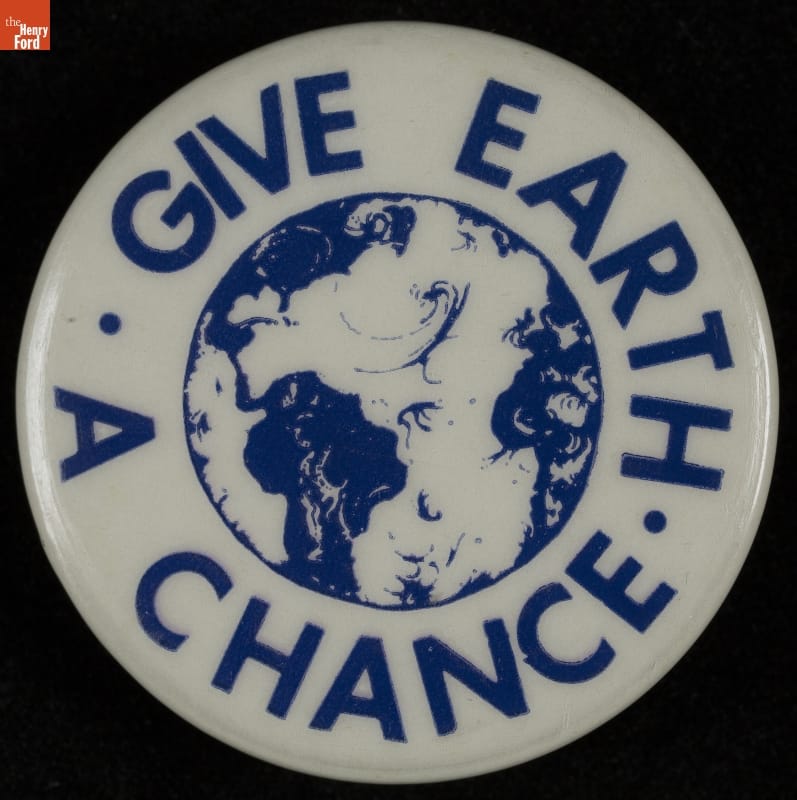
- Button, "Give Earth a Chance," 1970 - University of Michigan students formed the Environmental Action for Survival Committee (ENACT) in 1969. They created this button to promote a four-day "Teach-in on the Environment," held in March 1970 (before the official Earth Day, April 22, 1970). It was sold to Earth Day advocates who wore it in support of environmental education, direct action to reduce pollution, and regulation to ensure a future for the planet and its inhabitants.
- 1970
- Collections - Artifact
Button, "Give Earth a Chance," 1970
University of Michigan students formed the Environmental Action for Survival Committee (ENACT) in 1969. They created this button to promote a four-day "Teach-in on the Environment," held in March 1970 (before the official Earth Day, April 22, 1970). It was sold to Earth Day advocates who wore it in support of environmental education, direct action to reduce pollution, and regulation to ensure a future for the planet and its inhabitants.
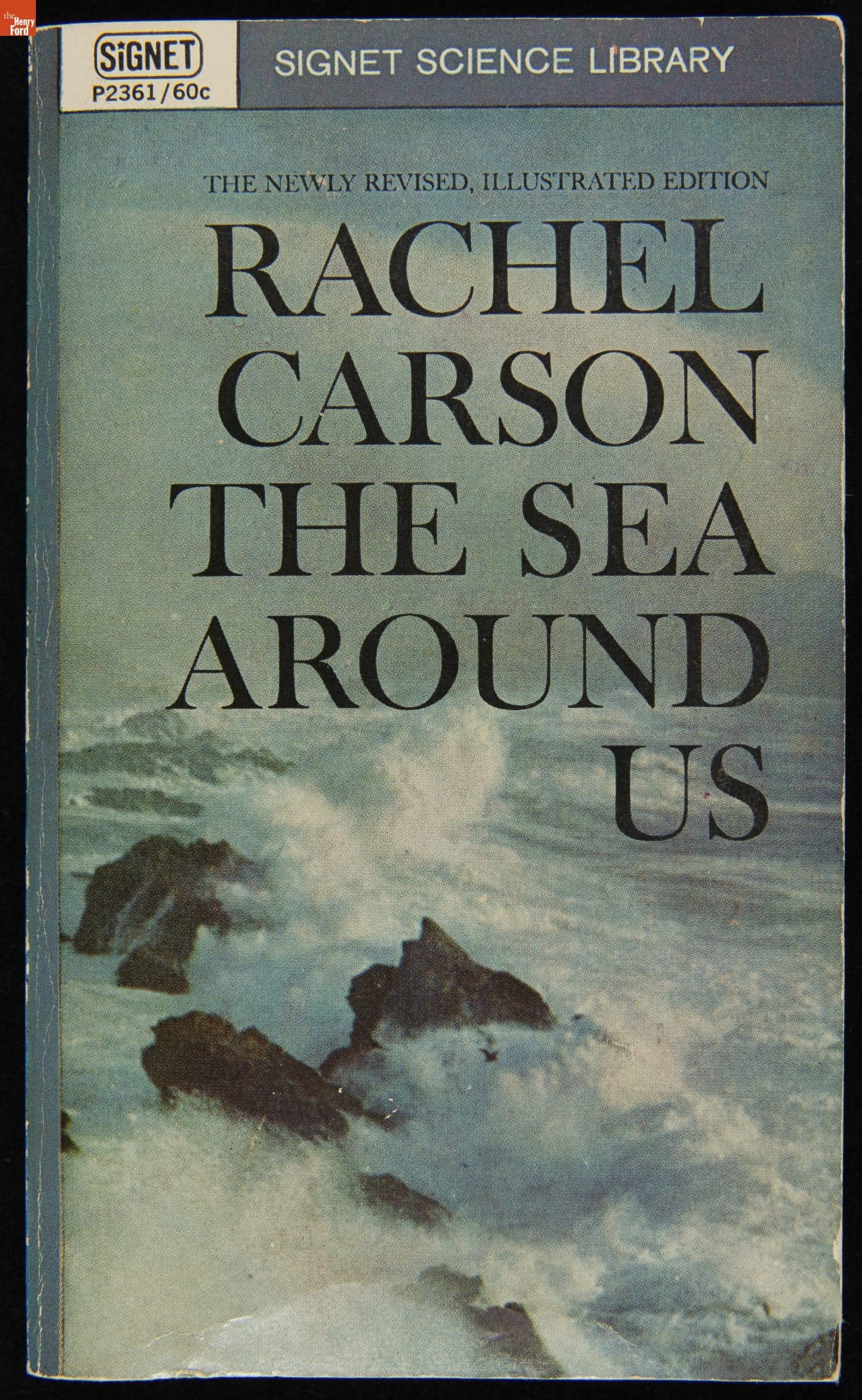
- "The Sea Around Us," 1951 - After the minimal success of her first book, <em>Under the Sea Wind</em> (1941), marine biologist Rachel Carson, published <em>The Sea Around Us</em> (1951). Her prose, a mix of poetry and scientific understanding, captured readers' imaginations and won the book multiple awards. This success allowed Carson to resign as Chief Editor of the United States Fish and Wildlife Service and devote all of her time to being an author.
- 1951
- Collections - Artifact
"The Sea Around Us," 1951
After the minimal success of her first book, Under the Sea Wind (1941), marine biologist Rachel Carson, published The Sea Around Us (1951). Her prose, a mix of poetry and scientific understanding, captured readers' imaginations and won the book multiple awards. This success allowed Carson to resign as Chief Editor of the United States Fish and Wildlife Service and devote all of her time to being an author.
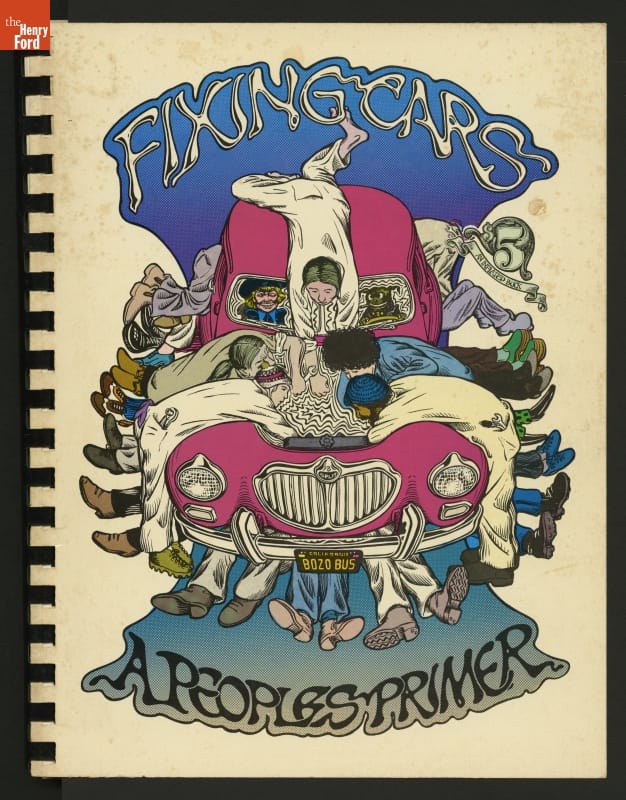
- "Fixing Cars, a Peoples Primer," 1974 -
- 1974
- Collections - Artifact
"Fixing Cars, a Peoples Primer," 1974
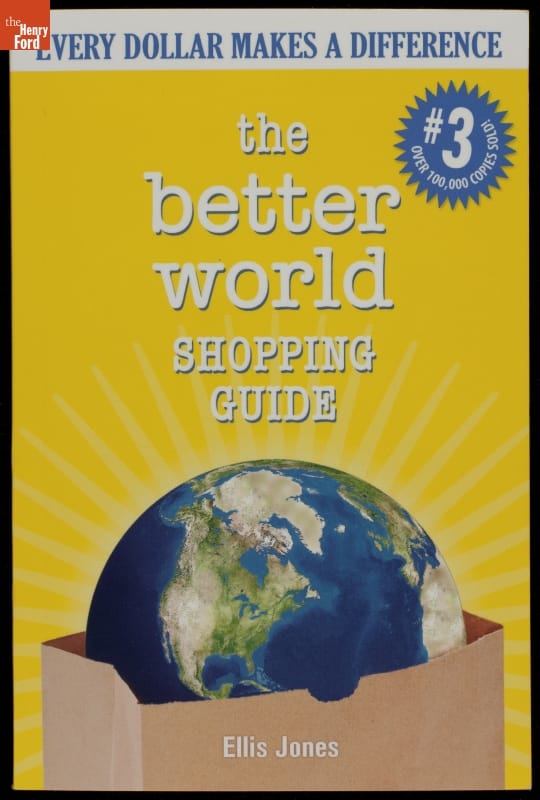
- "The Better World Shopping Guide," 2010 - By the 2000s, shopping had become a popular way to put environmentalist sensibilities into practice. This book, appealing to consumers who believe that "every dollar makes a difference," suggests socially and environmentally responsible shopping choices, from cereal to cars.
- 2010
- Collections - Artifact
"The Better World Shopping Guide," 2010
By the 2000s, shopping had become a popular way to put environmentalist sensibilities into practice. This book, appealing to consumers who believe that "every dollar makes a difference," suggests socially and environmentally responsible shopping choices, from cereal to cars.
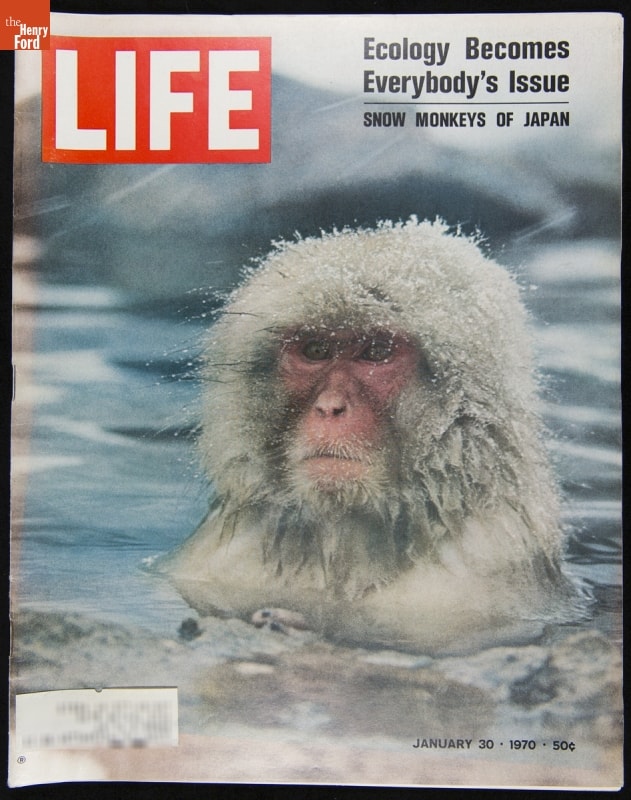
- Life Magazine for January 30, 1970, "Ecology Becomes Everybody's Issue" - Popular news magazines consolidated reports on environmental degradation and informed the general public about the need for an environmental movement. <em>LIFE</em> was the second of the major news magazines (<em>Newsweek</em> was the first on January 26, 1970, and <em>TIME</em> was the third on February 2, 1970) to dedicate an issue to, as the <em>Newsweek</em> edition explained it, the greatest test of human innovation: preserving the environment.
- January 30, 1970
- Collections - Artifact
Life Magazine for January 30, 1970, "Ecology Becomes Everybody's Issue"
Popular news magazines consolidated reports on environmental degradation and informed the general public about the need for an environmental movement. LIFE was the second of the major news magazines (Newsweek was the first on January 26, 1970, and TIME was the third on February 2, 1970) to dedicate an issue to, as the Newsweek edition explained it, the greatest test of human innovation: preserving the environment.
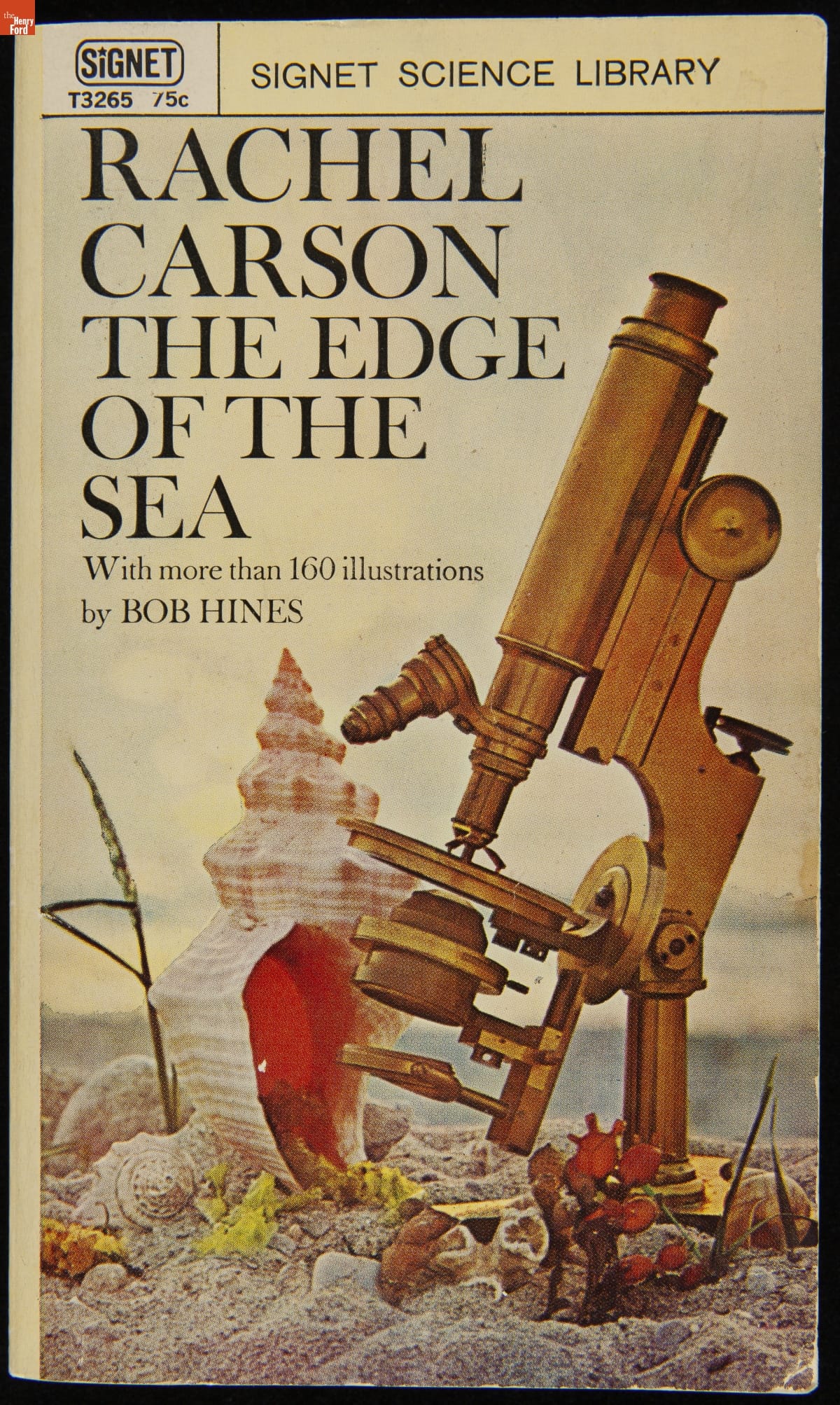
- "The Edge of the Sea," 1955 - Following up on the success of her 1951 book, <em>The Sea Around Us</em>, marine biologist Rachel Carson published <em>The Edge of the Sea</em> in 1955. It was the last in a trilogy that focused solely on the ocean. In it, she explored coastal ecology on the Eastern seaboard, sharing detailed descriptions of life in marshes, tide pools, and shallows--places where Carson found inspiration.
- 1955
- Collections - Artifact
"The Edge of the Sea," 1955
Following up on the success of her 1951 book, The Sea Around Us, marine biologist Rachel Carson published The Edge of the Sea in 1955. It was the last in a trilogy that focused solely on the ocean. In it, she explored coastal ecology on the Eastern seaboard, sharing detailed descriptions of life in marshes, tide pools, and shallows--places where Carson found inspiration.