
Search
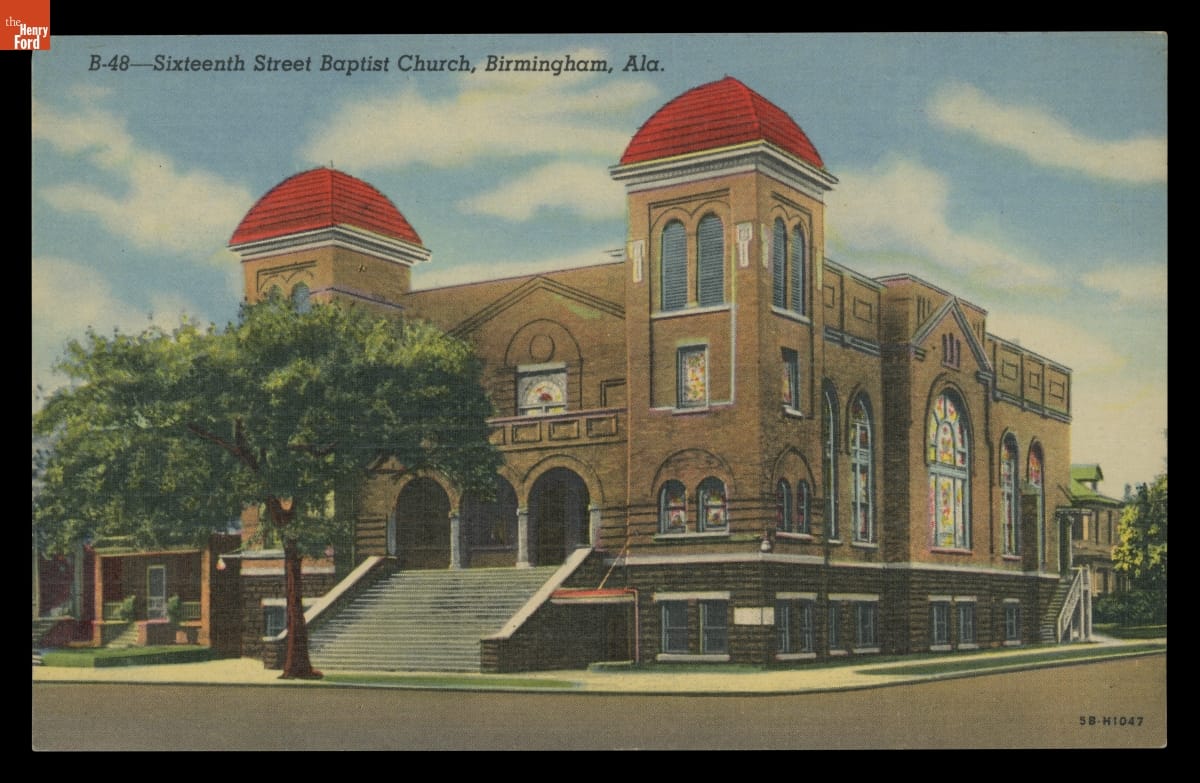
- Sixteenth Street Baptist Church, Birmingham, Alabama, 1945 -
- circa 1945
- Collections - Artifact
Sixteenth Street Baptist Church, Birmingham, Alabama, 1945
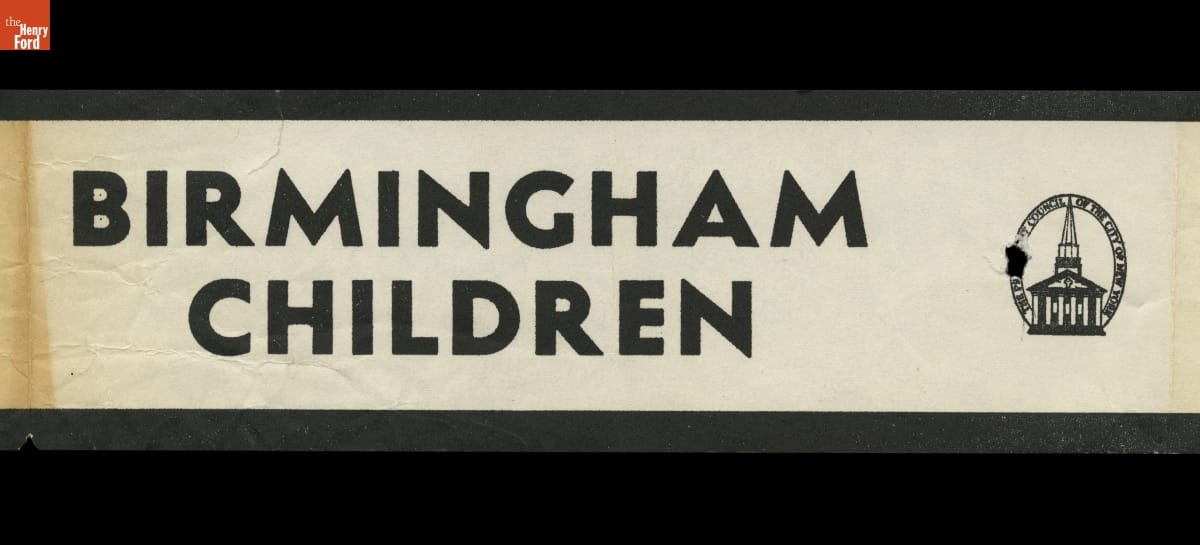
- "Birmingham Children" Armband, September 1963 - The 16th Street Baptist Church bombing in Birmingham, Alabama, on September 15, 1963, killed four Black children in an act of white supremacist terrorism. The Protestant Council of the City of New York issued armbands like this five days later, asking its members to wear them on Sunday, September 22. Also, thirty ministers wore them during a prayer vigil at the United Nations a few days prior.
- September 01, 1963
- Collections - Artifact
"Birmingham Children" Armband, September 1963
The 16th Street Baptist Church bombing in Birmingham, Alabama, on September 15, 1963, killed four Black children in an act of white supremacist terrorism. The Protestant Council of the City of New York issued armbands like this five days later, asking its members to wear them on Sunday, September 22. Also, thirty ministers wore them during a prayer vigil at the United Nations a few days prior.
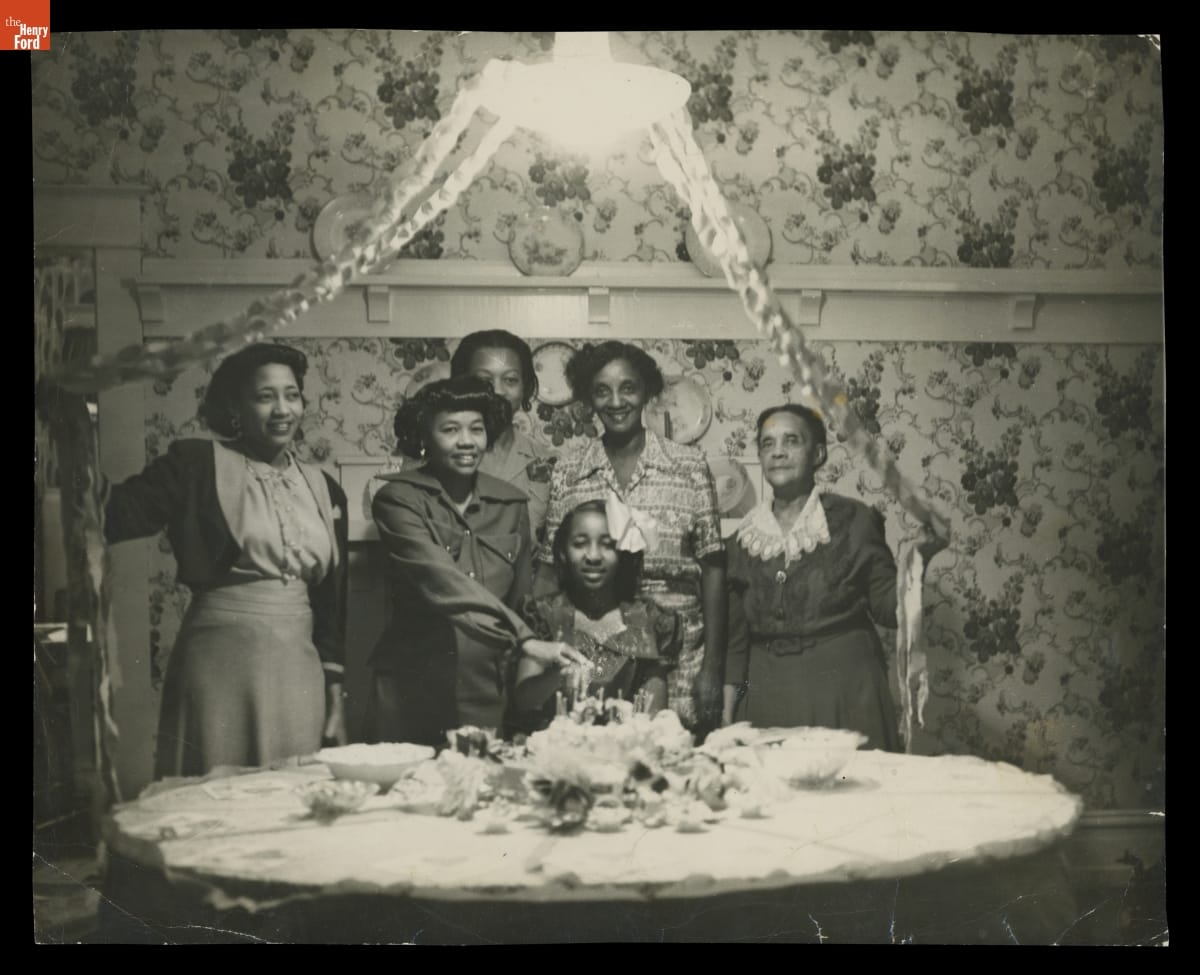
- Bennie Gardner Portlock, Marie Foster, and Others Celebrate Rose Marie Foster's 16th Birthday, 1954 -
- circa 1954
- Collections - Artifact
Bennie Gardner Portlock, Marie Foster, and Others Celebrate Rose Marie Foster's 16th Birthday, 1954
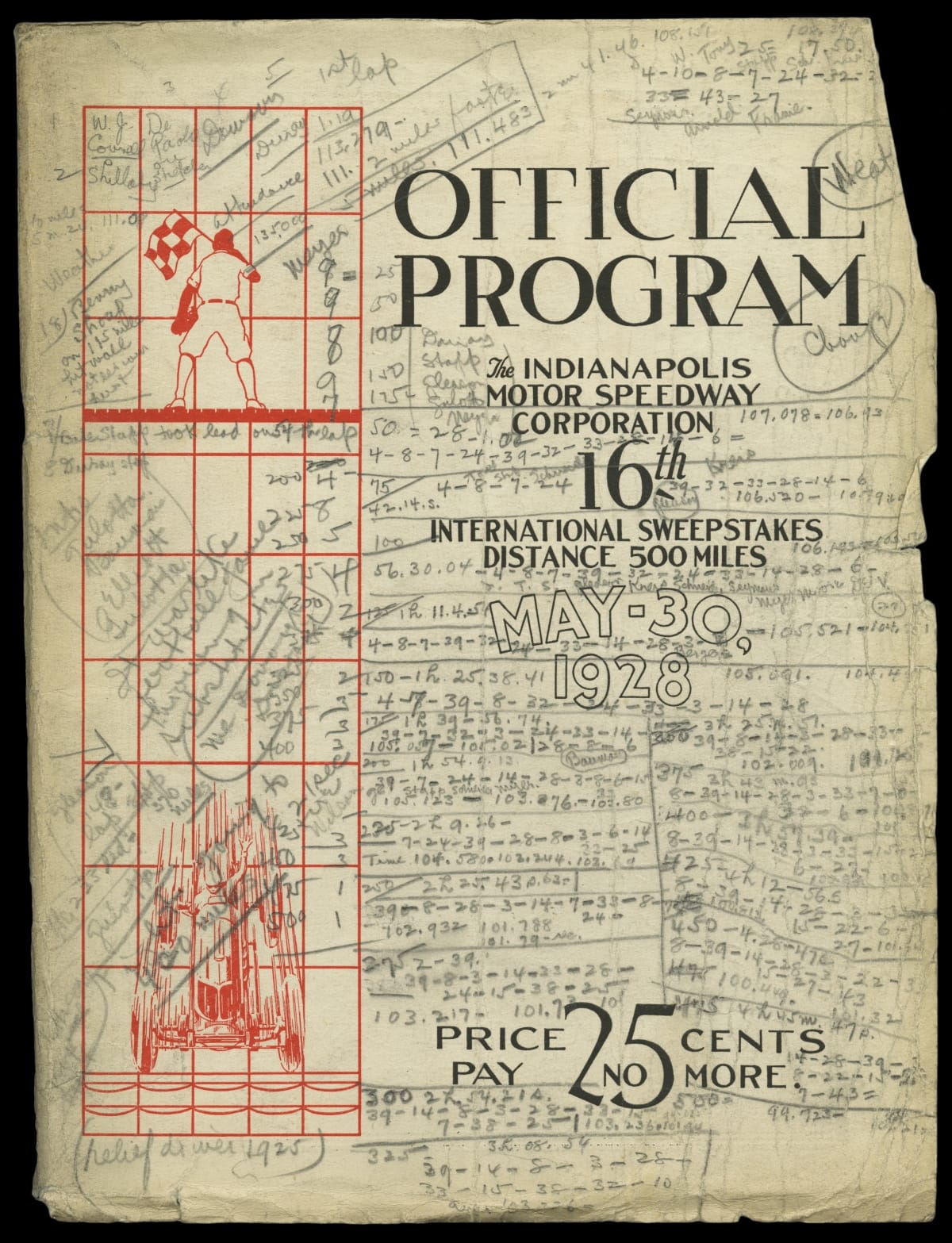
- Official Program of the Indianapolis Motor Speedway 16th International Sweepstakes 500 Mile Race, May 30, 1928 - The sixteenth Indianapolis 500 was held on May 30, 1928. Louis Meyer, driving a Miller Special, won the first of his three Indy 500 victories. Despite having appeared at Indianapolis as a relief driver the year before, Meyer was considered a rookie winner in 1928. The Stutz Motor Car Company, based in Indianapolis, was a prominent advertiser in the race's program.
- May 30, 1928
- Collections - Artifact
Official Program of the Indianapolis Motor Speedway 16th International Sweepstakes 500 Mile Race, May 30, 1928
The sixteenth Indianapolis 500 was held on May 30, 1928. Louis Meyer, driving a Miller Special, won the first of his three Indy 500 victories. Despite having appeared at Indianapolis as a relief driver the year before, Meyer was considered a rookie winner in 1928. The Stutz Motor Car Company, based in Indianapolis, was a prominent advertiser in the race's program.
- Early 19th Century Map of Ohio -
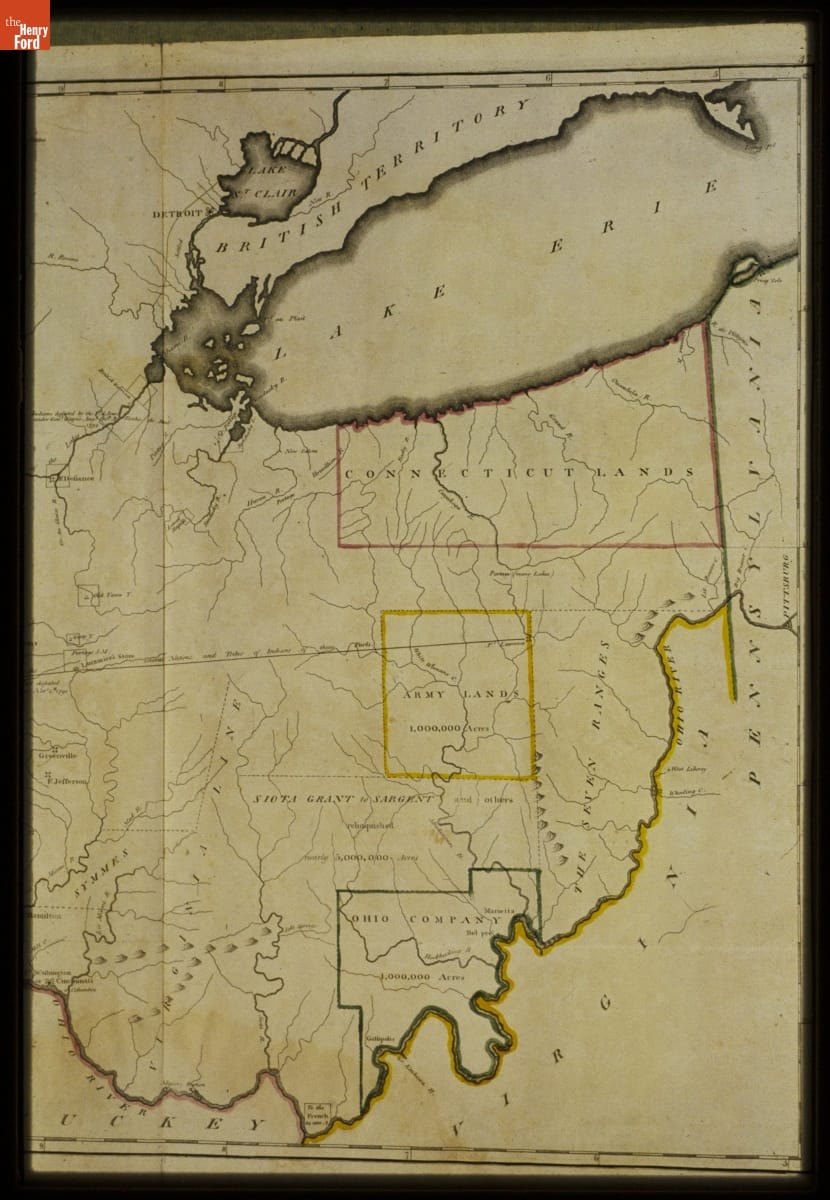
- 1800-1825
- Collections - Artifact
Early 19th Century Map of Ohio
- Just Added to Our Digital Collections: Firearms - The Henry Ford holds a collection of firearms ranging across centuries: from a 16th century musket to an early 20th century shotgun.

- May 20, 2014
- Collections - article
Just Added to Our Digital Collections: Firearms
The Henry Ford holds a collection of firearms ranging across centuries: from a 16th century musket to an early 20th century shotgun.
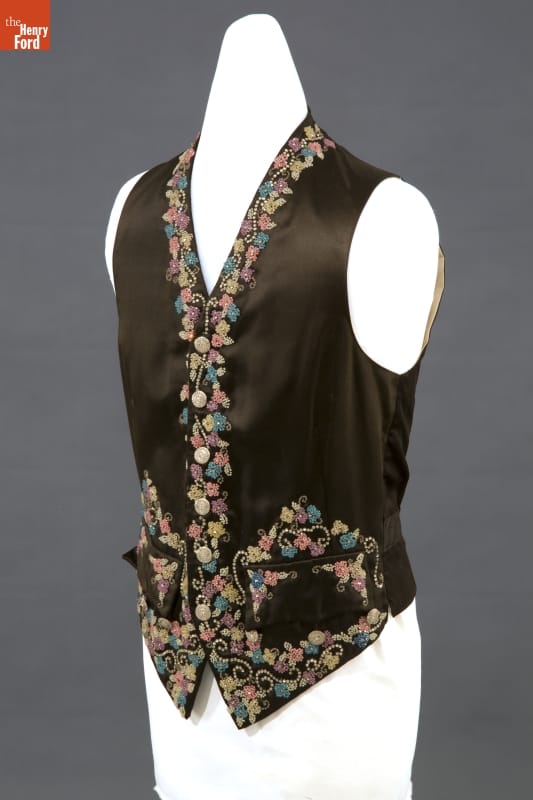
- 18th Century Style Vest, Made for Henry Ford - Henry Ford likely purchased this "18th century" style vest to wear at old-fashioned dancing parties. Ford likely only donned the costume for special occasions--not his weekly dances. The garment's maker, the Eaves Costume Company of New York, designed and rented costumes for a variety of plays and musical revues. They also provided costumes for masquerades and balls attended by wealthy socialites.
- 1925-1935
- Collections - Artifact
18th Century Style Vest, Made for Henry Ford
Henry Ford likely purchased this "18th century" style vest to wear at old-fashioned dancing parties. Ford likely only donned the costume for special occasions--not his weekly dances. The garment's maker, the Eaves Costume Company of New York, designed and rented costumes for a variety of plays and musical revues. They also provided costumes for masquerades and balls attended by wealthy socialites.
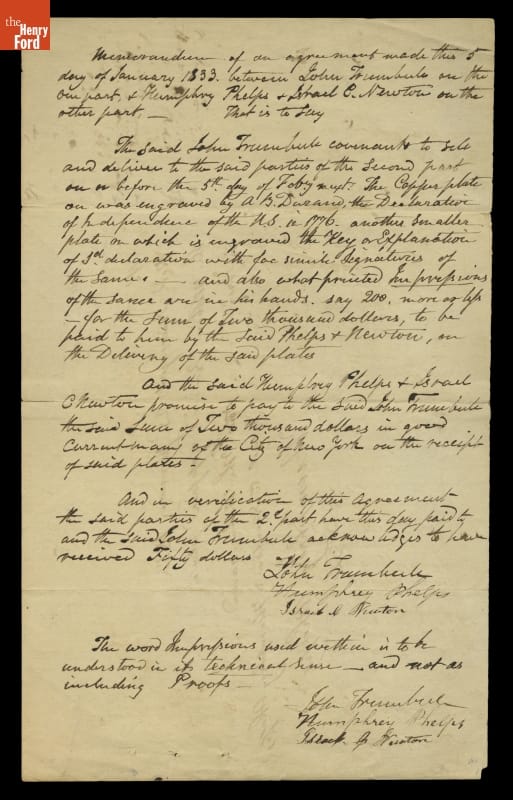
- Agreement by John Trumbull to Sell the "Declaration of Independence" Engraving Plates, January 5, 1833 - In 1817, the U.S. Congress commissioned John Trumbull to paint four Revolutionary-era scenes for the Capitol. As Trumbull completed <EM>Declaration of Independence</EM>, he authorized Asher Durand to create copper engraving plates of the painting from which Trumbull would make prints. In 1833, Trumbull agreed to sell these plates--along with 200 remaining prints--to Humphrey Phelps and Israel Newton.
- January 05, 1833
- Collections - Artifact
Agreement by John Trumbull to Sell the "Declaration of Independence" Engraving Plates, January 5, 1833
In 1817, the U.S. Congress commissioned John Trumbull to paint four Revolutionary-era scenes for the Capitol. As Trumbull completed Declaration of Independence, he authorized Asher Durand to create copper engraving plates of the painting from which Trumbull would make prints. In 1833, Trumbull agreed to sell these plates--along with 200 remaining prints--to Humphrey Phelps and Israel Newton.
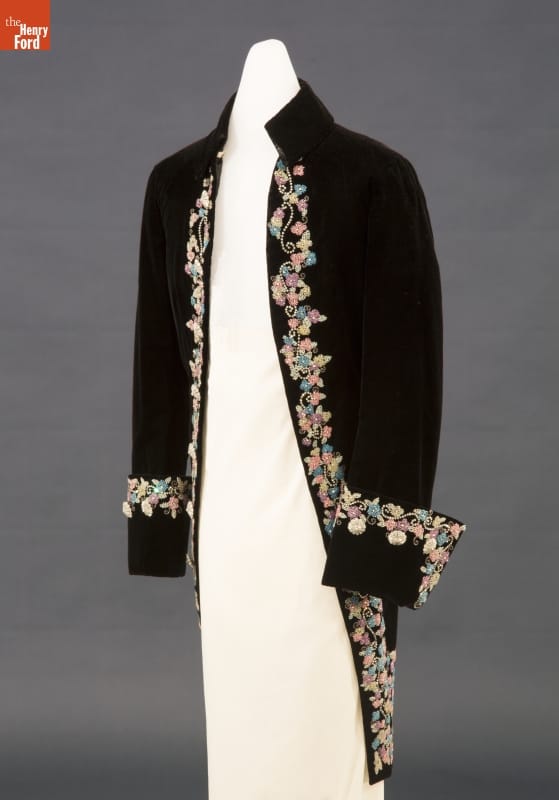
- 18th Century Style Coat, Made for Henry Ford - Henry Ford likely purchased this "18th century" style coat to wear at old-fashioned dancing parties. Ford likely only donned the costume for special occasions--not his weekly dances. The garment's maker, the Eaves Costume Company of New York, designed and rented costumes for a variety of plays and musical revues. They also provided costumes for masquerades and balls attended by wealthy socialites.
- 1925-1935
- Collections - Artifact
18th Century Style Coat, Made for Henry Ford
Henry Ford likely purchased this "18th century" style coat to wear at old-fashioned dancing parties. Ford likely only donned the costume for special occasions--not his weekly dances. The garment's maker, the Eaves Costume Company of New York, designed and rented costumes for a variety of plays and musical revues. They also provided costumes for masquerades and balls attended by wealthy socialites.
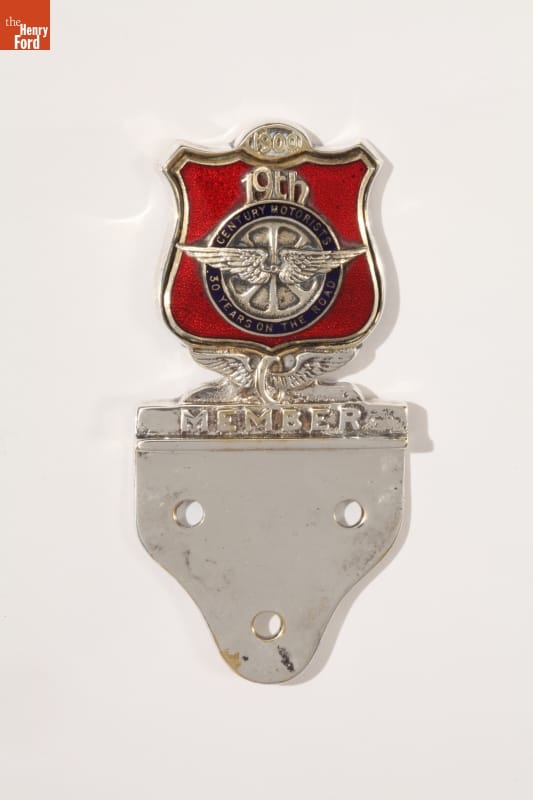
- Henry Ford's 19th Century Motorists Membership Badge, circa 1930 - Great Britain's Circle of 19th Century Motorists was formed in 1927 to recognize the comparatively small number of people who had operated an automobile before the year 1900. Henry Ford was among them, having driven his Quadricycle for the first time on June 4, 1896. Ford was presented with this membership badge for the exclusive club.
- circa 1930
- Collections - Artifact
Henry Ford's 19th Century Motorists Membership Badge, circa 1930
Great Britain's Circle of 19th Century Motorists was formed in 1927 to recognize the comparatively small number of people who had operated an automobile before the year 1900. Henry Ford was among them, having driven his Quadricycle for the first time on June 4, 1896. Ford was presented with this membership badge for the exclusive club.