
Search
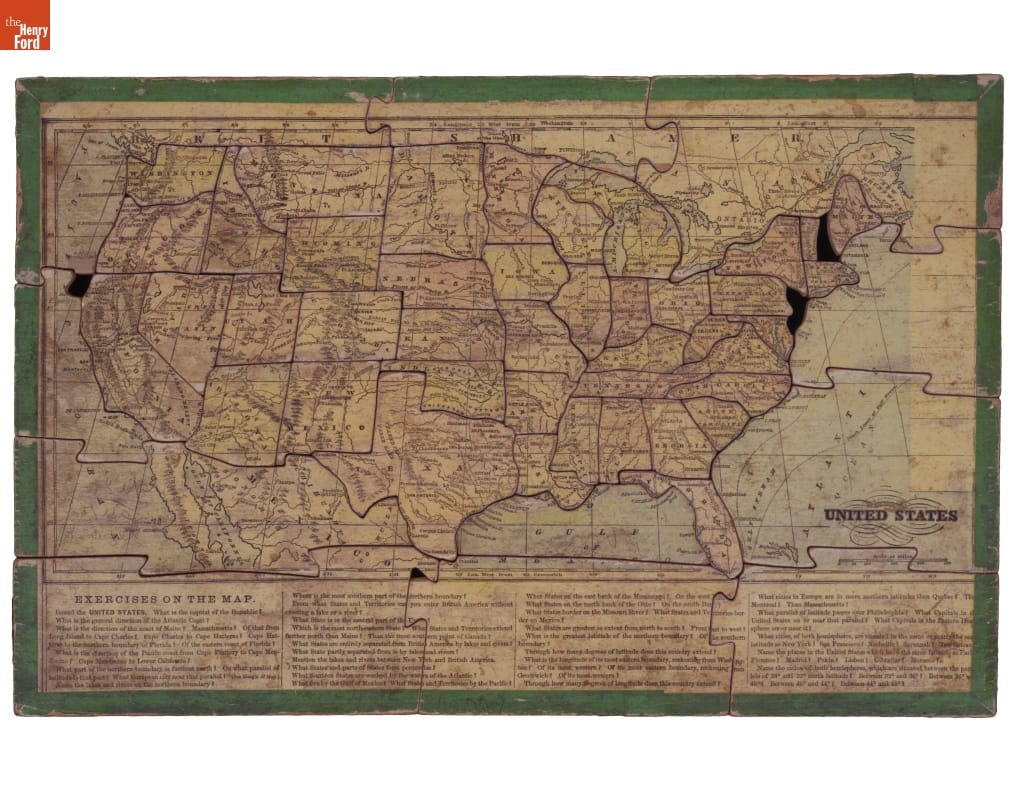
- U.S. Map Puzzle, 1880-1890 - In the late 1800s, American children could learn about the geography of the United States by correctly fitting together this puzzle's state-shaped pieces. On the reverse is a colorful advertisement for the White Sewing Machine Company -- the maker of this puzzle.
- 1880-1890
- Collections - Artifact
U.S. Map Puzzle, 1880-1890
In the late 1800s, American children could learn about the geography of the United States by correctly fitting together this puzzle's state-shaped pieces. On the reverse is a colorful advertisement for the White Sewing Machine Company -- the maker of this puzzle.
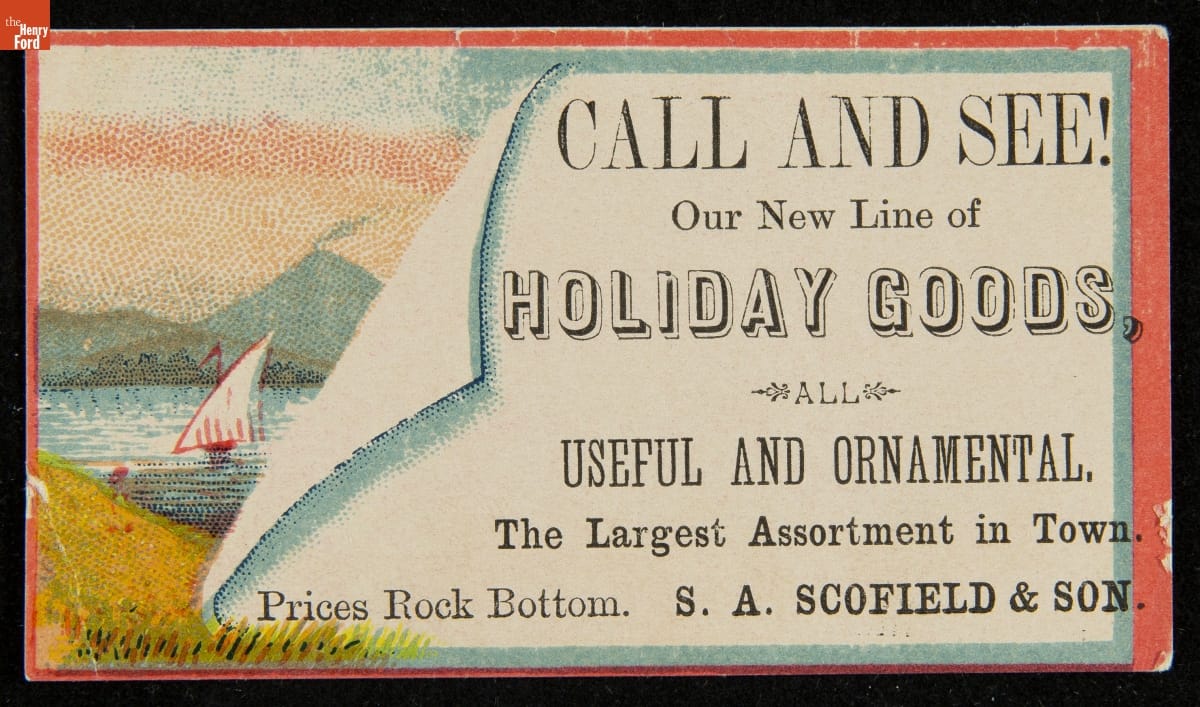
- Trade Card for S. A. Scofield Furniture, S.A. Scofield & Son, 1880-1900 - As color printing gained momentum in the late 19th century, trade cards became a major means of advertising goods and services. Americans enjoyed and often saved the little advertisements found in product packages or distributed by local merchants. This trade card advertises S.A. Scofield Furniture.
- 1880-1900
- Collections - Artifact
Trade Card for S. A. Scofield Furniture, S.A. Scofield & Son, 1880-1900
As color printing gained momentum in the late 19th century, trade cards became a major means of advertising goods and services. Americans enjoyed and often saved the little advertisements found in product packages or distributed by local merchants. This trade card advertises S.A. Scofield Furniture.
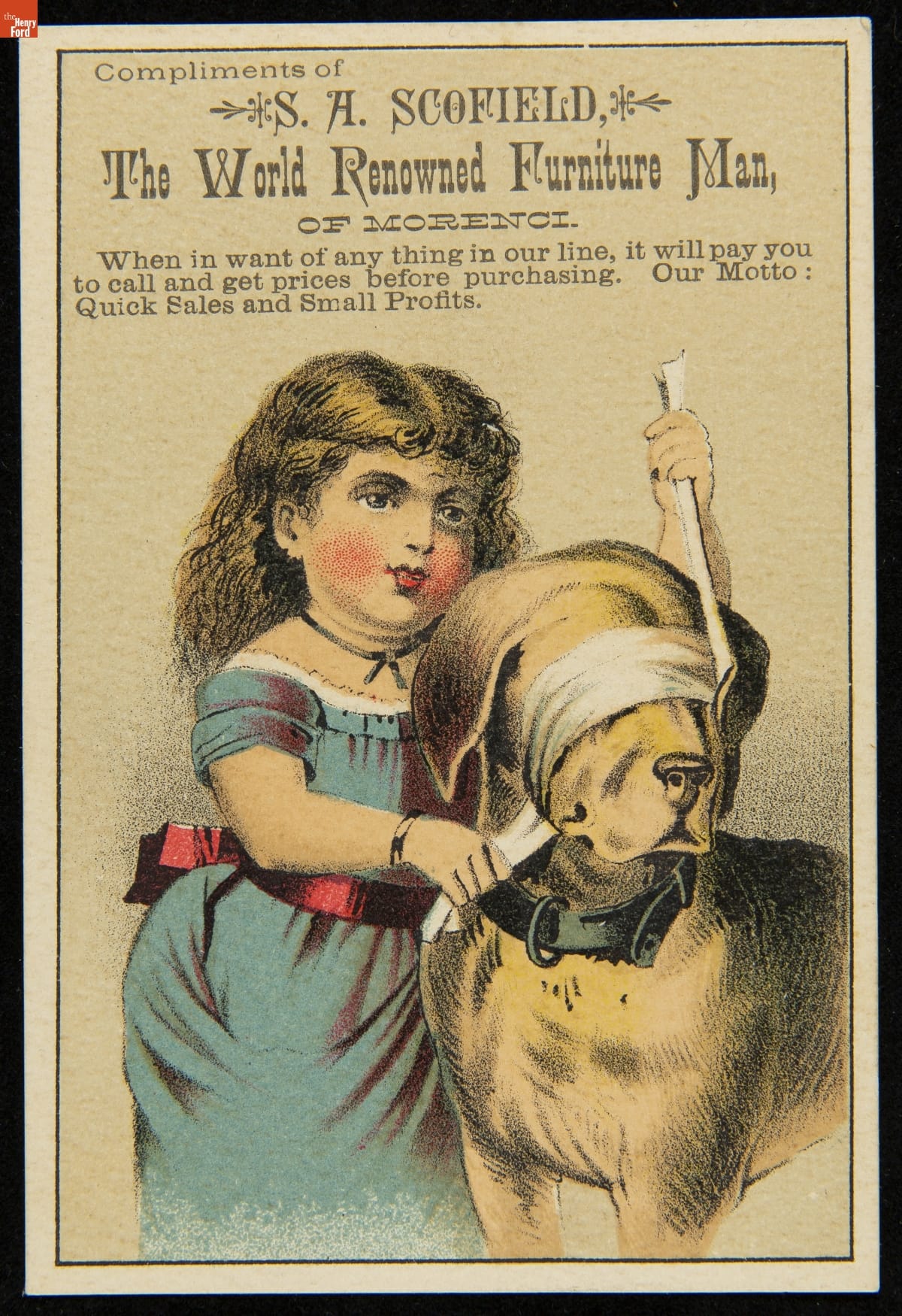
- Trade Card for S. A. Scofield Furniture, S.A. Scofield & Son, 1880-1900 - As color printing gained momentum in the late 19th century, trade cards became a major means of advertising goods and services. Americans enjoyed and often saved the little advertisements found in product packages or distributed by local merchants. This trade card advertises S.A. Scofield Furniture.
- 1880-1900
- Collections - Artifact
Trade Card for S. A. Scofield Furniture, S.A. Scofield & Son, 1880-1900
As color printing gained momentum in the late 19th century, trade cards became a major means of advertising goods and services. Americans enjoyed and often saved the little advertisements found in product packages or distributed by local merchants. This trade card advertises S.A. Scofield Furniture.
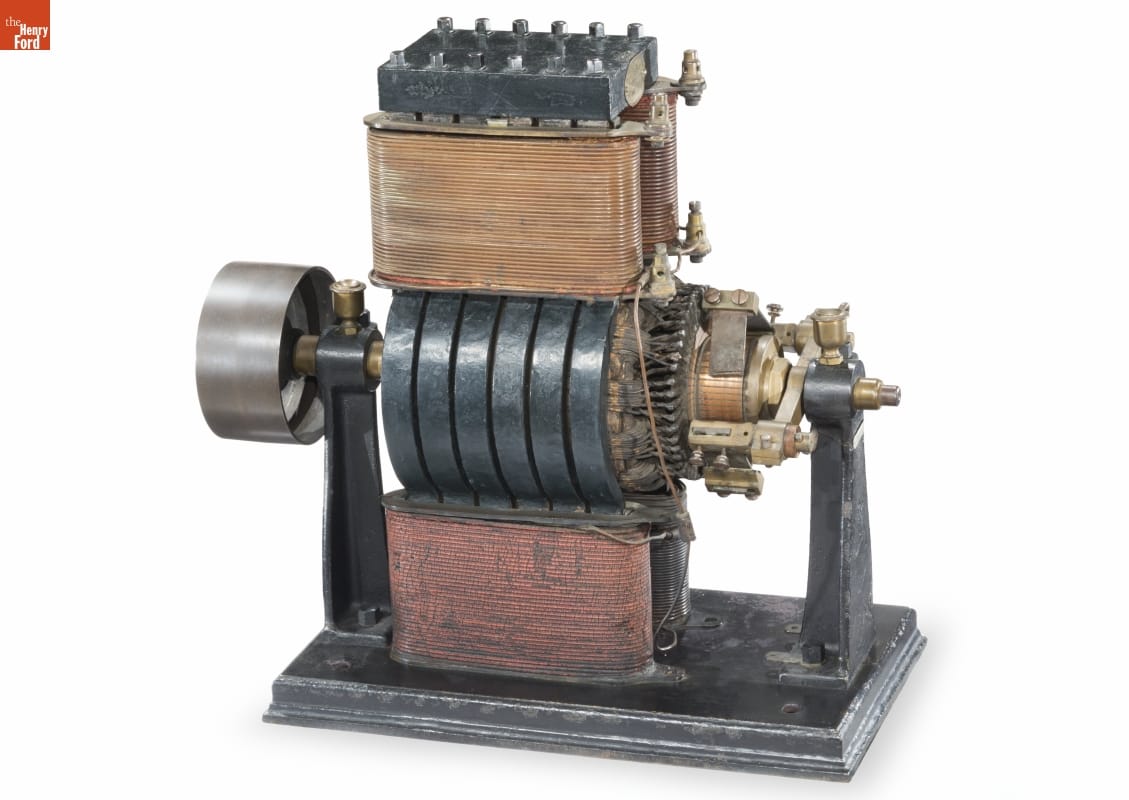
- U.S. Electric Lighting Company Dynamo, circa 1880 -
- circa 1880
- Collections - Artifact
U.S. Electric Lighting Company Dynamo, circa 1880
- Trade Card for S. A. Scofield Furniture, S.A. Scofield & Son, 1880-1900 - As color printing gained momentum in the late 19th century, trade cards became a major means of advertising goods and services. Americans enjoyed and often saved the little advertisements found in product packages or distributed by local merchants. This trade card advertises S.A. Scofield Furniture.
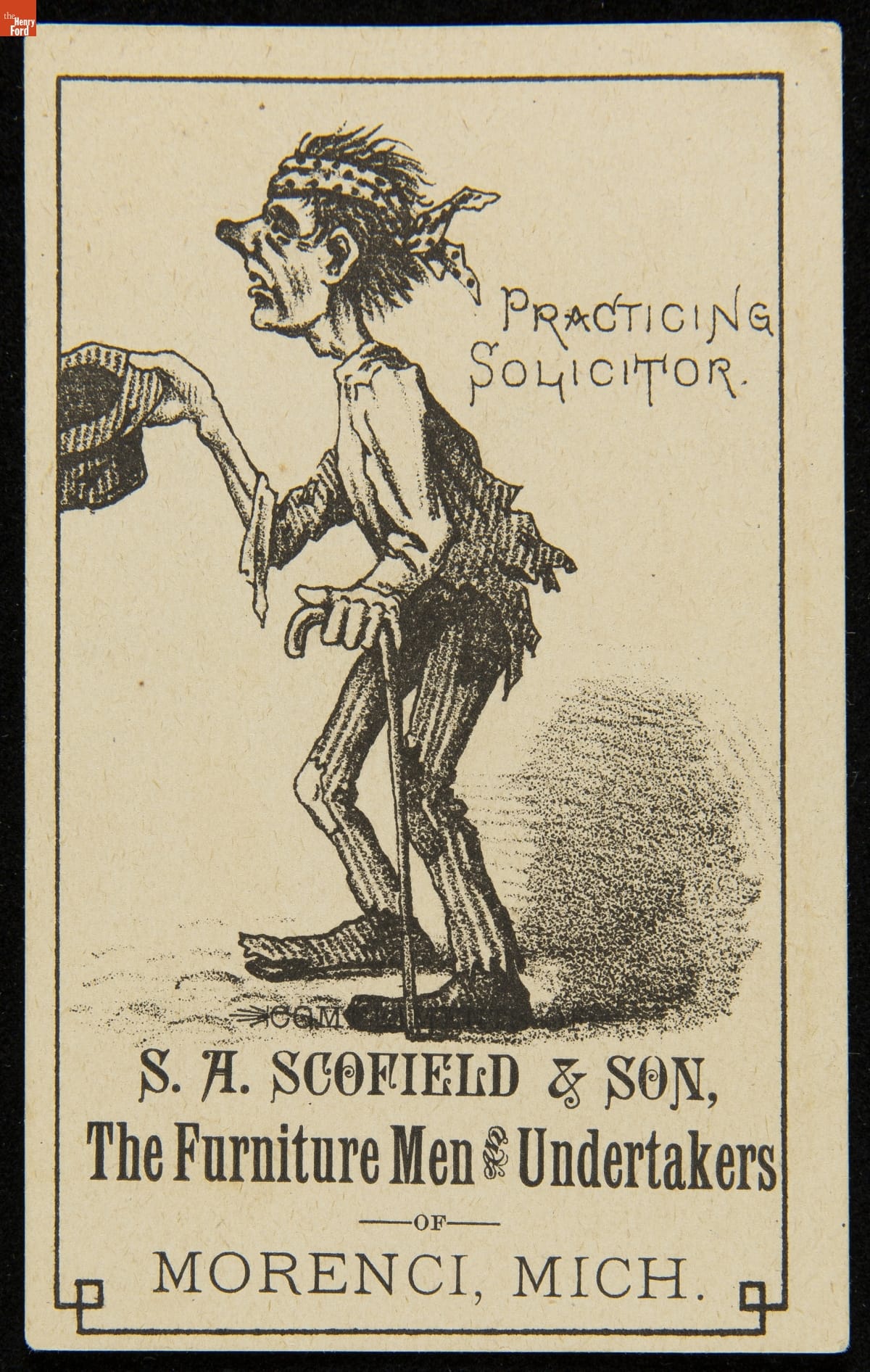
- 1880-1900
- Collections - Artifact
Trade Card for S. A. Scofield Furniture, S.A. Scofield & Son, 1880-1900
As color printing gained momentum in the late 19th century, trade cards became a major means of advertising goods and services. Americans enjoyed and often saved the little advertisements found in product packages or distributed by local merchants. This trade card advertises S.A. Scofield Furniture.
- The U.S. Patent Office, Washington, D.C., 1880-1900 - In 1836, the U.S. Congress authorized the building of a new patent office. The white marble neoclassical building, located in the center of Washington, D.C., was to be a general repository of American inventions and improvements in machinery and manufactures. Inside the three-story building, government officials displayed thousands of patent models along with other national treasures.
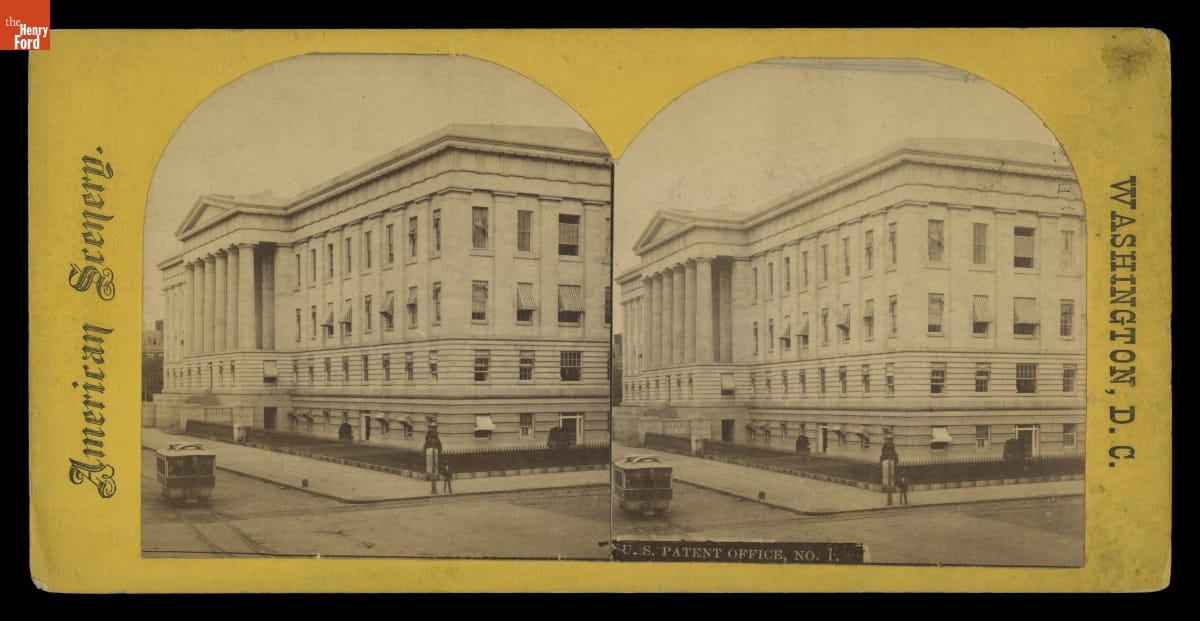
- 1880-1900
- Collections - Artifact
The U.S. Patent Office, Washington, D.C., 1880-1900
In 1836, the U.S. Congress authorized the building of a new patent office. The white marble neoclassical building, located in the center of Washington, D.C., was to be a general repository of American inventions and improvements in machinery and manufactures. Inside the three-story building, government officials displayed thousands of patent models along with other national treasures.
- The U.S. Patent Office, Washington, D.C., 1880-1900 - In 1836, the U.S. Congress authorized the building of a new patent office. The white marble neoclassical building, located in the center of Washington, D.C., was to be a general repository of American inventions and improvements in machinery and manufactures. Inside the three-story building, government officials displayed thousands of patent models along with other national treasures.
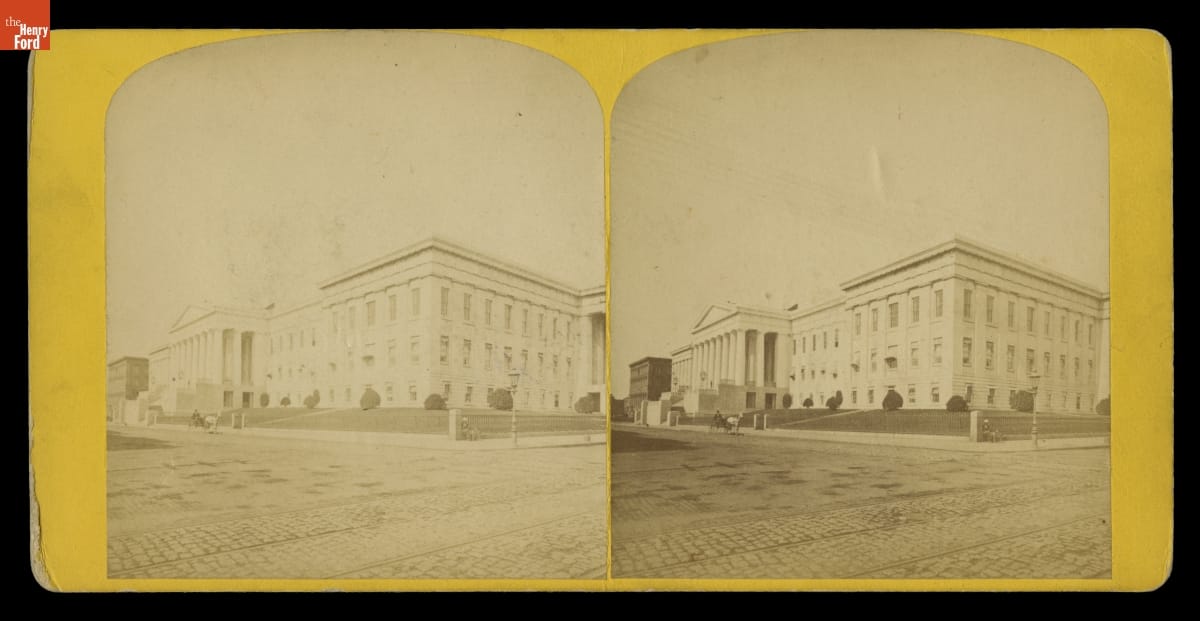
- 1880-1900
- Collections - Artifact
The U.S. Patent Office, Washington, D.C., 1880-1900
In 1836, the U.S. Congress authorized the building of a new patent office. The white marble neoclassical building, located in the center of Washington, D.C., was to be a general repository of American inventions and improvements in machinery and manufactures. Inside the three-story building, government officials displayed thousands of patent models along with other national treasures.
- Actress Appearing in the Musical, "H.M.S. Pinafore," circa 1880 - Professional photographers began producing cabinet cards in 1867. Consumers quickly preferred them over earlier cartes-de-visite, which were mounted on smaller cardboard stock. Through the early 1900s, Americans commonly exchanged and collected cabinet photographs of family, friends and celebrities. This example features an actress from "H.M.S. Pinafore"--a landmark comic opera that marked the beginning of popular American musical theatre.
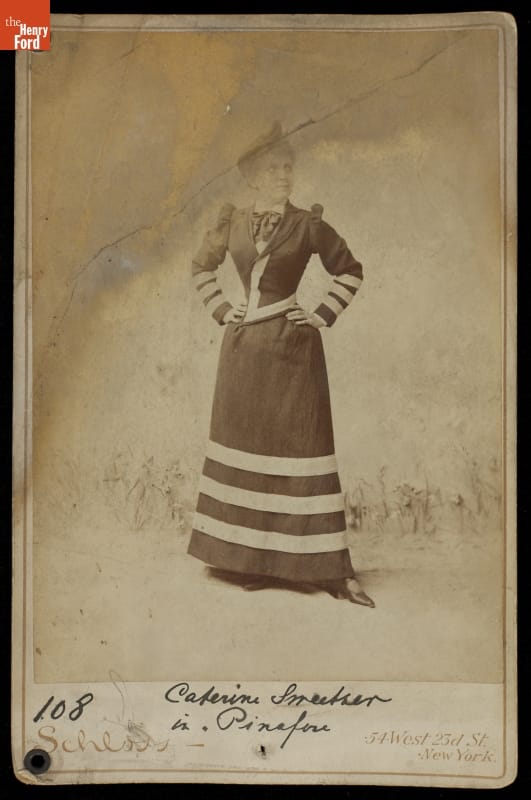
- circa 1880
- Collections - Artifact
Actress Appearing in the Musical, "H.M.S. Pinafore," circa 1880
Professional photographers began producing cabinet cards in 1867. Consumers quickly preferred them over earlier cartes-de-visite, which were mounted on smaller cardboard stock. Through the early 1900s, Americans commonly exchanged and collected cabinet photographs of family, friends and celebrities. This example features an actress from "H.M.S. Pinafore"--a landmark comic opera that marked the beginning of popular American musical theatre.
- Trade Card for Reynolds Brothers Fine Shoes, S.K. Taft, 1880-1900 - In the last third of the nineteenth century, an unprecedented variety of consumer goods and services flooded the American market. Advertisers, armed with new methods of color printing, bombarded potential customers with trade cards. Americans enjoyed and often saved the vibrant little advertisements found in product packages or distributed by local merchants. Many survive as historical records of commercialism in the United States.
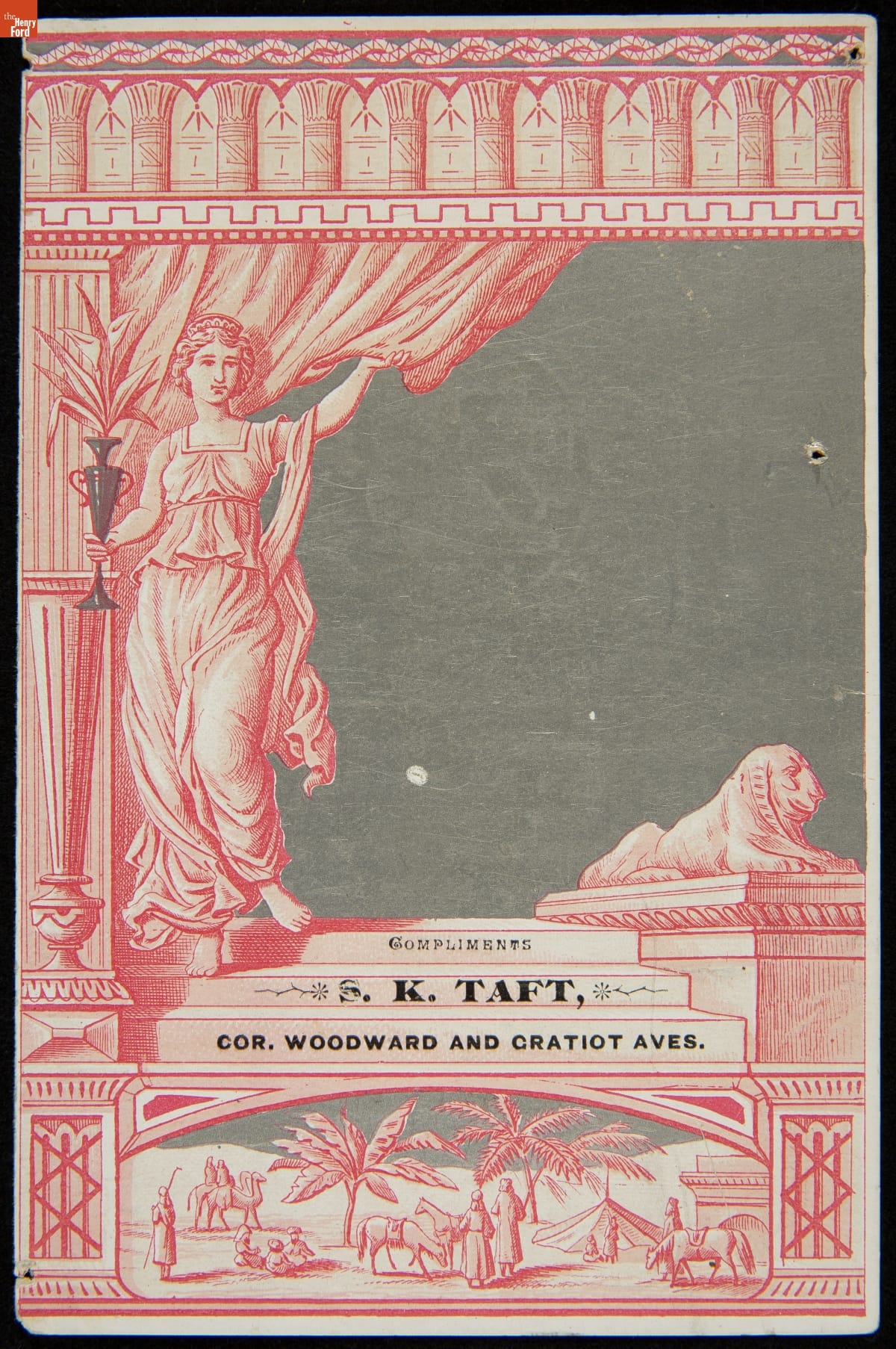
- 1880-1900
- Collections - Artifact
Trade Card for Reynolds Brothers Fine Shoes, S.K. Taft, 1880-1900
In the last third of the nineteenth century, an unprecedented variety of consumer goods and services flooded the American market. Advertisers, armed with new methods of color printing, bombarded potential customers with trade cards. Americans enjoyed and often saved the vibrant little advertisements found in product packages or distributed by local merchants. Many survive as historical records of commercialism in the United States.
- Trade Card for Voigt, Herpolsheimer & Co.'s Dry Goods, and Carpets, 1880-1900 - In the last third of the nineteenth century, an unprecedented variety of consumer goods and services flooded the American market. Advertisers, armed with new methods of color printing, bombarded potential customers with trade cards. Americans enjoyed and often saved the vibrant little advertisements found in product packages or distributed by local merchants. Many survive as historical records of commercialism in the United States.
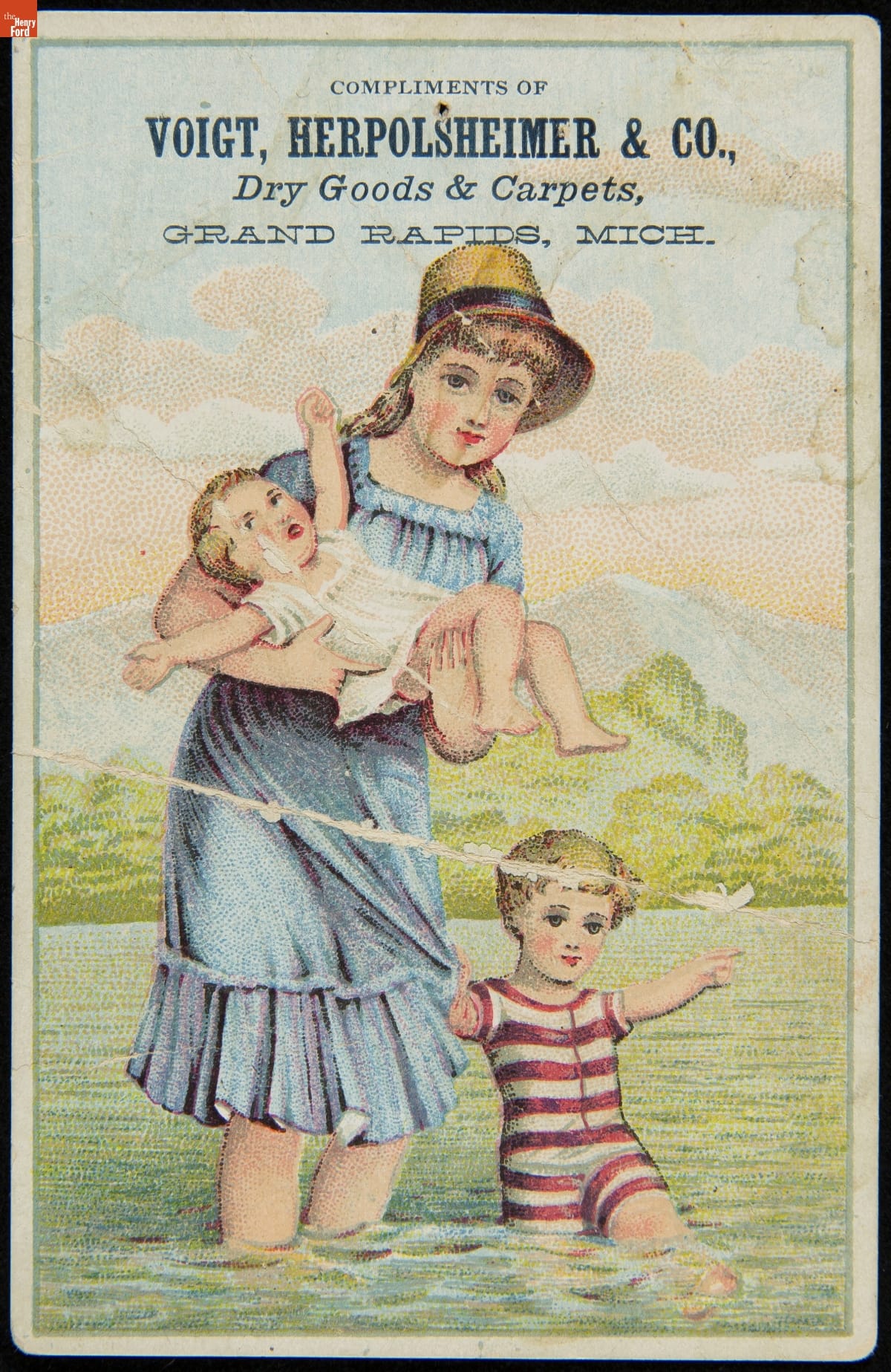
- 1880-1900
- Collections - Artifact
Trade Card for Voigt, Herpolsheimer & Co.'s Dry Goods, and Carpets, 1880-1900
In the last third of the nineteenth century, an unprecedented variety of consumer goods and services flooded the American market. Advertisers, armed with new methods of color printing, bombarded potential customers with trade cards. Americans enjoyed and often saved the vibrant little advertisements found in product packages or distributed by local merchants. Many survive as historical records of commercialism in the United States.