
Search
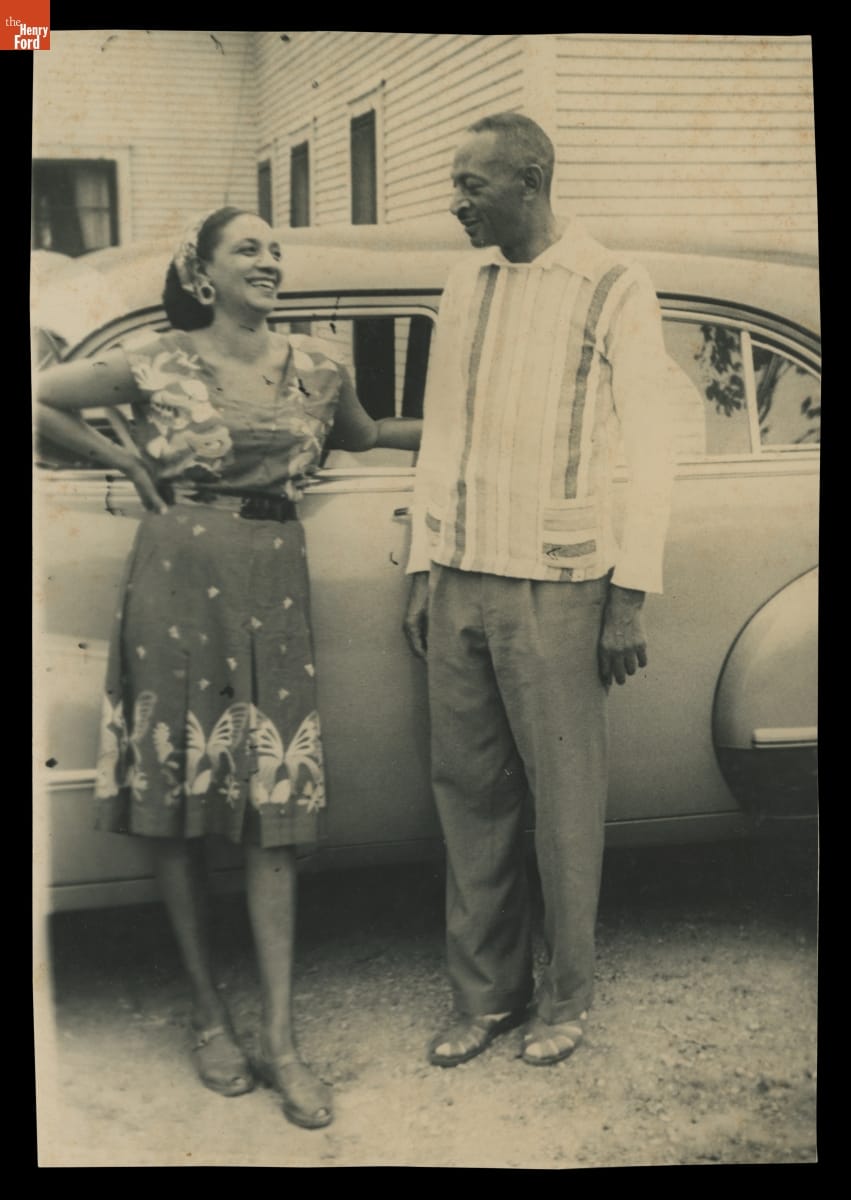
- Mrs. Bennie Gardner Portlock and Dr. Eric F. Portlock in the 1940s -
- 1940-1949
- Collections - Artifact
Mrs. Bennie Gardner Portlock and Dr. Eric F. Portlock in the 1940s
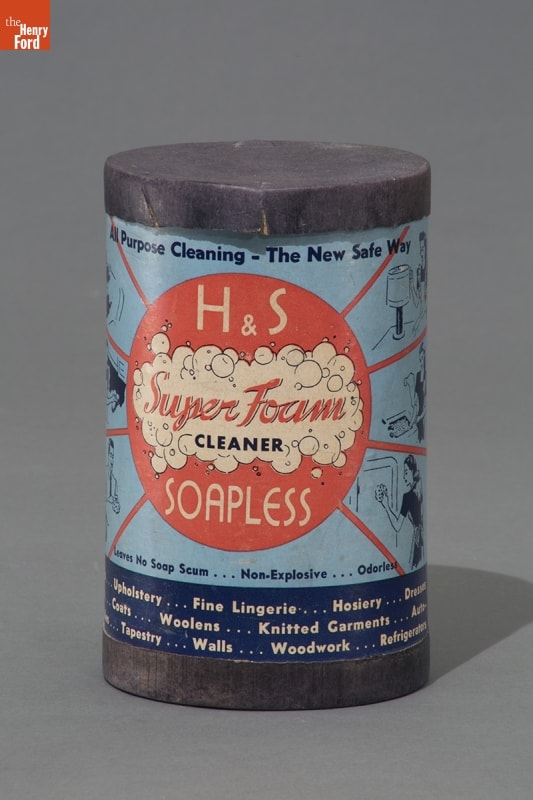
- H & S Super Foam Cleaner, 1940-1950 -
- 1940-1950
- Collections - Artifact
H & S Super Foam Cleaner, 1940-1950
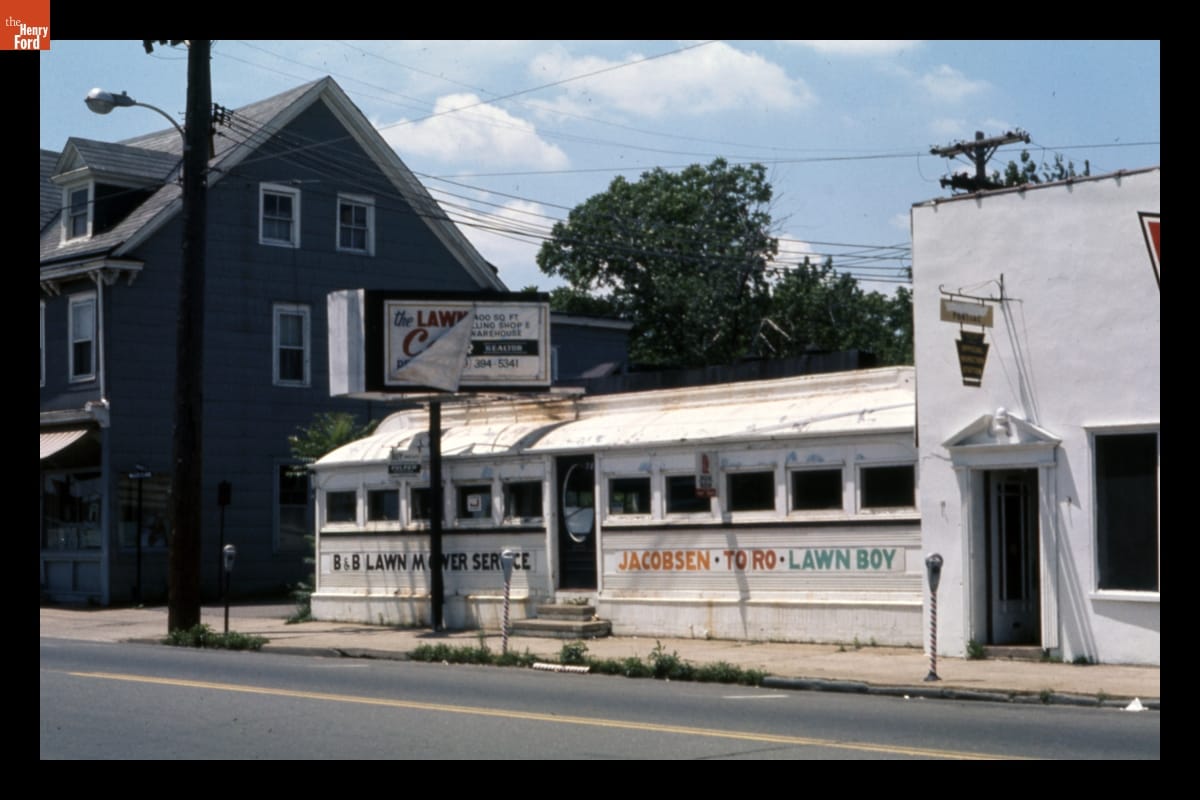
- B & B Lawn Mower Service, a Repurposed 1940s Silk City Diner, Route 1, Morrisville, Pennsylvania, June 1976 -
- June 01, 1976
- Collections - Artifact
B & B Lawn Mower Service, a Repurposed 1940s Silk City Diner, Route 1, Morrisville, Pennsylvania, June 1976
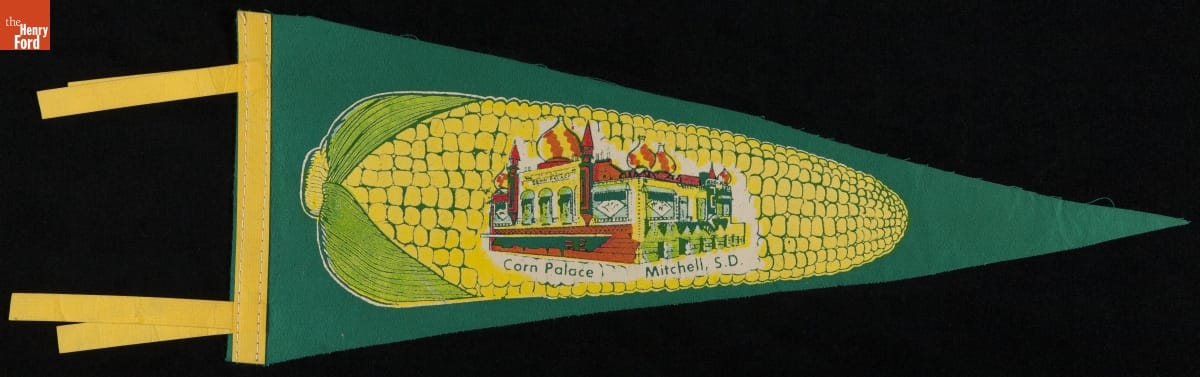
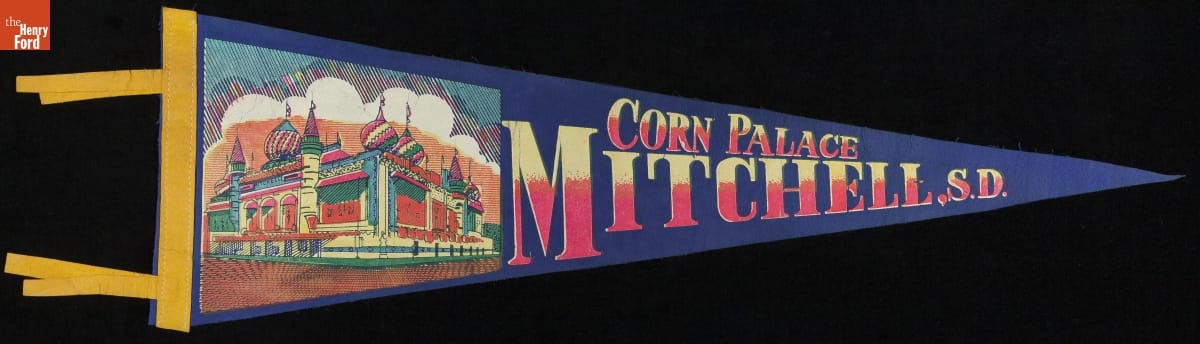
- Pennant, "Corn Palace, Mitchell, S.D.," 1940-1965 - Tourists purchase simple, inexpensive souvenirs as proof of their travels. These mementos transport vacationers back to the places they visited and the things they did. In the mid-20th century, felt pennants were trendy. This pennant depicts the Corn Palace -- a community entertainment venue and world-famous roadside attraction -- in Mitchell, South Dakota. Each year artists redecorate the exterior murals using naturally colored corn, grasses and other grains.
- 1940-1965
- Collections - Artifact
Pennant, "Corn Palace, Mitchell, S.D.," 1940-1965
Tourists purchase simple, inexpensive souvenirs as proof of their travels. These mementos transport vacationers back to the places they visited and the things they did. In the mid-20th century, felt pennants were trendy. This pennant depicts the Corn Palace -- a community entertainment venue and world-famous roadside attraction -- in Mitchell, South Dakota. Each year artists redecorate the exterior murals using naturally colored corn, grasses and other grains.
- Pennant, "Corn Palace, Mitchell, S.D.," 1940-1965 - Tourists purchase simple, inexpensive souvenirs as proof of their travels. These mementos transport vacationers back to the places they visited and the things they did. In the mid-20th century, felt pennants were trendy. This pennant depicts the Corn Palace -- a community entertainment venue and world-famous roadside attraction -- in Mitchell, South Dakota. Each year artists redecorate the exterior murals using naturally colored corn, grasses and other grains.
- 1940-1965
- Collections - Artifact
Pennant, "Corn Palace, Mitchell, S.D.," 1940-1965
Tourists purchase simple, inexpensive souvenirs as proof of their travels. These mementos transport vacationers back to the places they visited and the things they did. In the mid-20th century, felt pennants were trendy. This pennant depicts the Corn Palace -- a community entertainment venue and world-famous roadside attraction -- in Mitchell, South Dakota. Each year artists redecorate the exterior murals using naturally colored corn, grasses and other grains.
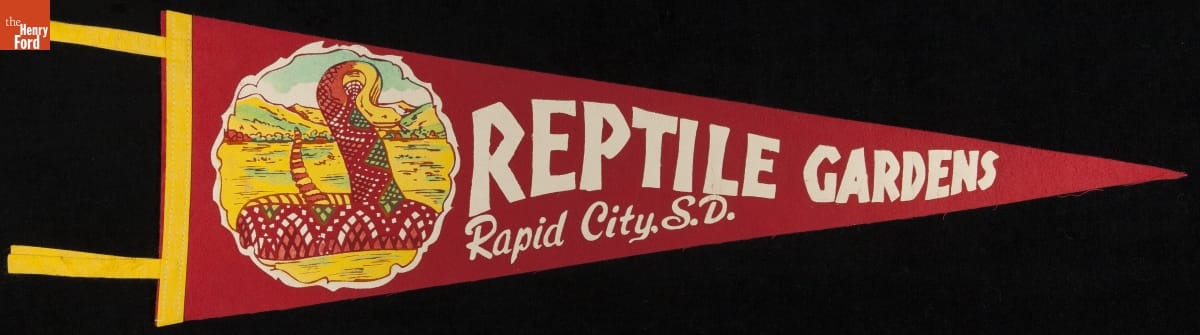
- Pennant, "Reptile Gardens, Rapid City, S.D.," 1940-1965 -
- 1940-1965
- Collections - Artifact
Pennant, "Reptile Gardens, Rapid City, S.D.," 1940-1965
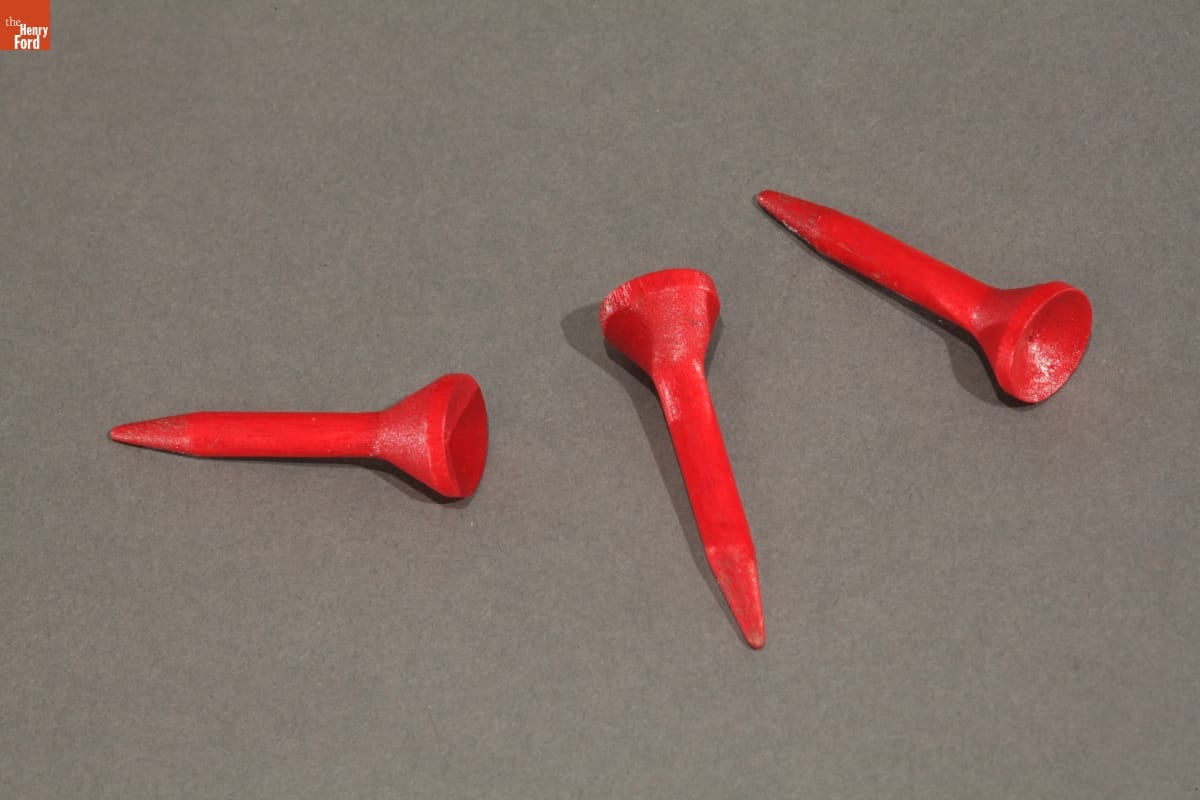
- Golf Tees Used by Harvey S. Firestone, Jr., 1920-1940 - These wooden golf tees were found in the pants pocket belonging to Harvey S. Firestone, Jr.
- 1920-1940
- Collections - Artifact
Golf Tees Used by Harvey S. Firestone, Jr., 1920-1940
These wooden golf tees were found in the pants pocket belonging to Harvey S. Firestone, Jr.
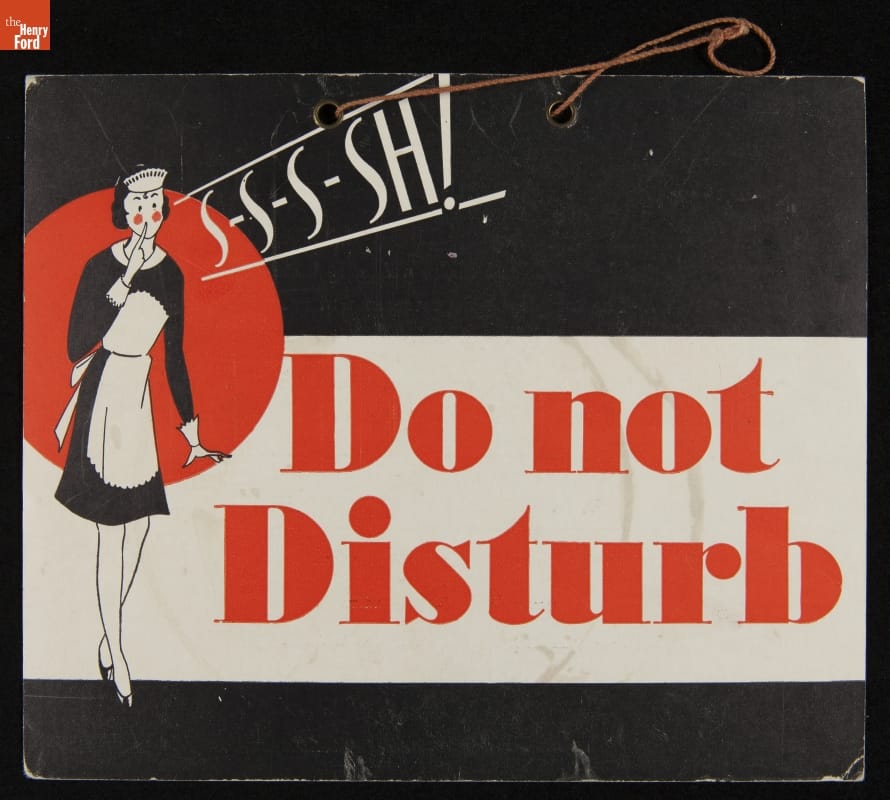
- Sign, "S-S-S-SH! Do Not Disturb," 1930-1945 - Like today, proprietors of mid-20th century hotels, motels and inns provided "Do Not Disturb" signs for weary travelers who wanted a restful stay. Guests placed the sign outside on their door to alert staff to please be quiet and not enter the room. This sign even included instructions that guests could use to stop unwanted telegrams or telephone calls.
- 1930-1945
- Collections - Artifact
Sign, "S-S-S-SH! Do Not Disturb," 1930-1945
Like today, proprietors of mid-20th century hotels, motels and inns provided "Do Not Disturb" signs for weary travelers who wanted a restful stay. Guests placed the sign outside on their door to alert staff to please be quiet and not enter the room. This sign even included instructions that guests could use to stop unwanted telegrams or telephone calls.
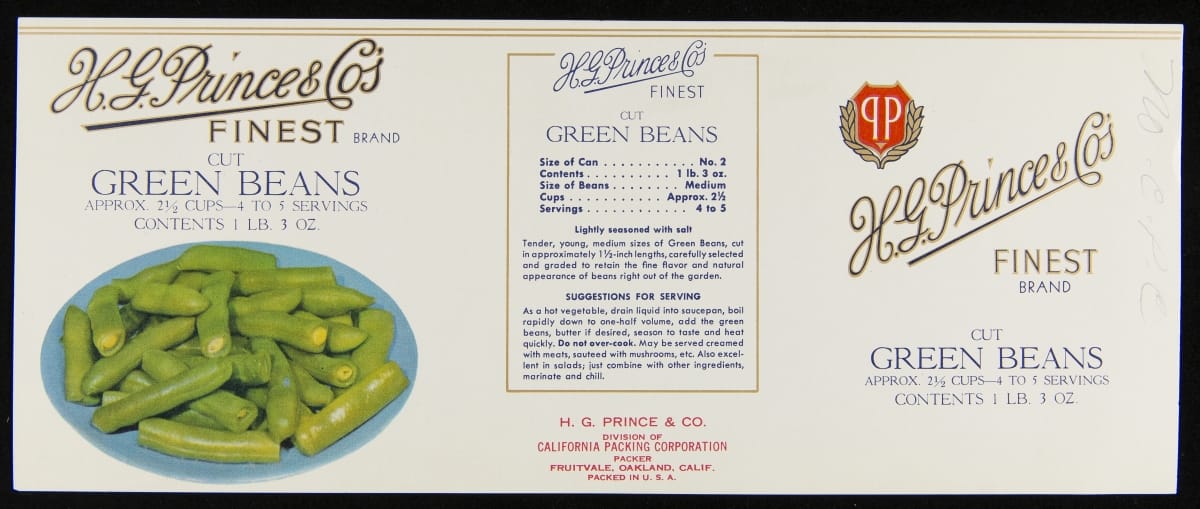
- Can Label, "H. G. Prince & Co.'s Brand Cut Green Beans," 1928-1940 - Manufacturers of similar products sought ways to make their company's goods stand out on store shelves. Attractive labels, like this design for H.G. Prince & Co.'s Brand Cut Green Beans, helped catch the attention of potential customers -- hopefully encouraging them to purchase the company's product rather than that of a competitor.
- 1928-1940
- Collections - Artifact
Can Label, "H. G. Prince & Co.'s Brand Cut Green Beans," 1928-1940
Manufacturers of similar products sought ways to make their company's goods stand out on store shelves. Attractive labels, like this design for H.G. Prince & Co.'s Brand Cut Green Beans, helped catch the attention of potential customers -- hopefully encouraging them to purchase the company's product rather than that of a competitor.
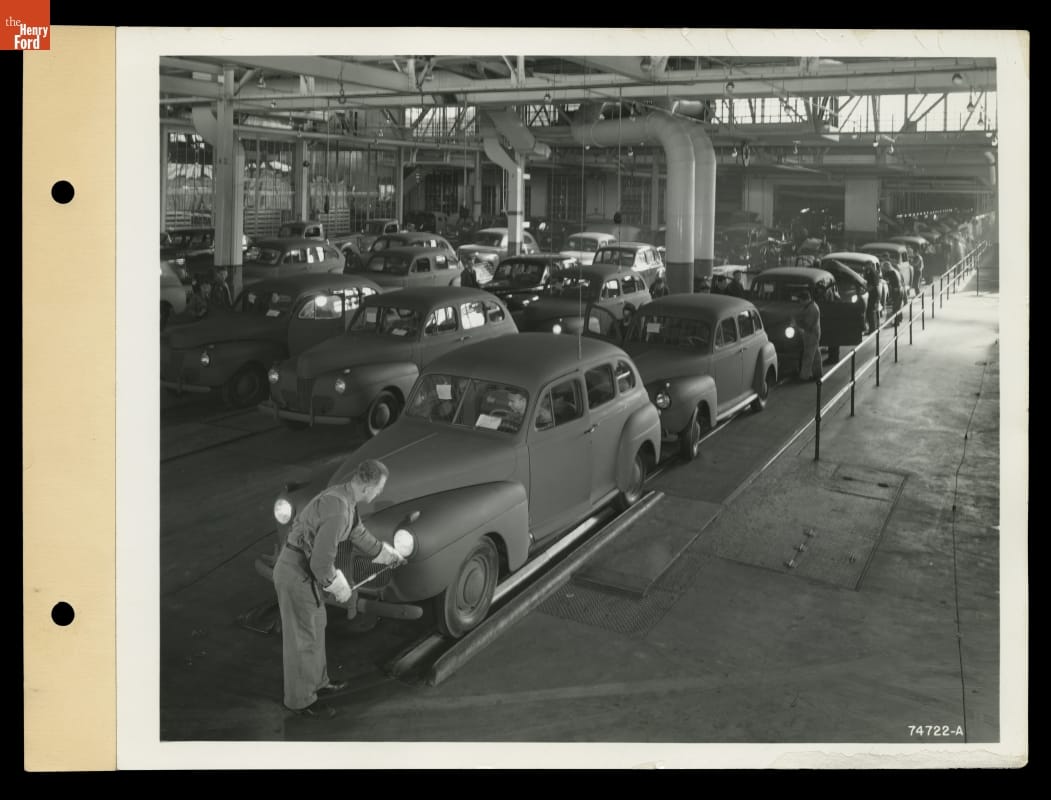
- U. S. Army Officer Staff Cars on Assembly LIne, Ford Rouge Plant, 1940 -
- December 13, 1940
- Collections - Artifact
U. S. Army Officer Staff Cars on Assembly LIne, Ford Rouge Plant, 1940