
Search
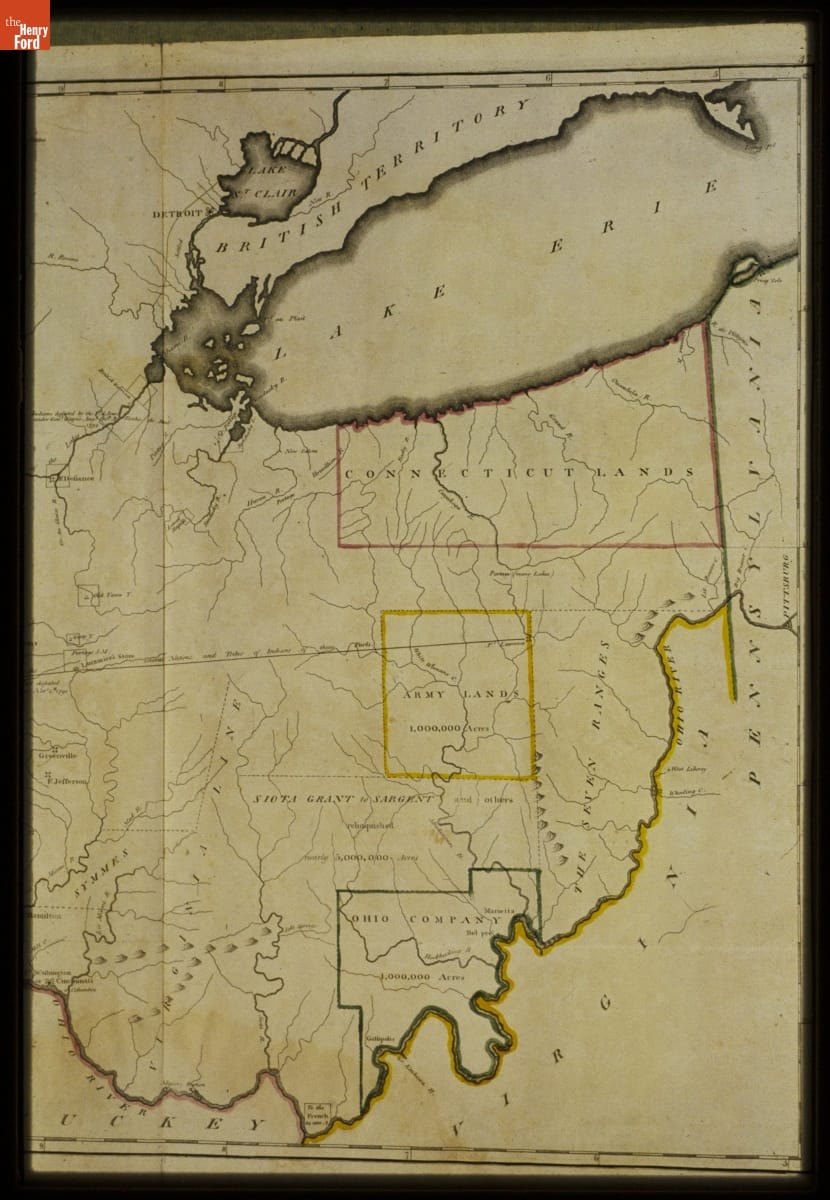
- Early 19th Century Map of Ohio -
- 1800-1825
- Collections - Artifact
Early 19th Century Map of Ohio
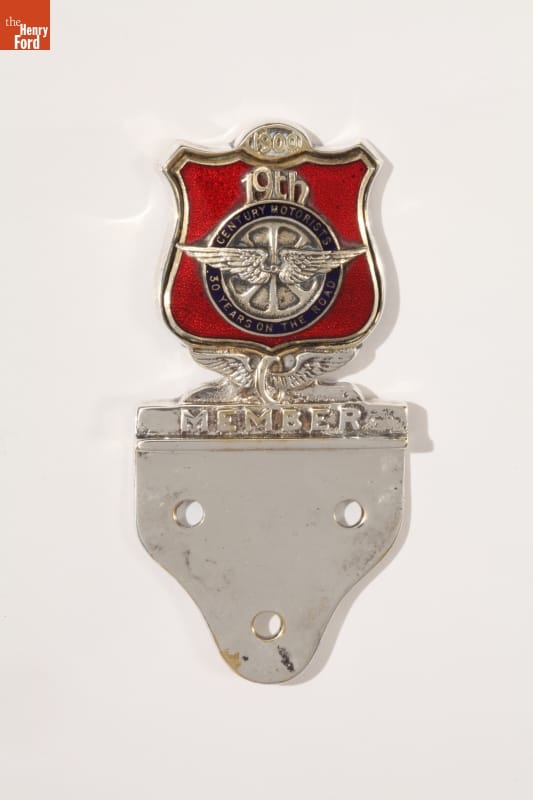
- Henry Ford's 19th Century Motorists Membership Badge, circa 1930 - Great Britain's Circle of 19th Century Motorists was formed in 1927 to recognize the comparatively small number of people who had operated an automobile before the year 1900. Henry Ford was among them, having driven his Quadricycle for the first time on June 4, 1896. Ford was presented with this membership badge for the exclusive club.
- circa 1930
- Collections - Artifact
Henry Ford's 19th Century Motorists Membership Badge, circa 1930
Great Britain's Circle of 19th Century Motorists was formed in 1927 to recognize the comparatively small number of people who had operated an automobile before the year 1900. Henry Ford was among them, having driven his Quadricycle for the first time on June 4, 1896. Ford was presented with this membership badge for the exclusive club.
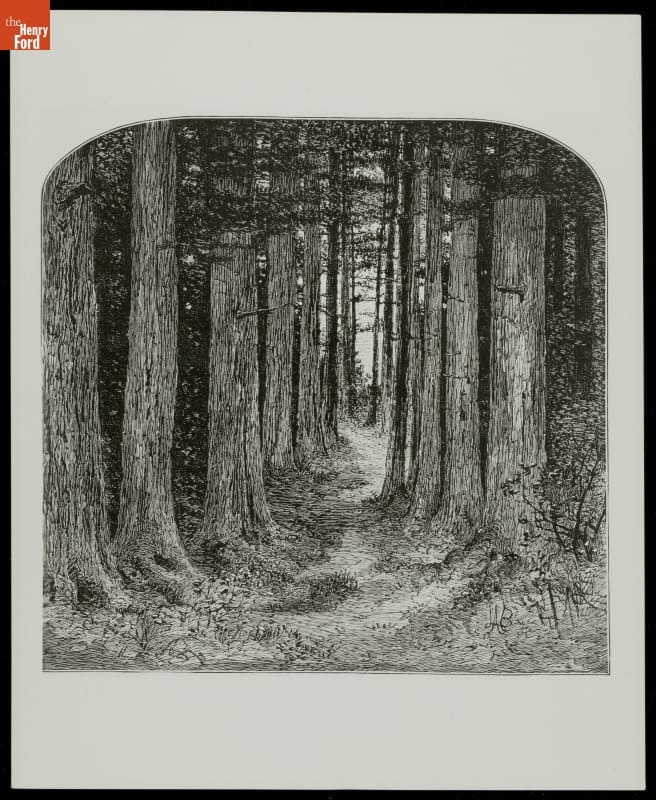
- 19th Century Illustration Showing a Path through a Primeval Forest - This sketch illustrates the often densely forested 19th-century American interior. Such trails could hardly accommodate a horse and rider, yet alone horse-drawn vehicles. The construction of practical transportation routes - roads, canals, and railroads - would be an immense undertaking in the United States throughout the 1800s.
- circa 1850
- Collections - Artifact
19th Century Illustration Showing a Path through a Primeval Forest
This sketch illustrates the often densely forested 19th-century American interior. Such trails could hardly accommodate a horse and rider, yet alone horse-drawn vehicles. The construction of practical transportation routes - roads, canals, and railroads - would be an immense undertaking in the United States throughout the 1800s.
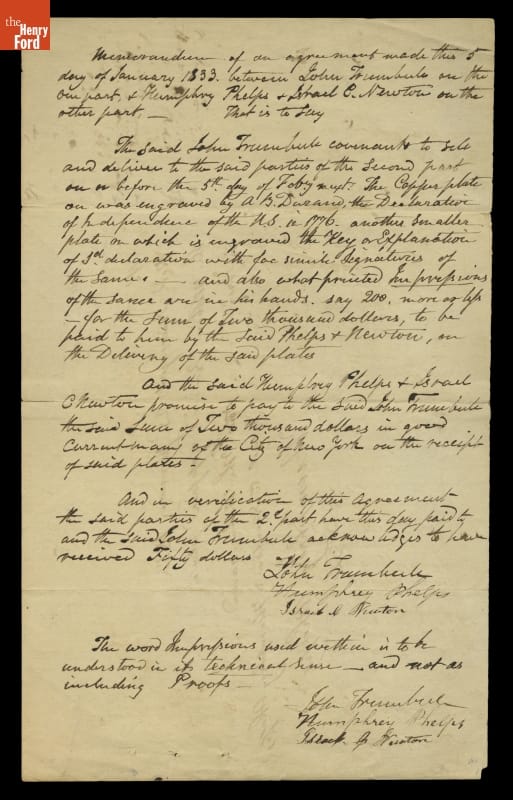
- Agreement by John Trumbull to Sell the "Declaration of Independence" Engraving Plates, January 5, 1833 - In 1817, the U.S. Congress commissioned John Trumbull to paint four Revolutionary-era scenes for the Capitol. As Trumbull completed <EM>Declaration of Independence</EM>, he authorized Asher Durand to create copper engraving plates of the painting from which Trumbull would make prints. In 1833, Trumbull agreed to sell these plates--along with 200 remaining prints--to Humphrey Phelps and Israel Newton.
- January 05, 1833
- Collections - Artifact
Agreement by John Trumbull to Sell the "Declaration of Independence" Engraving Plates, January 5, 1833
In 1817, the U.S. Congress commissioned John Trumbull to paint four Revolutionary-era scenes for the Capitol. As Trumbull completed Declaration of Independence, he authorized Asher Durand to create copper engraving plates of the painting from which Trumbull would make prints. In 1833, Trumbull agreed to sell these plates--along with 200 remaining prints--to Humphrey Phelps and Israel Newton.
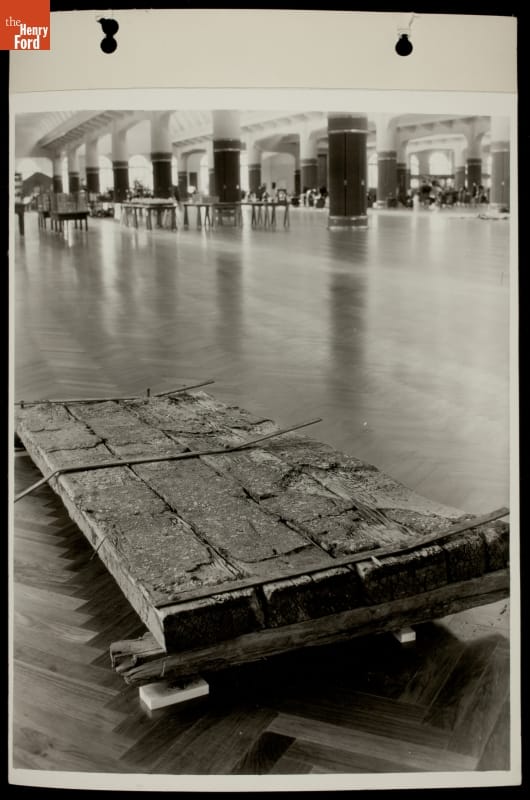
- Section of 19th Century Plank Road in Henry Ford Museum, Dearborn, Michigan, 1934 - In favor of a paved highway in 1926, California's Department of Public Works disassembled the Old Plank Road - eight miles of wooden planks spanning a vast sand dune field. A section of the historic thoroughfare was presented to Henry Ford Museum with a caveat: "use caution in unloading…poisonous insects such as scorpions, centipedes etc. may be encountered."
- August 01, 1934
- Collections - Artifact
Section of 19th Century Plank Road in Henry Ford Museum, Dearborn, Michigan, 1934
In favor of a paved highway in 1926, California's Department of Public Works disassembled the Old Plank Road - eight miles of wooden planks spanning a vast sand dune field. A section of the historic thoroughfare was presented to Henry Ford Museum with a caveat: "use caution in unloading…poisonous insects such as scorpions, centipedes etc. may be encountered."
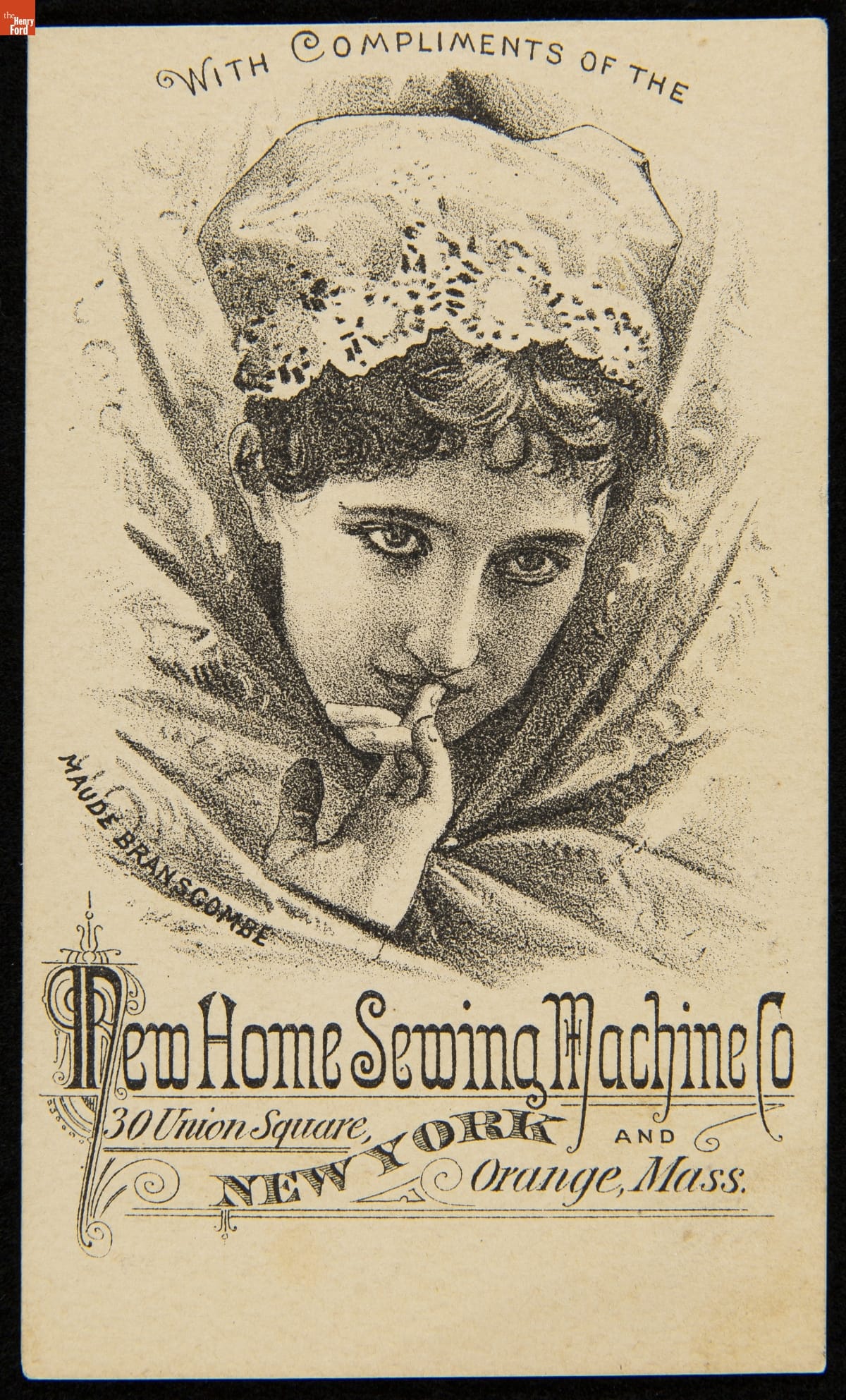
- Trade Card for the Light Running Home Shuttle Sewing Machine with Compliments of Maude Branscombe, New Home Sewing Machine Co., 1882-1890 - In the last third of the nineteenth century, an unprecedented variety of consumer goods and services flooded the American market. Advertisers, armed with new methods of color printing, bombarded potential customers with trade cards. Americans enjoyed and often saved the vibrant little advertisements found in product packages or distributed by local merchants. Many survive as historical records of commercialism in the United States.
- 1870-1890
- Collections - Artifact
Trade Card for the Light Running Home Shuttle Sewing Machine with Compliments of Maude Branscombe, New Home Sewing Machine Co., 1882-1890
In the last third of the nineteenth century, an unprecedented variety of consumer goods and services flooded the American market. Advertisers, armed with new methods of color printing, bombarded potential customers with trade cards. Americans enjoyed and often saved the vibrant little advertisements found in product packages or distributed by local merchants. Many survive as historical records of commercialism in the United States.
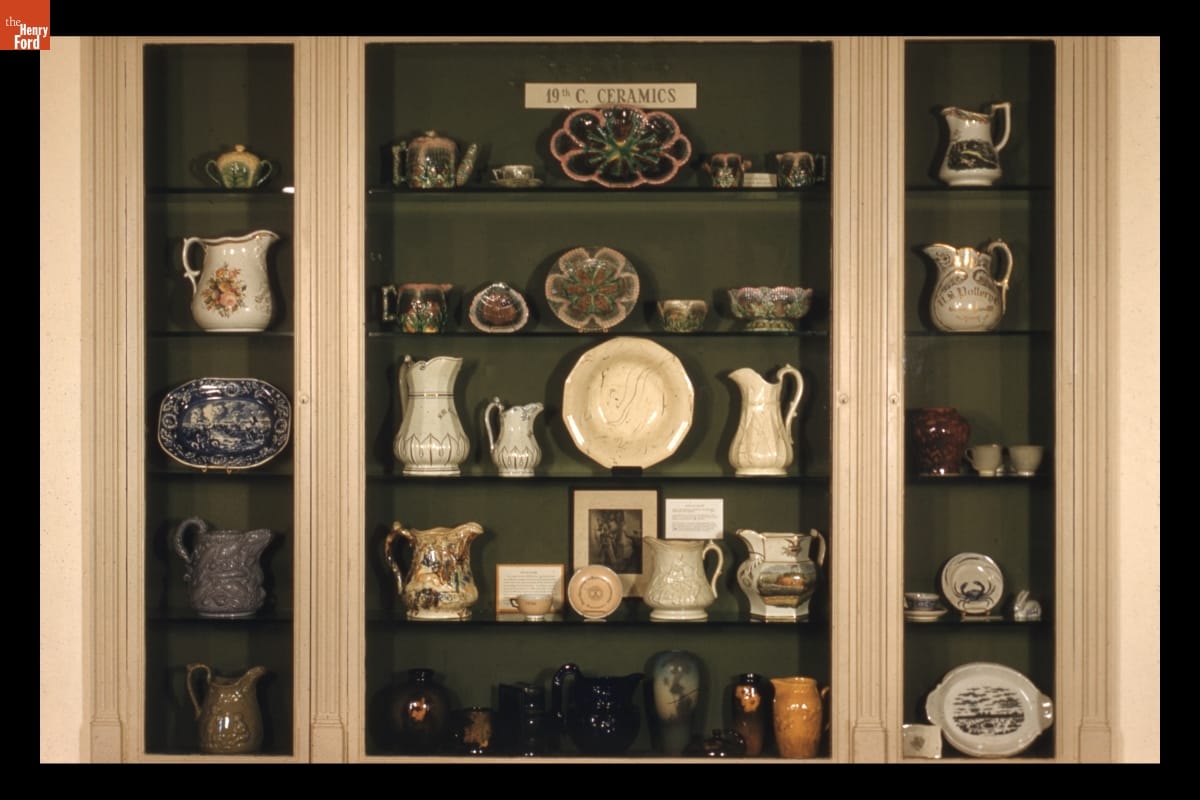
- 19th Century Ceramics Case in Decorative Arts Gallery in Henry Ford Museum, circa 1960 -
- circa 1960
- Collections - Artifact
19th Century Ceramics Case in Decorative Arts Gallery in Henry Ford Museum, circa 1960
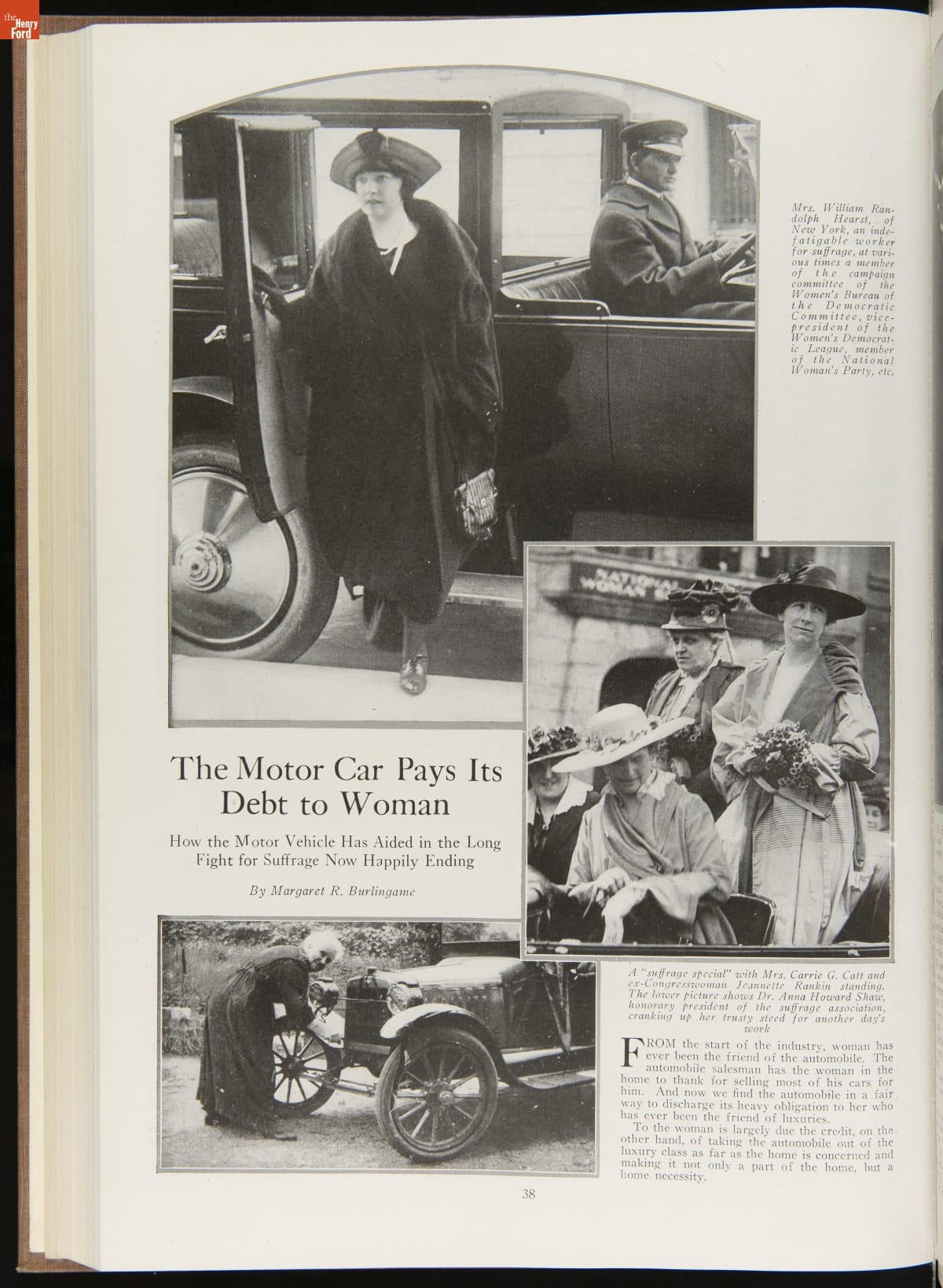
- "Motor" Magazine, Bound Volume for January-September 1919 - The automobile became a vital tool in the fight for women's suffrage. Cars allowed suffragists to travel more widely, spreading their message to audiences in several cities each day. Cars also served as mobile podiums and billboards for the cause. Women secured the national right to vote with the ratification of the 19th Amendment in 1920.
- January 1919-September 1919
- Collections - Artifact
"Motor" Magazine, Bound Volume for January-September 1919
The automobile became a vital tool in the fight for women's suffrage. Cars allowed suffragists to travel more widely, spreading their message to audiences in several cities each day. Cars also served as mobile podiums and billboards for the cause. Women secured the national right to vote with the ratification of the 19th Amendment in 1920.
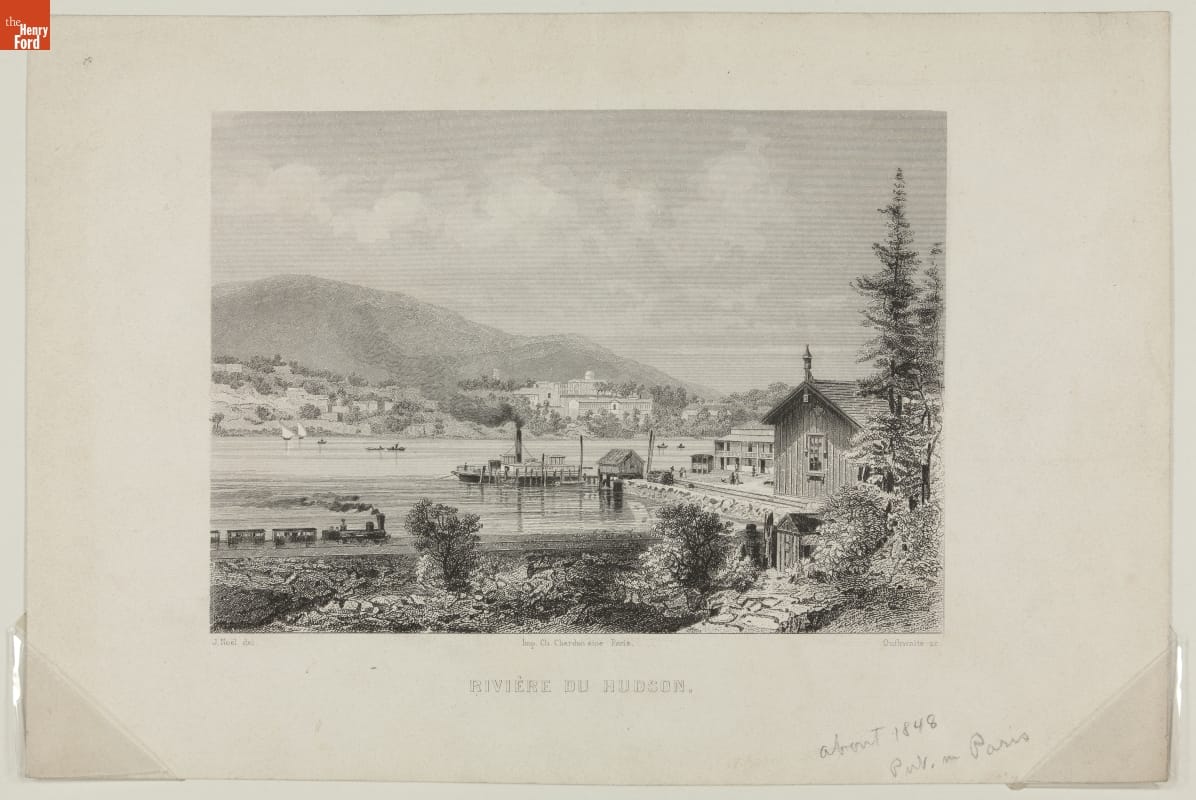
- Engraving, "Riviere du Hudson," circa 1848 - Published in France, this circa 1848 engraving details an unnamed Hudson River town. A ferry boat, dock, train and tracks, along with some sailboats are a few of the features of this busy scene along the river.
- circa 1848
- Collections - Artifact
Engraving, "Riviere du Hudson," circa 1848
Published in France, this circa 1848 engraving details an unnamed Hudson River town. A ferry boat, dock, train and tracks, along with some sailboats are a few of the features of this busy scene along the river.
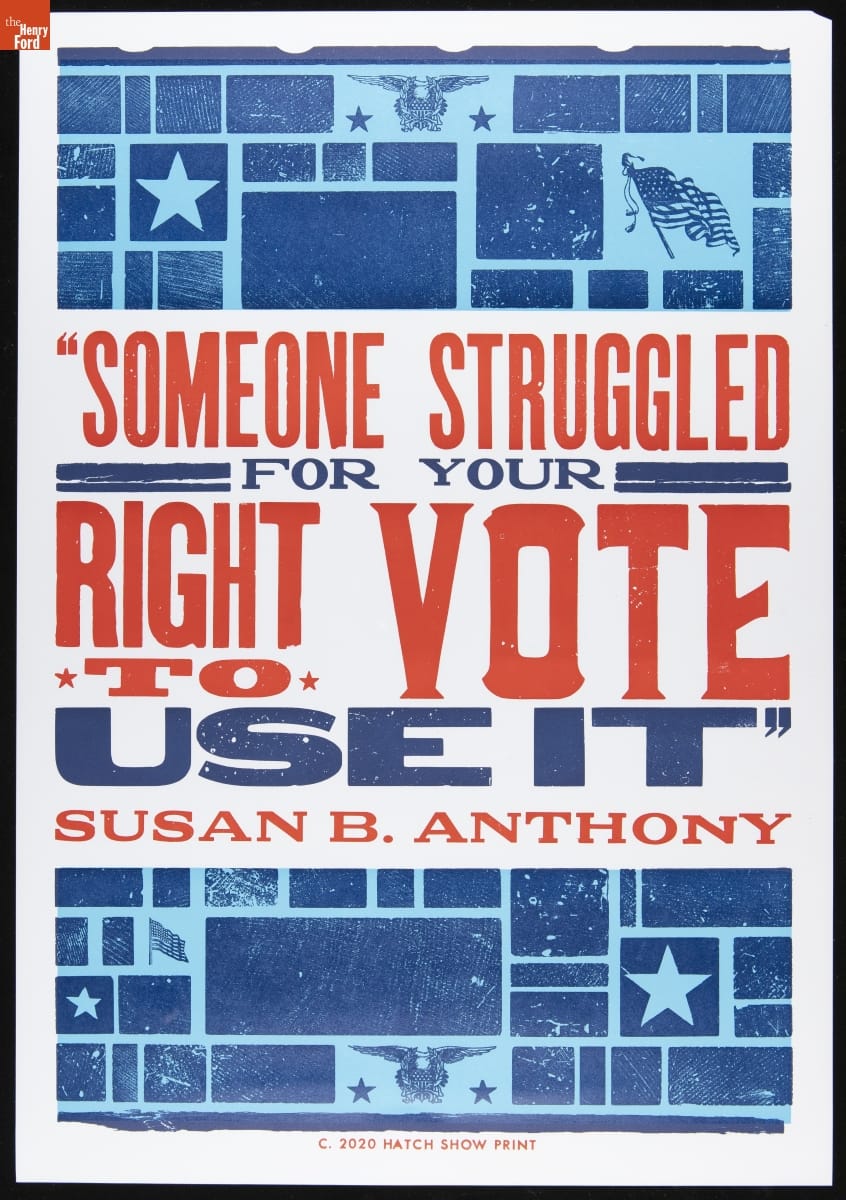
- Poster, "Someone Struggled for Your Right to Vote. Use It. - Susan B. Anthony," 2020 - Established in 1879 in Nashville, Hatch Show Print is the oldest working letterpress shop in the United States. They produced thousands of posters for the Grand Ole Opry, Ryman Auditorium, and other entertainment venues, nation-wide. Hatch's aesthetic is defined by its massive library of vintage wood type and hand-carved images. This poster was created in 2020 to support voting rights.
- 2020
- Collections - Artifact
Poster, "Someone Struggled for Your Right to Vote. Use It. - Susan B. Anthony," 2020
Established in 1879 in Nashville, Hatch Show Print is the oldest working letterpress shop in the United States. They produced thousands of posters for the Grand Ole Opry, Ryman Auditorium, and other entertainment venues, nation-wide. Hatch's aesthetic is defined by its massive library of vintage wood type and hand-carved images. This poster was created in 2020 to support voting rights.