
Search
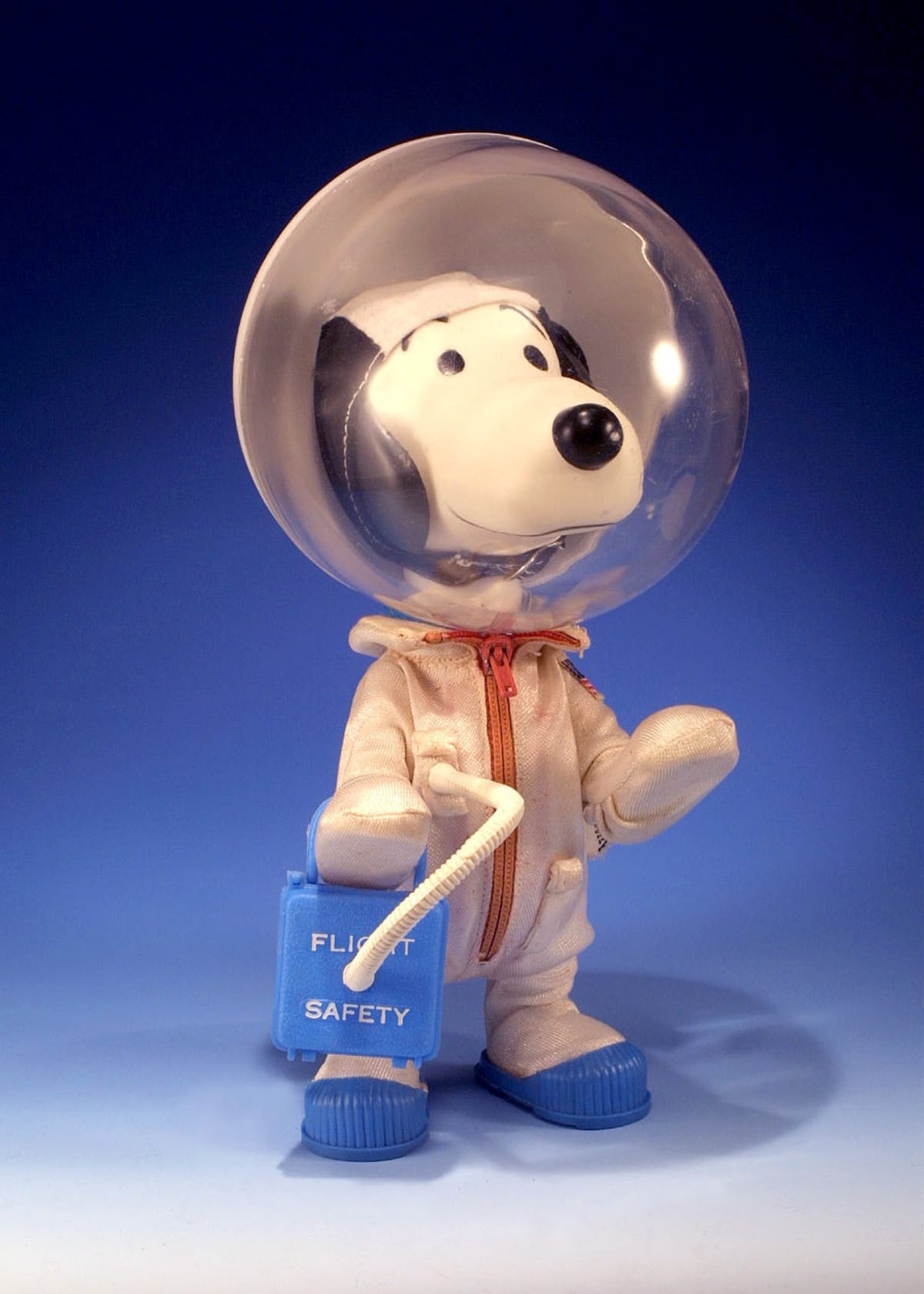
- Snoopy Toy Commemorating Apollo 11 Landing on Moon, 1969 - Charlie Brown's dog Snoopy was no ordinary dog. He walked on two legs, showed a rebellious streak, and daydreamed of being "World Famous." Four months before a real man landed on the moon, Snoopy appeared in a "Peanuts" comic strip as "the World Famous Astronaut" walking on the moon. This Peanuts Pocket Doll commemorates the 1969 moon landing.
- 1969
- Collections - Artifact
Snoopy Toy Commemorating Apollo 11 Landing on Moon, 1969
Charlie Brown's dog Snoopy was no ordinary dog. He walked on two legs, showed a rebellious streak, and daydreamed of being "World Famous." Four months before a real man landed on the moon, Snoopy appeared in a "Peanuts" comic strip as "the World Famous Astronaut" walking on the moon. This Peanuts Pocket Doll commemorates the 1969 moon landing.
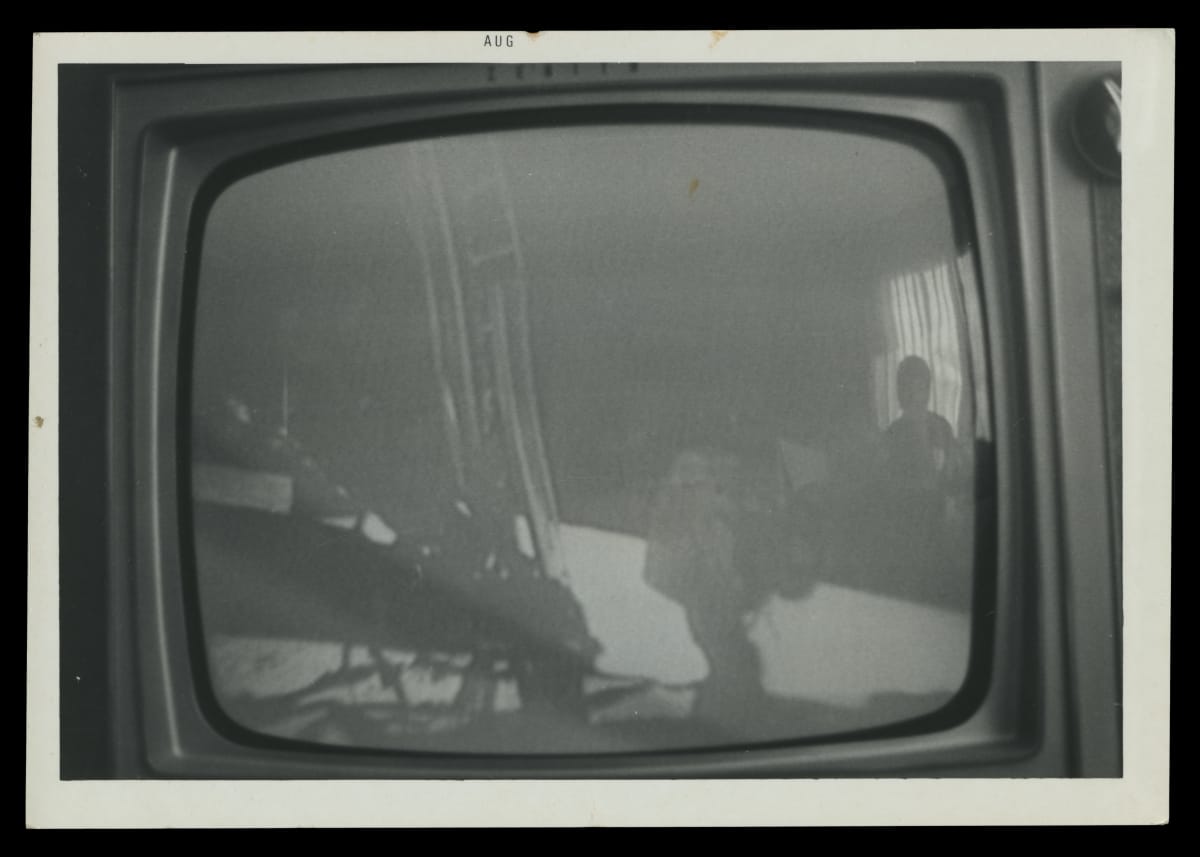
- Home Television Broadcast of NASA's Apollo 11 Moon Landing, July 20, 1969 - NASA's Apollo lunar missions captivated audiences watching the live events on their home televisions. When video recording technology was not widely available, people captured the events with what was available - the family camera. These images document many layers of technology, which united to make the missions possible. They also capture public fascination and desire to commemorate one's place in historical moments.
- July 20, 1969
- Collections - Artifact
Home Television Broadcast of NASA's Apollo 11 Moon Landing, July 20, 1969
NASA's Apollo lunar missions captivated audiences watching the live events on their home televisions. When video recording technology was not widely available, people captured the events with what was available - the family camera. These images document many layers of technology, which united to make the missions possible. They also capture public fascination and desire to commemorate one's place in historical moments.
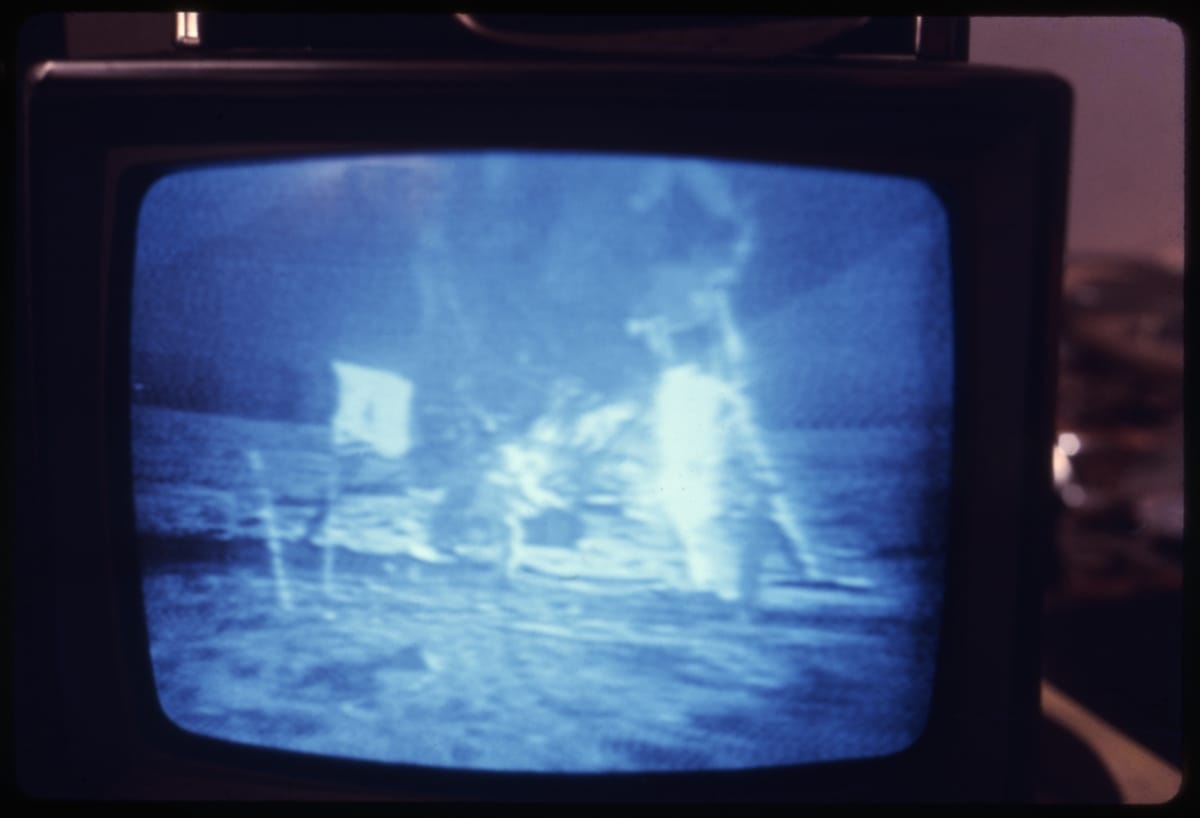
- Home Television Broadcast of NASA's Apollo 11 Moon Landing, July 20, 1969 - NASA's Apollo lunar missions captivated audiences watching the live events on their home televisions. When video recording technology was not widely available, people captured the events with what was available - the family camera. These images document many layers of technology, which united to make the missions possible. They also capture public fascination and desire to commemorate one's place in historical moments.
- July 20, 1969
- Collections - Artifact
Home Television Broadcast of NASA's Apollo 11 Moon Landing, July 20, 1969
NASA's Apollo lunar missions captivated audiences watching the live events on their home televisions. When video recording technology was not widely available, people captured the events with what was available - the family camera. These images document many layers of technology, which united to make the missions possible. They also capture public fascination and desire to commemorate one's place in historical moments.
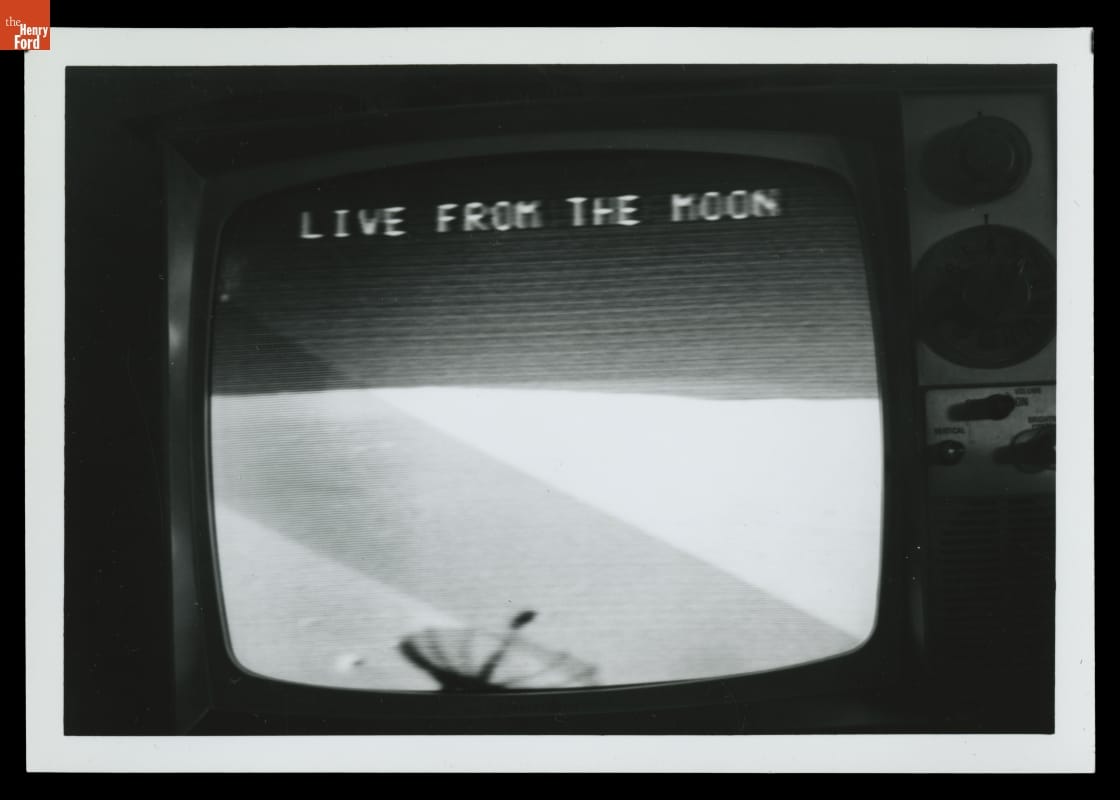
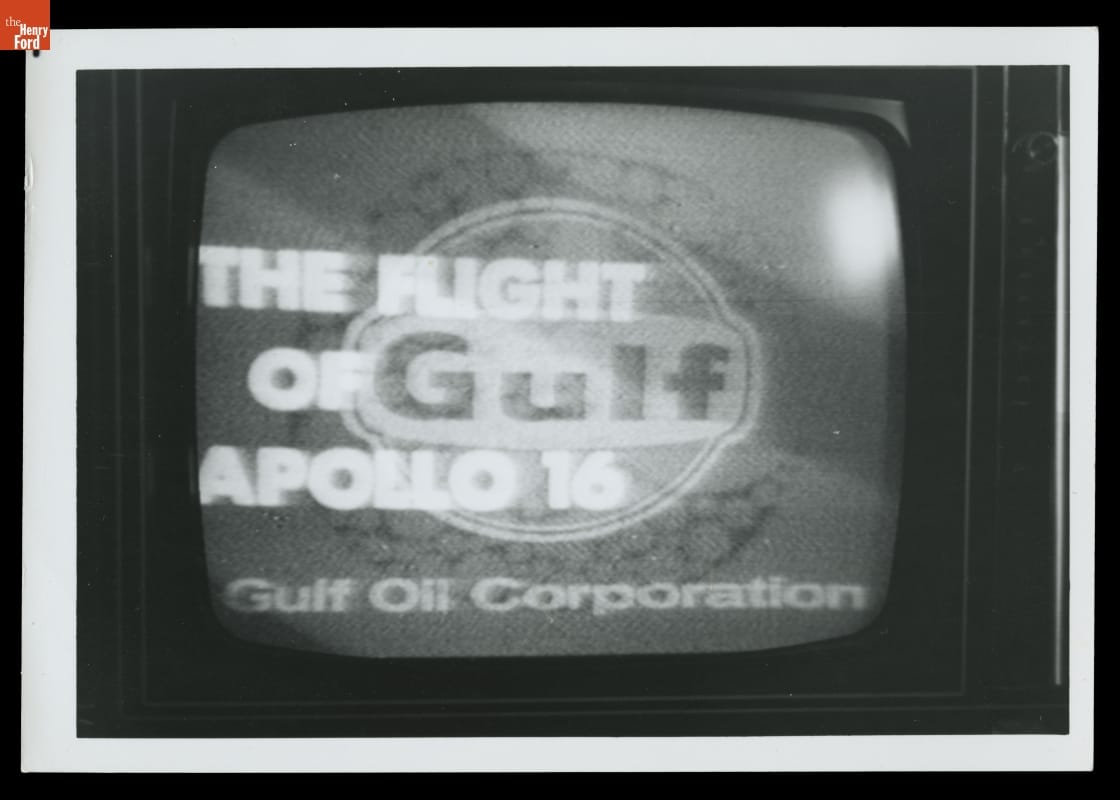
- Home Television Broadcast of NASA's Apollo 16 Moon Landing, April 16, 1972 - NASA's Apollo lunar missions captivated audiences watching the live events on their home televisions. When video recording technology was not widely available, people captured the events with what was available - the family camera. These images document many layers of technology, which united to make the missions possible. They also capture public fascination and desire to commemorate one's place in historical moments.
- April 16, 1972
- Collections - Artifact
Home Television Broadcast of NASA's Apollo 16 Moon Landing, April 16, 1972
NASA's Apollo lunar missions captivated audiences watching the live events on their home televisions. When video recording technology was not widely available, people captured the events with what was available - the family camera. These images document many layers of technology, which united to make the missions possible. They also capture public fascination and desire to commemorate one's place in historical moments.
- Home Television Broadcast of NASA's Apollo 16 Moon Landing, April 16, 1972 - NASA's Apollo lunar missions captivated audiences watching the live events on their home televisions. When video recording technology was not widely available, people captured the events with what was available - the family camera. These images document many layers of technology, which united to make the missions possible. They also capture public fascination and desire to commemorate one's place in historical moments.
- April 16, 1972
- Collections - Artifact
Home Television Broadcast of NASA's Apollo 16 Moon Landing, April 16, 1972
NASA's Apollo lunar missions captivated audiences watching the live events on their home televisions. When video recording technology was not widely available, people captured the events with what was available - the family camera. These images document many layers of technology, which united to make the missions possible. They also capture public fascination and desire to commemorate one's place in historical moments.
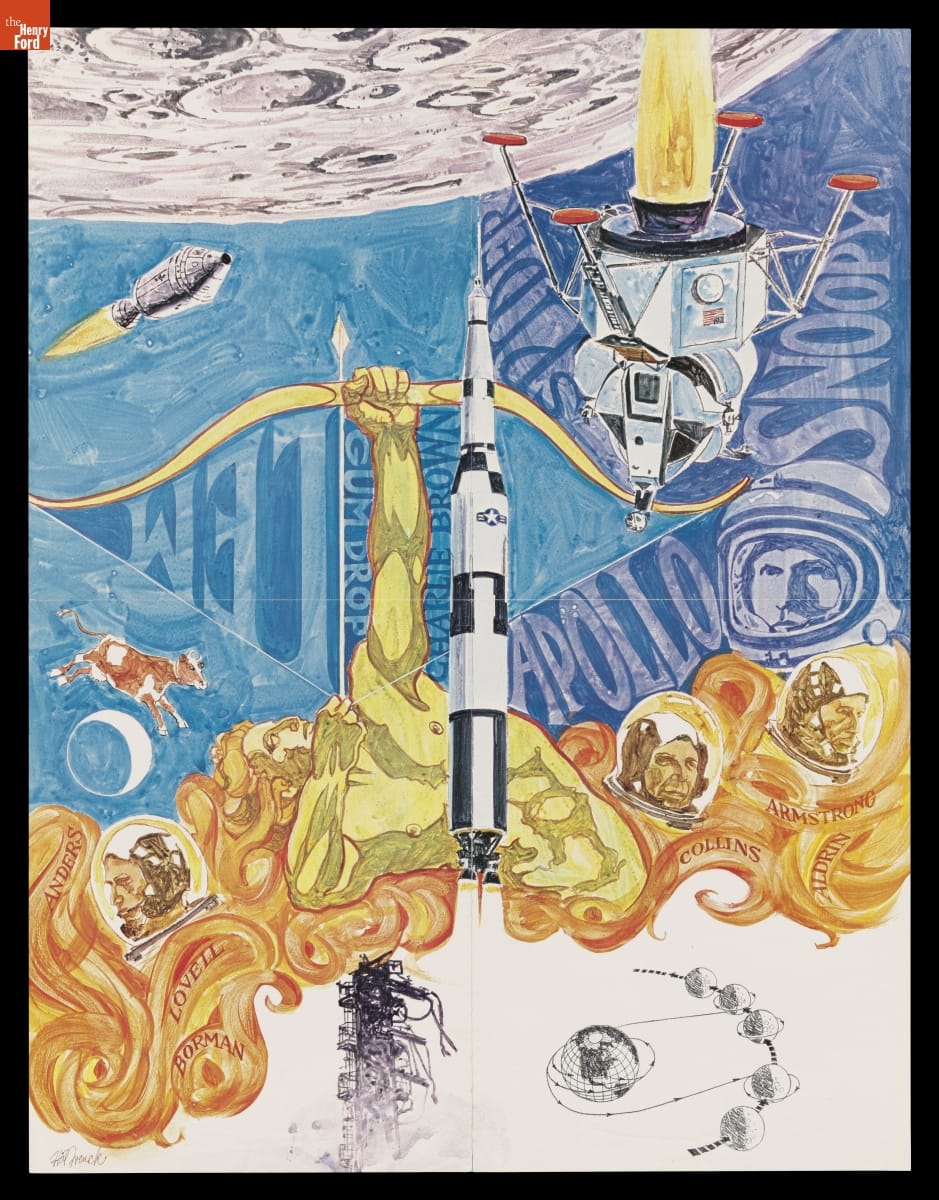
- Moon Landing Poster, 1969 - Scholastic Magazines, Inc., a well-respected educational publisher, produced this poster commemorating the Apollo Moon landing missions to accompany the documentary album "First Men on the Moon." Hal Frenck designed the poster with space imagery and the names of early Apollo astronauts and mission modules. On the back, young readers could find the album's text, which included excerpts from official NASA transcripts.
- 1969
- Collections - Artifact
Moon Landing Poster, 1969
Scholastic Magazines, Inc., a well-respected educational publisher, produced this poster commemorating the Apollo Moon landing missions to accompany the documentary album "First Men on the Moon." Hal Frenck designed the poster with space imagery and the names of early Apollo astronauts and mission modules. On the back, young readers could find the album's text, which included excerpts from official NASA transcripts.
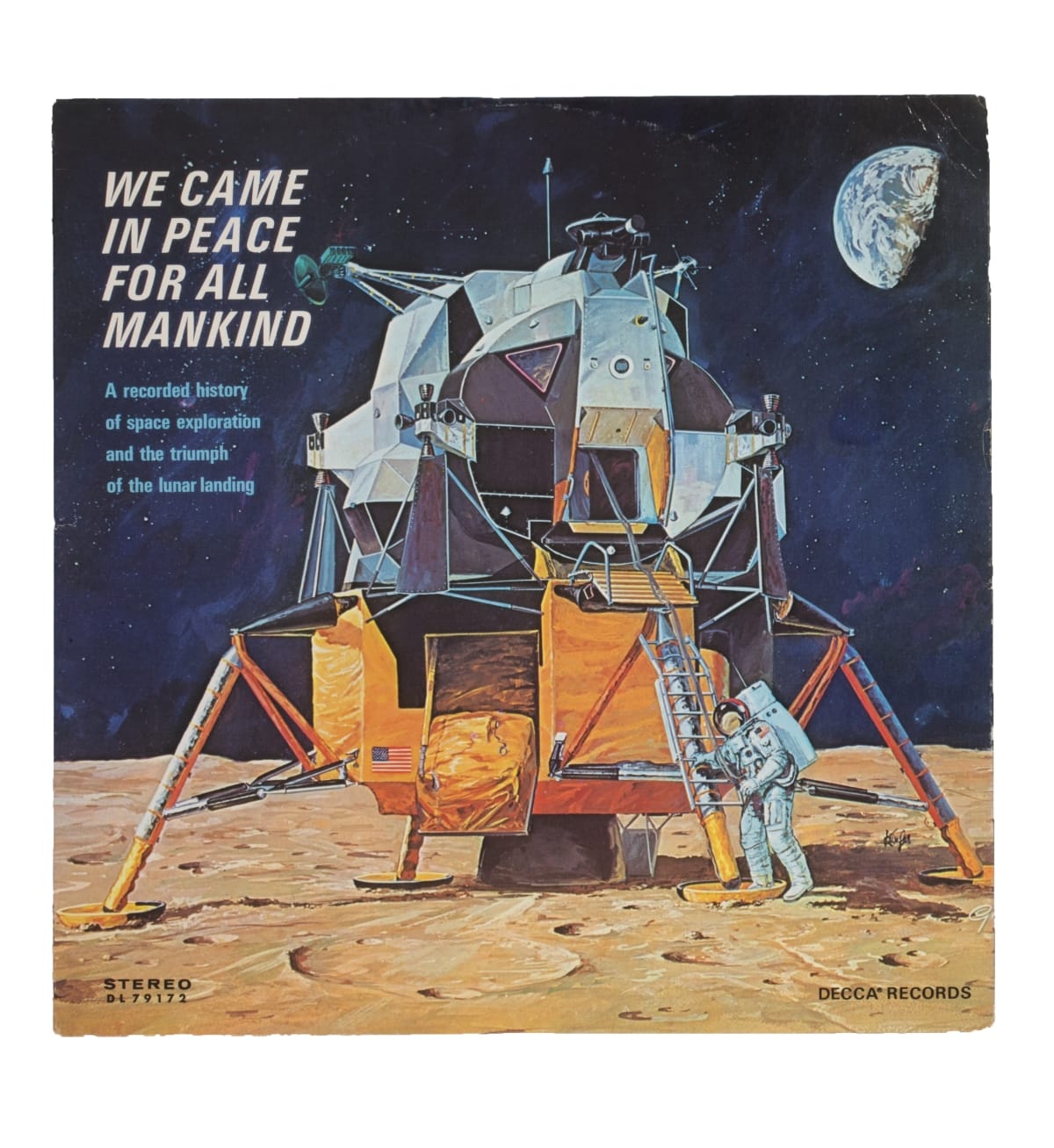
- "One Giant Leap for Mankind": Remembering the First Manned Moon Landing - Three weeks after astronaut Alan Shepard became the first American in space on May 5, 1961, President Kennedy laid out a bold vision that America should commit itself to landing a man on the moon "before the decade is out." Many missions followed until, on July 20, 1969--just six months before the end of the decade--American astronauts Neil Armstrong and Edwin A. "Buzz" Aldrin Jr. became the first humans to set foot on the moon.
- June 28, 2019
- Collections - Set
"One Giant Leap for Mankind": Remembering the First Manned Moon Landing
Three weeks after astronaut Alan Shepard became the first American in space on May 5, 1961, President Kennedy laid out a bold vision that America should commit itself to landing a man on the moon "before the decade is out." Many missions followed until, on July 20, 1969--just six months before the end of the decade--American astronauts Neil Armstrong and Edwin A. "Buzz" Aldrin Jr. became the first humans to set foot on the moon.
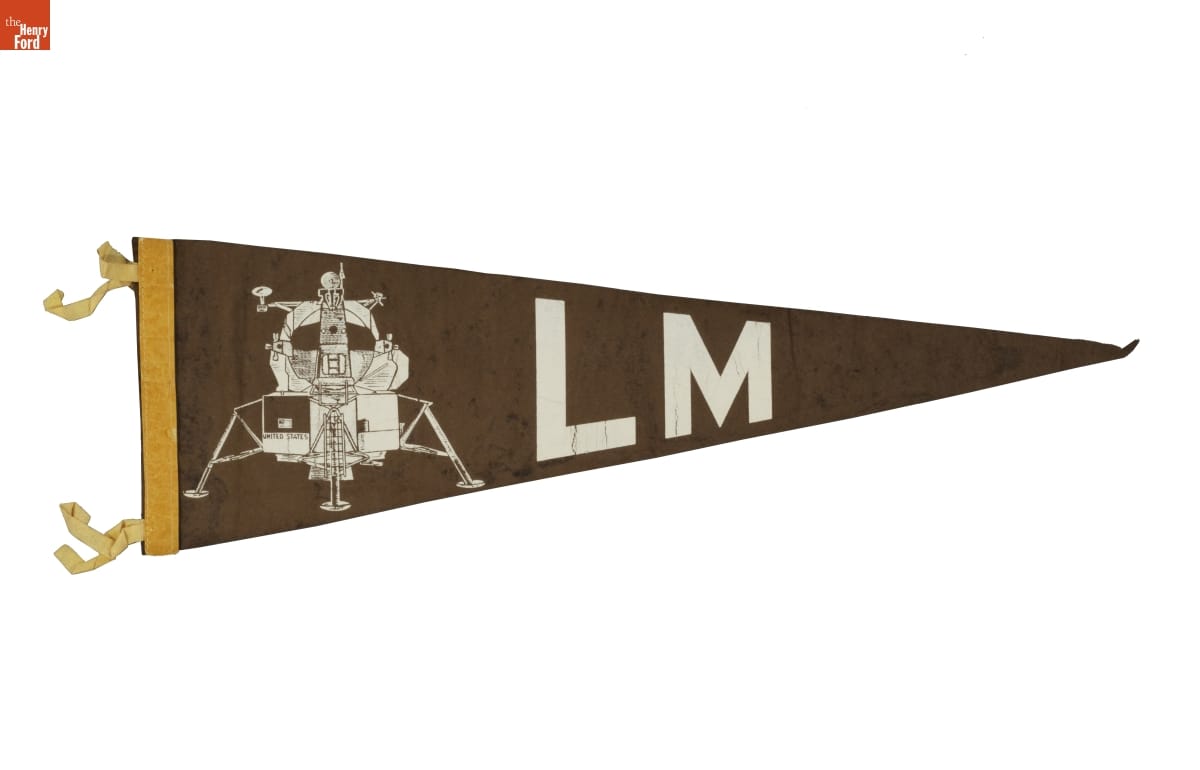
- Apollo Lunar Module "LM" Pennant, circa 1969 - The Lunar Module, or LM, depicted on this pennant allowed the Apollo astronauts to land on the Moon. The LM consisted of an ascent stage and a descent stage. Between 1969 and 1972, six Lunar Modules successfully landed and returned twelve astronauts from the lunar surface.
- circa 1969
- Collections - Artifact
Apollo Lunar Module "LM" Pennant, circa 1969
The Lunar Module, or LM, depicted on this pennant allowed the Apollo astronauts to land on the Moon. The LM consisted of an ascent stage and a descent stage. Between 1969 and 1972, six Lunar Modules successfully landed and returned twelve astronauts from the lunar surface.
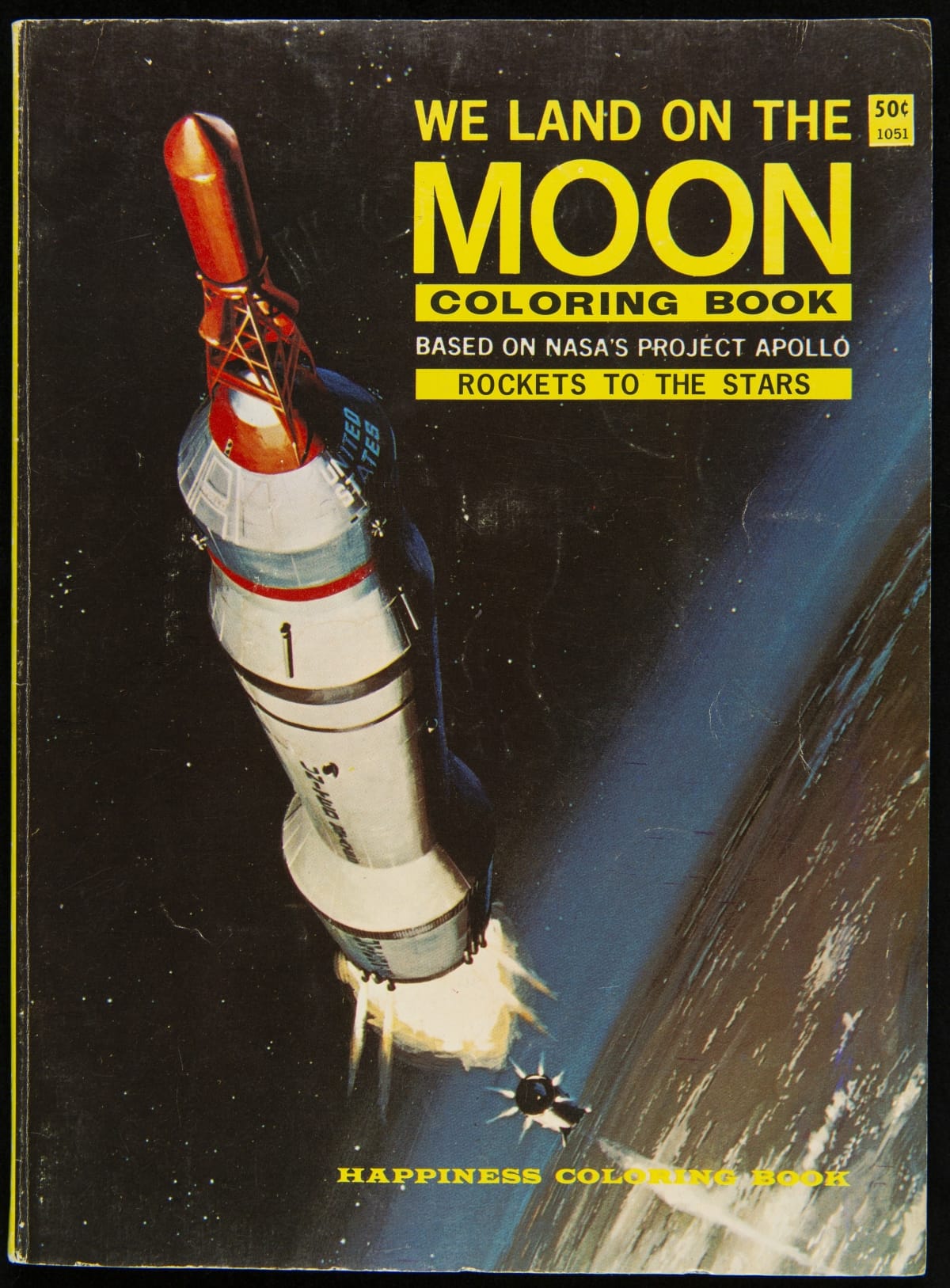
- We Land on the Moon Coloring Book Based on NASA's Project Apollo Rockets to the Stars, 1969 - This coloring book from 1969 was created to excite youngsters about the space program and especially about the moon landing of July 20. It covered the Mercury, Apollo, and Saturn vehicles and astronauts, as well as some history of the space program.
- 1969
- Collections - Artifact
We Land on the Moon Coloring Book Based on NASA's Project Apollo Rockets to the Stars, 1969
This coloring book from 1969 was created to excite youngsters about the space program and especially about the moon landing of July 20. It covered the Mercury, Apollo, and Saturn vehicles and astronauts, as well as some history of the space program.
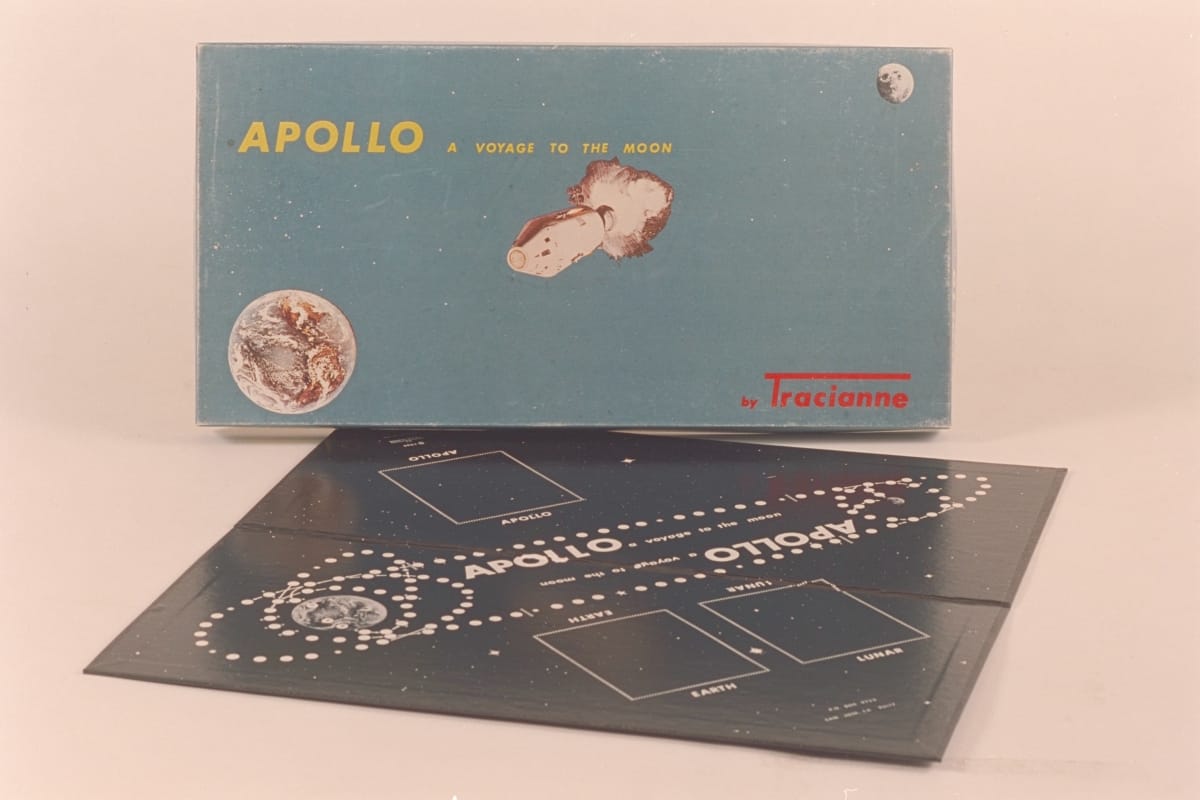
- Apollo: A Voyage to the Moon Game, 1969-1975 - On July 20, 1969, American astronauts, Neil Armstrong and Edwin Aldrin, became the first to land on the moon. Players of this moon landing-inspired board game could participate in the extraordinary space adventure of these Apollo 11 astronauts. The object of the game was to be the first to "land" on the moon, collect moon rocks, and return safely to earth.
- 1969-1975
- Collections - Artifact
Apollo: A Voyage to the Moon Game, 1969-1975
On July 20, 1969, American astronauts, Neil Armstrong and Edwin Aldrin, became the first to land on the moon. Players of this moon landing-inspired board game could participate in the extraordinary space adventure of these Apollo 11 astronauts. The object of the game was to be the first to "land" on the moon, collect moon rocks, and return safely to earth.