
Search
- Bob Metcalfe - Bob Metcalfe is an iconoclast with strong opinions and boundless energy. When he reflects on his multifaceted, successful career, Bob Metcalfe considers himself to have been a lucky man, always in the right place at the right time.

- February 08, 2011
- Collections - Video
Bob Metcalfe
Bob Metcalfe is an iconoclast with strong opinions and boundless energy. When he reflects on his multifaceted, successful career, Bob Metcalfe considers himself to have been a lucky man, always in the right place at the right time.
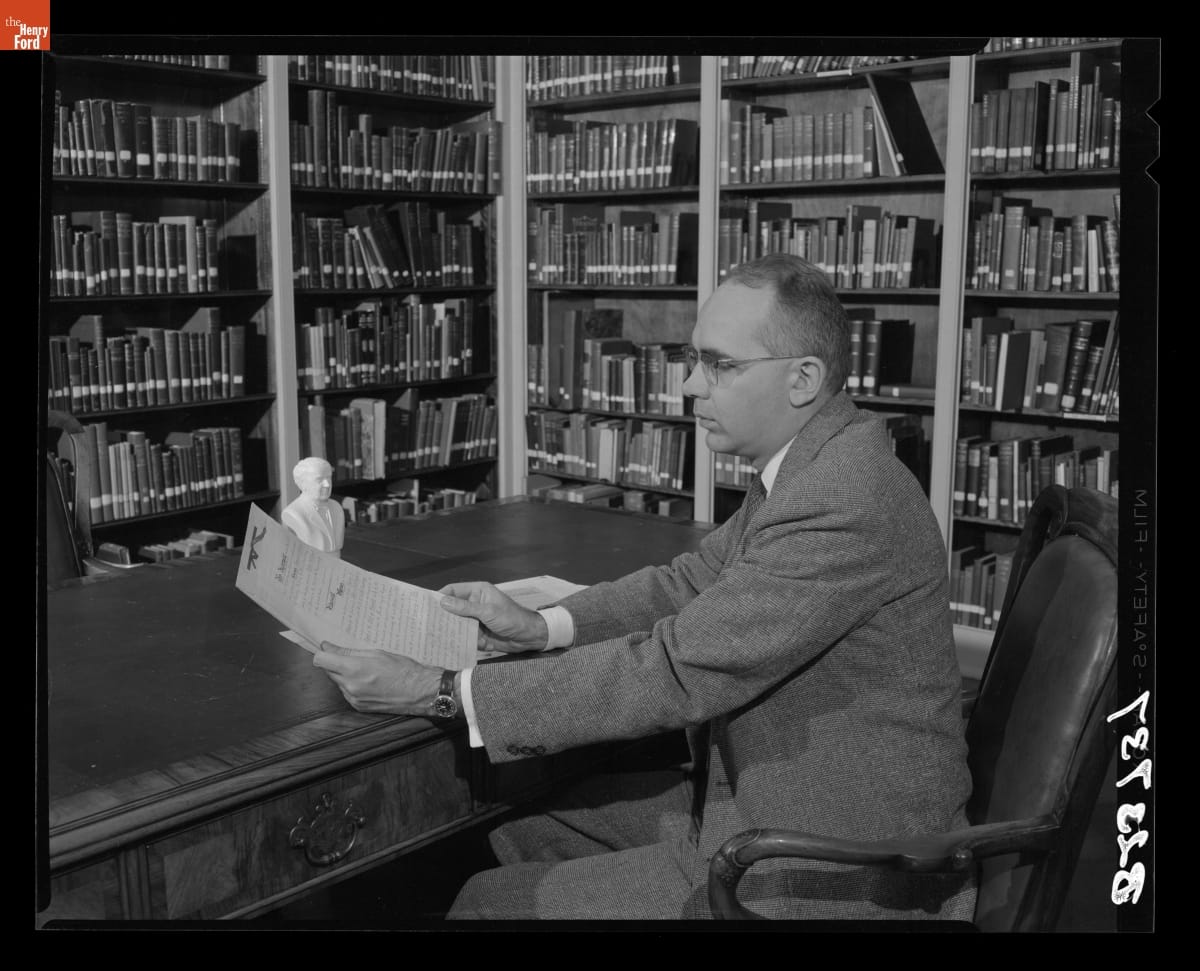
- Librarian Ken Metcalf, December 21, 1959 - Detroit native Ken Metcalf earned degrees from Wayne State University and the University of Michigan. He joined the Edison Institute -- today's The Henry Ford -- as librarian in 1954. He later became deputy archivist as well. Metcalf expanded the library's holdings, contributed to museum exhibits, wrote multiple books, and frequently presented at professional and civic organizations.
- Collections - Artifact
Librarian Ken Metcalf, December 21, 1959
Detroit native Ken Metcalf earned degrees from Wayne State University and the University of Michigan. He joined the Edison Institute -- today's The Henry Ford -- as librarian in 1954. He later became deputy archivist as well. Metcalf expanded the library's holdings, contributed to museum exhibits, wrote multiple books, and frequently presented at professional and civic organizations.
- Serial Innovator - Creator of Ethernet, venture capitalist and networking engineer Bob Metcalfe talks technological innovation and what it takes to stay on the cutting edge of invention.

- June 01, 2014
- Collections - article
Serial Innovator
Creator of Ethernet, venture capitalist and networking engineer Bob Metcalfe talks technological innovation and what it takes to stay on the cutting edge of invention.
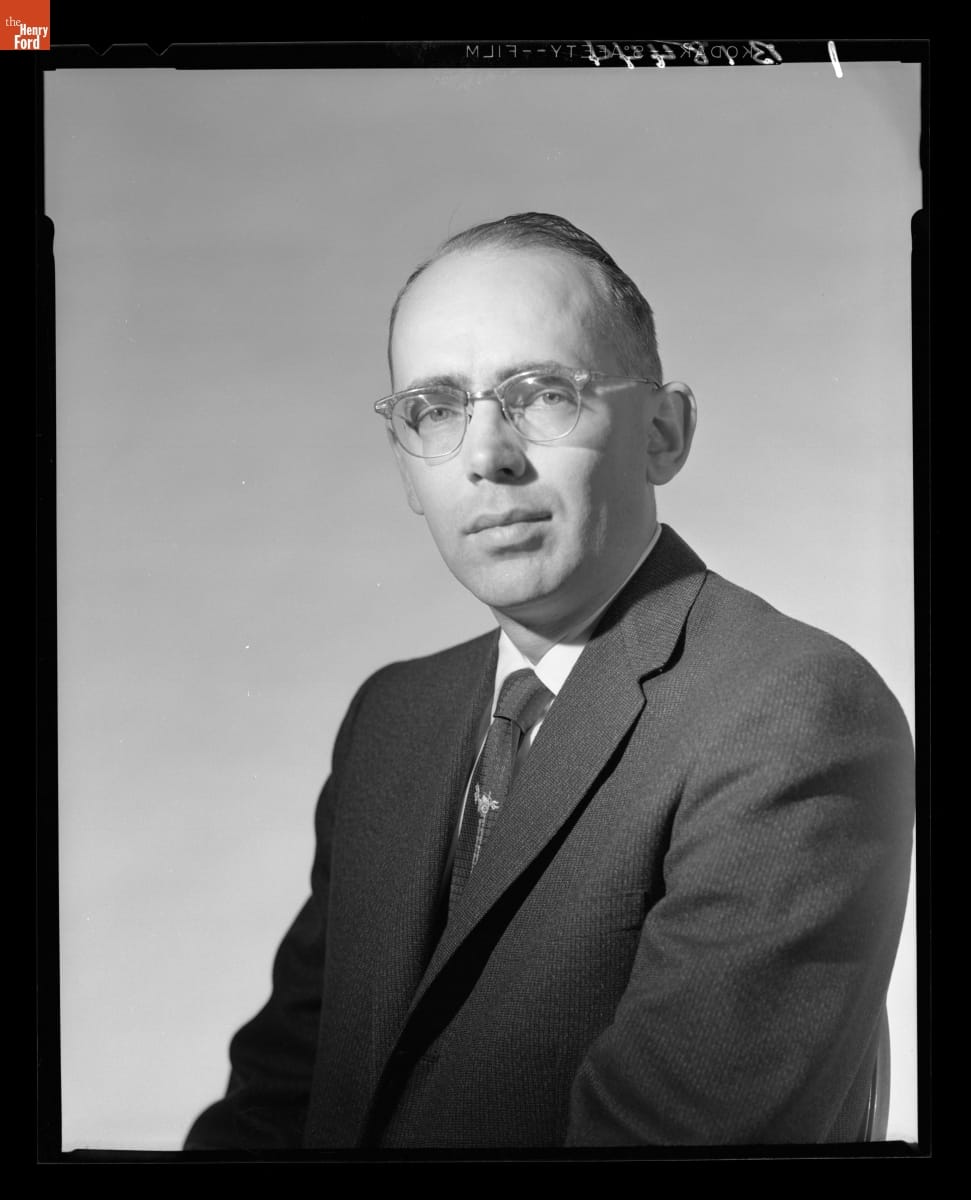
- Edison Institute Librarian Kenneth Metcalf, April 21, 1958 - Detroit native Ken Metcalf earned degrees from Wayne State University and the University of Michigan. He joined the Edison Institute -- today's The Henry Ford -- as librarian in 1954. He later became deputy archivist as well. Metcalf expanded the library's holdings, contributed to museum exhibits, wrote multiple books, and frequently presented at professional and civic organizations.
- April 21, 1958
- Collections - Artifact
Edison Institute Librarian Kenneth Metcalf, April 21, 1958
Detroit native Ken Metcalf earned degrees from Wayne State University and the University of Michigan. He joined the Edison Institute -- today's The Henry Ford -- as librarian in 1954. He later became deputy archivist as well. Metcalf expanded the library's holdings, contributed to museum exhibits, wrote multiple books, and frequently presented at professional and civic organizations.
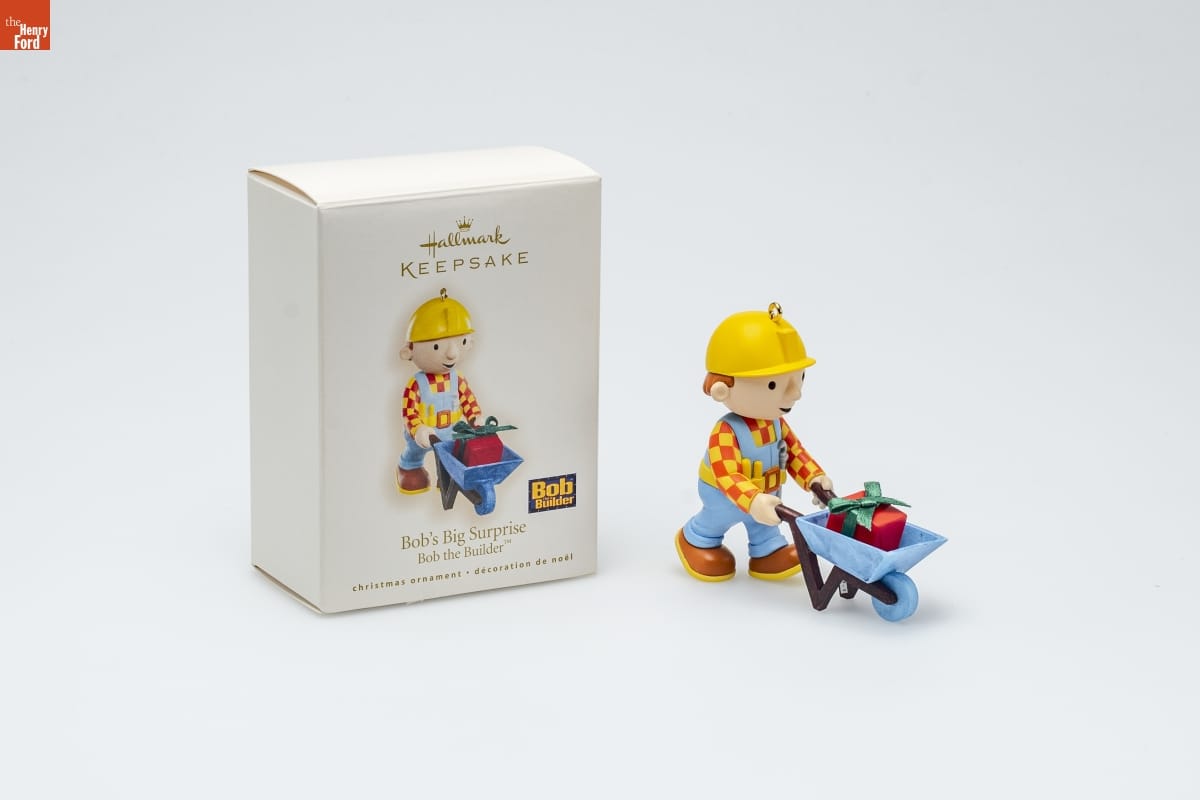
- Hallmark "Bob the Builder: Bob's Big Surprise" Christmas Ornament, 2007 - Already known for greeting cards, Hallmark introduced a line of Christmas ornaments in 1973. The company's annual release of an increasing array of ornaments revolutionized Christmas decorating, appealing to customers' interest in marking memories and milestones as well as expressing one's personality and unique tastes.
- 2007
- Collections - Artifact
Hallmark "Bob the Builder: Bob's Big Surprise" Christmas Ornament, 2007
Already known for greeting cards, Hallmark introduced a line of Christmas ornaments in 1973. The company's annual release of an increasing array of ornaments revolutionized Christmas decorating, appealing to customers' interest in marking memories and milestones as well as expressing one's personality and unique tastes.
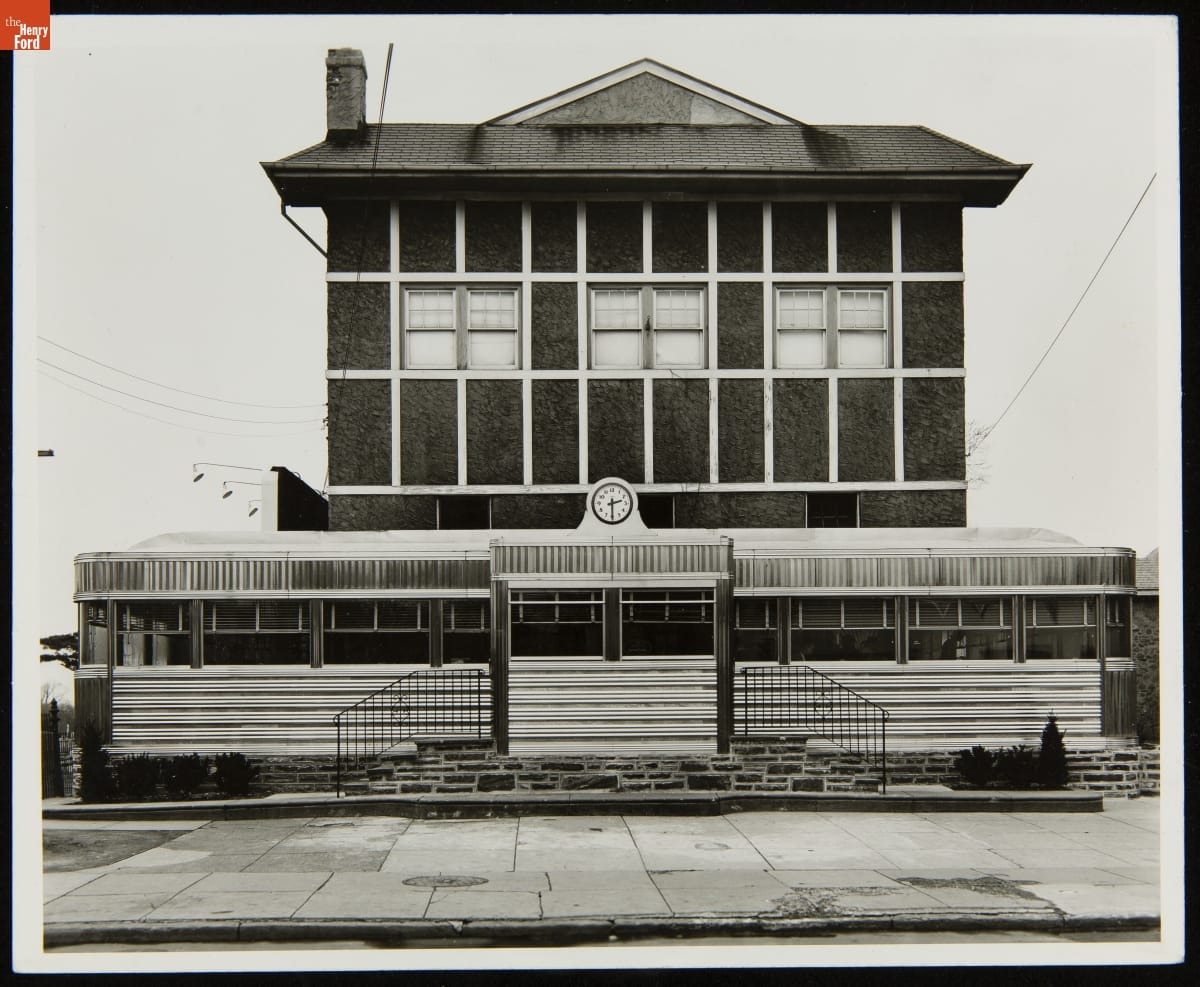
- Bob's Diner, Philadelphia, Pennsylvania, circa 1947 -
- circa 1947
- Collections - Artifact
Bob's Diner, Philadelphia, Pennsylvania, circa 1947
- Librarian Ken Metcalf Training Greenfield Village Guides, February 20, 1960 - Detroit native Ken Metcalf earned degrees from Wayne State University and the University of Michigan. He joined the Edison Institute -- today's The Henry Ford -- as librarian in 1954. He later became deputy archivist as well. Metcalf expanded the library's holdings, contributed to museum exhibits, wrote multiple books, and frequently presented at professional and civic organizations.
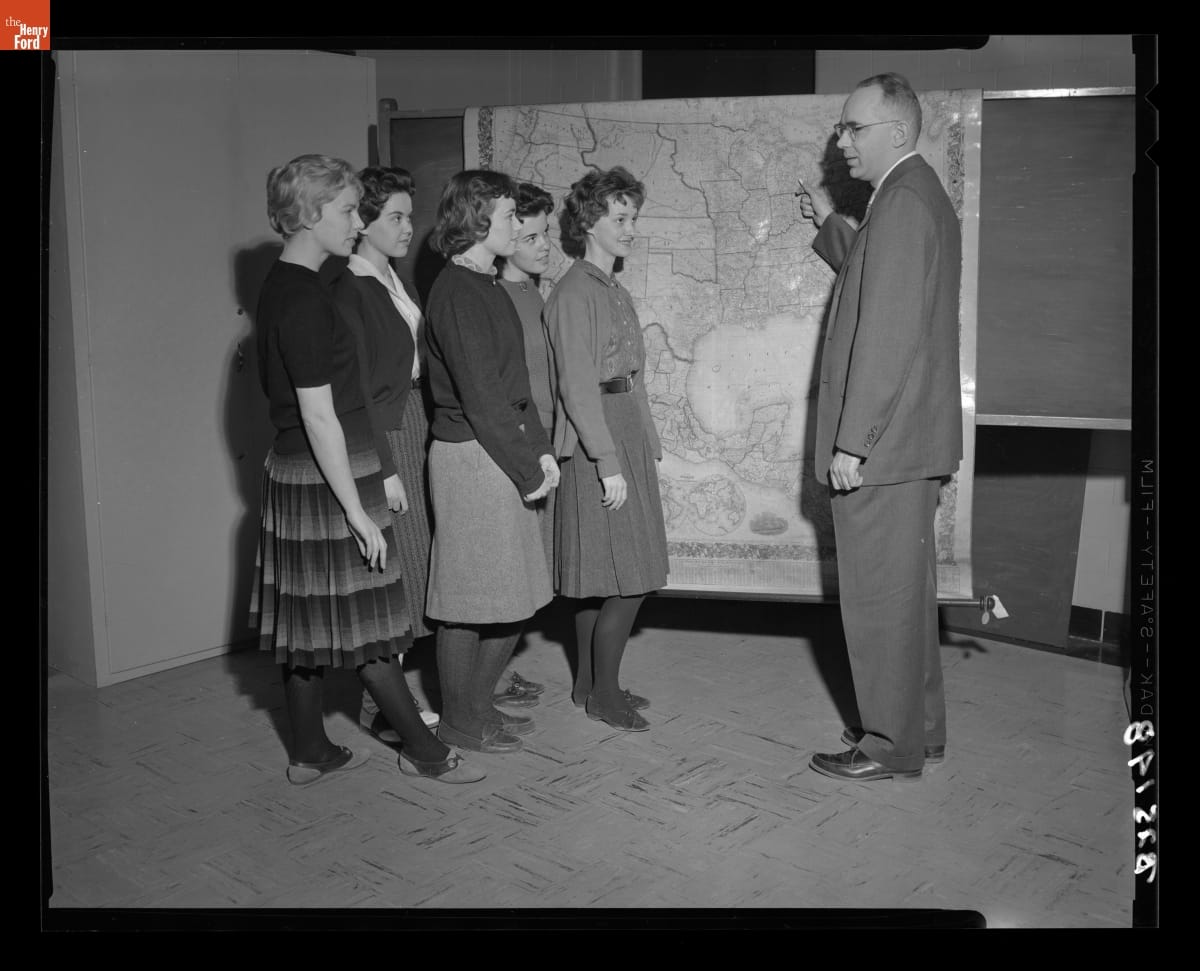
- February 20, 1960
- Collections - Artifact
Librarian Ken Metcalf Training Greenfield Village Guides, February 20, 1960
Detroit native Ken Metcalf earned degrees from Wayne State University and the University of Michigan. He joined the Edison Institute -- today's The Henry Ford -- as librarian in 1954. He later became deputy archivist as well. Metcalf expanded the library's holdings, contributed to museum exhibits, wrote multiple books, and frequently presented at professional and civic organizations.
- "Uncle Bob's Diner" Pin, 1980-1989 -
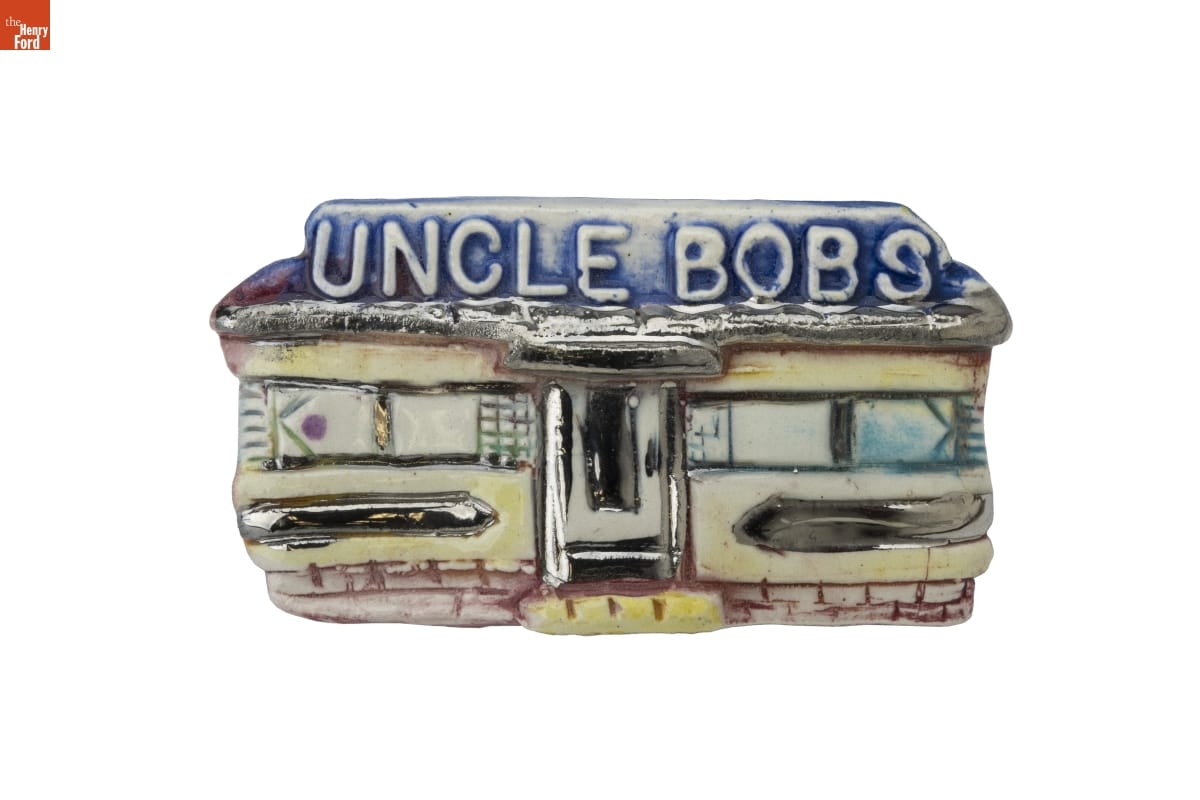
- 1980-1989
- Collections - Artifact
"Uncle Bob's Diner" Pin, 1980-1989
- One Half of Uncle Bob's Diner Being Moved, circa 1970 -
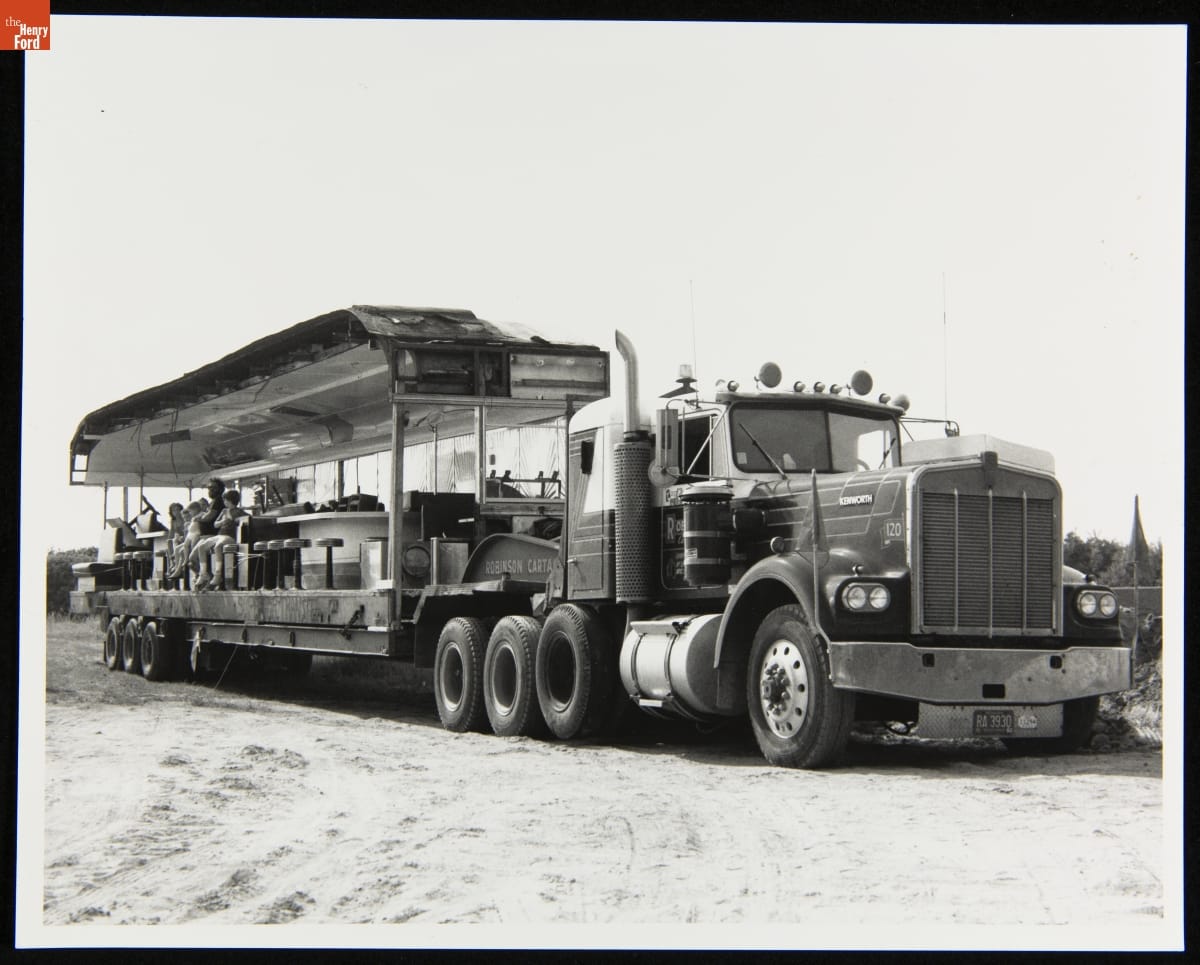
- circa 1970
- Collections - Artifact
One Half of Uncle Bob's Diner Being Moved, circa 1970
- Hallmark "Kringlewood Farms: Beaver Bob's Yule Logs" Christmas Ornament, 2007 - Already known for greeting cards, Hallmark introduced a line of Christmas ornaments in 1973. The company's annual release of an increasing array of ornaments revolutionized Christmas decorating, appealing to customers' interest in marking memories and milestones as well as expressing one's personality and unique tastes.
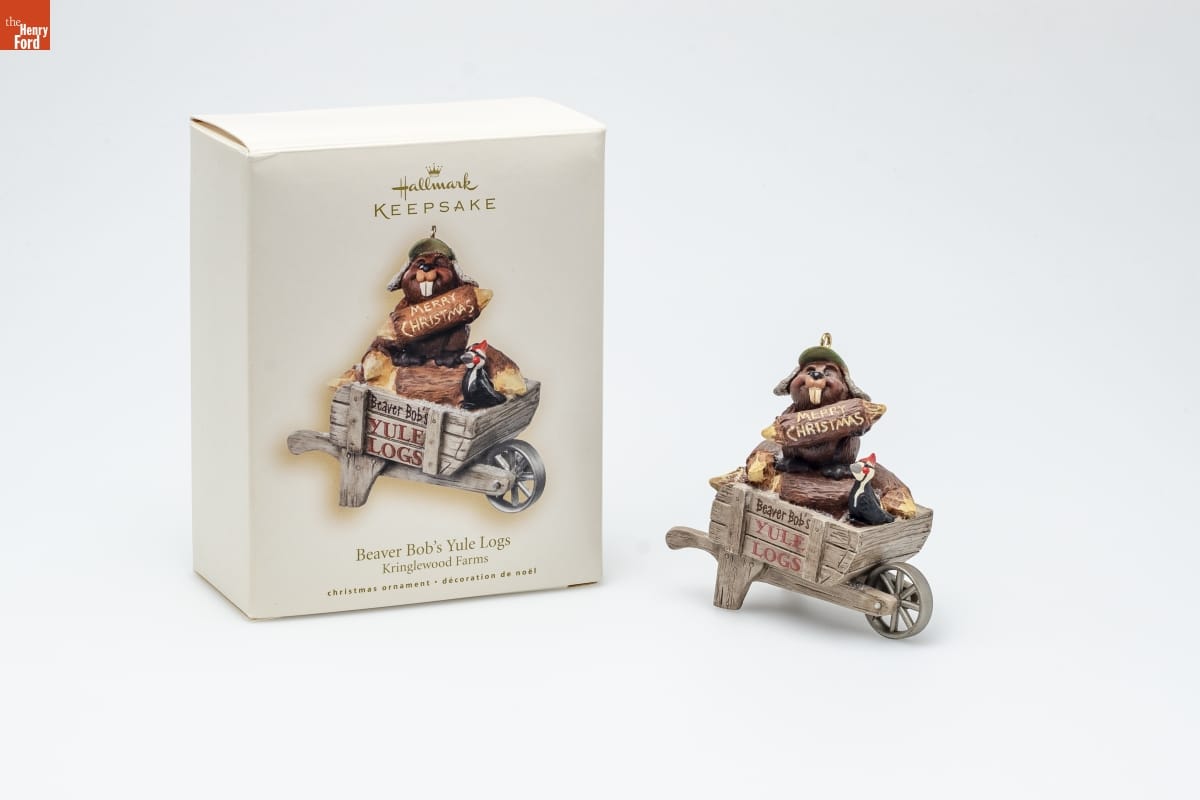
- 2007
- Collections - Artifact
Hallmark "Kringlewood Farms: Beaver Bob's Yule Logs" Christmas Ornament, 2007
Already known for greeting cards, Hallmark introduced a line of Christmas ornaments in 1973. The company's annual release of an increasing array of ornaments revolutionized Christmas decorating, appealing to customers' interest in marking memories and milestones as well as expressing one's personality and unique tastes.