
Search
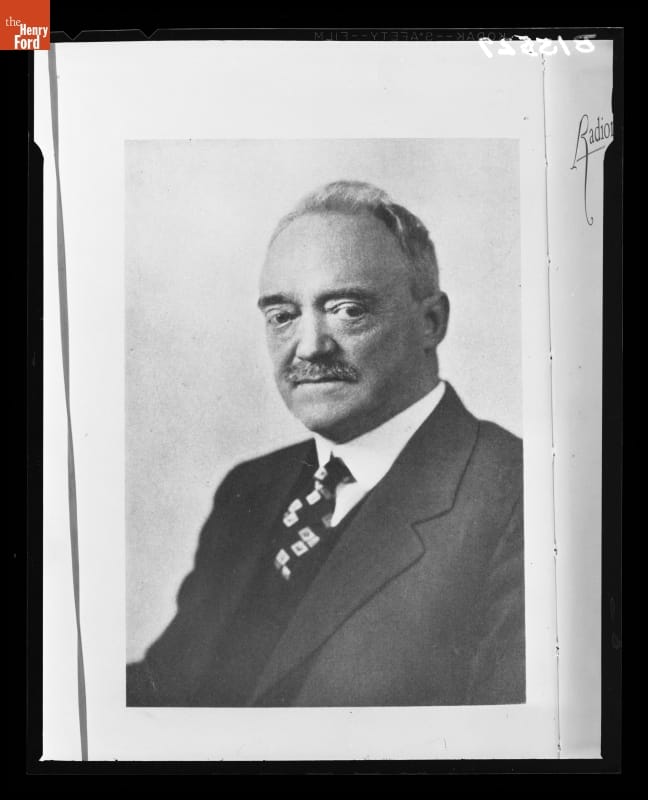
- Portrait of Charles Francis Jenkins, circa 1925 - Charles Francis Jenkins was a pioneering technology inventor. He made discoveries and improvements with motion picture cameras, mechanical scanning television, facsimile technology, and the transfer of images over wireless radio. Jenkins's television station W3XK began operating in 1928--it is believed to be the oldest station in the United States.
- circa 1925
- Collections - Artifact
Portrait of Charles Francis Jenkins, circa 1925
Charles Francis Jenkins was a pioneering technology inventor. He made discoveries and improvements with motion picture cameras, mechanical scanning television, facsimile technology, and the transfer of images over wireless radio. Jenkins's television station W3XK began operating in 1928--it is believed to be the oldest station in the United States.
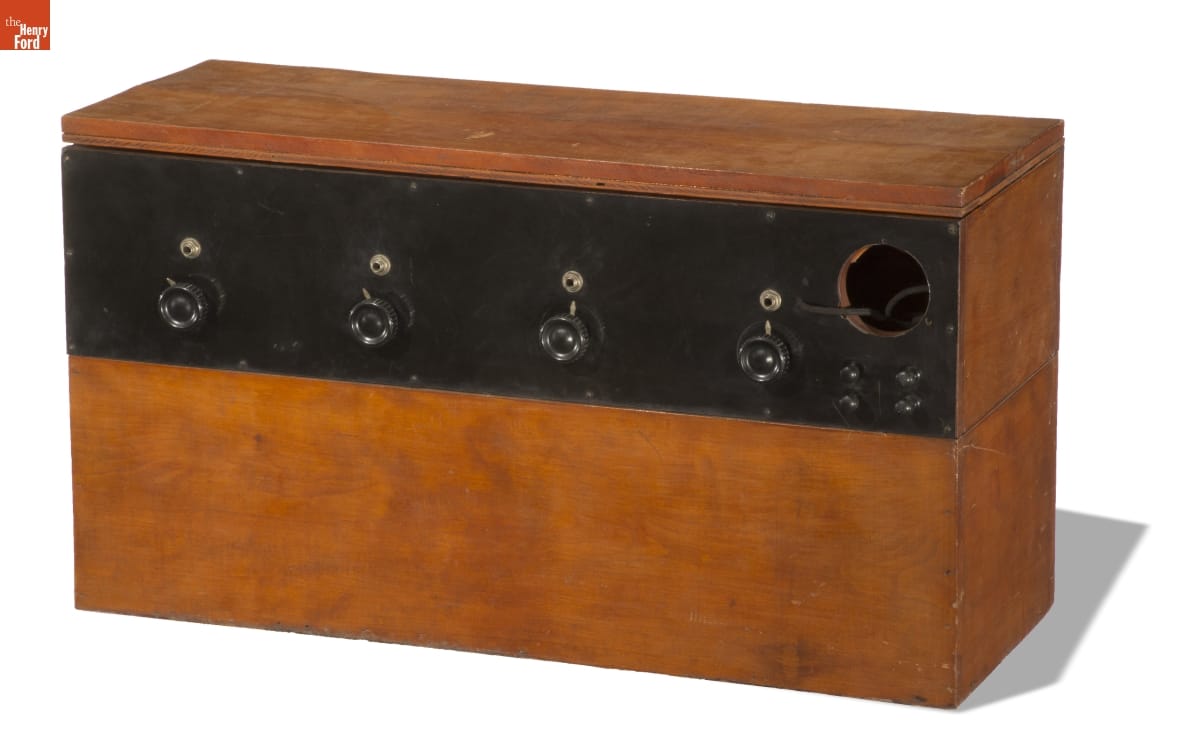
- Audio Frequency Amplifier, Used By Charles F. Jenkins, 1922-1927 - Charles Francis Jenkins, pioneer of mechanical scanning television, also developed one of the first marine facsimile systems, depicted here. In 1926, Jenkins created an experimental device similar to a modern fax machine, capable of transmitting weather maps to ships at sea. In September, it became a lifeline, guiding the USS <em>Kittery</em> to safety against the blows of the Great Miami Hurricane.
- 1922-1927
- Collections - Artifact
Audio Frequency Amplifier, Used By Charles F. Jenkins, 1922-1927
Charles Francis Jenkins, pioneer of mechanical scanning television, also developed one of the first marine facsimile systems, depicted here. In 1926, Jenkins created an experimental device similar to a modern fax machine, capable of transmitting weather maps to ships at sea. In September, it became a lifeline, guiding the USS Kittery to safety against the blows of the Great Miami Hurricane.
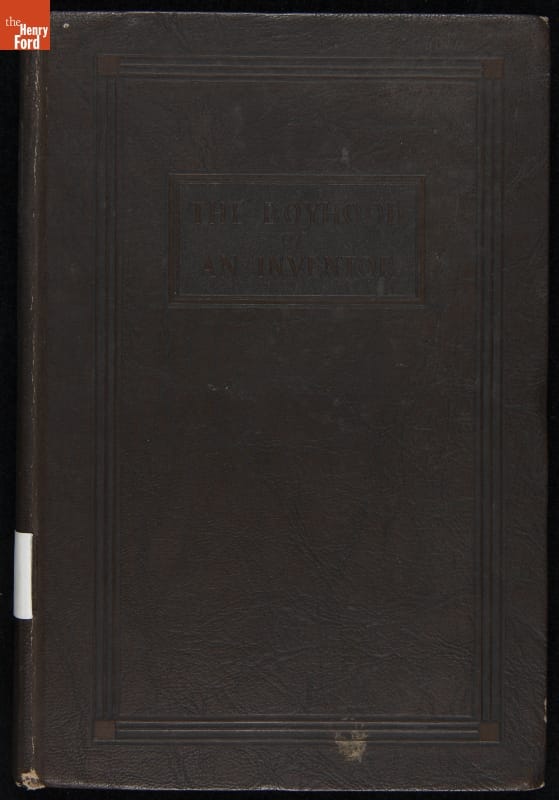
- "The Boyhood of an Inventor," 1931 - This is the autobiography of Charles Francis Jenkins--a pioneering technology inventor. He made discoveries and improvements with motion picture cameras, mechanical scanning television, facsimile technology, and the transfer of images over wireless radio.
- 1931
- Collections - Artifact
"The Boyhood of an Inventor," 1931
This is the autobiography of Charles Francis Jenkins--a pioneering technology inventor. He made discoveries and improvements with motion picture cameras, mechanical scanning television, facsimile technology, and the transfer of images over wireless radio.
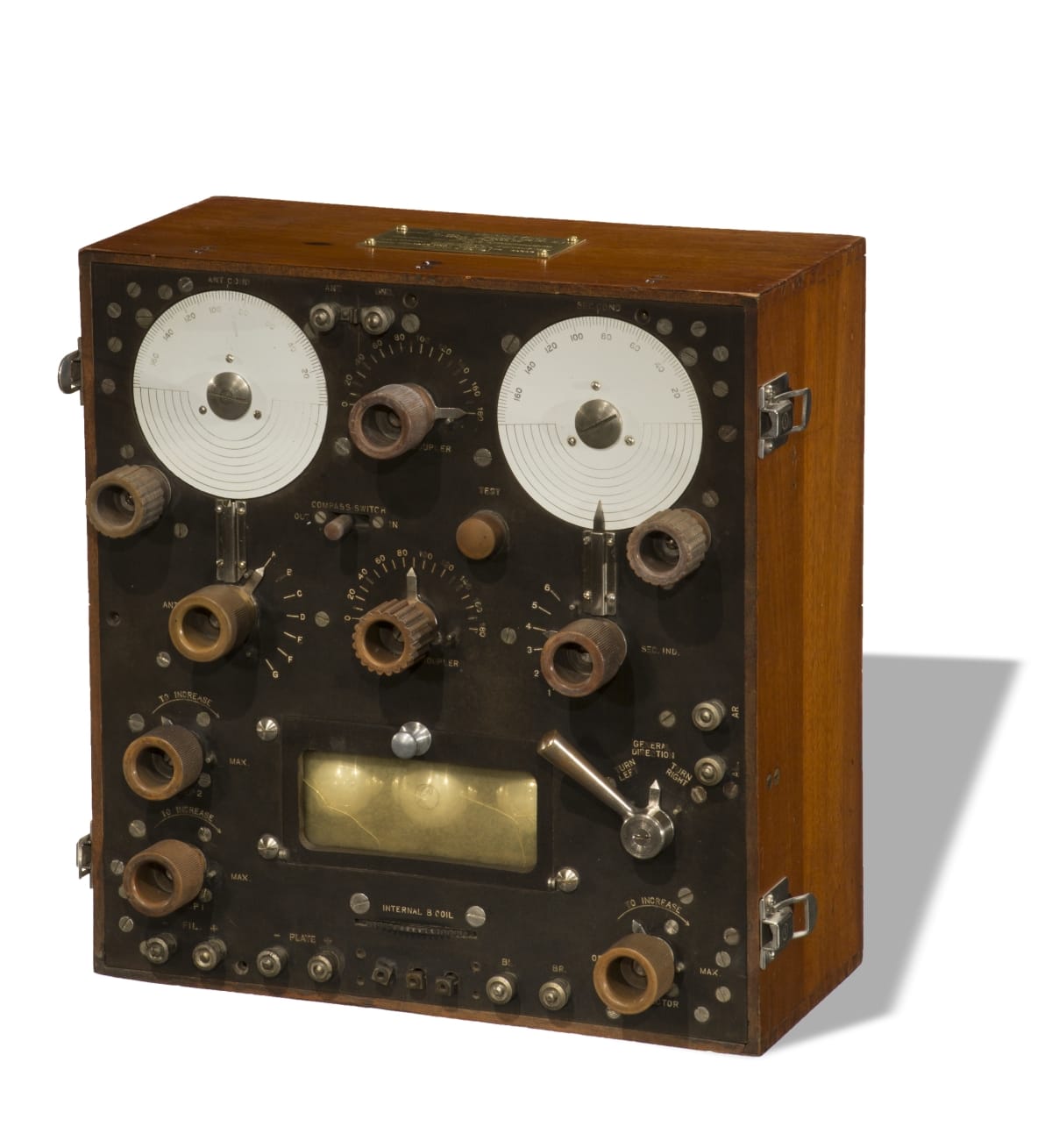
- Radio Receiver, Type SE-950, Used by Charles Francis Jenkins in Experiment Detecting Radio Signals from Mars - The SE950 was produced commercially during WWI as a rugged field radio; its versatile nature allowed it to remain useful in Charles Francis Jenkins' laboratory. The radio was used in a curious 1924 experiment as Mars drew near Earth's orbit. The SE950 was connected to a device capable of photographically recording any "alien communication" broadcast during military-imposed radio silence.
- August 01, 1924
- Collections - Artifact
Radio Receiver, Type SE-950, Used by Charles Francis Jenkins in Experiment Detecting Radio Signals from Mars
The SE950 was produced commercially during WWI as a rugged field radio; its versatile nature allowed it to remain useful in Charles Francis Jenkins' laboratory. The radio was used in a curious 1924 experiment as Mars drew near Earth's orbit. The SE950 was connected to a device capable of photographically recording any "alien communication" broadcast during military-imposed radio silence.
- Jenkins Scanner Drum for a Facsimile Receiver, circa 1927 - Charles Francis Jenkins, pioneer of mechanical scanning television, also developed one of the first marine facsimile systems, depicted here. In 1926, Jenkins created an experimental device similar to a modern fax machine, capable of transmitting weather maps to ships at sea. In September, it became a lifeline, guiding the USS <em>Kittery</em> to safety against the blows of the Great Miami Hurricane.
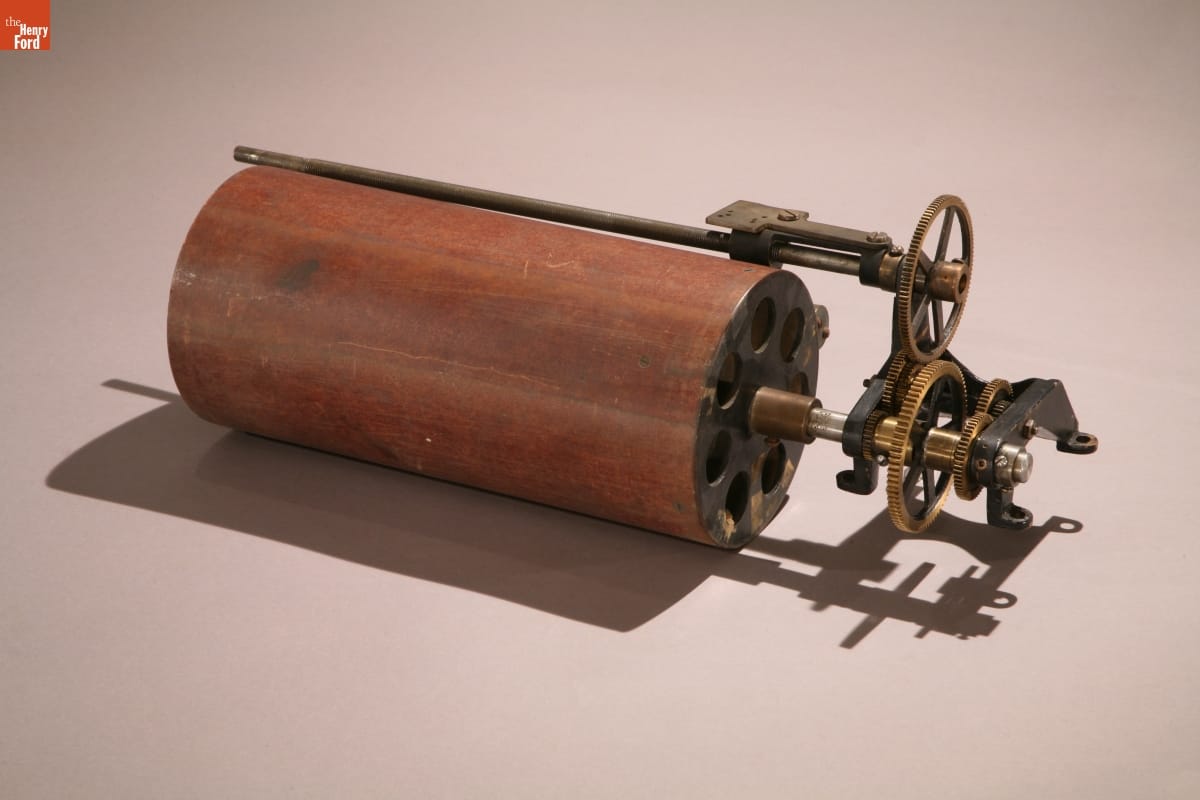
- circa 1927
- Collections - Artifact
Jenkins Scanner Drum for a Facsimile Receiver, circa 1927
Charles Francis Jenkins, pioneer of mechanical scanning television, also developed one of the first marine facsimile systems, depicted here. In 1926, Jenkins created an experimental device similar to a modern fax machine, capable of transmitting weather maps to ships at sea. In September, it became a lifeline, guiding the USS Kittery to safety against the blows of the Great Miami Hurricane.
- Jenkins Laboratories Mechanical Scanning Television Receiver Amateur Kit, circa 1928 - In 1925, Charles Francis Jenkins became the first American to demonstrate mechanical scanning television. This is the only Jenkins Laboratories Radiovisor Kit known to survive. Radio amateurs could build this kit to view nightly "radiovision" broadcasts originating from Jenkins' experimental television station, W3XK, near Washington, D.C. Jenkins's broadcasts consisted of silhouette puppet shows -- crude by today's standards, but pioneering nonetheless.
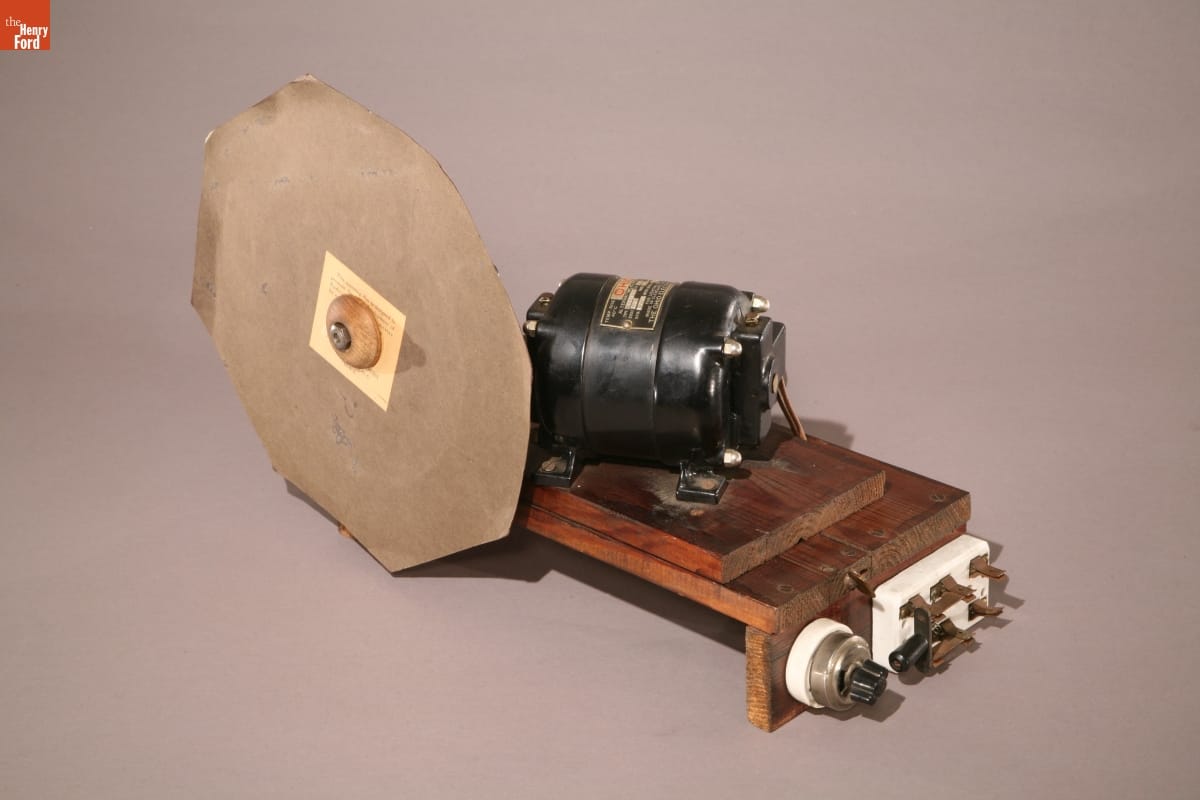
- circa 1928
- Collections - Artifact
Jenkins Laboratories Mechanical Scanning Television Receiver Amateur Kit, circa 1928
In 1925, Charles Francis Jenkins became the first American to demonstrate mechanical scanning television. This is the only Jenkins Laboratories Radiovisor Kit known to survive. Radio amateurs could build this kit to view nightly "radiovision" broadcasts originating from Jenkins' experimental television station, W3XK, near Washington, D.C. Jenkins's broadcasts consisted of silhouette puppet shows -- crude by today's standards, but pioneering nonetheless.
- Jenkins Transmitting Scanning Device for Weather Map Facsimile Recorder, circa 1927 - Charles Francis Jenkins, pioneer of mechanical scanning television, also developed one of the first marine facsimile systems, depicted here. In 1926, Jenkins created an experimental device similar to a modern fax machine, capable of transmitting weather maps to ships at sea. In September, it became a lifeline, guiding the USS <em>Kittery</em> to safety against the blows of the Great Miami Hurricane.
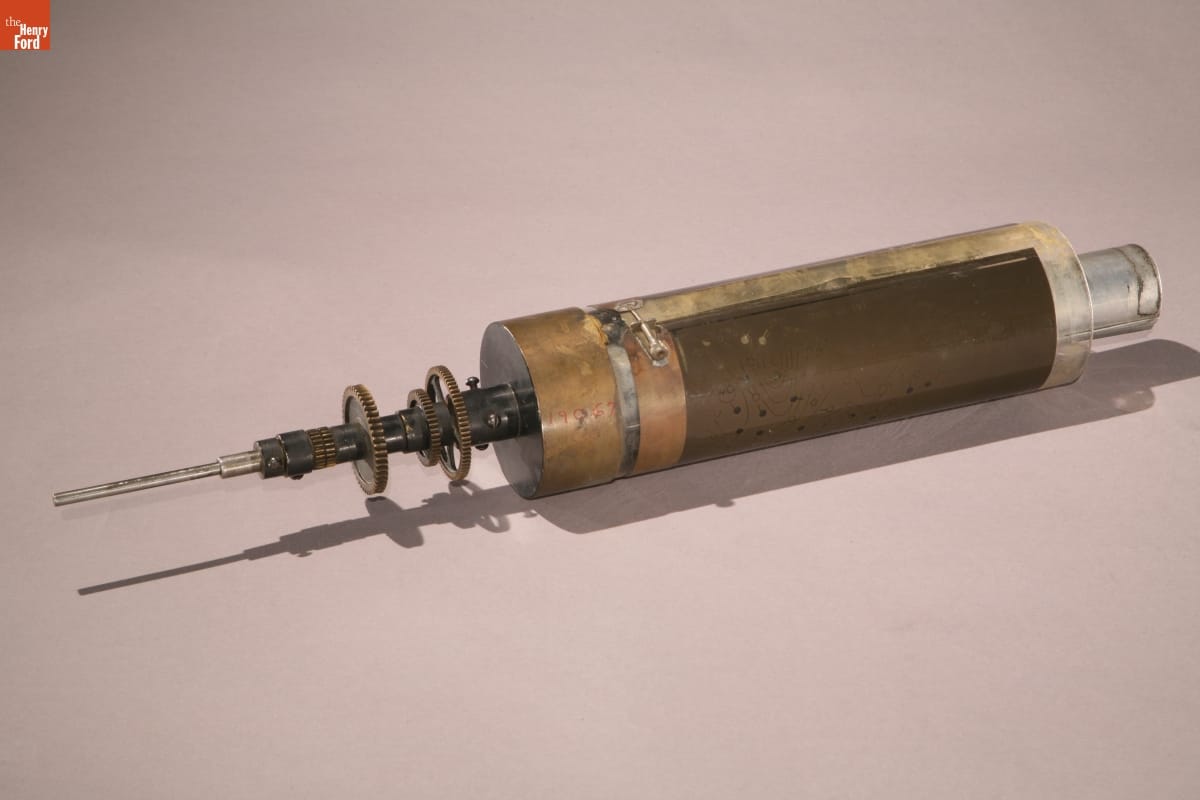
- circa 1927
- Collections - Artifact
Jenkins Transmitting Scanning Device for Weather Map Facsimile Recorder, circa 1927
Charles Francis Jenkins, pioneer of mechanical scanning television, also developed one of the first marine facsimile systems, depicted here. In 1926, Jenkins created an experimental device similar to a modern fax machine, capable of transmitting weather maps to ships at sea. In September, it became a lifeline, guiding the USS Kittery to safety against the blows of the Great Miami Hurricane.
- Projector Lamp, Used by Charles F. Jenkins, circa 1930 - Charles Francis Jenkins was a pioneering technology inventor. He made discoveries and improvements with motion picture cameras, mechanical scanning television, facsimile technology, and the transfer of images over wireless radio. This custom projector lamp was created for one of Jenkins's film projectors.
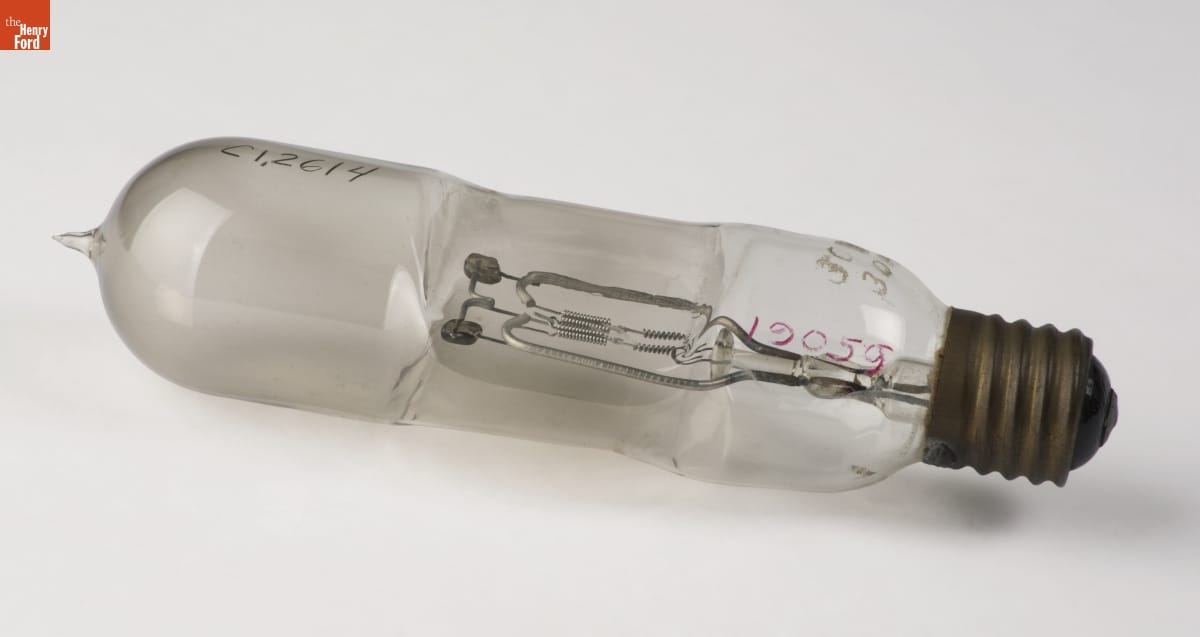
- circa 1930
- Collections - Artifact
Projector Lamp, Used by Charles F. Jenkins, circa 1930
Charles Francis Jenkins was a pioneering technology inventor. He made discoveries and improvements with motion picture cameras, mechanical scanning television, facsimile technology, and the transfer of images over wireless radio. This custom projector lamp was created for one of Jenkins's film projectors.
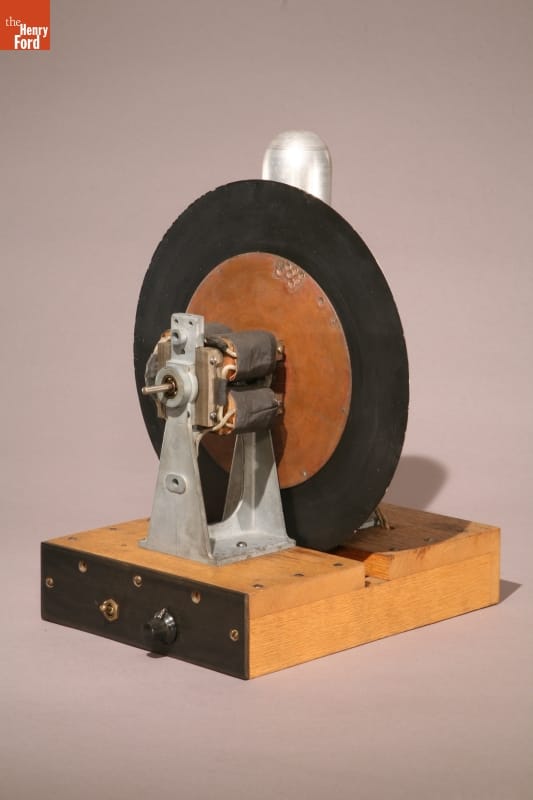
- Jenkins Mechanical Scanning Tabletop RadiovisorTelevision Receiver RK-1 Kit, circa 1931 - Television innovator Charles Frances Jenkins developed mechanical television projectors and receivers like this one as early as the 1920s. Mechanical television works by scanning images with a spinning disk and sending the data via radio waves; the spinning disks of the projectors and receivers must be synchronized. This kit receiver was marketed to radio amateurs. At its height, Jenkins's station in Washington, D.C., broadcasted to several hundred "radiovisor" owners.
- circa 1931
- Collections - Artifact
Jenkins Mechanical Scanning Tabletop RadiovisorTelevision Receiver RK-1 Kit, circa 1931
Television innovator Charles Frances Jenkins developed mechanical television projectors and receivers like this one as early as the 1920s. Mechanical television works by scanning images with a spinning disk and sending the data via radio waves; the spinning disks of the projectors and receivers must be synchronized. This kit receiver was marketed to radio amateurs. At its height, Jenkins's station in Washington, D.C., broadcasted to several hundred "radiovisor" owners.
- Listening to Mars: Celebrating the 100th Anniversary of the 1924 Mars Opposition - In August 1924 — one hundred years ago — an interplanetary celestial event between Earth and Mars became an opportunity for speculation, scientific study, and inspiration.

- August 22, 2024
- Collections - article
Listening to Mars: Celebrating the 100th Anniversary of the 1924 Mars Opposition
In August 1924 — one hundred years ago — an interplanetary celestial event between Earth and Mars became an opportunity for speculation, scientific study, and inspiration.