
Search
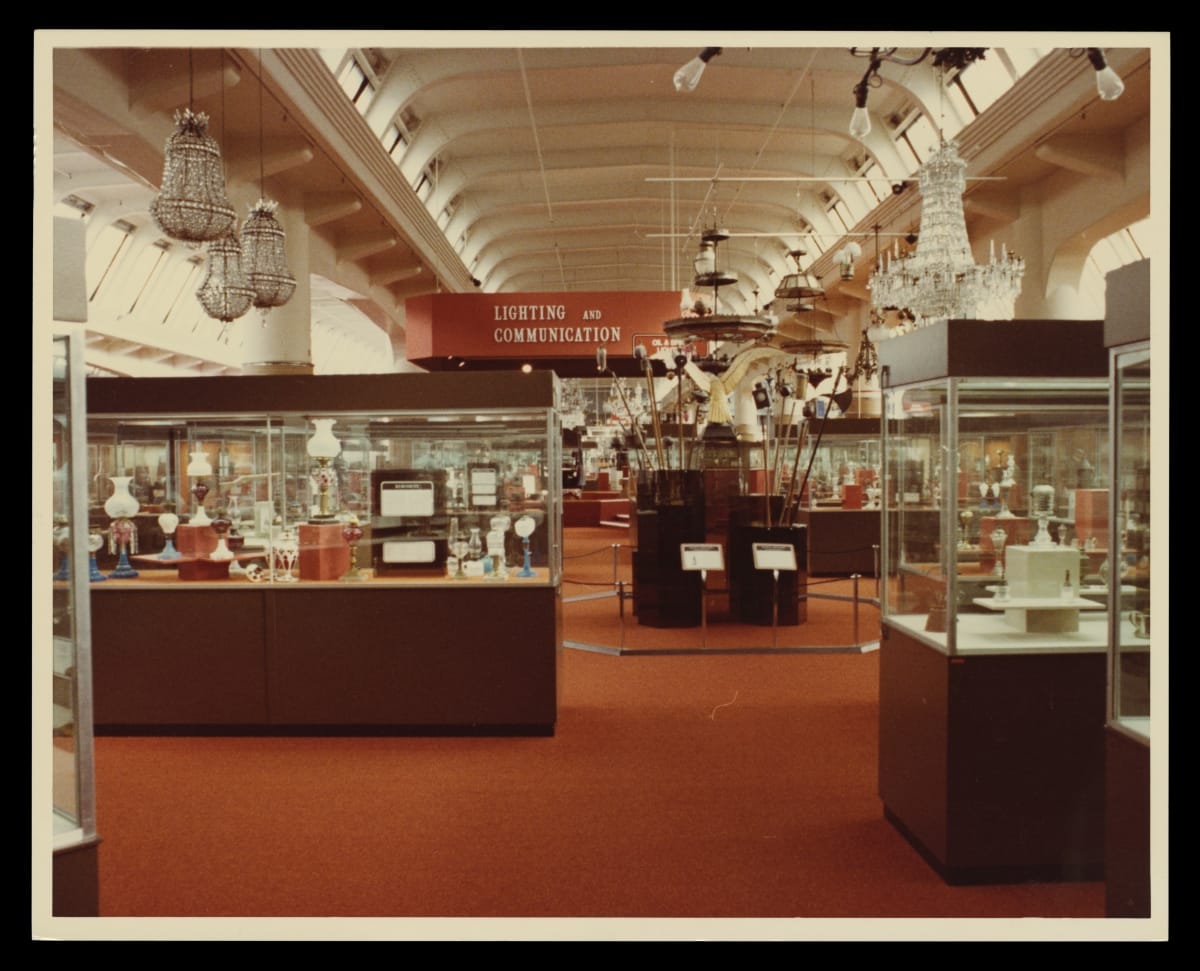
- Lighting and Communications Exhibits at Henry Ford Museum, 1979 -
- 1979
- Collections - Artifact
Lighting and Communications Exhibits at Henry Ford Museum, 1979
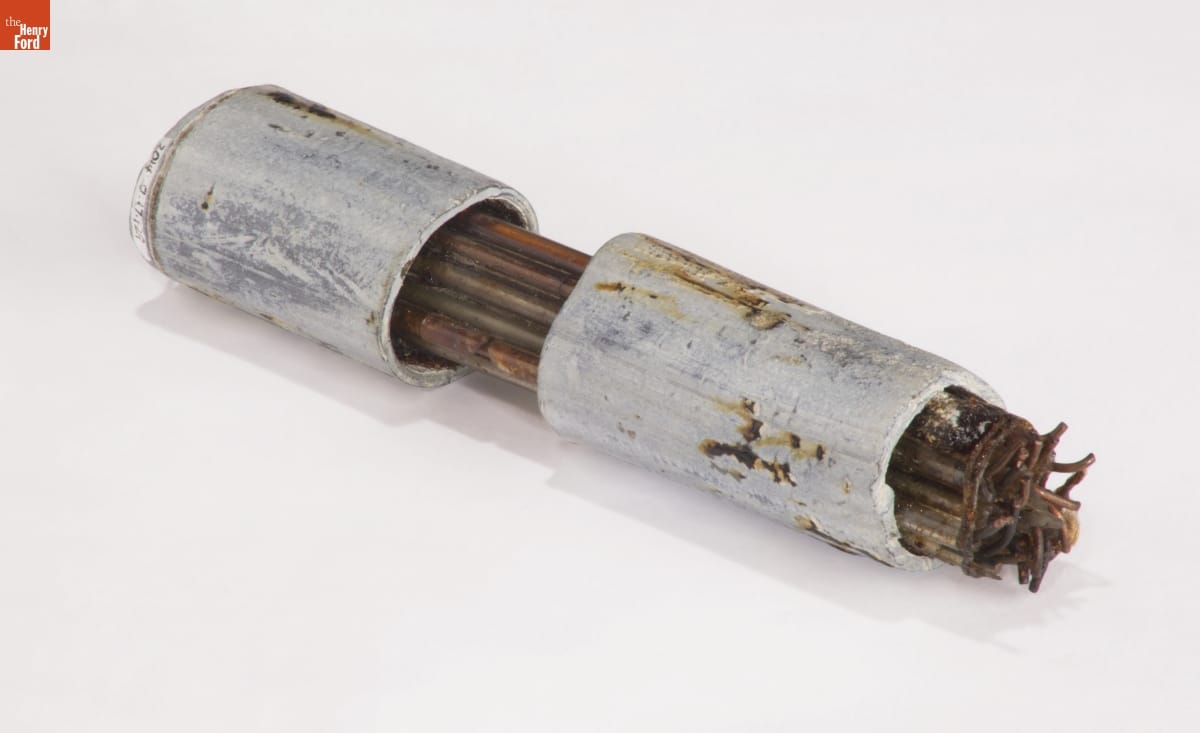
- Communications Cable, 1880-1930 - Our "wireless life" began at the bottom of the Atlantic Ocean, with the laying of the transatlantic telegraph system in 1858. Telegraphs were sent wherever wires hung in the 1850s, but hardwiring signals between transoceanic continents required feats of engineering. Materials improved, geographic range extended--these cables were part of the infrastructure that created the earliest global communication networks.
- 1880-1930
- Collections - Artifact
Communications Cable, 1880-1930
Our "wireless life" began at the bottom of the Atlantic Ocean, with the laying of the transatlantic telegraph system in 1858. Telegraphs were sent wherever wires hung in the 1850s, but hardwiring signals between transoceanic continents required feats of engineering. Materials improved, geographic range extended--these cables were part of the infrastructure that created the earliest global communication networks.
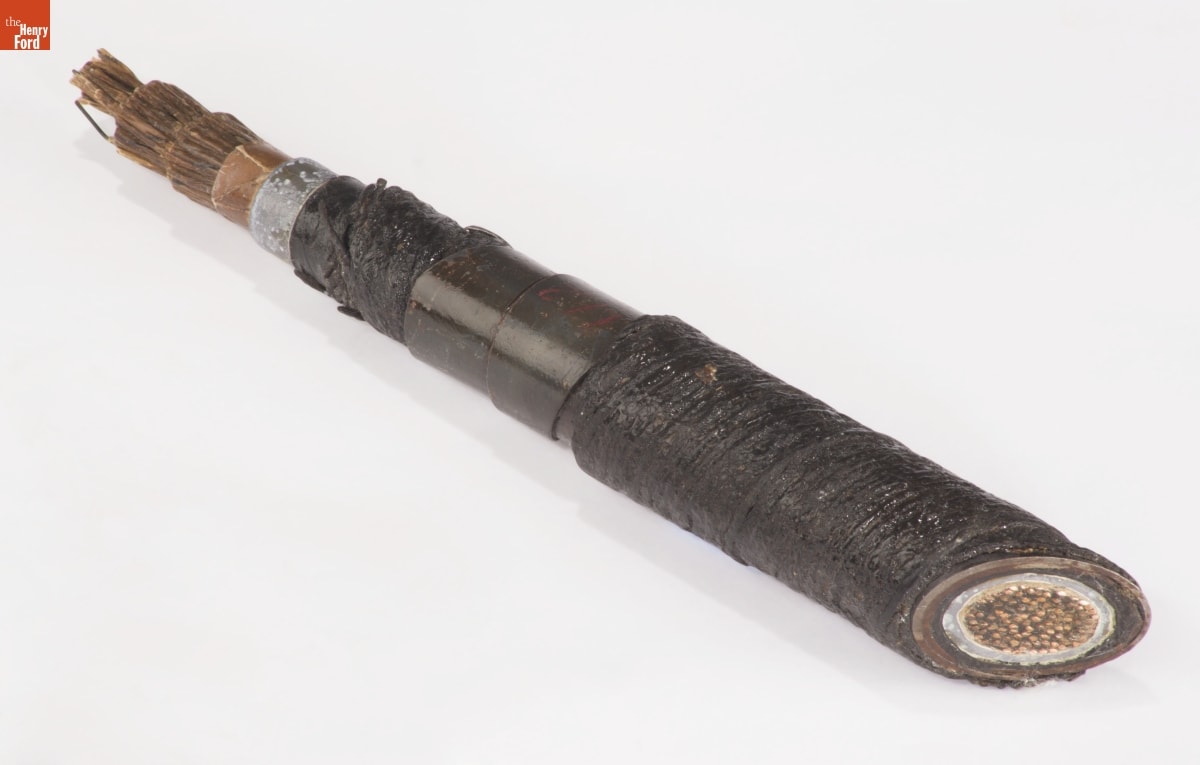
- Communications Cable, 1860-1930 - Our "wireless life" began at the bottom of the Atlantic Ocean, with the laying of the transatlantic telegraph system in 1858. Telegraphs were sent wherever wires hung in the 1850s, but hardwiring signals between transoceanic continents required feats of engineering. Materials improved, geographic range extended--these cables were part of the infrastructure that created the earliest global communication networks.
- 1860-1930
- Collections - Artifact
Communications Cable, 1860-1930
Our "wireless life" began at the bottom of the Atlantic Ocean, with the laying of the transatlantic telegraph system in 1858. Telegraphs were sent wherever wires hung in the 1850s, but hardwiring signals between transoceanic continents required feats of engineering. Materials improved, geographic range extended--these cables were part of the infrastructure that created the earliest global communication networks.
- Experiments in Art and Technology Postcard, 1967-1971 - Lillian Schwartz is a pioneer of computer-generated art. From 1969-2002, she was a "resident visitor" at Bell Laboratories, producing groundbreaking films, videos, and multimedia works. The Schwartz Collection spans Lillian's childhood into her late career, documenting an expansive mindset, mastery over traditional and experimental mediums alike--and above all--an ability to create inspirational connections between science, art, and technology.

- 1966-1971
- Collections - Artifact
Experiments in Art and Technology Postcard, 1967-1971
Lillian Schwartz is a pioneer of computer-generated art. From 1969-2002, she was a "resident visitor" at Bell Laboratories, producing groundbreaking films, videos, and multimedia works. The Schwartz Collection spans Lillian's childhood into her late career, documenting an expansive mindset, mastery over traditional and experimental mediums alike--and above all--an ability to create inspirational connections between science, art, and technology.
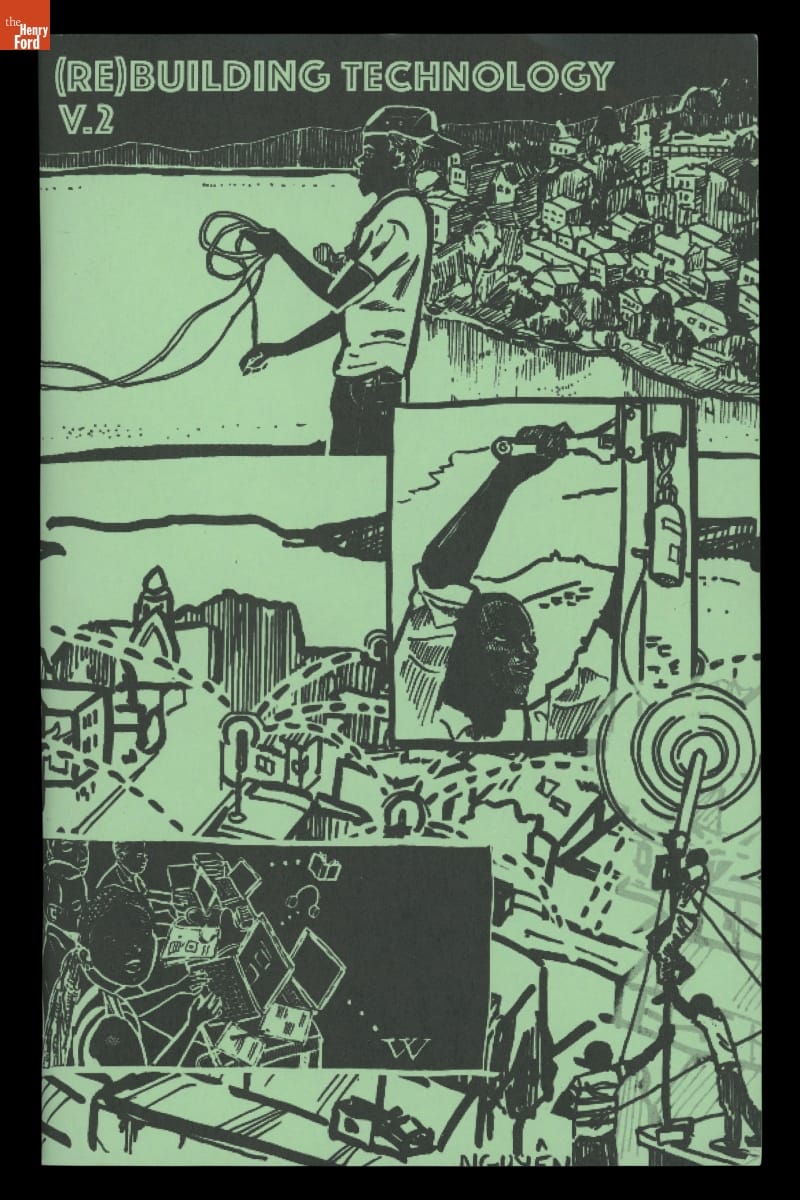
- (Re)Building Technology V.2, 2016 -
- 2016
- Collections - Artifact
(Re)Building Technology V.2, 2016
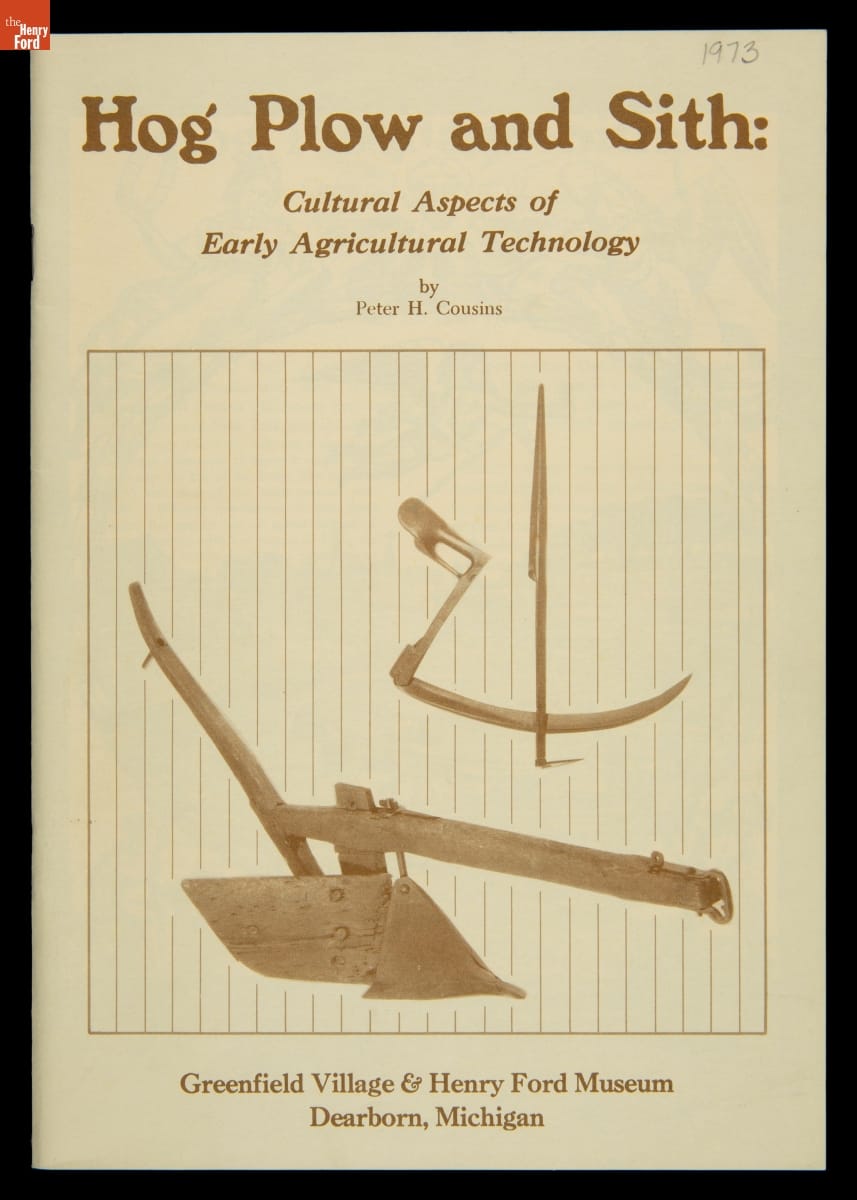
- "Hog Plow and Sith: Cultural Aspects of Early Agricultural Technology," 1973 -
- 1973
- Collections - Artifact
"Hog Plow and Sith: Cultural Aspects of Early Agricultural Technology," 1973
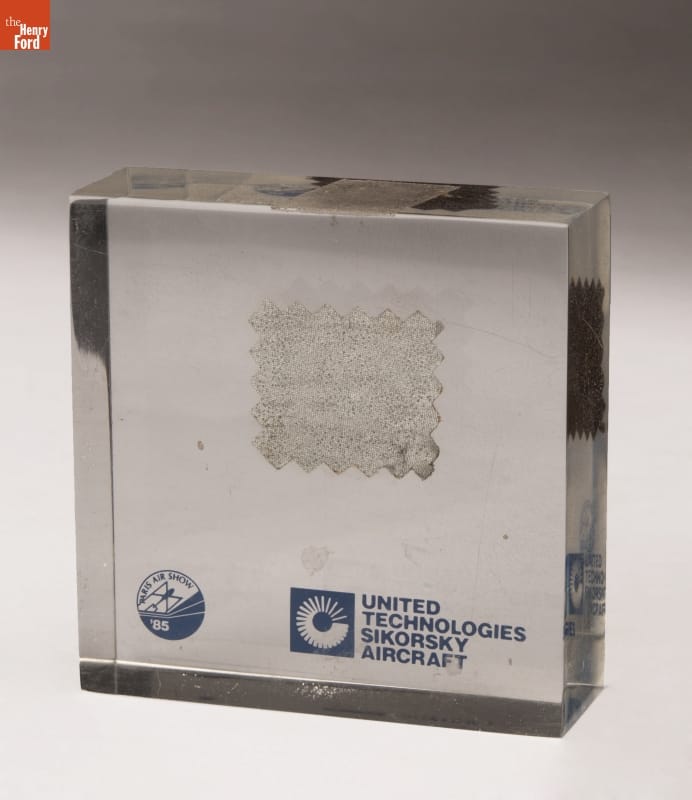
- United Technologies Sikorsky Aircraft Paperweight, 1985 - Igor Sikorsky's VS-300, built in 1939, was the first practical helicopter developed and flown in the United States. Sikorsky donated it to The Henry Ford in 1943. When the helicopter was refurbished by United Technologies Sikorsky Aircraft in 1984, pieces of its original fabric covering were mounted into commemorative paperweights -- symbolic tributes to the VS-300's technological significance.
- 1985
- Collections - Artifact
United Technologies Sikorsky Aircraft Paperweight, 1985
Igor Sikorsky's VS-300, built in 1939, was the first practical helicopter developed and flown in the United States. Sikorsky donated it to The Henry Ford in 1943. When the helicopter was refurbished by United Technologies Sikorsky Aircraft in 1984, pieces of its original fabric covering were mounted into commemorative paperweights -- symbolic tributes to the VS-300's technological significance.
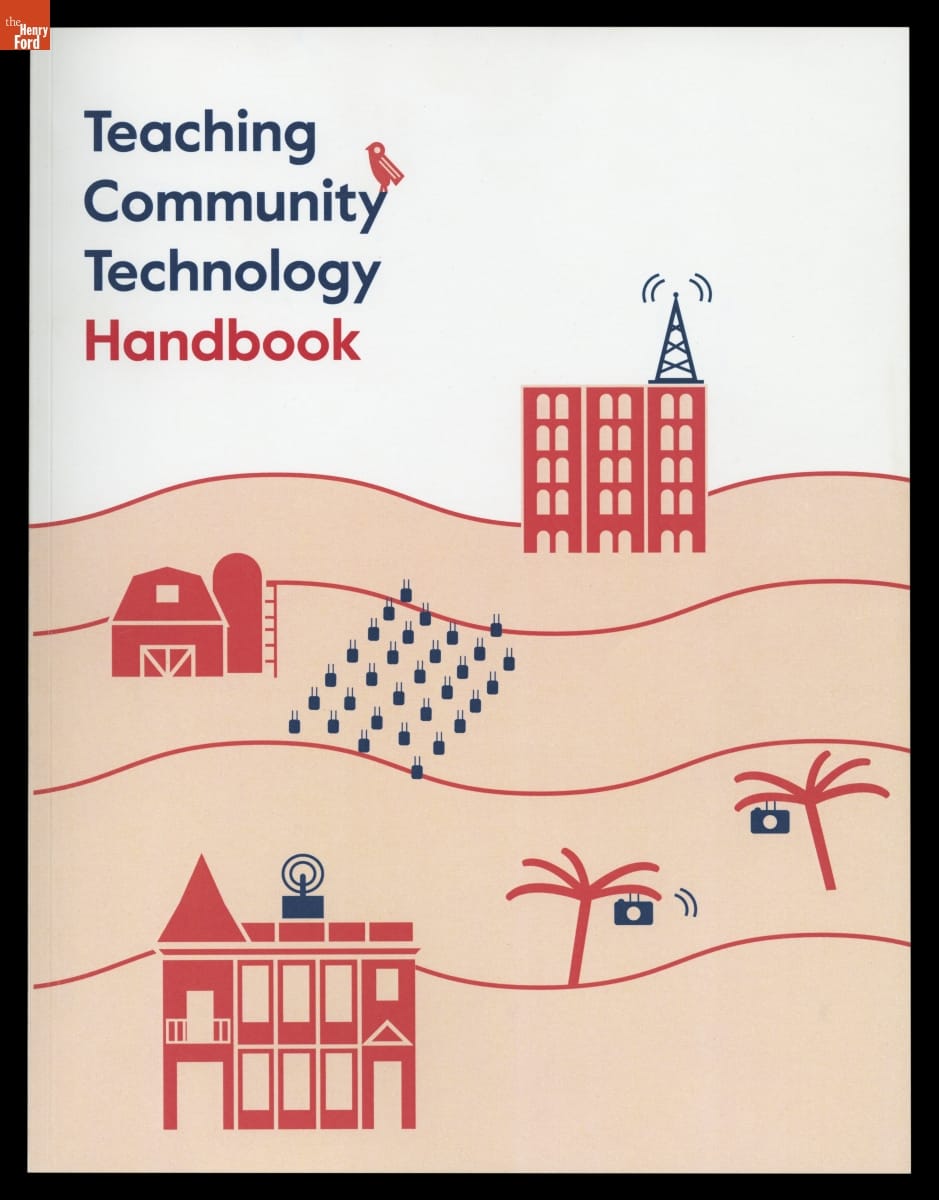
- Teaching Community Technology Handbook, 2015 -
- 2015
- Collections - Artifact
Teaching Community Technology Handbook, 2015
- Creative Technology "Creative Nomad Jukebox," 2000 -

- 2000
- Collections - Artifact
Creative Technology "Creative Nomad Jukebox," 2000
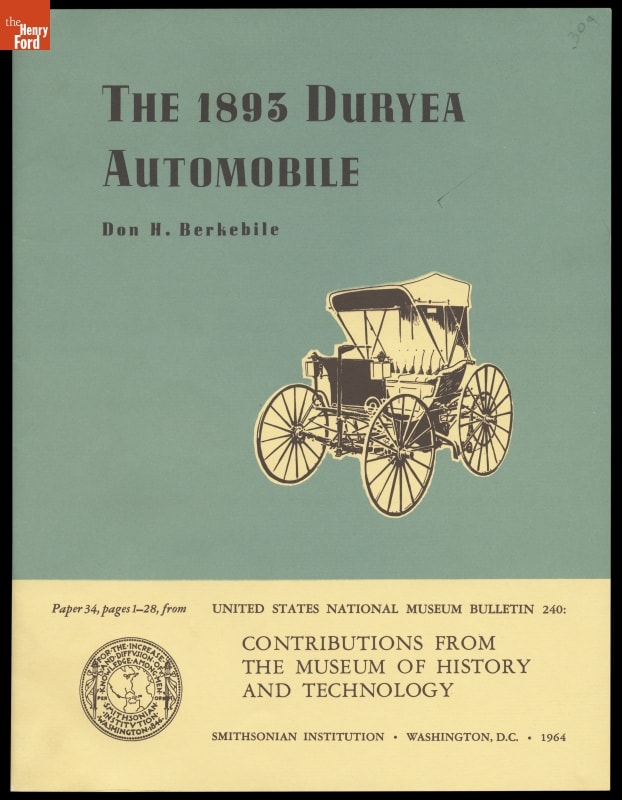
- The 1893 Duryea Automobile in the Museum of History and Technology, 1964 - Charles and Frank Duryea built their first automobile in 1893. Three years later the brothers established the Duryea Motor Wagon Company. The company built thirteen identical vehicles in its first year. This Smithsonian Institution publication contains a photograph of factory employees working on some of the thirteen vehicles.
- 1893-1964
- Collections - Artifact
The 1893 Duryea Automobile in the Museum of History and Technology, 1964
Charles and Frank Duryea built their first automobile in 1893. Three years later the brothers established the Duryea Motor Wagon Company. The company built thirteen identical vehicles in its first year. This Smithsonian Institution publication contains a photograph of factory employees working on some of the thirteen vehicles.