Search
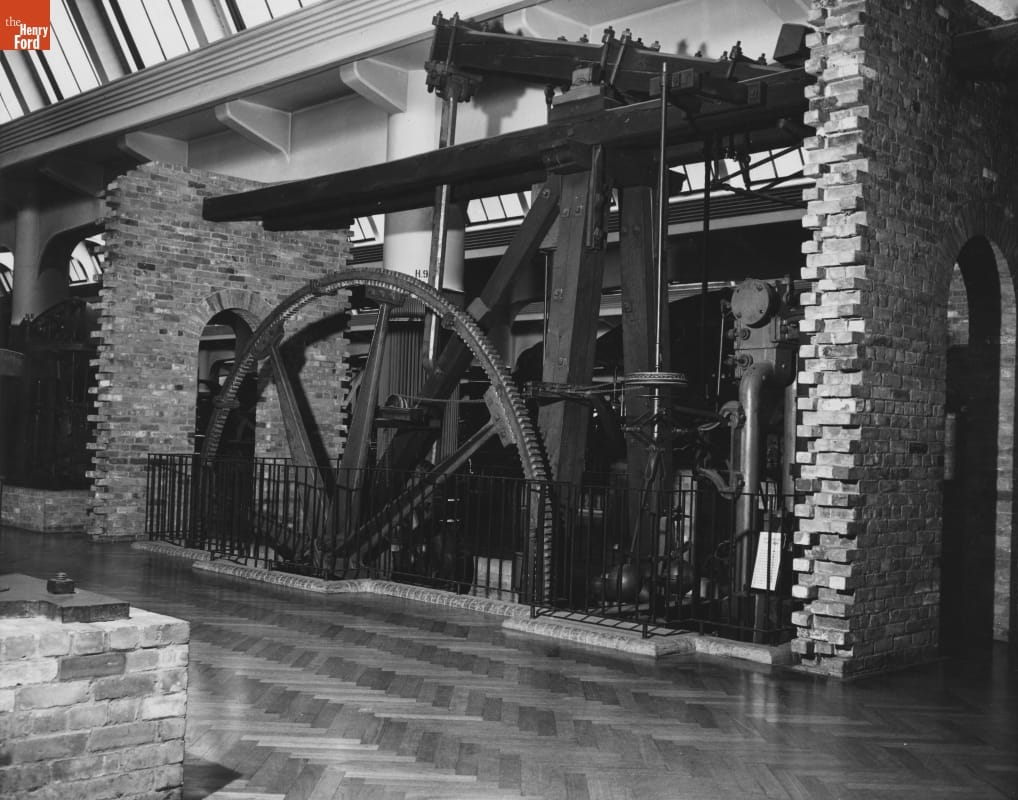
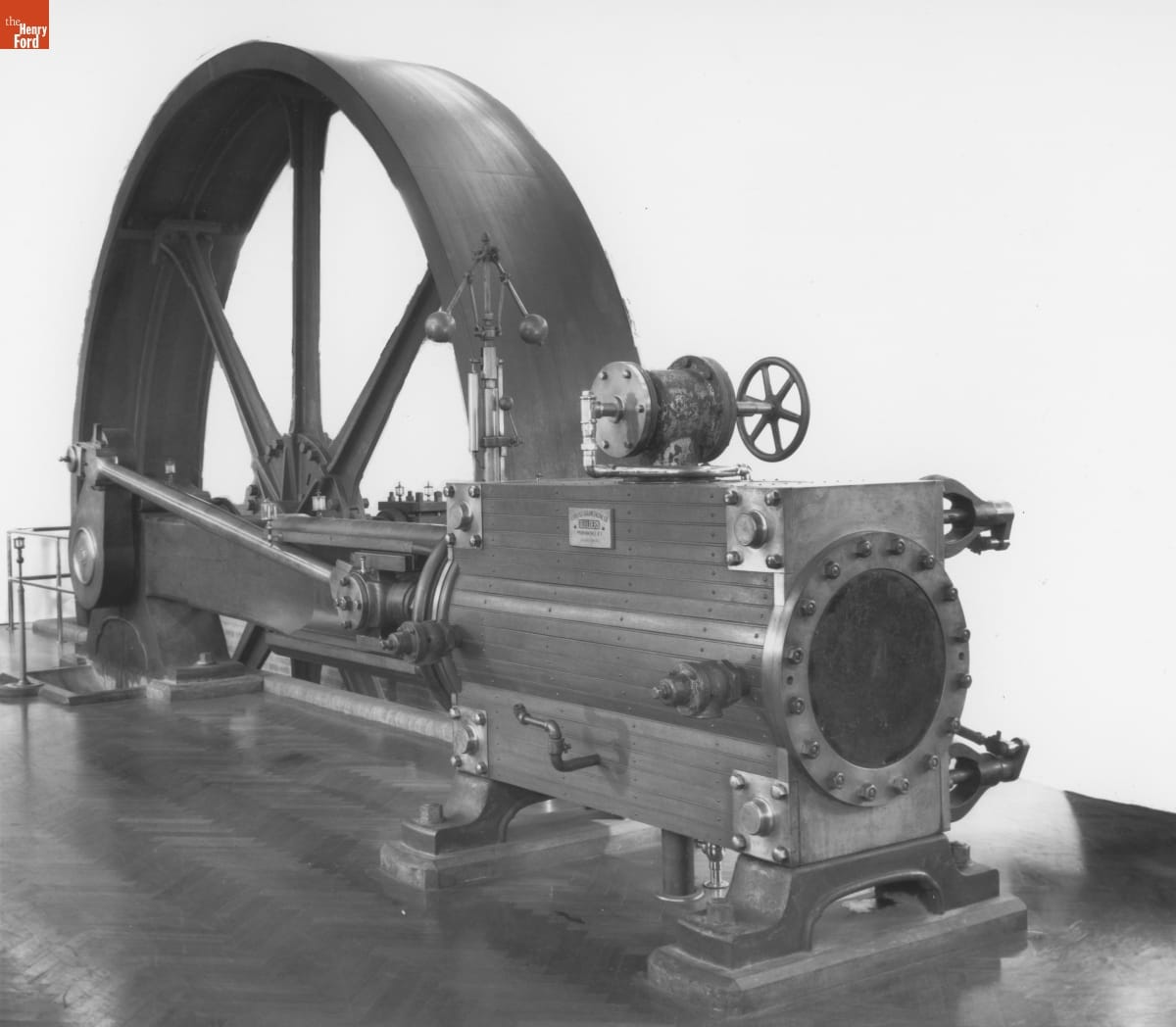
- Corliss Steam Engine, 1859 - George Corliss was one of the United States' most highly regarded steam engine designers. His valve innovations made his engines particularly important to the textile industry--where a combination of high power output and quick response to changes in load were greatly valued. He designed many of the machines used to manufacture his engines and was a pioneer in standardized manufacturing techniques.
- 1859
- Collections - Artifact
Corliss Steam Engine, 1859
George Corliss was one of the United States' most highly regarded steam engine designers. His valve innovations made his engines particularly important to the textile industry--where a combination of high power output and quick response to changes in load were greatly valued. He designed many of the machines used to manufacture his engines and was a pioneer in standardized manufacturing techniques.
- Compound Corliss Steam Engine, 1906 -
- 1906
- Collections - Artifact
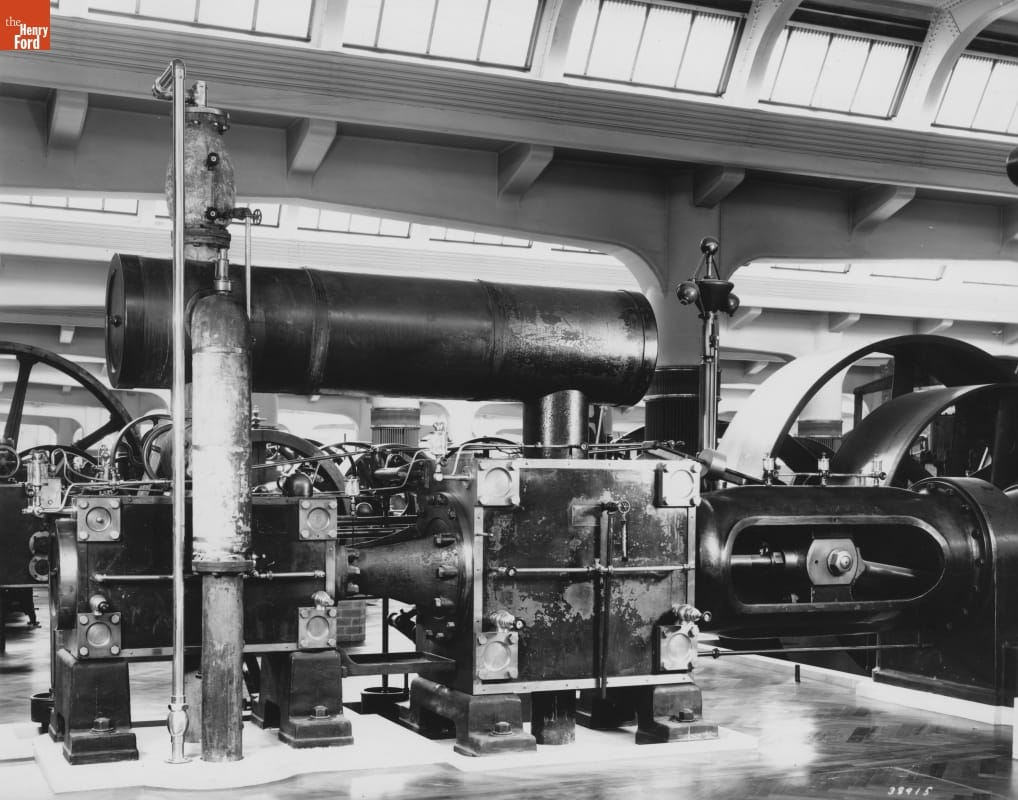
Compound Corliss Steam Engine, 1906
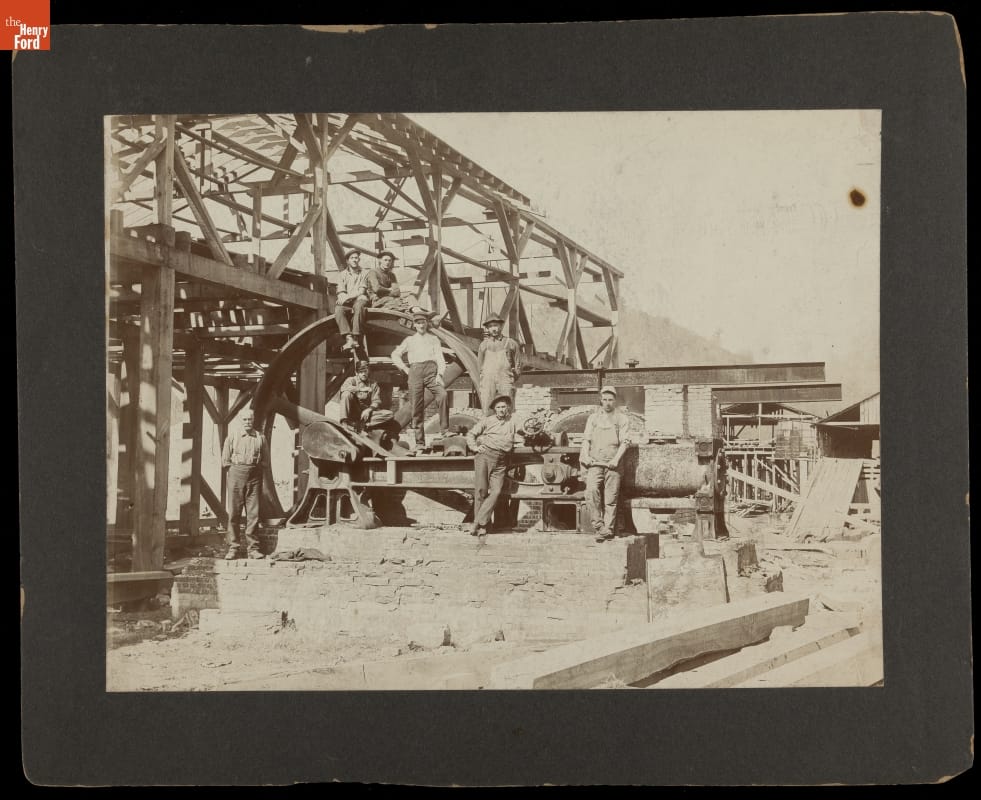
- Group of Men in Front of Corliss Steam Engine, circa 1910 - American engineer George Henry Corliss patented the Corliss engine in 1849. Existing stationary steam engines were less efficient - and, therefore, more expensive - than those powered by water. Corliss's improved engine was highly efficient and enabled industries to develop anywhere. This photograph shows a group of men on a large Corliss steam engine around 1910.

- circa 1910
- Collections - Artifact
Group of Men in Front of Corliss Steam Engine, circa 1910
American engineer George Henry Corliss patented the Corliss engine in 1849. Existing stationary steam engines were less efficient - and, therefore, more expensive - than those powered by water. Corliss's improved engine was highly efficient and enabled industries to develop anywhere. This photograph shows a group of men on a large Corliss steam engine around 1910.
- Engraving, "The Great Corliss Engine in Machinery Hall," 1876 -

- 1876
- Collections - Artifact
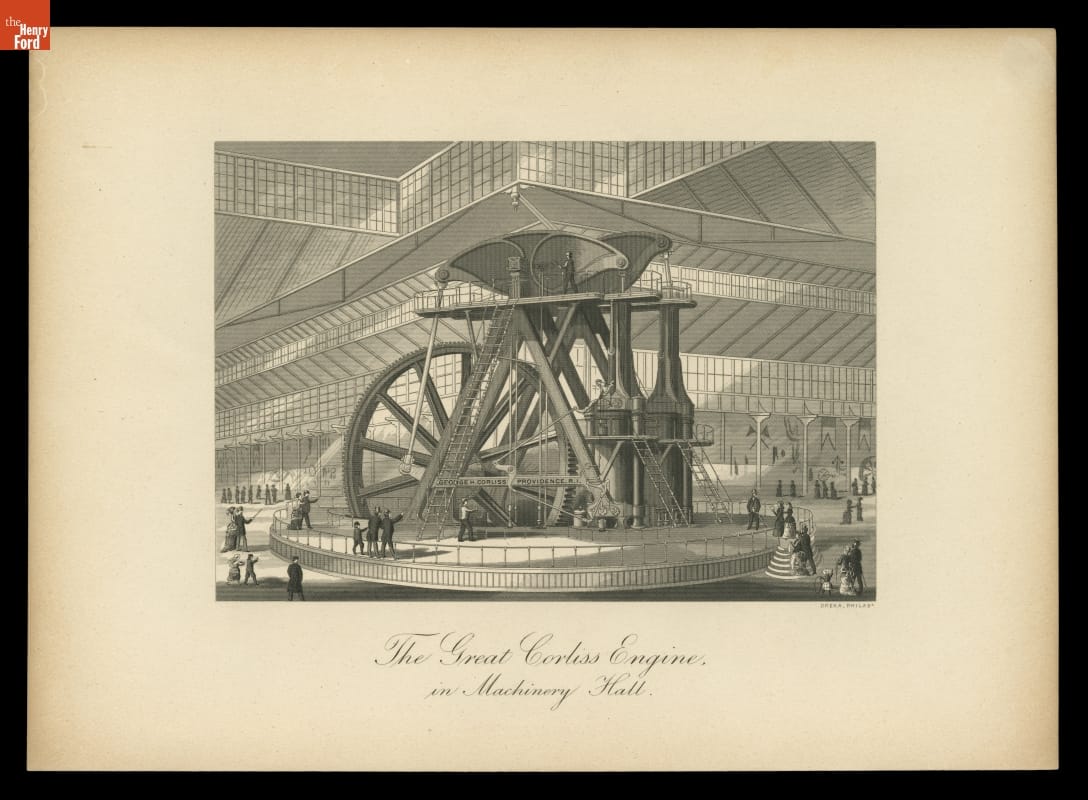
Engraving, "The Great Corliss Engine in Machinery Hall," 1876
- "The Steam Engine : Hon. William H. Seward's Argument in the Circuit Court of the U. States, at Cooperstown, New York, on the Third Day of August, 1853" - Frederick Sickels patented a drop cut-off valve for steam engines in 1842. The holders of Sickels's patent sued George Corliss and other defendants in the mid-1800s, claiming Corliss's improvements in steam engine design -- based on a valve gear patented by Corliss in 1849 -- infringed on their patent. Powerful lawyers clashed in the U.S. Circuit Courts. Corliss's claim eventually won out.

- 1853
- Collections - Artifact
"The Steam Engine : Hon. William H. Seward's Argument in the Circuit Court of the U. States, at Cooperstown, New York, on the Third Day of August, 1853"
Frederick Sickels patented a drop cut-off valve for steam engines in 1842. The holders of Sickels's patent sued George Corliss and other defendants in the mid-1800s, claiming Corliss's improvements in steam engine design -- based on a valve gear patented by Corliss in 1849 -- infringed on their patent. Powerful lawyers clashed in the U.S. Circuit Courts. Corliss's claim eventually won out.
- What If the World Ran on Steam? - In 1849, George H. Corliss’s new steam engine helped steam power surpass waterpower in American industry.

- January 01, 2016
- Collections - Article
What If the World Ran on Steam?
In 1849, George H. Corliss’s new steam engine helped steam power surpass waterpower in American industry.
- "William B. Sickels and Others vs. David L. Youngs and Stephen Cutter," 1855 - Frederick Sickels patented a drop cut-off valve for steam engines in 1842. The holders of Sickels's patent sued George Corliss and other defendants in the mid-1800s, claiming Corliss's improvements in steam engine design -- based on a valve gear patented by Corliss in 1849 -- infringed on their patent. Powerful lawyers clashed in the U.S. Circuit Courts. Corliss's claim eventually won out.

- 1855
- Collections - Artifact
"William B. Sickels and Others vs. David L. Youngs and Stephen Cutter," 1855
Frederick Sickels patented a drop cut-off valve for steam engines in 1842. The holders of Sickels's patent sued George Corliss and other defendants in the mid-1800s, claiming Corliss's improvements in steam engine design -- based on a valve gear patented by Corliss in 1849 -- infringed on their patent. Powerful lawyers clashed in the U.S. Circuit Courts. Corliss's claim eventually won out.
- 1859 Corliss Steam Engine - Learn more about the massive yet graceful Corliss steam engine on display in Henry Ford Museum of American Innovation and its inventor, self-made engineer George Corliss.

- August 28, 2014
- Collections - Article
1859 Corliss Steam Engine
Learn more about the massive yet graceful Corliss steam engine on display in Henry Ford Museum of American Innovation and its inventor, self-made engineer George Corliss.
- Steam Engine Part -

- Collections - Artifact
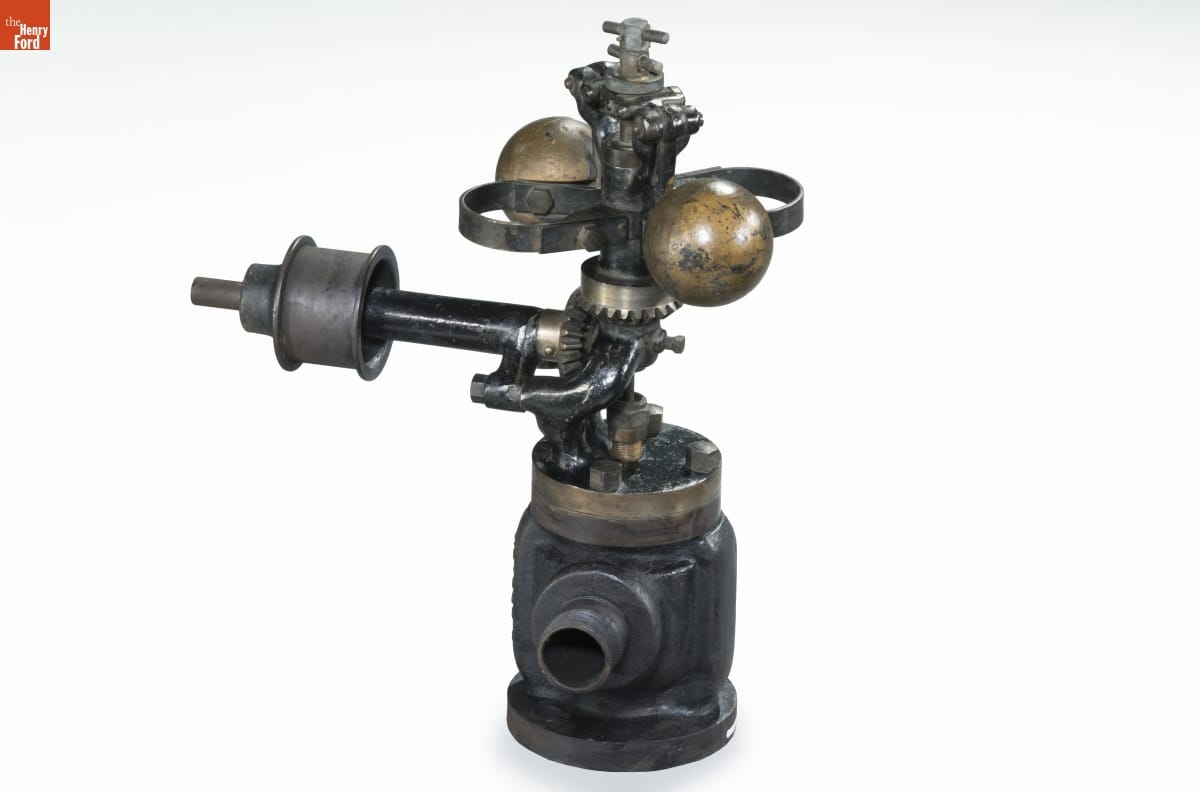
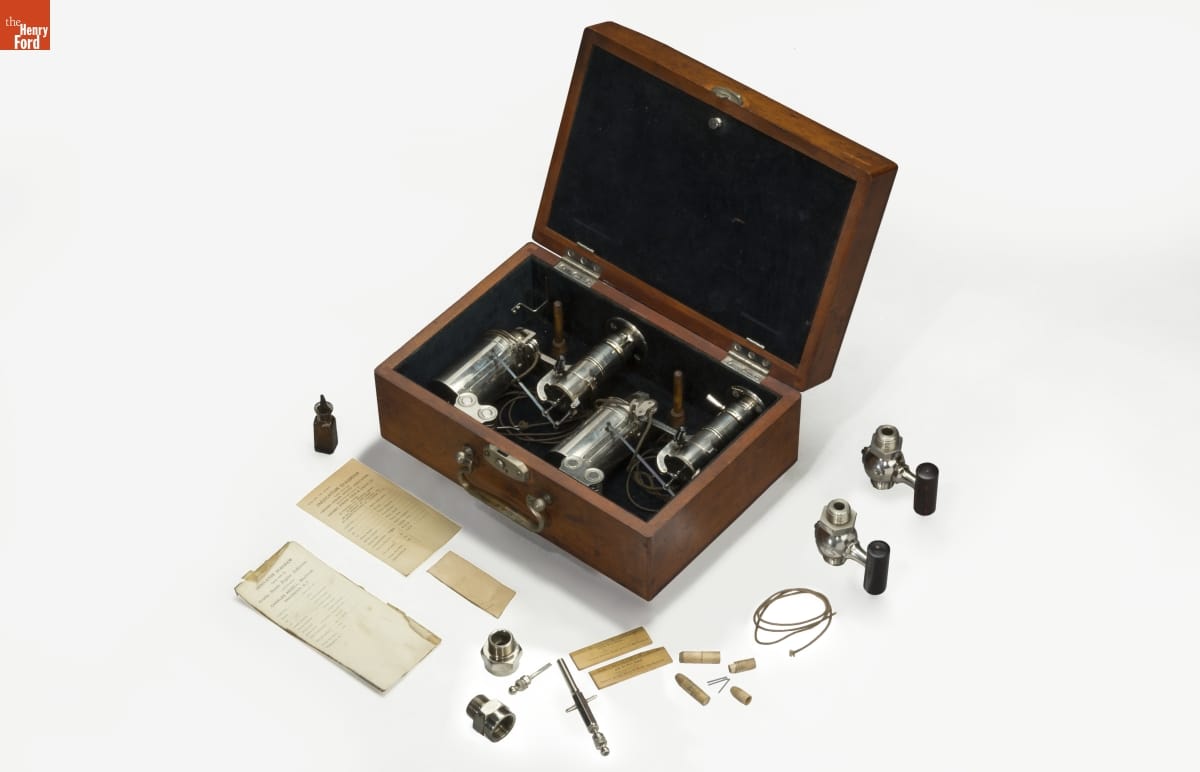
Steam Engine Part
- Stationary Steam Engine, 1848 - Steam power initially spread in the United States via its adoption and adaptation in ships and boats. This early mill engine's layout and dimensions are firmly rooted in Mississippi riverboat practice, while its applied decorative detail and vibrant color scheme speak to the increasingly elevated status of steam technology as it found a firm footing in mills and factories.

- 1848
- Collections - Artifact
Stationary Steam Engine, 1848
Steam power initially spread in the United States via its adoption and adaptation in ships and boats. This early mill engine's layout and dimensions are firmly rooted in Mississippi riverboat practice, while its applied decorative detail and vibrant color scheme speak to the increasingly elevated status of steam technology as it found a firm footing in mills and factories.