
Search
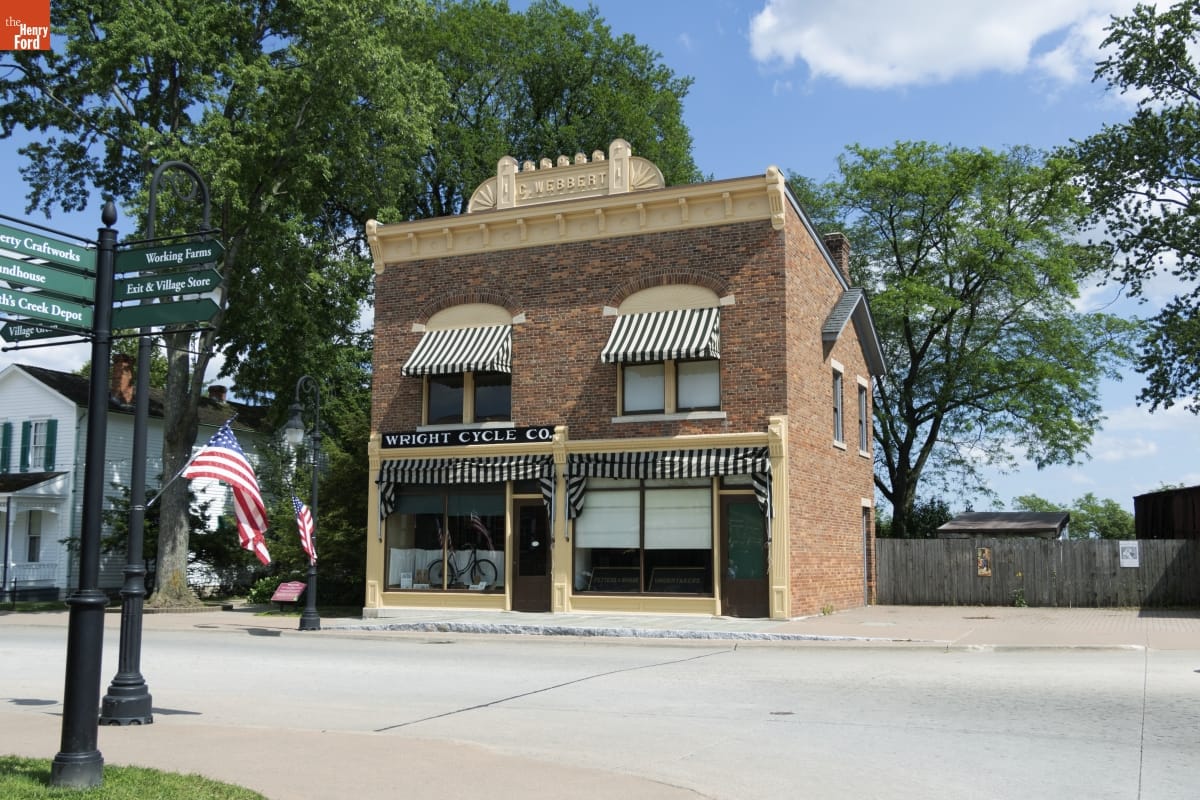
- Wright Cycle Shop - Wilbur and Orville Wright operated their bicycle business in this building from 1897 to 1908 in Dayton, Ohio. The brothers sold and repaired bikes, and they even produced models under their own brands. It was also in this shop that the Wright brothers built their earliest flying machines, including the 1903 Flyer that became the first successful heavier-than-air, powered, controlled aircraft.
- circa 1903
- Collections - Artifact
Wright Cycle Shop
Wilbur and Orville Wright operated their bicycle business in this building from 1897 to 1908 in Dayton, Ohio. The brothers sold and repaired bikes, and they even produced models under their own brands. It was also in this shop that the Wright brothers built their earliest flying machines, including the 1903 Flyer that became the first successful heavier-than-air, powered, controlled aircraft.
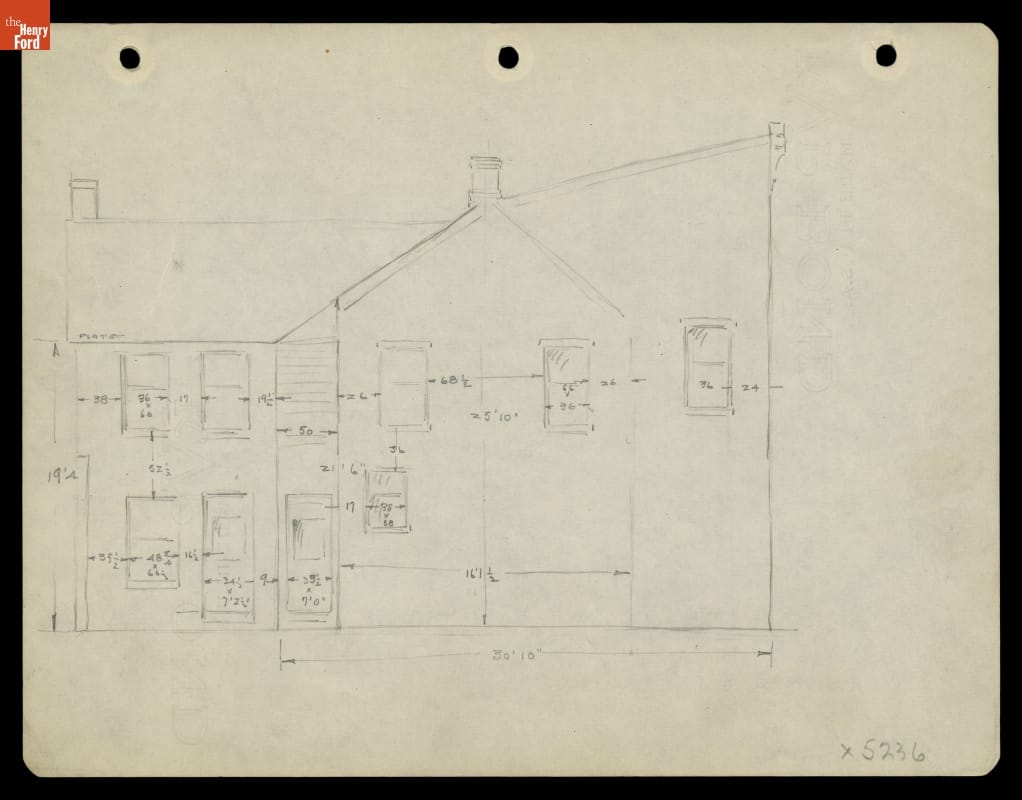
- Drawing, Wright Cycle Shop, Dayton, Ohio, 1936 - In October 1936, Henry Ford purchased the bicycle shop used by Wilbur and Orville Wright in Dayton, Ohio. Over the next 18 months, Ford relocated and reassembled the building at his Greenfield Village museum complex in Dearborn, Michigan. Before the move, architect Edward Cutler made detailed drawings of the shop to ensure the project's accuracy.
- 1936
- Collections - Artifact
Drawing, Wright Cycle Shop, Dayton, Ohio, 1936
In October 1936, Henry Ford purchased the bicycle shop used by Wilbur and Orville Wright in Dayton, Ohio. Over the next 18 months, Ford relocated and reassembled the building at his Greenfield Village museum complex in Dearborn, Michigan. Before the move, architect Edward Cutler made detailed drawings of the shop to ensure the project's accuracy.
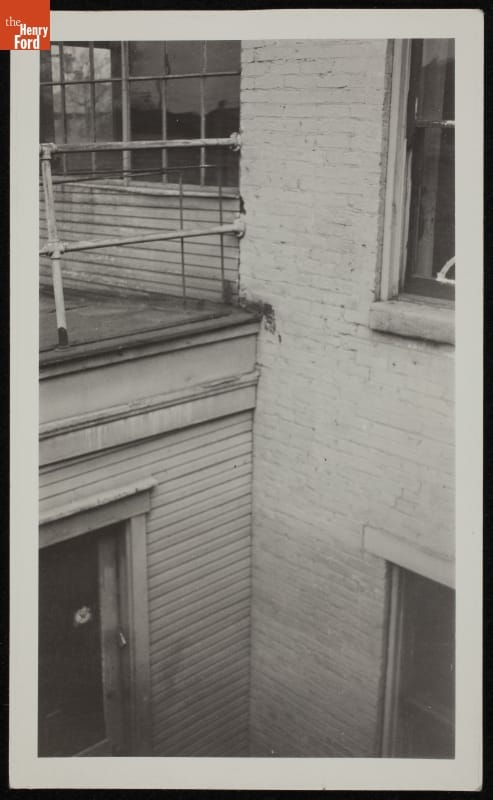
- Wright Cycle Shop in Dayton, Ohio, 1936 - Before moving the Wright Cycle Shop from Dayton, Ohio, to Greenfield Village in November 1936, Henry Ford's agents collected old images and took detailed photographs of the building. These photos helped the team reassemble the structure in Dearborn, Michigan. Orville Wright and Charlie Taylor, the mechanic who built the engine for the 1903 Flyer, also assisted to ensure the reconstruction's accuracy.
- 1936
- Collections - Artifact
Wright Cycle Shop in Dayton, Ohio, 1936
Before moving the Wright Cycle Shop from Dayton, Ohio, to Greenfield Village in November 1936, Henry Ford's agents collected old images and took detailed photographs of the building. These photos helped the team reassemble the structure in Dearborn, Michigan. Orville Wright and Charlie Taylor, the mechanic who built the engine for the 1903 Flyer, also assisted to ensure the reconstruction's accuracy.
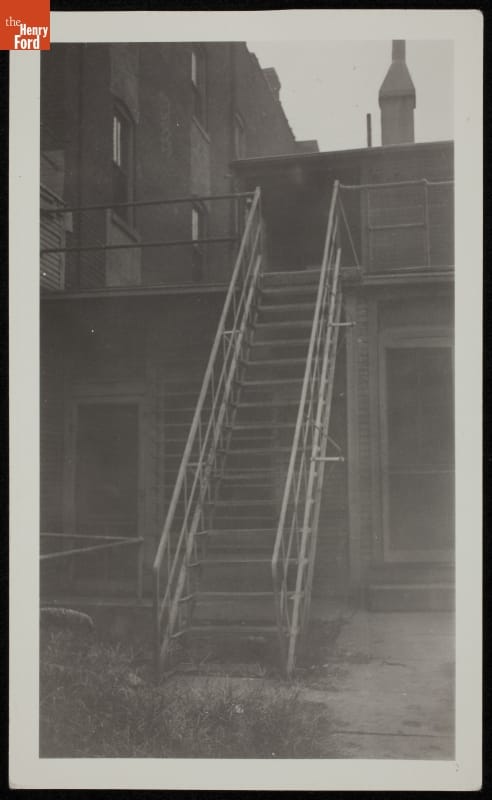
- Wright Cycle Shop in Dayton, Ohio, 1936 - Before moving the Wright Cycle Shop from Dayton, Ohio, to Greenfield Village in November 1936, Henry Ford's agents collected old images and took detailed photographs of the building. These photos helped the team reassemble the structure in Dearborn, Michigan. Orville Wright and Charlie Taylor, the mechanic who built the engine for the 1903 Flyer, also assisted to ensure the reconstruction's accuracy.
- 1936
- Collections - Artifact
Wright Cycle Shop in Dayton, Ohio, 1936
Before moving the Wright Cycle Shop from Dayton, Ohio, to Greenfield Village in November 1936, Henry Ford's agents collected old images and took detailed photographs of the building. These photos helped the team reassemble the structure in Dearborn, Michigan. Orville Wright and Charlie Taylor, the mechanic who built the engine for the 1903 Flyer, also assisted to ensure the reconstruction's accuracy.
- Wright Cycle Shop in Dayton, Ohio, 1936 - Before moving the Wright Cycle Shop from Dayton, Ohio, to Greenfield Village in November 1936, Henry Ford's agents collected old images and took detailed photographs of the building. These photos helped the team reassemble the structure in Dearborn, Michigan. Orville Wright and Charlie Taylor, the mechanic who built the engine for the 1903 Flyer, also assisted to ensure the reconstruction's accuracy.
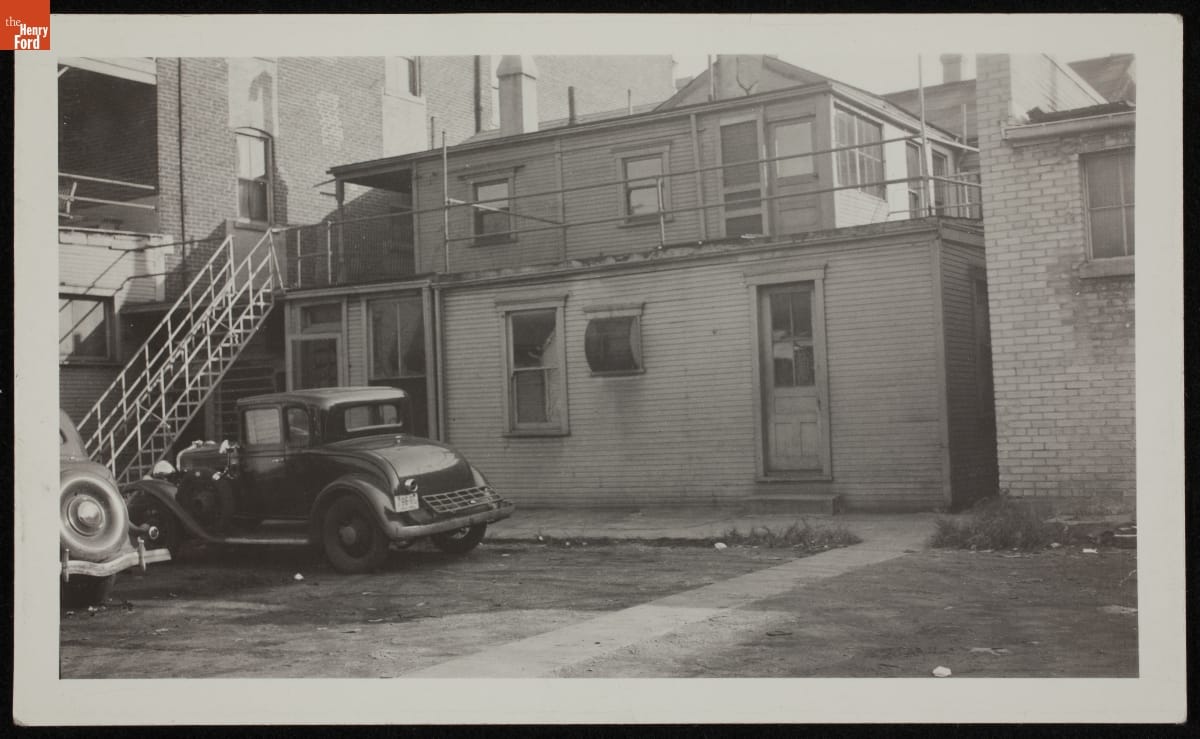
- 1936
- Collections - Artifact
Wright Cycle Shop in Dayton, Ohio, 1936
Before moving the Wright Cycle Shop from Dayton, Ohio, to Greenfield Village in November 1936, Henry Ford's agents collected old images and took detailed photographs of the building. These photos helped the team reassemble the structure in Dearborn, Michigan. Orville Wright and Charlie Taylor, the mechanic who built the engine for the 1903 Flyer, also assisted to ensure the reconstruction's accuracy.
- Wright Cycle Shop in Dayton, Ohio, 1936 - Before moving the Wright Cycle Shop from Dayton, Ohio, to Greenfield Village in November 1936, Henry Ford's agents found and took detailed photographs of the building's interior. These photos helped the team reassemble the structure in Dearborn, Michigan. Orville Wright and Charlie Taylor, the mechanic who built the engine for the 1903 Flyer, also assisted to ensure the reconstruction's accuracy.
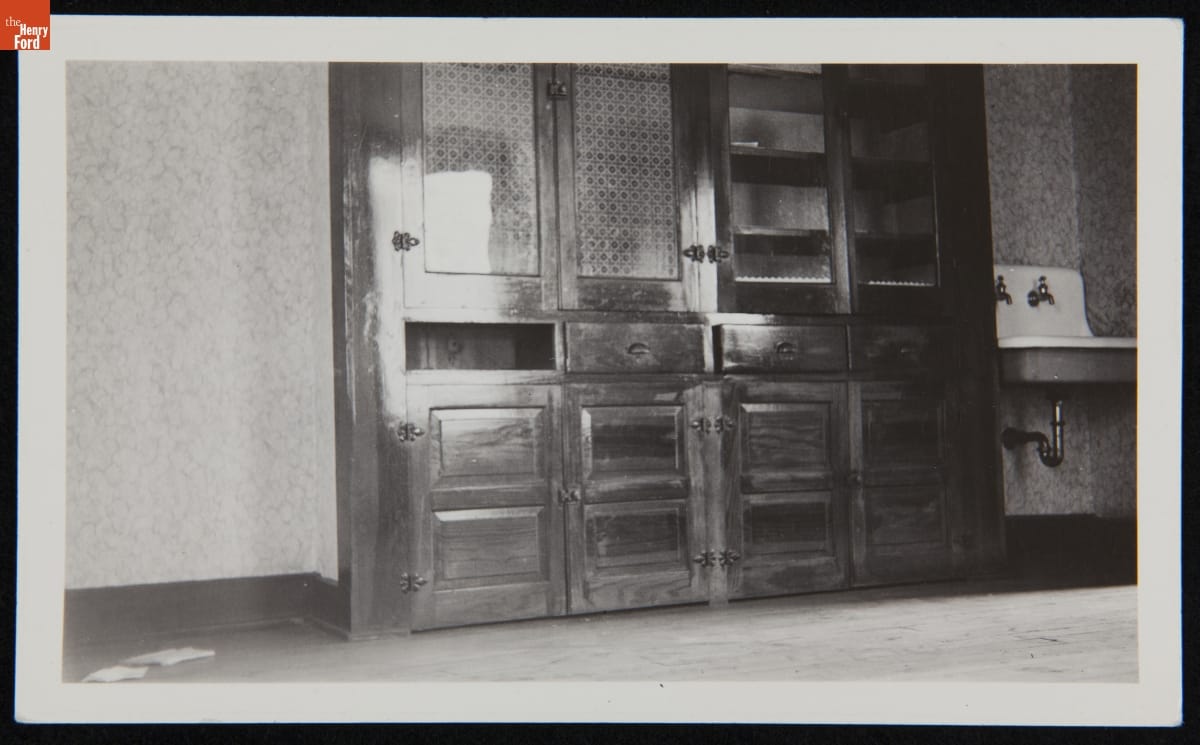
- 1936
- Collections - Artifact
Wright Cycle Shop in Dayton, Ohio, 1936
Before moving the Wright Cycle Shop from Dayton, Ohio, to Greenfield Village in November 1936, Henry Ford's agents found and took detailed photographs of the building's interior. These photos helped the team reassemble the structure in Dearborn, Michigan. Orville Wright and Charlie Taylor, the mechanic who built the engine for the 1903 Flyer, also assisted to ensure the reconstruction's accuracy.
- Wright Cycle Shop in Dayton, Ohio, 1936 - Before moving the Wright Cycle Shop from Dayton, Ohio, to Greenfield Village in November 1936, Henry Ford's agents collected old images and took detailed photographs of the building. These photos helped the team reassemble the structure in Dearborn, Michigan. Orville Wright and Charlie Taylor, the mechanic who built the engine for the 1903 Flyer, also assisted to ensure the reconstruction's accuracy.
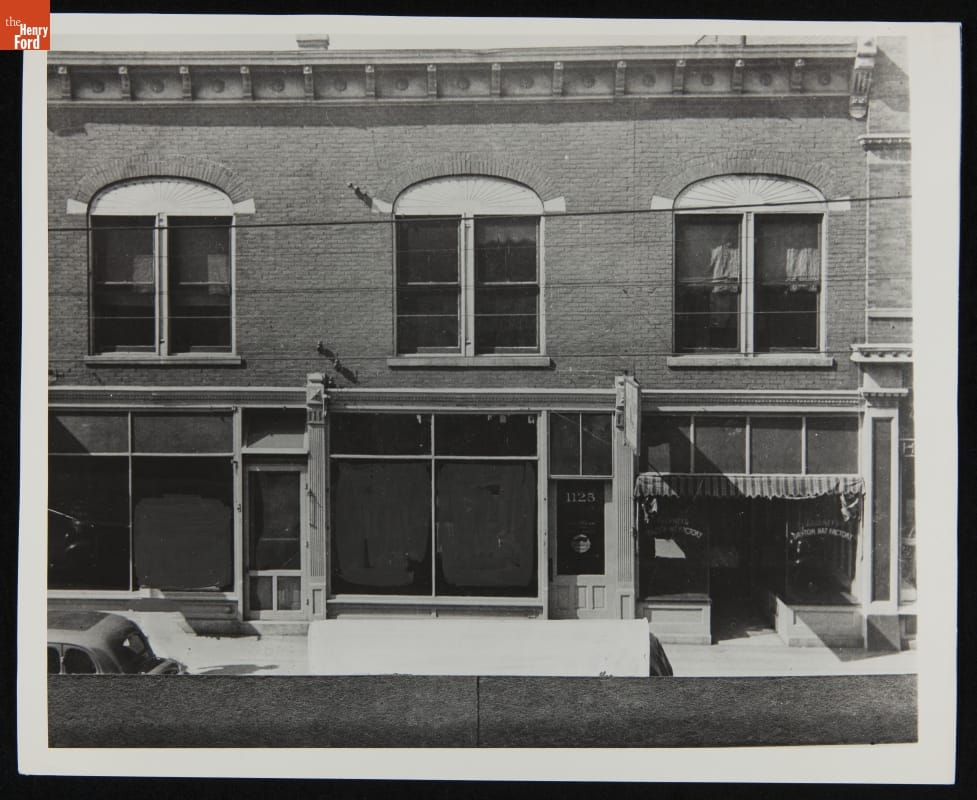
- circa 1936
- Collections - Artifact
Wright Cycle Shop in Dayton, Ohio, 1936
Before moving the Wright Cycle Shop from Dayton, Ohio, to Greenfield Village in November 1936, Henry Ford's agents collected old images and took detailed photographs of the building. These photos helped the team reassemble the structure in Dearborn, Michigan. Orville Wright and Charlie Taylor, the mechanic who built the engine for the 1903 Flyer, also assisted to ensure the reconstruction's accuracy.
- Wright Cycle Shop in Dayton, Ohio, 1936 - Before moving the Wright Cycle Shop from Dayton, Ohio, to Greenfield Village in November 1936, Henry Ford's agents collected old images and took detailed photographs of the building. These photos helped the team reassemble the structure in Dearborn, Michigan. Orville Wright and Charlie Taylor, the mechanic who built the engine for the 1903 Flyer, also assisted to ensure the reconstruction's accuracy.
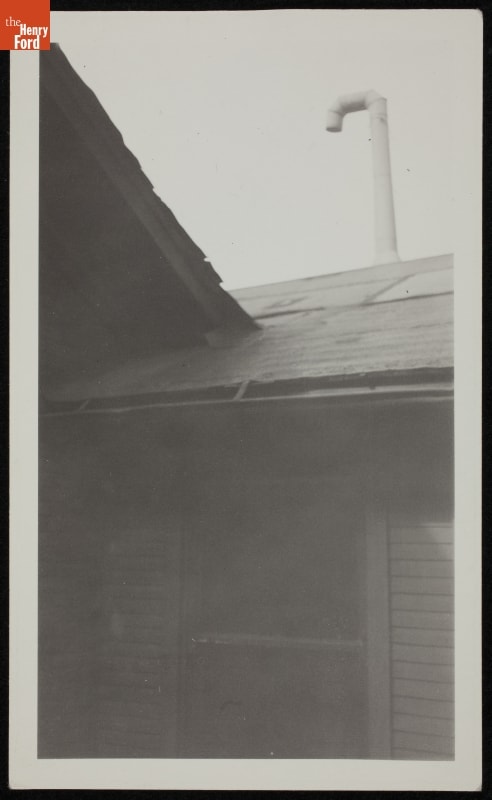
- 1936
- Collections - Artifact
Wright Cycle Shop in Dayton, Ohio, 1936
Before moving the Wright Cycle Shop from Dayton, Ohio, to Greenfield Village in November 1936, Henry Ford's agents collected old images and took detailed photographs of the building. These photos helped the team reassemble the structure in Dearborn, Michigan. Orville Wright and Charlie Taylor, the mechanic who built the engine for the 1903 Flyer, also assisted to ensure the reconstruction's accuracy.
- Wright Cycle Shop in Dayton, Ohio, 1936 - Before moving the Wright Cycle Shop from Dayton, Ohio, to Greenfield Village in November 1936, Henry Ford's agents collected old images and took detailed photographs of the building. These photos helped the team reassemble the structure in Dearborn, Michigan. Orville Wright and Charlie Taylor, the mechanic who built the engine for the 1903 Flyer, also assisted to ensure the reconstruction's accuracy.
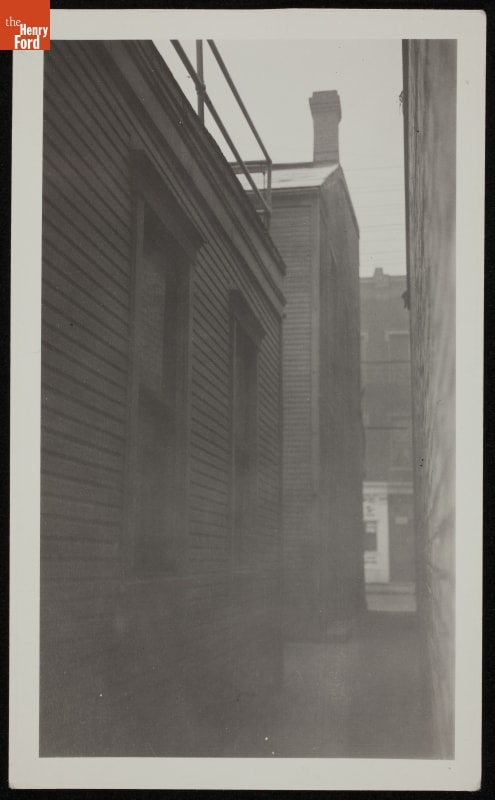
- 1936
- Collections - Artifact
Wright Cycle Shop in Dayton, Ohio, 1936
Before moving the Wright Cycle Shop from Dayton, Ohio, to Greenfield Village in November 1936, Henry Ford's agents collected old images and took detailed photographs of the building. These photos helped the team reassemble the structure in Dearborn, Michigan. Orville Wright and Charlie Taylor, the mechanic who built the engine for the 1903 Flyer, also assisted to ensure the reconstruction's accuracy.
- Wright Cycle Shop in Dayton, Ohio, 1936 - Before moving the Wright Cycle Shop from Dayton, Ohio, to Greenfield Village in November 1936, Henry Ford's agents collected old images and took detailed photographs of the building. These photos helped the team reassemble the structure in Dearborn, Michigan. Orville Wright and Charlie Taylor, the mechanic who built the engine for the 1903 Flyer, also assisted to ensure the reconstruction's accuracy.
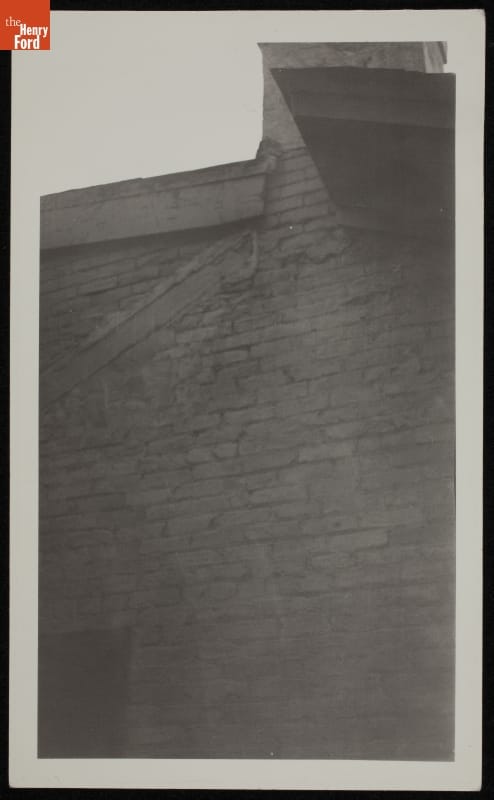
- 1936
- Collections - Artifact
Wright Cycle Shop in Dayton, Ohio, 1936
Before moving the Wright Cycle Shop from Dayton, Ohio, to Greenfield Village in November 1936, Henry Ford's agents collected old images and took detailed photographs of the building. These photos helped the team reassemble the structure in Dearborn, Michigan. Orville Wright and Charlie Taylor, the mechanic who built the engine for the 1903 Flyer, also assisted to ensure the reconstruction's accuracy.