
Search
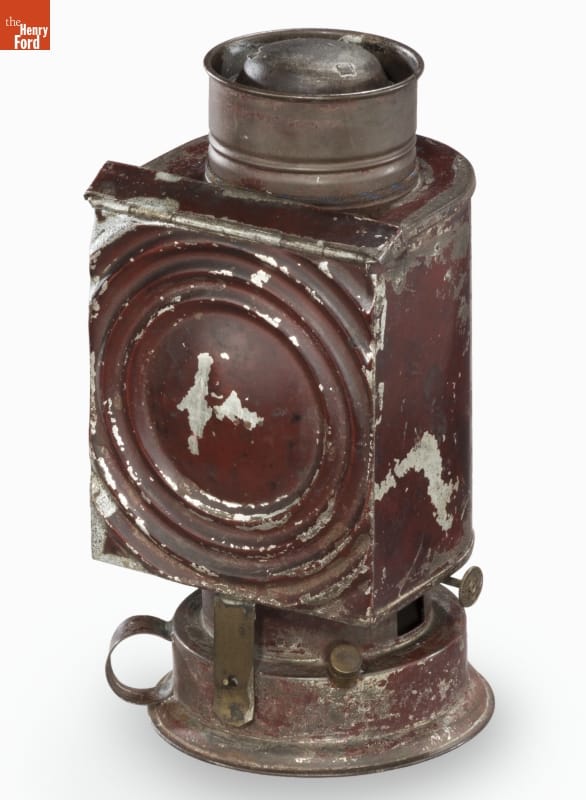
- Photographer's Dark Lantern, circa 1880 -
- circa 1880
- Collections - Artifact
Photographer's Dark Lantern, circa 1880
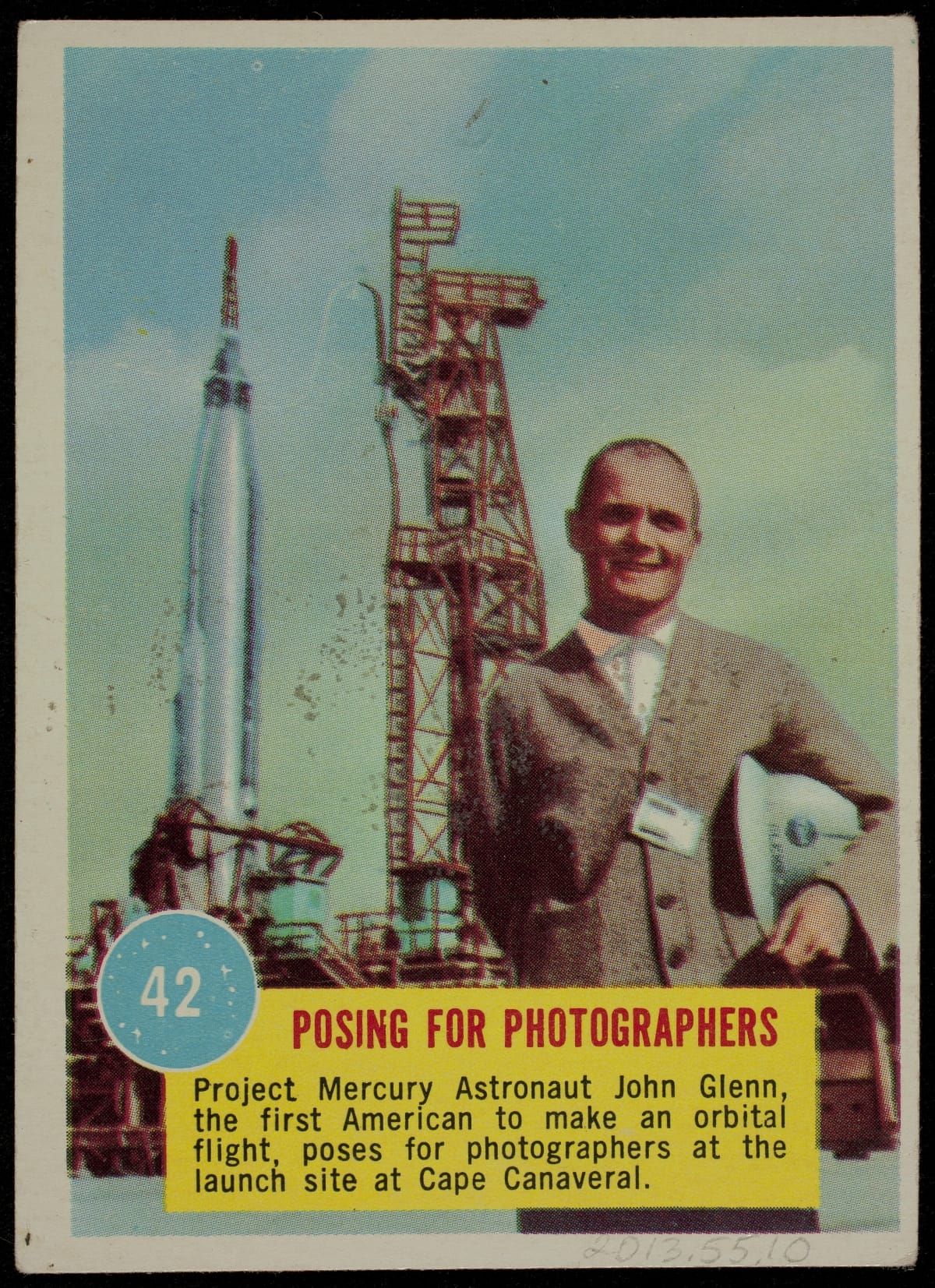
- Topps Astronaut Trading Card, "Posing for Photographers," 1963 - President John F. Kennedy's vision to explore the "new frontier" of space ignited the public's imagination. Pictorial souvenir cards like this helped generate excitement about the latest achievements in the space program. The U.S. astronauts and their accomplishments dominate the card fronts, while the backs show drawings that blend elements of science fiction and fantasy-requiring 3-D glasses to view.
- 1962
- Collections - Artifact
Topps Astronaut Trading Card, "Posing for Photographers," 1963
President John F. Kennedy's vision to explore the "new frontier" of space ignited the public's imagination. Pictorial souvenir cards like this helped generate excitement about the latest achievements in the space program. The U.S. astronauts and their accomplishments dominate the card fronts, while the backs show drawings that blend elements of science fiction and fantasy-requiring 3-D glasses to view.
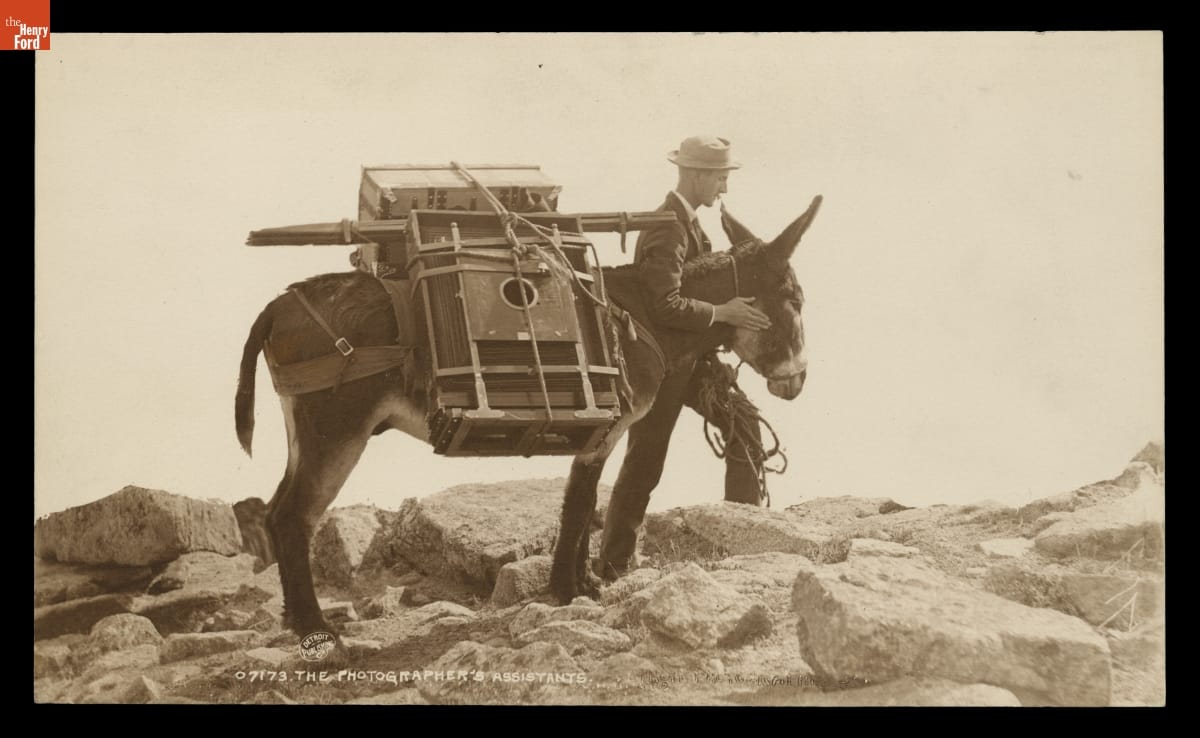
- "The Photographer's Assistants," Photographer with Donkey Carrying Equipment, 1873 -
- 1873
- Collections - Artifact
"The Photographer's Assistants," Photographer with Donkey Carrying Equipment, 1873
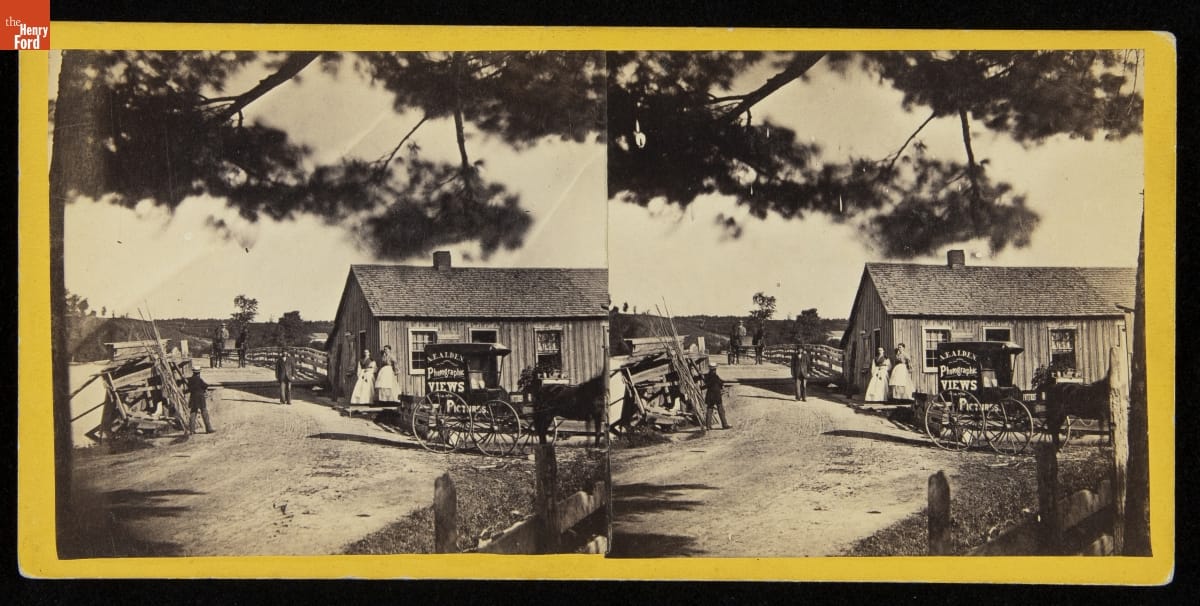
- Photographer's Wagon by a Toll House at Saratoga Lake, New York, circa 1870 -
- circa 1870
- Collections - Artifact
Photographer's Wagon by a Toll House at Saratoga Lake, New York, circa 1870
- Man Posing in a Photographer's Studio, Wyoming Territory, 1884 - George and Thomas Dalgleish owned a photography studio in the Wyoming Territory in the 1880s. The brothers traveled the territory documenting the region's people, towns and activities. The title on the photograph does not refer to the infamous outlaw who died in a shootout in 1881. A notation on another photograph refers to the man as a hunter and trapper and friend of the photographer.
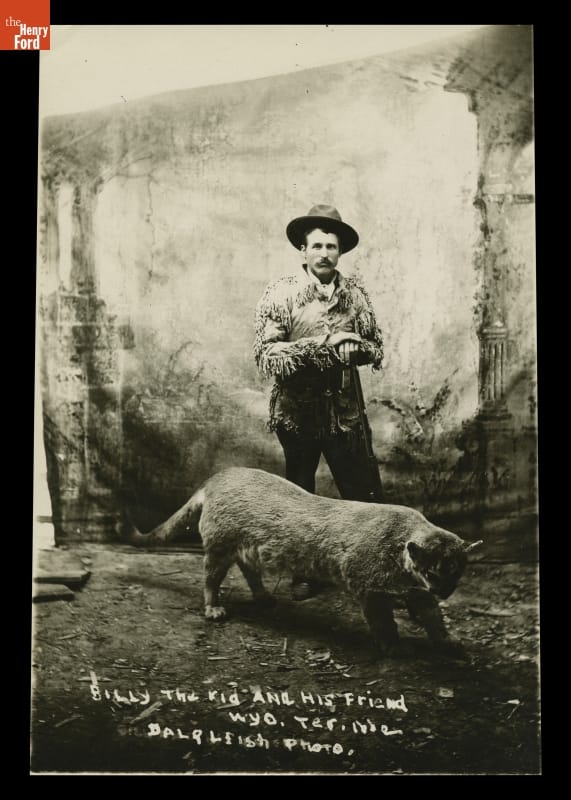
- 1884
- Collections - Artifact
Man Posing in a Photographer's Studio, Wyoming Territory, 1884
George and Thomas Dalgleish owned a photography studio in the Wyoming Territory in the 1880s. The brothers traveled the territory documenting the region's people, towns and activities. The title on the photograph does not refer to the infamous outlaw who died in a shootout in 1881. A notation on another photograph refers to the man as a hunter and trapper and friend of the photographer.
- "The Photographer's Assistants," Photographer with Donkey Carrying Equipment, 1873 -
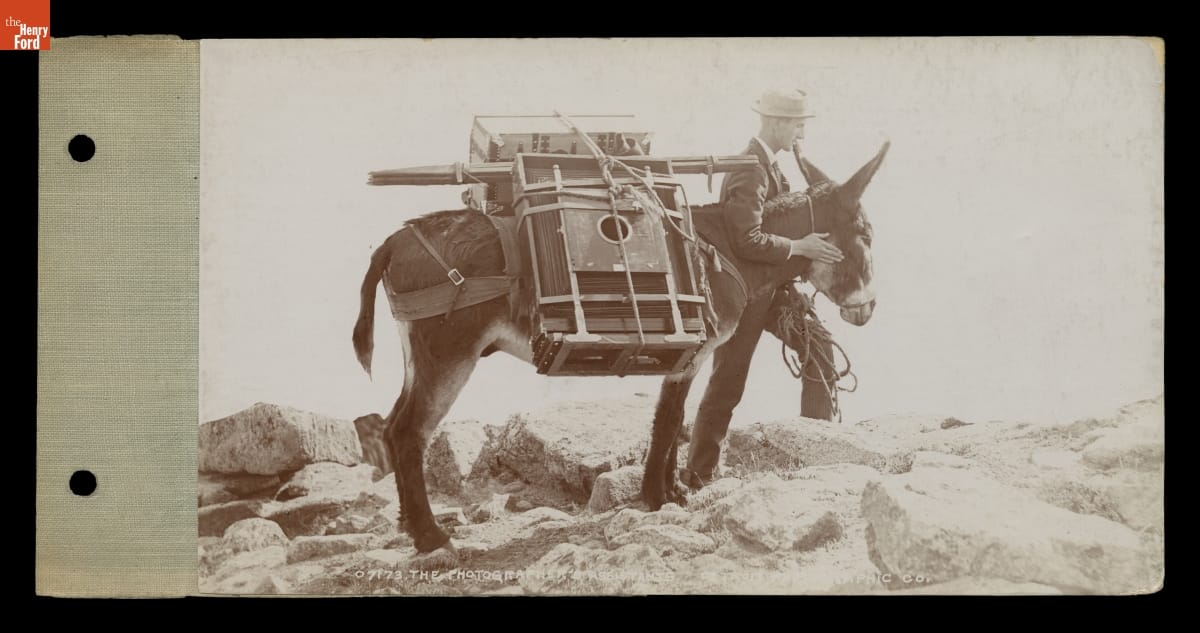
- 1873
- Collections - Artifact
"The Photographer's Assistants," Photographer with Donkey Carrying Equipment, 1873
- Photographer's Pass for Raceway Road Races, Riverside, California, June 1962 - Dave Friedman captured and preserved auto racing history through his photography and memorabilia. His collection of event programs and passes documents key races, cars, drivers, and teams. This photographer's pass is from road races held at California's Riverside International Raceway in June 1962.
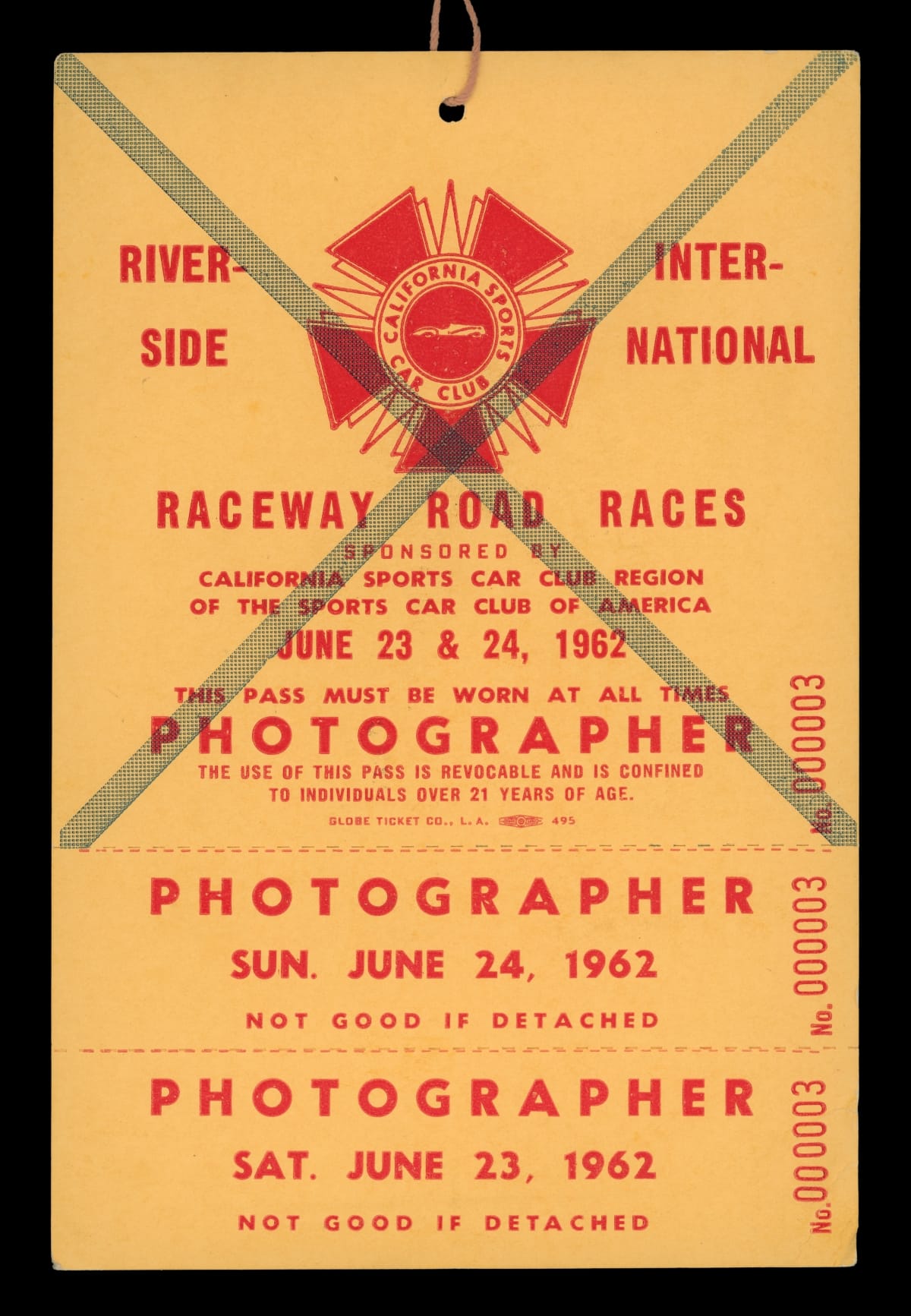
- 23 June 1962 - 24 June 1962
- Collections - Artifact
Photographer's Pass for Raceway Road Races, Riverside, California, June 1962
Dave Friedman captured and preserved auto racing history through his photography and memorabilia. His collection of event programs and passes documents key races, cars, drivers, and teams. This photographer's pass is from road races held at California's Riverside International Raceway in June 1962.
- Seated Man and Standing Woman in a Photographer's Studio, 1885-1890 -
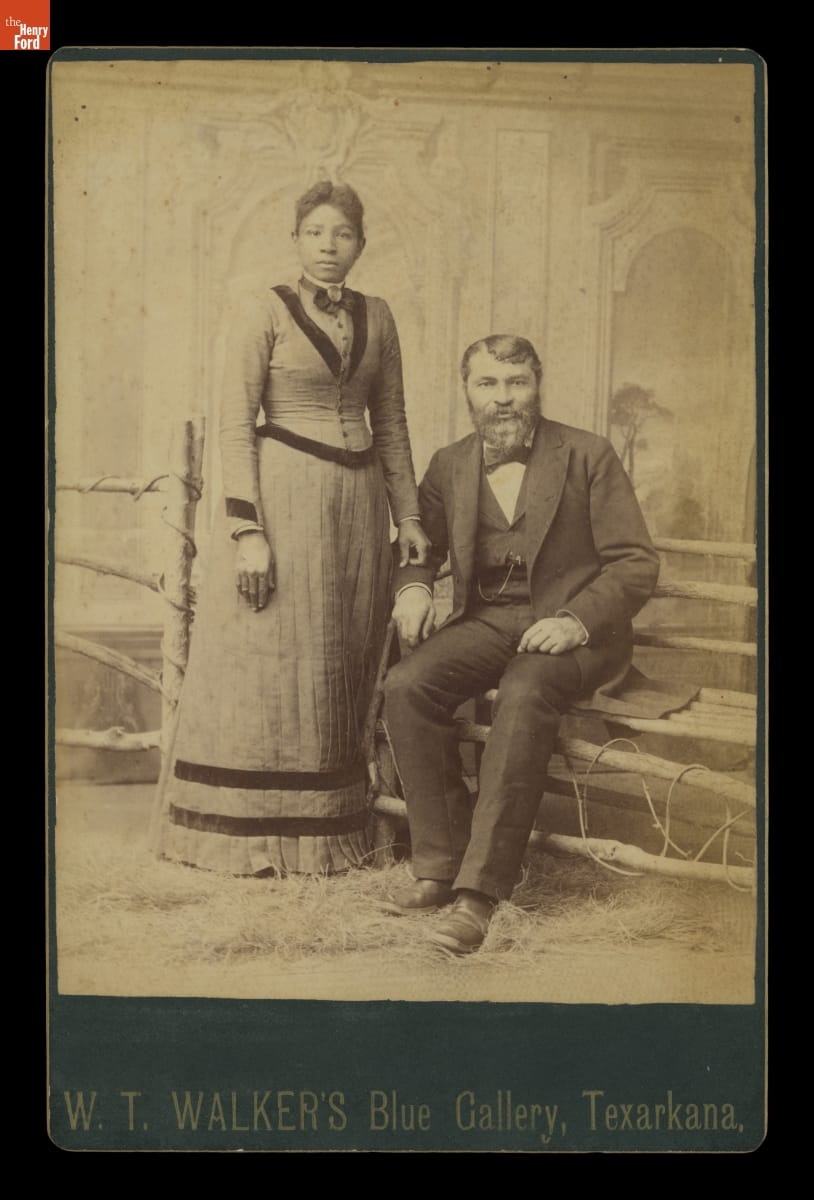
- 1885-1890
- Collections - Artifact
Seated Man and Standing Woman in a Photographer's Studio, 1885-1890
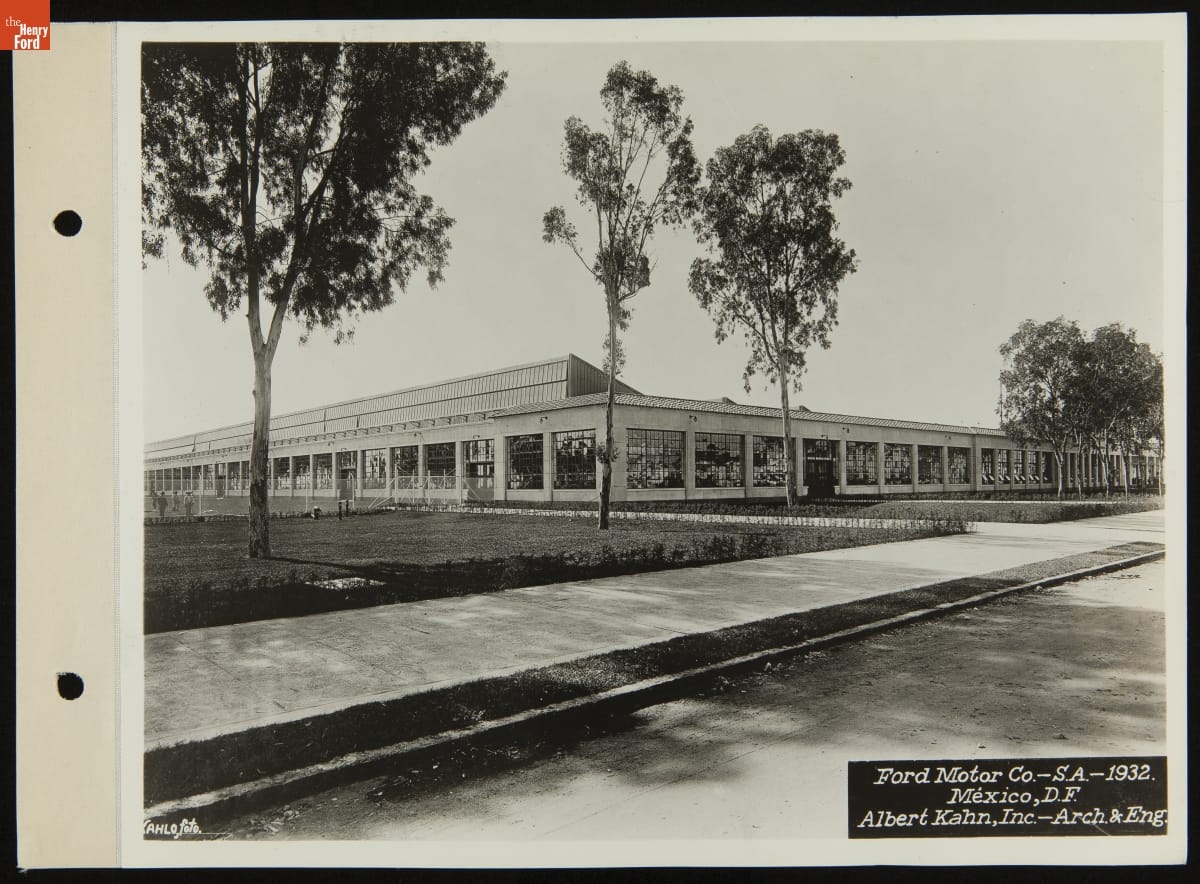
- Ford Mexico City Plant Photographs - Guillermo Kahlo, father of artist Frida Kahlo, was one of the foremost architectural photographers in Mexico during the early 1900s. In 1932, Kahlo's studio documented the Ford Mexico City assembly plant. This visual record was created the same year Kahlo's son-in-law Diego Rivera began the <EM>Detroit Industry</EM> murals -- the monumental frescoes at the Detroit Institute of Arts funded by Edsel Ford.
- April 21, 2015
- Collections - Set
Ford Mexico City Plant Photographs
Guillermo Kahlo, father of artist Frida Kahlo, was one of the foremost architectural photographers in Mexico during the early 1900s. In 1932, Kahlo's studio documented the Ford Mexico City assembly plant. This visual record was created the same year Kahlo's son-in-law Diego Rivera began the Detroit Industry murals -- the monumental frescoes at the Detroit Institute of Arts funded by Edsel Ford.
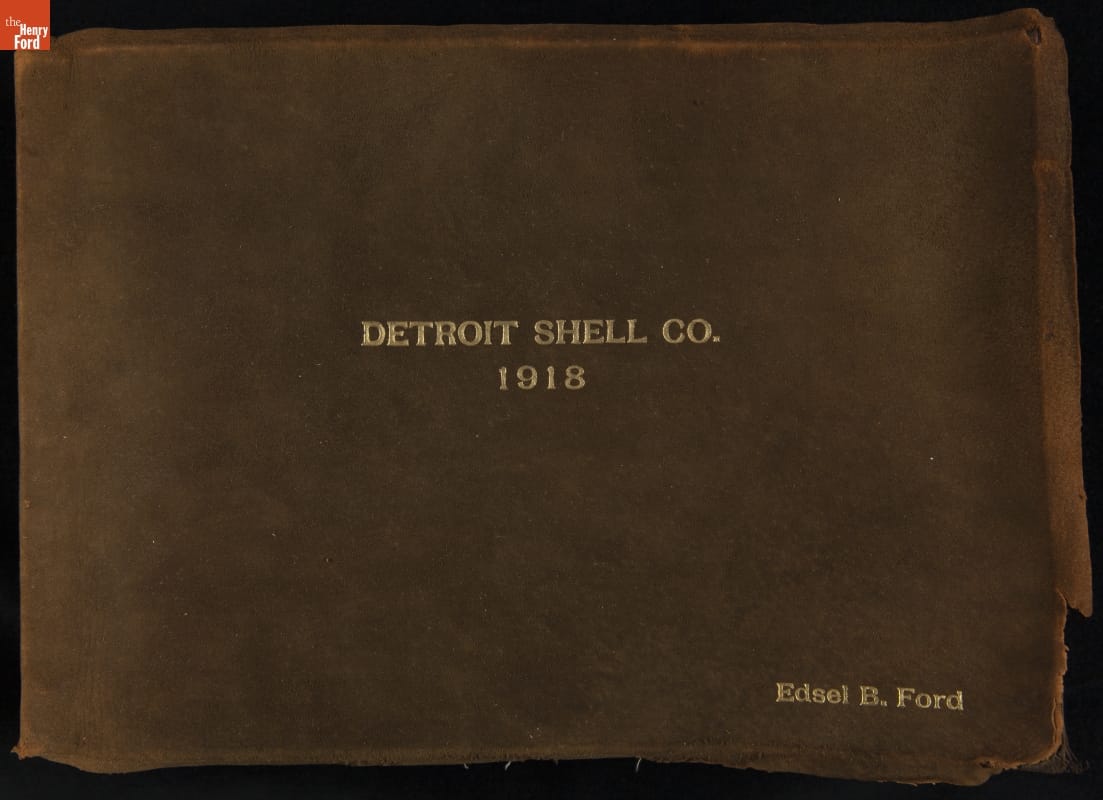
- Detroit Shell Co. Photograph Album, 1918 - In 1918, several Michigan automakers established the Detroit Shell Company. The new firm acquired the Springfield Body Company's factory and began fulfilling its initial government contract for $30 million worth of wartime munitions. Detroit Shell's officers included president John Kelsey (Kelsey Wheel), vice presidents Harry Jewitt (Paige) and Roscoe Jackson (Hudson), treasurer Edsel Ford (Ford), and secretary J. Walter Drake (Hupp).
- 1918
- Collections - Artifact
Detroit Shell Co. Photograph Album, 1918
In 1918, several Michigan automakers established the Detroit Shell Company. The new firm acquired the Springfield Body Company's factory and began fulfilling its initial government contract for $30 million worth of wartime munitions. Detroit Shell's officers included president John Kelsey (Kelsey Wheel), vice presidents Harry Jewitt (Paige) and Roscoe Jackson (Hudson), treasurer Edsel Ford (Ford), and secretary J. Walter Drake (Hupp).