
Search
- General Electric Diesel-Electric Locomotive, 1942 - Lightweight 44-, 45- and 50-ton diesel-electric locomotives proved popular in industrial and yard switching duties. They were less expensive to operate than steam locomotives and could run on lightly built track. This 50-ton unit served a U.S. Navy ammunition depot in Charleston, South Carolina, during World War II. It later operated at a scrapyard in Ecorse, Michigan.
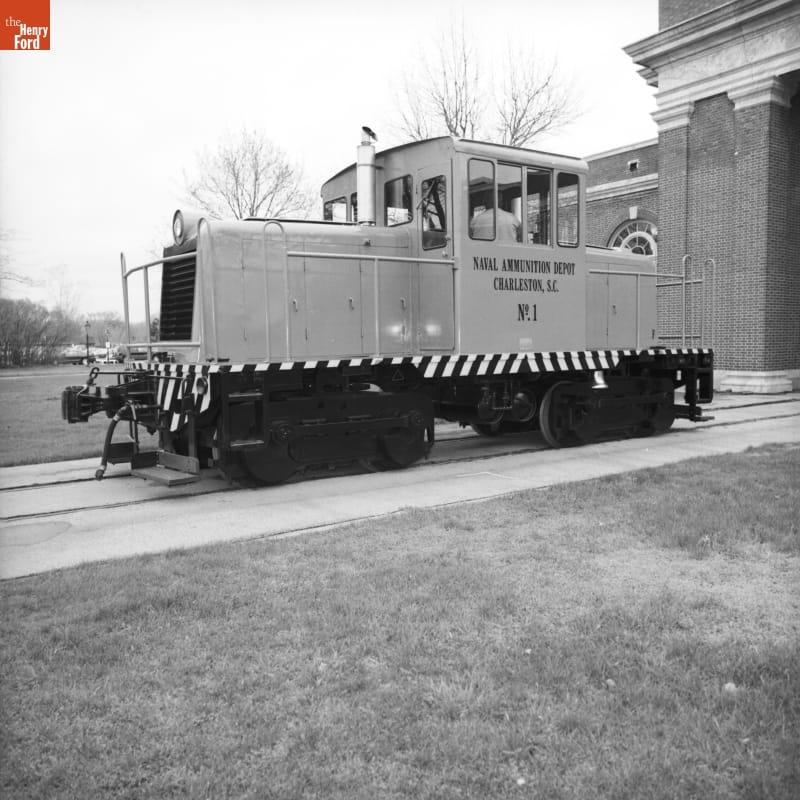
- 1942
- Collections - Artifact
General Electric Diesel-Electric Locomotive, 1942
Lightweight 44-, 45- and 50-ton diesel-electric locomotives proved popular in industrial and yard switching duties. They were less expensive to operate than steam locomotives and could run on lightly built track. This 50-ton unit served a U.S. Navy ammunition depot in Charleston, South Carolina, during World War II. It later operated at a scrapyard in Ecorse, Michigan.
- Ingersoll-Rand Number 90 Diesel-Electric Locomotive, 1926 - This is one of the earliest diesel-electric locomotives used on American railroads. Diesel-electrics offered many advantages over steam locomotives. They required less maintenance, were more fuel efficient, and could be operated by smaller crews. This locomotive's body houses an Ingersoll-Rand diesel engine that drives a General Electric generator, which in turn powers electric motors on the axles.
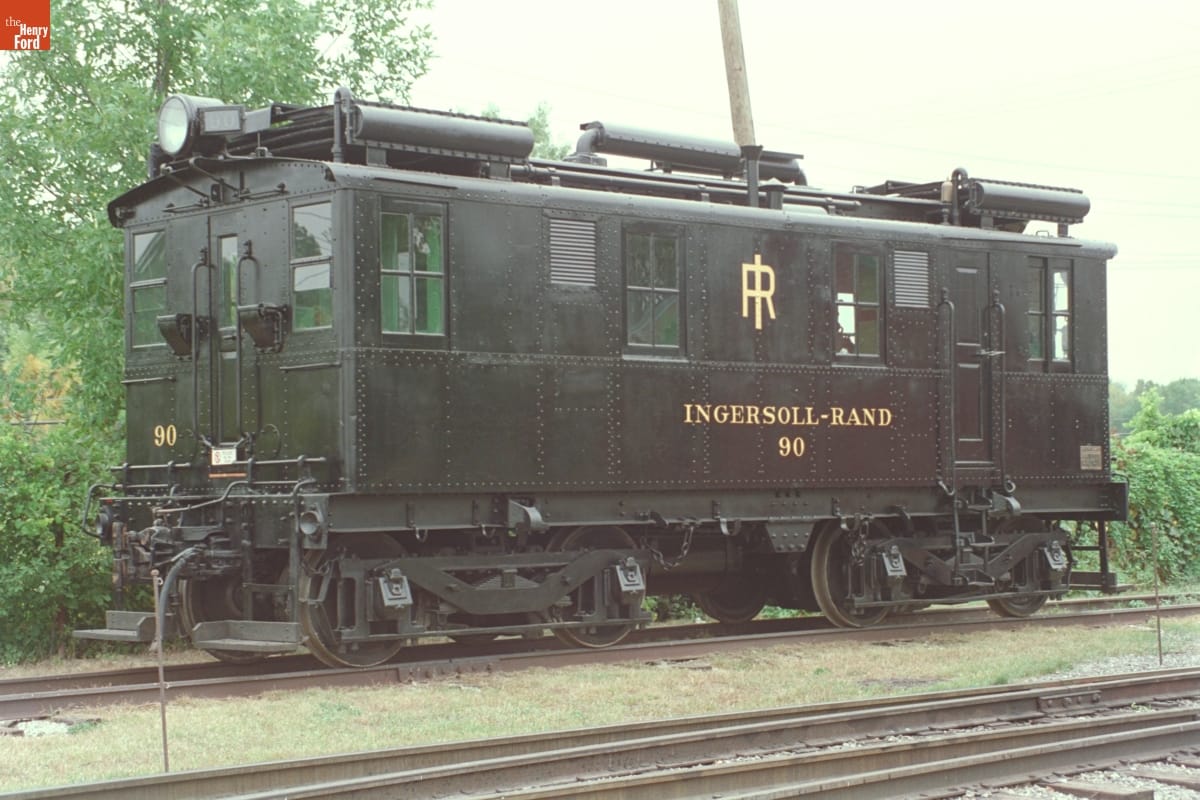
- 1926
- Collections - Artifact
Ingersoll-Rand Number 90 Diesel-Electric Locomotive, 1926
This is one of the earliest diesel-electric locomotives used on American railroads. Diesel-electrics offered many advantages over steam locomotives. They required less maintenance, were more fuel efficient, and could be operated by smaller crews. This locomotive's body houses an Ingersoll-Rand diesel engine that drives a General Electric generator, which in turn powers electric motors on the axles.
- Detroit, Toledo & Ironton Railroad Bicentennial Diesel-Electric Locomotive, 1976 - American railroads joined in the celebration of the United States Bicentennial in 1976. Many lines painted at least one locomotive or caboose in a patriotic red, white and blue livery. The Detroit, Toledo & Ironton's bicentennial locomotive, an EMD GP38-2, was numbered 1776 -- a popular choice for other locomotives in the nation's "Bicentennial Fleet."
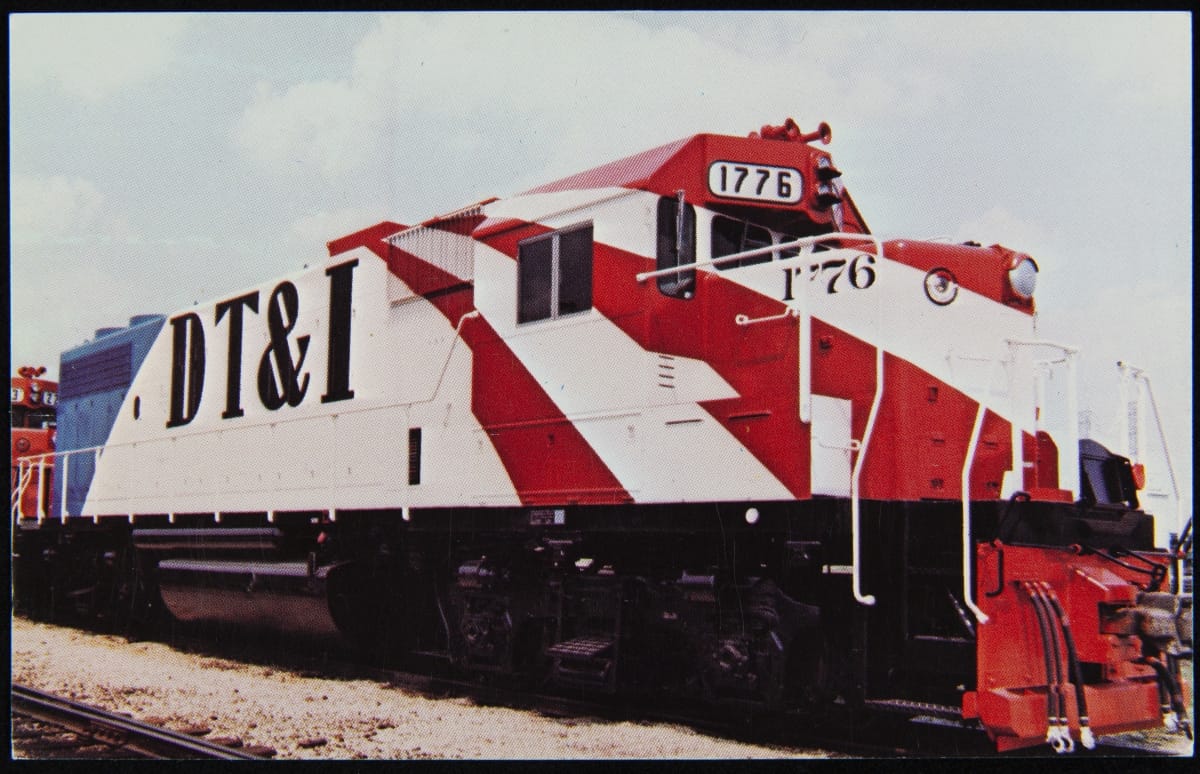
- 1976
- Collections - Artifact
Detroit, Toledo & Ironton Railroad Bicentennial Diesel-Electric Locomotive, 1976
American railroads joined in the celebration of the United States Bicentennial in 1976. Many lines painted at least one locomotive or caboose in a patriotic red, white and blue livery. The Detroit, Toledo & Ironton's bicentennial locomotive, an EMD GP38-2, was numbered 1776 -- a popular choice for other locomotives in the nation's "Bicentennial Fleet."
- Ingersoll-Rand's Diesel-Electric Locomotive #90, Phillipsburg, New Jersey, 1926 - Ingersoll-Rand, in collaboration with General Electric and American Locomotive Company, built diesel-electric locomotive #90 in 1926. Ingersoll-Rand used the locomotive in the railyard at its Phillipsburg, New Jersey, plant for some 40 years. Diesel-electric power proved more efficient and cost-effective than steam. Donated to The Henry Ford in 1970, the locomotive received a cosmetic restoration in 1983.
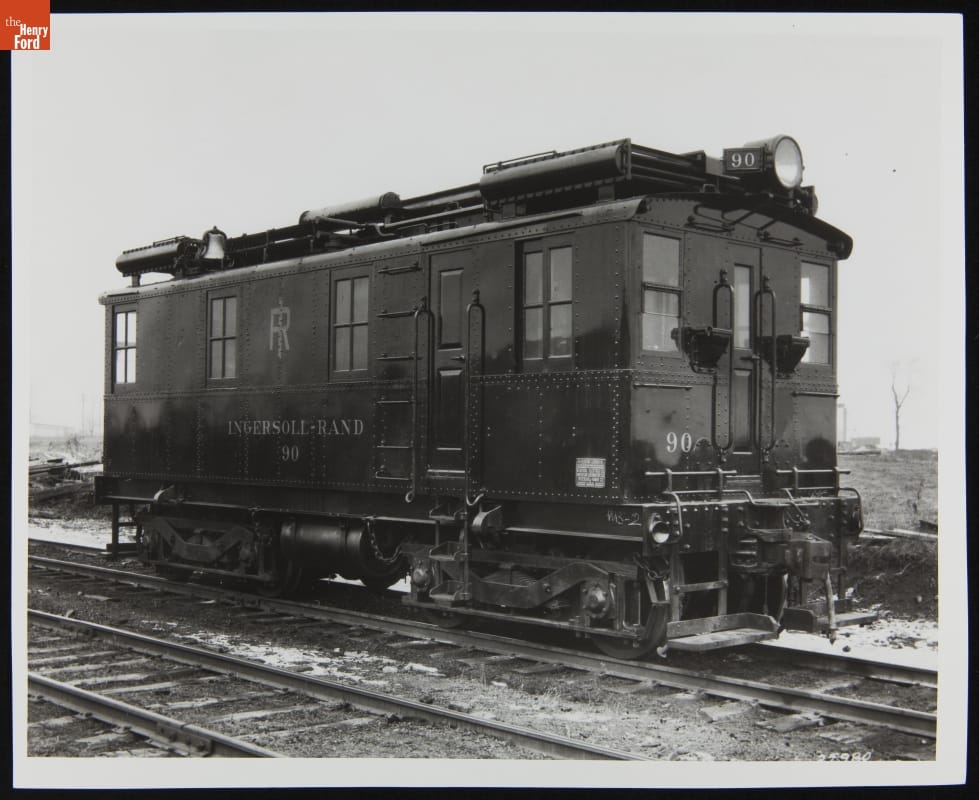
- 1926
- Collections - Artifact
Ingersoll-Rand's Diesel-Electric Locomotive #90, Phillipsburg, New Jersey, 1926
Ingersoll-Rand, in collaboration with General Electric and American Locomotive Company, built diesel-electric locomotive #90 in 1926. Ingersoll-Rand used the locomotive in the railyard at its Phillipsburg, New Jersey, plant for some 40 years. Diesel-electric power proved more efficient and cost-effective than steam. Donated to The Henry Ford in 1970, the locomotive received a cosmetic restoration in 1983.
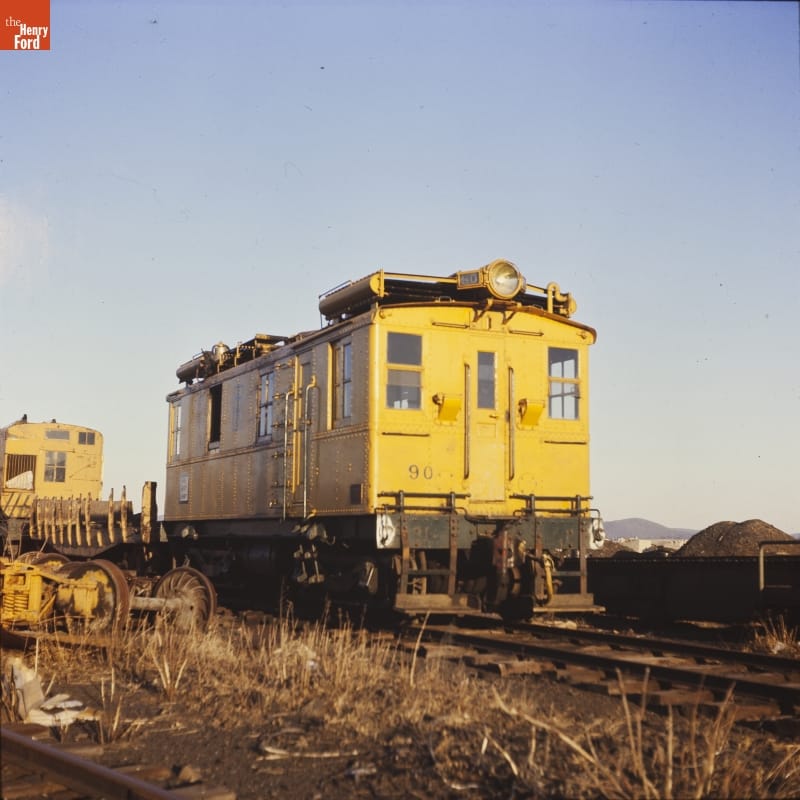
- Ingersoll-Rand's Diesel-Electric Locomotive #90, Phillipsburg, New Jersey, March 1970 - Ingersoll-Rand, in collaboration with General Electric and American Locomotive Company, built diesel-electric locomotive #90 in 1926. Ingersoll-Rand used the locomotive in the railyard at its Phillipsburg, New Jersey, plant for some 40 years. Diesel-electric power proved more efficient and cost-effective than steam. Donated to The Henry Ford in 1970, the locomotive received a cosmetic restoration in 1983.
- March 01, 1970
- Collections - Artifact
Ingersoll-Rand's Diesel-Electric Locomotive #90, Phillipsburg, New Jersey, March 1970
Ingersoll-Rand, in collaboration with General Electric and American Locomotive Company, built diesel-electric locomotive #90 in 1926. Ingersoll-Rand used the locomotive in the railyard at its Phillipsburg, New Jersey, plant for some 40 years. Diesel-electric power proved more efficient and cost-effective than steam. Donated to The Henry Ford in 1970, the locomotive received a cosmetic restoration in 1983.
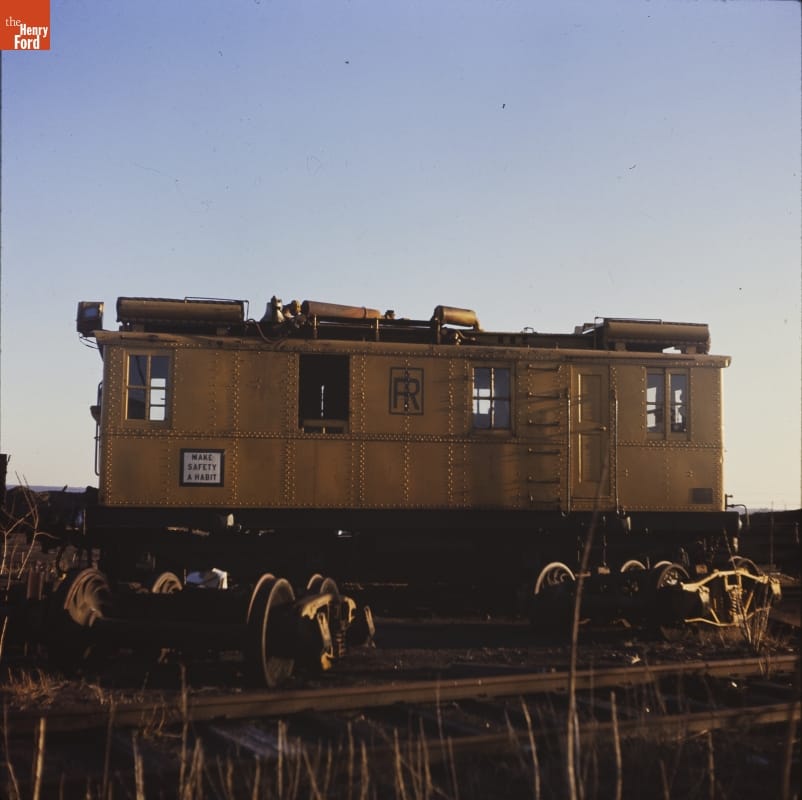
- Ingersoll-Rand's Diesel-Electric Locomotive #90, Phillipsburg, New Jersey, March 1970 - Ingersoll-Rand, in collaboration with General Electric and American Locomotive Company, built diesel-electric locomotive #90 in 1926. Ingersoll-Rand used the locomotive in the railyard at its Phillipsburg, New Jersey, plant for some 40 years. Diesel-electric power proved more efficient and cost-effective than steam. Donated to The Henry Ford in 1970, the locomotive received a cosmetic restoration in 1983.
- March 01, 1970
- Collections - Artifact
Ingersoll-Rand's Diesel-Electric Locomotive #90, Phillipsburg, New Jersey, March 1970
Ingersoll-Rand, in collaboration with General Electric and American Locomotive Company, built diesel-electric locomotive #90 in 1926. Ingersoll-Rand used the locomotive in the railyard at its Phillipsburg, New Jersey, plant for some 40 years. Diesel-electric power proved more efficient and cost-effective than steam. Donated to The Henry Ford in 1970, the locomotive received a cosmetic restoration in 1983.
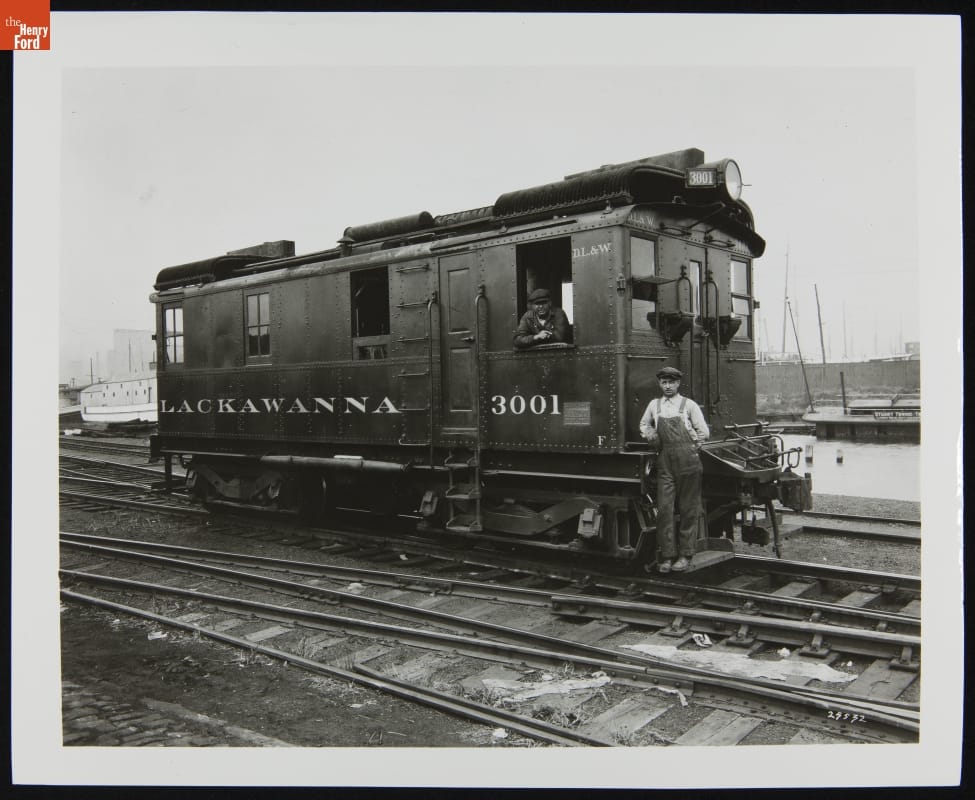
- The Delaware, Lackawanna & Western's Number 3001 Diesel-Electric Locomotive, probably 1926 - Diesel-electric locomotives, introduced on American railroads in the 1920s, offered several advantages over their steam-powered counterparts. They used less fuel, required less maintenance, and could be operated by smaller crews. Many early diesel-electrics proved themselves in yard service, like this unit switching cars at a marine terminal on the Delaware, Lackawanna & Western Railroad.
- 1926
- Collections - Artifact
The Delaware, Lackawanna & Western's Number 3001 Diesel-Electric Locomotive, probably 1926
Diesel-electric locomotives, introduced on American railroads in the 1920s, offered several advantages over their steam-powered counterparts. They used less fuel, required less maintenance, and could be operated by smaller crews. Many early diesel-electrics proved themselves in yard service, like this unit switching cars at a marine terminal on the Delaware, Lackawanna & Western Railroad.
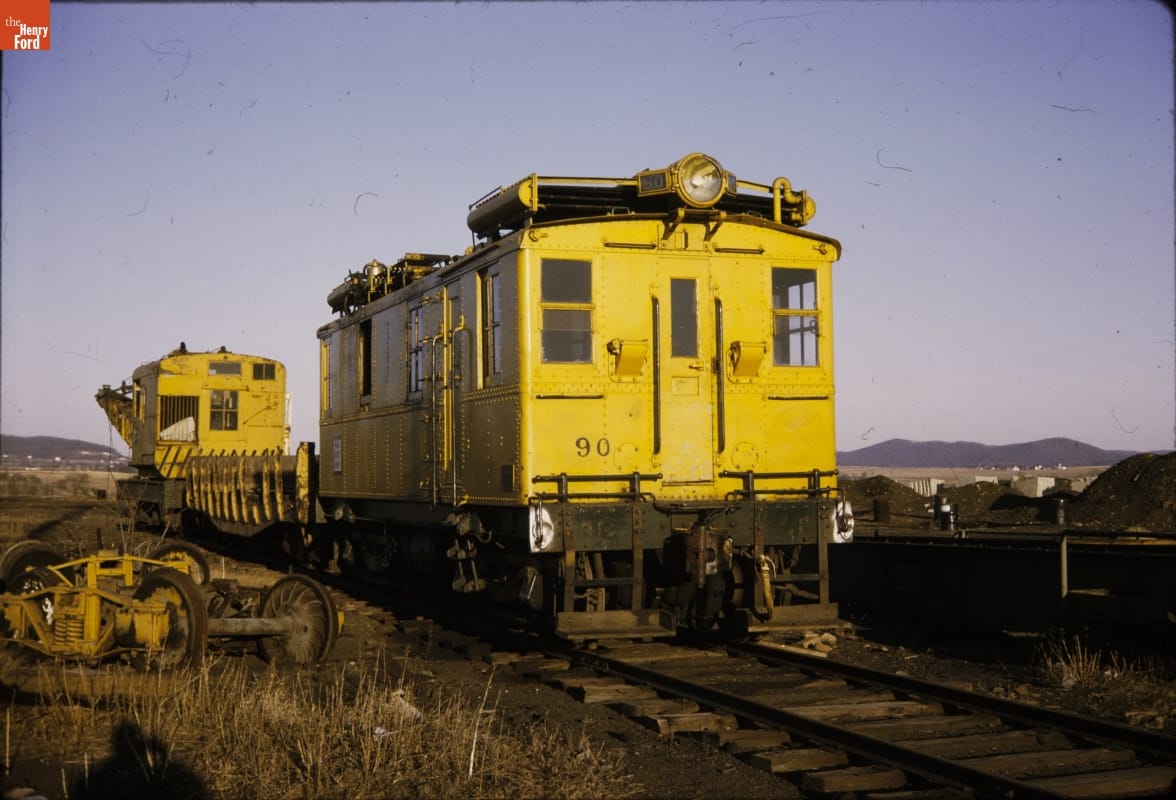
- Ingersoll-Rand's Diesel-Electric Locomotive #90, Phillipsburg, New Jersey, March 1970 - Ingersoll-Rand, in collaboration with General Electric and American Locomotive Company, built diesel-electric locomotive #90 in 1926. Ingersoll-Rand used the locomotive in the railyard at its Phillipsburg, New Jersey, plant for some 40 years. Diesel-electric power proved more efficient and cost-effective than steam. Donated to The Henry Ford in 1970, the locomotive received a cosmetic restoration in 1983.
- March 01, 1970
- Collections - Artifact
Ingersoll-Rand's Diesel-Electric Locomotive #90, Phillipsburg, New Jersey, March 1970
Ingersoll-Rand, in collaboration with General Electric and American Locomotive Company, built diesel-electric locomotive #90 in 1926. Ingersoll-Rand used the locomotive in the railyard at its Phillipsburg, New Jersey, plant for some 40 years. Diesel-electric power proved more efficient and cost-effective than steam. Donated to The Henry Ford in 1970, the locomotive received a cosmetic restoration in 1983.
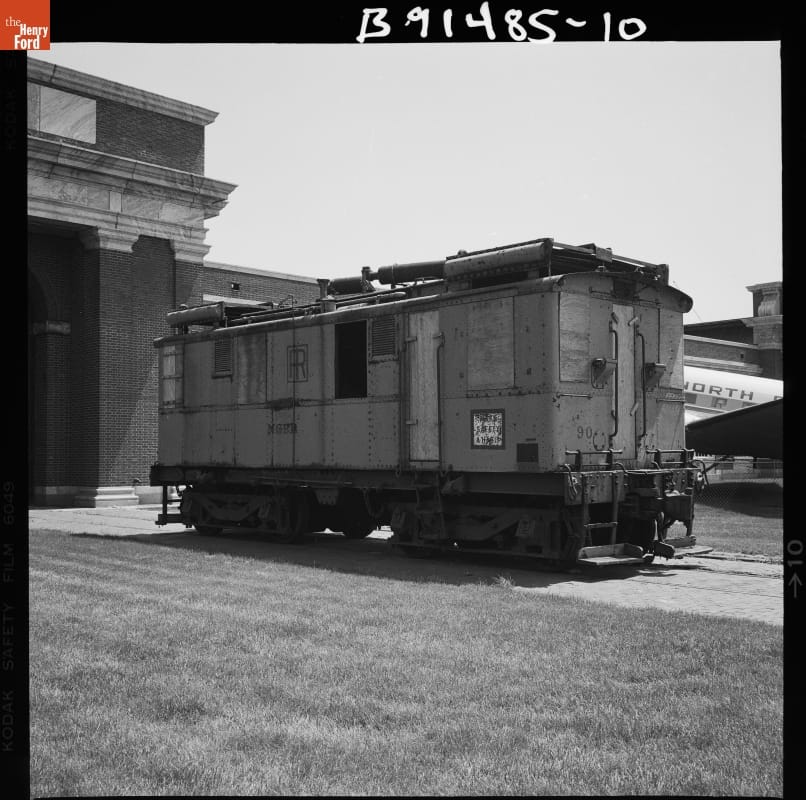
- Ingersoll-Rand Diesel-Electric Locomotive #90 Before Restoration, Greenfield Village, 1982 - Ingersoll-Rand, in collaboration with General Electric and American Locomotive Company, built diesel-electric locomotive #90 in 1926. Ingersoll-Rand used the locomotive in the railyard at its Phillipsburg, New Jersey, plant for some 40 years. Diesel-electric power proved more efficient and cost-effective than steam. Donated to The Henry Ford in 1970, the locomotive received a cosmetic restoration in 1983.
- 1982
- Collections - Artifact
Ingersoll-Rand Diesel-Electric Locomotive #90 Before Restoration, Greenfield Village, 1982
Ingersoll-Rand, in collaboration with General Electric and American Locomotive Company, built diesel-electric locomotive #90 in 1926. Ingersoll-Rand used the locomotive in the railyard at its Phillipsburg, New Jersey, plant for some 40 years. Diesel-electric power proved more efficient and cost-effective than steam. Donated to The Henry Ford in 1970, the locomotive received a cosmetic restoration in 1983.
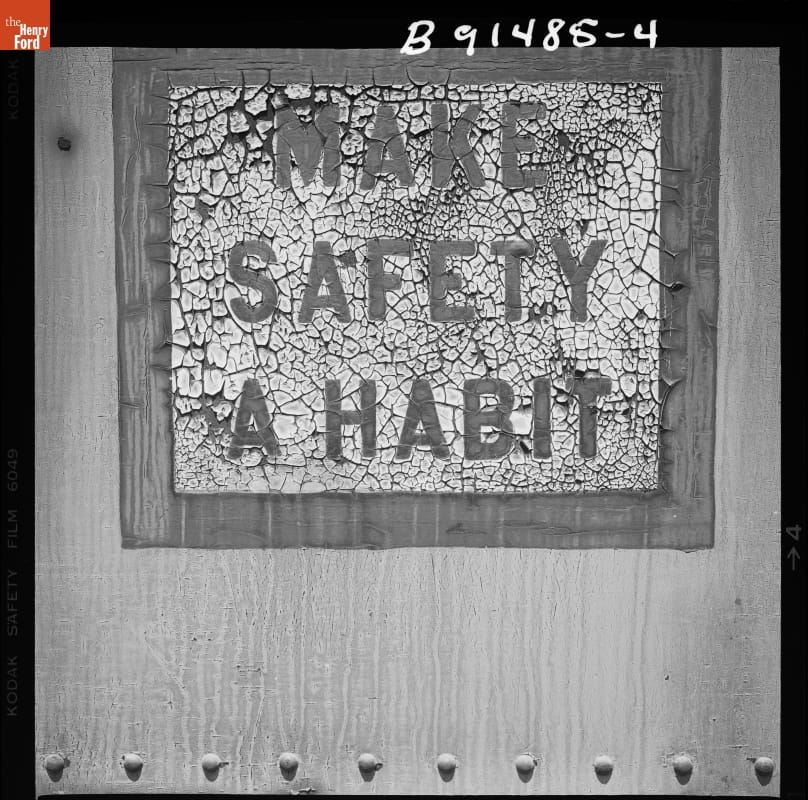
- Ingersoll-Rand Diesel-Electric Locomotive #90 Before Restoration at Henry Ford Museum, 1982 - Ingersoll-Rand, in collaboration with General Electric and American Locomotive Company, built diesel-electric locomotive #90 in 1926. Ingersoll-Rand used the locomotive in the railyard at its Phillipsburg, New Jersey, plant for some 40 years. Diesel-electric power proved more efficient and cost-effective than steam. Donated to The Henry Ford in 1970, the locomotive received a cosmetic restoration in 1983.
- 1982
- Collections - Artifact
Ingersoll-Rand Diesel-Electric Locomotive #90 Before Restoration at Henry Ford Museum, 1982
Ingersoll-Rand, in collaboration with General Electric and American Locomotive Company, built diesel-electric locomotive #90 in 1926. Ingersoll-Rand used the locomotive in the railyard at its Phillipsburg, New Jersey, plant for some 40 years. Diesel-electric power proved more efficient and cost-effective than steam. Donated to The Henry Ford in 1970, the locomotive received a cosmetic restoration in 1983.