
Search
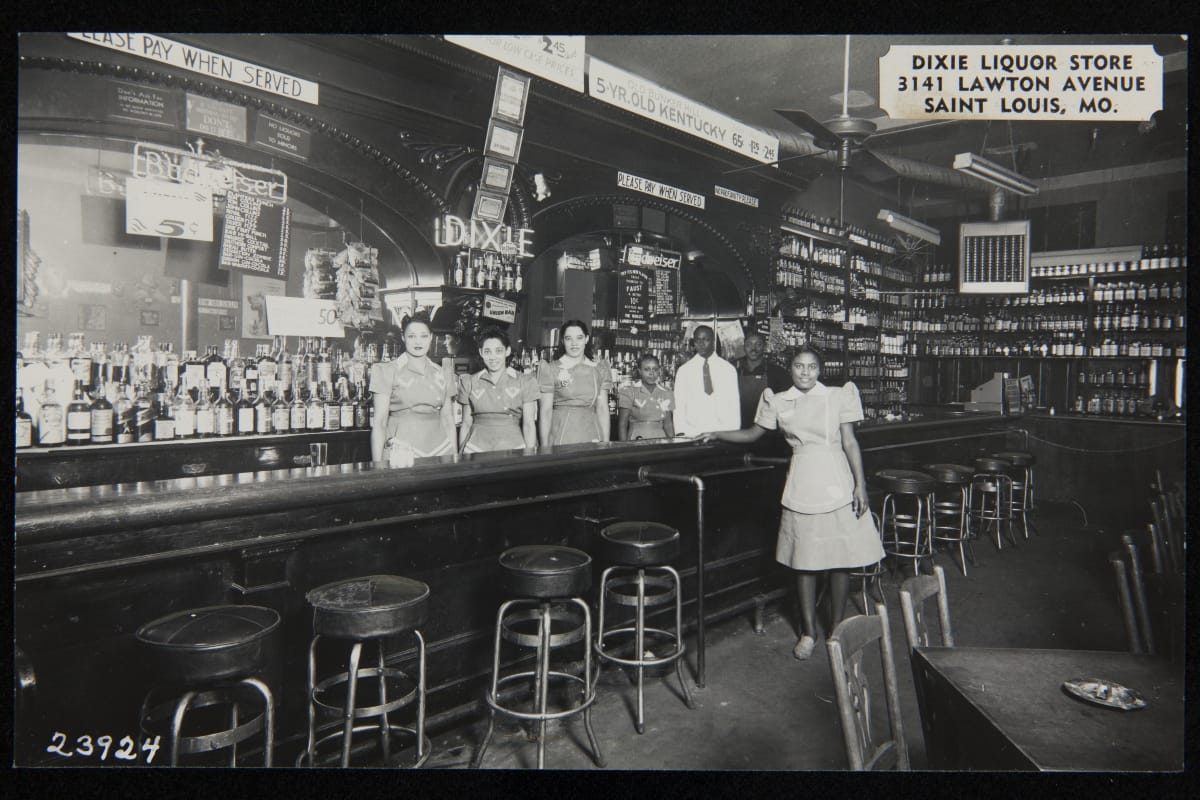
- Dixie Liquor Store, St. Louis, Missouri, 1935-1950 - Photographic cards like this one, with their glued-on labels, were a preliminary step taken by Dexter Press before producing postcards for small-business owners to mail or hand out to customers. During the first half of the 20th century, racial segregation was a pervasive feature in St. Louis, Missouri. This African-American-run liquor store catered to black customers in the local community.
- 1935-1950
- Collections - Artifact
Dixie Liquor Store, St. Louis, Missouri, 1935-1950
Photographic cards like this one, with their glued-on labels, were a preliminary step taken by Dexter Press before producing postcards for small-business owners to mail or hand out to customers. During the first half of the 20th century, racial segregation was a pervasive feature in St. Louis, Missouri. This African-American-run liquor store catered to black customers in the local community.
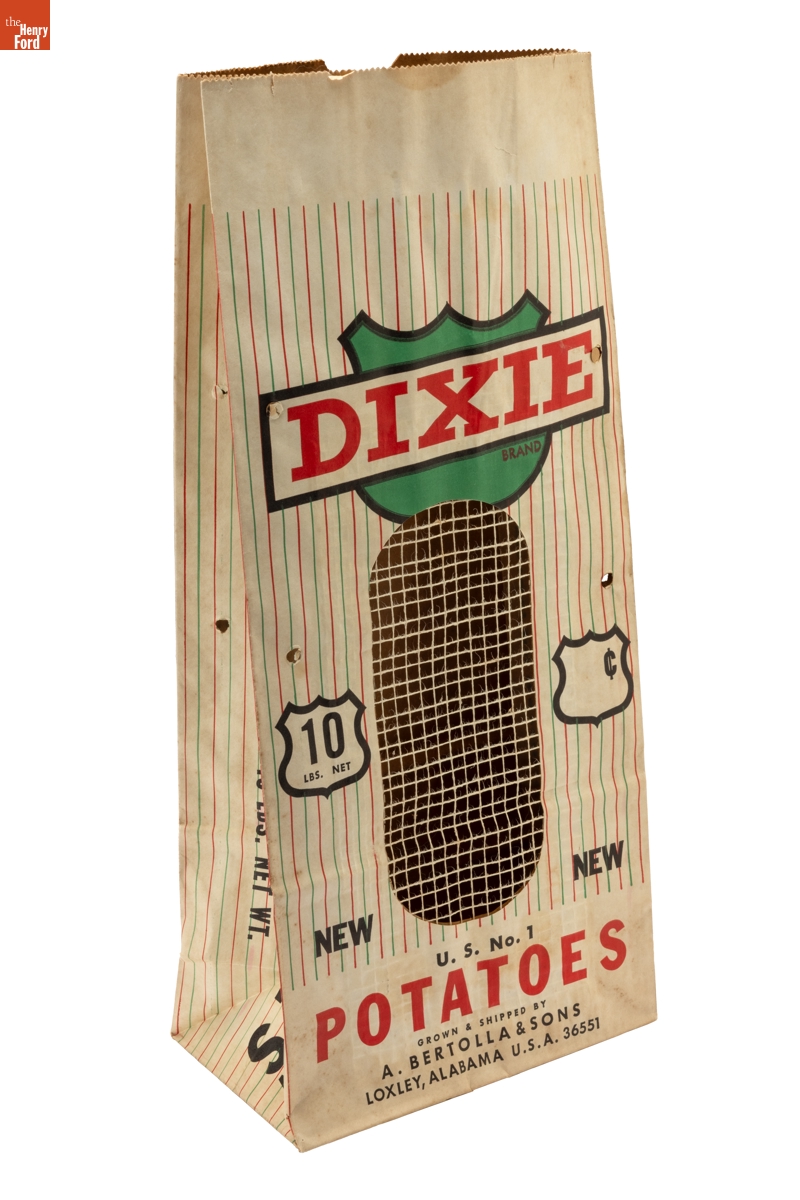
- "Dixie" Potato Bag, 1963-1967 -
- 1963-1967
- Collections - Artifact
"Dixie" Potato Bag, 1963-1967
- Just Added to Our Digital Collections: Dexter Press Photographs - John Margolies is both a photographer and a collector of items related to American travel and its unique sights.

- May 05, 2015
- Collections - article
Just Added to Our Digital Collections: Dexter Press Photographs
John Margolies is both a photographer and a collector of items related to American travel and its unique sights.
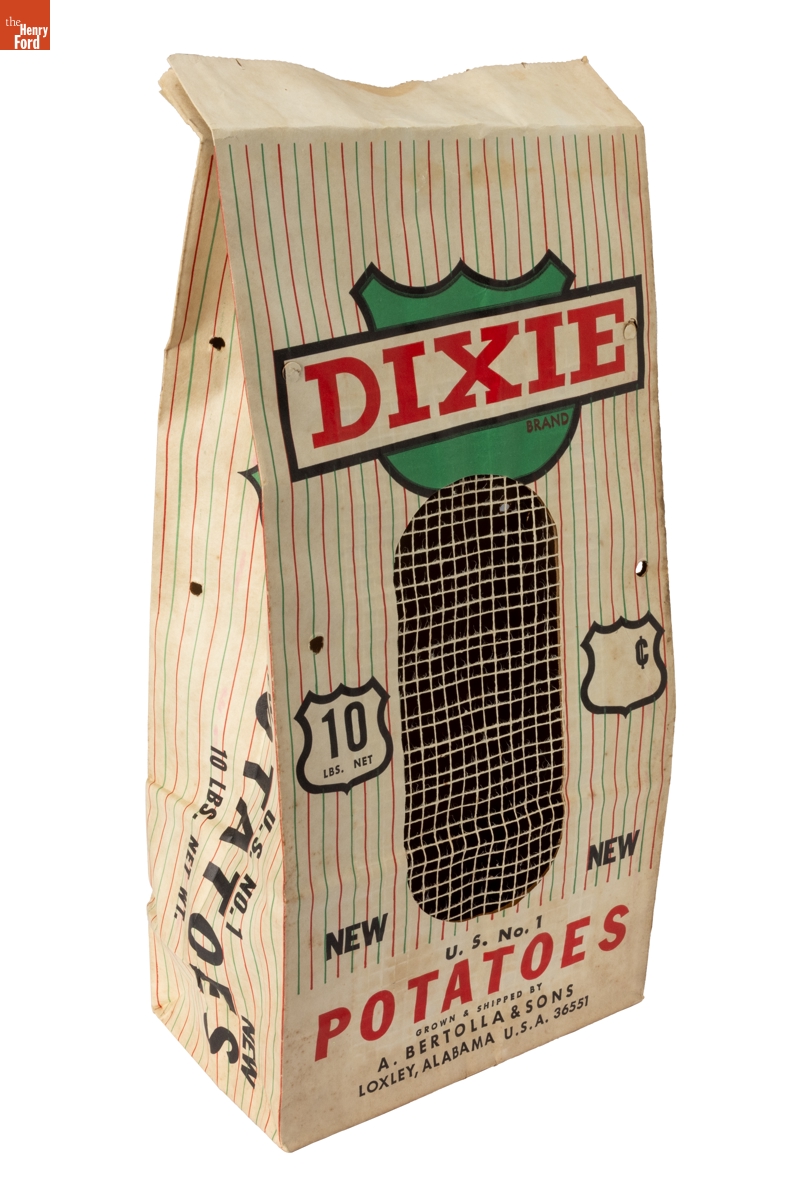
- "Dixie" Potato Bag, 1963-1967 -
- 1963-1967
- Collections - Artifact
"Dixie" Potato Bag, 1963-1967
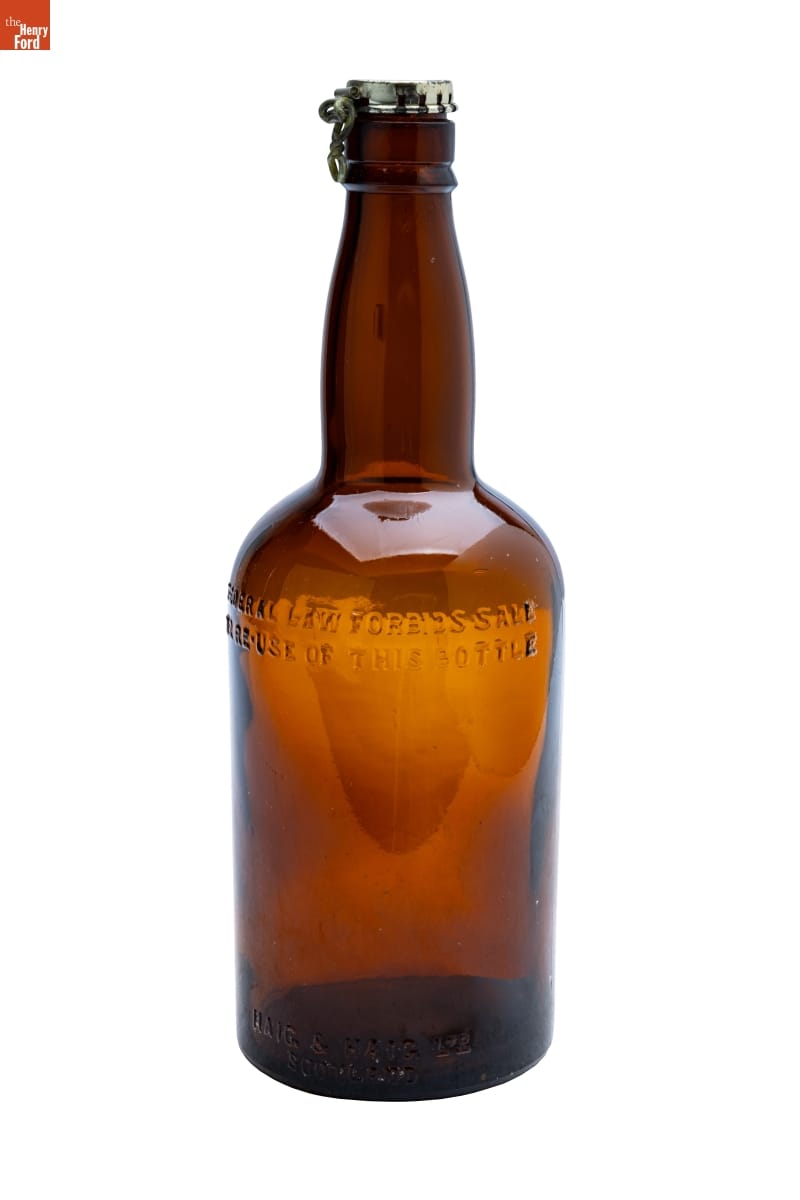
- Haig & Haig Ltd. Liquor Bottle -
- Collections - Artifact
Haig & Haig Ltd. Liquor Bottle
- "Dixie" Potato Bag, 1963-1967 -
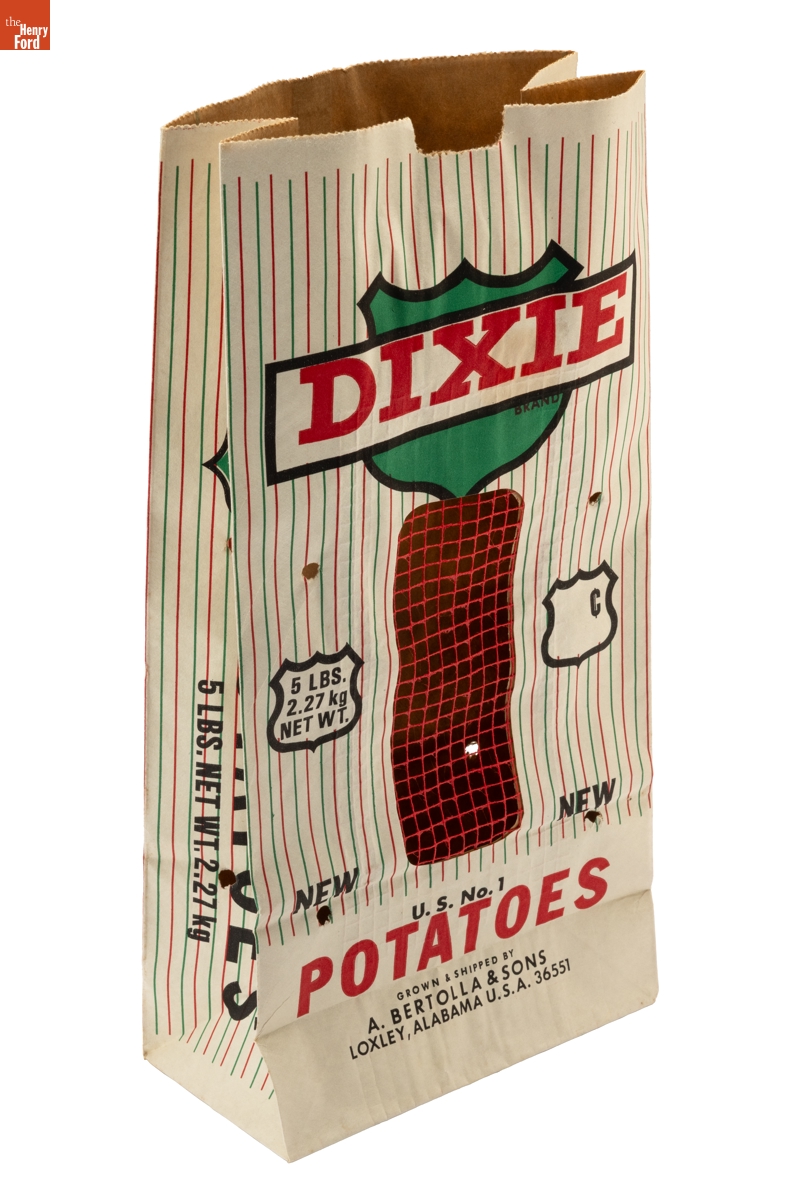
- 1963-1967
- Collections - Artifact
"Dixie" Potato Bag, 1963-1967
- "Dixie" Potato Bag, 1963-1967 -
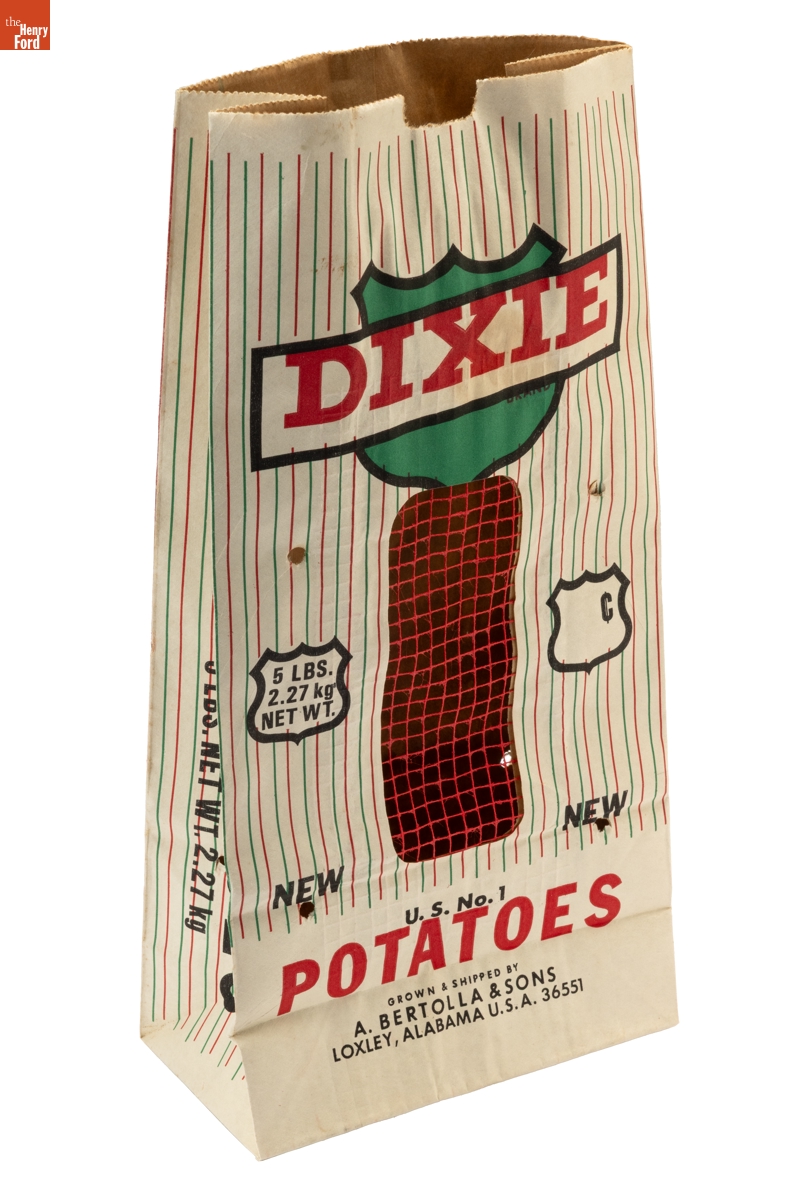
- 1963-1967
- Collections - Artifact
"Dixie" Potato Bag, 1963-1967
- Dixie Cups, circa 1971 -
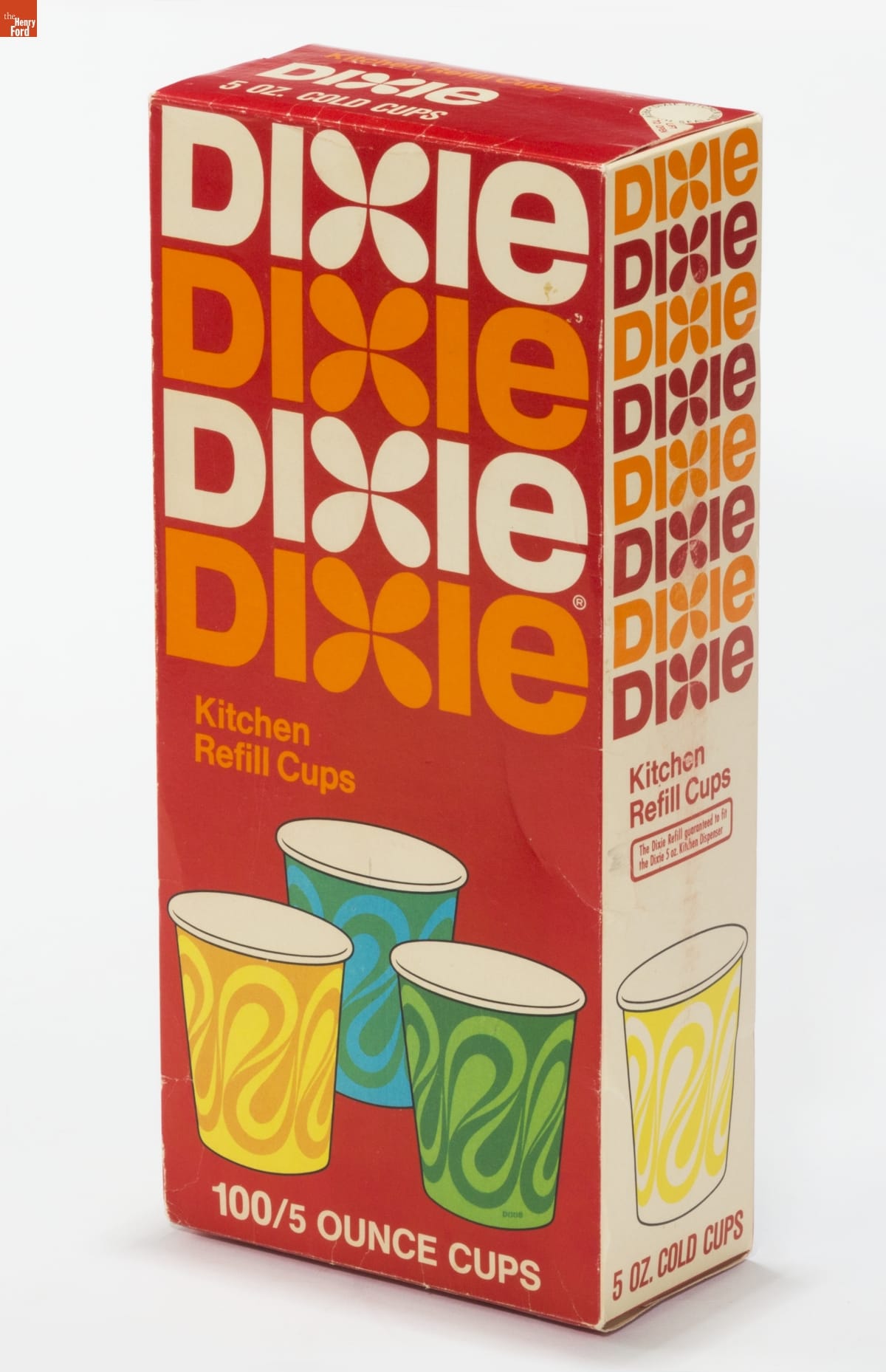
- circa 1971
- Collections - Artifact
Dixie Cups, circa 1971
- Box of Dixie Cups, circa 1965 -
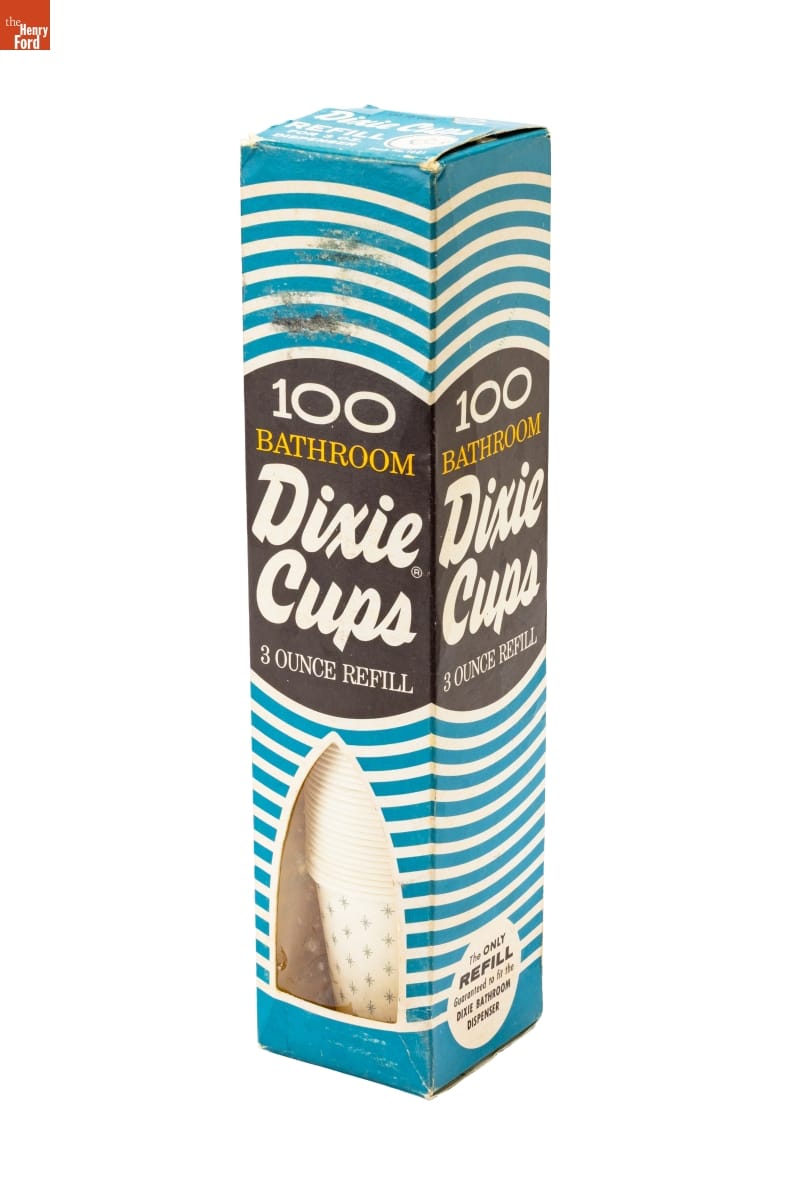
- circa 1965
- Collections - Artifact
Box of Dixie Cups, circa 1965
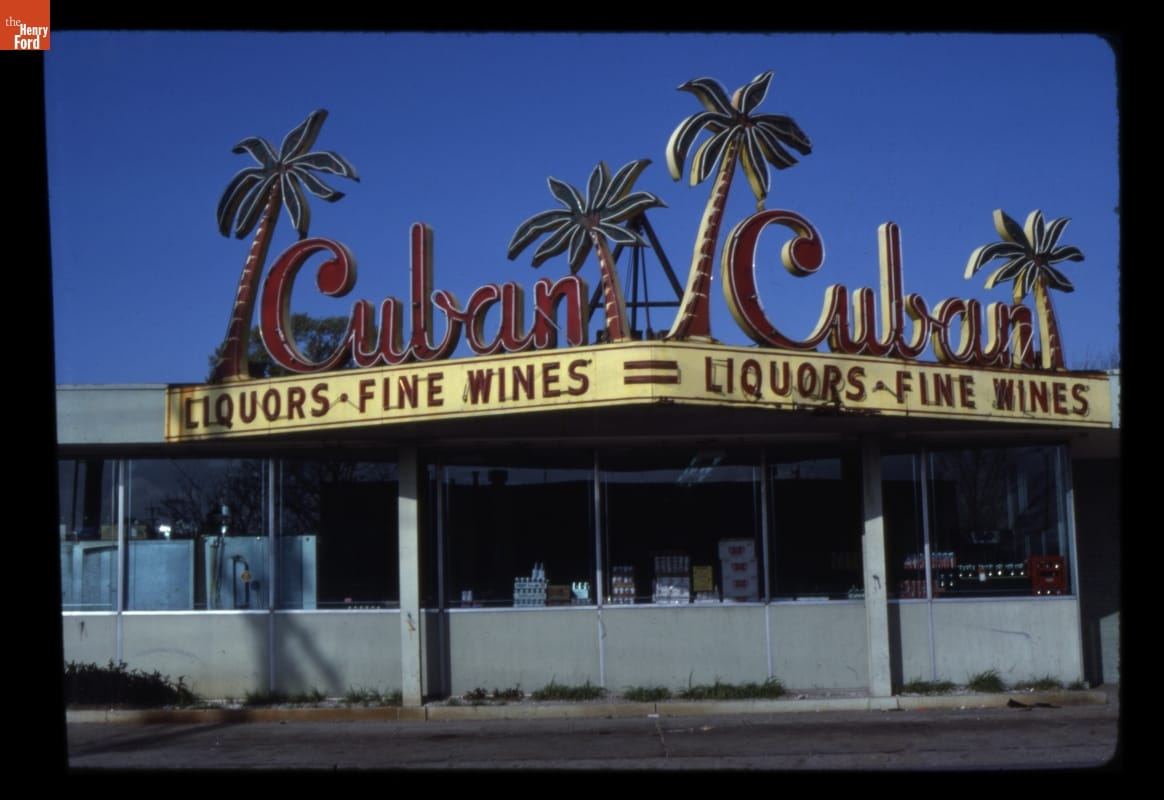
- Cuban Liquor, Baton Rouge, Louisiana, 1982 - In the mid-1970s, John Margolies began to assemble a visual record of America's built roadside landscape. Over the following three decades, he traveled thousands of miles to photograph the overlooked and often quickly vanishing structures that had grown out of American automobile culture and main street commerce. His photographs of hotels, motels, diners, service stations, drive-ins and attractions celebrate and capture a unique chapter of American history.
- 1982
- Collections - Artifact
Cuban Liquor, Baton Rouge, Louisiana, 1982
In the mid-1970s, John Margolies began to assemble a visual record of America's built roadside landscape. Over the following three decades, he traveled thousands of miles to photograph the overlooked and often quickly vanishing structures that had grown out of American automobile culture and main street commerce. His photographs of hotels, motels, diners, service stations, drive-ins and attractions celebrate and capture a unique chapter of American history.