
Search
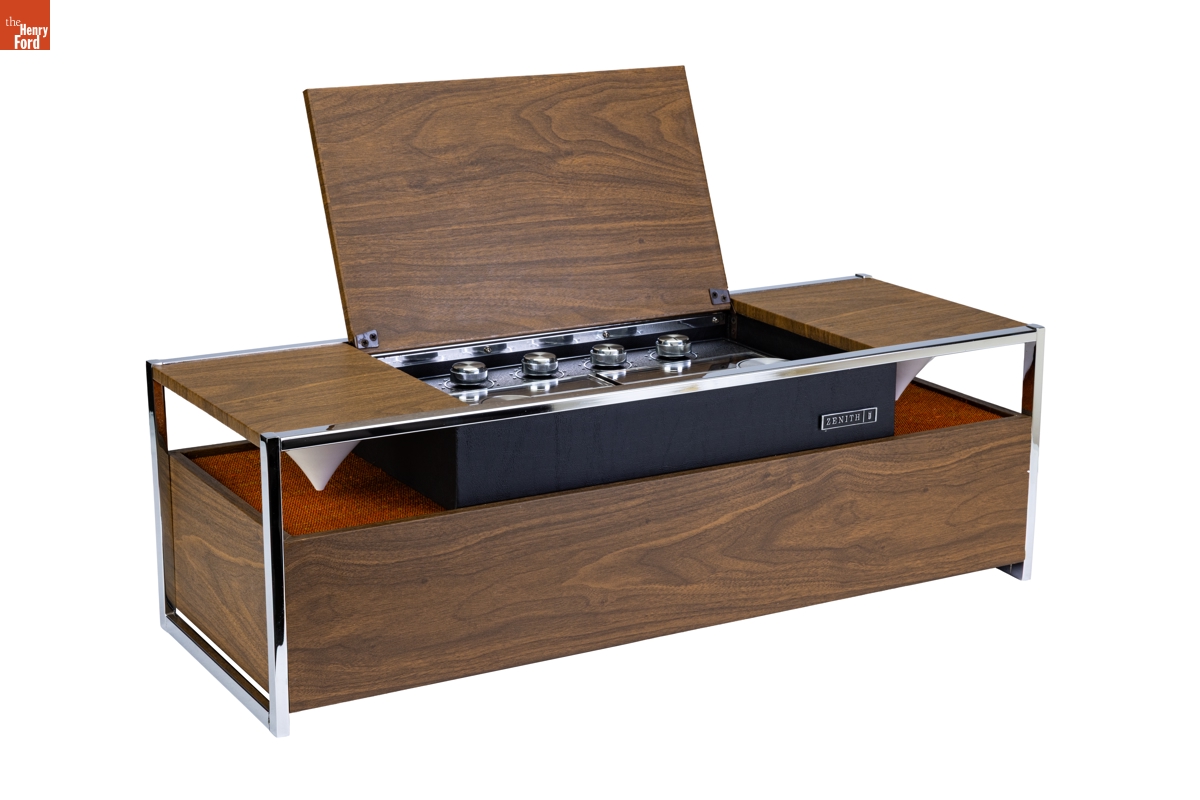
- Zenith Model Z448 AM/FM Stereo Radio -
- Collections - Artifact
Zenith Model Z448 AM/FM Stereo Radio
- Zenith Model Z448 AM/FM Stereo Radio -
- Collections - Artifact
Zenith Model Z448 AM/FM Stereo Radio
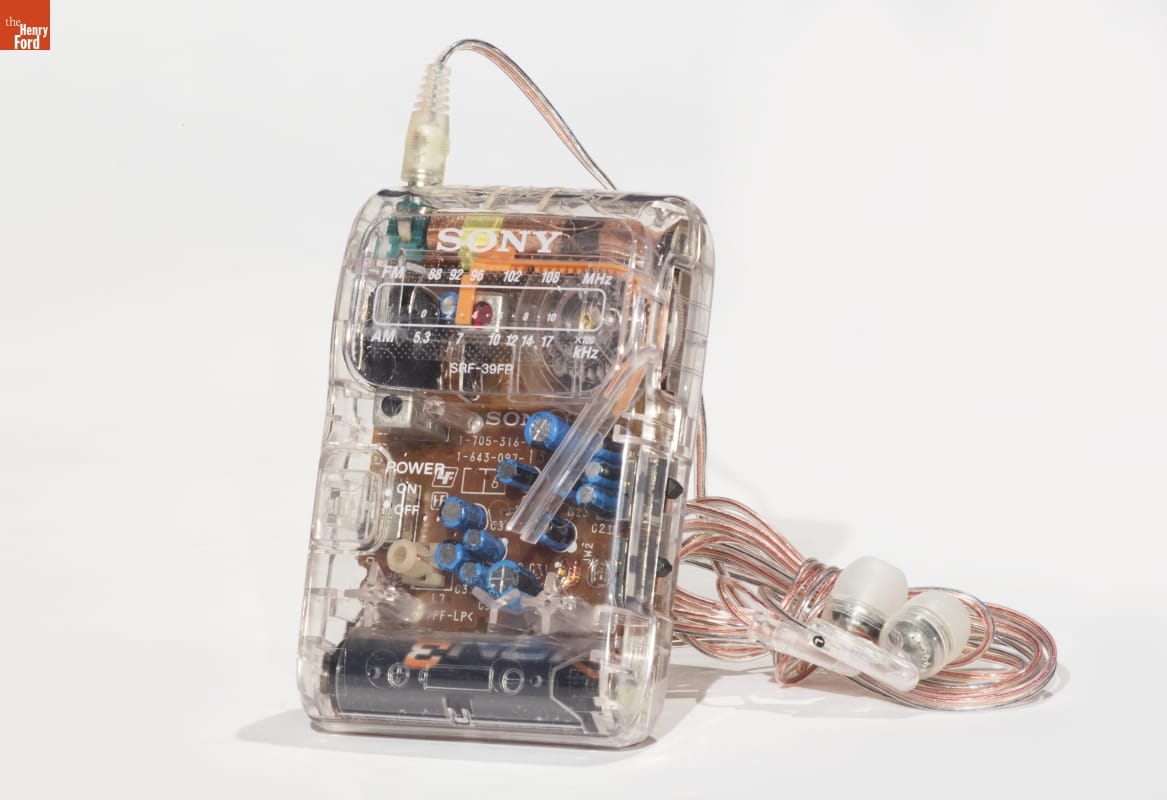
- Sony SRF-39FP AM/FM Prison Radio, circa 2000 - This AM/FM pocket radio is a popular audio player, used in US prisons. Its transparent case and headphones are designed to prevent the storage of contraband, making routine cellblock checks more efficient. Owning a radio in prison allows inmates to gain a sense of privacy, comfort, and personal agency, allowing them to follow news and entertainment from the outside world.
- circa 2000
- Collections - Artifact
Sony SRF-39FP AM/FM Prison Radio, circa 2000
This AM/FM pocket radio is a popular audio player, used in US prisons. Its transparent case and headphones are designed to prevent the storage of contraband, making routine cellblock checks more efficient. Owning a radio in prison allows inmates to gain a sense of privacy, comfort, and personal agency, allowing them to follow news and entertainment from the outside world.
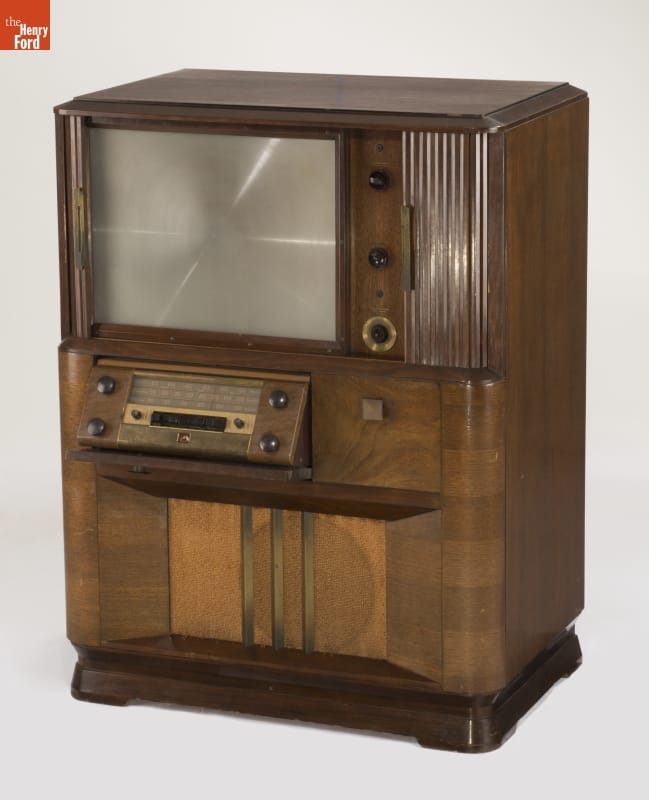
- RCA Projection Television with AM-FM Radio Receiver, Model 648PTK, 1946-1947 -
- 1946-1947
- Collections - Artifact
RCA Projection Television with AM-FM Radio Receiver, Model 648PTK, 1946-1947
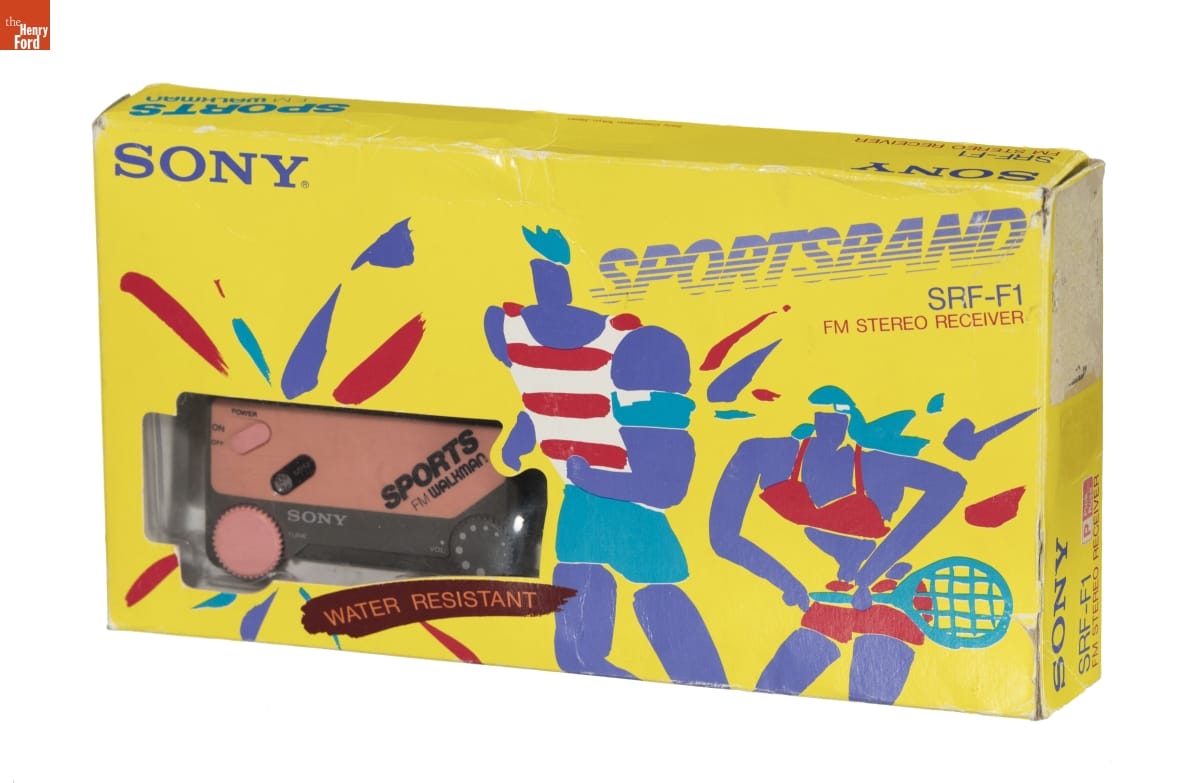
- Sony "Sportsband FM Stereo" Walkman, 1986 -
- 1986
- Collections - Artifact
Sony "Sportsband FM Stereo" Walkman, 1986
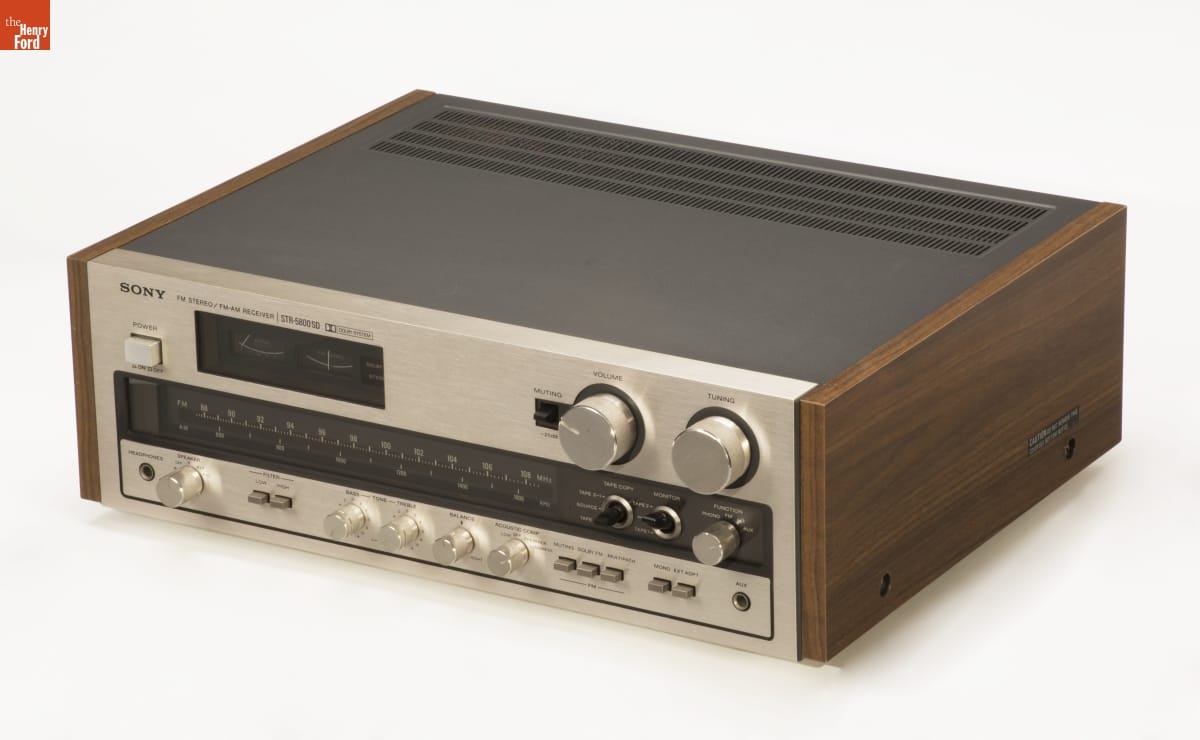
- Sony FM-AM Stereo Receiver, 1976 - This device is one part of a component stereo sound system. Component stereos were built up over time through the purchase of individual components that best suited the needs of a user: receiver-amplifiers, tape decks, speakers, turntables, and CD players. This model reflected changing trends in sound reproduction, allowing audiophiles to upgrade outdated or broken components as needed.
- 1976
- Collections - Artifact
Sony FM-AM Stereo Receiver, 1976
This device is one part of a component stereo sound system. Component stereos were built up over time through the purchase of individual components that best suited the needs of a user: receiver-amplifiers, tape decks, speakers, turntables, and CD players. This model reflected changing trends in sound reproduction, allowing audiophiles to upgrade outdated or broken components as needed.
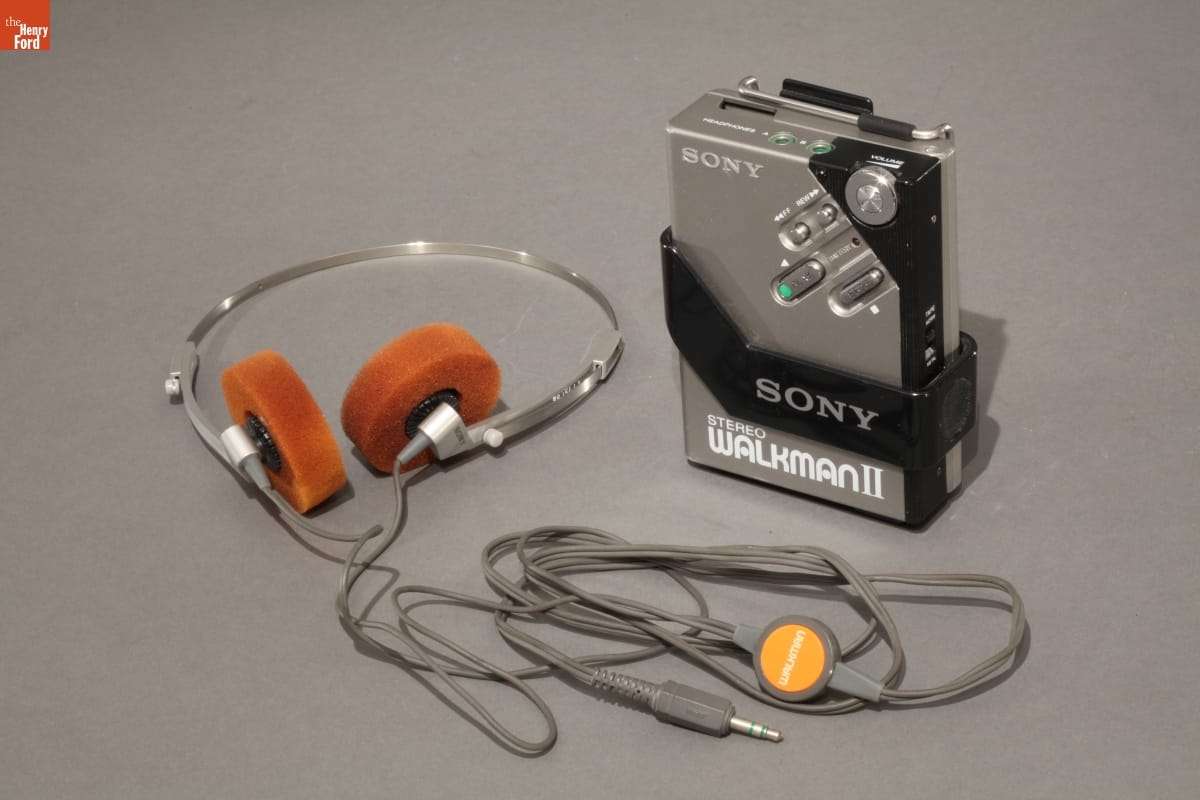
- Portable Music - Introduced in Japan in 1979 and in the US the following year, the Walkman allowed users to enjoy music while walking, exercising, or using public transport. It changed the way people enjoy music--providing a private experience in the midst of everyday life--encouraging a trend that escalated with the development of the iPod and other digital music players.
- April 25, 2017
- Collections - Set
Portable Music
Introduced in Japan in 1979 and in the US the following year, the Walkman allowed users to enjoy music while walking, exercising, or using public transport. It changed the way people enjoy music--providing a private experience in the midst of everyday life--encouraging a trend that escalated with the development of the iPod and other digital music players.
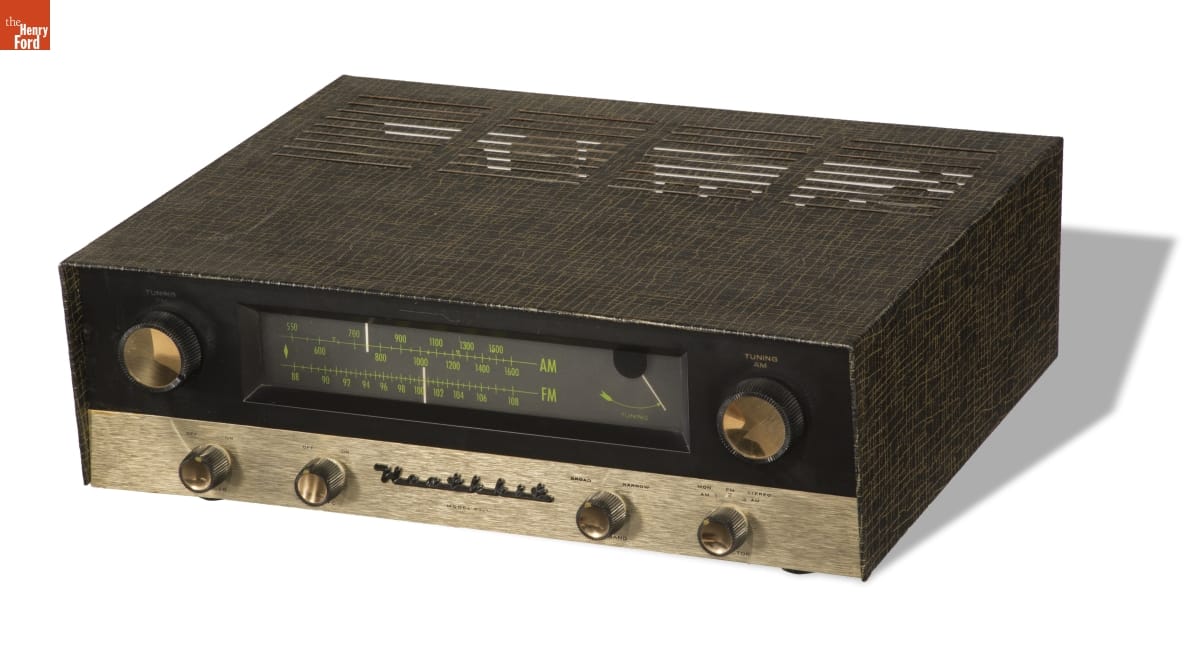
- Heathkit PT-1 AM/FM Stereo Tuner, circa 1959 - The Heath Company was founded in the 1920s as a "do-it-yourself" electronics kit provider. "Heathkits" provided simple, accessible instructions understandable to amateurs and experts alike. As hobbyists built radios, televisions, and computers from scratch, they gained electronics skills. These kits were not novelties, but emphasized access to affordable, advanced, high-performance technology. Parallels easily be seen within present-day "Maker" culture.
- circa 1959
- Collections - Artifact
Heathkit PT-1 AM/FM Stereo Tuner, circa 1959
The Heath Company was founded in the 1920s as a "do-it-yourself" electronics kit provider. "Heathkits" provided simple, accessible instructions understandable to amateurs and experts alike. As hobbyists built radios, televisions, and computers from scratch, they gained electronics skills. These kits were not novelties, but emphasized access to affordable, advanced, high-performance technology. Parallels easily be seen within present-day "Maker" culture.
- 1914 Fruehauf Truck Trailer - In 1914 Detroit blacksmith August Fruehauf devised a simple single axle trailer for lumber dealer Frederic Sibley. Hooked to a modified Ford Model T, it carried Sibley's boat on vacation trips. Sibley then had Fruehauf modify the trailer for hauling lumber. This "semi-trailer," as Fruehauf called it, is the ancestor of trailers carrying freight all over American roads today.

- 1914
- Collections - Artifact
1914 Fruehauf Truck Trailer
In 1914 Detroit blacksmith August Fruehauf devised a simple single axle trailer for lumber dealer Frederic Sibley. Hooked to a modified Ford Model T, it carried Sibley's boat on vacation trips. Sibley then had Fruehauf modify the trailer for hauling lumber. This "semi-trailer," as Fruehauf called it, is the ancestor of trailers carrying freight all over American roads today.
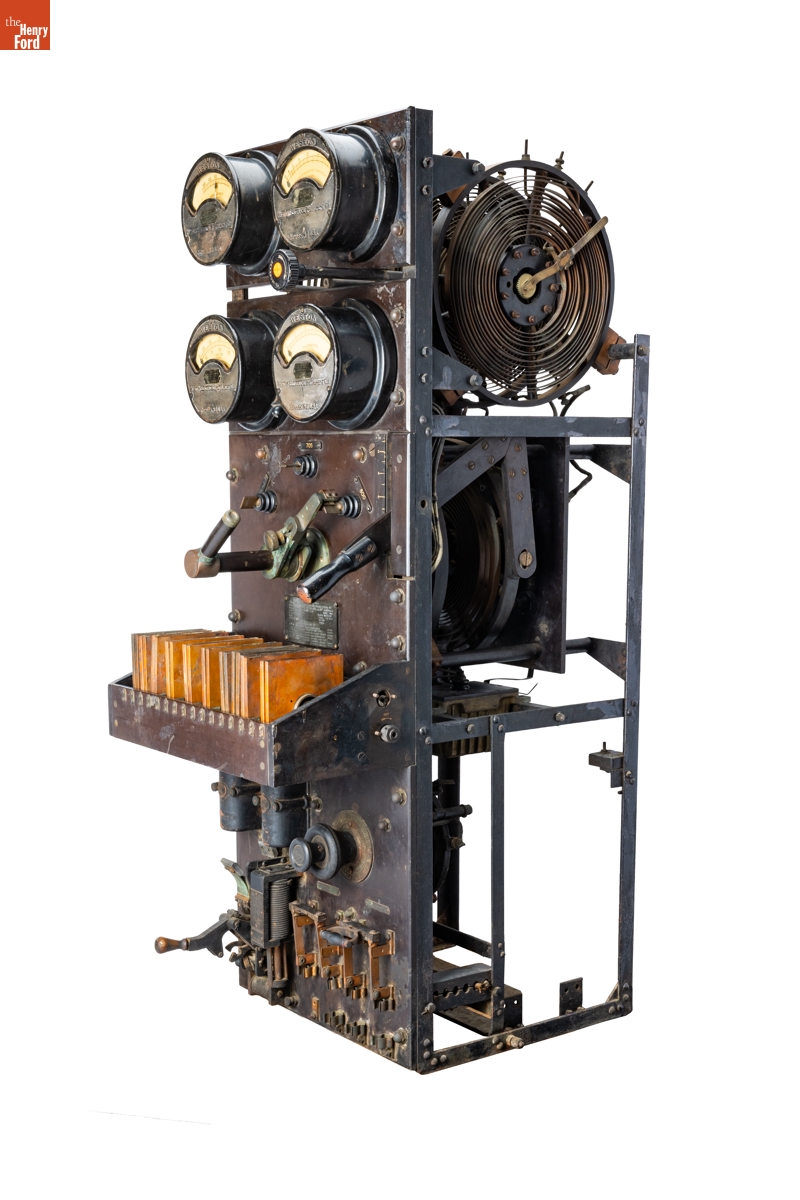
- Radio Transmitter -
- Collections - Artifact
Radio Transmitter