
First Portable Superheterodyne Radio Receiver, Made by Edwin Howard Armstrong, 1923
THF156549 / First Portable Superheterodyne Radio Receiver, Made by Edwin Howard Armstrong, 1923
01
Artifact Overview
Edwin H. Armstrong was a pioneer of radio engineering, credited as the inventor of FM radio. In 1918 he filed a patent for the superheterodyne radio circuit. This technology increased the sensitivity and selectivity of radio receivers. The radio depicted is the first portable superheterodyne radio receiver ever made. Armstrong gave it to his wife, Marion, on their 1923 honeymoon.
Artifact Details
Artifact
Radio receiver
Date Made
1923
Location
Not on exhibit to the public.
Object ID
67.52.1
Credit
From the Collections of The Henry Ford. Gift of Marion Armstrong.
Material
Bakelite (TM)
Batting
Glass (Material)
Leather
Rubber (Material)
Textile fabrics
Wood (Plant material)
Dimensions
Height: 16 in
Width: 7.5 in
Length: 25.5 in
Diameter: 12 in (horn)
Keywords |
|---|
02
Related Content

Set
Communications and Information Technology
- 50 Artifacts
This is one of the first 50 Apple 1 computers. Apple 1s were the first pre-assembled personal computers; Steve Wozniak assembled this one in Steve Jobs's family home. Before the release of the Apple 1, owning a personal computer meant building it yourself. Wozniak's refined engineering skills, coupled with Jobs's bold marketing abilities, led to a revolutionary and affordable product--as well as a successful company.

Set
Celebrating 90 — Collecting through the Decades: 1960s
- 8 Artifacts
The Henry Ford marks its 90th anniversary in 2019. In celebration, The Henry Ford's curators have taken a decade-by-decade look at how our collections have grown — through significant additions and evolving philosophies. This set looks at some of the objects and archives collected during the 1960s.

Set
Top Twenty: IMLS Communications Grant
- 20 Artifacts
A group of exceptional communications artifacts, conserved and digitized through a 2013-2015 grant from the Institute of Museum and Library Services.
Set
Heroes of Radio and Television at The Henry Ford
- 12 Artifacts
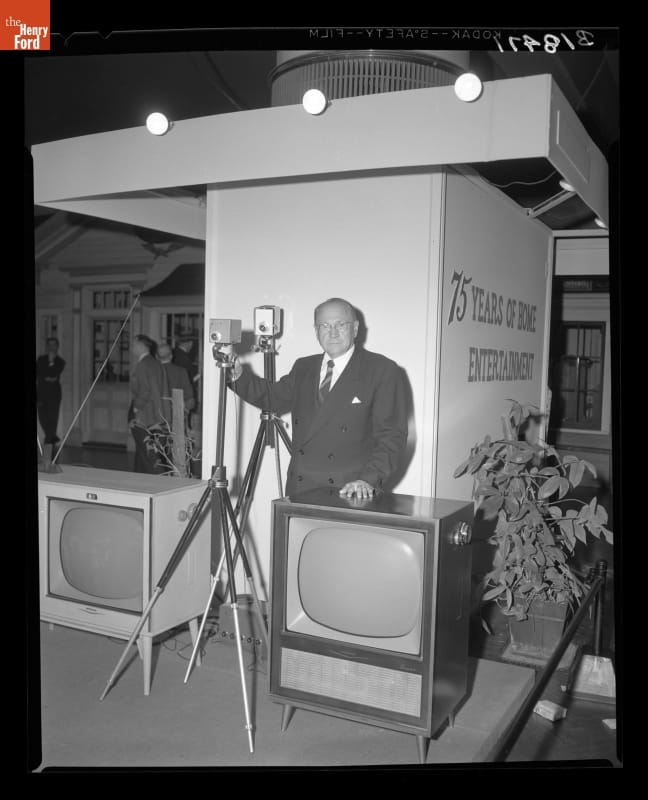
Vladimir Zworykin was an early pioneer of television development, employed by Westinghouse and the Radio Corporation of America. Zworykin's iconoscope and kinescope picture tubes were breakthroughs in television history. Together they allowed electronic television to become a viable technology. Zworykin also headed the creation of the electron microscope and infrared tubes used in night vision "sniperscopes" during WWII.
Set
Portable Music
- 18 Artifacts
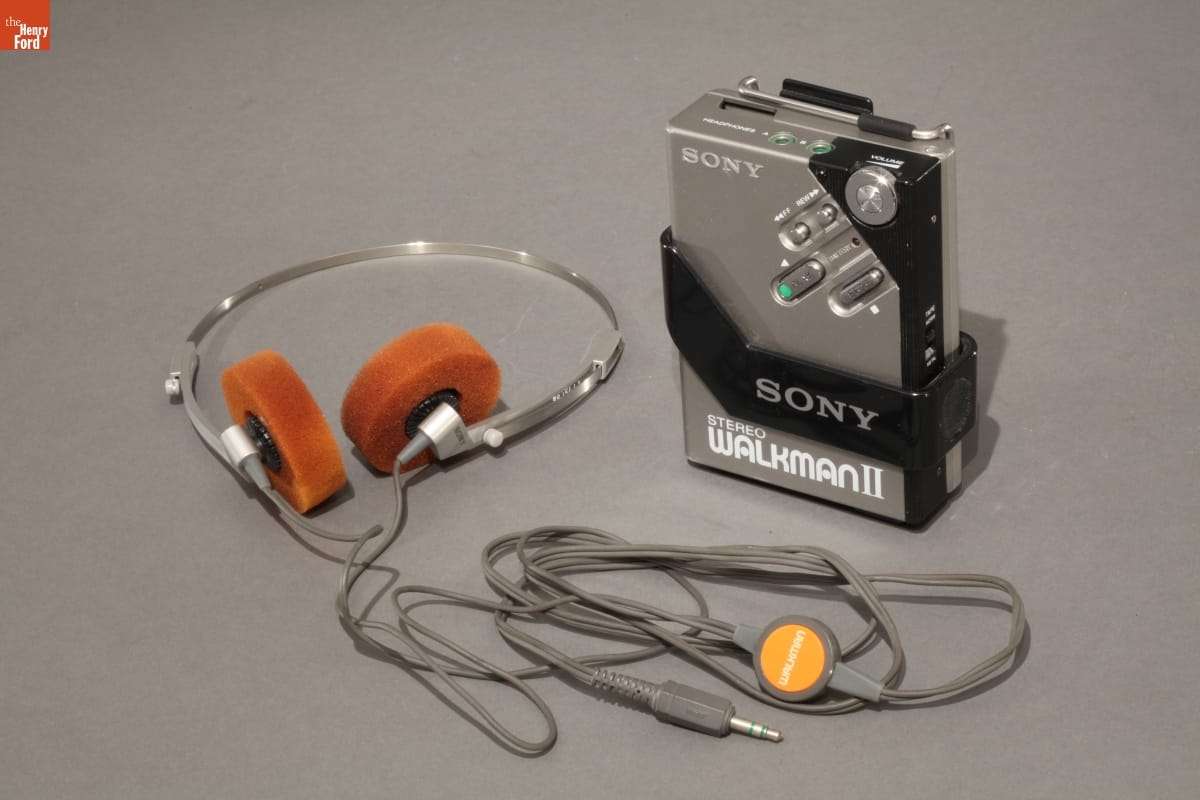
Introduced in Japan in 1979 and in the US the following year, the Walkman allowed users to enjoy music while walking, exercising, or using public transport. It changed the way people enjoy music--providing a private experience in the midst of everyday life--encouraging a trend that escalated with the development of the iPod and other digital music players.
Set
Featured on The Henry Ford's Innovation Nation: Season 3
- 26 Artifacts
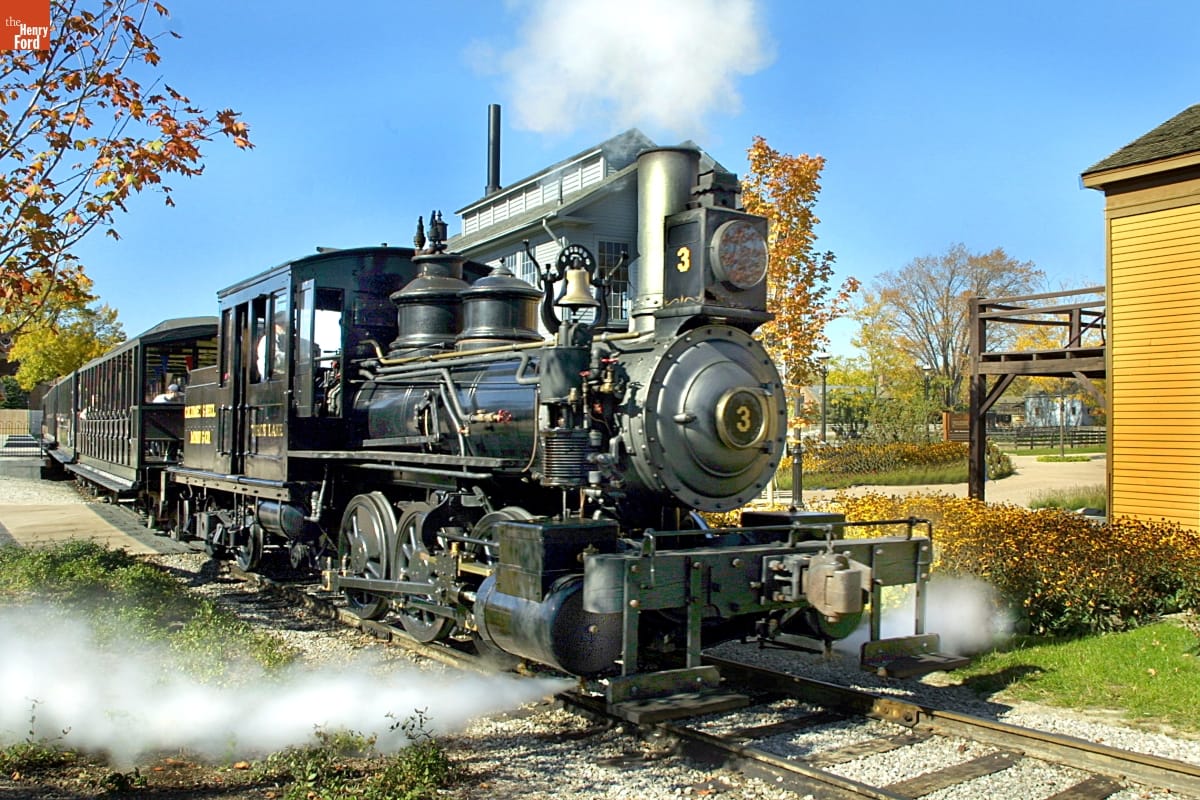
Torch Lake, built by Mason Machine Works in 1873, hauled ore for the Calumet and Hecla Mining Company on Michigan's Keweenaw Peninsula. The engine is an articulated design. The driving wheels pivot under the boiler, allowing the locomotive to handle sharp curves. Torch Lake joined The Henry Ford's collection in 1969.

article
Celebrating Ninety: Collecting in the 1960s
We're celebrating our 90th birthday by looking, decade by decade, at significant additions to our collection. During the 1960s, we acquired Mustang Serial Number One, the first portable superheterodyne radio receiver, and the Torch Lake steam train.

article
A Radio for the Beach
The world’s first portable “superhet” radio receiver was created in 1923 by Edwin Howard Armstrong—an inventor and pioneering electrical engineer.