
Search
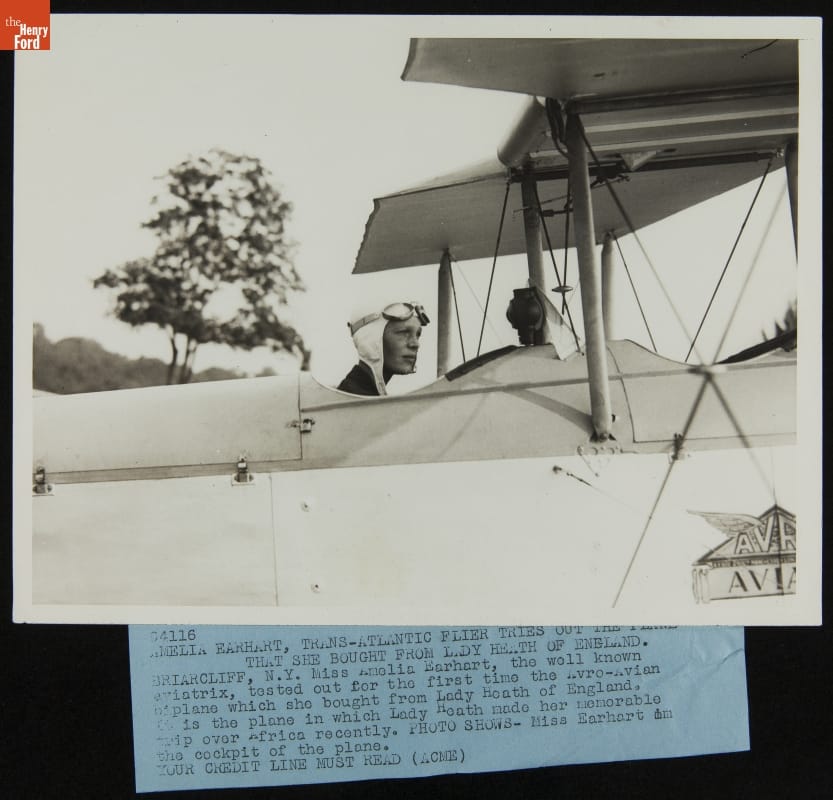
- Pioneering Female Aviators - World-renowned Irish pilot Mary, Lady Heath, was an inspiration to Amelia Earhart. After Lady Heath took Earhart for a flight in her Avro Avian biplane, which Heath had flown solo from South Africa to Great Britain, Earhart was so impressed that she bought the aircraft and shipped it back to the United States. Soon Earhart's own fame eclipsed Lady Heath's.
- September 26, 2016
- Collections - Set
Pioneering Female Aviators
World-renowned Irish pilot Mary, Lady Heath, was an inspiration to Amelia Earhart. After Lady Heath took Earhart for a flight in her Avro Avian biplane, which Heath had flown solo from South Africa to Great Britain, Earhart was so impressed that she bought the aircraft and shipped it back to the United States. Soon Earhart's own fame eclipsed Lady Heath's.
- Burroughs Female Basketball Team, 1909-1910 -
- 1909-1910
- Collections - Artifact
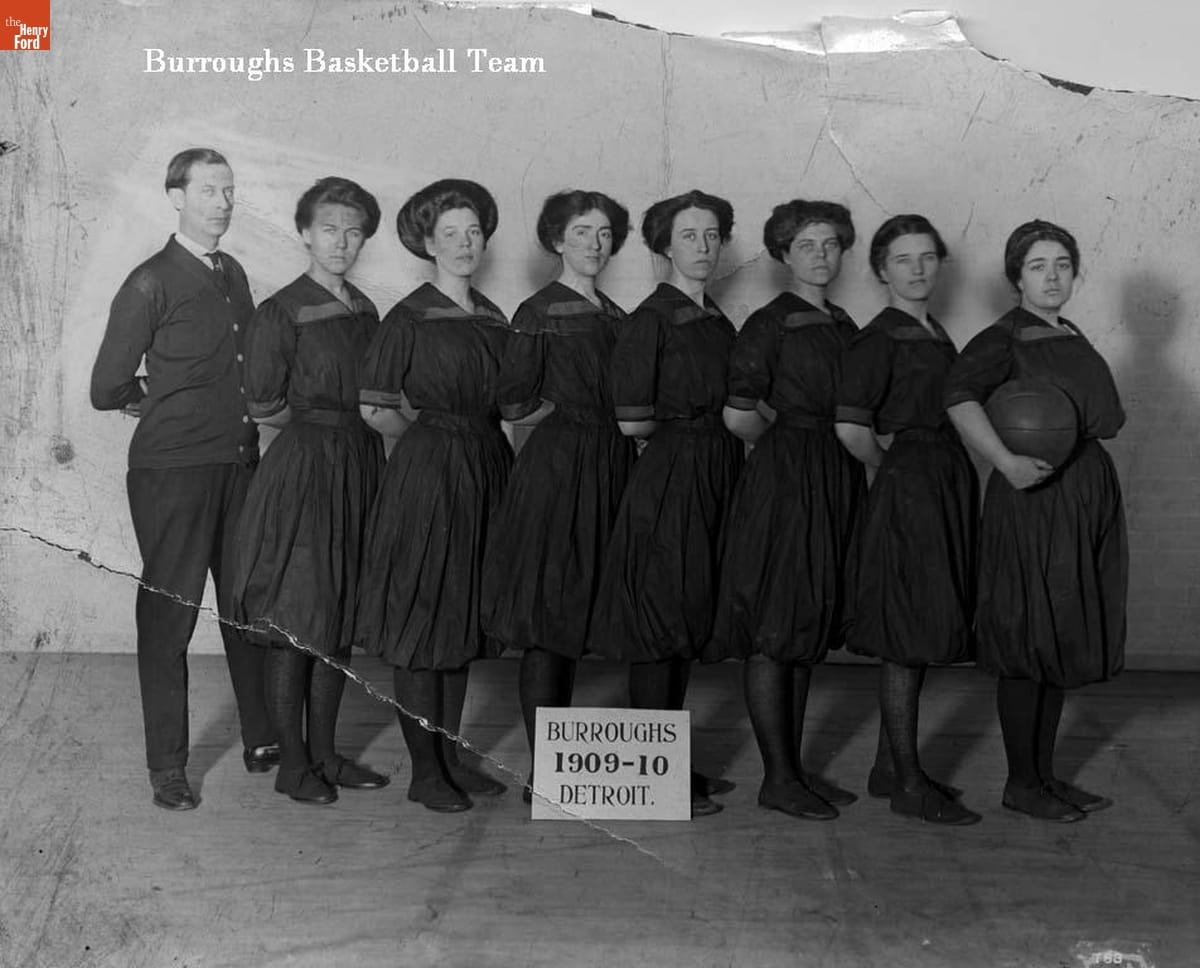
Burroughs Female Basketball Team, 1909-1910
- Music Sheet, "Female Suffrage," 1867 - Music rallied support around the long fight for women's suffrage, or equal voting rights. This piece of sheet music was dedicated to four early suffragists: Elizabeth Cady Stanton and Susan B. Anthony, who formed the National Woman Suffrage Association; George Francis Train, who financed the group's monthly publication, <EM>The Revolution</EM>; and Lucy Stone, who launched the <EM>Woman's Journal</EM>, another women's rights newspaper.
- 1867
- Collections - Artifact
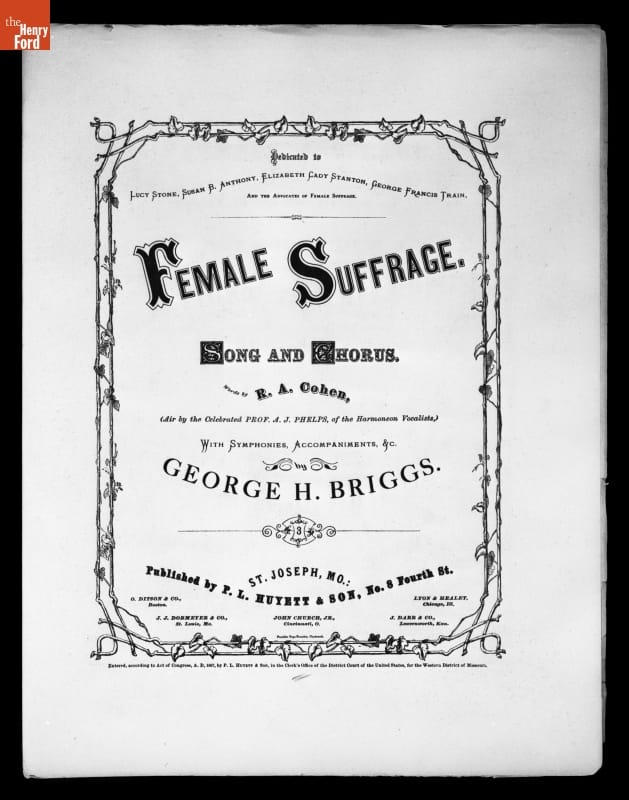
Music Sheet, "Female Suffrage," 1867
Music rallied support around the long fight for women's suffrage, or equal voting rights. This piece of sheet music was dedicated to four early suffragists: Elizabeth Cady Stanton and Susan B. Anthony, who formed the National Woman Suffrage Association; George Francis Train, who financed the group's monthly publication, The Revolution; and Lucy Stone, who launched the Woman's Journal, another women's rights newspaper.
- Female Opera Singer. circa 1875 - Photographer Fritz Luckhardt (1843-1894) was a meticulous craftsman in his vocation. The German-born photographer moved to Vienna, Austria, in 1865 and opened a studio two years later. He specialized in portrait photography, especially for celebrities and artists, establishing himself as the premier society photographer in the city.
- circa 1875
- Collections - Artifact
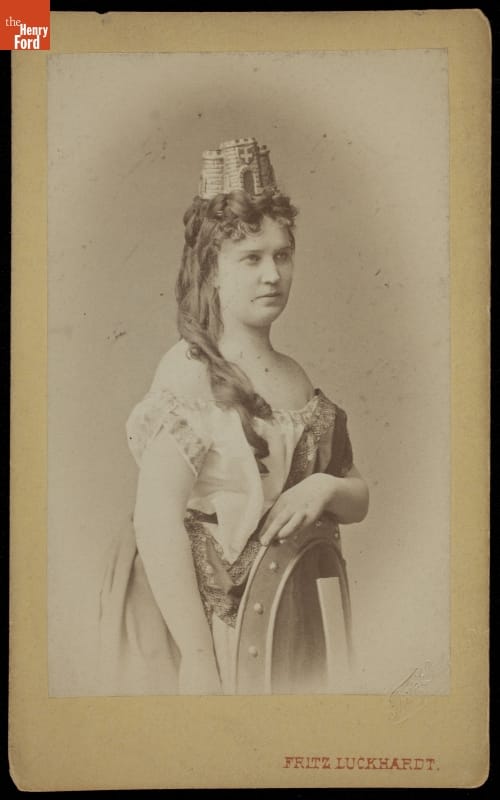
Female Opera Singer. circa 1875
Photographer Fritz Luckhardt (1843-1894) was a meticulous craftsman in his vocation. The German-born photographer moved to Vienna, Austria, in 1865 and opened a studio two years later. He specialized in portrait photography, especially for celebrities and artists, establishing himself as the premier society photographer in the city.
- "Jewish Female Power" Button, circa 1970 -

- circa 1970
- Collections - Artifact
"Jewish Female Power" Button, circa 1970
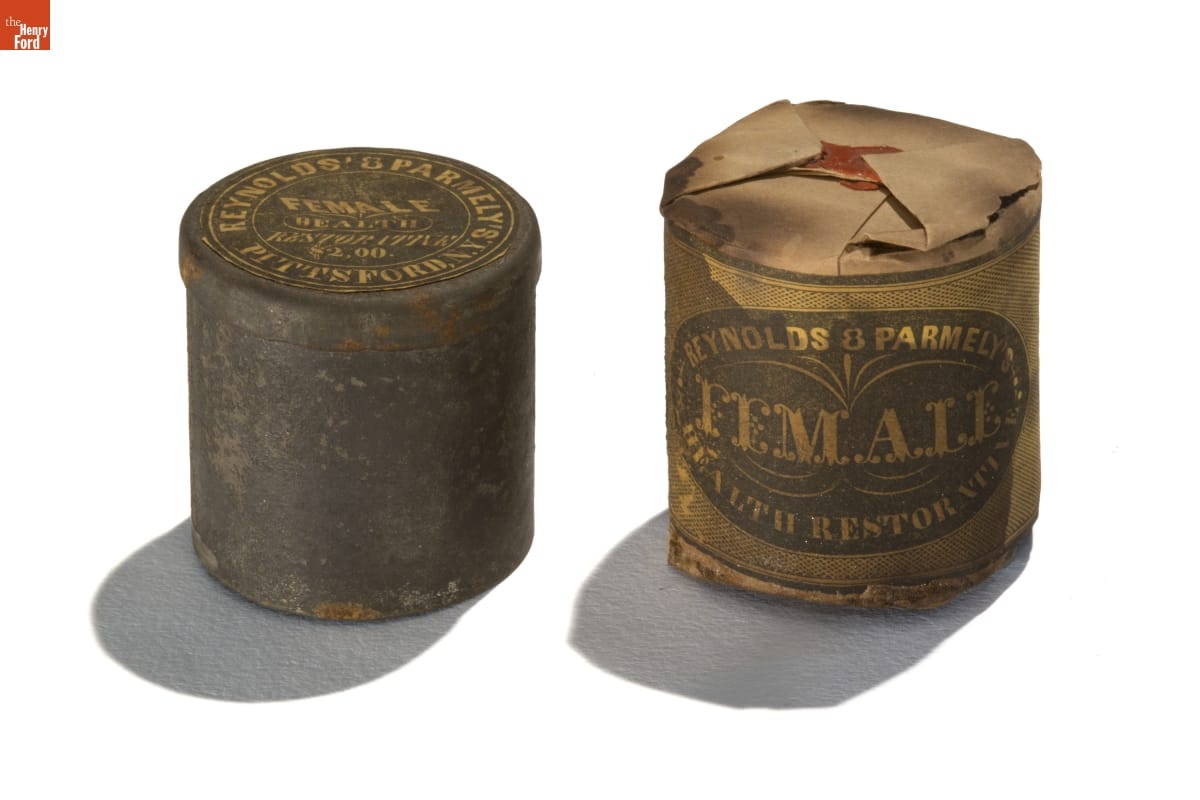
- Reynold's & Parmely's Female Health Restorative, 1839-1870 - Nineteenth-century entrepreneurs promised cures with patent medicines. Some of these concoctions, however, contained harmful ingredients or ingredients used in unsafe quantities -- the industry was unregulated and manufacturers were secretive about their recipes. Beginning with the Pure Food and Drug Act of 1906, national legislation increasingly prohibited misleading health claims and required manufacturers to list their product's contents.
- 1839-1870
- Collections - Artifact
Reynold's & Parmely's Female Health Restorative, 1839-1870
Nineteenth-century entrepreneurs promised cures with patent medicines. Some of these concoctions, however, contained harmful ingredients or ingredients used in unsafe quantities -- the industry was unregulated and manufacturers were secretive about their recipes. Beginning with the Pure Food and Drug Act of 1906, national legislation increasingly prohibited misleading health claims and required manufacturers to list their product's contents.
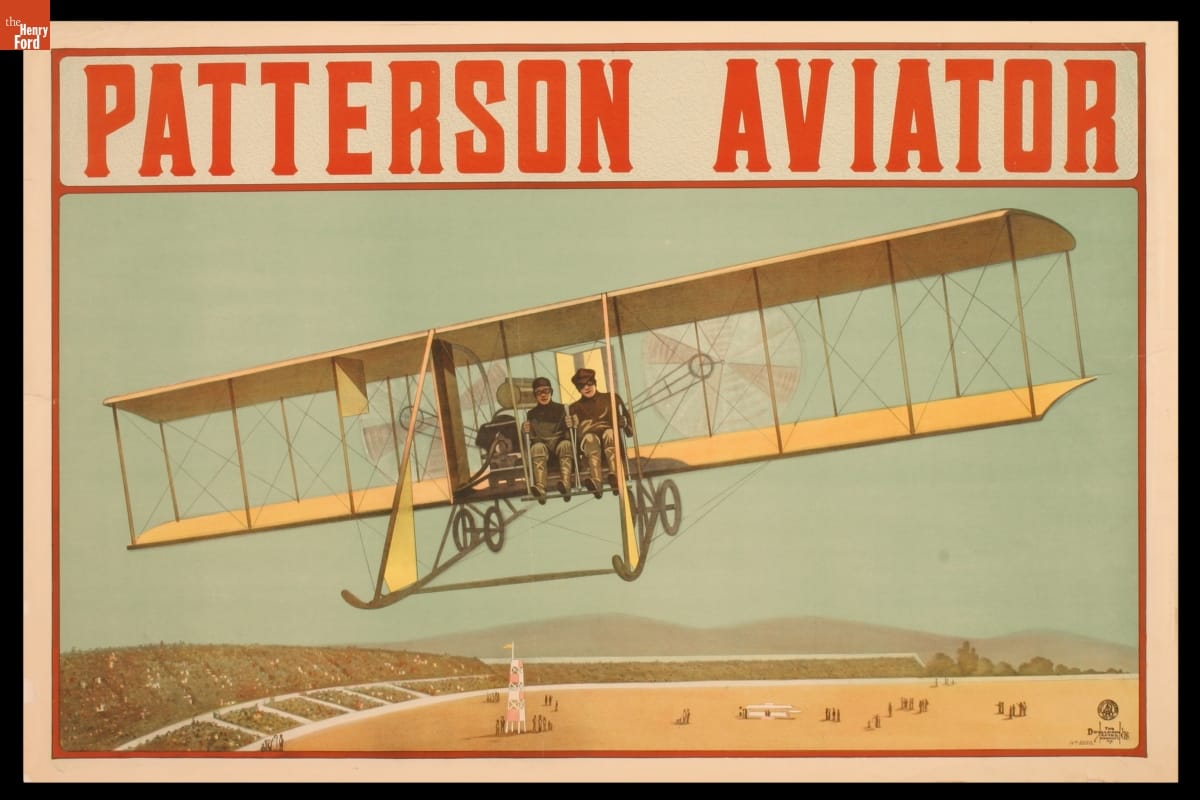
- Advertising Poster, "Patterson Aviator," 1915-1916 - In the late nineteenth century, printers developed a lithograph method that produced brightly colored posters. Manufacturers quickly adopted the new poster style to advertise their products. This poster promotes the aerial entertainment services of the Patterson Aviators of Detroit, Michigan, in the 1910s. It shows the Wright brothers' Model B biplane which aviators often purchased for performing aerial exhibitions.
- 1914-1915
- Collections - Artifact
Advertising Poster, "Patterson Aviator," 1915-1916
In the late nineteenth century, printers developed a lithograph method that produced brightly colored posters. Manufacturers quickly adopted the new poster style to advertise their products. This poster promotes the aerial entertainment services of the Patterson Aviators of Detroit, Michigan, in the 1910s. It shows the Wright brothers' Model B biplane which aviators often purchased for performing aerial exhibitions.
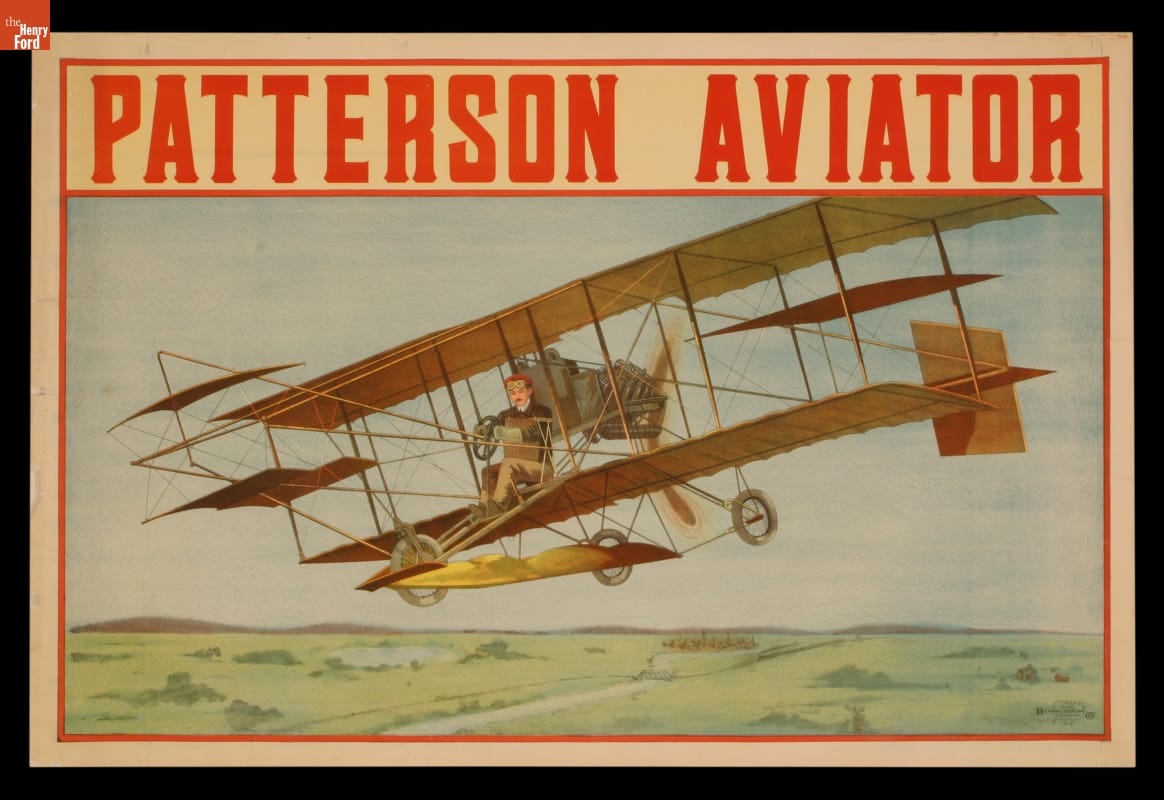
- Advertising Poster, "Patterson Aviator," 1915-1916 - Buyers for early airplanes were few and far between, but there was no shortage of people willing to pay to watch "birdmen" fly. Many pioneering manufacturers formed exhibition teams. These teams traveled the country and staged elaborate shows, filled with daredevil stunts, for paying audiences. It was dangerous work, but it brought considerable publicity to the budding aviation industry.
- 1915-1916
- Collections - Artifact
Advertising Poster, "Patterson Aviator," 1915-1916
Buyers for early airplanes were few and far between, but there was no shortage of people willing to pay to watch "birdmen" fly. Many pioneering manufacturers formed exhibition teams. These teams traveled the country and staged elaborate shows, filled with daredevil stunts, for paying audiences. It was dangerous work, but it brought considerable publicity to the budding aviation industry.
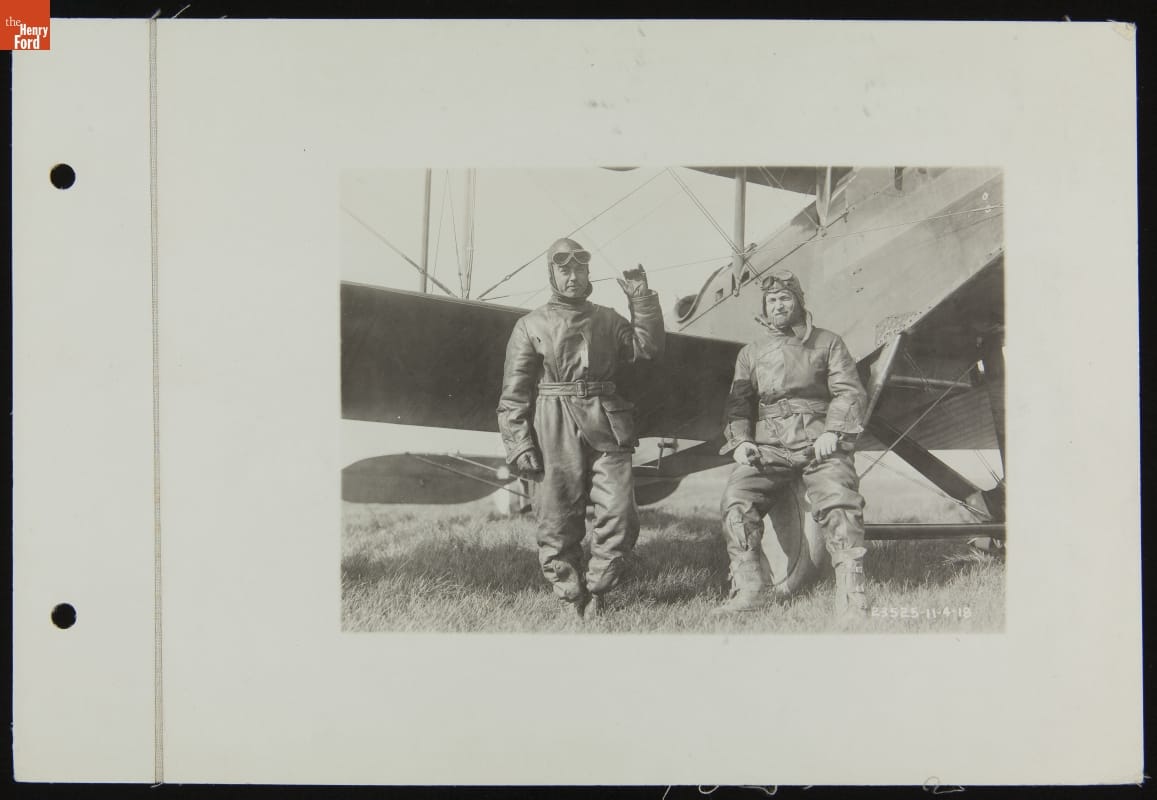
- Lt. Vincent and Lt. Col. Harnbly, Aviators, November 1918 -
- November 04, 1918
- Collections - Artifact
Lt. Vincent and Lt. Col. Harnbly, Aviators, November 1918
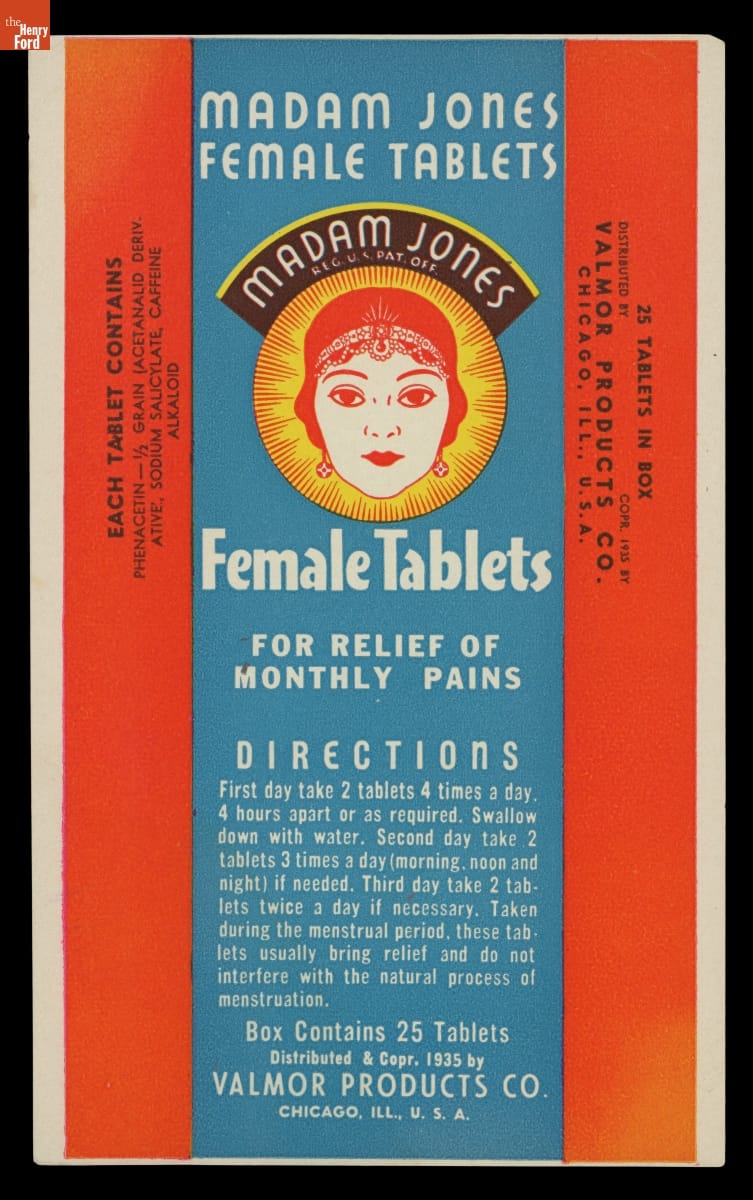
- Product Label for Madam Jones Female Tablets, 1935 - Valmor Products Company, founded in the mid-1920s, sold beauty products to Black Americans. The company's product packaging was designed by Charles Dawson, a successful Black commercial artist whose illustrations of attractive modern Black Americans contributed to a burgeoning culture of positive Black identity. But the company's legacy is complicated--many of its products pushed a white assimilatory ideal, promising effects like skin lightening.
- 1935
- Collections - Artifact
Product Label for Madam Jones Female Tablets, 1935
Valmor Products Company, founded in the mid-1920s, sold beauty products to Black Americans. The company's product packaging was designed by Charles Dawson, a successful Black commercial artist whose illustrations of attractive modern Black Americans contributed to a burgeoning culture of positive Black identity. But the company's legacy is complicated--many of its products pushed a white assimilatory ideal, promising effects like skin lightening.