
Search
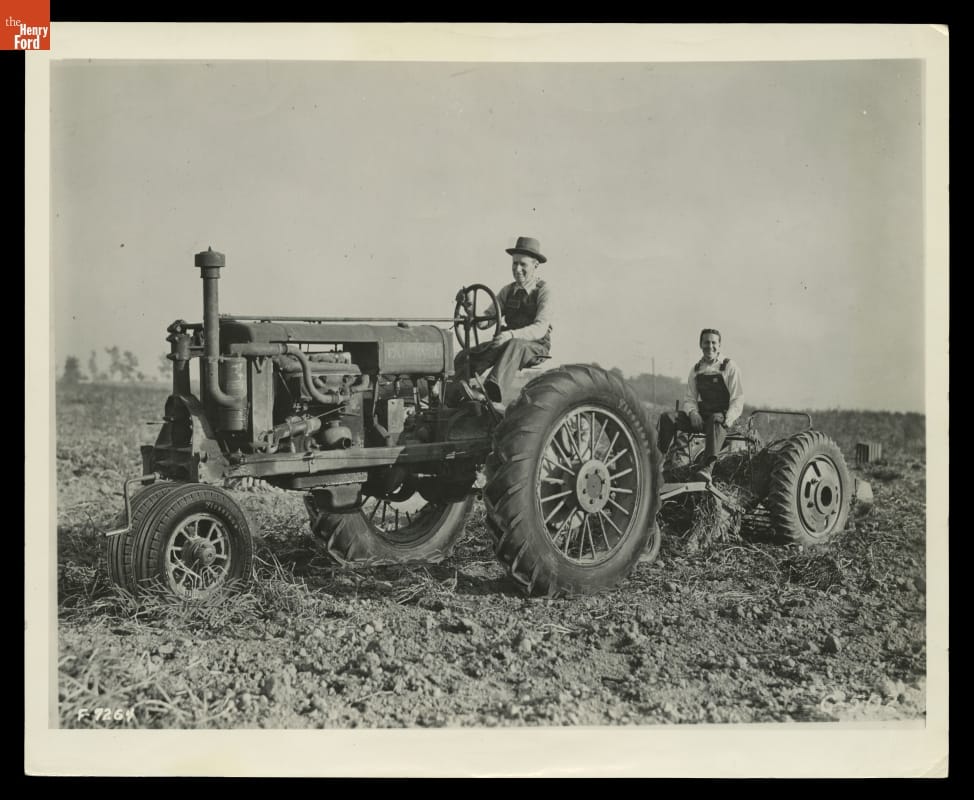
- Harvey Firestone and Son Leonard Firestone at Firestone Farm, Columbiana County, Ohio, 1935 -
- 1935
- Collections - Artifact
Harvey Firestone and Son Leonard Firestone at Firestone Farm, Columbiana County, Ohio, 1935
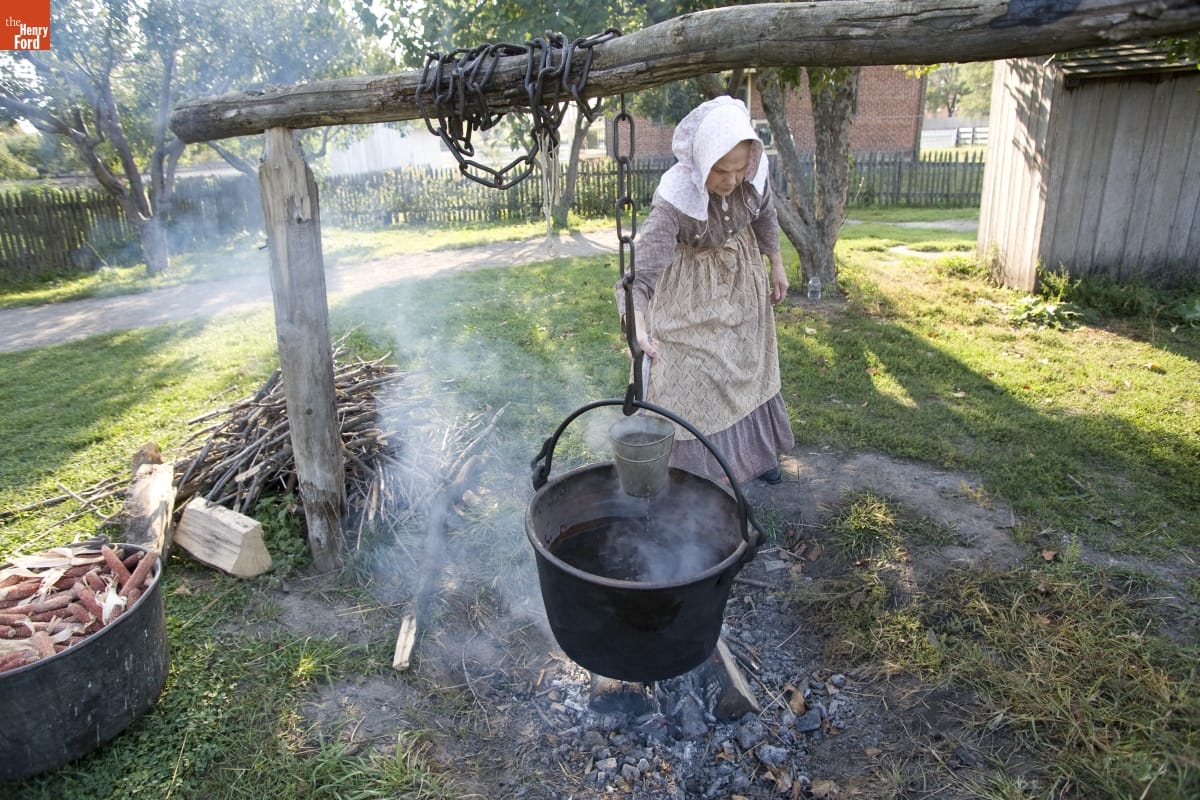
- Firestone Farm in Greenfield Village, September 2007 - "Living history" demonstrations at Firestone Farm in Greenfield Village re-create what life was like on the Ohio farm of Benjamin and Catherine Firestone, in 1885. Historical presenters in period clothing, seen in this image from 2007, perform various chores, such as washing clothes by hand using washboards and lots of hot water. These activities show visitors the work involved to keep the farm running.
- September 01, 2007
- Collections - Artifact
Firestone Farm in Greenfield Village, September 2007
"Living history" demonstrations at Firestone Farm in Greenfield Village re-create what life was like on the Ohio farm of Benjamin and Catherine Firestone, in 1885. Historical presenters in period clothing, seen in this image from 2007, perform various chores, such as washing clothes by hand using washboards and lots of hot water. These activities show visitors the work involved to keep the farm running.
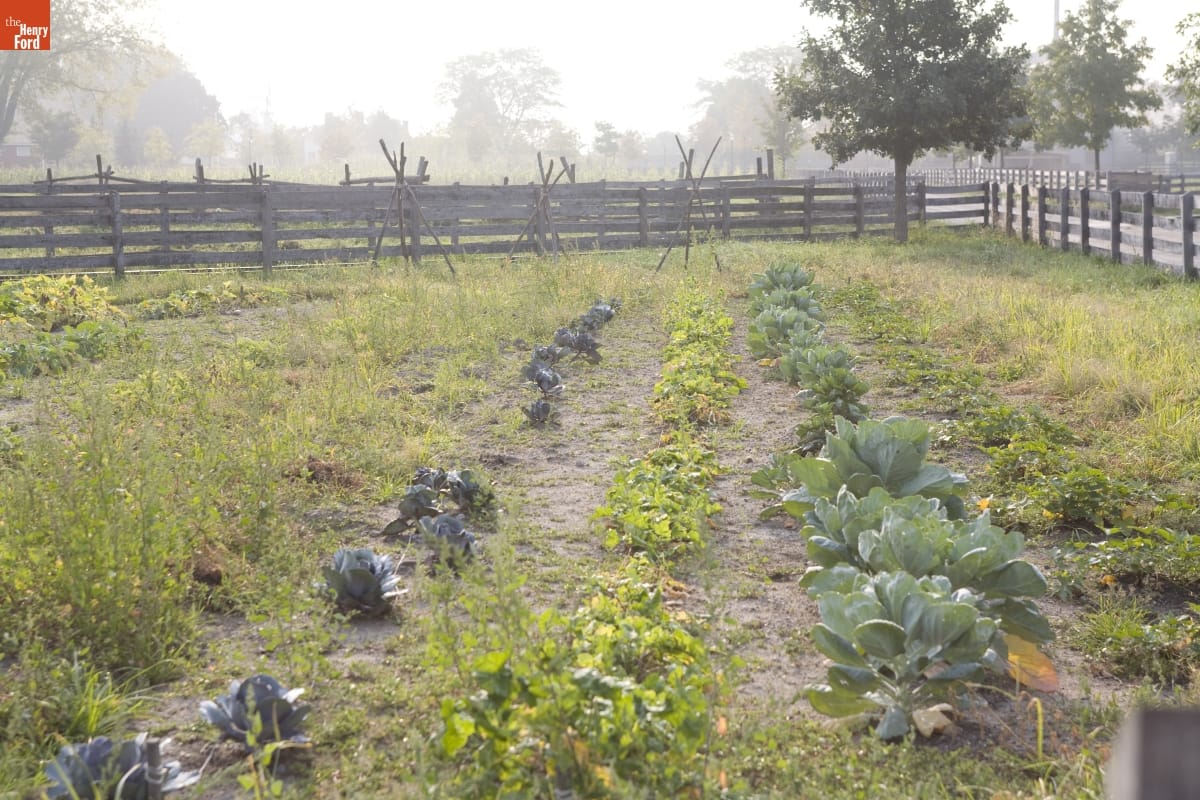
- Firestone Farm in Greenfield Village, September 2007 -
- September 01, 2007
- Collections - Artifact
Firestone Farm in Greenfield Village, September 2007
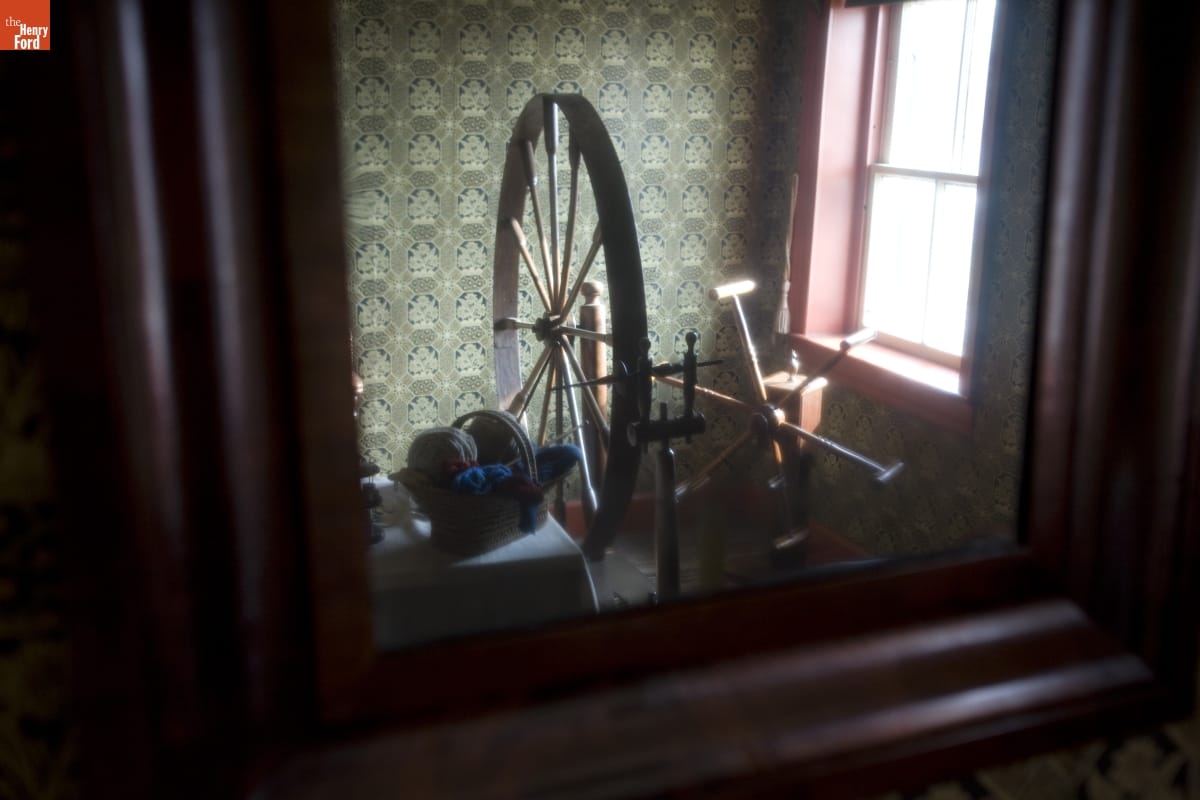
- Firestone Farm in Greenfield Village, September 2007 - Firestone Farm in Greenfield Village is a "living history" re-creation of what life was like on the Ohio farm of Benjamin and Catherine Firestone in 1885. Meticulous research went into furnishing the farmhouse after its move to Greenfield Village. This image from 2007 shows some of the original family furnishings and other carefully selected period and reproductions items visitors to the reconstructed house encountered.
- September 01, 2007
- Collections - Artifact
Firestone Farm in Greenfield Village, September 2007
Firestone Farm in Greenfield Village is a "living history" re-creation of what life was like on the Ohio farm of Benjamin and Catherine Firestone in 1885. Meticulous research went into furnishing the farmhouse after its move to Greenfield Village. This image from 2007 shows some of the original family furnishings and other carefully selected period and reproductions items visitors to the reconstructed house encountered.
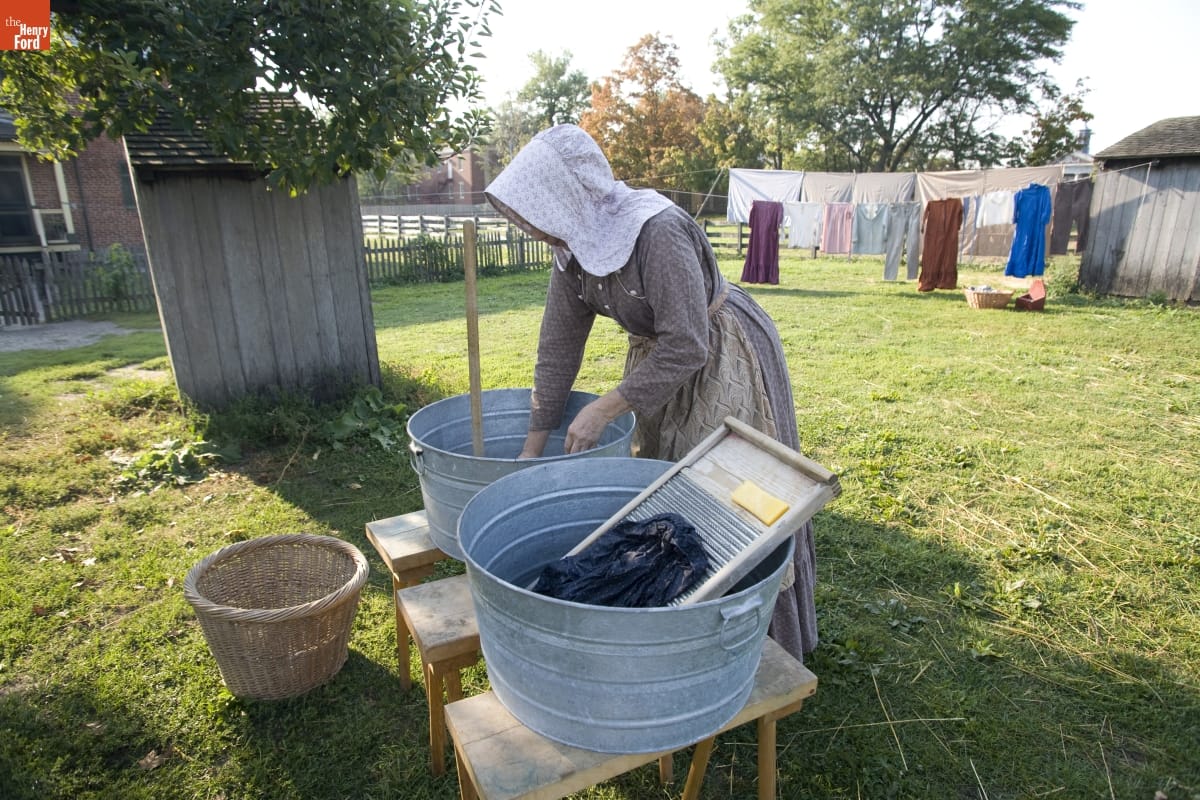
- Firestone Farm in Greenfield Village, September 2007 - "Living history" demonstrations at Firestone Farm in Greenfield Village re-create what life was like on the Ohio farm of Benjamin and Catherine Firestone, in 1885. Historical presenters in period clothing, seen in this image from 2007, perform various chores, such as washing clothes by hand using washboards and lots of hot water. These activities show visitors the work involved to keep the farm running.
- September 01, 2007
- Collections - Artifact
Firestone Farm in Greenfield Village, September 2007
"Living history" demonstrations at Firestone Farm in Greenfield Village re-create what life was like on the Ohio farm of Benjamin and Catherine Firestone, in 1885. Historical presenters in period clothing, seen in this image from 2007, perform various chores, such as washing clothes by hand using washboards and lots of hot water. These activities show visitors the work involved to keep the farm running.
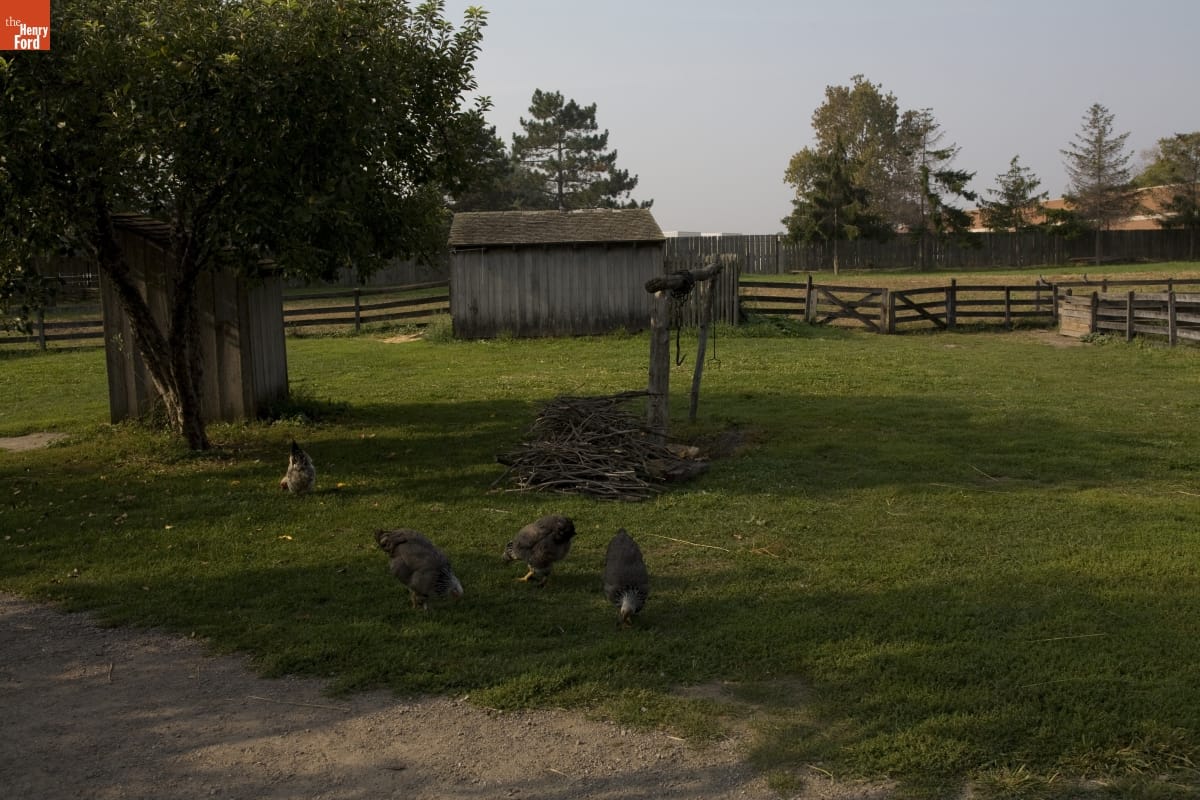
- Firestone Farm in Greenfield Village, September 2007 - Firestone Farm in Greenfield Village is a "living history" re-creation of what life was like on the Ohio farm of Benjamin and Catherine Firestone in 1885. Part of this experience includes seeing farm animals typical of this era. Chickens could be found strutting around the yard looking for food. Their eggs provided food for the family and ready cash when sold at local markets.
- September 01, 2007
- Collections - Artifact
Firestone Farm in Greenfield Village, September 2007
Firestone Farm in Greenfield Village is a "living history" re-creation of what life was like on the Ohio farm of Benjamin and Catherine Firestone in 1885. Part of this experience includes seeing farm animals typical of this era. Chickens could be found strutting around the yard looking for food. Their eggs provided food for the family and ready cash when sold at local markets.
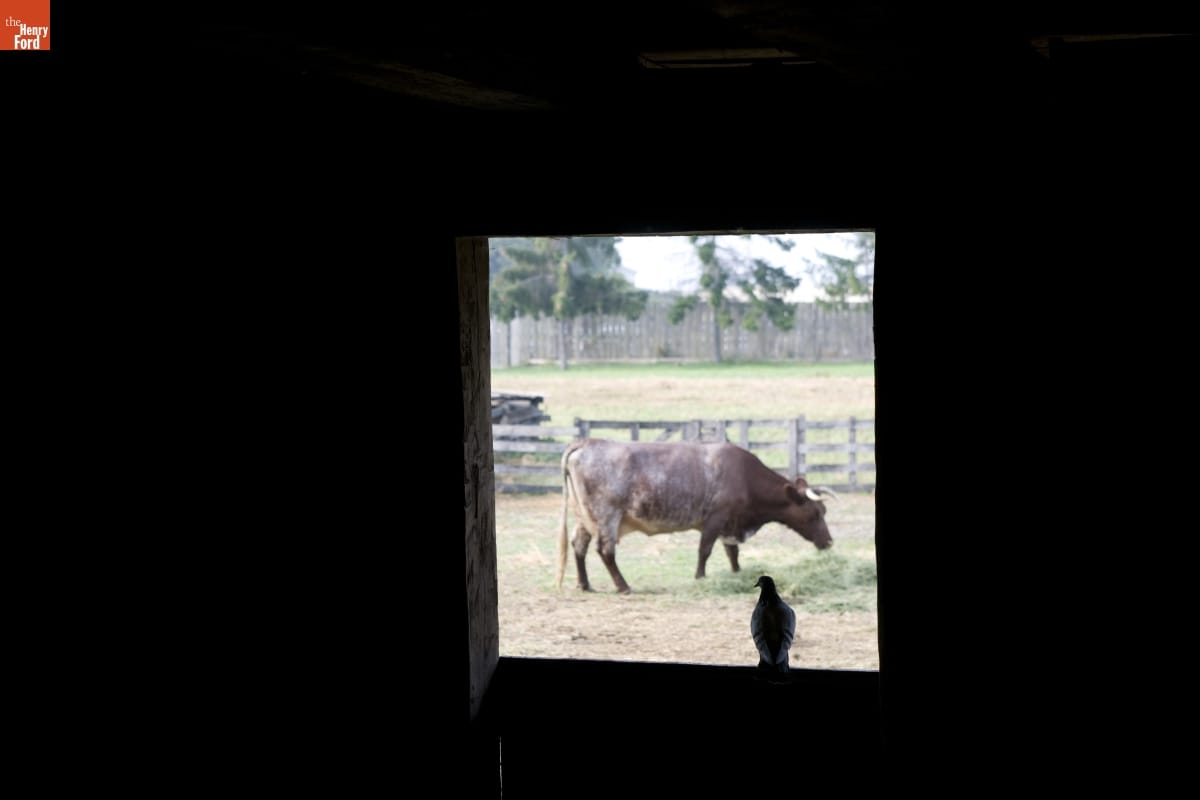
- Firestone Farm in Greenfield Village, September 2007 - Firestone Farm in Greenfield Village is a "living history" re-creation depicting what life was like on the Ohio farm of Benjamin and Catherine Firestone in 1885. Part of this experience includes seeing farm animals typical of this era. Cows provided meat, milk, butter, and other dairy products that the Firestone family consumed.
- September 01, 2007
- Collections - Artifact
Firestone Farm in Greenfield Village, September 2007
Firestone Farm in Greenfield Village is a "living history" re-creation depicting what life was like on the Ohio farm of Benjamin and Catherine Firestone in 1885. Part of this experience includes seeing farm animals typical of this era. Cows provided meat, milk, butter, and other dairy products that the Firestone family consumed.
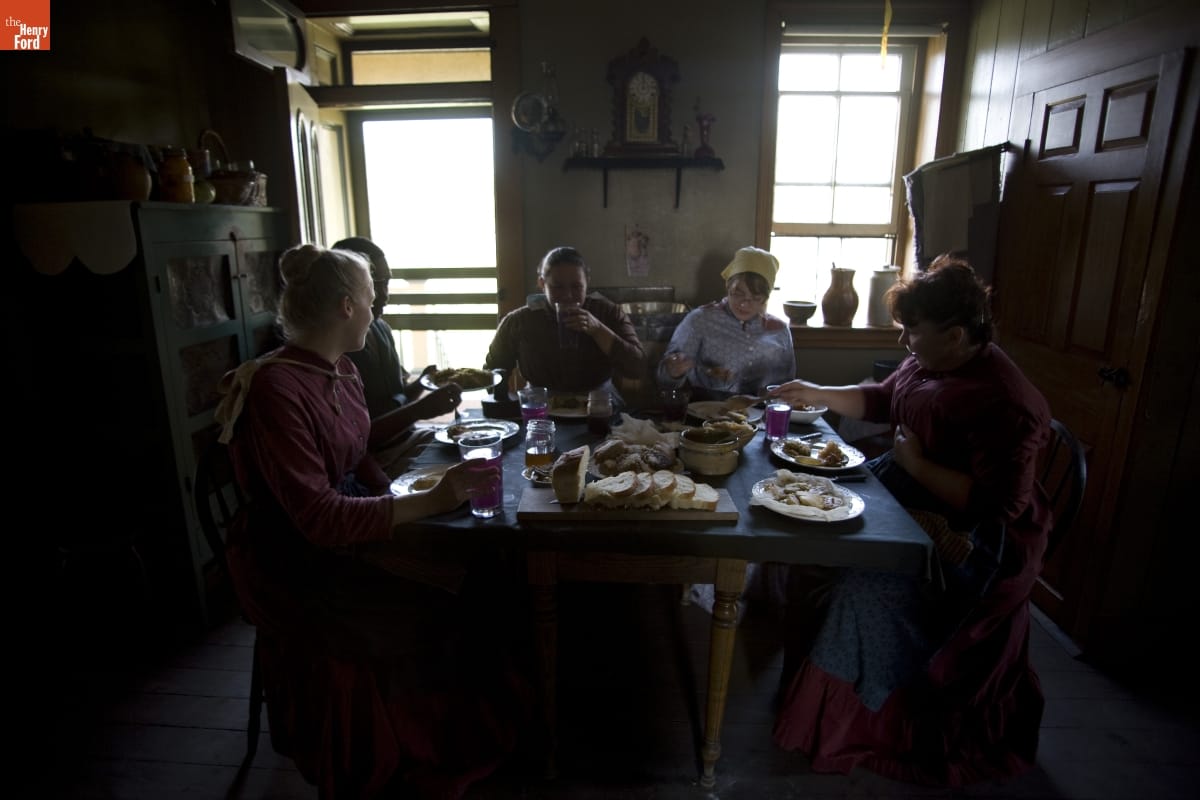
- Firestone Farm in Greenfield Village, September 2007 - Firestone Farm in Greenfield Village is a "living history" re-creation of what life was like on the Ohio farm of Benjamin and Catherine Firestone in 1885. In this image from 2007, historical presenters in period clothing sit down for a midday meal consisting of seasonal foods prepared using authentic recipes from the era.
- September 01, 2007
- Collections - Artifact
Firestone Farm in Greenfield Village, September 2007
Firestone Farm in Greenfield Village is a "living history" re-creation of what life was like on the Ohio farm of Benjamin and Catherine Firestone in 1885. In this image from 2007, historical presenters in period clothing sit down for a midday meal consisting of seasonal foods prepared using authentic recipes from the era.
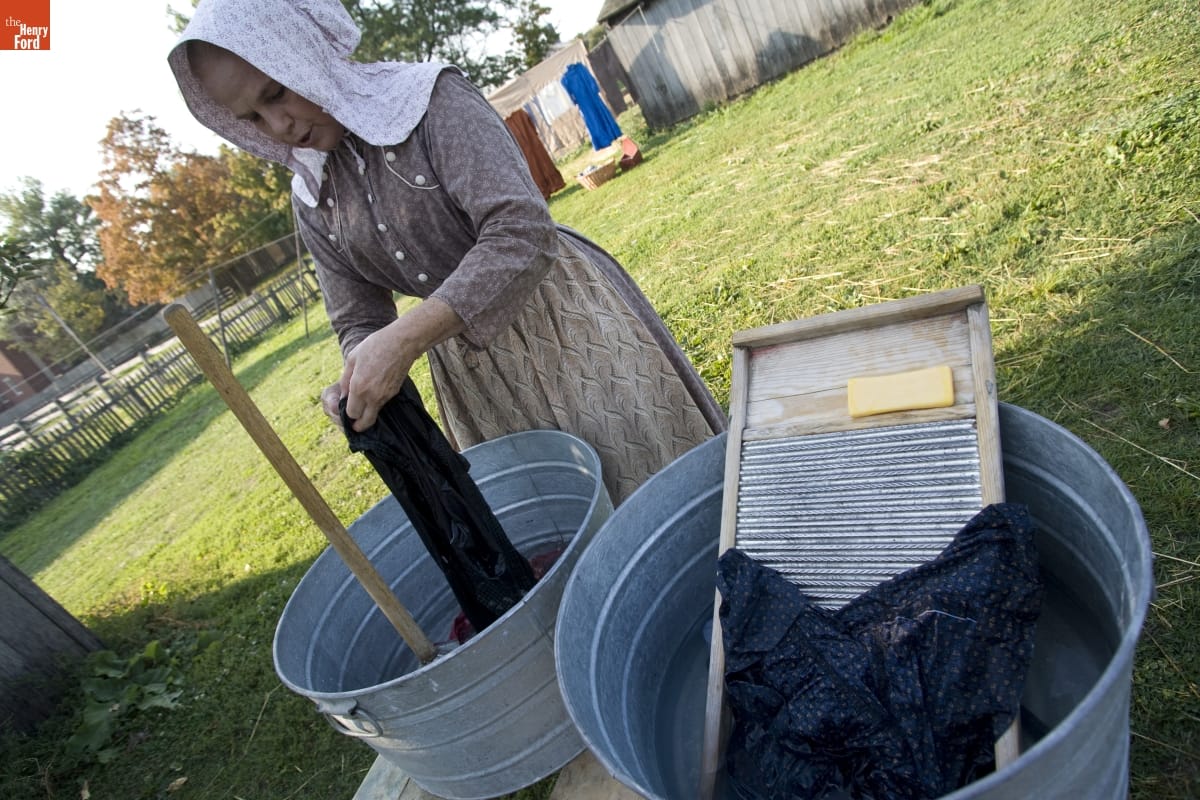
- Firestone Farm in Greenfield Village, September 2007 - "Living history" demonstrations at Firestone Farm in Greenfield Village re-create what life was like on the Ohio farm of Benjamin and Catherine Firestone, in 1885. Historical presenters in period clothing, seen in this image from 2007, perform various chores, such as washing clothes by hand using washboards and lots of hot water. These activities show visitors the work involved to keep the farm running.
- September 01, 2007
- Collections - Artifact
Firestone Farm in Greenfield Village, September 2007
"Living history" demonstrations at Firestone Farm in Greenfield Village re-create what life was like on the Ohio farm of Benjamin and Catherine Firestone, in 1885. Historical presenters in period clothing, seen in this image from 2007, perform various chores, such as washing clothes by hand using washboards and lots of hot water. These activities show visitors the work involved to keep the farm running.
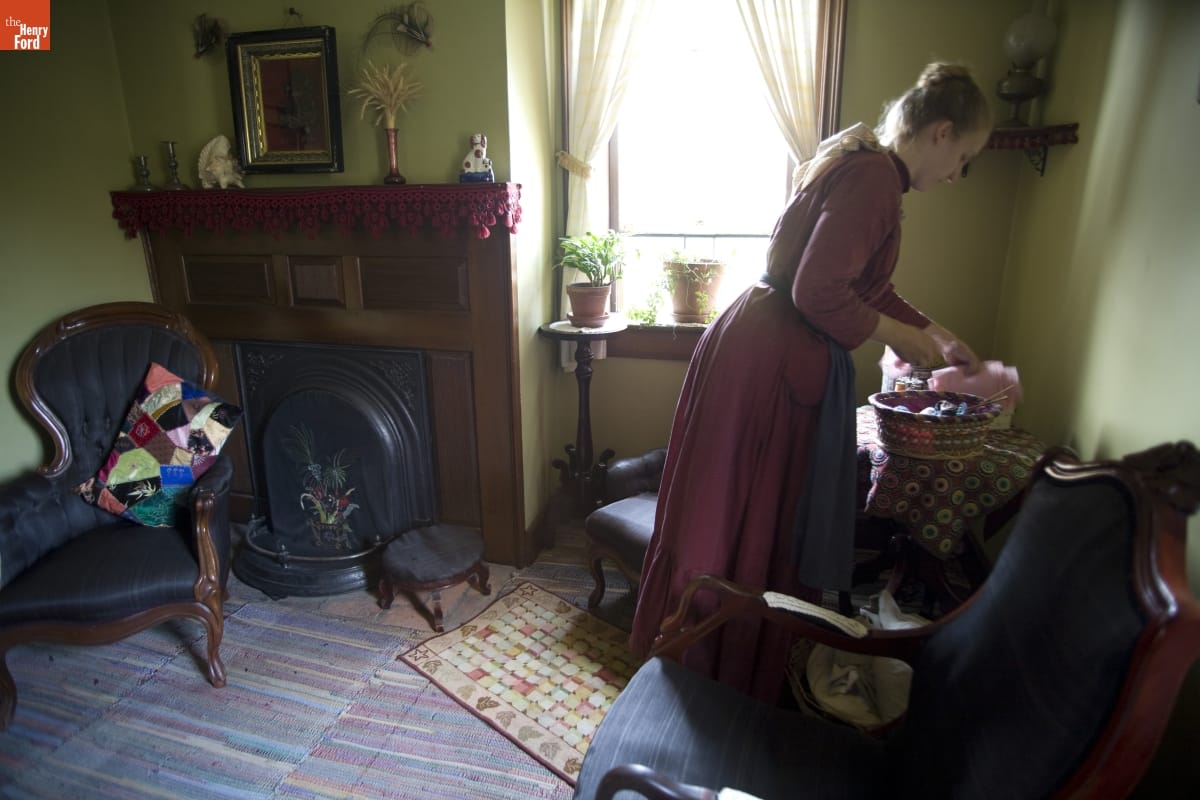
- Firestone Farm in Greenfield Village, September 2007 - Firestone Farm in Greenfield Village is a "living history" re-creation of what life was like on the Ohio farm of Benjamin and Catherine Firestone in 1885. Meticulous research went into furnishing the farmhouse and planning appropriate presenter-led demonstrations. In this image from 2007, a historical presenter in period clothing performs typical domestic activities that help visitors to better understand farm life in the late-1800s.
- September 01, 2007
- Collections - Artifact
Firestone Farm in Greenfield Village, September 2007
Firestone Farm in Greenfield Village is a "living history" re-creation of what life was like on the Ohio farm of Benjamin and Catherine Firestone in 1885. Meticulous research went into furnishing the farmhouse and planning appropriate presenter-led demonstrations. In this image from 2007, a historical presenter in period clothing performs typical domestic activities that help visitors to better understand farm life in the late-1800s.