
Search
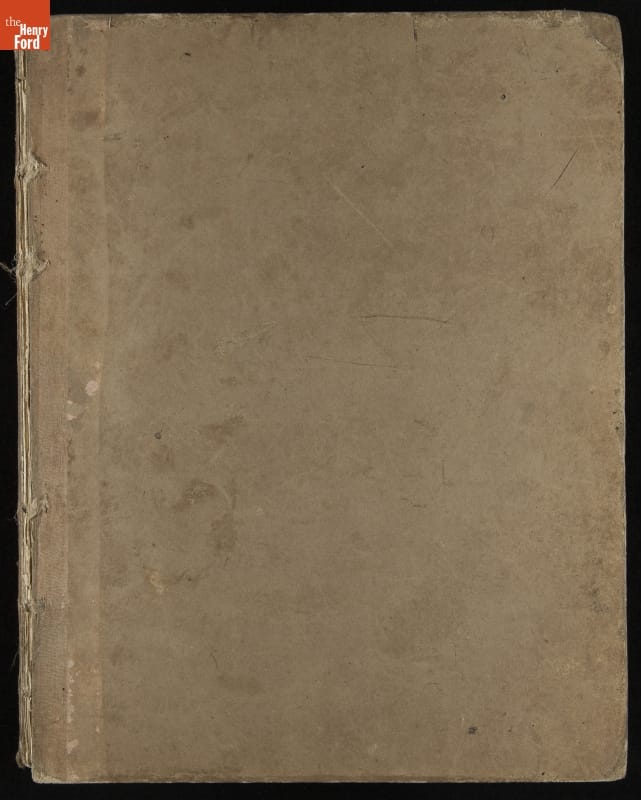
- "An American Dictionary of the English Language" by Noah Webster, 1828, Volume 1 - Noah Webster wrote the first dictionary of American English. It was a radical attempt to foster a uniform language for the United States. Webster's first edition in 1828 contained about 70,000 entries -- some 12,000 more than had appeared in earlier vocabulary lists. Webster added many technical and scientific terms, included common Americanisms, and suggested new ways of spelling and pronouncing words.
- 1828
- Collections - Artifact
"An American Dictionary of the English Language" by Noah Webster, 1828, Volume 1
Noah Webster wrote the first dictionary of American English. It was a radical attempt to foster a uniform language for the United States. Webster's first edition in 1828 contained about 70,000 entries -- some 12,000 more than had appeared in earlier vocabulary lists. Webster added many technical and scientific terms, included common Americanisms, and suggested new ways of spelling and pronouncing words.
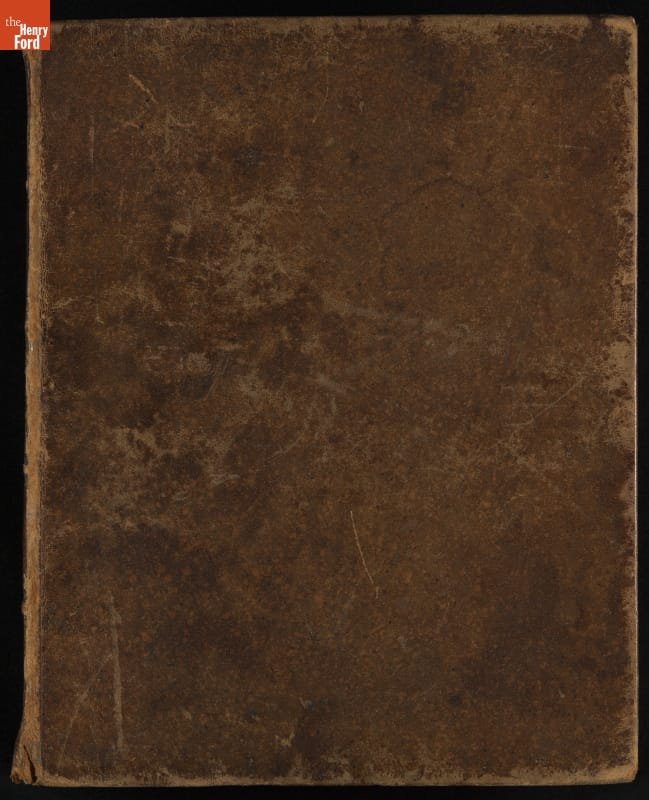
- "An American Dictionary of the English Language" by Noah Webster, 1828, Volume 2 - Noah Webster wrote the first dictionary of American English. It was a radical attempt to foster a uniform language for the United States. Webster's first edition in 1828 contained about 70,000 entries -- some 12,000 more than had appeared in earlier vocabulary lists. Webster added many technical and scientific terms, included common Americanisms, and suggested new ways of spelling and pronouncing words.
- 1828
- Collections - Artifact
"An American Dictionary of the English Language" by Noah Webster, 1828, Volume 2
Noah Webster wrote the first dictionary of American English. It was a radical attempt to foster a uniform language for the United States. Webster's first edition in 1828 contained about 70,000 entries -- some 12,000 more than had appeared in earlier vocabulary lists. Webster added many technical and scientific terms, included common Americanisms, and suggested new ways of spelling and pronouncing words.
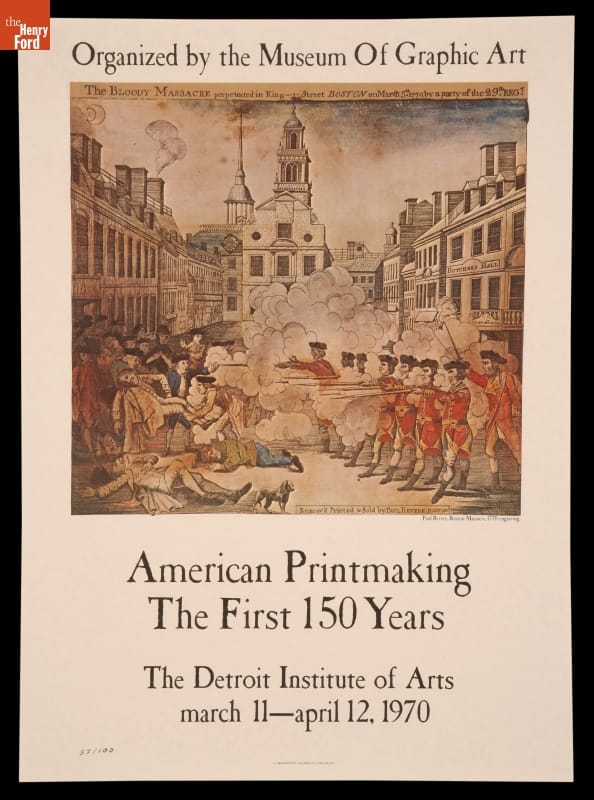
- Exhibition Poster, "American Printmaking: The First 150 Years," 1970 -
- 11 March 1970 - 12 April 1970
- Collections - Artifact
Exhibition Poster, "American Printmaking: The First 150 Years," 1970
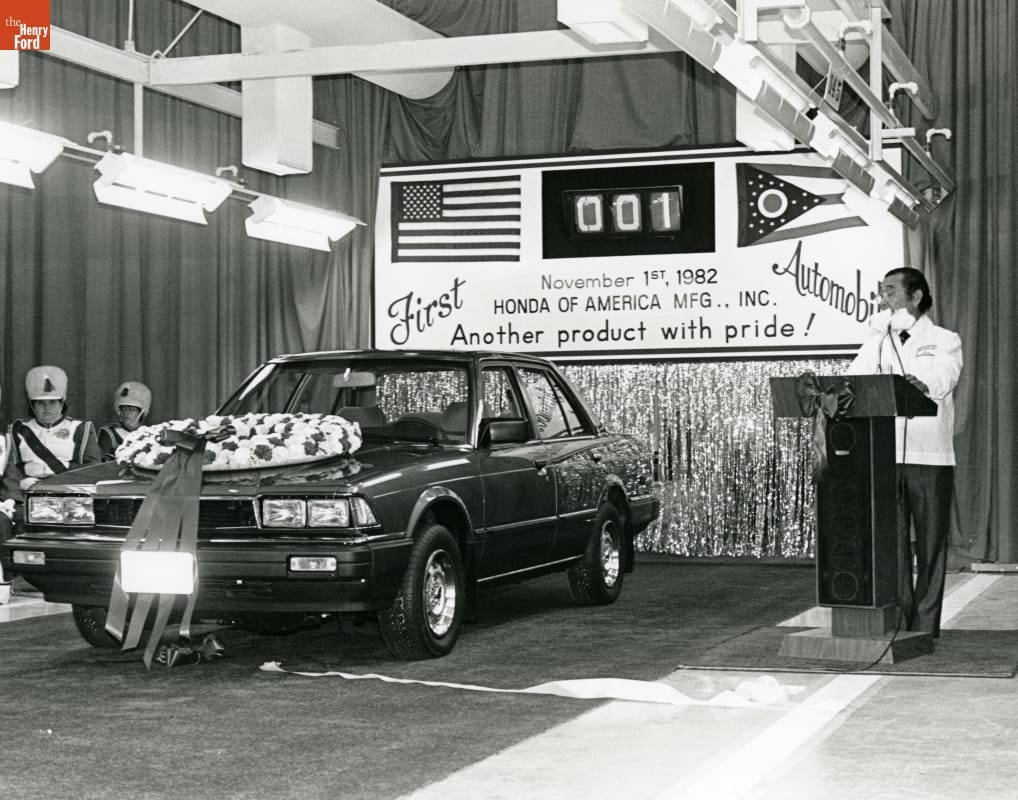
- Presentation of First American-Made Honda Car, November 1, 1982 - This photo shows the celebration as the first Honda Accord came off the line at the Marysville, Ohio, plant in 1982. The car was the first foreign-badged automobile assembled in the United States.
- November 01, 1982
- Collections - Artifact
Presentation of First American-Made Honda Car, November 1, 1982
This photo shows the celebration as the first Honda Accord came off the line at the Marysville, Ohio, plant in 1982. The car was the first foreign-badged automobile assembled in the United States.
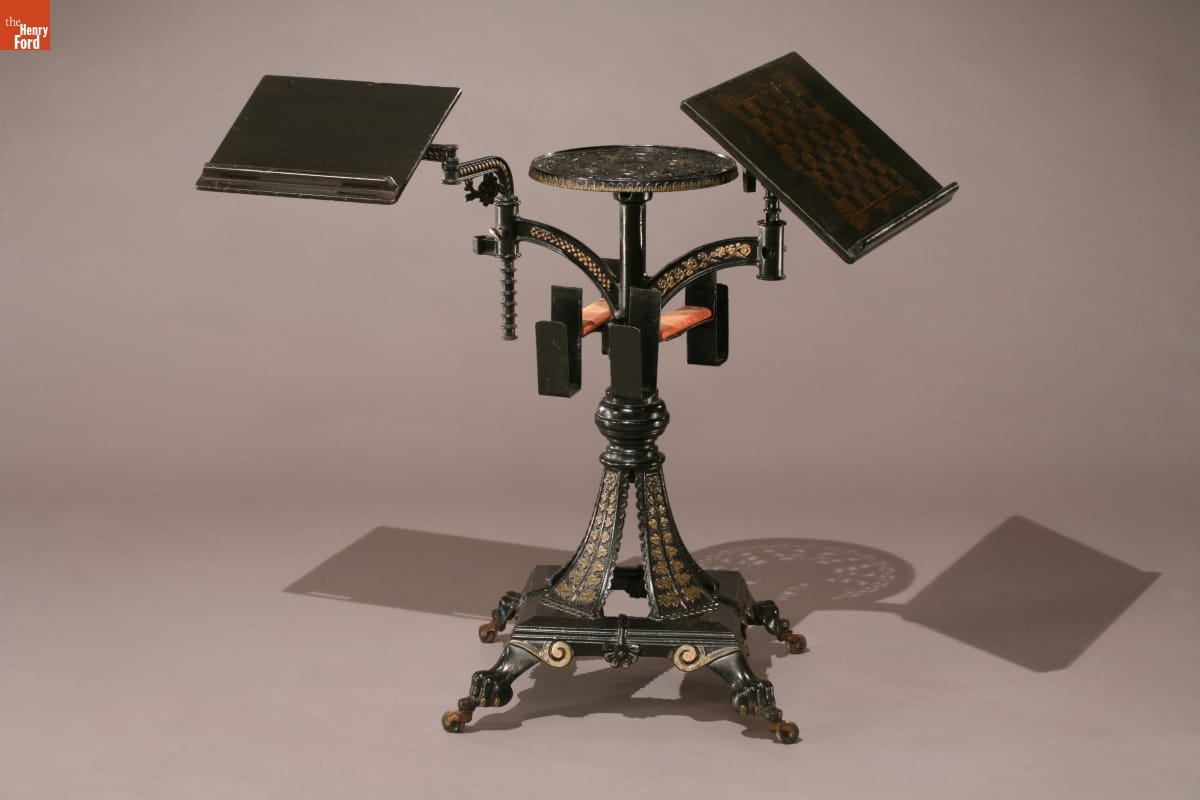
- Reading Stand and Dictionary Holder, 1885-1895 - This elaborate stand held a large dictionary, books for reading, a lamp to read by, and offered a surface for writing. Besides providing storage, it was the ultimate in "multi-tasking" furniture.
- 1885-1895
- Collections - Artifact
Reading Stand and Dictionary Holder, 1885-1895
This elaborate stand held a large dictionary, books for reading, a lamp to read by, and offered a surface for writing. Besides providing storage, it was the ultimate in "multi-tasking" furniture.
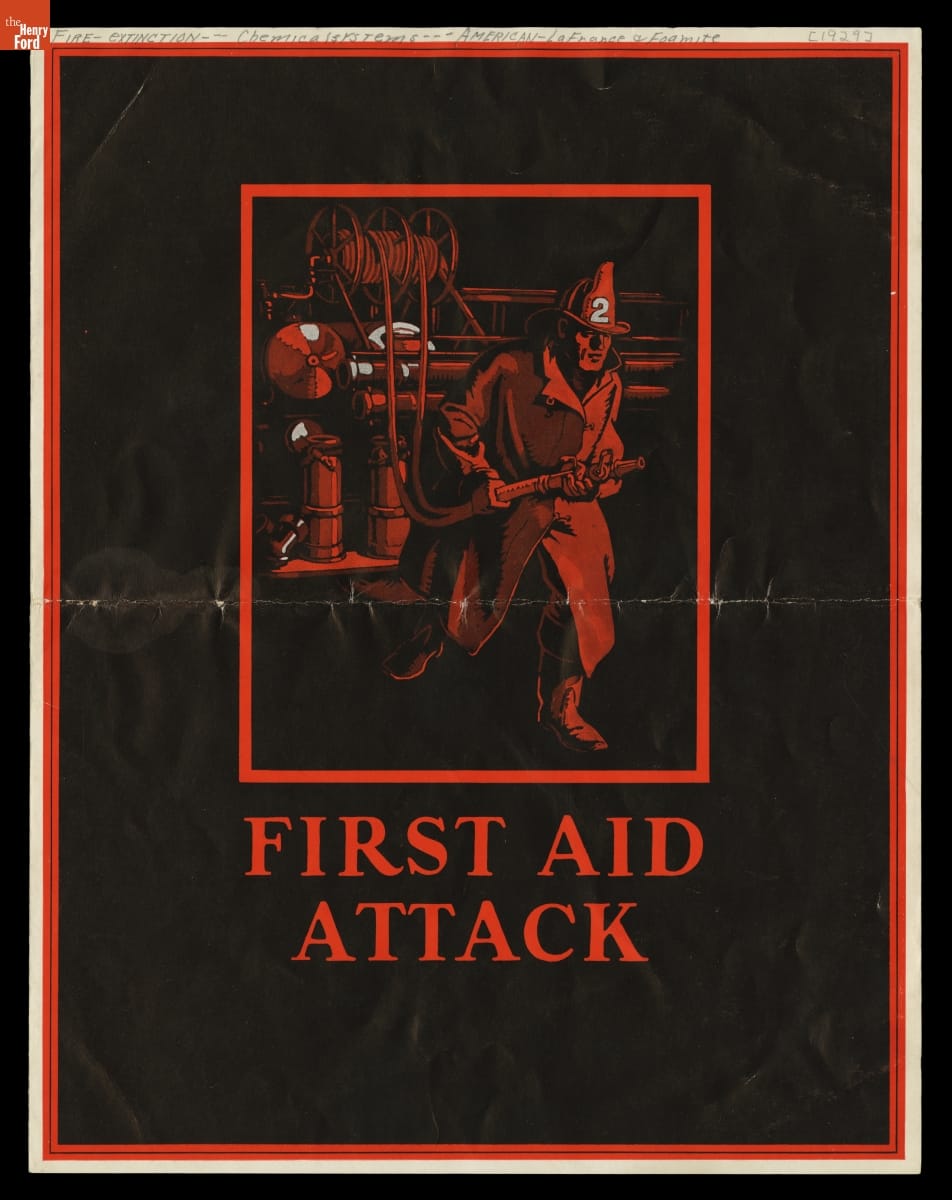
- American-LaFrance and Foamite Corporation Catalog, "First Aid Attack," circa 1929 - American LaFrance was formed in 1873 to produce hand-powered firefighting equipment. The company built its first motorized fire apparatus in 1907. American LaFrance grew into one of the largest manufacturers of fire engines and emergency vehicles in the United States and -- under the Foamite name -- Canada. After several changes in ownership, American LaFrance ended operations in 2014.
- circa 1929
- Collections - Artifact
American-LaFrance and Foamite Corporation Catalog, "First Aid Attack," circa 1929
American LaFrance was formed in 1873 to produce hand-powered firefighting equipment. The company built its first motorized fire apparatus in 1907. American LaFrance grew into one of the largest manufacturers of fire engines and emergency vehicles in the United States and -- under the Foamite name -- Canada. After several changes in ownership, American LaFrance ended operations in 2014.
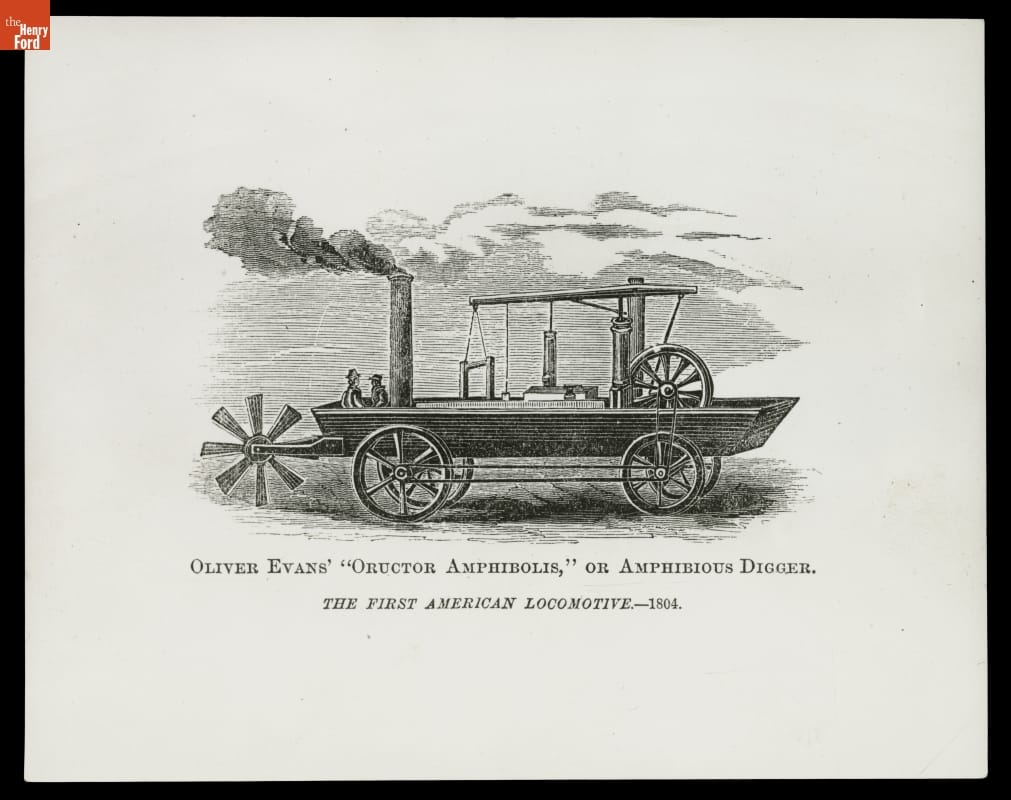
- "Oliver Evans' 'Oructor Amphibolis,' or, Amphibious Digger, the First American Locomotive--1804" - Inventor and engineer Oliver Evans believed that steam engines, used to power mills and steamboats, could also propel land vehicles. An opportunity to experiment came with a commission from the Philadelphia Board of Health for a steam dredge. Evans designed a 30-foot-long, 17-ton amphibious digger that moved successfully over land in 1805. This one-time stunt proved the viability of steam-powered carriages.
- 1804
- Collections - Artifact
"Oliver Evans' 'Oructor Amphibolis,' or, Amphibious Digger, the First American Locomotive--1804"
Inventor and engineer Oliver Evans believed that steam engines, used to power mills and steamboats, could also propel land vehicles. An opportunity to experiment came with a commission from the Philadelphia Board of Health for a steam dredge. Evans designed a 30-foot-long, 17-ton amphibious digger that moved successfully over land in 1805. This one-time stunt proved the viability of steam-powered carriages.
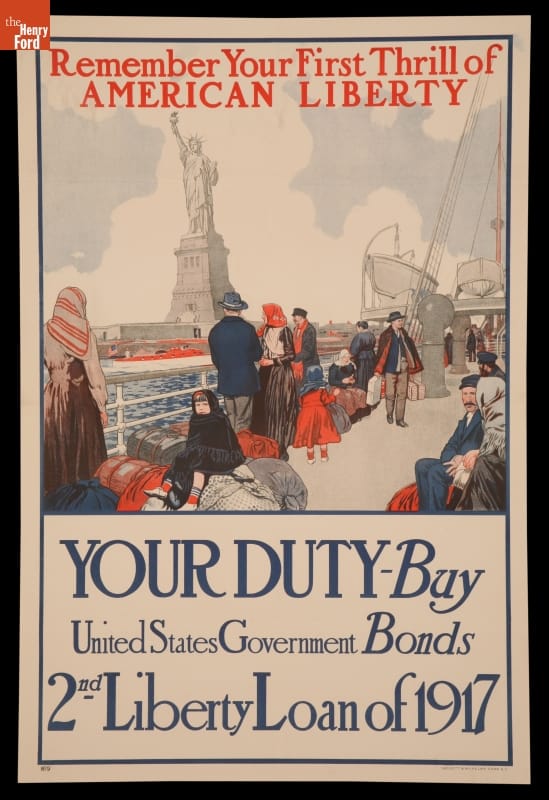
- World War I Poster, "Remember Your First Thrill of American Liberty," 1917 - During the First World War, governments of all the warring nations used poster campaigns to encourage civilian and military support of the war effort. Artists widely used an innovative advertising technique for these posters that moved away from a factual depiction of a product's material or event's subject to an emphasis on appealing to the viewer's emotions.
- 1917
- Collections - Artifact
World War I Poster, "Remember Your First Thrill of American Liberty," 1917
During the First World War, governments of all the warring nations used poster campaigns to encourage civilian and military support of the war effort. Artists widely used an innovative advertising technique for these posters that moved away from a factual depiction of a product's material or event's subject to an emphasis on appealing to the viewer's emotions.
- Letter from Noah Webster to the Editor of the Westminster Review, 1831 -
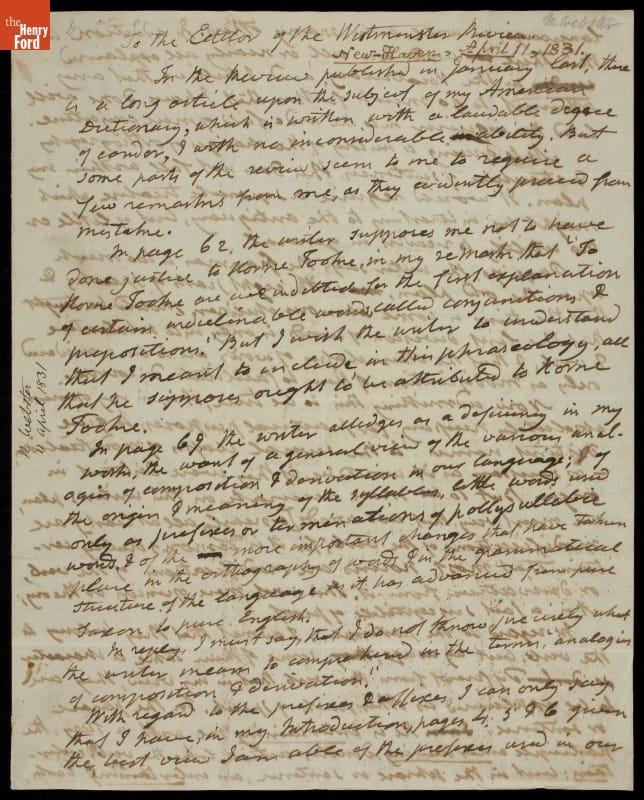
- April 11, 1831
- Collections - Artifact
Letter from Noah Webster to the Editor of the Westminster Review, 1831
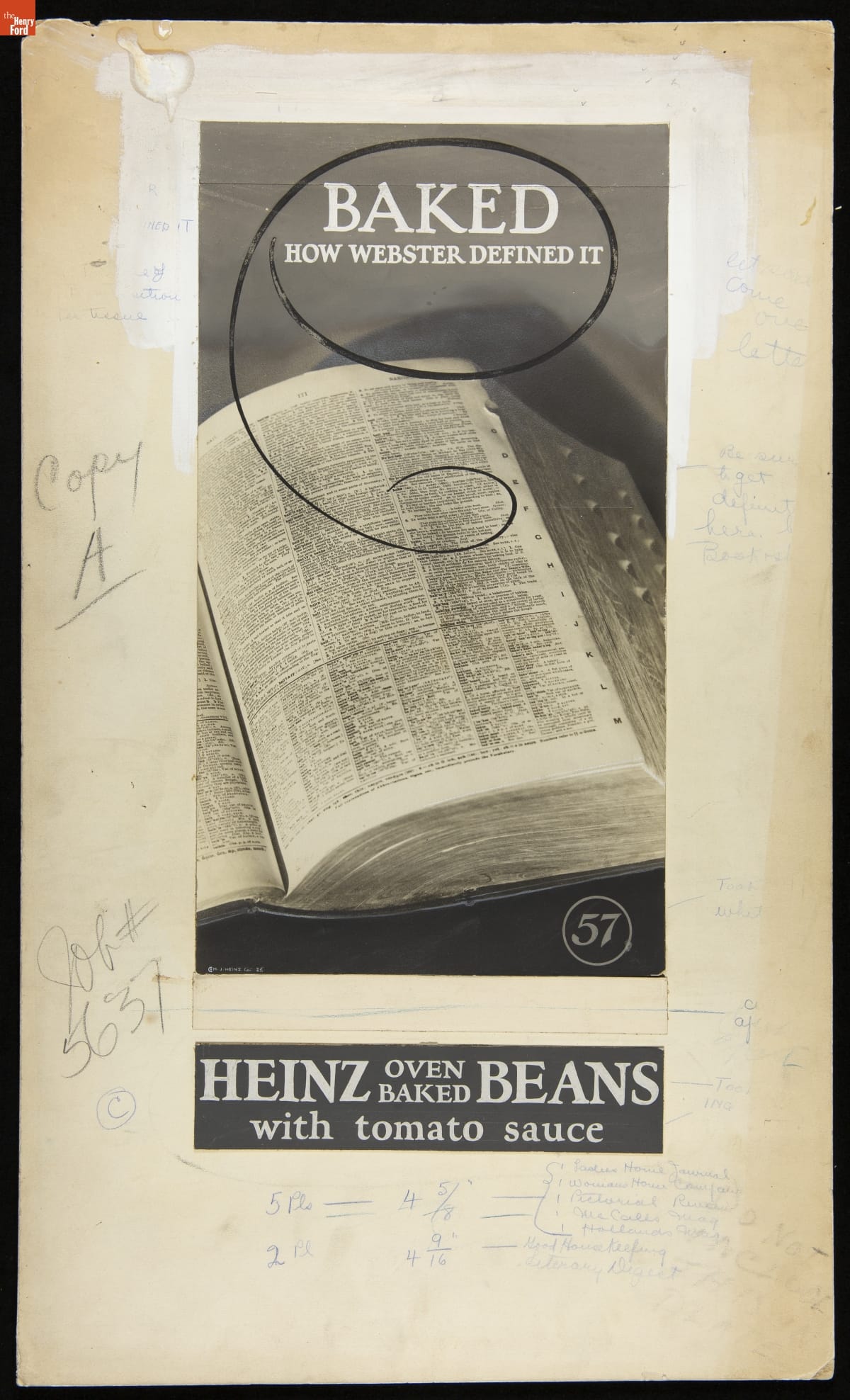
- Layout for Heinz Baked Beans Advertising Using Webster's Dictionary, 1925 - The H.J. Heinz Company employed ambitious and comprehensive advertising strategies to meet consumers at home, in stores, and everywhere in between. Advertising layouts were a step in the marketing process where the drawing, size, color, and arrangement were taken into consideration before the final advertisement was created. This layout shows an advertisement for Heinz Baked Beans.
- 1925
- Collections - Artifact
Layout for Heinz Baked Beans Advertising Using Webster's Dictionary, 1925
The H.J. Heinz Company employed ambitious and comprehensive advertising strategies to meet consumers at home, in stores, and everywhere in between. Advertising layouts were a step in the marketing process where the drawing, size, color, and arrangement were taken into consideration before the final advertisement was created. This layout shows an advertisement for Heinz Baked Beans.