
Search
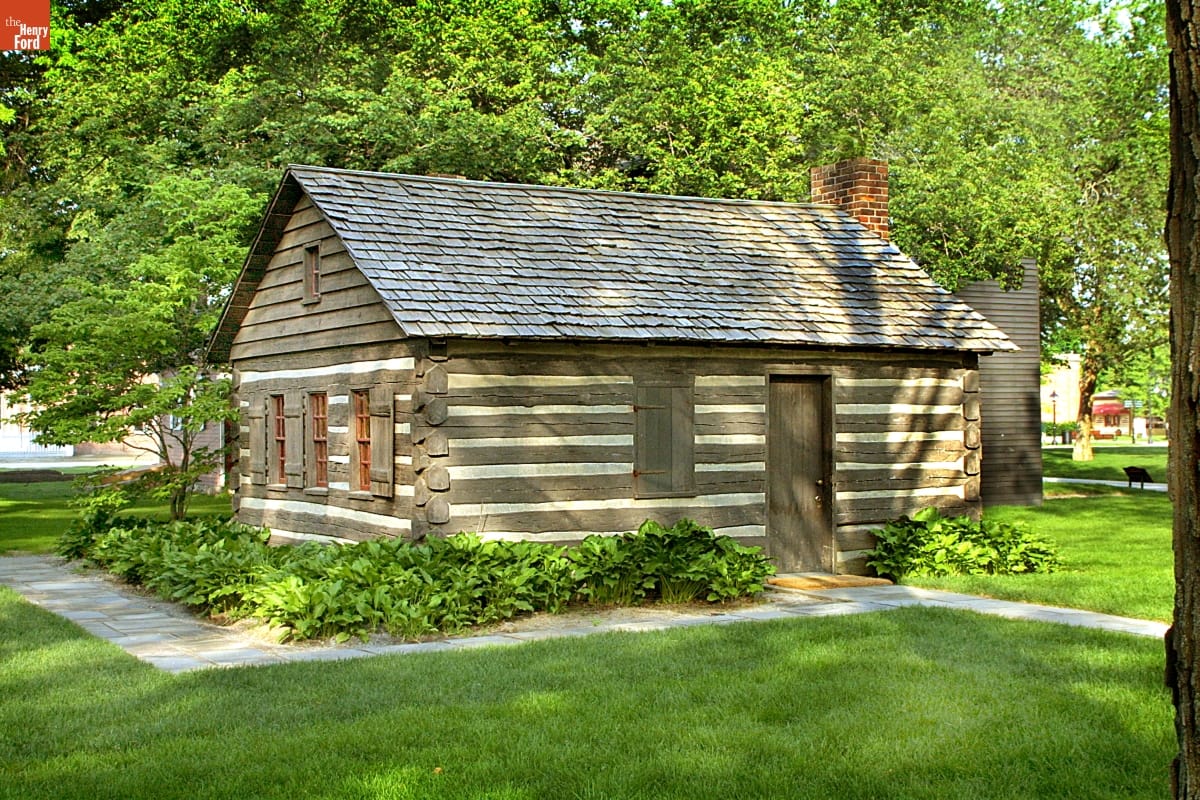
- George Washington Carver Cabin - Henry Ford built this cabin in 1942 to honor his friend, agricultural scientist George Washington Carver. The cabin was based on Carver's recollections of the slave cabin in Missouri in which he was born in 1864. Carver spent his career at the Tuskegee Institute in Alabama, advocating for new crops, such as peanuts, that would enrich both Southern farmers and Southern soils.
- circa 1860
- Collections - Artifact
George Washington Carver Cabin
Henry Ford built this cabin in 1942 to honor his friend, agricultural scientist George Washington Carver. The cabin was based on Carver's recollections of the slave cabin in Missouri in which he was born in 1864. Carver spent his career at the Tuskegee Institute in Alabama, advocating for new crops, such as peanuts, that would enrich both Southern farmers and Southern soils.
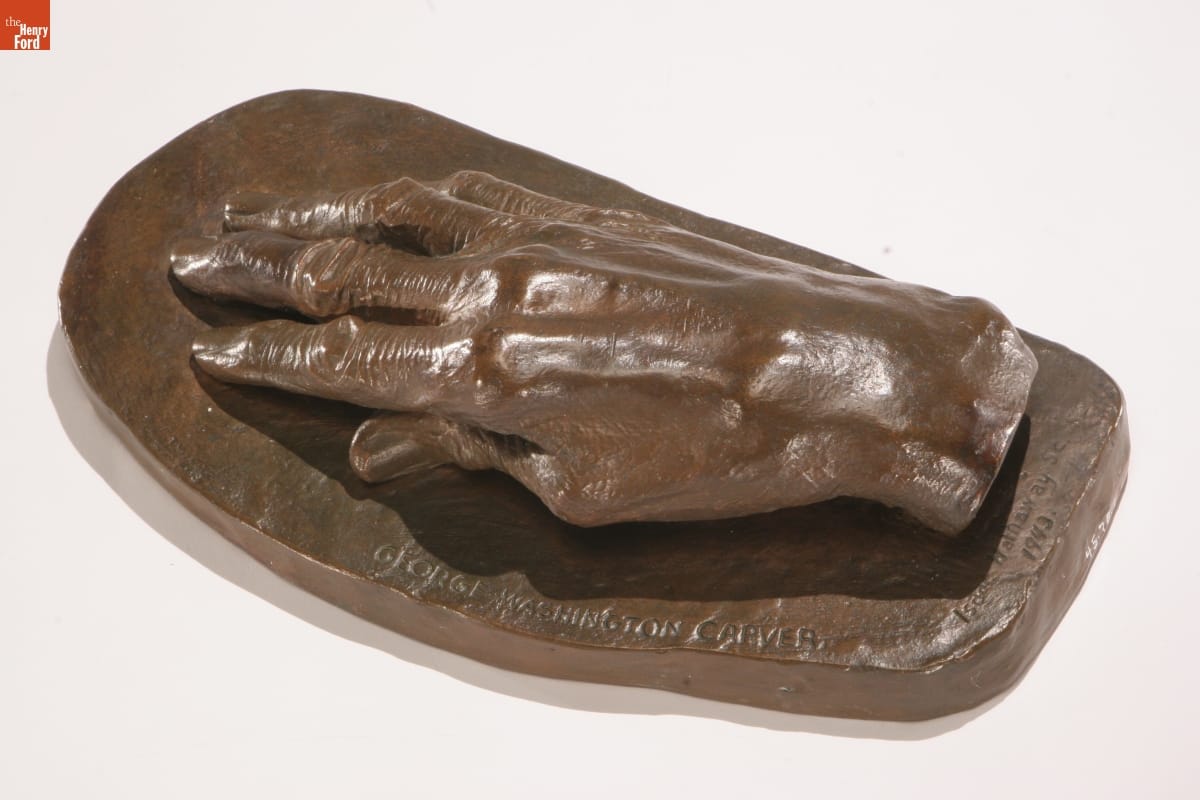
- Cast of George Washington Carver's Hand, 1943 - Environmental scientist George Washington Carver and sculptor Isaac Hathaway were colleagues at the Tuskegee Institute in Alabama. Hathaway's goal as an artist was to showcase the achievements of African Americans and make them visible. He made this cast of George Washington Carver's hand in 1943.
- 1943
- Collections - Artifact
Cast of George Washington Carver's Hand, 1943
Environmental scientist George Washington Carver and sculptor Isaac Hathaway were colleagues at the Tuskegee Institute in Alabama. Hathaway's goal as an artist was to showcase the achievements of African Americans and make them visible. He made this cast of George Washington Carver's hand in 1943.
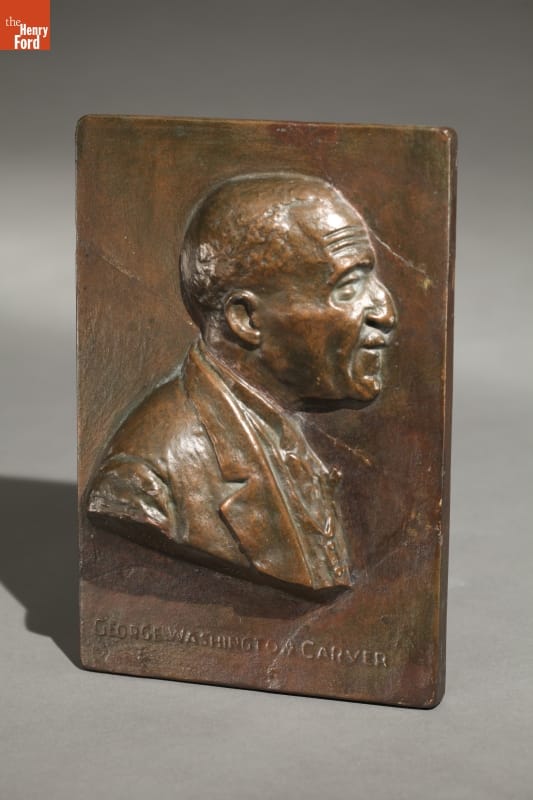
- George Washington Carver Plaque, 1945 - Environmental scientist George Washington Carver and sculptor Isaac Hathaway were colleagues at the Tuskegee Institute in Alabama. Hathaway's goal as an artist was to showcase the achievements of African Americans and make them visible. He made this plaque with a bust of George Washington Carver in 1945, after Carver's death.
- 1945
- Collections - Artifact
George Washington Carver Plaque, 1945
Environmental scientist George Washington Carver and sculptor Isaac Hathaway were colleagues at the Tuskegee Institute in Alabama. Hathaway's goal as an artist was to showcase the achievements of African Americans and make them visible. He made this plaque with a bust of George Washington Carver in 1945, after Carver's death.
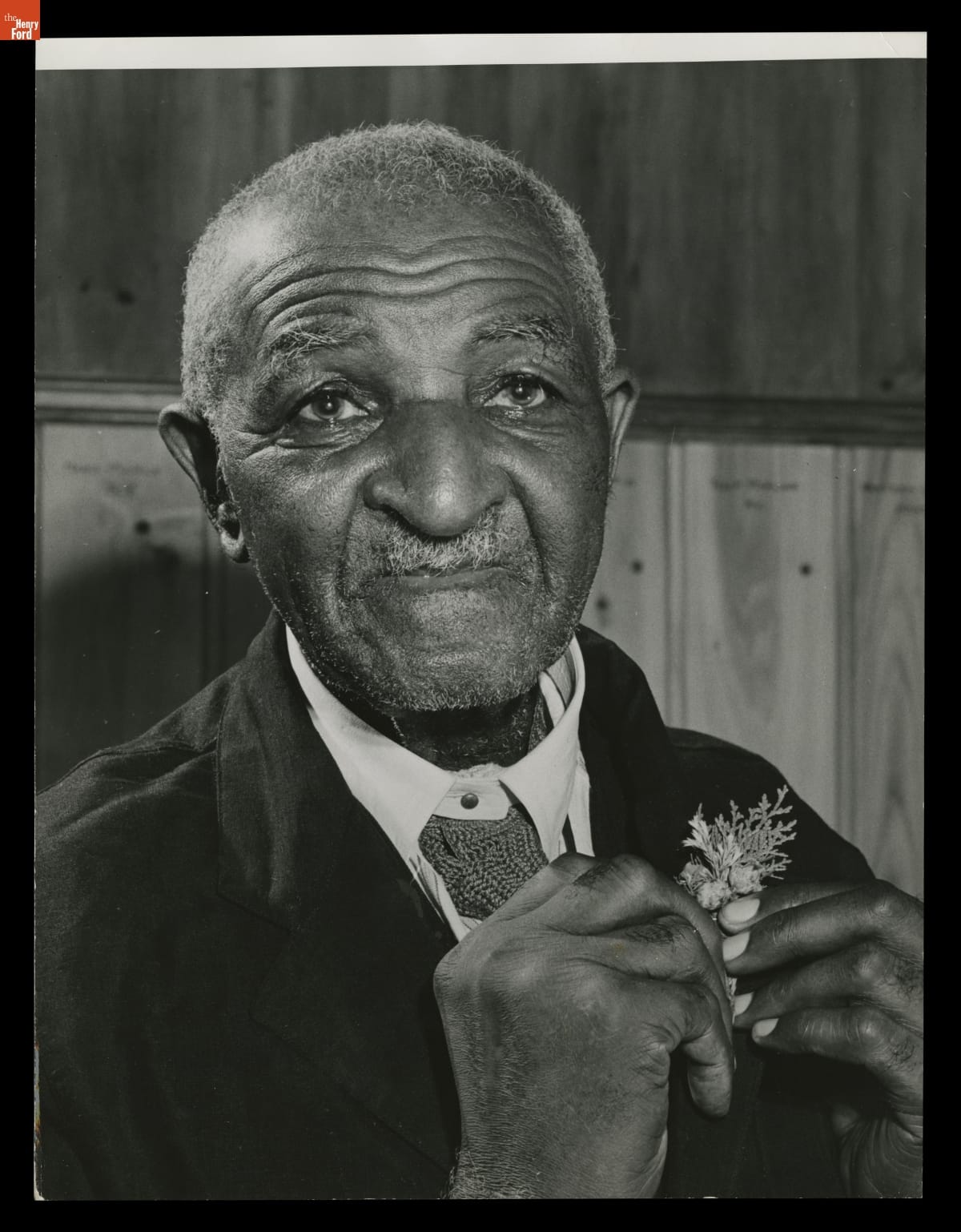
- George Washington Carver at Dedication of George Washington Carver Cabin, Greenfield Village, 1942 - In this photo, scientist George Washington Carver adjusts his ever-present boutonniere in the Carver Memorial Cabin in Greenfield Village. Carver came to Dearborn in July 1942 for the dedication of this cabin, which Henry Ford built to honor his friend. The cabin is based on Carver's own sketches of the slave cabin in Missouri in which he was born.
- July 29, 1942
- Collections - Artifact
George Washington Carver at Dedication of George Washington Carver Cabin, Greenfield Village, 1942
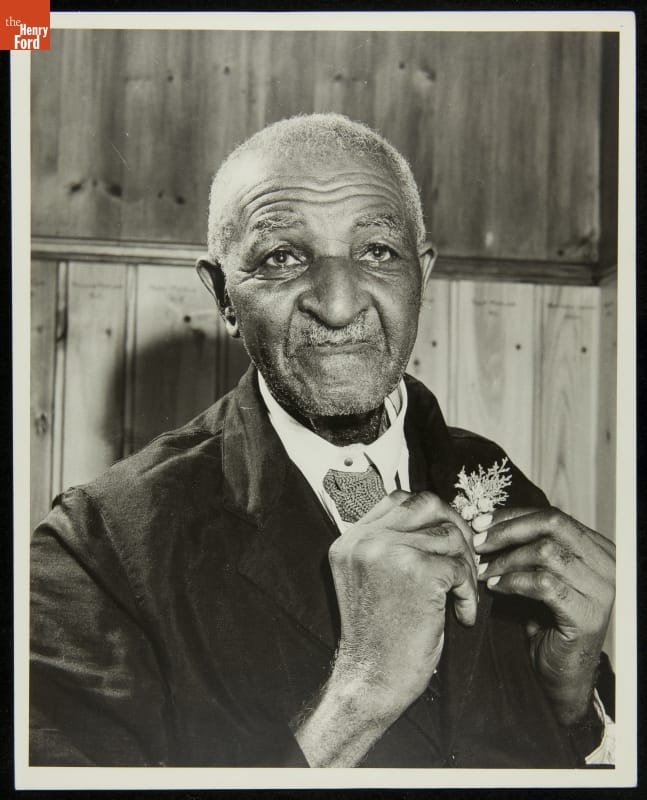
In this photo, scientist George Washington Carver adjusts his ever-present boutonniere in the Carver Memorial Cabin in Greenfield Village. Carver came to Dearborn in July 1942 for the dedication of this cabin, which Henry Ford built to honor his friend. The cabin is based on Carver's own sketches of the slave cabin in Missouri in which he was born.
- George Washington Carver at Dedication of George Washington Carver Cabin, Greenfield Village, 1942 - In this photo, scientist George Washington Carver adjusts his ever-present boutonniere in the Carver Memorial Cabin in Greenfield Village. Carver came to Dearborn in July 1942 for the dedication of this cabin, which Henry Ford built to honor his friend. The cabin is based on Carver's own sketches of the slave cabin in Missouri in which he was born.
- July 29, 1942
- Collections - Artifact
George Washington Carver at Dedication of George Washington Carver Cabin, Greenfield Village, 1942
In this photo, scientist George Washington Carver adjusts his ever-present boutonniere in the Carver Memorial Cabin in Greenfield Village. Carver came to Dearborn in July 1942 for the dedication of this cabin, which Henry Ford built to honor his friend. The cabin is based on Carver's own sketches of the slave cabin in Missouri in which he was born.
- Portrait of George Washington Carver, "Dr. Carver," circa 1925 - Prentice H. Polk, official photographer for Tuskegee Institute, documented renowned agricultural scientist George Washington Carver in this black-and-white portrait. After Carver's death, the Carver Seal Committee began selling this and other images to help build the endowment of the George Washington Carver Foundation (formed in 1940).
- circa 1925
- Collections - Artifact
Portrait of George Washington Carver, "Dr. Carver," circa 1925
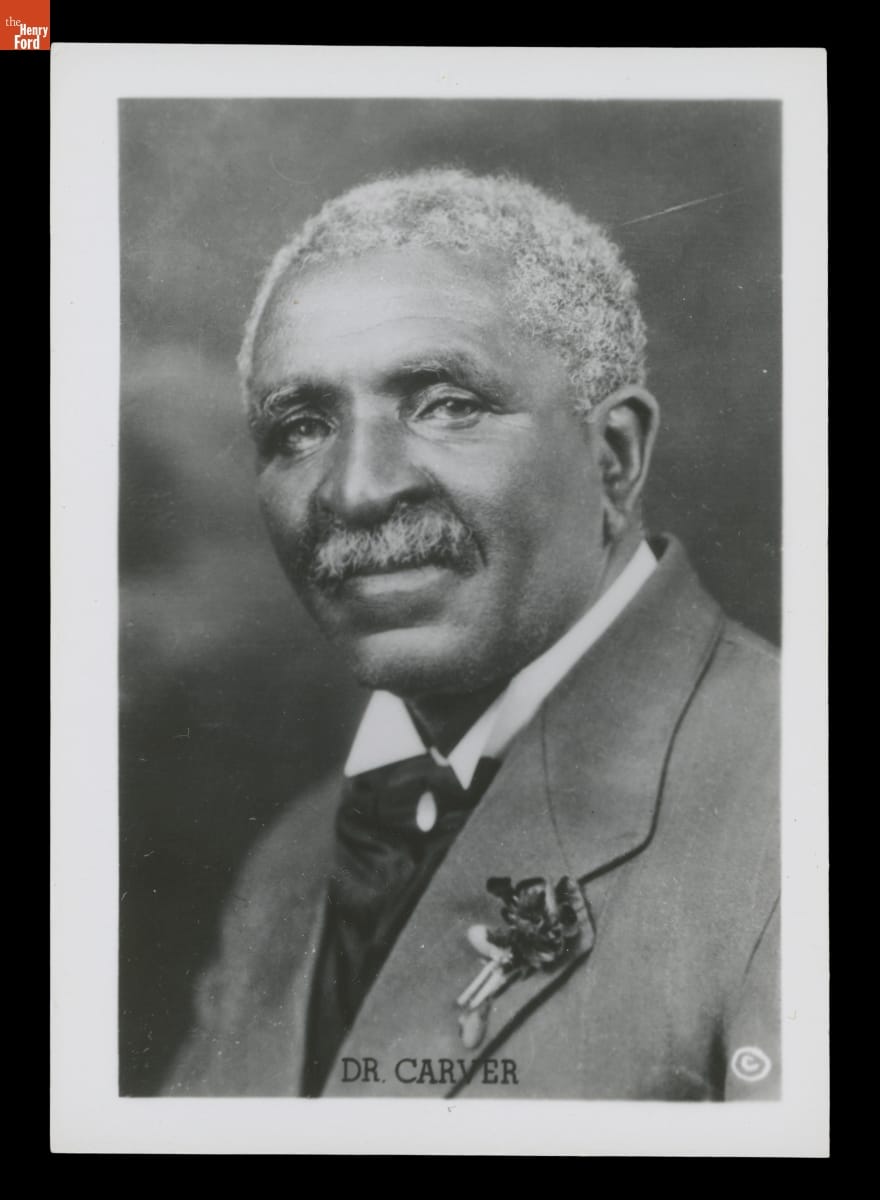
Prentice H. Polk, official photographer for Tuskegee Institute, documented renowned agricultural scientist George Washington Carver in this black-and-white portrait. After Carver's death, the Carver Seal Committee began selling this and other images to help build the endowment of the George Washington Carver Foundation (formed in 1940).
- George Washington Carver in Doorway of the George Washington Carver Cabin, Greenfield Village, 1942 - Agricultural scientist George Washington Carver pauses in the doorway of the Carver Memorial Cabin in Greenfield Village. Carver came to Dearborn in July 1942 for the dedication of this cabin, which Henry Ford built to honor his friend. The cabin is based on Carver's own sketches of the slave cabin in Missouri in which he was born.
- July 29, 1942
- Collections - Artifact
George Washington Carver in Doorway of the George Washington Carver Cabin, Greenfield Village, 1942
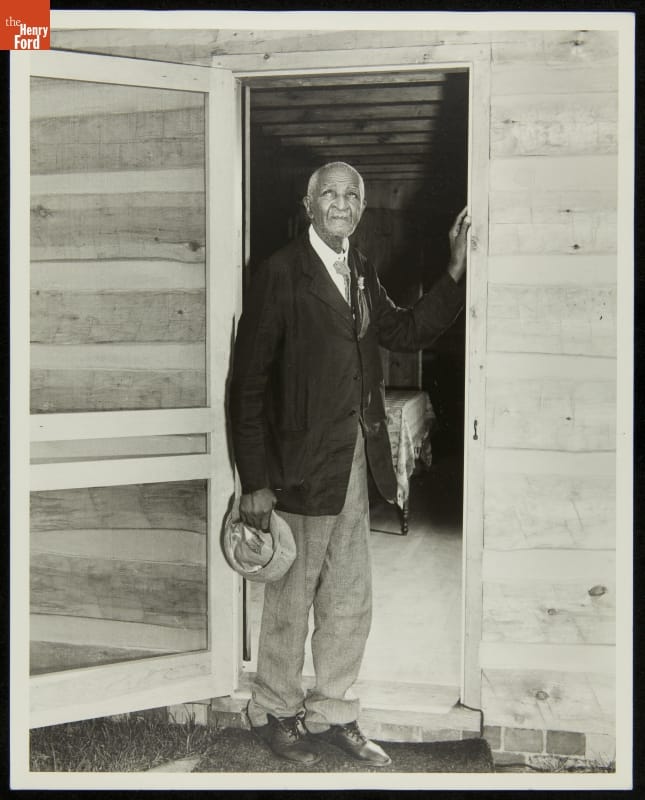
Agricultural scientist George Washington Carver pauses in the doorway of the Carver Memorial Cabin in Greenfield Village. Carver came to Dearborn in July 1942 for the dedication of this cabin, which Henry Ford built to honor his friend. The cabin is based on Carver's own sketches of the slave cabin in Missouri in which he was born.
- George Washington Carver with Henry and Clara Ford at the Dedication of George Washington Carver School, 1940 - Henry Ford honored his friend George Washington Carver by naming a school on his property in Georgia after Carver. In this photograph, Clara Bryant Ford, George Washington Carver, and Henry Ford are standing in front of the George Washington Carver School at the school's 1940 dedication, in what used to be called Ways, now known as Richmond Hill, Georgia.
- March 13, 1940
- Collections - Artifact
George Washington Carver with Henry and Clara Ford at the Dedication of George Washington Carver School, 1940
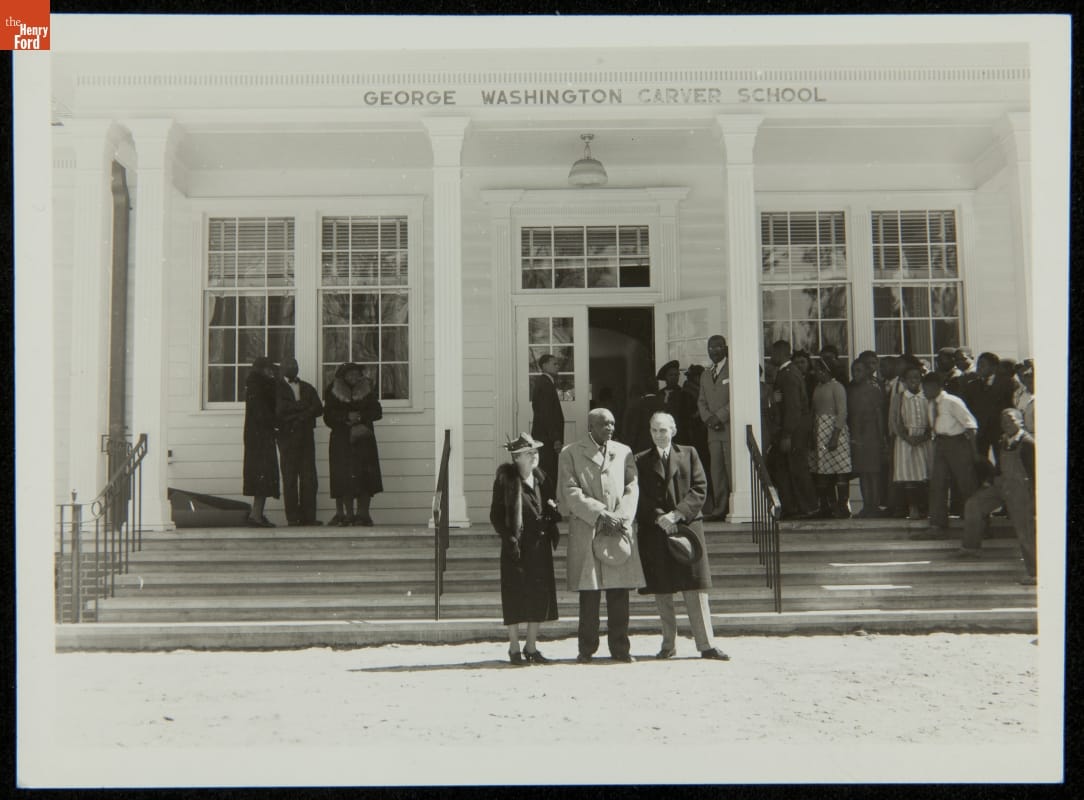
Henry Ford honored his friend George Washington Carver by naming a school on his property in Georgia after Carver. In this photograph, Clara Bryant Ford, George Washington Carver, and Henry Ford are standing in front of the George Washington Carver School at the school's 1940 dedication, in what used to be called Ways, now known as Richmond Hill, Georgia.
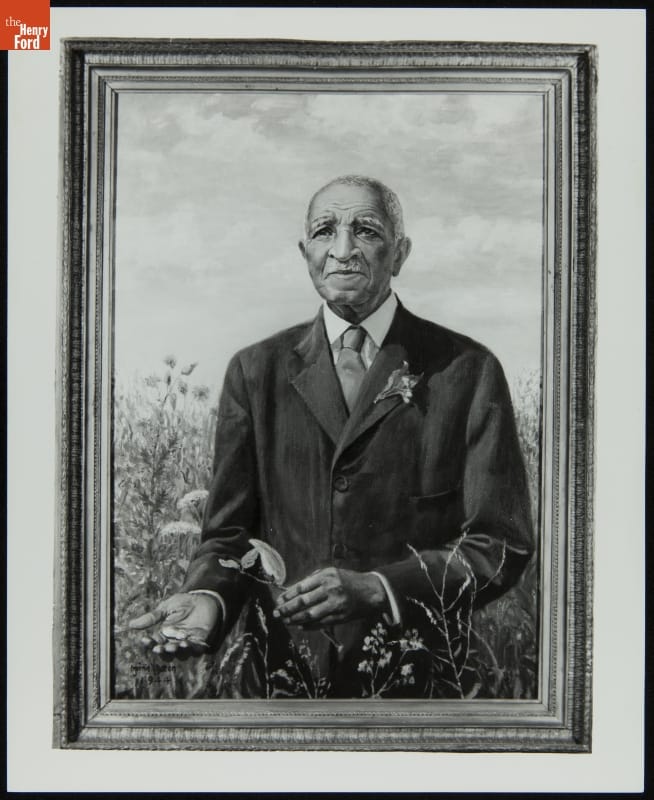
- Portrait of George Washington Carver, 1944 - Henry Ford commissioned his personal artist, Irving Bacon, to paint a portrait of Ford's friend, the agricultural scientist George Washington Carver. Carver sat for the painting during his visit to Dearborn in 1942. This photographs documents the work. Carver, who loved plants, the soil, and farmers, is shown in a meadow wearing his customary old suit with boutonniere and holding a peanut and milkweed pod.
- 1944
- Collections - Artifact
Portrait of George Washington Carver, 1944
Henry Ford commissioned his personal artist, Irving Bacon, to paint a portrait of Ford's friend, the agricultural scientist George Washington Carver. Carver sat for the painting during his visit to Dearborn in 1942. This photographs documents the work. Carver, who loved plants, the soil, and farmers, is shown in a meadow wearing his customary old suit with boutonniere and holding a peanut and milkweed pod.
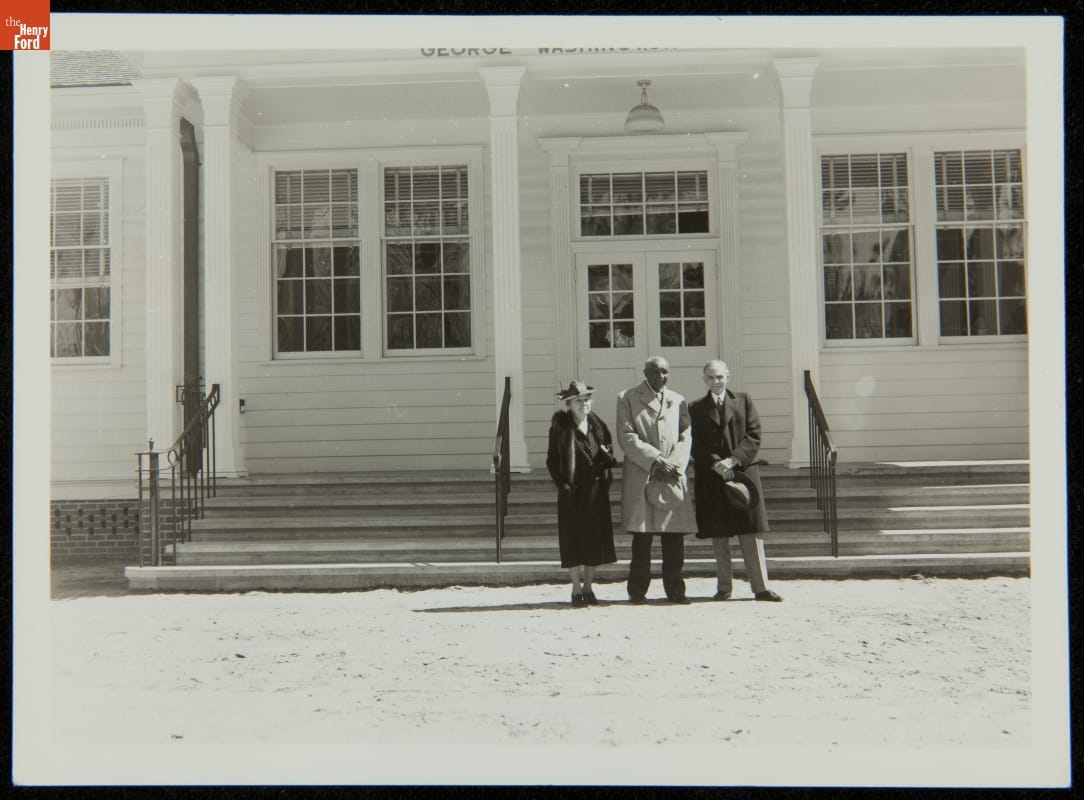
- George Washington Carver with Henry and Clara Ford at the Dedication of George Washington Carver School, 1940 - Henry Ford honored his friend George Washington Carver by naming a school on his property in Georgia after Carver. In this photograph, Clara Bryant Ford, George Washington Carver, and Henry Ford are standing in front of the George Washington Carver School at the school's 1940 dedication, in what used to be called Ways, now known as Richmond Hill, Georgia.
- March 13, 1940
- Collections - Artifact
George Washington Carver with Henry and Clara Ford at the Dedication of George Washington Carver School, 1940
Henry Ford honored his friend George Washington Carver by naming a school on his property in Georgia after Carver. In this photograph, Clara Bryant Ford, George Washington Carver, and Henry Ford are standing in front of the George Washington Carver School at the school's 1940 dedication, in what used to be called Ways, now known as Richmond Hill, Georgia.