
Search
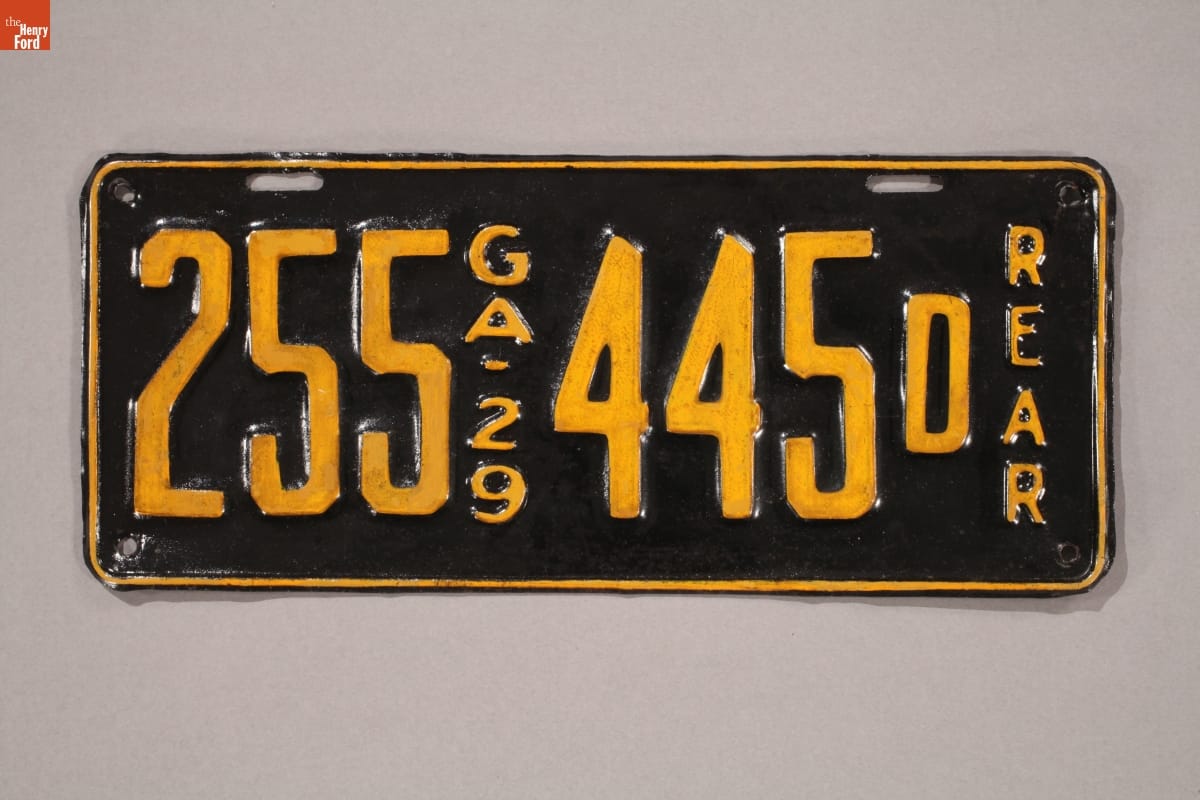
- Georgia License Plate, 1929 - Early state-issued license plates were made of porcelain-coated iron. Later, states stamped tin, steel, or even copper to make plates. During the Second World War several states used fiberboard. Plate colors varied and some states added symbols, mottoes, or other design elements. Today, states use reflective sheeting to coat a standard-sized aluminum blank which is then stamped and decorated.
- 1929
- Collections - Artifact
Georgia License Plate, 1929
Early state-issued license plates were made of porcelain-coated iron. Later, states stamped tin, steel, or even copper to make plates. During the Second World War several states used fiberboard. Plate colors varied and some states added symbols, mottoes, or other design elements. Today, states use reflective sheeting to coat a standard-sized aluminum blank which is then stamped and decorated.
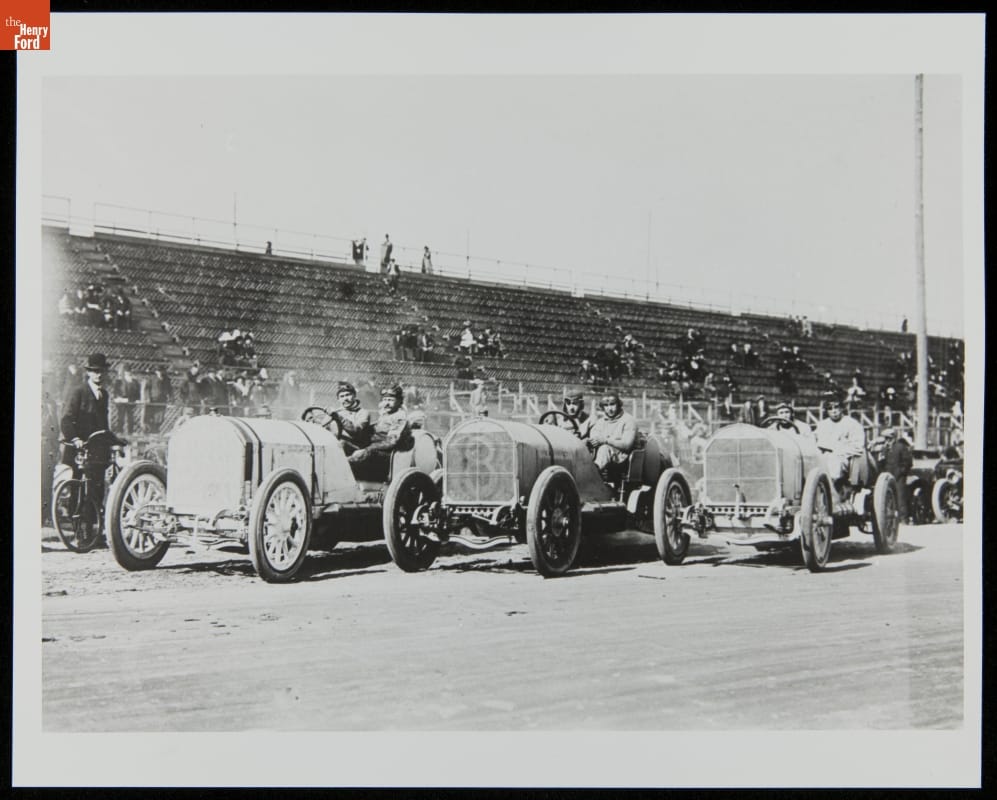
- Benz Team, Savannah, Georgia - After six races on New York's Long Island, the Vanderbilt Cup -- America's premier international road race in its time -- moved to Savannah, Georgia, in 1911. Mercedes cars from Germany's Daimler Motors finished second and third, but the victory went to Ralph Mulford in his #8 American-made Lozier. The winning Lozier is flanked by the two Mercedes in this photo.
- November 27, 1911
- Collections - Artifact
Benz Team, Savannah, Georgia
After six races on New York's Long Island, the Vanderbilt Cup -- America's premier international road race in its time -- moved to Savannah, Georgia, in 1911. Mercedes cars from Germany's Daimler Motors finished second and third, but the victory went to Ralph Mulford in his #8 American-made Lozier. The winning Lozier is flanked by the two Mercedes in this photo.
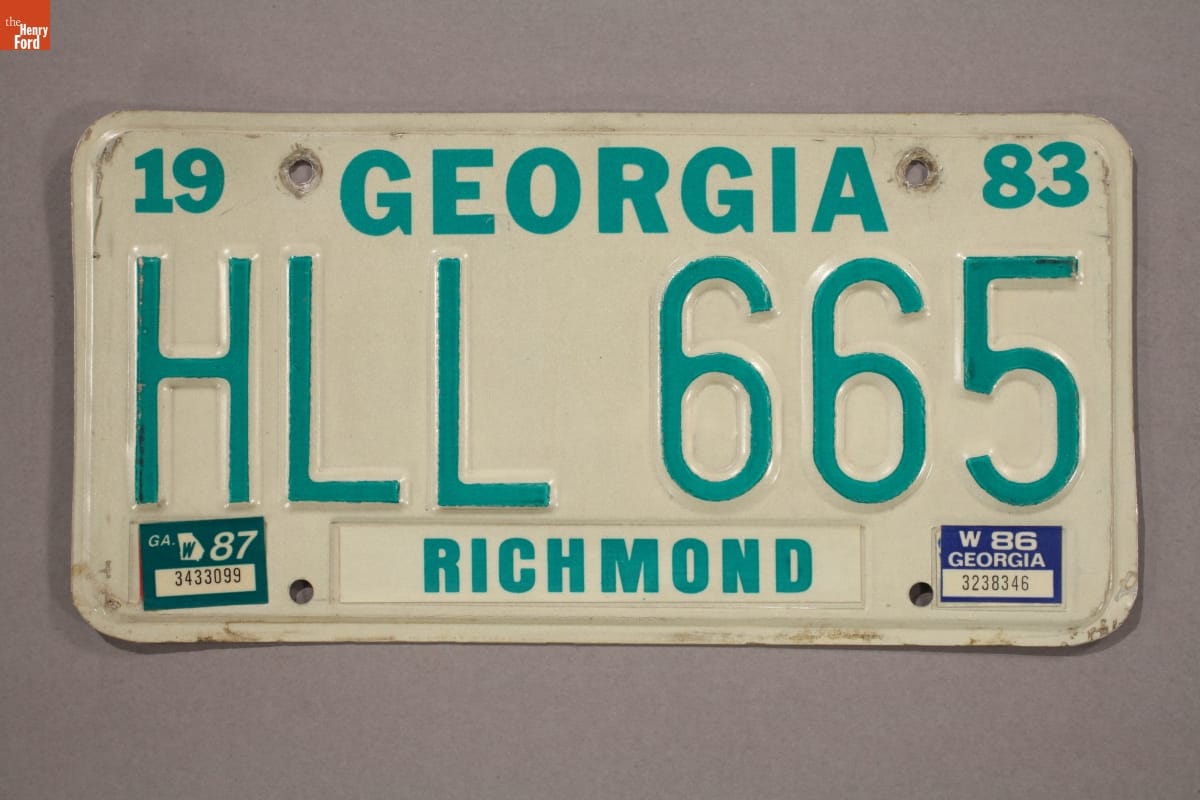
- Georgia License Plate, 1983 - Early state-issued license plates were made of porcelain-coated iron. Later, states stamped tin, steel, or even copper to make plates. During the Second World War several states used fiberboard. Plate colors varied and some states added symbols, mottoes, or other design elements. Today, states use reflective sheeting to coat a standard-sized aluminum blank which is then stamped and decorated.
- 1983
- Collections - Artifact
Georgia License Plate, 1983
Early state-issued license plates were made of porcelain-coated iron. Later, states stamped tin, steel, or even copper to make plates. During the Second World War several states used fiberboard. Plate colors varied and some states added symbols, mottoes, or other design elements. Today, states use reflective sheeting to coat a standard-sized aluminum blank which is then stamped and decorated.
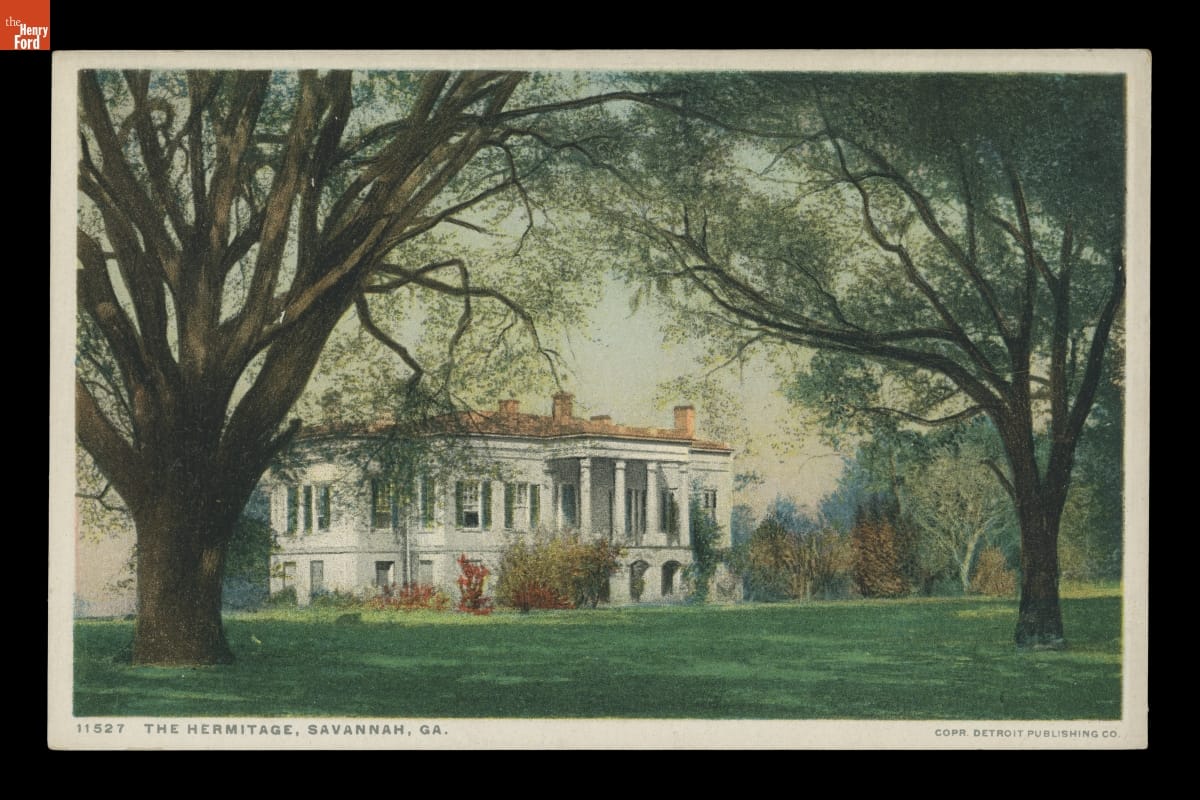
- The Hermitage, Savannah, Georgia -
- 1907
- Collections - Artifact
The Hermitage, Savannah, Georgia
- Bob Burman, Savannah, Georgia - The 1911 Grand Prix season was closed out by the American Grand Prize Race, held in Savannah, Georgia, on November 30 of that year. American driver David Bruce-Brown won the event in the #48 Fiat. The 410-mile race took place on the 17-mile road course used for the 1911 Vanderbilt Cup a few days earlier.
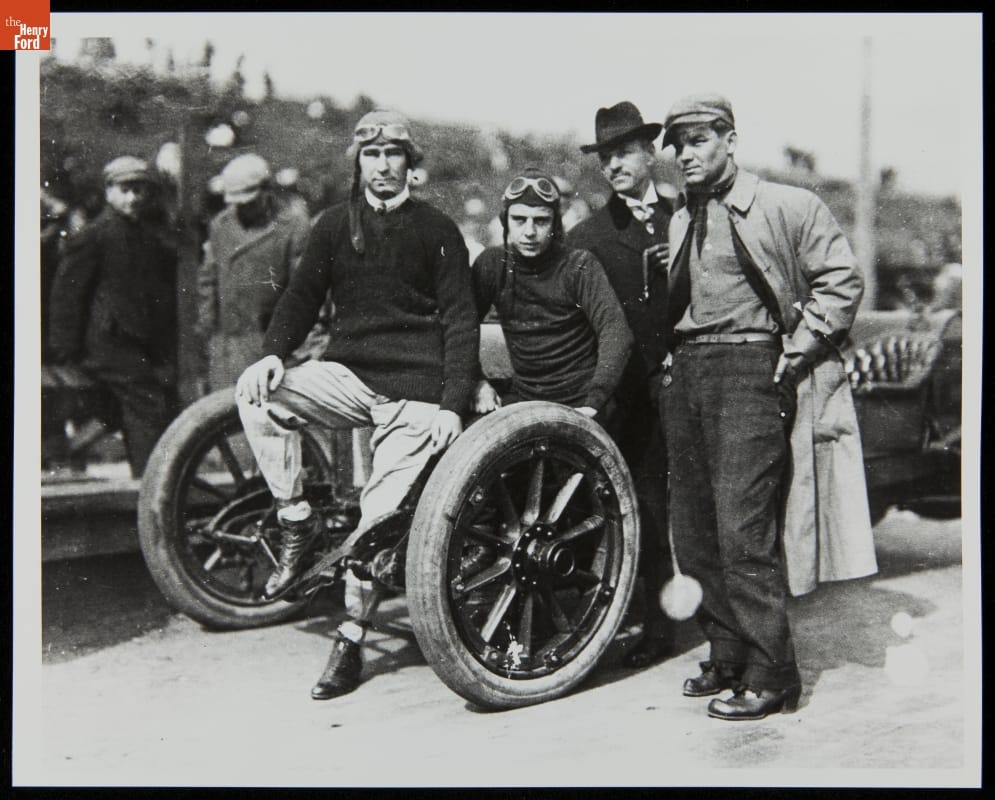
- November 30, 1911
- Collections - Artifact
Bob Burman, Savannah, Georgia
The 1911 Grand Prix season was closed out by the American Grand Prize Race, held in Savannah, Georgia, on November 30 of that year. American driver David Bruce-Brown won the event in the #48 Fiat. The 410-mile race took place on the 17-mile road course used for the 1911 Vanderbilt Cup a few days earlier.
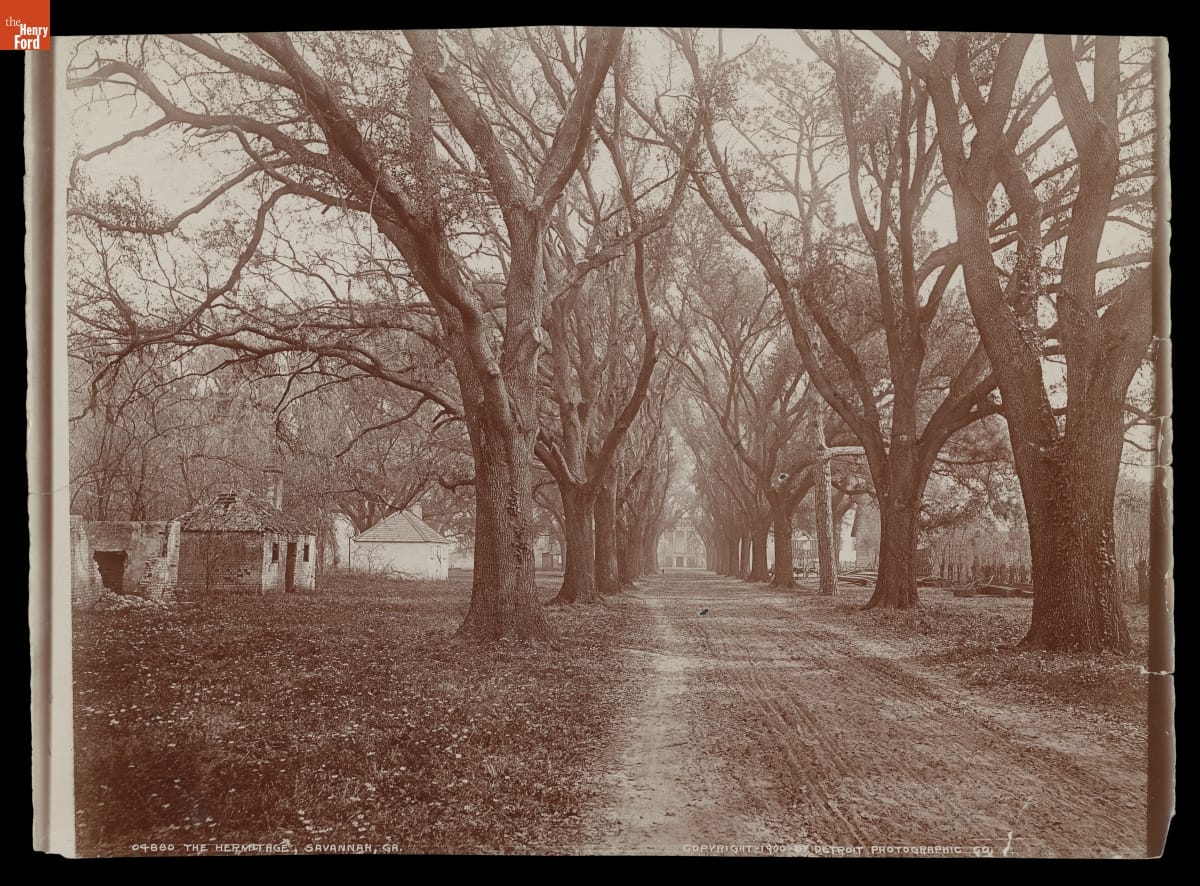
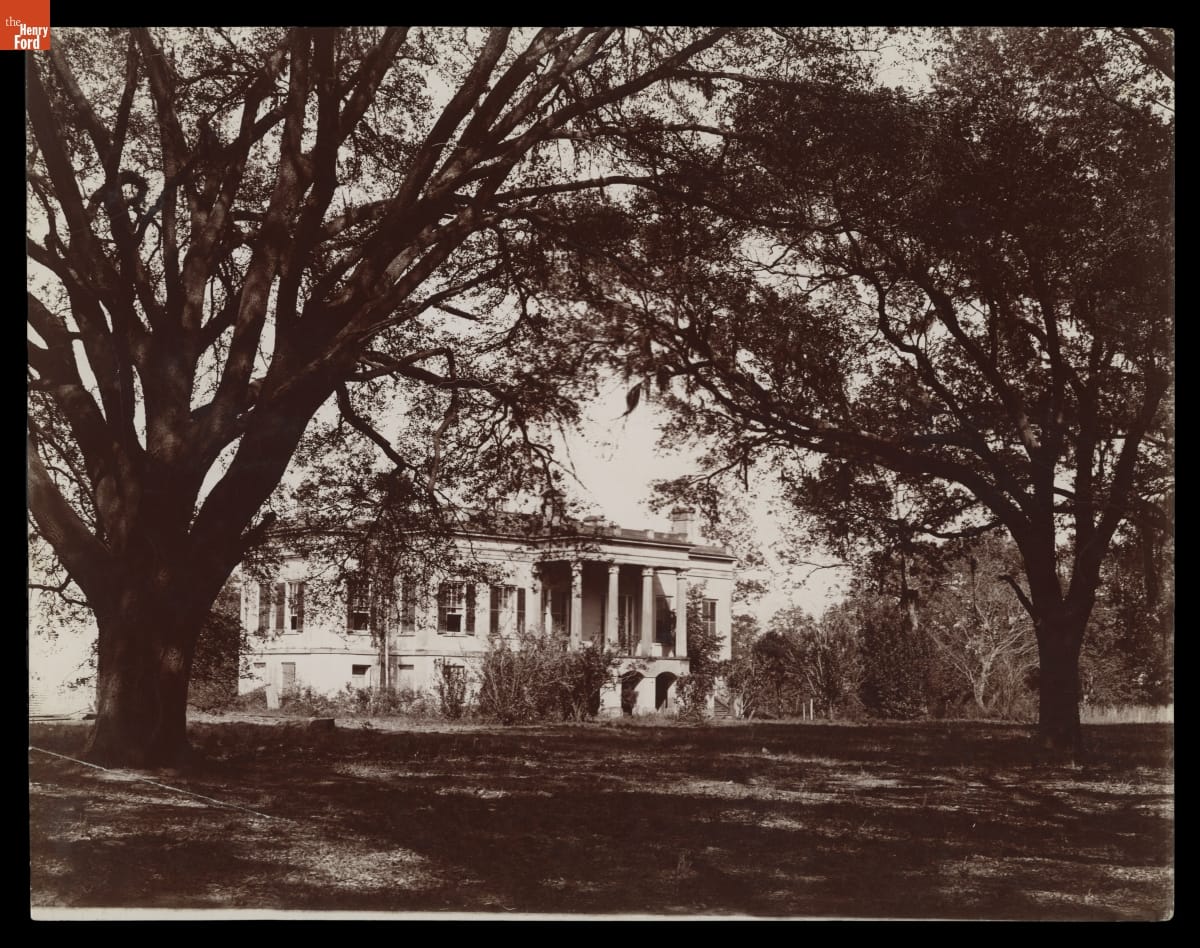
- The Hermitage, Savannah, Georgia - Hundreds of enslaved people worked on the Hermitage Plantation near Savannah, Georgia, before the Civil War. They cultivated rice, raised livestock, made bricks, and operated a sawmill and foundry. After the war, depictions of the "old slave huts" and the now-freed people who lived in them appealed to tourists seeking the last vestiges of the "Old South" and intent on romanticizing times of enslavement.
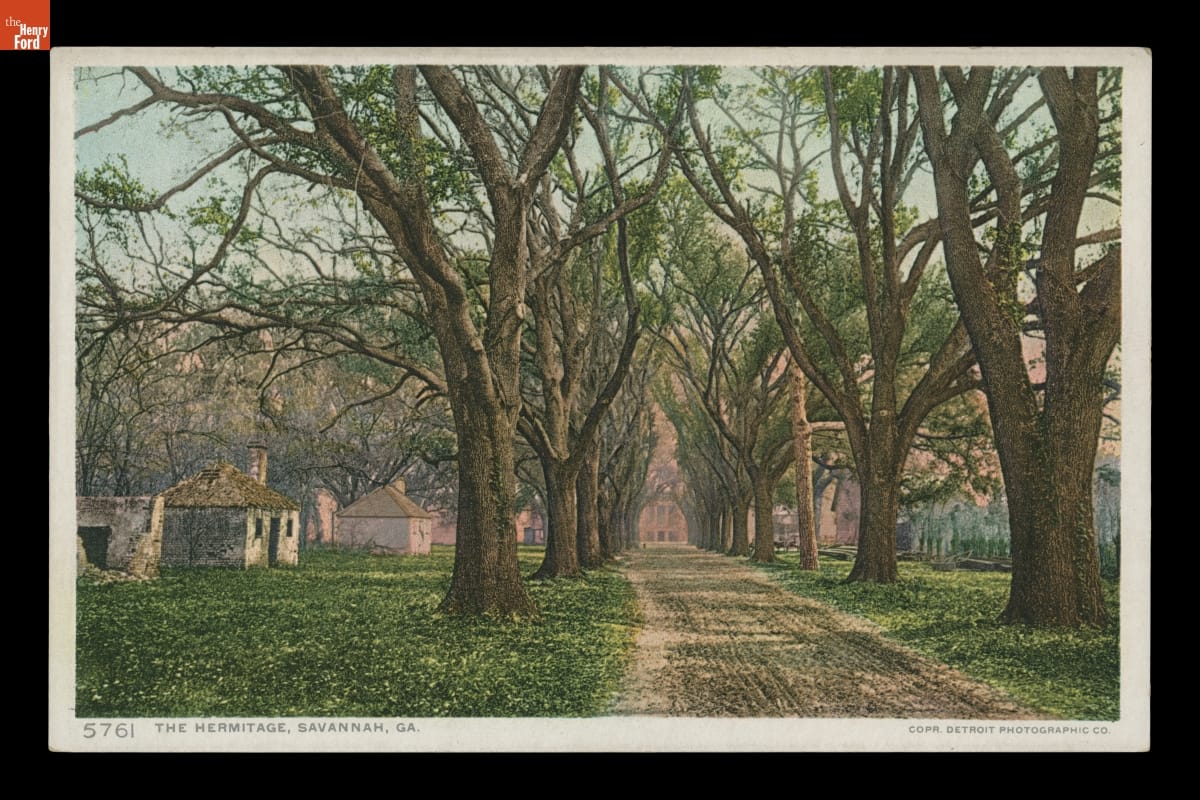
- 1900
- Collections - Artifact
The Hermitage, Savannah, Georgia
Hundreds of enslaved people worked on the Hermitage Plantation near Savannah, Georgia, before the Civil War. They cultivated rice, raised livestock, made bricks, and operated a sawmill and foundry. After the war, depictions of the "old slave huts" and the now-freed people who lived in them appealed to tourists seeking the last vestiges of the "Old South" and intent on romanticizing times of enslavement.
- Picking Cotton, Georgia, 1887 -
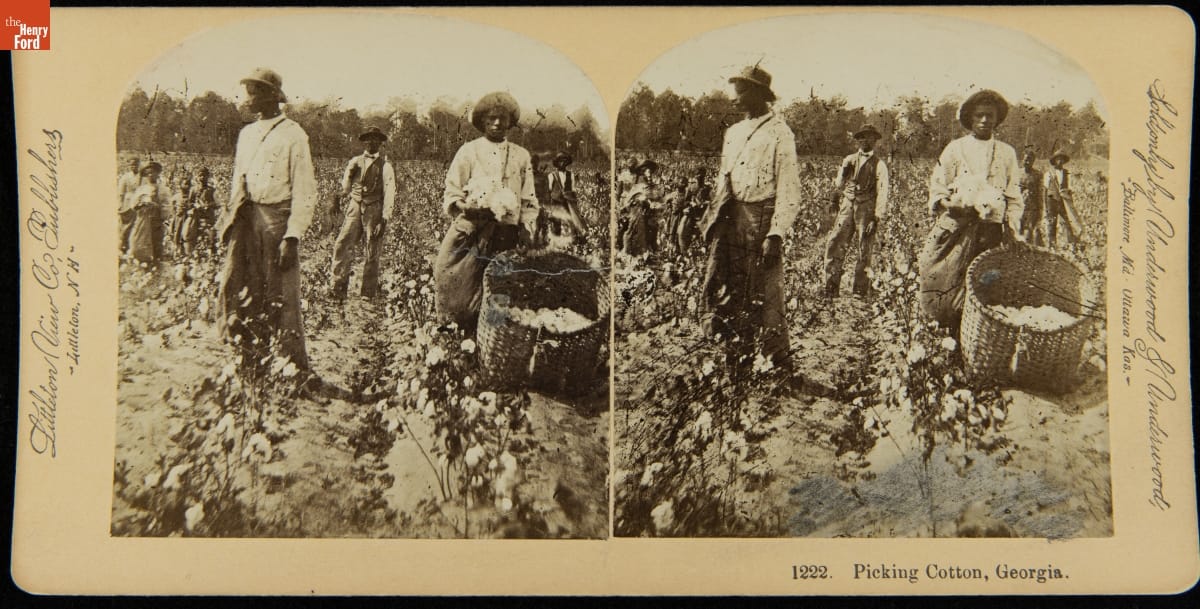
- 1887
- Collections - Artifact
Picking Cotton, Georgia, 1887
- Georgia License Plate, 1927 - Early state-issued license plates were made of porcelain-coated iron. Later, states stamped tin, steel, or even copper to make plates. During the Second World War several states used fiberboard. Plate colors varied and some states added symbols, mottoes, or other design elements. Today, states use reflective sheeting to coat a standard-sized aluminum blank which is then stamped and decorated.
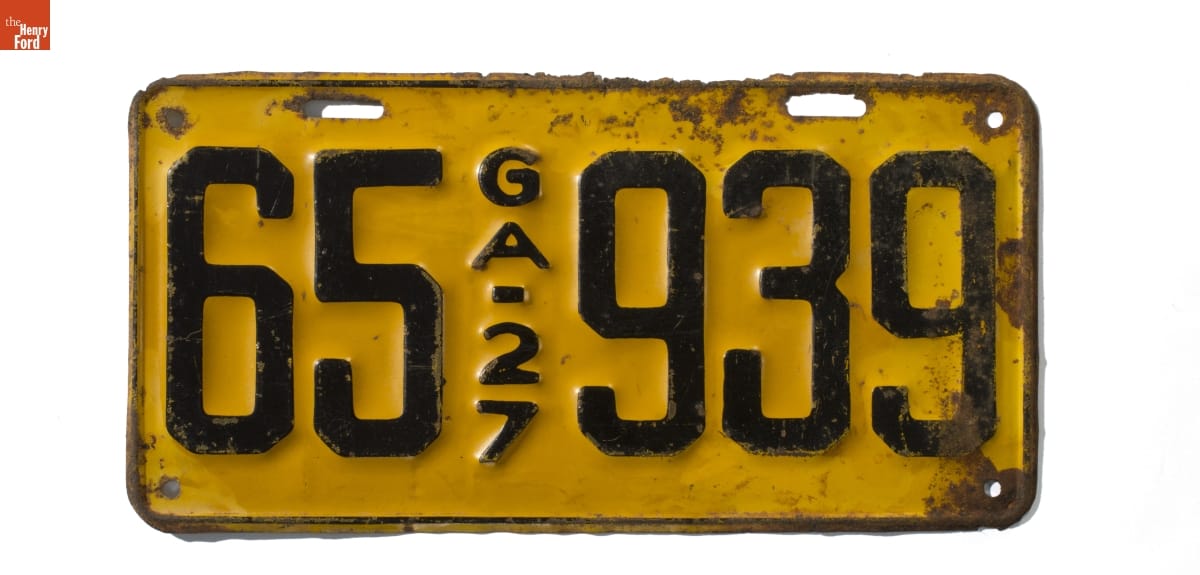
- 1927
- Collections - Artifact
Georgia License Plate, 1927
Early state-issued license plates were made of porcelain-coated iron. Later, states stamped tin, steel, or even copper to make plates. During the Second World War several states used fiberboard. Plate colors varied and some states added symbols, mottoes, or other design elements. Today, states use reflective sheeting to coat a standard-sized aluminum blank which is then stamped and decorated.
- The Hermitage, Savannah, Georgia -
- 1900
- Collections - Artifact
The Hermitage, Savannah, Georgia
- The Hermitage, Savannah, Georgia -
- October 15, 1907
- Collections - Artifact
The Hermitage, Savannah, Georgia