
Search
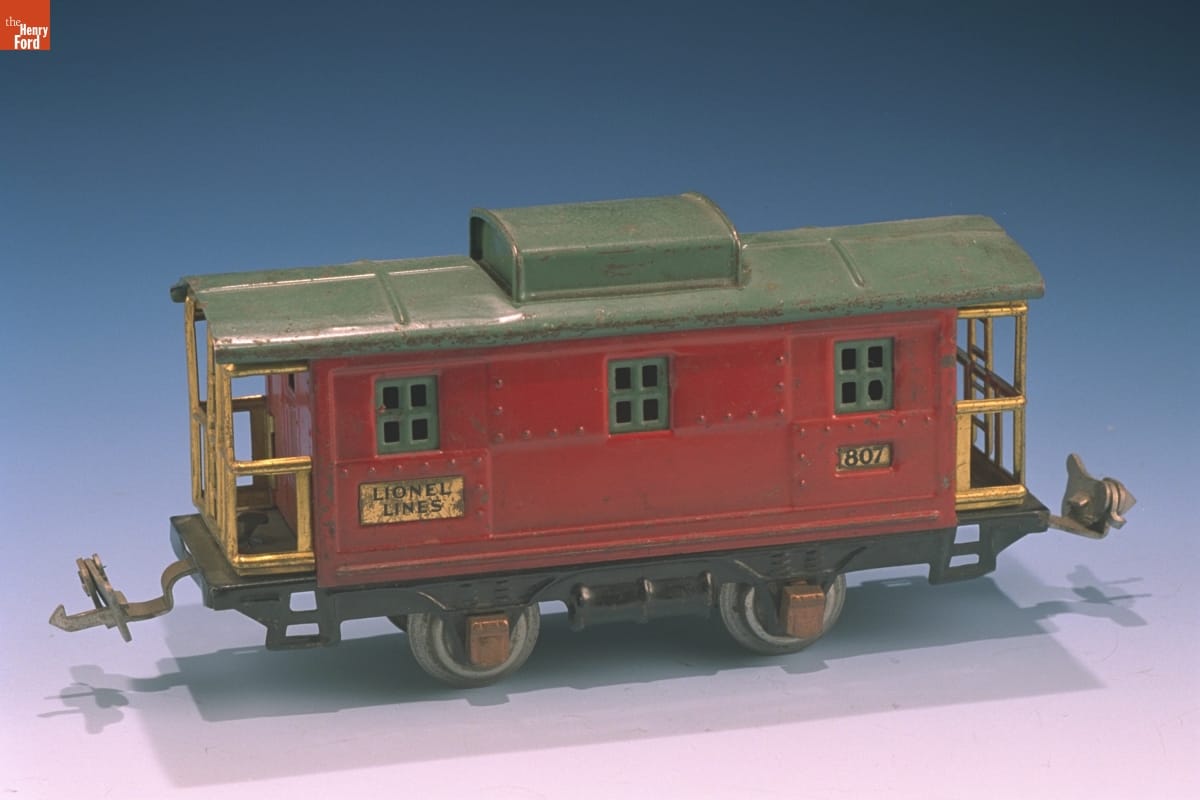
- Toy Caboose, 1927 - For 150 years, the caboose was a mainstay at the rear of American freight trains, where it served as the conductor's office and the crew's quarters. Similarly, no Lionel model freight train was complete without one. This version was produced in 1927. Cabooses are likely the most common freight car type made by American model railroad manufacturers.
- 1927
- Collections - Artifact
Toy Caboose, 1927
For 150 years, the caboose was a mainstay at the rear of American freight trains, where it served as the conductor's office and the crew's quarters. Similarly, no Lionel model freight train was complete without one. This version was produced in 1927. Cabooses are likely the most common freight car type made by American model railroad manufacturers.
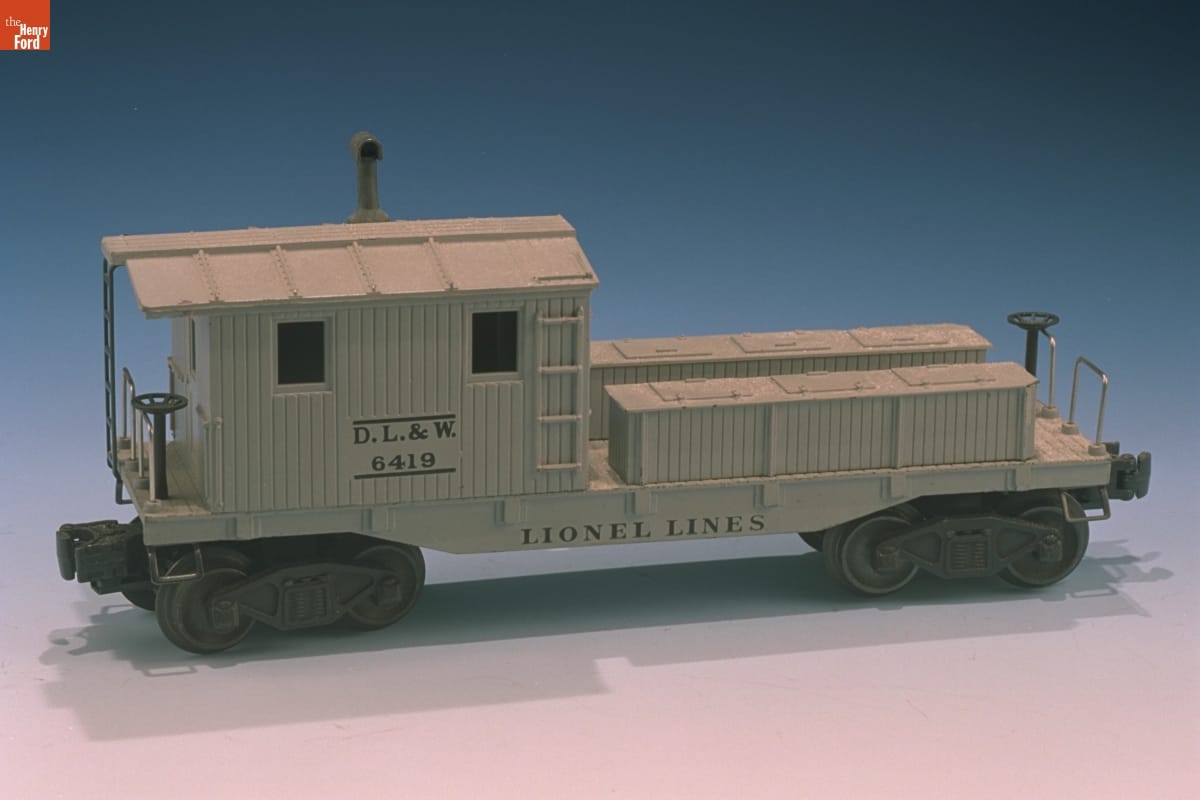
- Toy Wrecker Caboose, 1948 - Lionel introduced a model of a Delaware, Lackawanna & Western Railroad wrecker caboose in 1946, and this example was manufactured two years later. Wrecker cabooses were used on wreck trains that carried tools and equipment used to clear derailed locomotives and cars from the track. Blocked track earned no money, so quick clean-up was vital.
- 1948
- Collections - Artifact
Toy Wrecker Caboose, 1948
Lionel introduced a model of a Delaware, Lackawanna & Western Railroad wrecker caboose in 1946, and this example was manufactured two years later. Wrecker cabooses were used on wreck trains that carried tools and equipment used to clear derailed locomotives and cars from the track. Blocked track earned no money, so quick clean-up was vital.
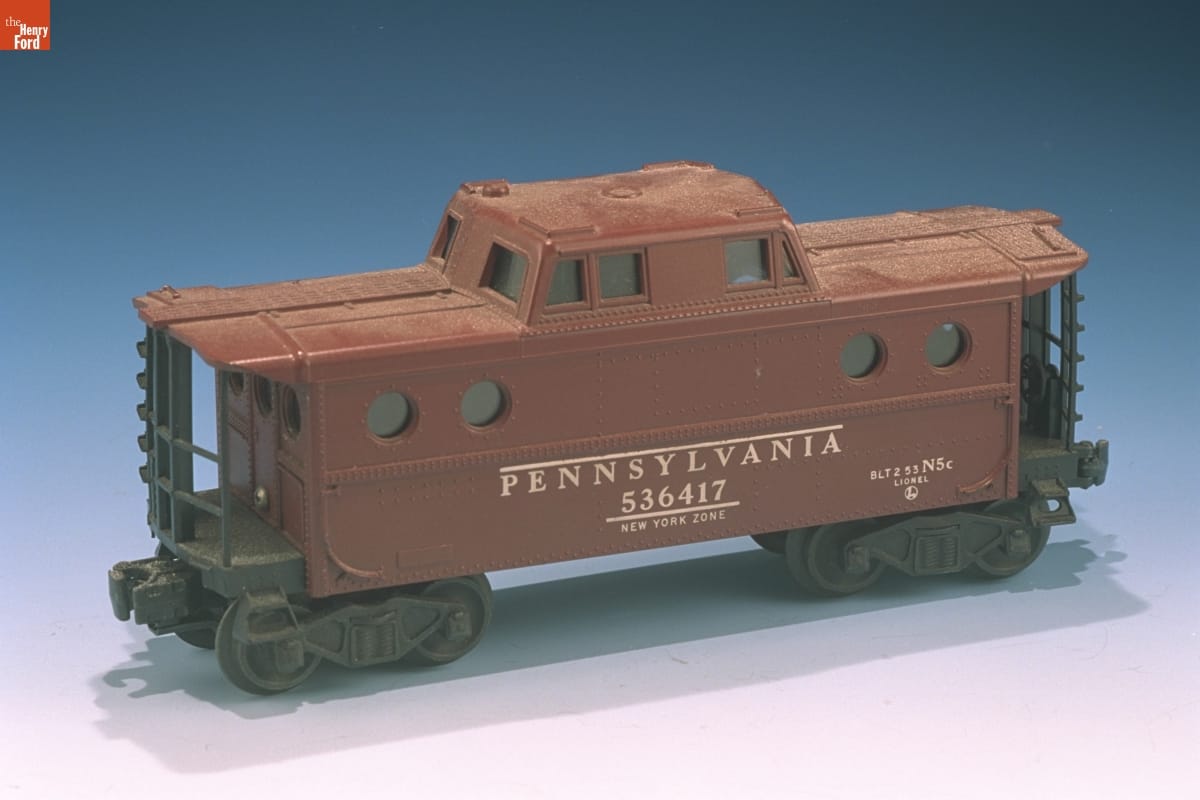
- Toy Caboose, 1953 - Lionel introduced this model of a Pennsylvania Railroad series N5c caboose in 1953, and it remained in production through 1957. For 150 years, the caboose was a mainstay at the rear of American freight trains, where it served as the conductor's office and the crew's quarters. But smaller train crews and new technologies made the caboose obsolete by the 1980s.
- 1953
- Collections - Artifact
Toy Caboose, 1953
Lionel introduced this model of a Pennsylvania Railroad series N5c caboose in 1953, and it remained in production through 1957. For 150 years, the caboose was a mainstay at the rear of American freight trains, where it served as the conductor's office and the crew's quarters. But smaller train crews and new technologies made the caboose obsolete by the 1980s.
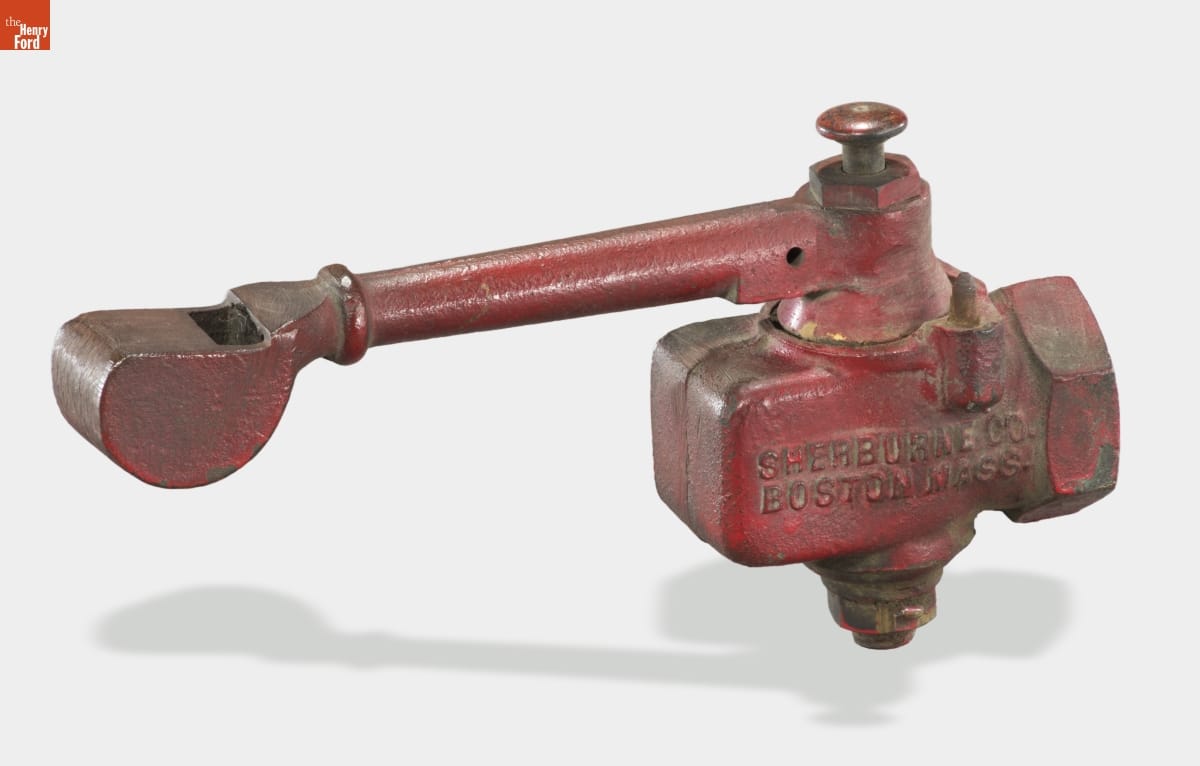
- Sherburne Company Caboose Whistle, 1932-1940 - Usually the caboose was at the rear of a freight train, where it served as a workspace for the conductor and crew. But when a train ran in reverse, the caboose became the front. The crew used a whistle like this to signal a warning when approaching railroad crossings. Air pressure from the train's brake line produced the whistle's sound.
- 1932-1940
- Collections - Artifact
Sherburne Company Caboose Whistle, 1932-1940
Usually the caboose was at the rear of a freight train, where it served as a workspace for the conductor and crew. But when a train ran in reverse, the caboose became the front. The crew used a whistle like this to signal a warning when approaching railroad crossings. Air pressure from the train's brake line produced the whistle's sound.
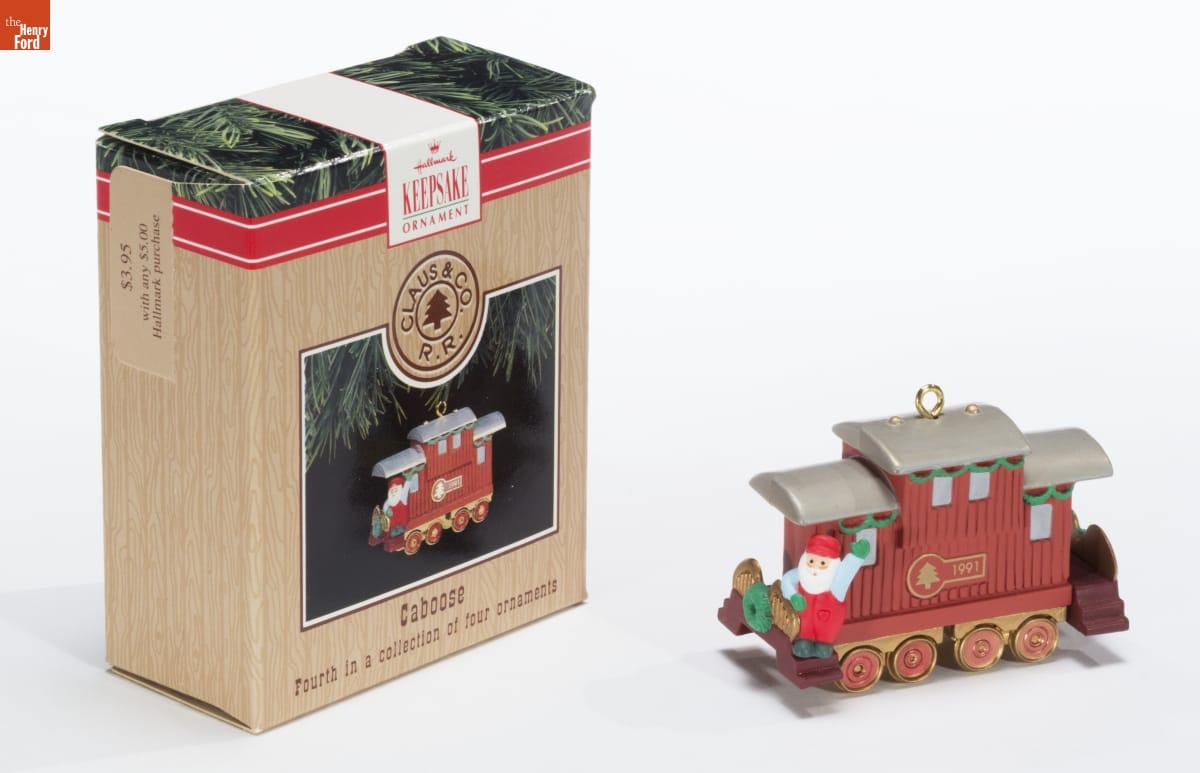
- Hallmark "Caboose" Christmas Ornament, 1991 - Already known for greeting cards, Hallmark introduced a line of Christmas ornaments in 1973. The company's annual release of an increasing array of ornaments revolutionized Christmas decorating, appealing to customers' interest in marking memories and milestones as well as expressing one's personality and unique tastes.
- 1991
- Collections - Artifact
Hallmark "Caboose" Christmas Ornament, 1991
Already known for greeting cards, Hallmark introduced a line of Christmas ornaments in 1973. The company's annual release of an increasing array of ornaments revolutionized Christmas decorating, appealing to customers' interest in marking memories and milestones as well as expressing one's personality and unique tastes.
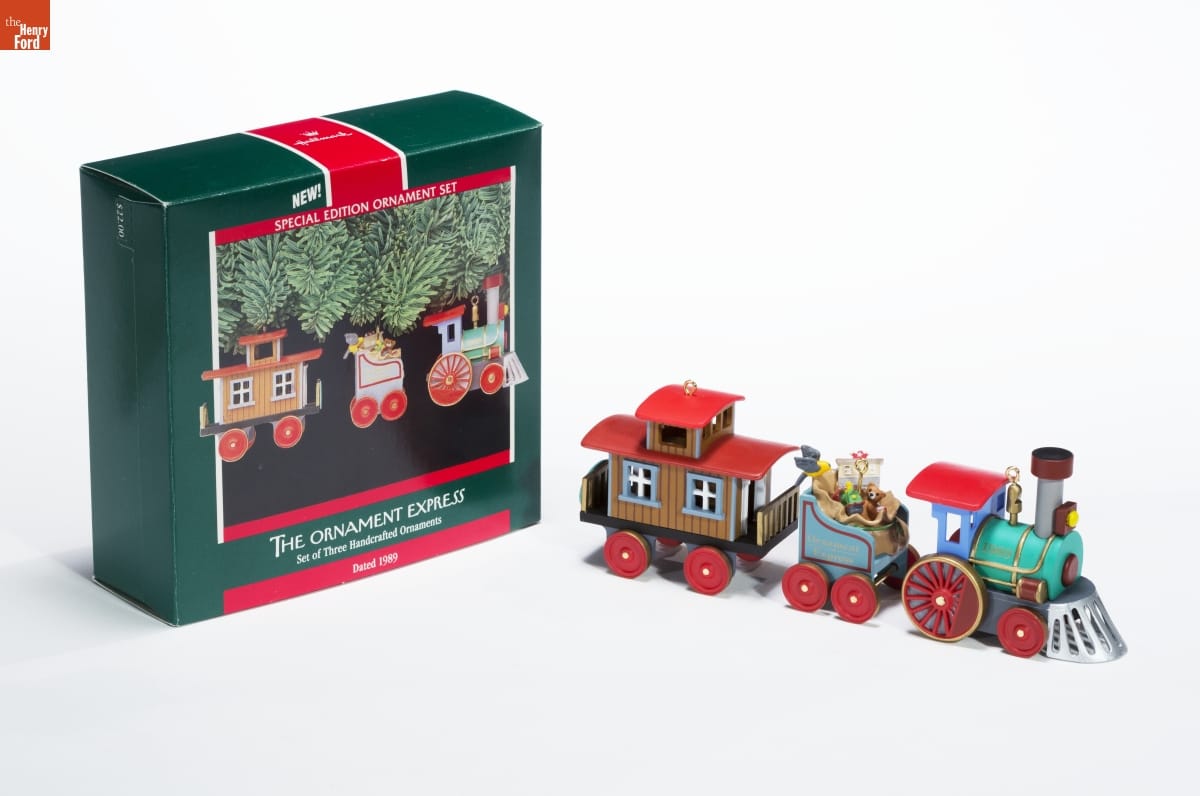
- Hallmark "The Ornament Express" Christmas Ornament Set, 1989 - Already known for greeting cards, Hallmark introduced a line of Christmas ornaments in 1973. The company's annual release of an increasing array of ornaments revolutionized Christmas decorating, appealing to customers' interest in marking memories and milestones as well as expressing one's personality and unique tastes.
- 1989
- Collections - Artifact
Hallmark "The Ornament Express" Christmas Ornament Set, 1989
Already known for greeting cards, Hallmark introduced a line of Christmas ornaments in 1973. The company's annual release of an increasing array of ornaments revolutionized Christmas decorating, appealing to customers' interest in marking memories and milestones as well as expressing one's personality and unique tastes.
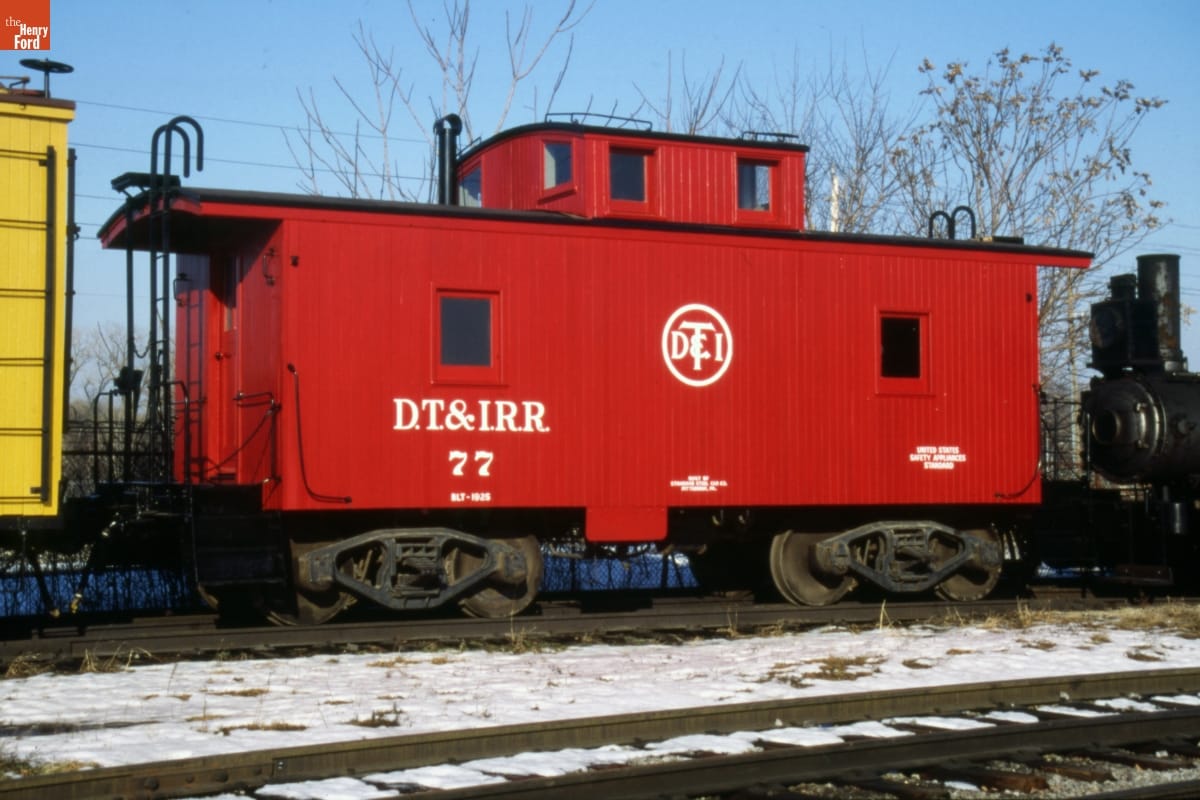
- Detroit Toledo & Ironton Railroad Caboose, 1925 - The caboose was the conductor's office, the crew's quarters, and the observation platform from which to spot problems with the train. It could also be dangerous. "Slack action" -- sudden movement when slack ran in and out of a moving train -- could toss riders about. Computerized record keeping, trackside defect detectors, and smaller crews made the caboose obsolete by the 1980s.
- 1925
- Collections - Artifact
Detroit Toledo & Ironton Railroad Caboose, 1925
The caboose was the conductor's office, the crew's quarters, and the observation platform from which to spot problems with the train. It could also be dangerous. "Slack action" -- sudden movement when slack ran in and out of a moving train -- could toss riders about. Computerized record keeping, trackside defect detectors, and smaller crews made the caboose obsolete by the 1980s.
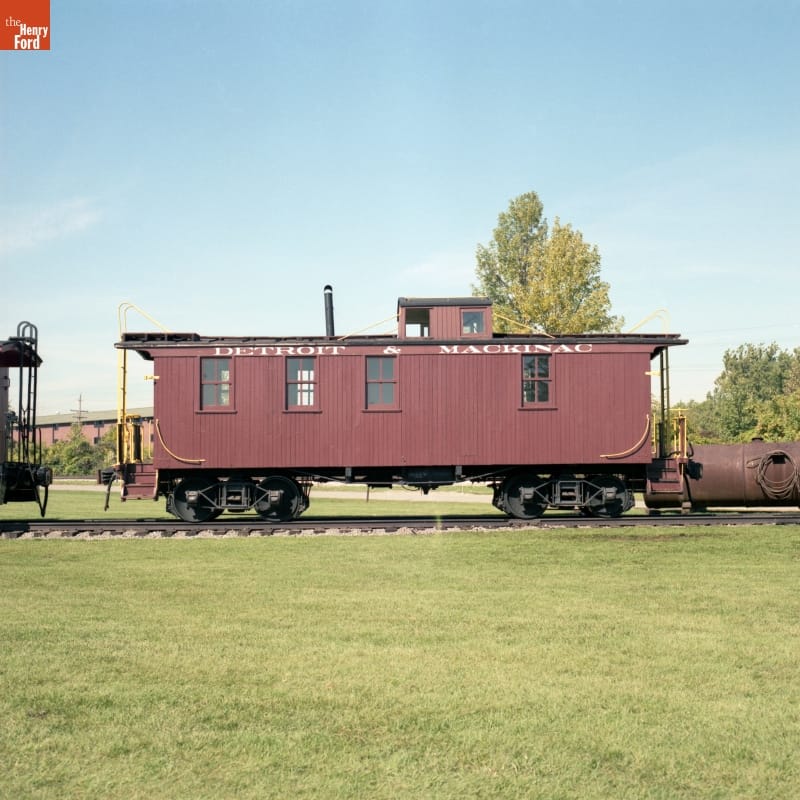
- Detroit & Mackinac Railway Caboose, circa 1912 - The caboose was the conductor's office, the crew's quarters, and -- from the elevated cupola -- a place to spot problems on the train. By the 1980s, the caboose was made obsolete by new technologies and smaller crews. This car served on Michigan's Detroit & Mackinac Railway, which operated a 200-mile route between Bay City and Cheboygan along the Lake Huron shoreline.
- circa 1912
- Collections - Artifact
Detroit & Mackinac Railway Caboose, circa 1912
The caboose was the conductor's office, the crew's quarters, and -- from the elevated cupola -- a place to spot problems on the train. By the 1980s, the caboose was made obsolete by new technologies and smaller crews. This car served on Michigan's Detroit & Mackinac Railway, which operated a 200-mile route between Bay City and Cheboygan along the Lake Huron shoreline.
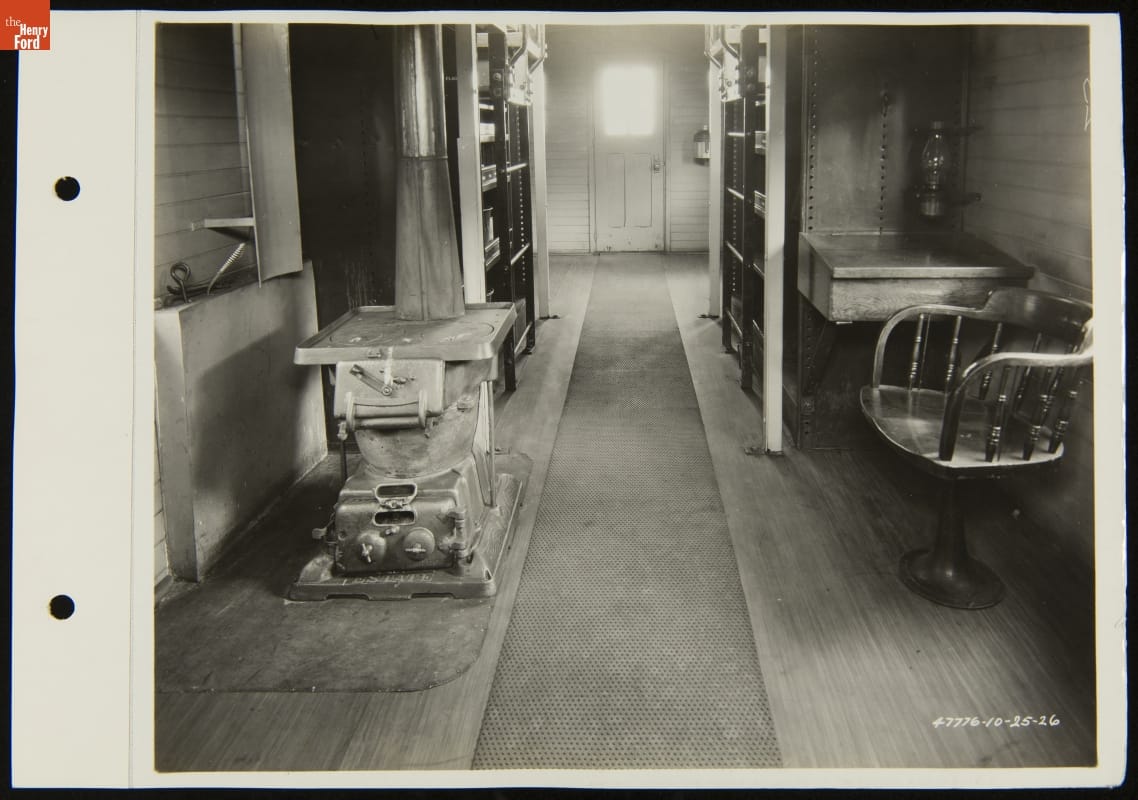
- Interior of a Railroad Caboose, Detroit, Toledo & Ironton Railroad, October 1926 - The caboose served as an office for the conductor, temporary living quarters for the train crew and a storage shack for tools and equipment. The cupola at top provided crew members with a place to watch for problems with the train. Computerized record keeping, trackside defect detectors and smaller crews all made the caboose obsolete by the 1980s.
- October 25, 1926
- Collections - Artifact
Interior of a Railroad Caboose, Detroit, Toledo & Ironton Railroad, October 1926
The caboose served as an office for the conductor, temporary living quarters for the train crew and a storage shack for tools and equipment. The cupola at top provided crew members with a place to watch for problems with the train. Computerized record keeping, trackside defect detectors and smaller crews all made the caboose obsolete by the 1980s.
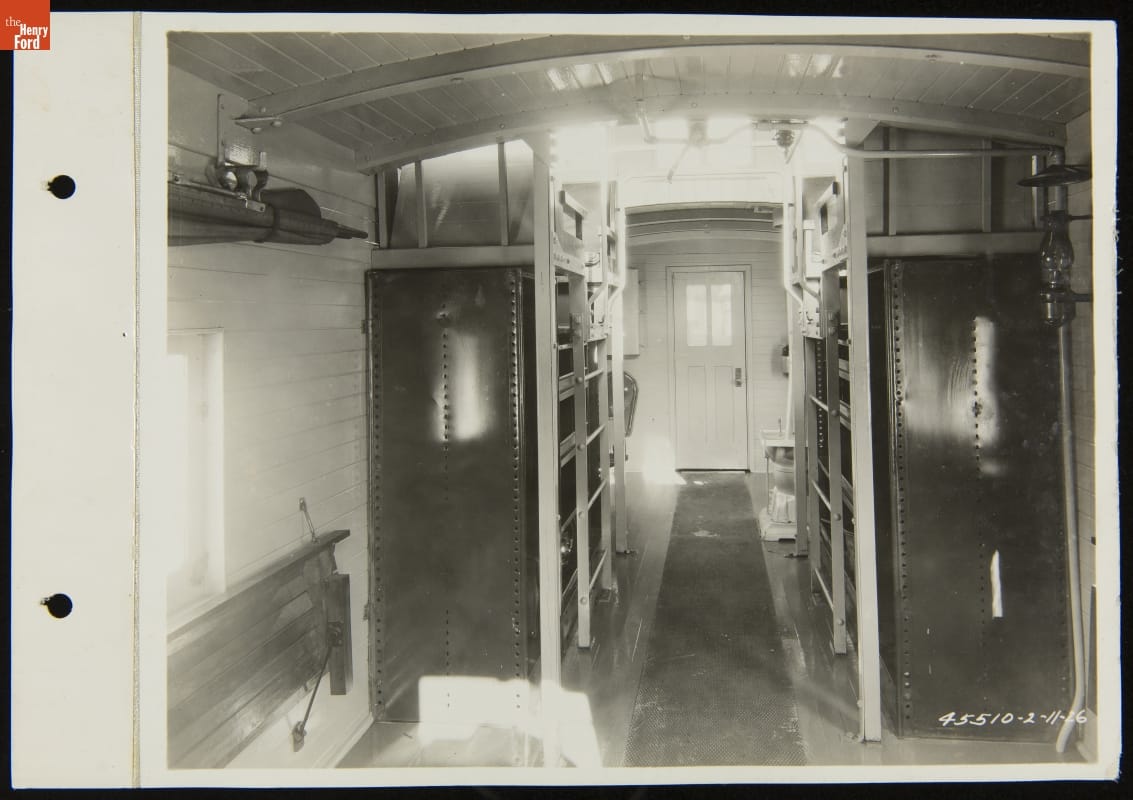
- Interior of a Railroad Caboose, Detroit, Toledo & Ironton Railroad, February 1926 - The caboose served as an office for the conductor, temporary living quarters for the train crew and a storage shack for tools and equipment. The cupola at top provided crew members with a place to watch for problems with the train. Computerized record keeping, trackside defect detectors and smaller crews all made the caboose obsolete by the 1980s.
- February 11, 1926
- Collections - Artifact
Interior of a Railroad Caboose, Detroit, Toledo & Ironton Railroad, February 1926
The caboose served as an office for the conductor, temporary living quarters for the train crew and a storage shack for tools and equipment. The cupola at top provided crew members with a place to watch for problems with the train. Computerized record keeping, trackside defect detectors and smaller crews all made the caboose obsolete by the 1980s.