
Detroit Toledo & Ironton Railroad Caboose, 1925
THF80594 / Detroit Toledo & Ironton Railroad Caboose, 1925
01
Artifact Overview
The caboose was the conductor's office, the crew's quarters, and the observation platform from which to spot problems with the train. It could also be dangerous. "Slack action" -- sudden movement when slack ran in and out of a moving train -- could toss riders about. Computerized record keeping, trackside defect detectors, and smaller crews made the caboose obsolete by the 1980s.
Artifact Details
Artifact
Caboose
Date Made
1925
Creators
Place of Creation
Location
at Henry Ford Museum in Transportation - Trains
Object ID
72.163.1
Credit
From the Collections of The Henry Ford. Gift of Detroit, Toledo & Ironton Railroad.
Material
Steel (Alloy)
Wood (Plant material)
Color
Red
Dimensions
Height: 14 ft
Width: 9.5 ft
Length: 29.25 ft
Inscriptions
Location not noted: D.T.&.I.R.R. / 77 / BLT 1925
Location not noted: DT&I
Location not noted: BUILT BY / STANDARD STEEL CAR CO. / PITTSBURGH, PA.
Location not noted: ATLAS LUBRICATORS / RPKD. D.T.I. / JN. 11-8-72
Location not noted: UNITED STATES / SAFETY APPLIANCES / STANDARD
Location not noted: DT&I 77
Keywords |
|---|
02
Related Content
 Set
SetOnline Railroad Collection
- 8 Artifacts
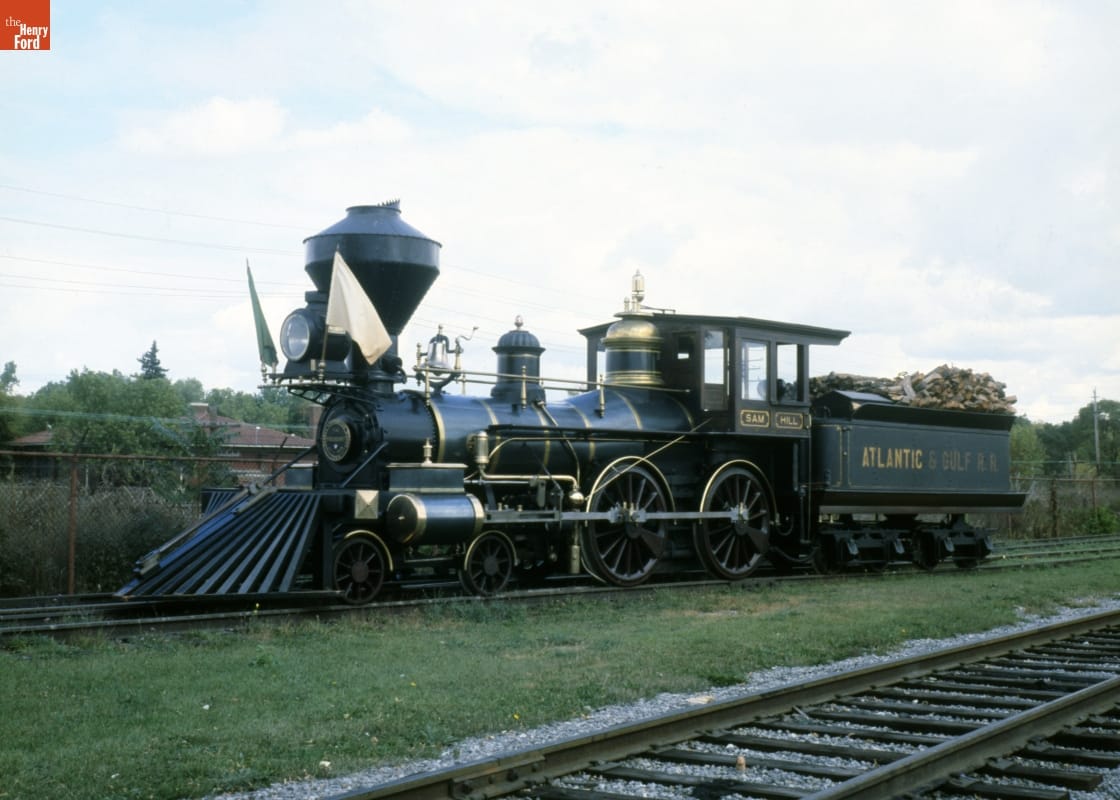
This 1858 Rogers steam locomotive is typical of those used in the United States in the second half of the 19th century. Its flexible wheel arrangement, high power output, and light weight were well suited to the tight curves, steep grades, and hastily constructed track that characterized American railroads. This locomotive struck an agreeable balance between practicality, safety, and economy.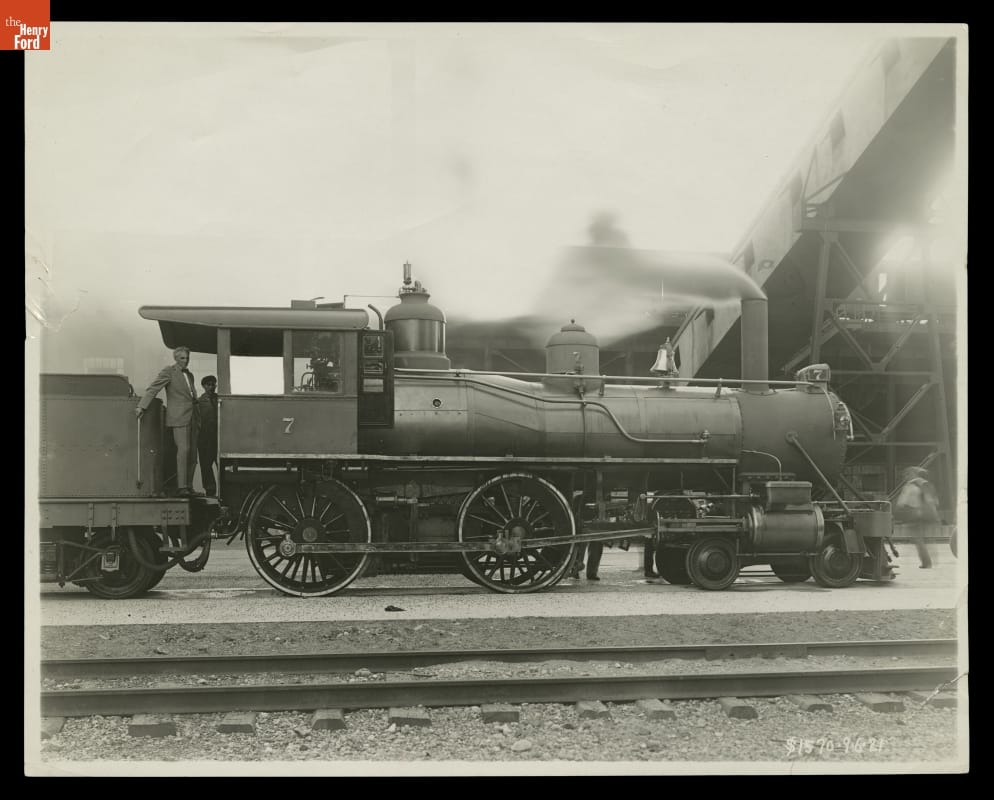 Set
SetHenry Ford and the Detroit, Toledo & Ironton Railroad
- 20 Artifacts
Henry Ford bought the Detroit, Toledo & Ironton Railroad in 1920. He used its 378-mile mainline -- between Detroit and Ironton, Ohio -- as a giant conveyor belt, hauling coal from Ford-owned mines to the Rouge in Dearborn. Ford spent $15 million improving DT&I's track and equipment but grew tired of burdensome railroad regulations. He sold the line in 1929.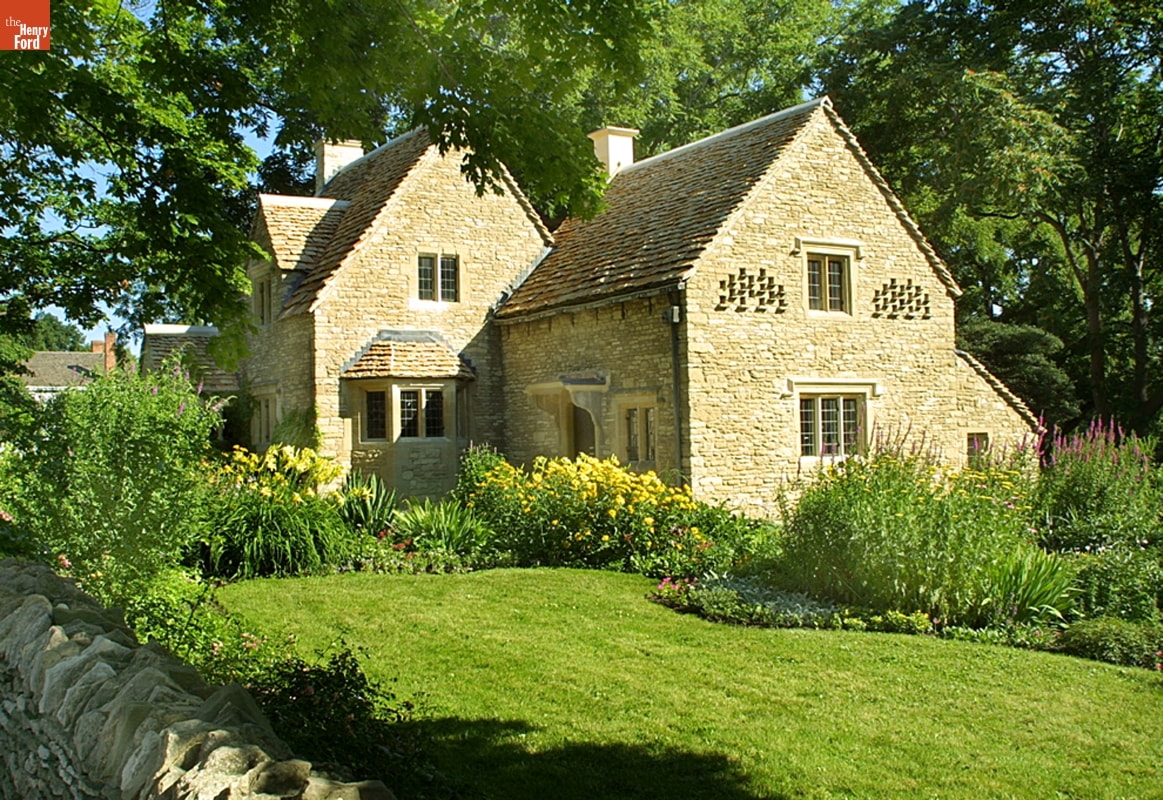 Set
SetFeatured on The Henry Ford's Innovation Nation: Season 5
- 26 Artifacts
Cotswold Cottage is from the Cotswold Hills in southwest England. The Fords were attracted to the distinctive character of Cotswold buildings, which are characterized by the yellow-brown stone, tall gables, steeply pitched roofs, and stone ornamentation around windows and doors. Several decorative additions were made to the house in England, before dismantling and re-erecting it in Greenfield Village.- Set
Mobility
- 49 Artifacts
This 1858 Rogers steam locomotive is typical of those used in the United States in the second half of the 19th century. Its flexible wheel arrangement, high power output, and light weight were well suited to the tight curves, steep grades, and hastily constructed track that characterized American railroads. This locomotive struck an agreeable balance between practicality, safety, and economy.