
Search
- Portrait of John Kruesi, 1880 -
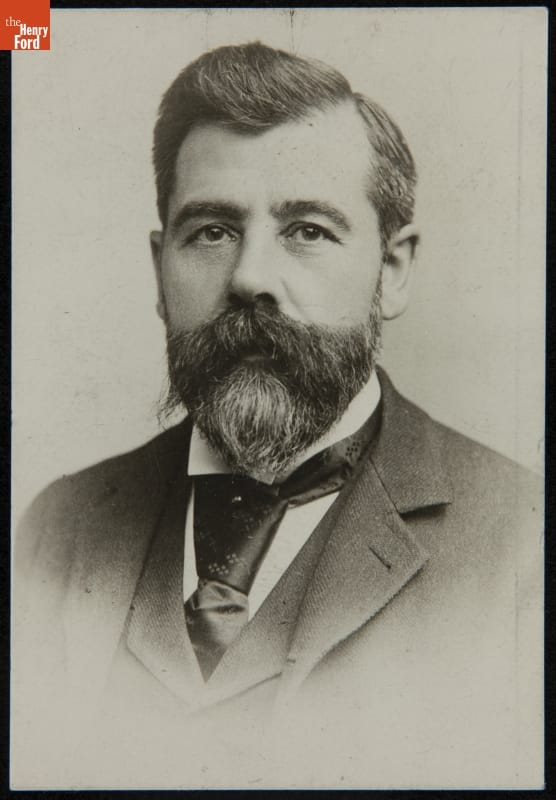
- 1880
- Collections - Artifact
Portrait of John Kruesi, 1880
- Photograph of John Kruesi, circa 1895 -
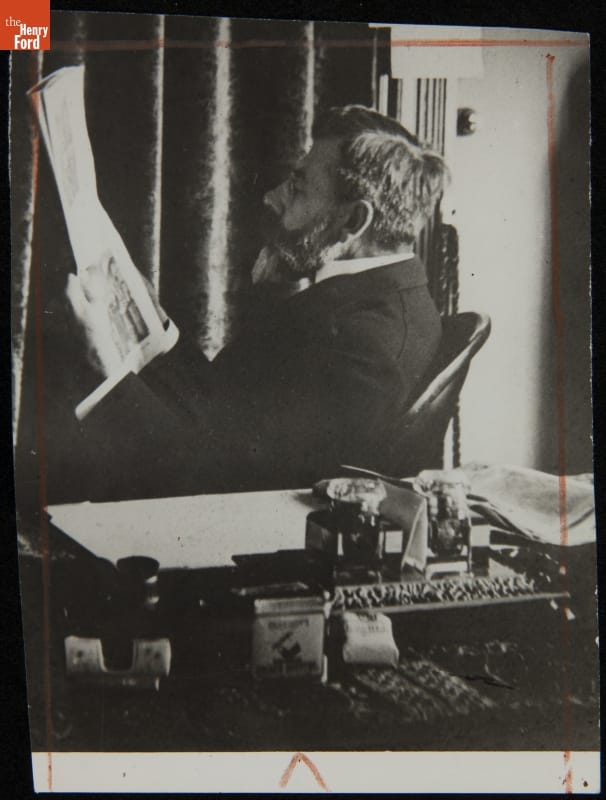
- circa 1895
- Collections - Artifact
Photograph of John Kruesi, circa 1895
- Portrait of John Kruesi, circa 1880 -
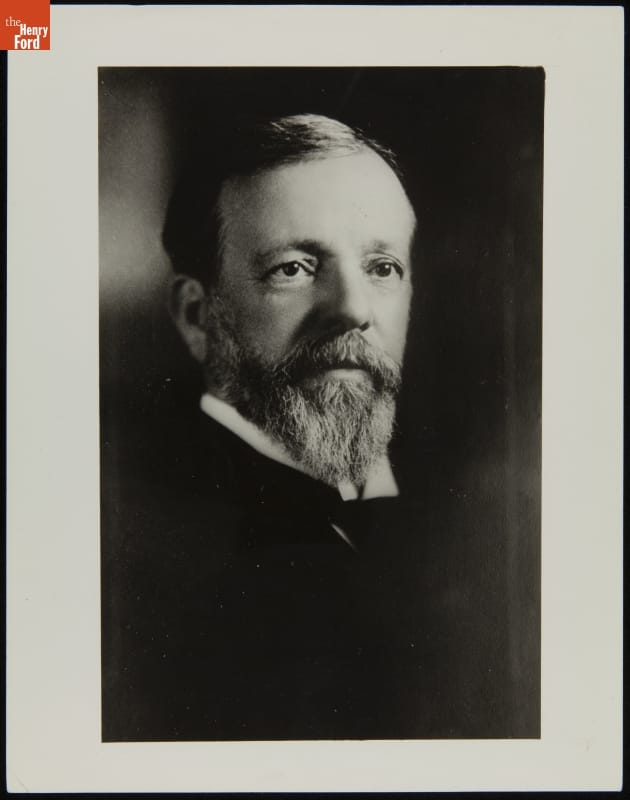
- circa 1880
- Collections - Artifact
Portrait of John Kruesi, circa 1880
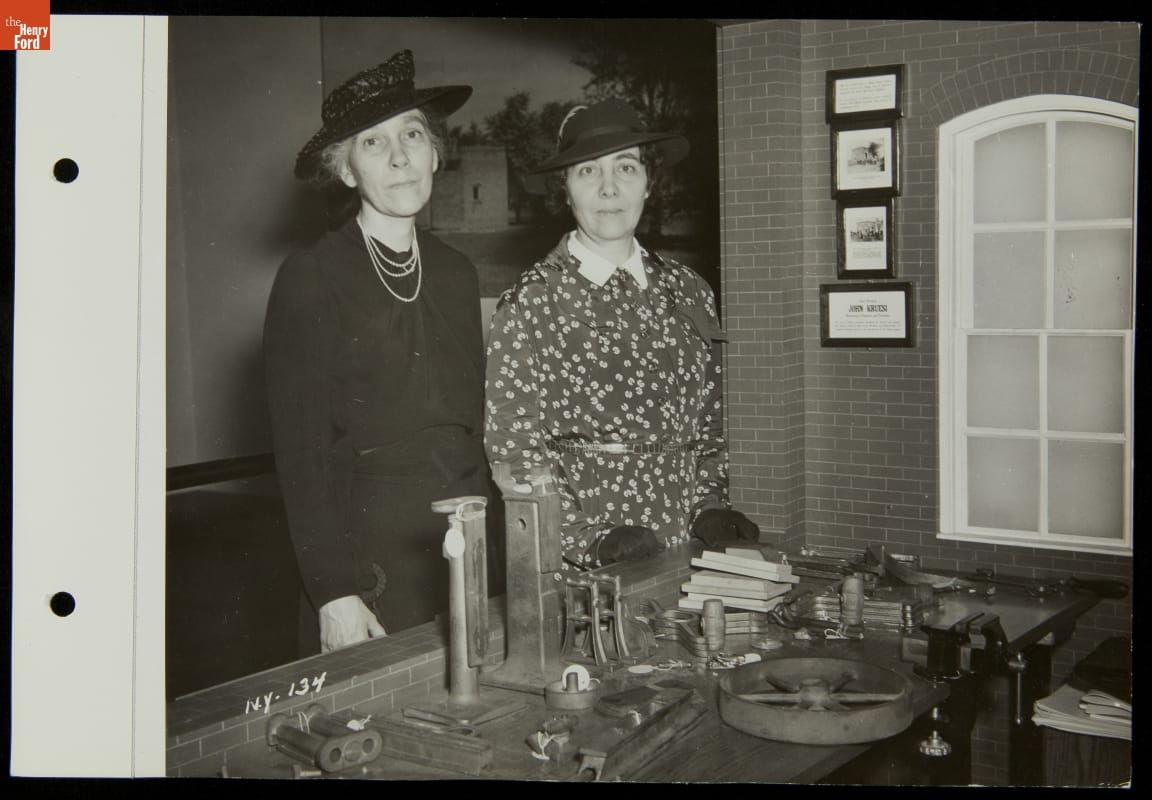
- Sisters of Edison Engineer John Kruesi at Ford Exposition, New York World's Fair, 1939 - Ford Motor Company executives knew that only 1 in 5 Americans would attend the 1939-40 New York World's Fair. They planned for even fewer to visit the Ford exposition, and allocated more than $300,000 to publicize Ford's involvement at the fair. To ensure national coverage, the Ford exhibit's Press Department distributed photographs of prominent visitors to thousands of publications across the country.
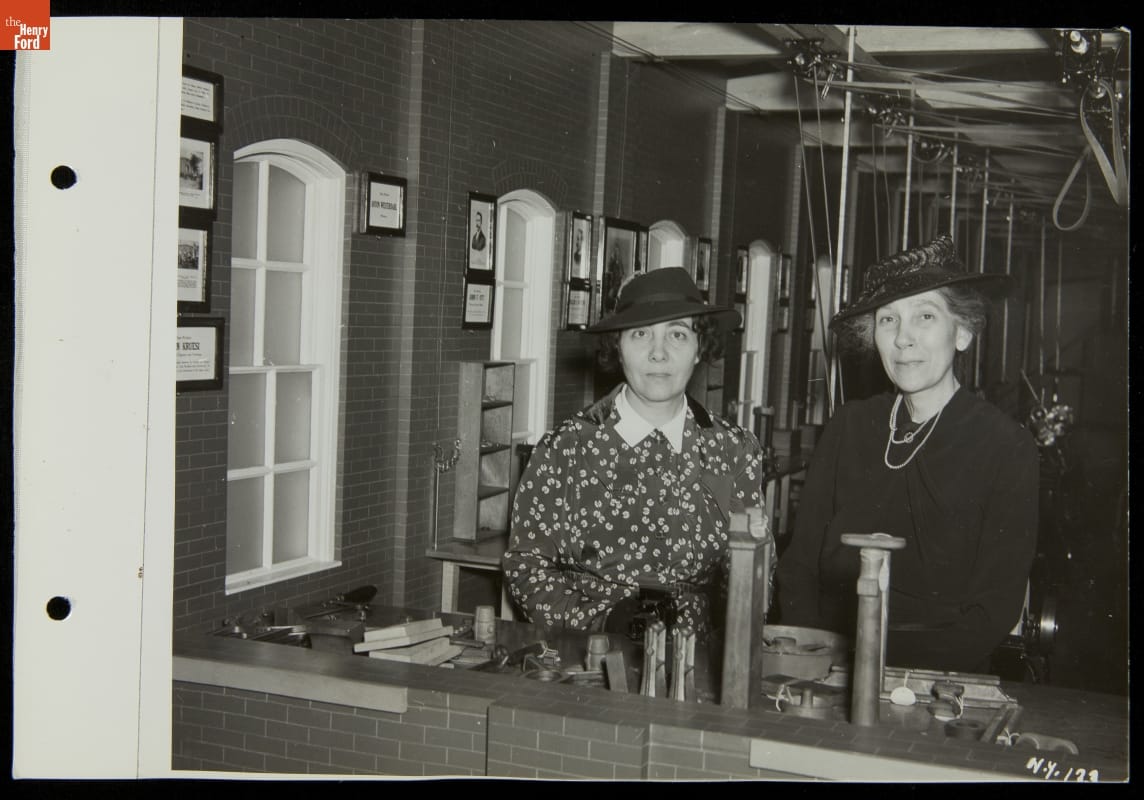
- May 06, 1939
- Collections - Artifact
Sisters of Edison Engineer John Kruesi at Ford Exposition, New York World's Fair, 1939
Ford Motor Company executives knew that only 1 in 5 Americans would attend the 1939-40 New York World's Fair. They planned for even fewer to visit the Ford exposition, and allocated more than $300,000 to publicize Ford's involvement at the fair. To ensure national coverage, the Ford exhibit's Press Department distributed photographs of prominent visitors to thousands of publications across the country.
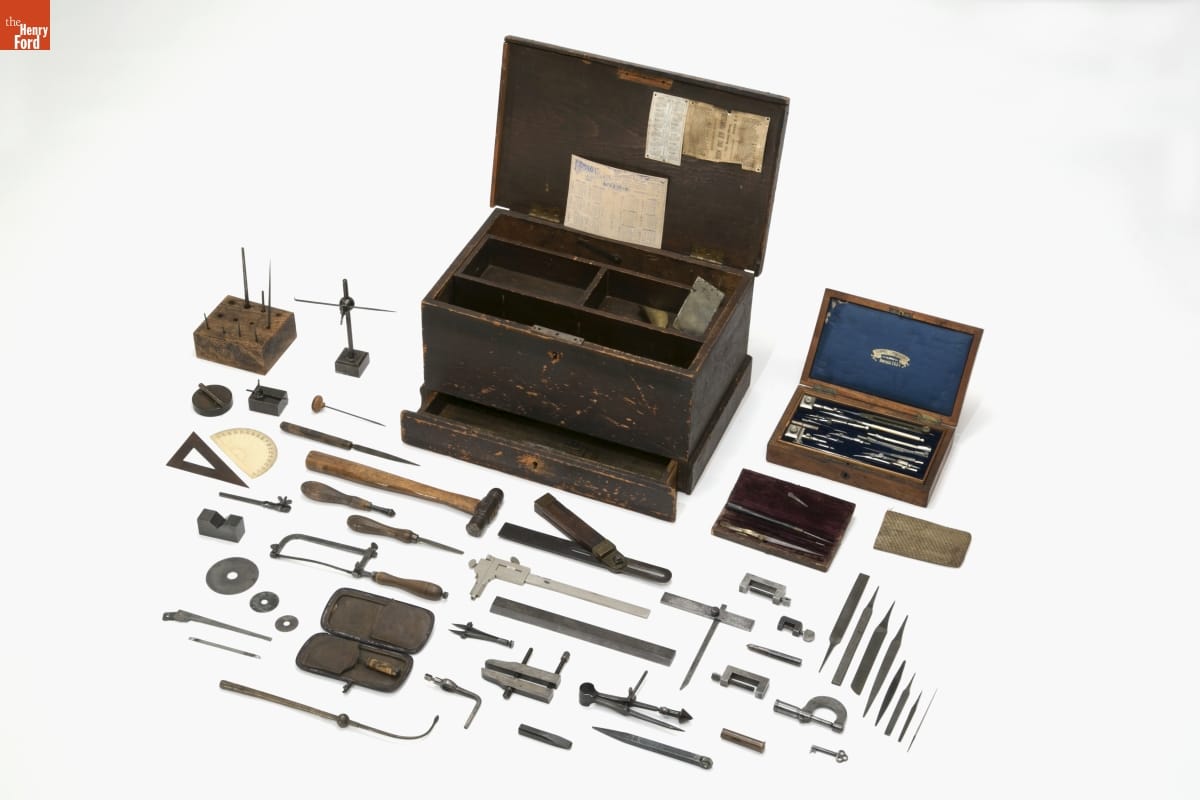
- Tool Chest Used by Machinist John Kruesi, While Working for Thomas Edison, 1872-1899 -
- 1872-1899
- Collections - Artifact
Tool Chest Used by Machinist John Kruesi, While Working for Thomas Edison, 1872-1899
- Sisters of Edison Engineer John Kruesi at Ford Exposition, New York World's Fair, 1939 - Ford Motor Company executives knew that only 1 in 5 Americans would attend the 1939-40 New York World's Fair. They planned for even fewer to visit the Ford exposition, and allocated more than $300,000 to publicize Ford's involvement at the fair. To ensure national coverage, the Ford exhibit's Press Department distributed photographs of prominent visitors to thousands of publications across the country.
- May 06, 1939
- Collections - Artifact
Sisters of Edison Engineer John Kruesi at Ford Exposition, New York World's Fair, 1939
Ford Motor Company executives knew that only 1 in 5 Americans would attend the 1939-40 New York World's Fair. They planned for even fewer to visit the Ford exposition, and allocated more than $300,000 to publicize Ford's involvement at the fair. To ensure national coverage, the Ford exhibit's Press Department distributed photographs of prominent visitors to thousands of publications across the country.
- Hoppin' John -

- August 28, 2015
- Collections - Recipe
Hoppin' John
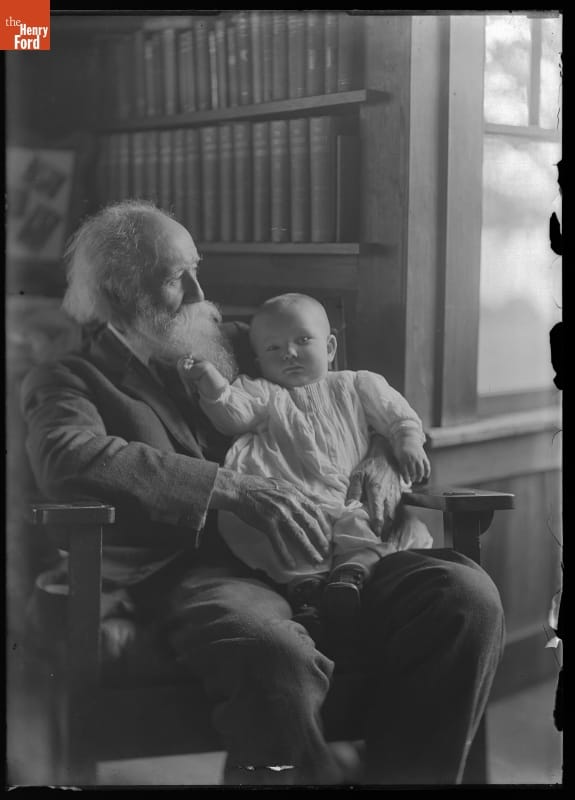
- John Burroughs Holding His Grandson, John, at Riverby, 1909 - John Burroughs, the internationally known naturalist and writer, delighted in his grandchildren. Elizabeth, Ursula and John Burroughs II, were the children of John's only child, Julian. Burroughs visited his grandchildren often and filled his journals with tales of their adventures together. In this photograph, Burroughs holds his youngest grandchild, John Burroughs II.
- 1909
- Collections - Artifact
John Burroughs Holding His Grandson, John, at Riverby, 1909
John Burroughs, the internationally known naturalist and writer, delighted in his grandchildren. Elizabeth, Ursula and John Burroughs II, were the children of John's only child, Julian. Burroughs visited his grandchildren often and filled his journals with tales of their adventures together. In this photograph, Burroughs holds his youngest grandchild, John Burroughs II.
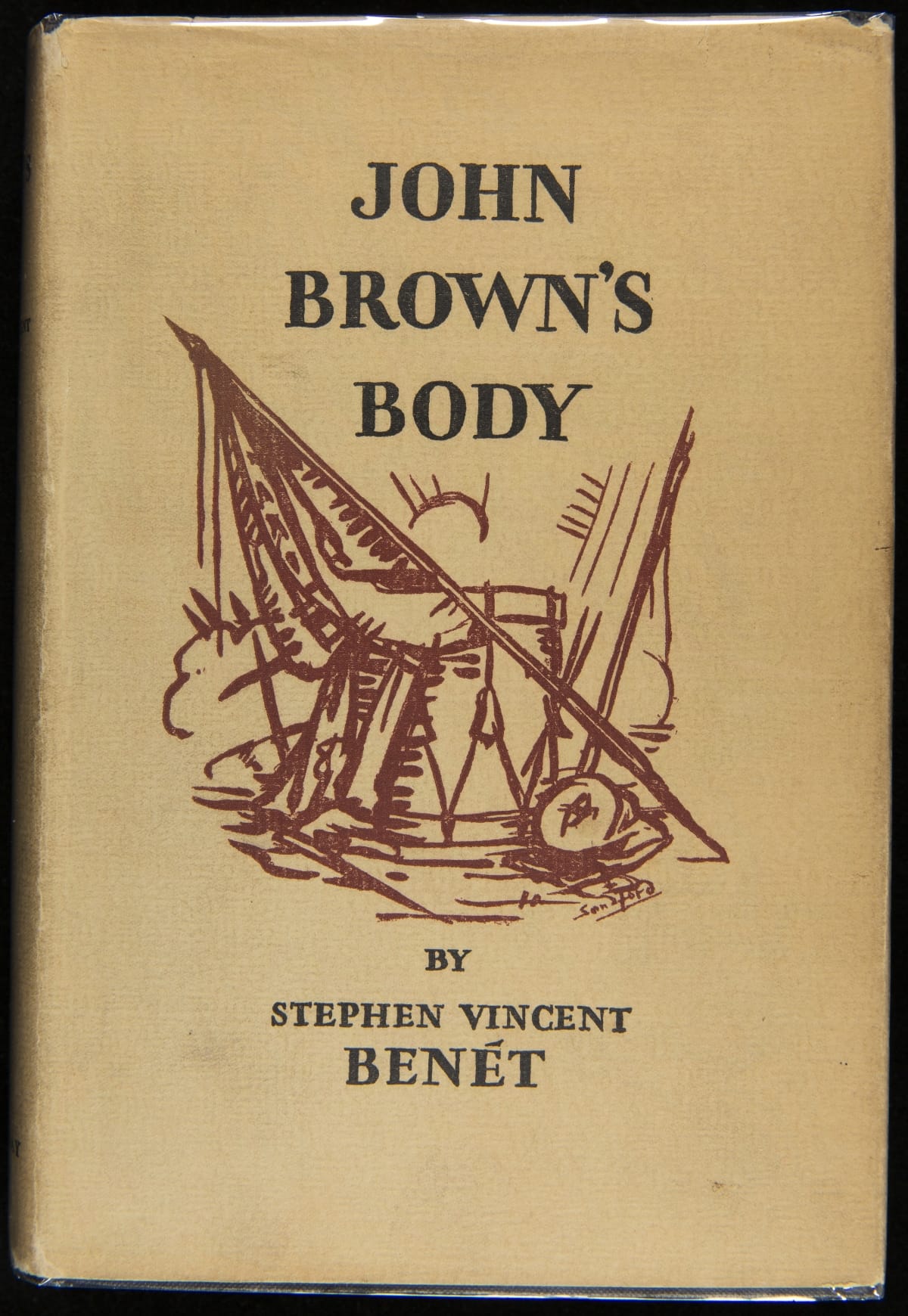
- John Brown's Body -
- 1928
- Collections - Artifact
John Brown's Body
- John Muir and John Burroughs in Pasadena, California, 1909-1912 - Naturalist-writer John Burroughs first met wilderness conservationist John Muir in the early 1890s at the home of the editor for <em>Century Magazine</em>. They became friends, then traveled together to places that included Alaska, the Grand Canyon and Yosemite. Here they are together in Pasadena Glen, California, where Muir had friends and Burroughs owned a little winter bungalow.
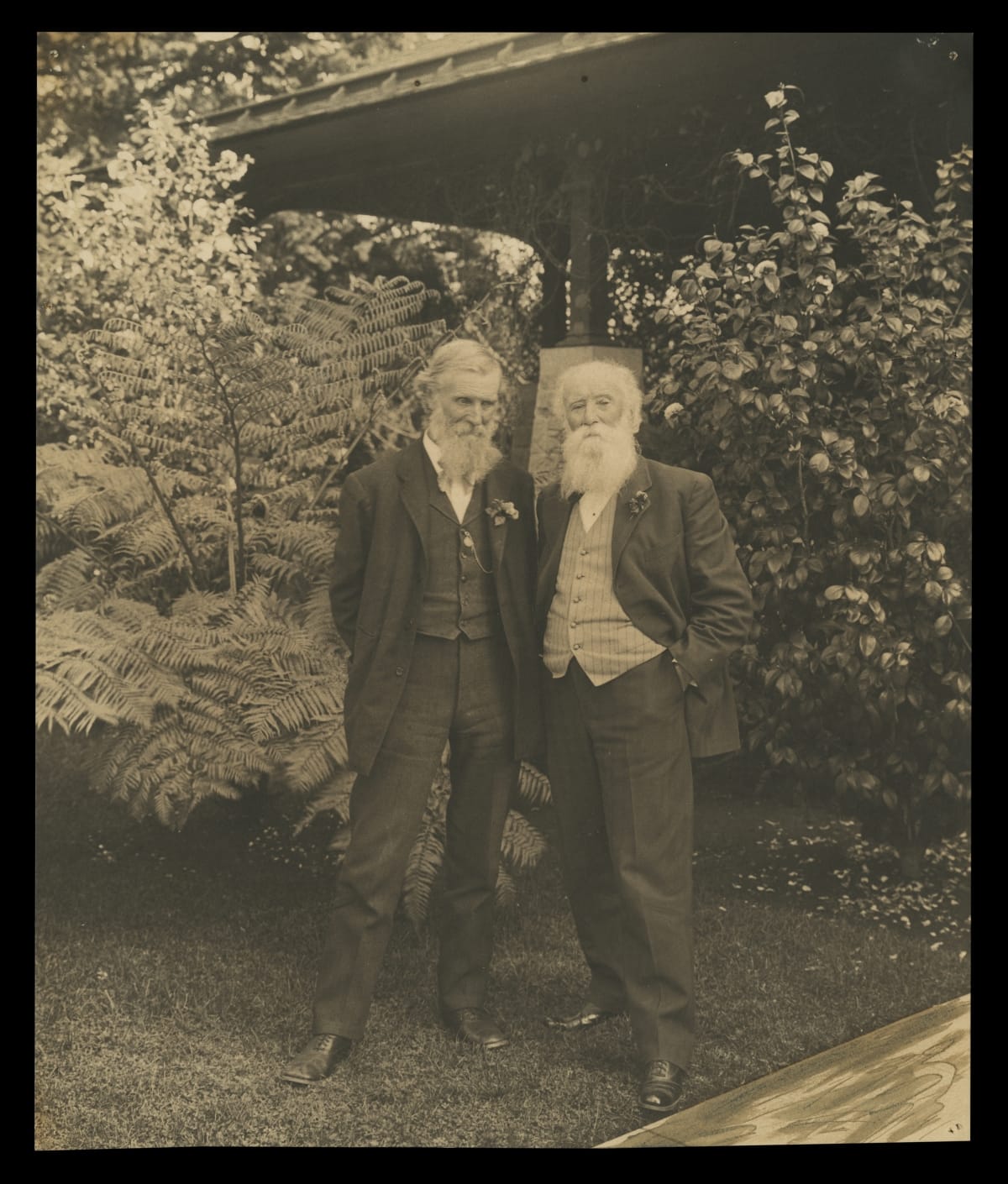
- 1909-1912
- Collections - Artifact
John Muir and John Burroughs in Pasadena, California, 1909-1912
Naturalist-writer John Burroughs first met wilderness conservationist John Muir in the early 1890s at the home of the editor for Century Magazine. They became friends, then traveled together to places that included Alaska, the Grand Canyon and Yosemite. Here they are together in Pasadena Glen, California, where Muir had friends and Burroughs owned a little winter bungalow.