
Search
- Buying Mark Twain's Letter at Auction - Go behind the scenes to find out why, and how we purchased a letter written by famed American author Mark Twain for our collections.

- October 15, 2012
- Collections - article
Buying Mark Twain's Letter at Auction
Go behind the scenes to find out why, and how we purchased a letter written by famed American author Mark Twain for our collections.
- Diagram, Letter Sorter, circa 1957 -
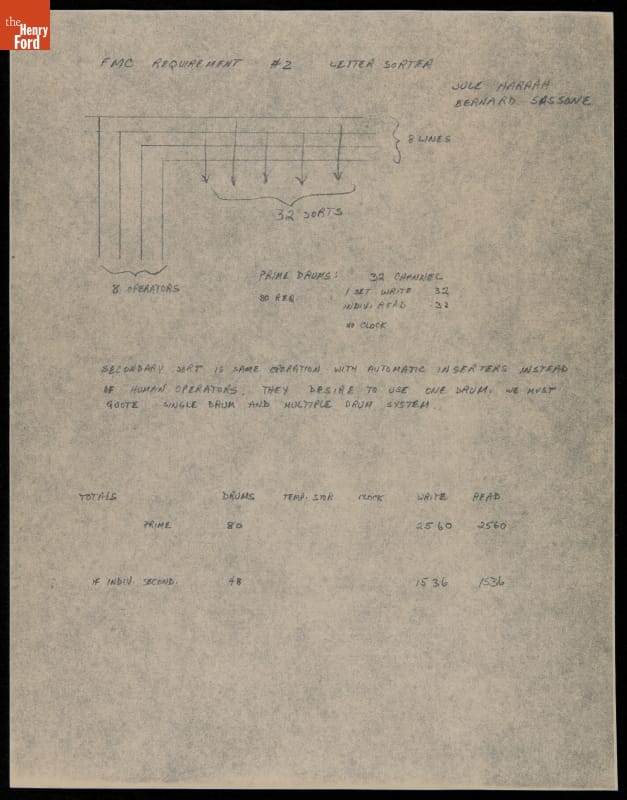
- circa 1957
- Collections - Artifact
Diagram, Letter Sorter, circa 1957
- Portable Letter Copying Press, circa 1890 -
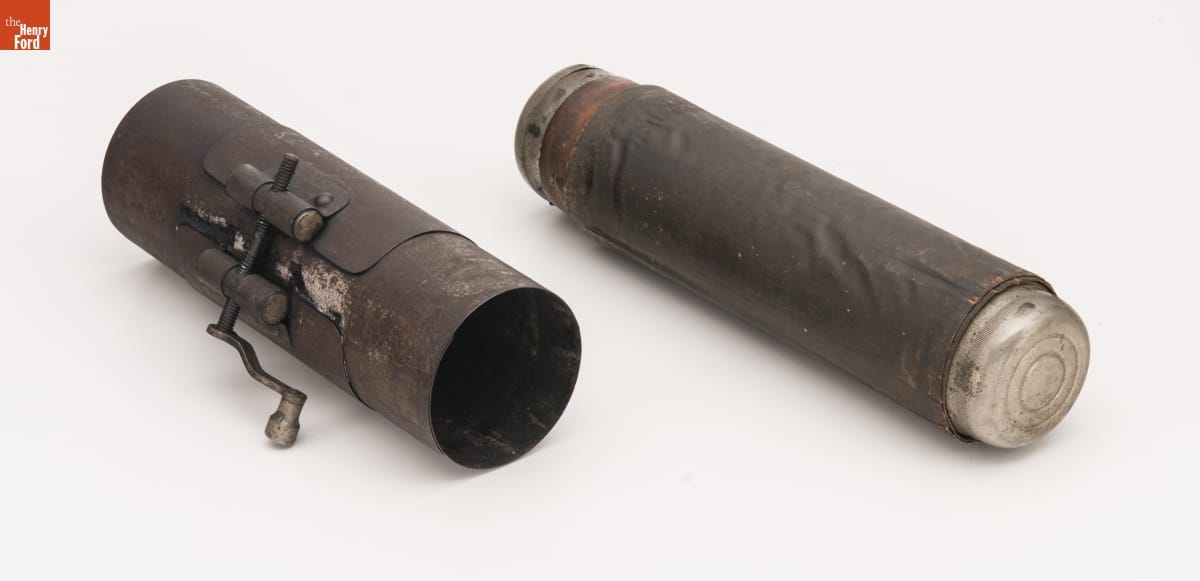
- circa 1890
- Collections - Artifact
Portable Letter Copying Press, circa 1890
- Letter Carrier in Uniform, circa 1885 - Tintypes, the popular "instant photographs" of the 19th century, could be produced in a matter of minutes at a price most people could afford. Tintypes democratized photography. Beginning in the mid-1850s, they gave more people than ever before the chance to have a real likeness of themselves--capturing unique glimpses of how everyday Americans looked and lived.
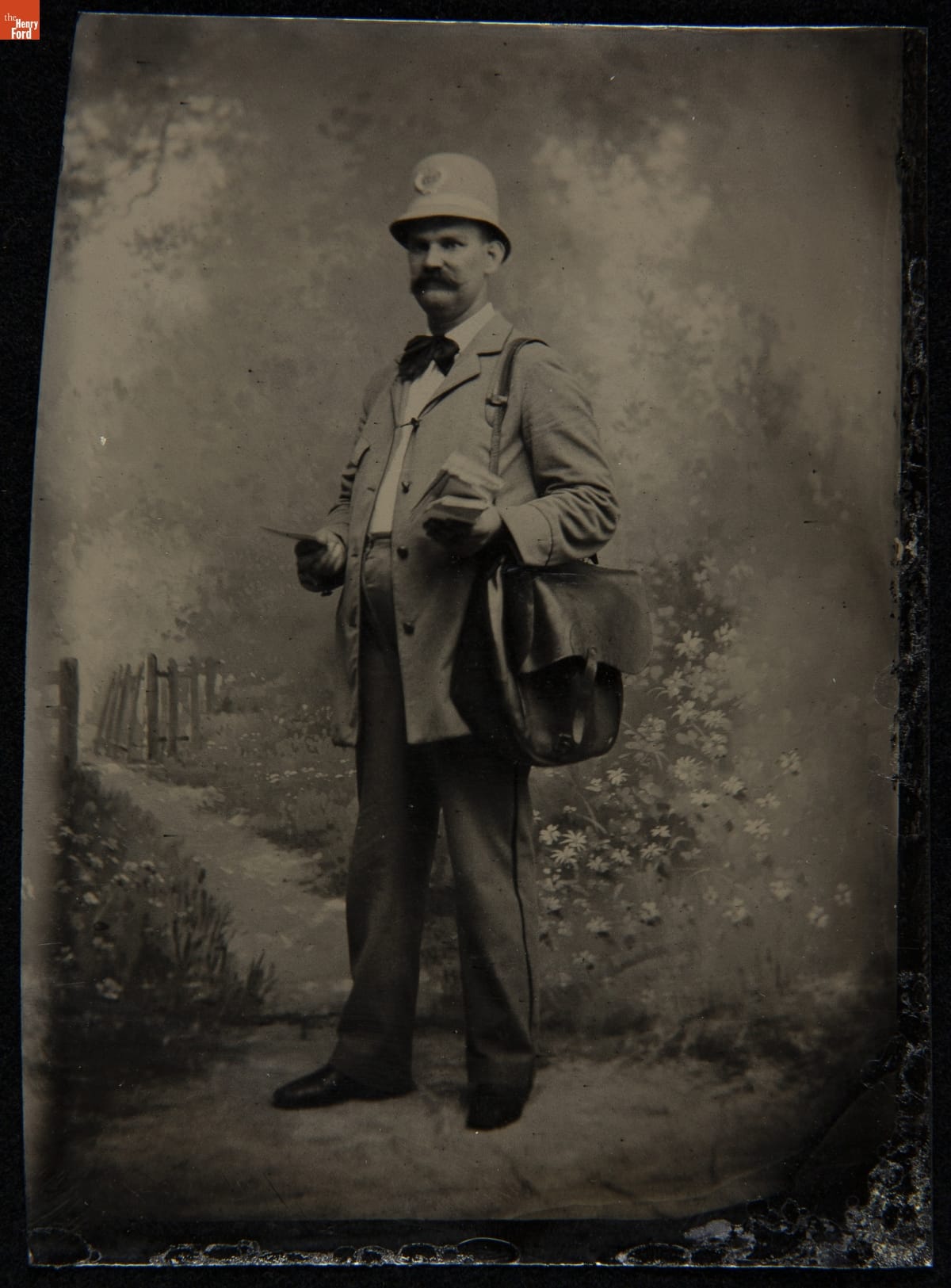
- circa 1885
- Collections - Artifact
Letter Carrier in Uniform, circa 1885
Tintypes, the popular "instant photographs" of the 19th century, could be produced in a matter of minutes at a price most people could afford. Tintypes democratized photography. Beginning in the mid-1850s, they gave more people than ever before the chance to have a real likeness of themselves--capturing unique glimpses of how everyday Americans looked and lived.
- Letter regarding Operating Unimate Industrial Robot, 1965 - George Devol revolutionized manufacturing with his invention of the Unimate -- the world's first industrial robot. These rugged programmable units were designed to perform repetitive, arduous and hazardous tasks. The first Unimate was installed in a General Motors plant in 1961. This document, part of a larger collection, chronicles the Unimate's conception, construction and operation.
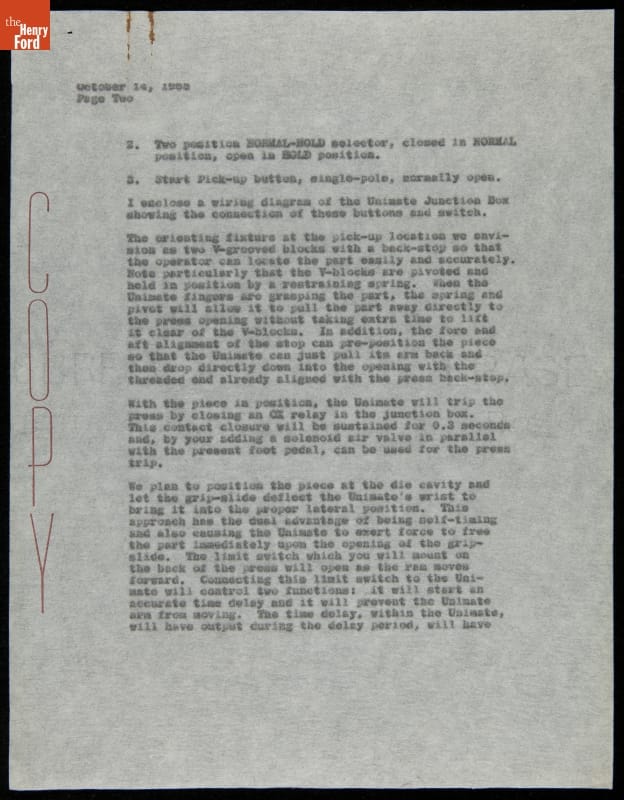
- October 14, 1965
- Collections - Artifact
Letter regarding Operating Unimate Industrial Robot, 1965
George Devol revolutionized manufacturing with his invention of the Unimate -- the world's first industrial robot. These rugged programmable units were designed to perform repetitive, arduous and hazardous tasks. The first Unimate was installed in a General Motors plant in 1961. This document, part of a larger collection, chronicles the Unimate's conception, construction and operation.
- Edison Institute Schools Letter Sweater, circa 1947 -
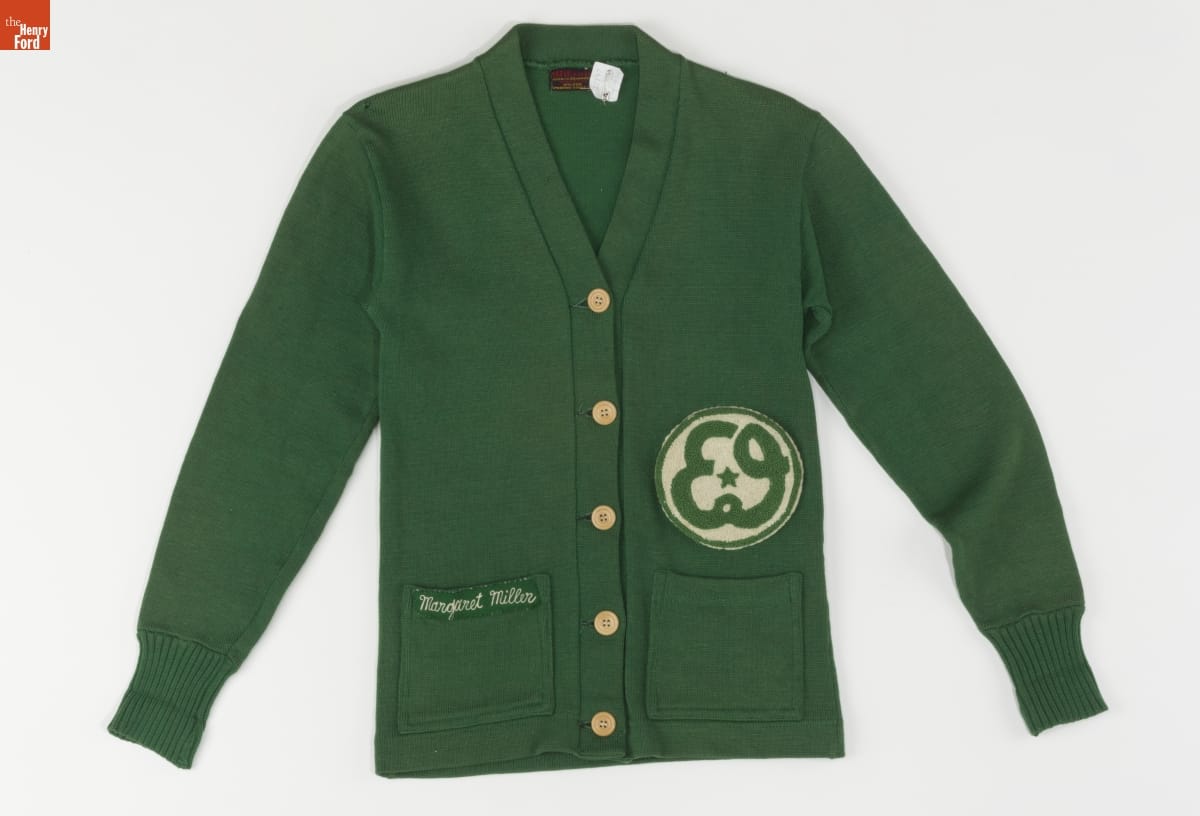
- circa 1947
- Collections - Artifact
Edison Institute Schools Letter Sweater, circa 1947
- Hallmark "Letter to Santa" Christmas Ornament, 1990 - Already known for greeting cards, Hallmark introduced a line of Christmas ornaments in 1973. The company's annual release of an increasing array of ornaments revolutionized Christmas decorating, appealing to customers' interest in marking memories and milestones as well as expressing one's personality and unique tastes.
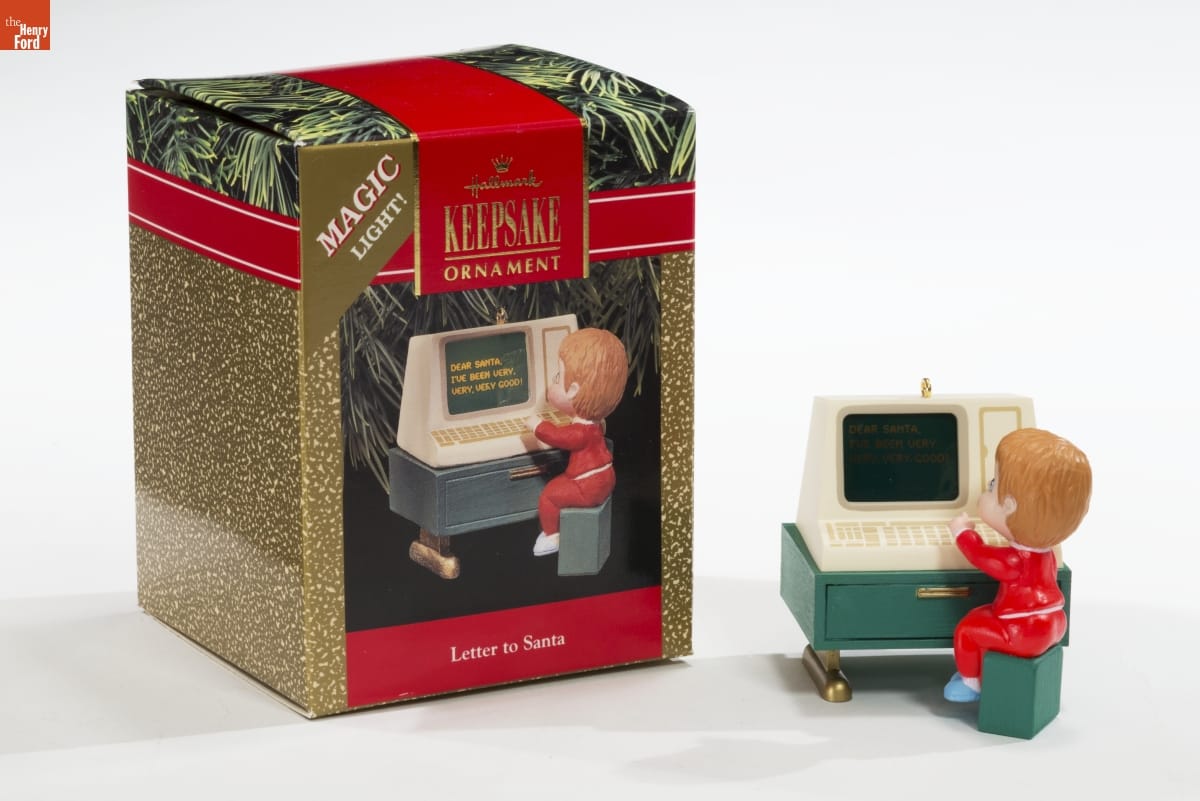
- 1990
- Collections - Artifact
Hallmark "Letter to Santa" Christmas Ornament, 1990
Already known for greeting cards, Hallmark introduced a line of Christmas ornaments in 1973. The company's annual release of an increasing array of ornaments revolutionized Christmas decorating, appealing to customers' interest in marking memories and milestones as well as expressing one's personality and unique tastes.
- Drawing, Lettering for Boat Evangeline, 1924-1927 - In 1924, Henry Ford took delivery of a 33-foot boat built by John Hacker's Hacker Boat Company of Mt. Clemens, Michigan. Additional work was done by Ford's own engineers at Ford Motor Company. The wooden boat, named <i>Evangeline</i>, was powered by a 450-horsepower Liberty V-12 airplane engine, like those Ford Motor produced for the Allies in World War I.
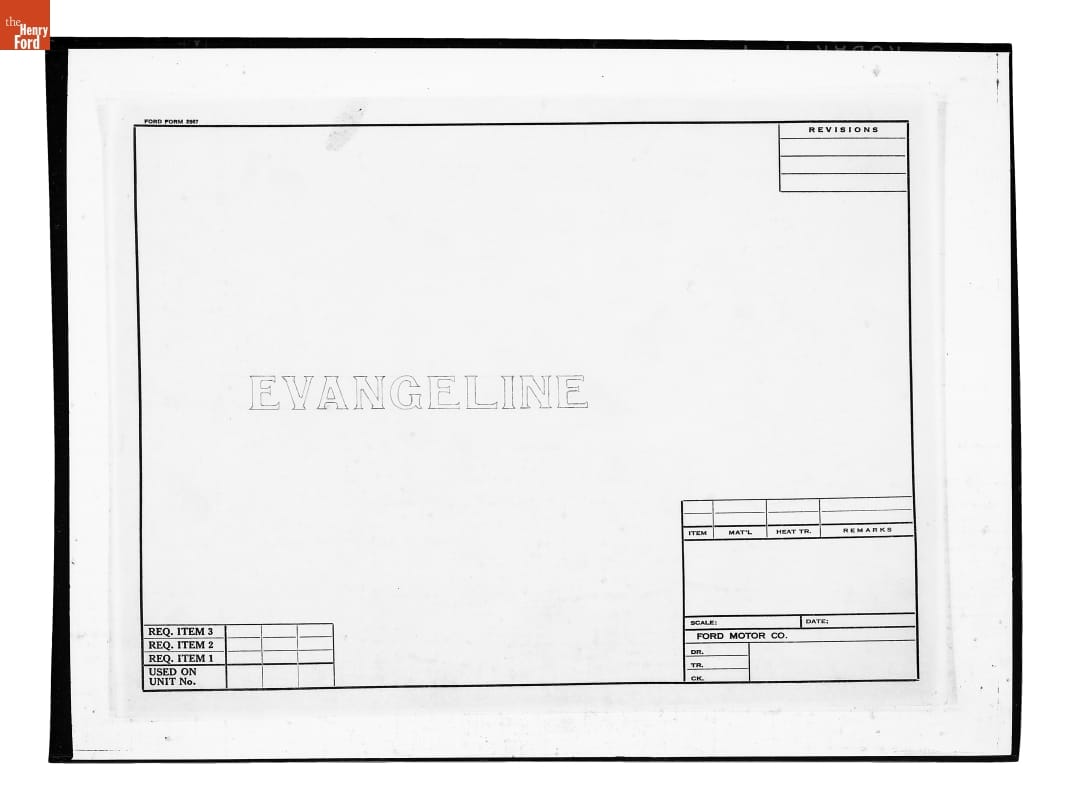
- 1924-1927
- Collections - Artifact
Drawing, Lettering for Boat Evangeline, 1924-1927
In 1924, Henry Ford took delivery of a 33-foot boat built by John Hacker's Hacker Boat Company of Mt. Clemens, Michigan. Additional work was done by Ford's own engineers at Ford Motor Company. The wooden boat, named Evangeline, was powered by a 450-horsepower Liberty V-12 airplane engine, like those Ford Motor produced for the Allies in World War I.
- Letter from F.W. Pawlowski to Franek Kluski -
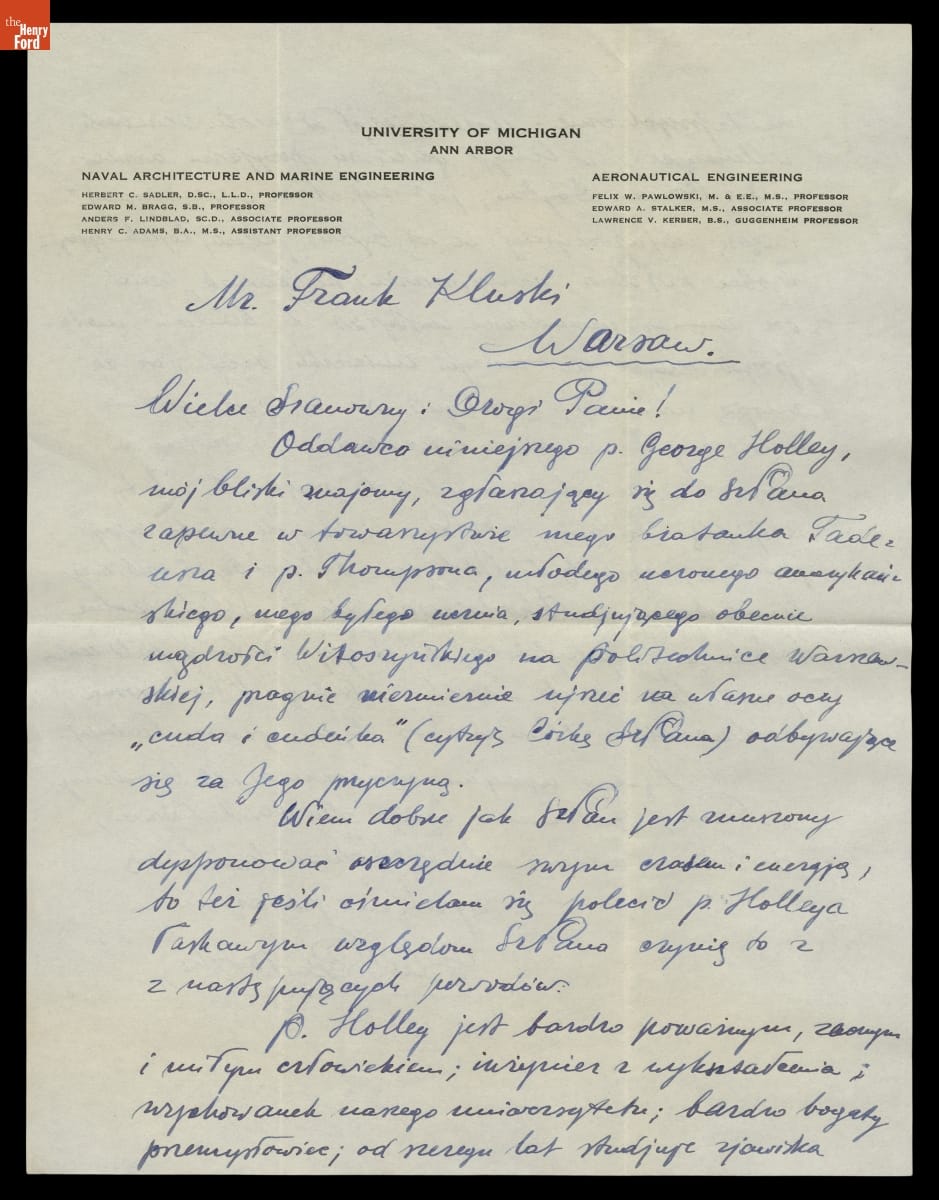
- May 01, 1929
- Collections - Artifact
Letter from F.W. Pawlowski to Franek Kluski
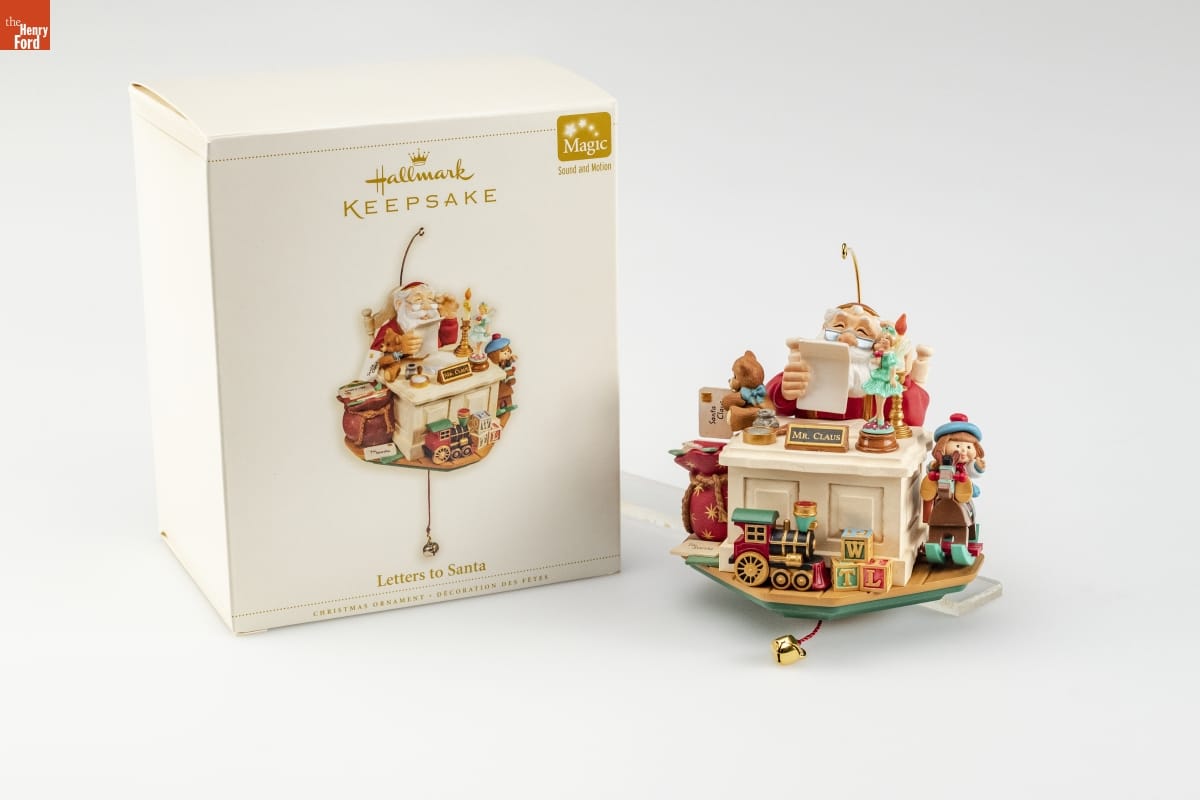
- Hallmark "Letters to Santa" Christmas Ornament, 2006 - This ornament depicts Santa looking over his correspondence from hopeful children. Pulling the bell below the ornament, you hear actual kids' voices read the letters, while several toys around Santa's desk move. Hallmark writers created the scripts for the eight humorous letters. And the children's voices? Moms, dads, and grandmas who worked at Hallmark brought in their young family members for the recording.
- 2006
- Collections - Artifact
Hallmark "Letters to Santa" Christmas Ornament, 2006
This ornament depicts Santa looking over his correspondence from hopeful children. Pulling the bell below the ornament, you hear actual kids' voices read the letters, while several toys around Santa's desk move. Hallmark writers created the scripts for the eight humorous letters. And the children's voices? Moms, dads, and grandmas who worked at Hallmark brought in their young family members for the recording.