
Search
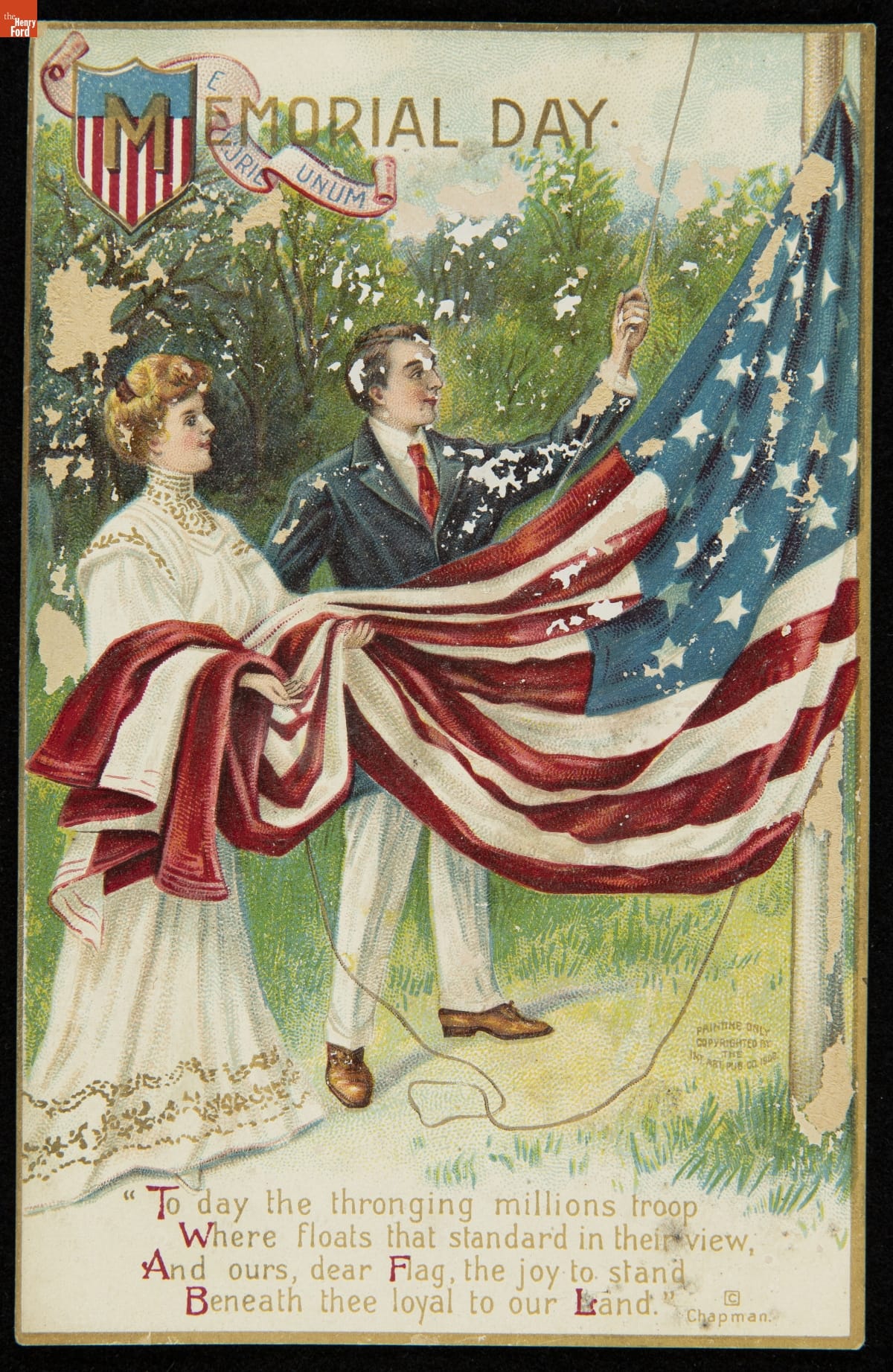
- "Memorial Day, To day the thronging millions troop....." 1909 - Beginning in 1868, May 30 was proclaimed "Decoration Day" as a day for mourners to honor the Civil War dead by decorating their graves with flowers. After World War I, the observance became better known as Memorial Day, and it broadened to honor the dead of all America's wars. Memorial Day was declared a national holiday in 1971.
- 1908
- Collections - Artifact
"Memorial Day, To day the thronging millions troop....." 1909
Beginning in 1868, May 30 was proclaimed "Decoration Day" as a day for mourners to honor the Civil War dead by decorating their graves with flowers. After World War I, the observance became better known as Memorial Day, and it broadened to honor the dead of all America's wars. Memorial Day was declared a national holiday in 1971.
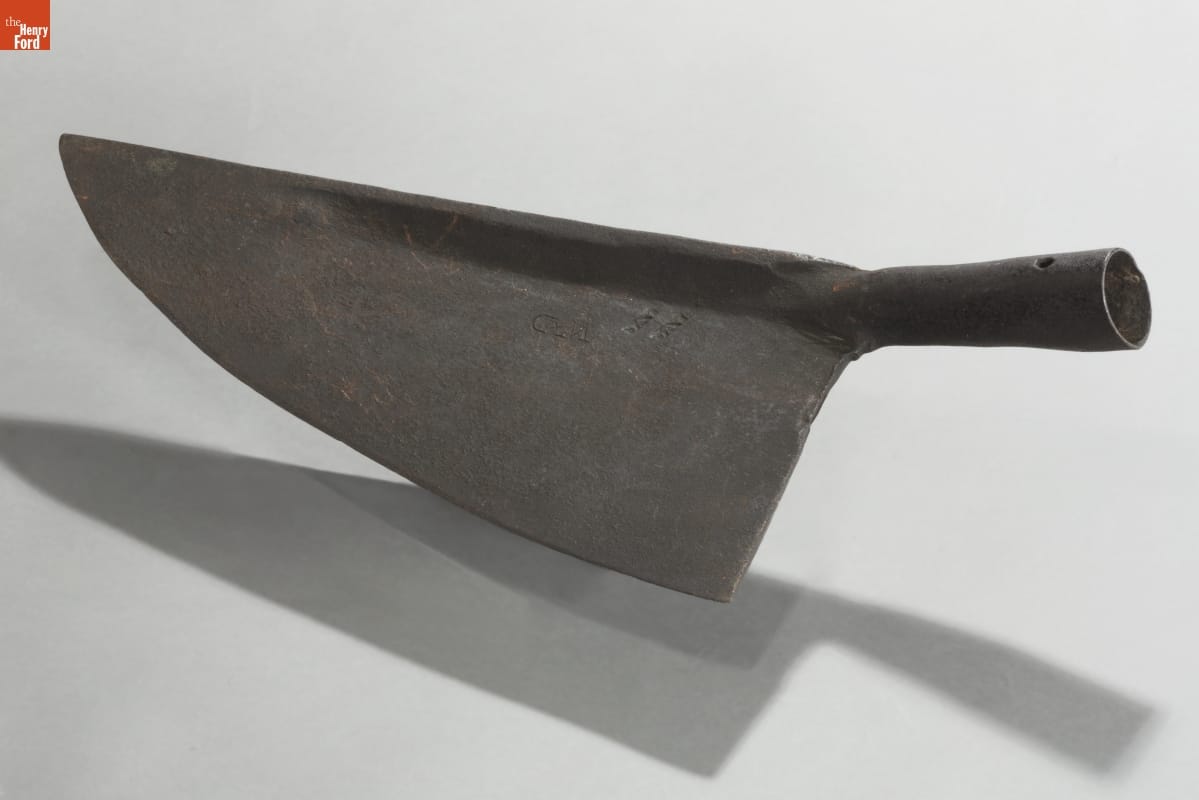
- Hay Knife Blade, circa 1800 - Farm families cut and cured enough grass each summer to feed hay to their livestock all winter. Stored hay settled over time and farmers used special knives to cut out chunks for feed. The blacksmith who forged this wrought-iron blade created a long cutting edge. They also forged a collar and groove on the backside of the blade to set and hold the wooden handle in place.
- circa 1800
- Collections - Artifact
Hay Knife Blade, circa 1800
Farm families cut and cured enough grass each summer to feed hay to their livestock all winter. Stored hay settled over time and farmers used special knives to cut out chunks for feed. The blacksmith who forged this wrought-iron blade created a long cutting edge. They also forged a collar and groove on the backside of the blade to set and hold the wooden handle in place.
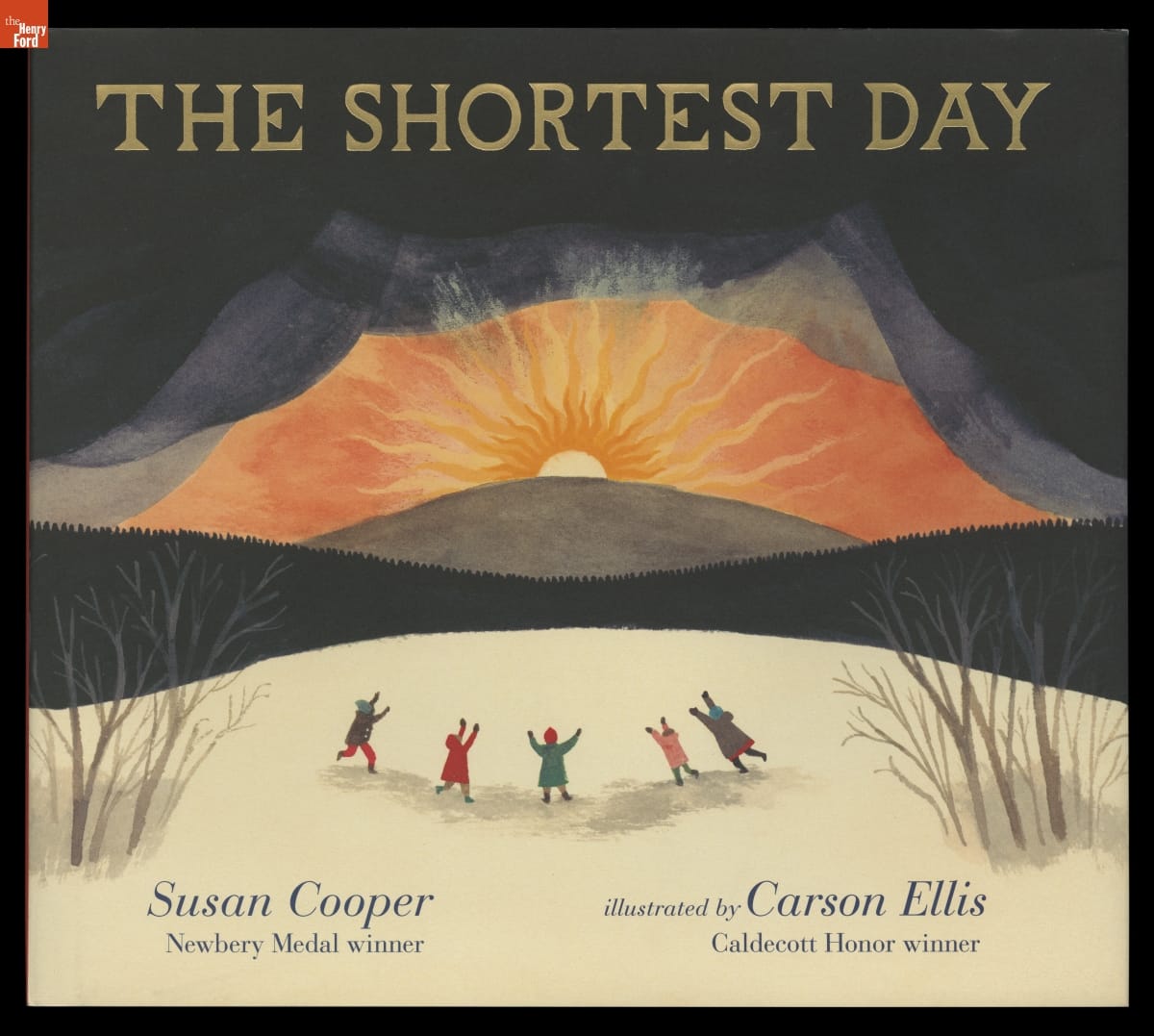
- "The Shortest Day," 2019 - Winter Solstice marks the shortest day and longest night of year. Throughout history, societies across the world have held festivals and ceremonies that look forward to the light, warmth, and life-giving properties of the returning sun following this night. This book explains the phenomenon of Winter Solstice to children.
- 2019
- Collections - Artifact
"The Shortest Day," 2019
Winter Solstice marks the shortest day and longest night of year. Throughout history, societies across the world have held festivals and ceremonies that look forward to the light, warmth, and life-giving properties of the returning sun following this night. This book explains the phenomenon of Winter Solstice to children.
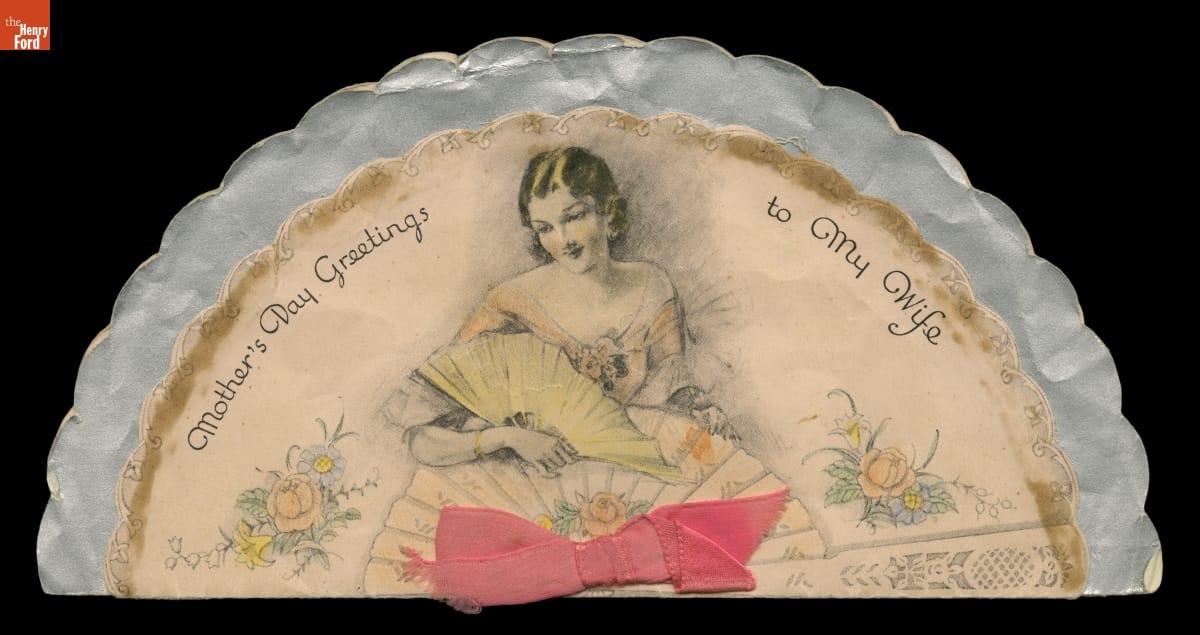
- "Mother's Day Greetings to My Wife" Mother's Day Card, circa 1925 - Mother's Day, a national holiday devoted to mothers, was first officially recognized in 1914. In the years that followed, presenting mothers -- and other beloved family members or friends -- with greeting cards on the second Sunday of May became a popular tradition. This delicate example from the 1920s was designed for a wife from her husband.
- circa 1925
- Collections - Artifact
"Mother's Day Greetings to My Wife" Mother's Day Card, circa 1925
Mother's Day, a national holiday devoted to mothers, was first officially recognized in 1914. In the years that followed, presenting mothers -- and other beloved family members or friends -- with greeting cards on the second Sunday of May became a popular tradition. This delicate example from the 1920s was designed for a wife from her husband.
- Day Dress, 1893-1896 -
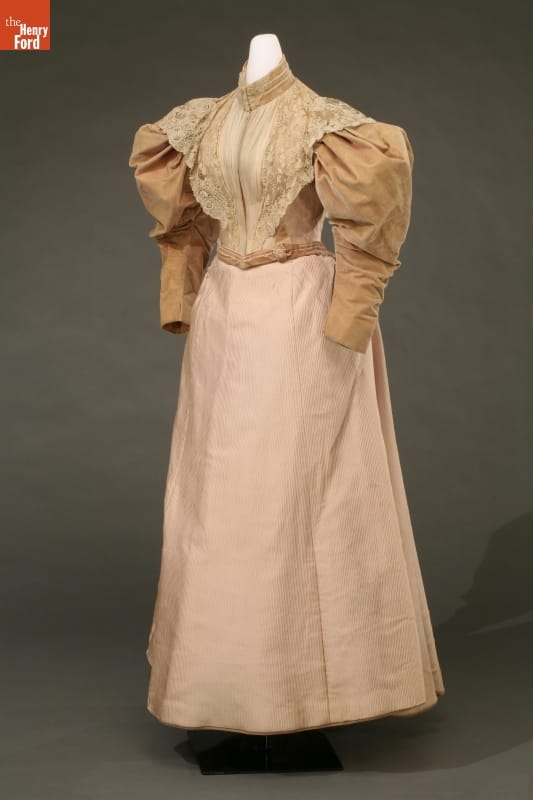
- 1893-1896
- Collections - Artifact
Day Dress, 1893-1896
- Day Dress, circa 1952 -
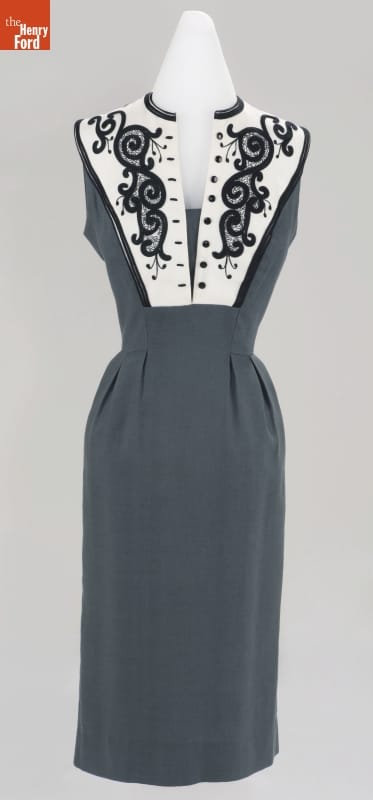
- circa 1952
- Collections - Artifact
Day Dress, circa 1952
- "Day Herds," Arizona, 1905 - From 1895 to 1924, the Detroit Publishing Company was one of the major image publishers in the world. The company's wide-ranging stock of original photographs documented life and landscapes from across the nation and around the globe. From the tens of thousands of negatives, the company created prints, postcards, lantern slides, panoramas, and other merchandise for sale to educators, businessmen, advertisers, homeowners and travelers.
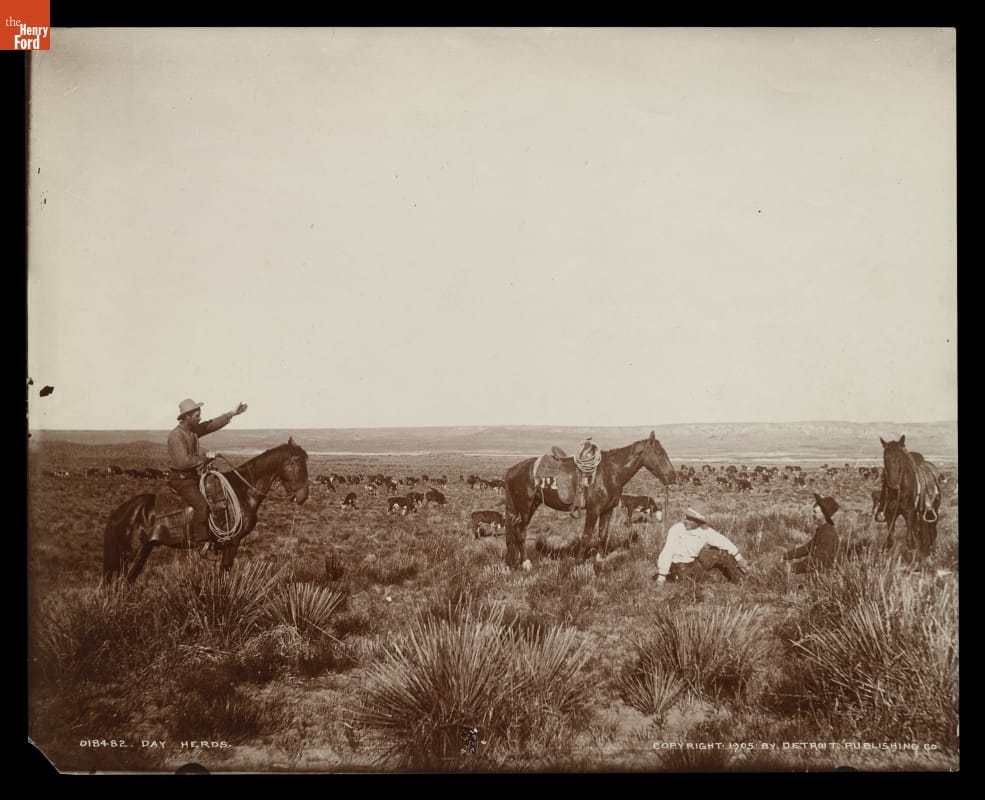
- 1905
- Collections - Artifact
"Day Herds," Arizona, 1905
From 1895 to 1924, the Detroit Publishing Company was one of the major image publishers in the world. The company's wide-ranging stock of original photographs documented life and landscapes from across the nation and around the globe. From the tens of thousands of negatives, the company created prints, postcards, lantern slides, panoramas, and other merchandise for sale to educators, businessmen, advertisers, homeowners and travelers.
- Day Dress, 1905-1910 -
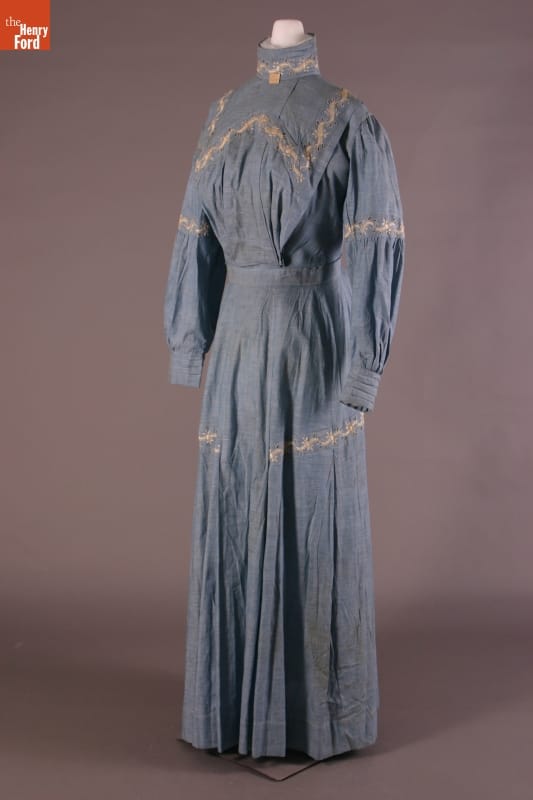
- 1905-1910
- Collections - Artifact
Day Dress, 1905-1910
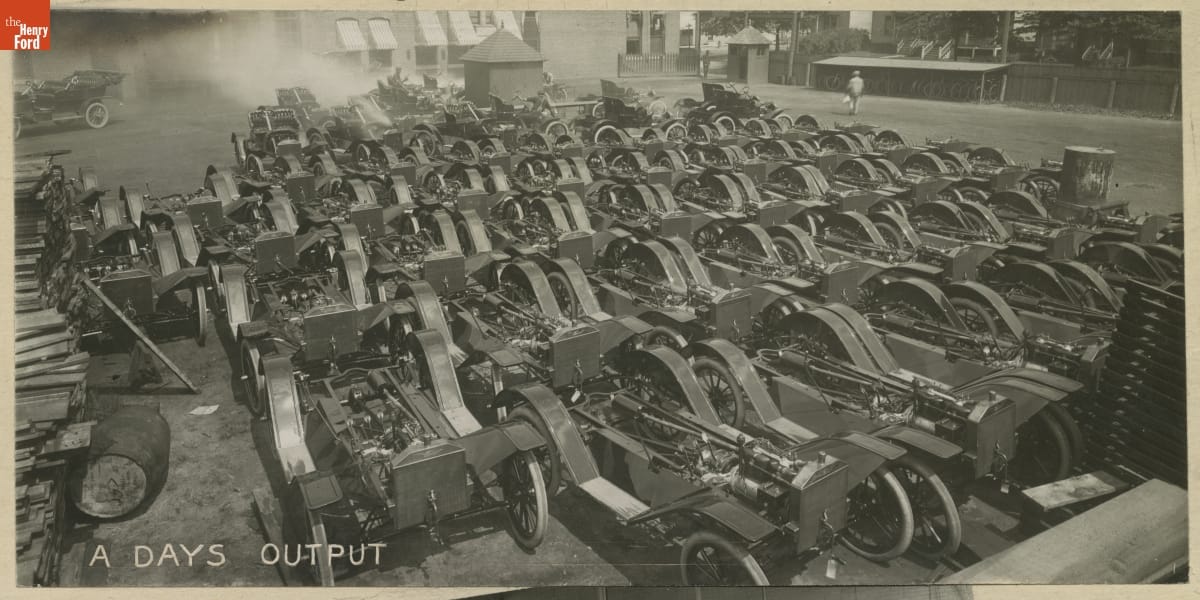
- A Day's Output at Ford Piquette Avenue Plant, Detroit, Michigan, circa 1908 -
- circa 1908
- Collections - Artifact
A Day's Output at Ford Piquette Avenue Plant, Detroit, Michigan, circa 1908
- National Aviation Day - Experience the evolution of American aviation, from the Wright brothers’ historic liftoff to today’s awe-inspiring technological advances.

- August 19, 2027
- Visit - Event
National Aviation Day
Experience the evolution of American aviation, from the Wright brothers’ historic liftoff to today’s awe-inspiring technological advances.