
Search
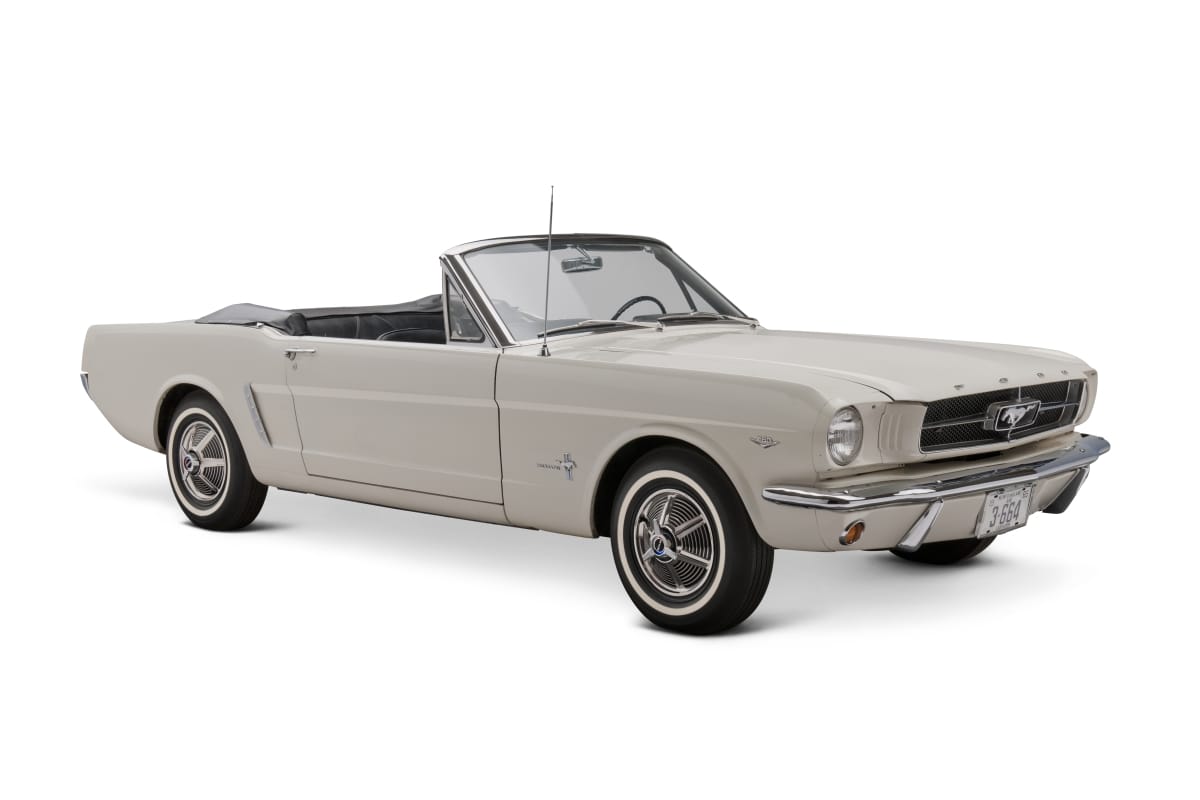
- 1965 Ford Mustang Convertible, Serial Number One - It's an old auto industry cliche -- "you can't sell a young man an old man's car, but you can sell an old man a young man's car." It's also true. The sporty Mustang was a young man's -- and woman's -- car. The under-30 crowd loved it. But older people also bought them, often as a second car. The Mustang hit a sweet spot in the market, appealing to a wide range of buyers.
- 1964
- Collections - Artifact
1965 Ford Mustang Convertible, Serial Number One
It's an old auto industry cliche -- "you can't sell a young man an old man's car, but you can sell an old man a young man's car." It's also true. The sporty Mustang was a young man's -- and woman's -- car. The under-30 crowd loved it. But older people also bought them, often as a second car. The Mustang hit a sweet spot in the market, appealing to a wide range of buyers.
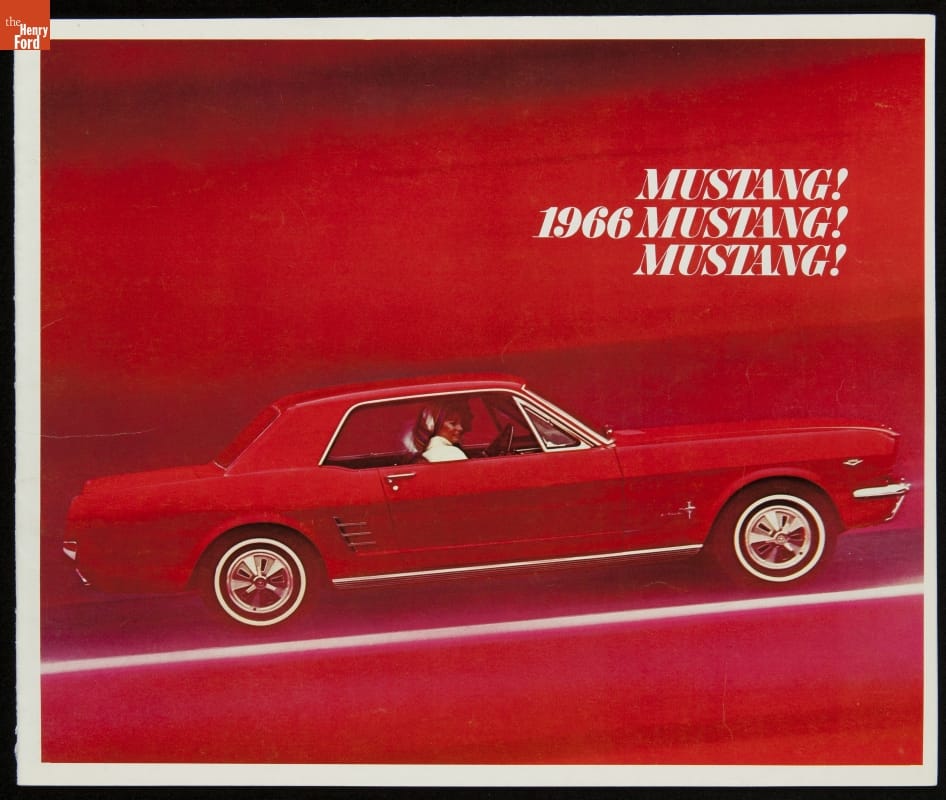
- Sales Brochure, "1966 Mustang! Mustang! Mustang!" - Ford's Mustang caused a sensation when it debuted for 1965. Based on the compact Ford Falcon platform, the Mustang offered sporty looks and a variety of options. Changes were subtle for 1966, but in 1967 the Mustang began evolving into a larger muscle car. By 1973 overall length was 194 inches -- over a foot longer than the original 1965 model.
- August 01, 1965
- Collections - Artifact
Sales Brochure, "1966 Mustang! Mustang! Mustang!"
Ford's Mustang caused a sensation when it debuted for 1965. Based on the compact Ford Falcon platform, the Mustang offered sporty looks and a variety of options. Changes were subtle for 1966, but in 1967 the Mustang began evolving into a larger muscle car. By 1973 overall length was 194 inches -- over a foot longer than the original 1965 model.
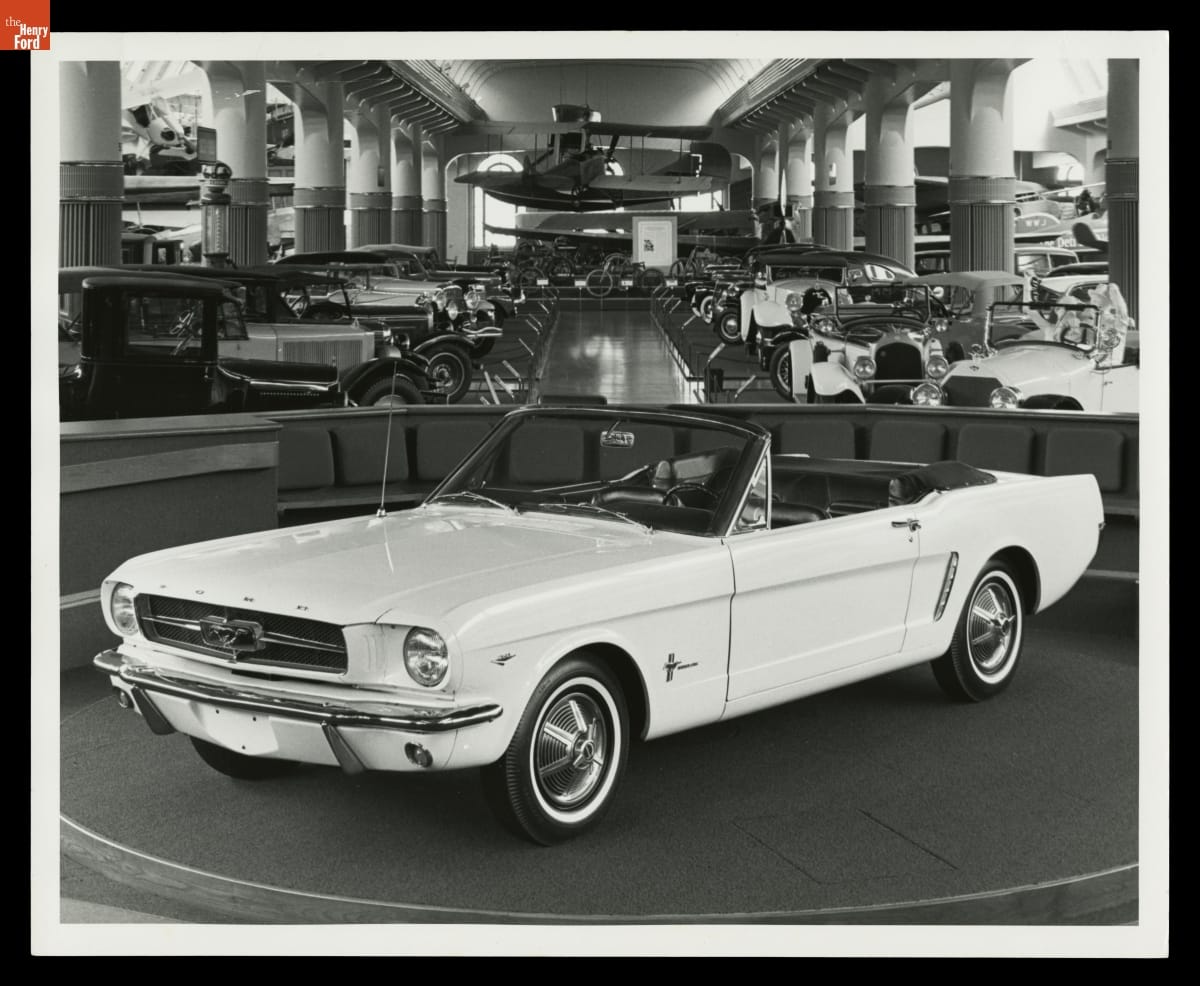
- 1965 Ford Mustang Serial Number One on Exhibit in Henry Ford Museum, Dearborn, Michigan, 1984 - This is Mustang Serial Number One as displayed at Henry Ford Museum in 1984. Although it rolled off the assembly line 16 days <EM>after</EM> the first Plymouth Barracuda, the Mustang was so popular that the class became known as pony cars.
- April 19, 1984
- Collections - Artifact
1965 Ford Mustang Serial Number One on Exhibit in Henry Ford Museum, Dearborn, Michigan, 1984
This is Mustang Serial Number One as displayed at Henry Ford Museum in 1984. Although it rolled off the assembly line 16 days after the first Plymouth Barracuda, the Mustang was so popular that the class became known as pony cars.
- Stanley Tucker and Ford Mustang Serial Number One - Discover how Canadian pilot Stanley Tucker ended up with the very first Ford Mustang ever made — and how Ford Motor Company eventually got it back.

- April 17, 2014
- Collections - article
Stanley Tucker and Ford Mustang Serial Number One
Discover how Canadian pilot Stanley Tucker ended up with the very first Ford Mustang ever made — and how Ford Motor Company eventually got it back.
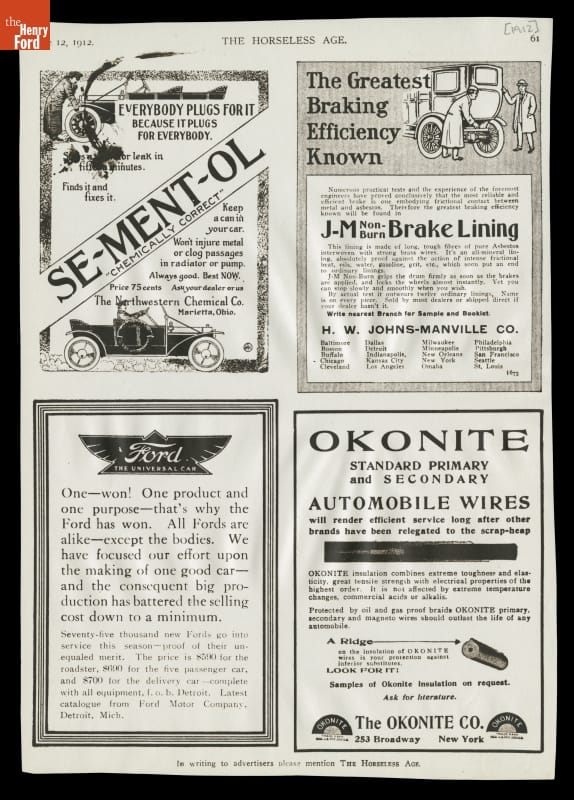
- 1912 Ford Model T Advertisement, "One--Won! One Product and One Purpose" - Ford Motor Company built nearly 69,000 Model Ts for 1912. More than 50,000 featured the open touring body -- Ford's bestselling body style throughout the Model T's 19-year production run. Prices for a 1912 touring car started at $690. It was the final year for the Model T's expensive brass windshield frame and all-leather upholstery.
- June 12, 1912
- Collections - Artifact
1912 Ford Model T Advertisement, "One--Won! One Product and One Purpose"
Ford Motor Company built nearly 69,000 Model Ts for 1912. More than 50,000 featured the open touring body -- Ford's bestselling body style throughout the Model T's 19-year production run. Prices for a 1912 touring car started at $690. It was the final year for the Model T's expensive brass windshield frame and all-leather upholstery.
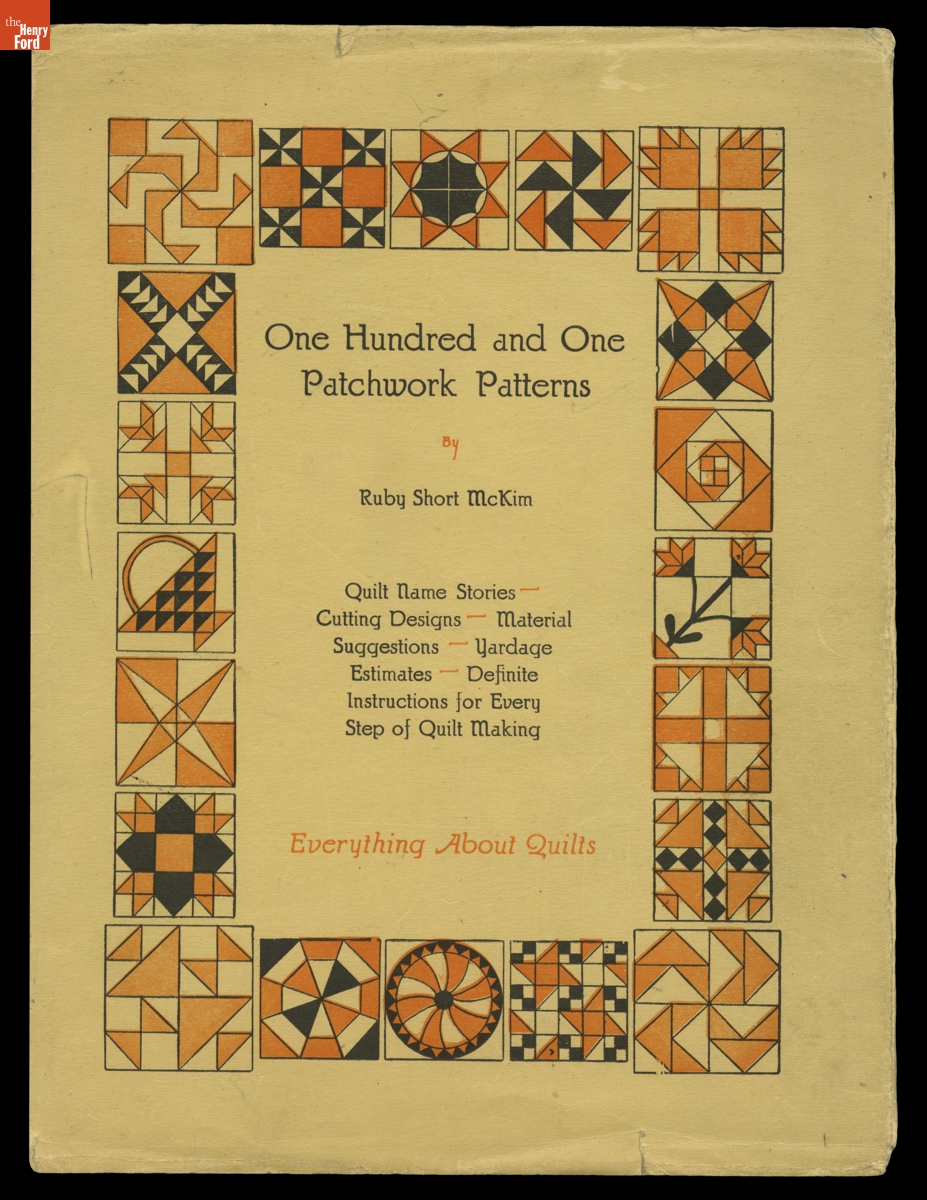
- "One Hundred and One Patchwork Patterns," 1931 -
- 1931
- Collections - Artifact
"One Hundred and One Patchwork Patterns," 1931
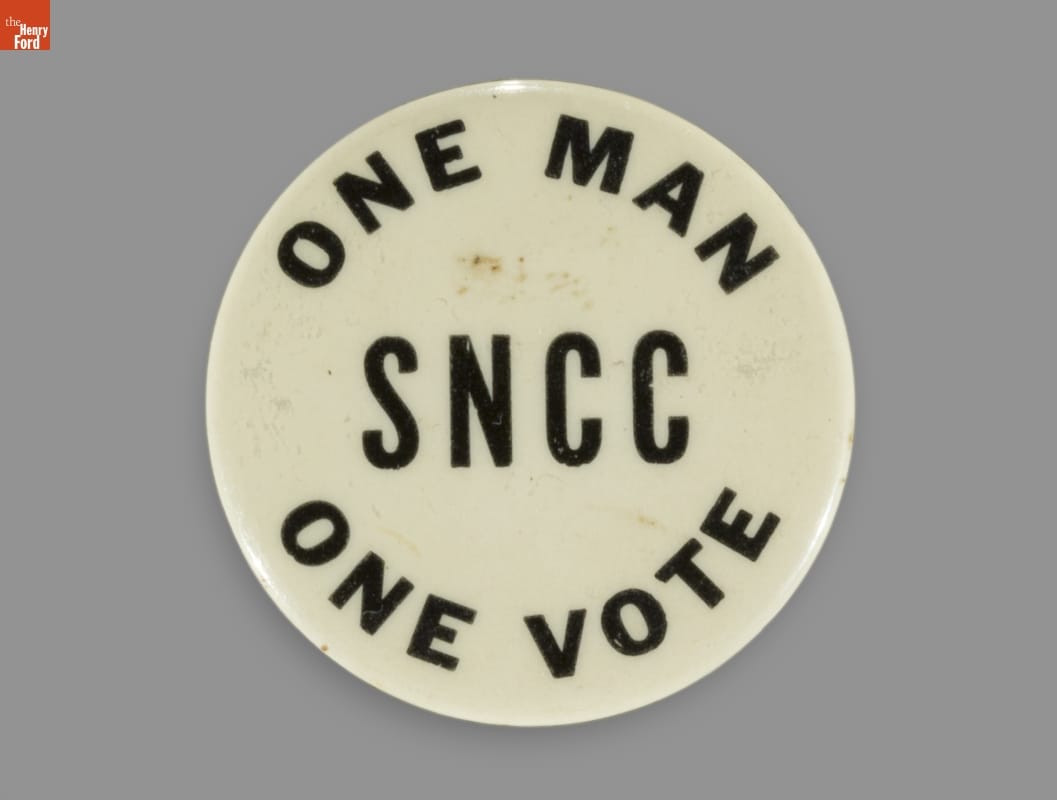
- Button, "One Man SNCC One Vote," 1960-1967 - The Student Nonviolent Coordinating Committee (SNCC) was organized in 1960 after four black college students demanded service at a Woolworth's lunch counter. The organization worked with black communities throughout the South to support sit-ins and other non-violent direct actions protesting segregation, as well as register African-American voters. By the late 1960s, the organization had become more militant, often clashing with mainstream civil rights groups.
- 1960-1967
- Collections - Artifact
Button, "One Man SNCC One Vote," 1960-1967
The Student Nonviolent Coordinating Committee (SNCC) was organized in 1960 after four black college students demanded service at a Woolworth's lunch counter. The organization worked with black communities throughout the South to support sit-ins and other non-violent direct actions protesting segregation, as well as register African-American voters. By the late 1960s, the organization had become more militant, often clashing with mainstream civil rights groups.
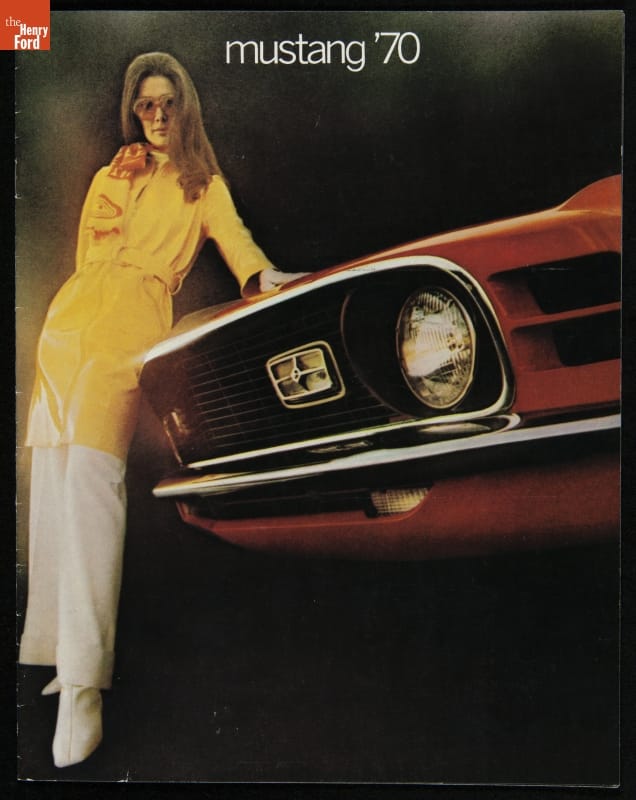
- Sales Brochure for 1970 Ford Mustang, "Mustang '70" - Ford's Mustang caused a sensation when it debuted for 1965. Based on the compact Ford Falcon platform, the Mustang offered sporty looks and a variety of options. Changes were subtle for 1966, but in 1967 the Mustang began evolving into a larger muscle car. By 1973 overall length was 194 inches -- over a foot longer than the original 1965 model.
- August 01, 1969
- Collections - Artifact
Sales Brochure for 1970 Ford Mustang, "Mustang '70"
Ford's Mustang caused a sensation when it debuted for 1965. Based on the compact Ford Falcon platform, the Mustang offered sporty looks and a variety of options. Changes were subtle for 1966, but in 1967 the Mustang began evolving into a larger muscle car. By 1973 overall length was 194 inches -- over a foot longer than the original 1965 model.
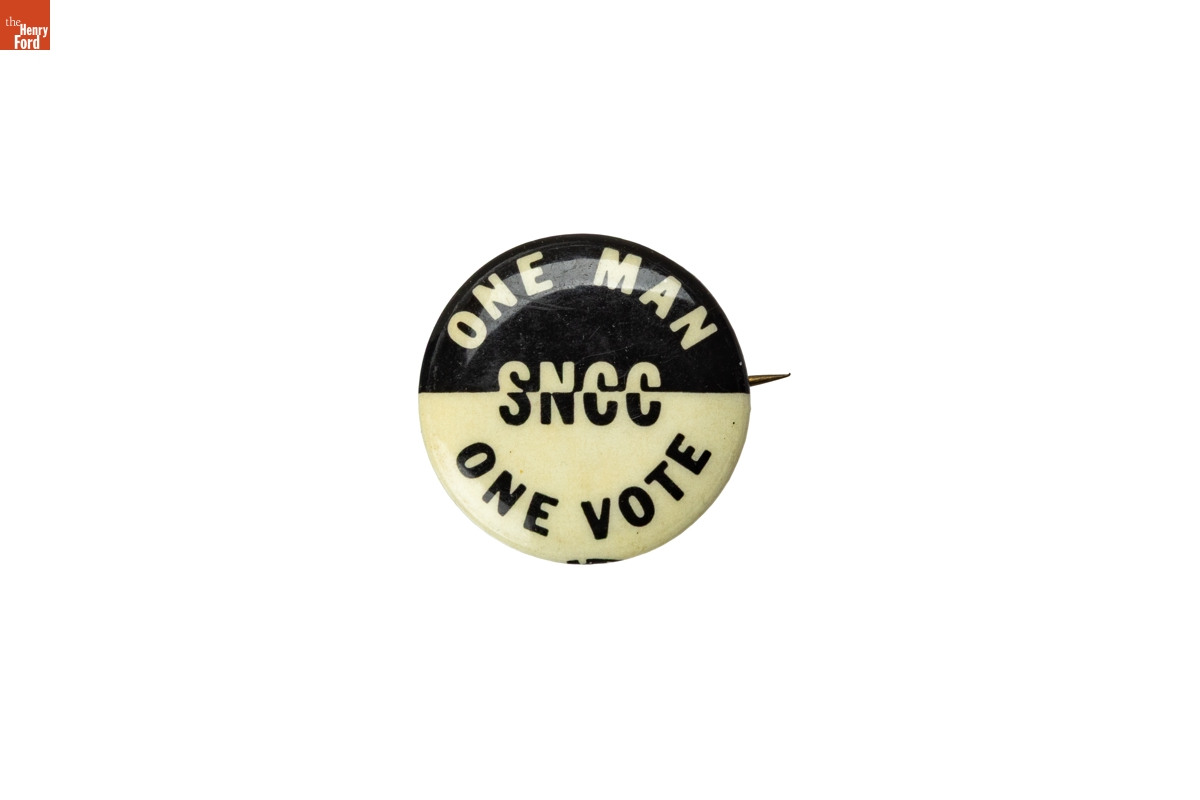
- Button, "One Man SNCC One Vote," 1960-1967 - The Student Nonviolent Coordinating Committee (SNCC) was organized in 1960 after four black college students demanded service at a Woolworth's lunch counter. The organization worked with black communities throughout the South to support sit-ins and other non-violent direct actions protesting segregation, as well as register African-American voters. By the late 1960s, the organization had become more militant, often clashing with mainstream civil rights groups.
- 1960-1967
- Collections - Artifact
Button, "One Man SNCC One Vote," 1960-1967
The Student Nonviolent Coordinating Committee (SNCC) was organized in 1960 after four black college students demanded service at a Woolworth's lunch counter. The organization worked with black communities throughout the South to support sit-ins and other non-violent direct actions protesting segregation, as well as register African-American voters. By the late 1960s, the organization had become more militant, often clashing with mainstream civil rights groups.
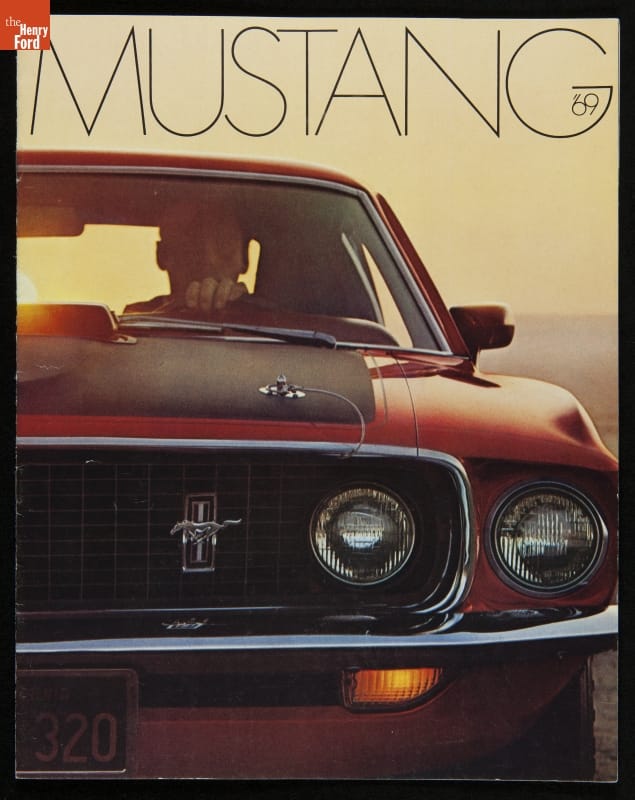
- Sales Brochure for 1969 Ford Mustang, "Mustang '69" - Ford's Mustang caused a sensation when it debuted for 1965. Based on the compact Ford Falcon platform, the Mustang offered sporty looks and a variety of options. Changes were subtle for 1966, but in 1967 the Mustang began evolving into a larger muscle car. By 1973 overall length was 194 inches -- over a foot longer than the original 1965 model.
- January 01, 1969
- Collections - Artifact
Sales Brochure for 1969 Ford Mustang, "Mustang '69"
Ford's Mustang caused a sensation when it debuted for 1965. Based on the compact Ford Falcon platform, the Mustang offered sporty looks and a variety of options. Changes were subtle for 1966, but in 1967 the Mustang began evolving into a larger muscle car. By 1973 overall length was 194 inches -- over a foot longer than the original 1965 model.