
Search
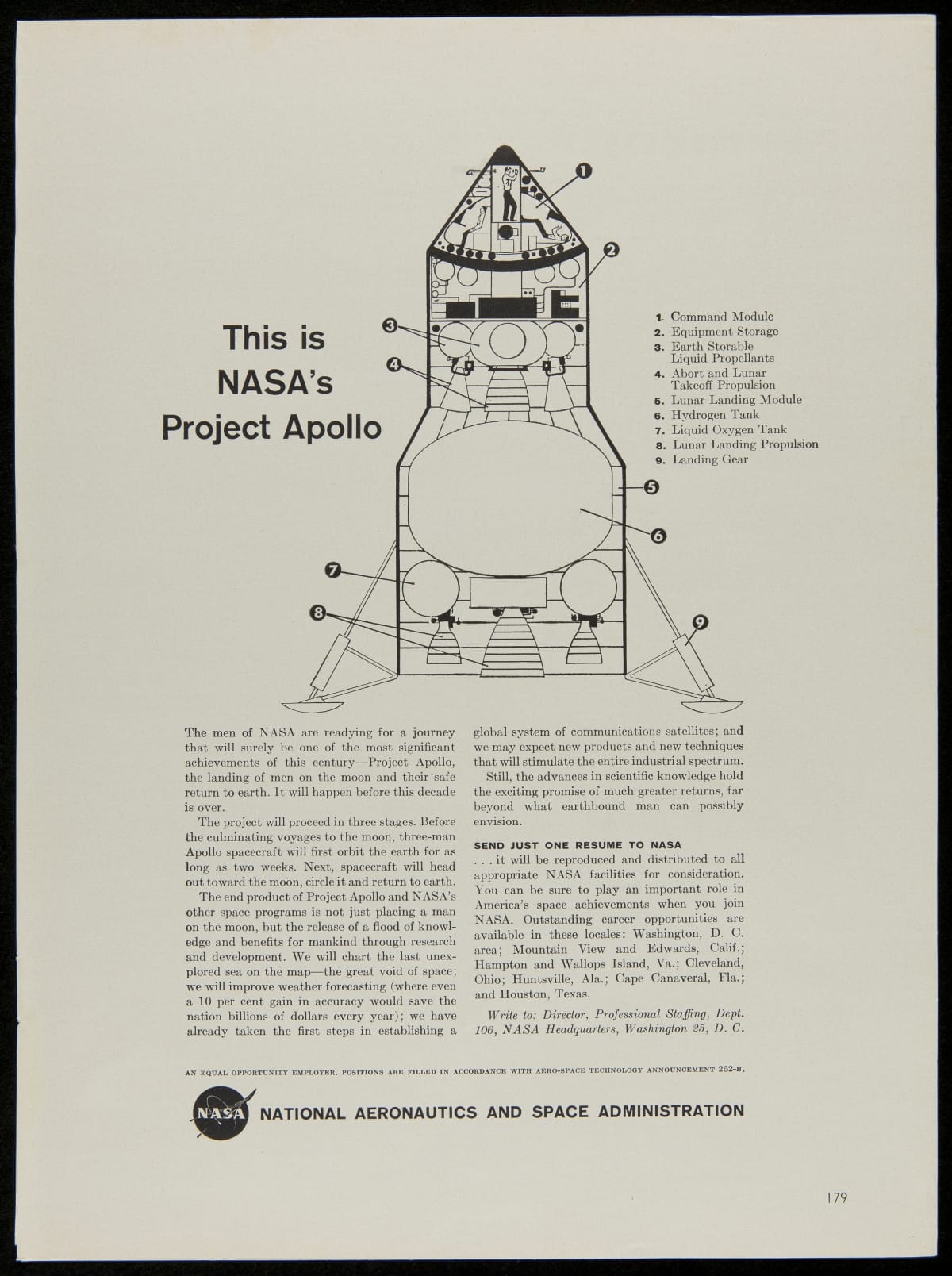
- Recruiting Advertisement for NASA, "This is NASA's Project Apollo," May 1962 - President John F. Kennedy's vision to explore the "new frontier" of space ignited the public's imagination. It was also an overt Cold War strategy against the Soviet Union which launched the first man in space April 12, 1961. NASA published this ad series in 1962 to convince aerospace engineers and scientists to join them for the U.S. effort to conquer space.
- May 01, 1962
- Collections - Artifact
Recruiting Advertisement for NASA, "This is NASA's Project Apollo," May 1962
President John F. Kennedy's vision to explore the "new frontier" of space ignited the public's imagination. It was also an overt Cold War strategy against the Soviet Union which launched the first man in space April 12, 1961. NASA published this ad series in 1962 to convince aerospace engineers and scientists to join them for the U.S. effort to conquer space.
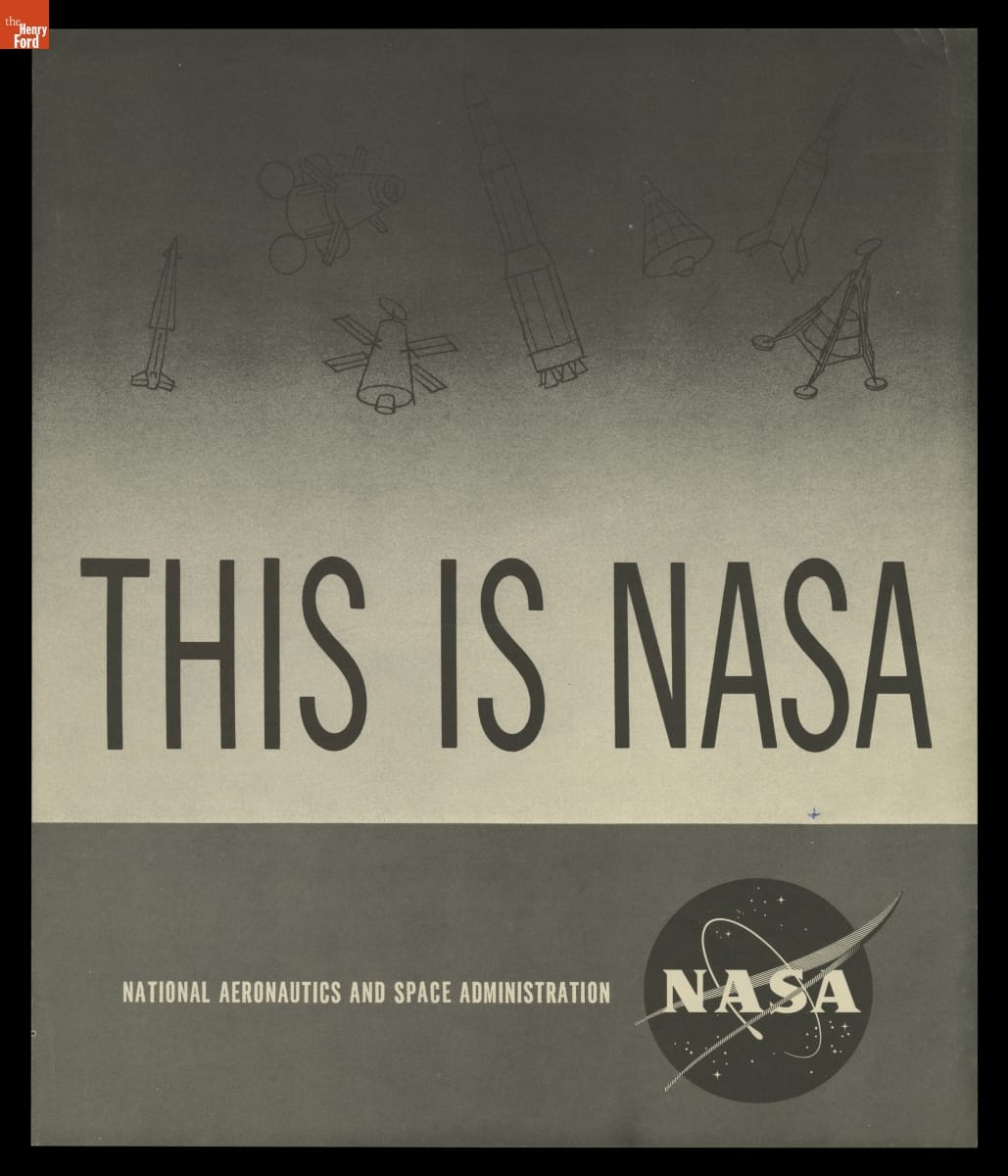
- Brochure, "This is NASA," 1961 -
- 1961
- Collections - Artifact
Brochure, "This is NASA," 1961
- Hallmark "Peanuts Celebrates NASA's 50 Years: Inspiration Innovation Discovery" Christmas Ornament, 2008 - Already known for greeting cards, Hallmark introduced a line of Christmas ornaments in 1973. The company's annual release of an increasing array of ornaments revolutionized Christmas decorating, appealing to customers' interest in marking memories and milestones as well as expressing one's personality and unique tastes.

- 2008
- Collections - Artifact
Hallmark "Peanuts Celebrates NASA's 50 Years: Inspiration Innovation Discovery" Christmas Ornament, 2008
Already known for greeting cards, Hallmark introduced a line of Christmas ornaments in 1973. The company's annual release of an increasing array of ornaments revolutionized Christmas decorating, appealing to customers' interest in marking memories and milestones as well as expressing one's personality and unique tastes.
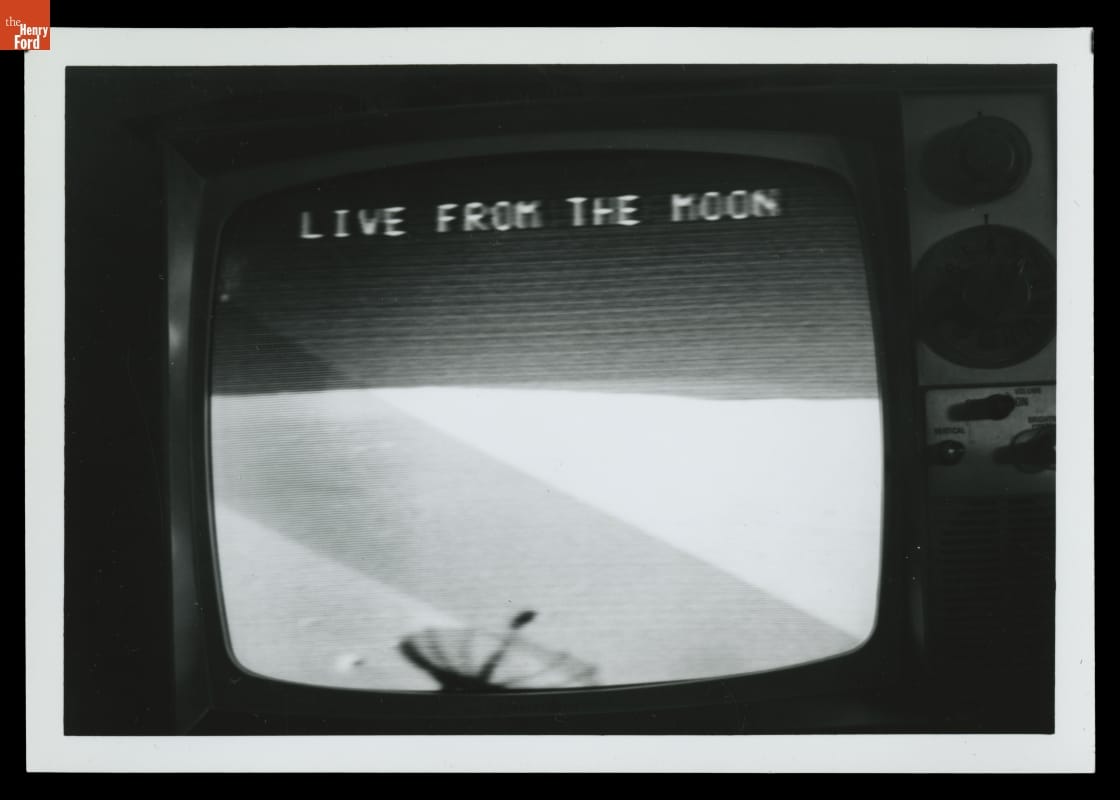
- Home Television Broadcast of NASA's Apollo 16 Moon Landing, April 16, 1972 - NASA's Apollo lunar missions captivated audiences watching the live events on their home televisions. When video recording technology was not widely available, people captured the events with what was available - the family camera. These images document many layers of technology, which united to make the missions possible. They also capture public fascination and desire to commemorate one's place in historical moments.
- April 16, 1972
- Collections - Artifact
Home Television Broadcast of NASA's Apollo 16 Moon Landing, April 16, 1972
NASA's Apollo lunar missions captivated audiences watching the live events on their home televisions. When video recording technology was not widely available, people captured the events with what was available - the family camera. These images document many layers of technology, which united to make the missions possible. They also capture public fascination and desire to commemorate one's place in historical moments.
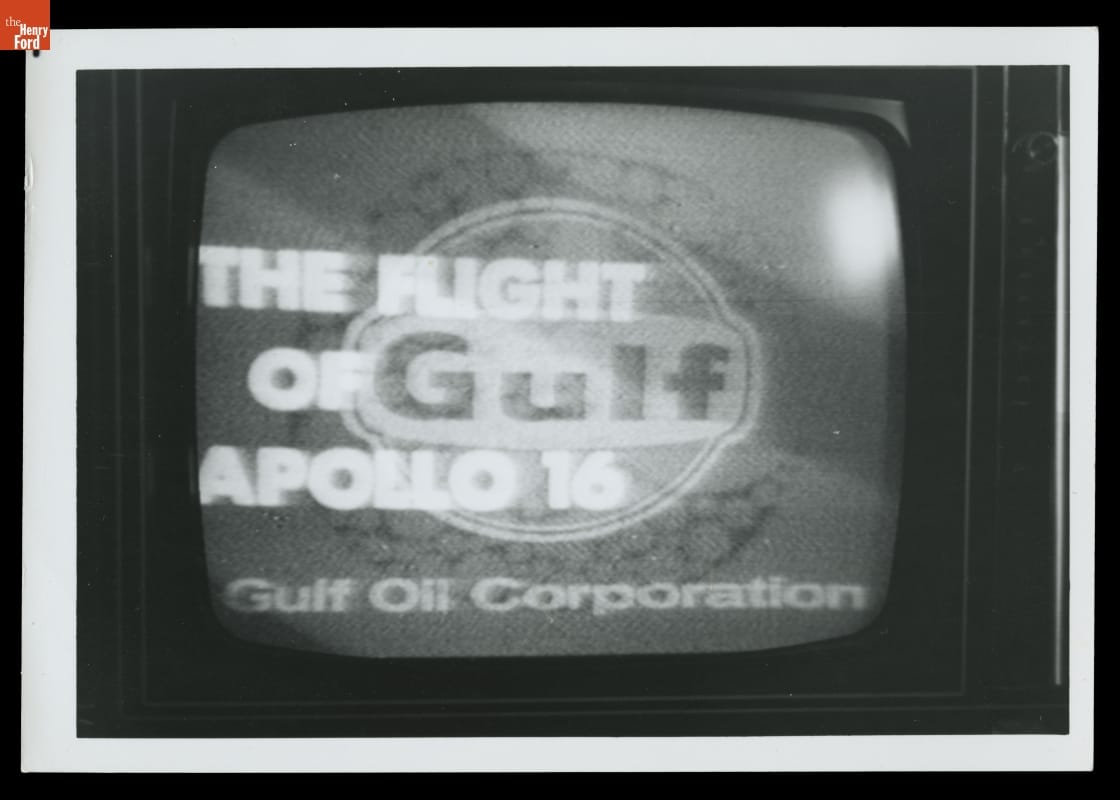
- Home Television Broadcast of NASA's Apollo 16 Moon Landing, April 16, 1972 - NASA's Apollo lunar missions captivated audiences watching the live events on their home televisions. When video recording technology was not widely available, people captured the events with what was available - the family camera. These images document many layers of technology, which united to make the missions possible. They also capture public fascination and desire to commemorate one's place in historical moments.
- April 16, 1972
- Collections - Artifact
Home Television Broadcast of NASA's Apollo 16 Moon Landing, April 16, 1972
NASA's Apollo lunar missions captivated audiences watching the live events on their home televisions. When video recording technology was not widely available, people captured the events with what was available - the family camera. These images document many layers of technology, which united to make the missions possible. They also capture public fascination and desire to commemorate one's place in historical moments.
- Home Television Broadcast of NASA's Apollo 11 Moon Landing, July 20, 1969 - NASA's Apollo lunar missions captivated audiences watching the live events on their home televisions. When video recording technology was not widely available, people captured the events with what was available - the family camera. These images document many layers of technology, which united to make the missions possible. They also capture public fascination and desire to commemorate one's place in historical moments.
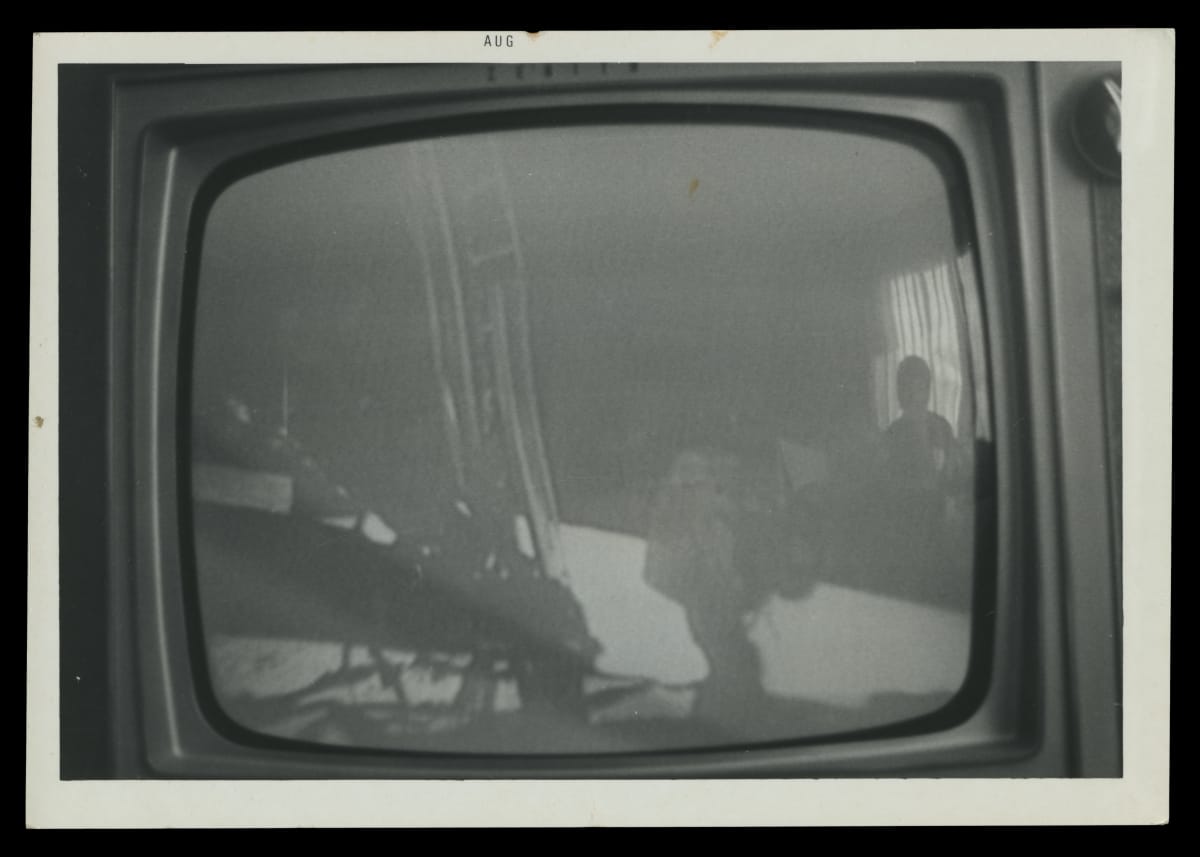
- July 20, 1969
- Collections - Artifact
Home Television Broadcast of NASA's Apollo 11 Moon Landing, July 20, 1969
NASA's Apollo lunar missions captivated audiences watching the live events on their home televisions. When video recording technology was not widely available, people captured the events with what was available - the family camera. These images document many layers of technology, which united to make the missions possible. They also capture public fascination and desire to commemorate one's place in historical moments.
- Home Television Broadcast of NASA's Apollo 11 Moon Landing, July 20, 1969 - NASA's Apollo lunar missions captivated audiences watching the live events on their home televisions. When video recording technology was not widely available, people captured the events with what was available - the family camera. These images document many layers of technology, which united to make the missions possible. They also capture public fascination and desire to commemorate one's place in historical moments.
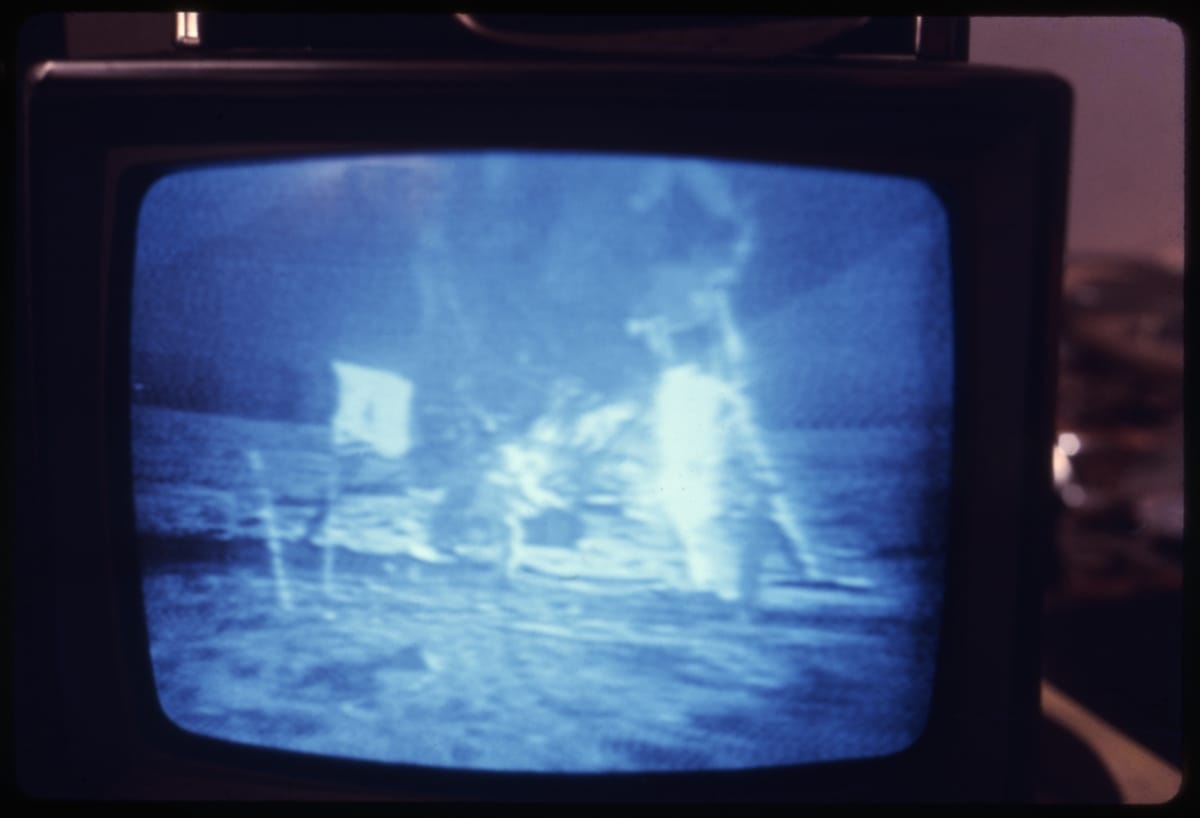
- July 20, 1969
- Collections - Artifact
Home Television Broadcast of NASA's Apollo 11 Moon Landing, July 20, 1969
NASA's Apollo lunar missions captivated audiences watching the live events on their home televisions. When video recording technology was not widely available, people captured the events with what was available - the family camera. These images document many layers of technology, which united to make the missions possible. They also capture public fascination and desire to commemorate one's place in historical moments.
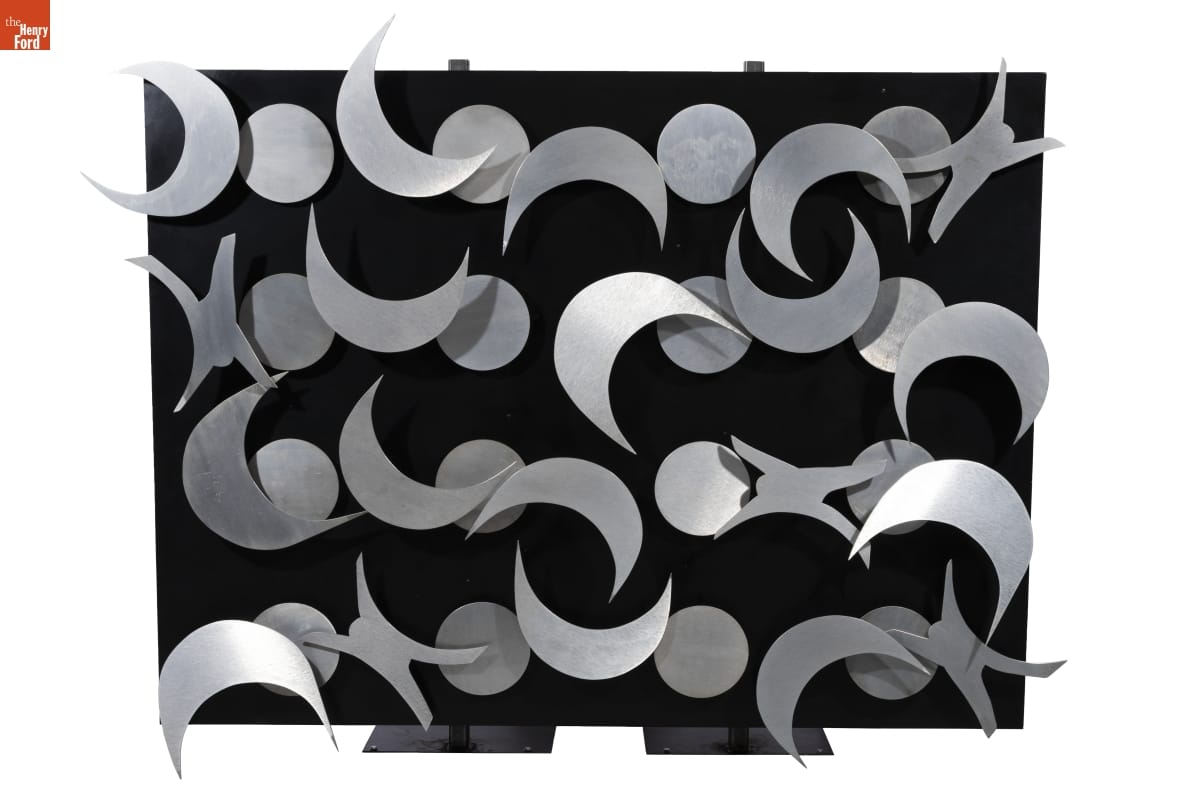
- "Homage to NASA" by Lillian F. Schwartz - Lillian Schwartz is a pioneer of computer-generated art. From 1969-2002, she was a "resident visitor" at Bell Laboratories, producing groundbreaking films, videos, and multimedia works. The Schwartz Collection spans Lillian's childhood into her late career, documenting an expansive mindset, mastery over traditional and experimental mediums alike--and above all--an ability to create inspirational connections between science, art, and technology.
- Collections - Artifact
"Homage to NASA" by Lillian F. Schwartz
Lillian Schwartz is a pioneer of computer-generated art. From 1969-2002, she was a "resident visitor" at Bell Laboratories, producing groundbreaking films, videos, and multimedia works. The Schwartz Collection spans Lillian's childhood into her late career, documenting an expansive mindset, mastery over traditional and experimental mediums alike--and above all--an ability to create inspirational connections between science, art, and technology.
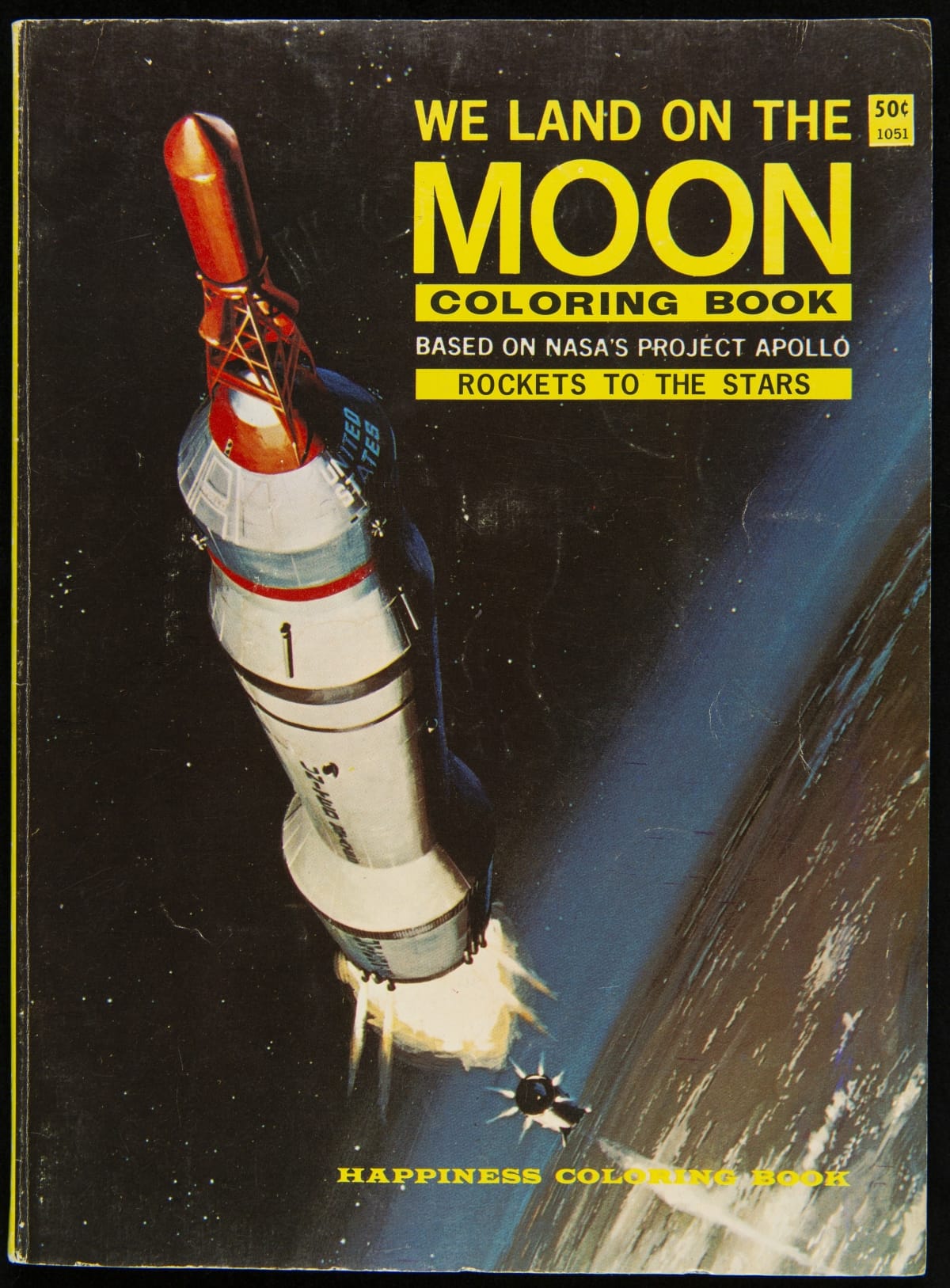
- We Land on the Moon Coloring Book Based on NASA's Project Apollo Rockets to the Stars, 1969 - This coloring book from 1969 was created to excite youngsters about the space program and especially about the moon landing of July 20. It covered the Mercury, Apollo, and Saturn vehicles and astronauts, as well as some history of the space program.
- 1969
- Collections - Artifact
We Land on the Moon Coloring Book Based on NASA's Project Apollo Rockets to the Stars, 1969
This coloring book from 1969 was created to excite youngsters about the space program and especially about the moon landing of July 20. It covered the Mercury, Apollo, and Saturn vehicles and astronauts, as well as some history of the space program.
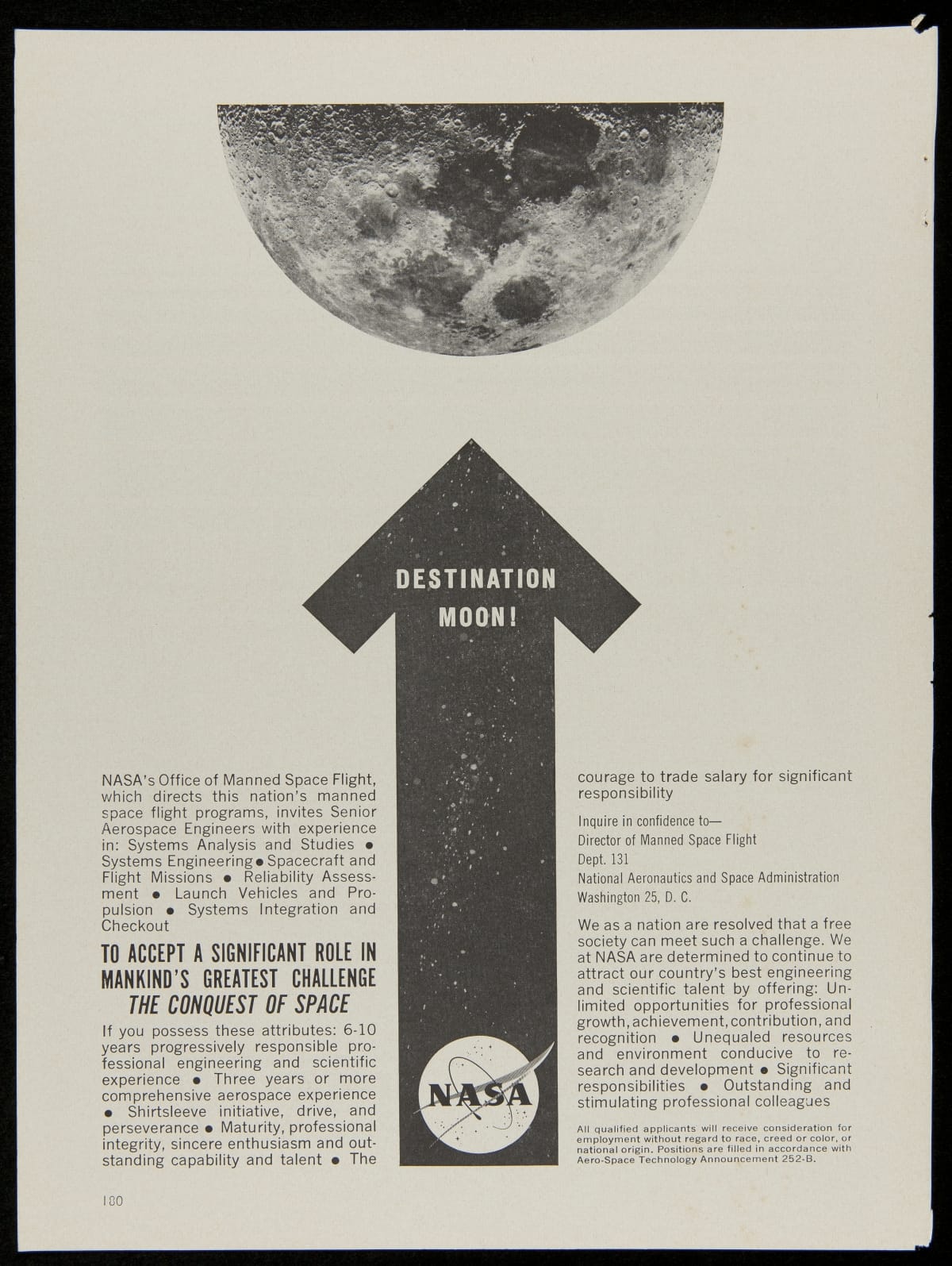
- Recruiting Advertisement for NASA, "Destination Moon!," July 1962 - President John F. Kennedy's vision to explore the "new frontier" of space ignited the public's imagination. It was also an overt Cold War strategy against the Soviet Union which launched the first man in space April 12, 1961. NASA published this ad series in 1962 to convince aerospace engineers and scientists to join them for the U.S. effort to conquer space.
- July 01, 1962
- Collections - Artifact
Recruiting Advertisement for NASA, "Destination Moon!," July 1962
President John F. Kennedy's vision to explore the "new frontier" of space ignited the public's imagination. It was also an overt Cold War strategy against the Soviet Union which launched the first man in space April 12, 1961. NASA published this ad series in 1962 to convince aerospace engineers and scientists to join them for the U.S. effort to conquer space.