
Search
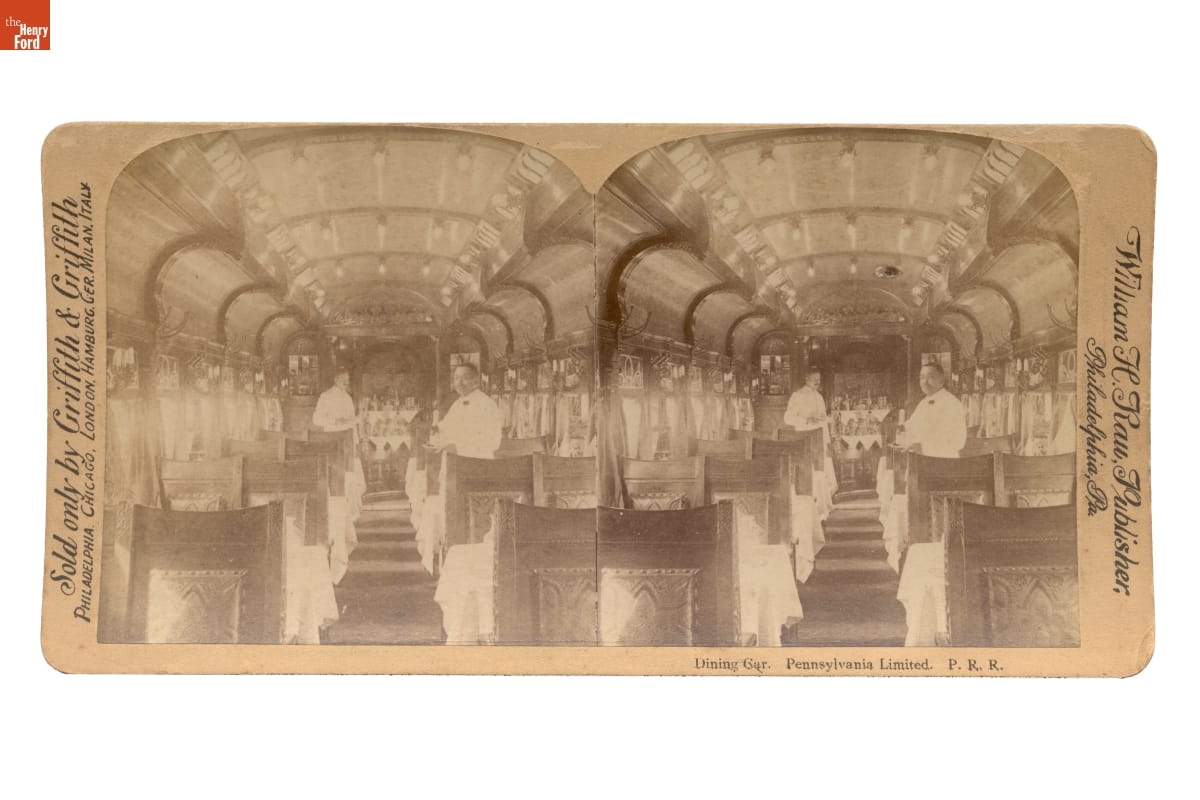
- Dining Car, Pennsylvania Limited, Pennsylvania Railroad, circa 1900 - Railroads took pride in their dining cars. They were expensive to operate, but quality food and service helped a railroad distinguish itself from competitors. For African Americans, working on a railroad dining car was one of the few avenues available to enter the Black middle class in the 19th and early 20th centuries.
- circa 1900
- Collections - Artifact
Dining Car, Pennsylvania Limited, Pennsylvania Railroad, circa 1900
Railroads took pride in their dining cars. They were expensive to operate, but quality food and service helped a railroad distinguish itself from competitors. For African Americans, working on a railroad dining car was one of the few avenues available to enter the Black middle class in the 19th and early 20th centuries.
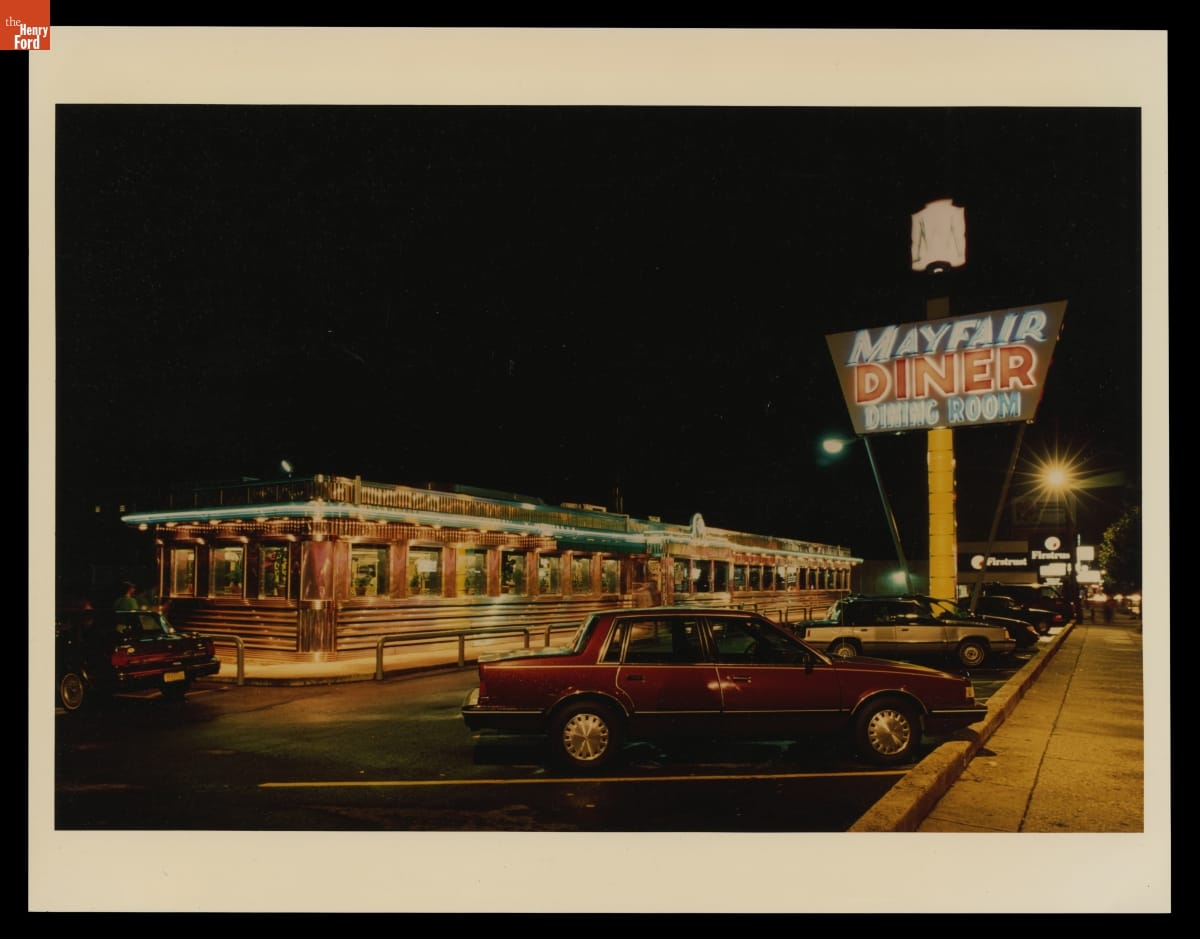
- Mayfair Diner, Philadelphia, Pennsylvania -
- Collections - Artifact
Mayfair Diner, Philadelphia, Pennsylvania
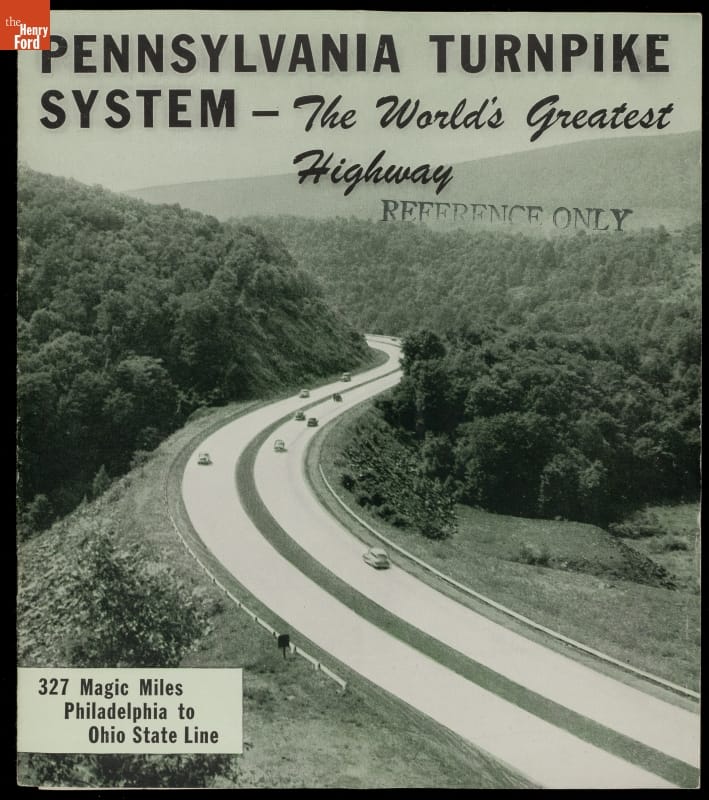
- The Pennsylvania Turnpike - Opened in 1940, the Pennsylvania Turnpike was the prototype for modern limited-access American highways. Financed by user tolls, the turnpike initially ran 160 miles across the Keystone State, connecting Harrisburg with Pittsburgh. It was soon extended 100 miles east to Philadelphia. Drivers appreciated the smooth pavement, gentle curves, and lack of stoplights. The turnpike became a tourist attraction in its own right.
- July 29, 2021
- Collections - Set
The Pennsylvania Turnpike
Opened in 1940, the Pennsylvania Turnpike was the prototype for modern limited-access American highways. Financed by user tolls, the turnpike initially ran 160 miles across the Keystone State, connecting Harrisburg with Pittsburgh. It was soon extended 100 miles east to Philadelphia. Drivers appreciated the smooth pavement, gentle curves, and lack of stoplights. The turnpike became a tourist attraction in its own right.
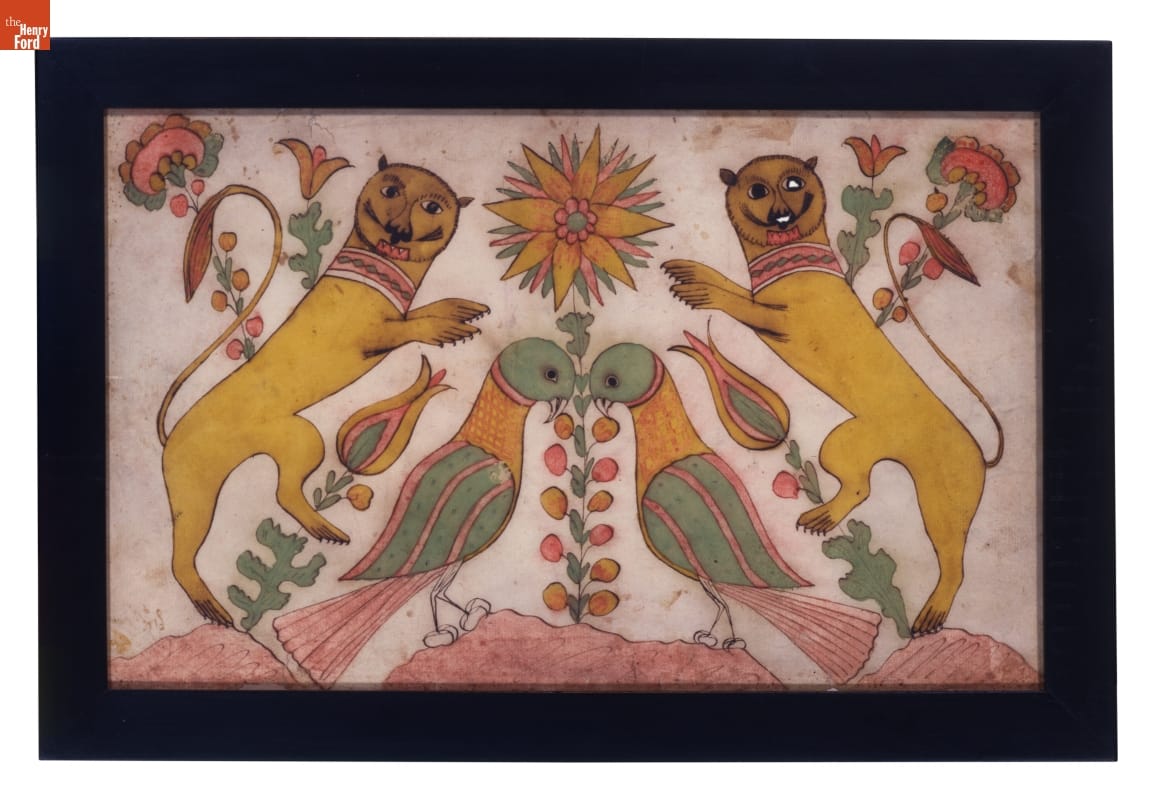
- Pennsylvania German Aesthetics - The Pennsylvania Germans, popularly known as the Pennsylvania "Dutch," were a vibrant immigrant community active in southeastern Pennsylvania in the late 18th and early 19th centuries. The Henry Ford has a rich collection of objects that show the Pennsylvania Germans' flamboyant, whimsical, playful, and highly imaginative artistic style. These pieces are a few of the highlights.
- November 04, 2024
- Collections - Set
Pennsylvania German Aesthetics
The Pennsylvania Germans, popularly known as the Pennsylvania "Dutch," were a vibrant immigrant community active in southeastern Pennsylvania in the late 18th and early 19th centuries. The Henry Ford has a rich collection of objects that show the Pennsylvania Germans' flamboyant, whimsical, playful, and highly imaginative artistic style. These pieces are a few of the highlights.
- Pennsylvania License Plate, 1954 - Early state-issued license plates were made of porcelain-coated iron. Later, states stamped tin, steel, or even copper to make plates. During the Second World War several states used fiberboard. Plate colors varied and some states added symbols, mottoes, or other design elements. Today, states use reflective sheeting to coat a standard-sized aluminum blank which is then stamped and decorated.
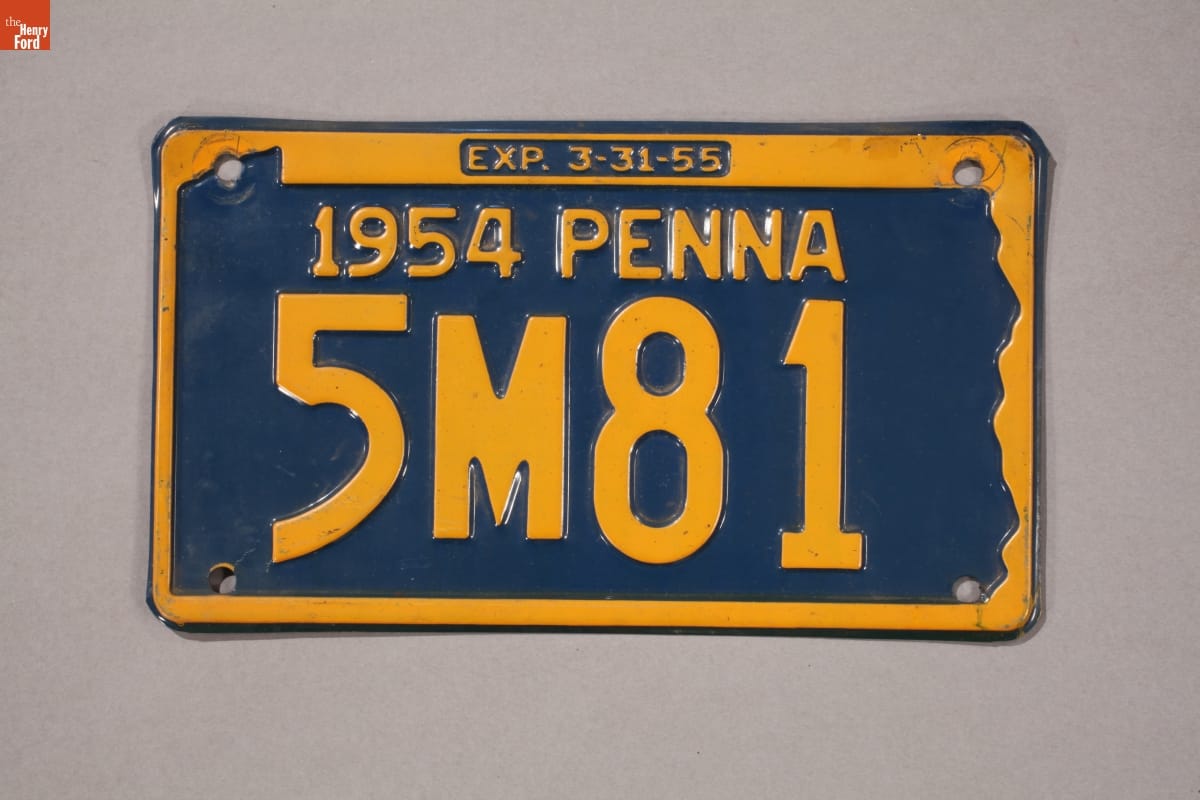
- 1954
- Collections - Artifact
Pennsylvania License Plate, 1954
Early state-issued license plates were made of porcelain-coated iron. Later, states stamped tin, steel, or even copper to make plates. During the Second World War several states used fiberboard. Plate colors varied and some states added symbols, mottoes, or other design elements. Today, states use reflective sheeting to coat a standard-sized aluminum blank which is then stamped and decorated.
- "The Centennial Exhibition and the Pan-Handle Pennsylvania Route," Philadelphia, Pennsylvania, 1876 - The Pennsylvania Railroad (PRR) transported many of the estimated ten million visitors who attended the 1876 Centennial Exhibition in Philadelphia, described and illustrated in this guidebook. Travelers from Ohio, Indiana or northern Illinois could get there via PRR's subsidiary, the Pittsburgh, Cincinnati & St. Louis Railway -- nicknamed the "Pan-Handle Route" for its path across West Virginia's northern panhandle.
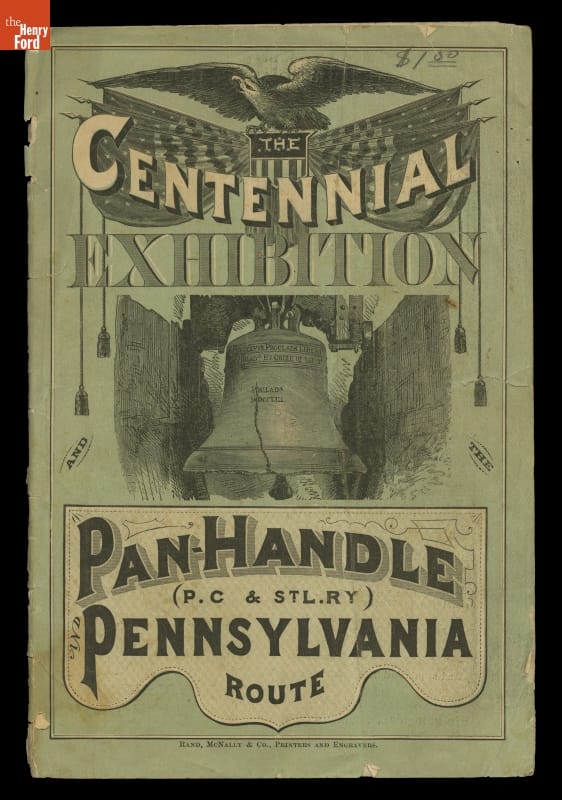
- 1876
- Collections - Artifact
"The Centennial Exhibition and the Pan-Handle Pennsylvania Route," Philadelphia, Pennsylvania, 1876
The Pennsylvania Railroad (PRR) transported many of the estimated ten million visitors who attended the 1876 Centennial Exhibition in Philadelphia, described and illustrated in this guidebook. Travelers from Ohio, Indiana or northern Illinois could get there via PRR's subsidiary, the Pittsburgh, Cincinnati & St. Louis Railway -- nicknamed the "Pan-Handle Route" for its path across West Virginia's northern panhandle.
- 1923 Pennsylvania Driver's License - As more people purchased cars, drove, and had accidents, governments began regulating the operation of the automobile. By the end of the 1920s, most local governments required owners to register their cars and possess a driver's licenses. The Commonwealth of Pennsylvania issued this driver's license in 1923.
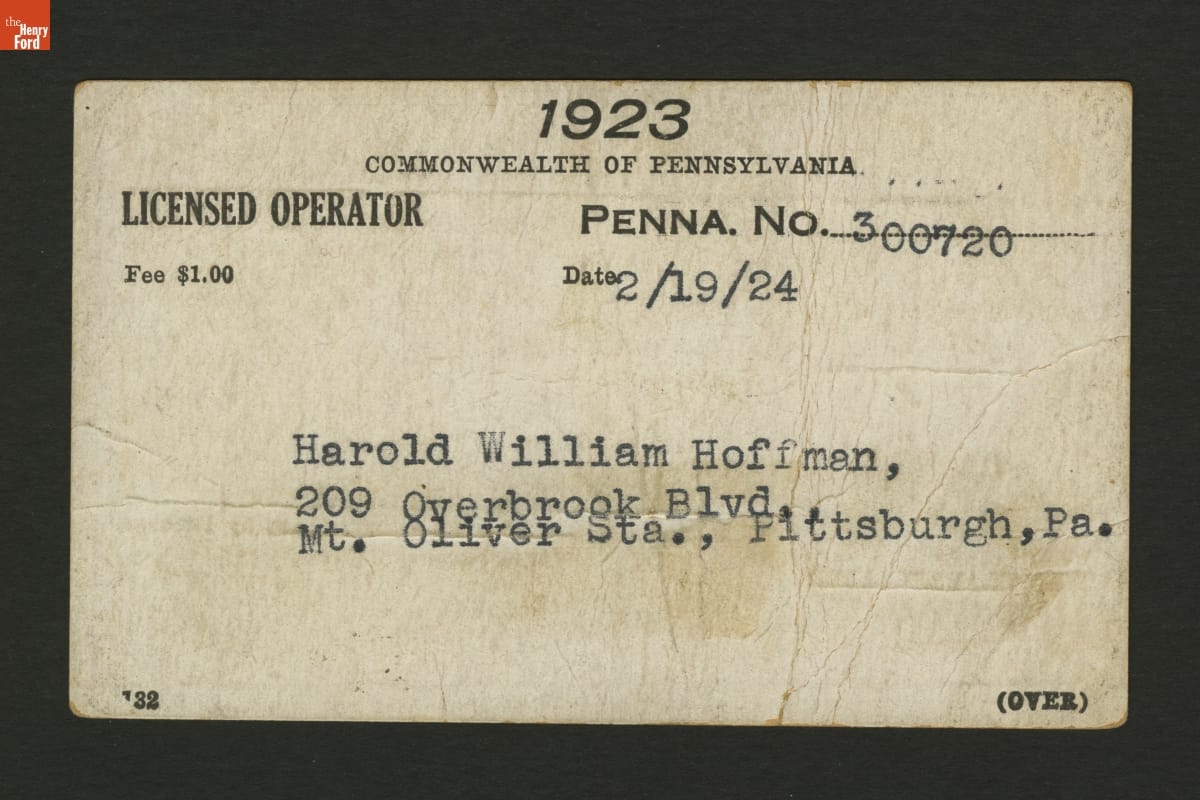
- 1923-1924
- Collections - Artifact
1923 Pennsylvania Driver's License
As more people purchased cars, drove, and had accidents, governments began regulating the operation of the automobile. By the end of the 1920s, most local governments required owners to register their cars and possess a driver's licenses. The Commonwealth of Pennsylvania issued this driver's license in 1923.
- Pennsylvania License Plate, 1958 - Early state-issued license plates were made of porcelain-coated iron. Later, states stamped tin, steel, or even copper to make plates. During the Second World War several states used fiberboard. Plate colors varied and some states added symbols, mottoes, or other design elements. Today, states use reflective sheeting to coat a standard-sized aluminum blank which is then stamped and decorated.
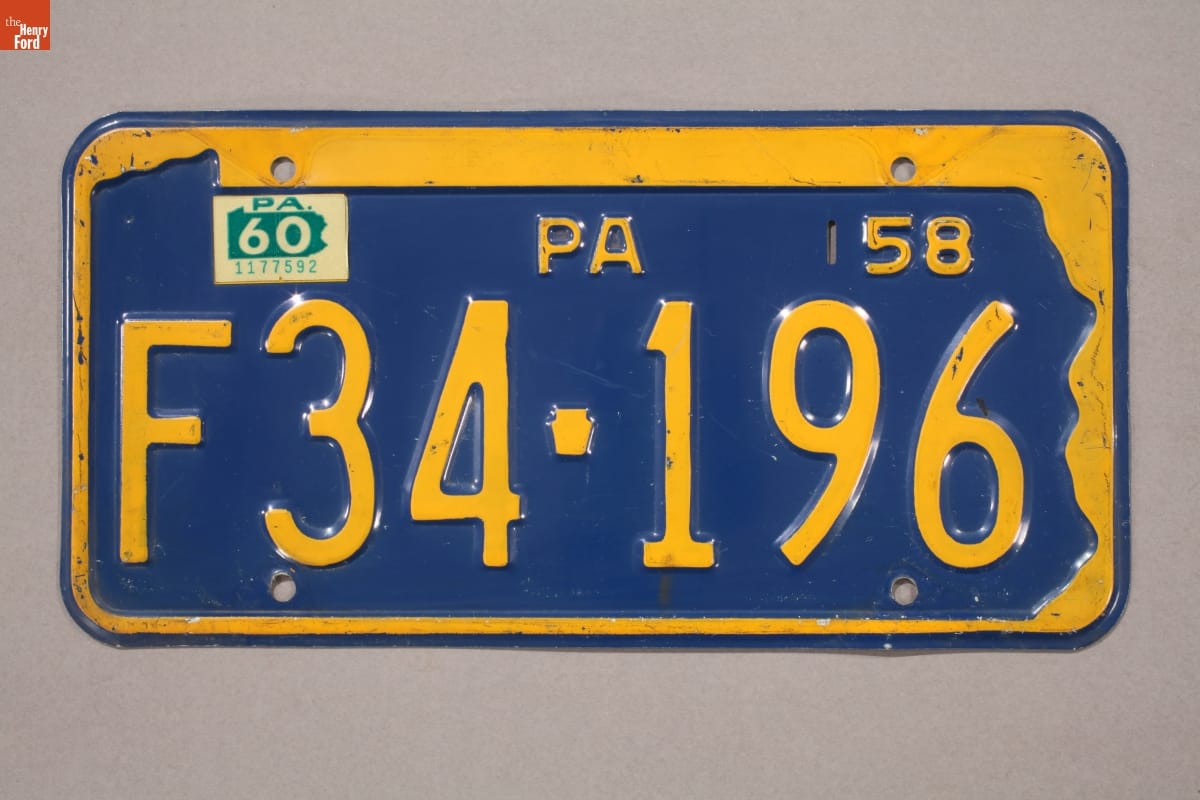
- 1958
- Collections - Artifact
Pennsylvania License Plate, 1958
Early state-issued license plates were made of porcelain-coated iron. Later, states stamped tin, steel, or even copper to make plates. During the Second World War several states used fiberboard. Plate colors varied and some states added symbols, mottoes, or other design elements. Today, states use reflective sheeting to coat a standard-sized aluminum blank which is then stamped and decorated.
- Pennsylvania License Plate, 1929 - Early state-issued license plates were made of porcelain-coated iron. Later, states stamped tin, steel, or even copper to make plates. During the Second World War several states used fiberboard. Plate colors varied and some states added symbols, mottoes, or other design elements. Today, states use reflective sheeting to coat a standard-sized aluminum blank which is then stamped and decorated.
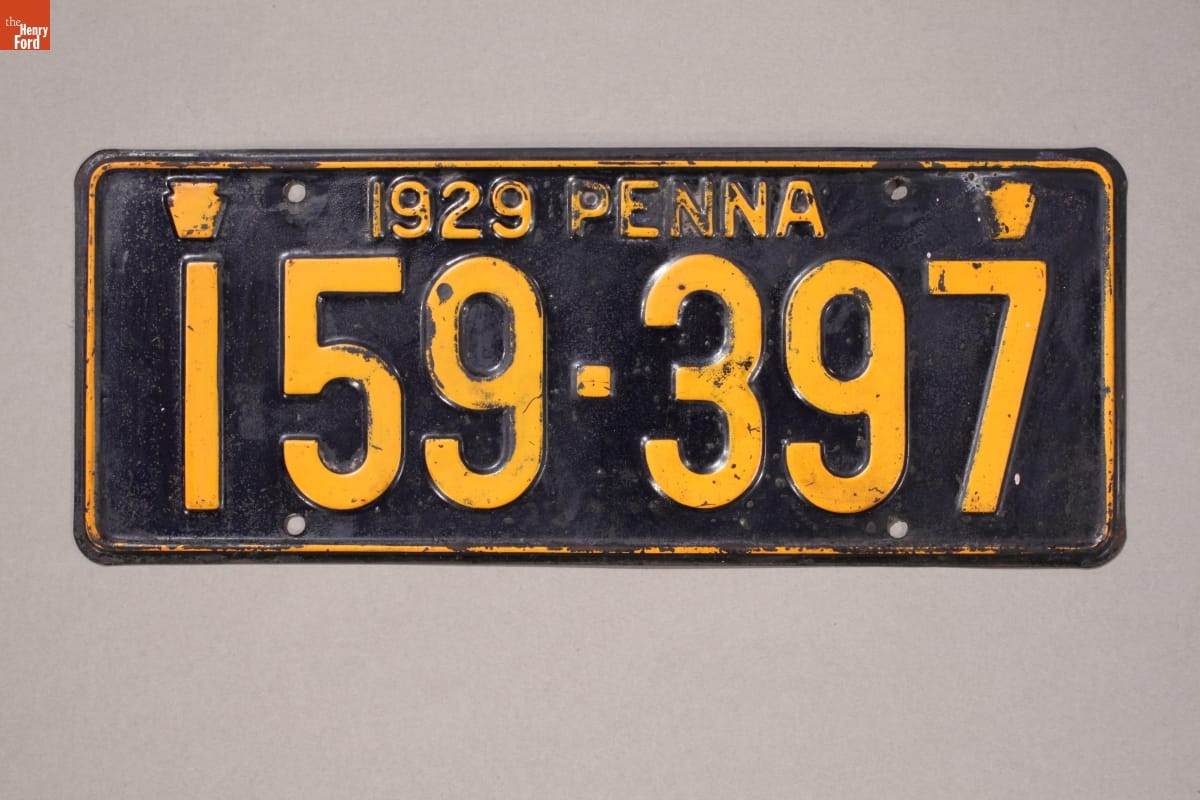
- 1929
- Collections - Artifact
Pennsylvania License Plate, 1929
Early state-issued license plates were made of porcelain-coated iron. Later, states stamped tin, steel, or even copper to make plates. During the Second World War several states used fiberboard. Plate colors varied and some states added symbols, mottoes, or other design elements. Today, states use reflective sheeting to coat a standard-sized aluminum blank which is then stamped and decorated.
- The Pennsylvania Farmer, 1804 -
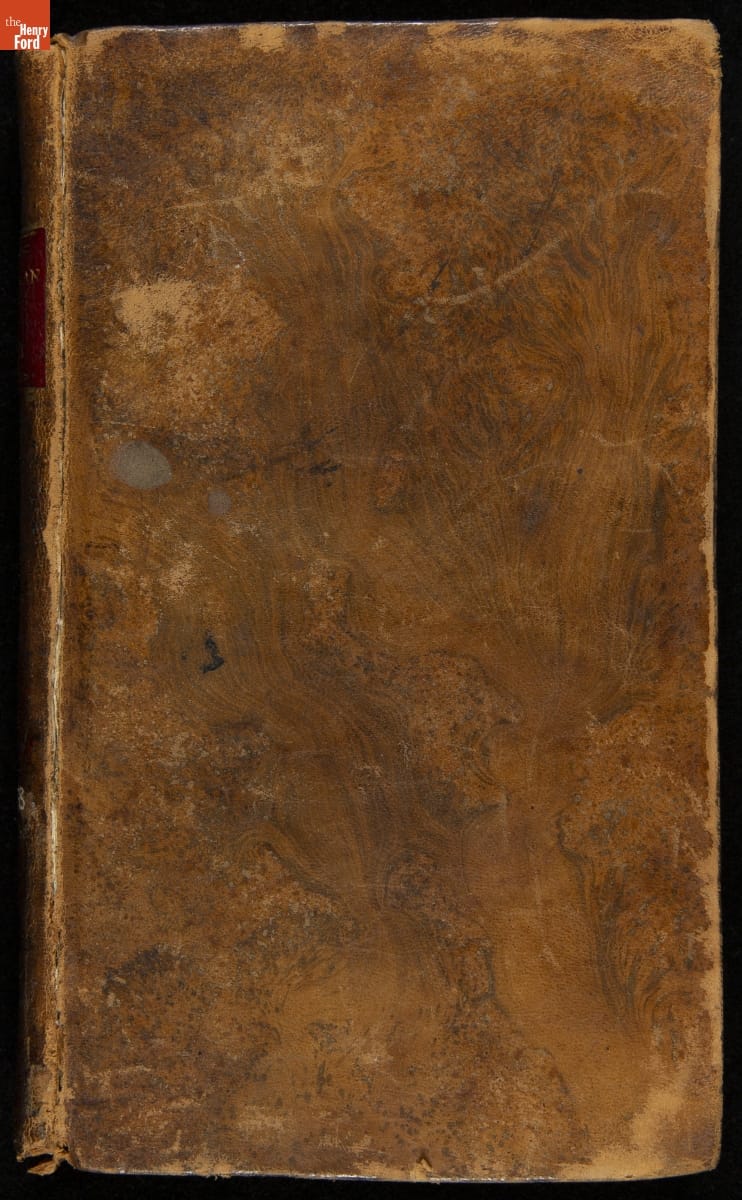
- 1804
- Collections - Artifact
The Pennsylvania Farmer, 1804